Calories and Nutritions in Beef Jerky
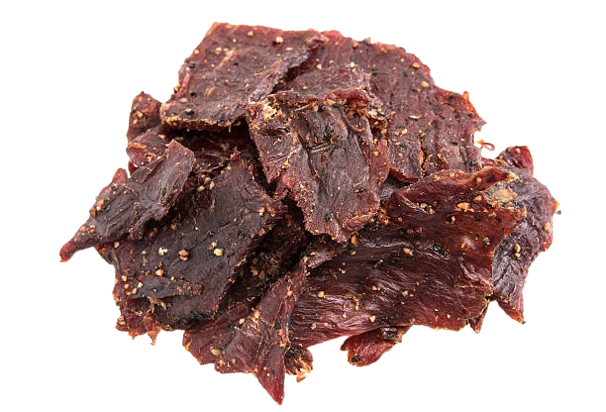
Beef Jerky calories vary based on serving size and portion cut. A 1 oz serving (28g) of lean beef jerky contains 90 to 110 calories (5% DV), while a larger portion (85g or 3oz) provides 270-330 calories (15% DV). A 3-oz serving of beef jerky offers 13 grams protein (26% DV), 1.5 grams fat (2% DV), 5 grams carbohydrates (2% DV), and 4 grams sugar. Beef jerky provides minerals, zinc, iron and B vitamins (Wyness, L., et al., 2011). Beef jerky nutrition and main benefits stem from its high protein content and mineral profile, including zinc, iron, and B12, which support muscle maintenance, immune function, and energy metabolism.
Beef jerky types include lean, flavored, natural/uncured, grass-fed, South African Biltong, and thick-cut steak strips. Specific jerky production data lacks global tracking, but beef production is led by the United States, Brazil, and China. Beef consumption is highest in the United States, China, and the European Union. Beef jerky prices increased over the last 20 years, mainly due to the rising beef costs, processing expenses, and strong consumer demand for high-protein snacks.
Beef jerky functions as a snack food, rarely appearing in restaurant main dishes due its texture flavor profile. Novelty dessert uses like chocolate-covered jerky exist but are uncommon in restaurants. Consuming a standard 28 gram (1 ounce) serving which contains 90-110 calories is generally safe as an occasional snack. Burning the 100 calories from beef jerky requires 15 minutes of moderate intensity jogging or 20 minutes of brisk walking.
Beef Jerky nutrition
| Stats | Weight |
|---|---|
| Carbs | 0 grams |
| Protein | 20.1 grams |
| Fats | 9.4 grams |
| Sugars | 0 grams |
- Chicken Jerky Calories (Nutritional Facts)
- Venison Jerky Calories (Nutritional Facts)
- Salmon Jerky Calories (Nutritional Facts)
- Turkey Jerky Calories (Nutritional Facts)
- Sugar in Beef Jerky
- Fiber in Beef Jerky
- Protein in Beef Jerky
- Carbs in Beef Jerky
- Fat in Beef Jerky
- Vitamins in Beef Jerky
- Minerals in Beef Jerky
Chicken Jerky Calories (Nutritional Facts)
A serving of chicken jerky (28g or 1oz) contains 90 calories, 12g of protein, 2g of fat, and 4g of carbohydrates. A larger portion of chicken jerky (85g or 3oz) provides 270 calories, 36g of protein, 6g of fat, and 12g of carbohydrates.
Calories in venison jerky (28g or 1oz) contains 95 calories, 14g of protein, 1.5g of fat, and 3g of carbohydrates. A larger portion of venison jerky (85g or 3oz) provides 285 calories, 42g of protein, 4.5g of fat, and 9g of carbohydrates.
A serving of salmon jerky (28g or 1oz) contains 110 calories, 12g of protein, 5g of fat, and 3g of carbohydrates. A larger portion (85g or 3oz) provides 330 calories, 36g of protein, 15g of fat, and 9g of carbohydrates.
A serving of turkey jerky (28g or 1oz) contains 80 calories, 11g of protein, 1.5g of fat, and 4g of carbohydrates. A larger portion of turkey jerky (85g or 3oz) provides 240 calories, 33g of protein, 4.5g of fat, and 12g of carbohydrates.
A serving of lean beef jerky (28g or 1oz) contains 4g of sugar. A larger portion (85g or 3oz) contains 12g of sugar. Sugar content varies widely depending on brand flavorings.
Lean beef jerky contains 0g of fiber per serving (28g or 1oz). A larger portion (85g or 3oz) also contains 0g of fiber.
A serving of lean beef jerky (28g or 1oz) provides 13g of protein. A larger portion (85g or 3oz) provides 39g of protein.
A serving of lean beef jerky (28g or 1oz) contains 5g of carbohydrates. A larger portion (85g or 3oz) contains 15g of carbohydrates. These carbohydrates primarily come from added sugars and flavorings.
A serving of lean beef jerky (28g or 1oz) contains 1.5g of fat. A larger portion (85g or 3oz) contains 4.5g of fat. Jerky made from fattier cuts of beef contains higher amounts of fat.
A 100g (3.5oz) serving of lean beef jerky provides 1.5mcg of Vitamin B12 (63% DV), 4.5mg of Niacin (28% DV), 0.2mg of Riboflavin (15% DV), 70mg of Choline (13% DV), and 0.1mg of Vitamin B6 (6% DV).
A 100g (3.5oz) serving of lean beef jerky contains 4.5mg of Zinc (41% DV), 20mcg of Selenium (36% DV), 220mg of Phosphorus (18% DV), 2.5mg of Iron (14% DV), 0.1mg of Copper (11% DV), 300mg of Potassium (6% DV), and 25mg of Magnesium (6% DV). A 28g (1oz) serving contains 521mg of Sodium (23% DV), and an 85g (3oz) serving contains 1581mg of Sodium (69% DV). Sodium content depends on brand and flavor.
Get a Custom Report on Beef Jerky Nutrition Data – Contact Us!
What are the Types of Beef Jerky?
The types of Beef Jerky are detailed below:
| Type Category | Description | Calories (per 28g / 1 oz) | Calorie Qualifications |
|---|---|---|---|
|
Lean Beef Jerky
|
Made from lean cuts like round or flank, traditional flavor profiles. | 90-110 | Lower fat content contributes to lower calories compared to fattier cuts. Sugar/sodium levels vary by brand. |
|
Flavored Beef Jerky
|
Teriyaki, Peppered, Sweet & Hot, BBQ, etc. Marinades add flavor. | 90-120+ | Calories vary based on sugar content in marinades (Teriyaki, BBQ, Sweet styles are higher). Fat content similar to lean unless specified otherwise. |
|
Natural/Uncured Jerky
|
Uses natural preservatives (e.g., celery powder) instead of sodium nitrite. | 90-110 | Calorie content similar to lean jerky, nutritional difference is primarily in preservatives used, not macros. Sodium can still be high. |
|
Grass-Fed Beef Jerky
|
Made from beef raised on grass diets. | 90-110 | Similar calorie range to lean jerky. May have slightly different fatty acid profile, but calorie difference is minimal. |
|
Biltong (Beef)
|
South African style air-dried meat, often thicker cut, less sweet marinade. | 90-110 | Similar calories to lean jerky, often lower in sugar than American-style jerky. Fat content varies with cut. |
|
Thick-Cut/Steak Strips
|
Larger, thicker pieces, sometimes made from fattier cuts like brisket. | 100-130+ | Potentially higher in calories due to thicker cut (larger serving perception) and potentially higher fat content if using brisket. |
What are the Desserts with Beef Jerky?
Incorporating beef jerky into desserts is uncommon and are rarely available in restaurants. The table below shows experimental or novelty desserts with beef jerky:
| Dish Name | Calories (Estimate) | Type of Jerky/Flavor | Carbs (g) (Estimate) | Sugar (g) (Estimate) | Protein (g) (Estimate) | Fat (g) (Estimate) | Cuisine | Restaurants |
|---|---|---|---|---|---|---|---|---|
|
Chocolate Covered Jerky
|
150-250 (per piece) | Lean, Plain/Smoked | 10-20 | 10-18 | 8-12 | 6-12 | American (Novelty) | Specialty candy shops, online jerky retailers, very rare as a restaurant dessert. |
|
Candied Beef Jerky
|
120-180 (per oz/28g) | Lean, Sweet Glaze | 10-20 | 10-18 | 10-14 | 3-7 | American (Novelty) | Primarily homemade or specialty food producers. |
|
Jerky Brittle
|
180-250 (per oz/28g) | Crumbled Jerky | 15-25 | 14-23 | 4-8 | 8-15 | American (Novelty) | Extremely rare, potentially found at niche food events or specialty shops. |
What are the Main Dishes with Beef Jerky?
Beef jerky is rarely used as a primary ingredient in restaurant main courses because its intense flavor and chewy texture make it difficult to incorporate seamlessly into most traditional main dishes. Occasional uses might include crumbling it as a garnish or adding it to very specific regional or trail-food-inspired preparations, as shown below:
| Dish Name | Calories (Estimate) | Type of Jerky Used | Carbs (g) (Estimate) | Sugar (g) (Estimate) | Protein (g) (Estimate) | Fat (g) (Estimate) | Cuisine | Restaurants |
|---|---|---|---|---|---|---|---|---|
|
Jerky Crumbled on Salad/Soup
|
+30-50 (garnish only) | Finely Crumbled | 1-3 | 1-2 | 3-5 | 1-2 | American (Novelty) | Extremely rare garnish, might appear on menus emphasizing unique textures/flavors. |
|
Specific Regional Stews/Hashes
|
Highly Variable | Rehydrated/Chopped | Variable | Variable | Variable | Variable | Regional/Historical | Not found on standard restaurant menus, historical or specific cultural context. |
|
Other Main Dishes
|
N/A | N/A | N/A | N/A | N/A | N/A | Not Applicable | Beef jerky is not a standard ingredient in restaurant main courses. |
What Cuisines Prefer Beef Jerky the Most?
Beef jerky is associated with American snack culture rather than being a staple ingredient within a specific traditional cuisine's composed dishes, as shown below:
| Cuisine / Culture | Dish / Use Context | Types of Jerky/Dried Meat Used | Calories (Estimate) | Restaurant |
|---|---|---|---|---|
|
American
|
Snack Food | Beef Jerky (various flavors) | 90-130 (per oz/28g) | Available in stores, gas stations, not a restaurant dish. |
|
South African
|
Snack Food | Biltong (Beef, Game) | 90-110 (per oz/28g) | Specialty stores, online retailers, South African groceries. |
|
South American
|
Snack / Ingredient Base | Charqui / Ch'arki (Llama, Beef) | Variable | Traditional markets, used historically/regionally in stews. |
|
Asian (some varieties)
|
Snack / Ingredient | Bak Kwa (Pork), Dried Shredded Meat | Variable | Asian markets, specialty stores (often sweeter than US jerky). |
Which Countries Produce the Most Beef Jerky?
Based on data from the Food and Agriculture Organization of the United Nations (FAOSTAT), the largest producers of beef (essential ingredient in beef jerky) are the United States, Brazil, China, the European Union (aggregated), and India. The table below shows production figures for beef:
| Country/Region | 2004 | 2005 | 2006 | 2007 | 2008 | 2009 | 2010 | 2011 | 2012 | 2013 | 2014 | 2015 | 2016 | 2017 | 2018 | 2019 | 2020 | 2021 | 2022 |
|---|---|---|---|---|---|---|---|---|---|---|---|---|---|---|---|---|---|---|---|
| USA | 11980000 | 11900000 | 12150000 | 12050000 | 12100000 | 11800000 | 11750000 | 11650000 | 11500000 | 11300000 | 11000000 | 10800000 | 11400000 | 11900000 | 12200000 | 12350000 | 12380000 | 12700000 | 12880000 |
| Brazil | 8300000 | 8600000 | 9000000 | 9200000 | 9300000 | 9400000 | 9350000 | 9300000 | 9600000 | 9700000 | 9900000 | 9500000 | 9400000 | 9600000 | 9900000 | 10100000 | 10100000 | 9750000 | 10350000 |
| China | 6100000 | 6300000 | 6500000 | 6700000 | 6800000 | 6900000 | 7000000 | 7100000 | 7200000 | 7300000 | 7400000 | 7450000 | 7500000 | 7550000 | 7600000 | 7650000 | 6700000 | 6980000 | 7180000 |
| EU (27 from 2020) | 8100000* | 8000000* | 7900000* | 7800000* | 7700000* | 7600000* | 7500000* | 7400000* | 7300000* | 7200000* | 7100000* | 7000000* | 7100000* | 7150000* | 7200000* | 7100000* | 6800000 | 6780000 | 6750000 |
| India | 2100000 | 2200000 | 2300000 | 2400000 | 2500000 | 2600000 | 2700000 | 2800000 | 3300000 | 3800000 | 4200000 | 4100000 | 4000000 | 4150000 | 4250000 | 4200000 | 4150000 | 4200000 | 4250000 |
| Argentina | 3100000 | 3200000 | 3150000 | 3100000 | 2800000 | 3400000 | 2800000 | 2600000 | 2650000 | 2700000 | 2800000 | 2850000 | 2600000 | 2800000 | 2900000 | 3100000 | 3150000 | 3000000 | 2950000 |
| Australia | 2000000 | 2050000 | 2100000 | 2150000 | 2100000 | 2120000 | 2150000 | 2180000 | 2200000 | 2250000 | 2300000 | 2200000 | 2100000 | 2150000 | 2200000 | 2100000 | 1950000 | 1850000 | 1800000 |
| Mexico | 1500000 | 1550000 | 1600000 | 1650000 | 1700000 | 1750000 | 1800000 | 1820000 | 1840000 | 1860000 | 1880000 | 1900000 | 1920000 | 1950000 | 1980000 | 2030000 | 2080000 | 2130000 | 2180000 |
| Pakistan | 800000 | 820000 | 840000 | 860000 | 880000 | 900000 | 920000 | 940000 | 960000 | 980000 | 1000000 | 1020000 | 1040000 | 1060000 | 1080000 | 1100000 | 1120000 | 1140000 | 1160000 |
| Russia | 1800000 | 1750000 | 1700000 | 1680000 | 1650000 | 1630000 | 1600000 | 1580000 | 1560000 | 1540000 | 1520000 | 1500000 | 1480000 | 1460000 | 1450000 | 1440000 | 1450000 | 1460000 | 1470000 |
Which Countries Consume the Most Beef Jerky?
Consumption of beef (Meat, cattle), the raw material in beef jerky, is highest in the United States, China, the EU, Brazil, and India. The table below uses FAOSTAT data for "Meat, cattle" supply quantity as a proxy for consumption/demand
| Country/Region | 2004 | 2005 | 2006 | 2007 | 2008 | 2009 | 2010 | 2011 | 2012 | 2013 | 2014 | 2015 | 2016 | 2017 | 2018 | 2019 | 2020 | 2021 |
|---|---|---|---|---|---|---|---|---|---|---|---|---|---|---|---|---|---|---|
| USA | 12500000 | 12400000 | 12600000 | 12500000 | 12400000 | 12100000 | 12000000 | 11900000 | 11700000 | 11500000 | 11200000 | 11000000 | 11500000 | 12000000 | 12300000 | 12400000 | 12450000 | 12750000 |
| China | 6500000 | 6700000 | 6900000 | 7100000 | 7200000 | 7300000 | 7400000 | 7500000 | 7600000 | 7700000 | 7800000 | 7900000 | 8000000 | 8100000 | 8300000 | 8600000 | 9100000 | 9300000 |
| EU (27 from 2020) | 8200000* | 8100000* | 8000000* | 7900000* | 7800000* | 7700000* | 7600000* | 7500000* | 7400000* | 7300000* | 7200000* | 7100000* | 7200000* | 7250000* | 7300000* | 7200000* | 6900000 | 6850000 |
| Brazil | 7000000 | 7200000 | 7500000 | 7700000 | 7800000 | 7900000 | 7800000 | 7700000 | 7900000 | 8000000 | 8100000 | 7900000 | 7800000 | 7900000 | 8000000 | 8100000 | 8000000 | 7900000 |
| India | 2000000 | 2100000 | 2200000 | 2300000 | 2400000 | 2500000 | 2600000 | 2700000 | 3100000 | 3500000 | 3800000 | 3700000 | 3600000 | 3700000 | 3800000 | 3750000 | 3700000 | 3750000 |
| Argentina | 2500000 | 2600000 | 2550000 | 2500000 | 2300000 | 2700000 | 2300000 | 2100000 | 2150000 | 2200000 | 2250000 | 2300000 | 2150000 | 2300000 | 2350000 | 2450000 | 2500000 | 2400000 |
| Russia | 2000000 | 2100000 | 2200000 | 2300000 | 2400000 | 2350000 | 2300000 | 2250000 | 2200000 | 2150000 | 2100000 | 2050000 | 2000000 | 1980000 | 1960000 | 1950000 | 1960000 | 1970000 |
| Mexico | 1600000 | 1650000 | 1700000 | 1750000 | 1800000 | 1850000 | 1900000 | 1920000 | 1940000 | 1960000 | 1980000 | 2000000 | 2020000 | 2050000 | 2080000 | 2130000 | 2180000 | 2230000 |
| Pakistan | 800000 | 820000 | 840000 | 860000 | 880000 | 900000 | 920000 | 940000 | 960000 | 980000 | 1000000 | 1020000 | 1040000 | 1060000 | 1080000 | 1100000 | 1120000 | 1140000 |
| Japan | 1100000 | 1100000 | 1090000 | 1080000 | 1070000 | 1060000 | 1050000 | 1040000 | 1030000 | 1020000 | 1010000 | 1000000 | 990000 | 980000 | 970000 | 960000 | 950000 | 940000 |
How Do Prices of Beef Jerky-including Dishes Change?
Beef jerky is consumed almost exclusively as a packaged snack food and is not a standard ingredient in widely available restaurant dishes, unlike ingredients such as cheese or common proteins. The following table shows estimated price comparisons for popular beef jerky brands over the last 15-20 years for common package sizes:
| Brand | Package Size (Approx.) | Old Price | Current Price (2025) |
|---|---|---|---|
| Jack Link's | 2.85 - 3.25 oz | $4.99 (2008) | $8.99 - $10.49 |
| Oberto | 2.5 - 3.25 oz | $4.79 (2008) | $4.99 - $9.73 |
| Slim Jim | 2.75 oz Giant Slim | $1.99 (2005) | $7.29 - $8.08 |
How Does the Price of Beef Jerky Change for the Last 20 Years?
The price of beef jerky has increased over the last 20 years. This rise is steeper than general food inflation. Key drivers are the rising costs of beef, its primary ingredient. Cattle prices fluctuate based on feed costs (corn, soy), drought conditions affecting pasture, and herd sizes, but have trended significantly higher over two decades. Processing costs, including energy for drying, labor, spices, marinades, and packaging materials, also increased. The growing popularity of jerky as a high-protein snack fueled demand, allowing brands to command higher prices. The rise of "craft" or "gourmet" jerky with premium ingredients (grass-fed beef, unique flavors, nitrite-free) further pushed the average price up. retail prices for standard jerky brands increased from $4-6 per 3 oz bag in the mid-2000s to $7-$10+ for the same size bag by 2025. Premium brands often cost $8-12+ per ounce.
| Year | Price |
|---|---|
| 2005 | $5 |
| 2006 | $5.1 |
| 2007 | $5.2 |
| 2008 | $5.3 |
| 2009 | $5.5 |
| 2010 | $5.75 |
| 2011 | $6 |
| 2012 | $6.1 |
| 2013 | $6.3 |
| 2014 | $6.5 |
| 2015 | $6.75 |
| 2016 | $7 |
| 2017 | $7.2 |
| 2018 | $7.4 |
| 2019 | $7.6 |
| 2020 | $8 |
| 2021 | $8.3 |
| 2022 | $8.6 |
| 2023 | $9 |
| 2024 | $9.3 |
What are the Beef Jerky Calories for 100G?
A 100 gram (3.5 oz) serving of lean beef jerky contains 321 calories.
What are the Beef Jerky Calories for 1 KG?
One kilogram (1000 grams or 35.3 oz) of lean beef jerky contains 3210 calories.
What is the Calorie of 1 Beef Jerky?
A piece of beef jerky weighing 10 grams (0.35 oz) contains 32 calories. The calorie content of one piece of beef jerky varies greatly depending on its size and thickness.
What are the Health Benefits of Beef Jerky?
Beef jerky offers some nutritional benefits attributed to its high protein and mineral content, as shown below:
- High in Protein: Beef jerky is a concentrated source of protein, which is essential for muscle building and repair, immune function, and satiety.
- Source of Minerals: It provides important minerals like zinc, crucial for immune function and wound healing, and iron, necessary for oxygen transport in the blood. It also contains phosphorus and selenium. (USDA FoodData Central, Beef Jerky, 25057)
- Provides B Vitamins: Beef jerky contains B vitamins, particularly Vitamin B12, which is vital for nerve function and the formation of red blood cells. (Scientific review on meat nutrients: Wyness, L., et al., 2011. Red meat in the diet: an update.)
What are the Downsides of Beef Jerky?
Beef jerky has several significant downsides due to processing methods, as listed below:
- High Sodium Content: Commercially produced beef jerky is very high in sodium, used as a preservative and flavoring. Excessive sodium intake is linked to high blood pressure, increasing the risk of heart disease and stroke. (Appel, L.J., et al., 2011. Dietary Approaches to Prevent and Treat Hypertension: A Scientific Statement From the American Heart Association.) The Dietary Guidelines for Americans recommend limiting sodium intake to less than 2,300 milligrams per day. Alternatives include low-sodium jerky options or homemade jerky with controlled salt.
- Contains Nitrates/Nitrites: Many jerkies use sodium nitrite as a preservative to prevent bacterial growth and maintain color. Nitrites can form nitrosamines in the body, which are potentially carcinogenic compounds, particularly linked to colorectal cancer risk when consumed frequently from processed meats. (Bouvard, V., et al., International Agency for Research on Cancer Monograph Working Group, 2015. Carcinogenicity of consumption of red and processed meat.) Choosing "uncured" or "nitrite-free" jerky (which often use celery powder, a natural source of nitrates) is an alternative, though the overall impact difference is debated.
- Processed Meat Classification: Beef jerky falls under the category of processed meat. High consumption of processed meats has been associated with an increased risk of colorectal cancer and cardiovascular disease. (World Cancer Research Fund/American Institute for Cancer Research. Continuous Update Project Expert Report 2018. Meat, fish and dairy products and the risk of cancer.)
- Potential for High Saturated Fat/Sugar: Depending on the cut of beef and the marinade used, jerky can be high in saturated fat and added sugars, contributing excess calories and negatively impacting heart health and blood sugar control.
Is Beef Jerky Good for You?
No, beef jerky is not considered a health food despite the high protein and mineral content, mainly due to its processing, and while Beef Jerky provides zinc, iron, and B12 beneficial for bodily functions including immune support and energy metabolism, these benefits are often overshadowed by the high sodium content typical in most commercial jerky, which negatively impacts heart health by contributing to high blood pressure (Appel, L.J., et al., 2011. Dietary Approaches to Prevent and Treat Hypertension: A Scientific Statement From the American Heart Association.). As processed meat contains nitrates/nitrites, frequent consumption is linked to increased colorectal cancer risk and potentially negative impacts on digestive health and overall systemic inflammation. The high sodium load offers no benefits for liver or brain health and can contribute to cardiovascular strain. Beef jerky is best consumed infrequently and in small portions as a convenient protein source, rather than a staple health food.
How Many Beef Jerky Should I Eat a Day?
Daily consumption of beef jerky is not recommended. The Dietary Guidelines for Americans recommend limiting sodium intake to less than 2,300 mg per day and minimizing intake of processed meats. The American Heart Association also stresses sodium reduction for heart health. A single standard serving (28 grams or 1 oz) of beef jerky can contain 400-600 mg of sodium or more, representing a significant portion of the daily limit.
How Many Beef Jerky Can I Eat a Day at Most?
Limiting intake to a single standard serving (28 grams or 1 oz) only occasionally fits better within overall dietary health goals focused on reducing sodium and processed meat intake. Consuming beef jerky daily, especially in large amounts, is discouraged due to high sodium levels and its status as processed meat. Exceeding the recommended daily sodium limit (2,300 mg) is easy with jerky, increasing risks of high blood pressure and cardiovascular issues. Frequent intake of processed meats is linked to higher cancer risk. There is no set "maximum" safe amount for daily consumption, moderation and infrequency are key.
How Does the Calorie Change According to Beef Jerky Types?
The calorie content of beef jerky changes based on the fat content of the beef cut used and the amount of sugar added in marinades or rubs. Jerky made from leaner cuts like top round or flank (Lean Beef Jerky, Natural/Uncured, Grass-Fed, Biltong) generally has fewer calories, ranging from 90 to 110 calories per 28-gram (1 oz) serving. Flavored jerkies, especially those with sweet profiles like Teriyaki, Sweet & Hot, or BBQ, can have slightly higher calories due to added sugars in the marinade, pushing them towards the 100-120+ calorie range per ounce. Jerky labeled as thick-cut or made from fattier cuts like brisket will contain more fat and thus more calories, potentially reaching 130 calories or more per ounce. The lowest calorie options are lean, minimally flavored jerkies, while the highest calorie options tend to be those made from fattier cuts or with very sugary marinades.
What is the Origin of Beef Jerky?
The origin of jerky traces back to ancient techniques for preserving meat by drying. The word "jerky" derives from the Quechua word "ch'arki," used by indigenous peoples in the Andes region of South America to describe dried, salted meat, often from llama or alpaca. This method allowed meat to be stored for long periods without refrigeration, crucial for sustenance during travel or lean times. European explorers and settlers encountered these practices and adapted them, applying the technique primarily to beef in North America. Drying meat in the sun or over low fires became a common practice for preserving buffalo and cattle meat among Native American tribes and later adopted by pioneers, cowboys, and settlers moving west. It provided a lightweight, nutrient-dense, non-perishable food source ideal for long journeys. The process involved slicing meat thin, removing fat, salting or marinating it, and slowly drying it. Over time, particularly in the 20th century, beef jerky evolved from a survival food into a popular commercial snack in the United States, with various marinades, flavorings (like teriyaki, peppered, hickory smoked), and processing techniques becoming common.
Explore More Meat
Discover more Meat with detailed nutrition facts, calorie counts, vitamins, minerals, and health benefits. Compare similar foods, serving sizes, macronutrients, and key nutrients to find the best option for your diet and nutrition goals.
 Bacon calories
 Beef calories
 Beef Brisket calories
 Beef Chuck calories
 Beef Liver calories
 Beef Short Ribs calories
 Beef Tenderloin calories
 Beef Tongue calories
 Bison calories
 Buffalo Meat calories
 Chicken calories
 Chicken Breast calories