Calories and Nutritions in Brie Cheese
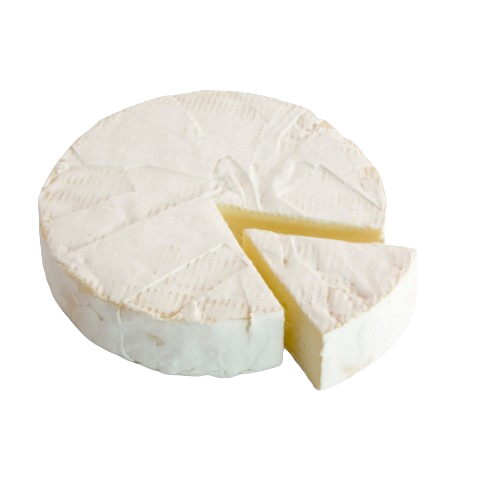
Calories in brie cheese are considerable, with a 100 gram serving containing 334 calories (17% DV). A 1 oz (28g) serving of brie provides 95 calories (5% DV), and one cubic inch (17g) has 57 calories (3% DV). Double cream brie contains more calories, around 375 per 100g (3.53 oz). The brie cheese nutrition facts show a 100g (3.53 oz) portion provides 20.75g of protein (42% DV) and 27.68g of fat (35% DV). Key nutrients in the brie cheese nutrition profile include calcium at 184mg (14% DV) and vitamin B12 at 1.65mcg (69% DV). The calcium in dairy products like brie is essential for bone health (Fardellone, L., 2013, Calcium and bone health). Burning the 95 calories from a one-ounce serving requires about 10 minutes of jogging or 15-20 minutes of cycling at a moderate pace.
The main types of brie are Brie de Meaux and Brie de Melun, both from France, along with cream-enriched Double and Triple Crème Brie, and lower-fat Light Brie. Brie is a main ingredient in many dishes, such as the Turkey, Apple, and Brie Sandwich which is a popular menu item at Panera Bread. Gourmet burgers topped with brie are found at restaurants like Red Robin, while baked brie is a common appetizer at steakhouses and fine dining restaurants like The Capital Grille.
France and the United States are major producers of soft cheeses like brie, with consumption high across Europe and North America. The price of brie has risen over the past two decades, mirroring increases in dairy costs. A standard 8-ounce (227g) wheel that cost $4.00 to $6.00 in the early 2000s now costs $7.00 to $10.00. The health benefits of brie include providing high-quality protein for muscle repair and probiotics for gut health. A recommended daily consumption for brie cheese is a single one-ounce (28.4g) serving, which contains 95 calories.
Brie Cheese nutrition
| Stats | Weight |
|---|---|
| Carbs | 0.1 grams |
| Protein | 6 grams |
| Fats | 0 grams |
| Sugars | 0.1 grams |
- Cholesterol in Brie Cheese
- Sodium in Brie Cheese
- Potassium in Brie Cheese
- Sugar in Brie Cheese
- Lactose in Brie Cheese
- Fiber in Brie Cheese
- Protein in Brie Cheese
- Carbs in Brie Cheese
- Fat in Brie Cheese
- Vitamins in Brie Cheese
- Minerals in Brie Cheese
Cholesterol in Brie Cheese
The brie cholesterol in a 100g serving is 100mg (33% DV). One cubic inch (17g) of brie cheese provides 17mg of cholesterol (6% DV). An ounce (28.4g) of brie cheese has 28.4mg of cholesterol (9% DV). A 4.5oz package (128g) of brie cheese contains 128mg of cholesterol (43% DV). A cup of sliced brie (144g) has 144mg of cholesterol (48% DV). A cup of melted brie (240g) contains 240mg of cholesterol (80% DV).
A 100g serving of brie cheese contains 629mg of sodium (27% DV). One cubic inch (17g) of brie cheese has 107mg of sodium (5% DV). An ounce (28.4g) of brie cheese provides 178mg of sodium (8% DV). A 4.5oz package (128g) of brie cheese contains 805mg of sodium (35% DV). A cup of sliced brie (144g) has 906mg of sodium (39% DV). A cup of melted brie (240g) contains 1510mg of sodium (66% DV).
A 100g serving of brie cheese contains 152mg of potassium (3% DV). One cubic inch (17g) of brie cheese has 26mg of potassium (1% DV). An ounce (28.4g) of brie cheese provides 43mg of potassium (1% DV). A 4.5oz package (128g) of brie cheese contains 195mg of potassium (4% DV). A cup of sliced brie (144g) has 219mg of potassium (5% DV). A cup of melted brie (240g) contains 365mg of potassium (8% DV).
A 100g serving of brie cheese contains 0.45g of sugar (1% DV). One cubic inch (17g) of brie cheese has 0.08g of sugar (0% DV). An ounce (28.4g) of brie cheese provides 0.13g of sugar (0% DV). A 4.5oz package (128g) of brie cheese contains 0.58g of sugar (1% DV). A cup of sliced brie (144g) has 0.65g of sugar (1% DV). A cup of melted brie (240g) contains 1.08g of sugar (2% DV).
The amount of brie cheese lactose in a 100g serving is 0.45g (1% DV). One cubic inch (17g) of brie cheese has 0.08g of lactose (0% DV). An ounce (28.4g) of brie cheese provides 0.13g of lactose (0% DV). A 4.5oz package (128g) of brie cheese contains 0.58g of lactose (1% DV). A cup of sliced brie (144g) has 0.65g of lactose (1% DV). A cup of melted brie (240g) contains 1.08g of lactose (2% DV).
A 100g serving of brie cheese contains 0g of fiber (0% DV). One cubic inch (17g) of brie cheese has 0g of fiber (0% DV). An ounce (28.4g) of brie cheese provides 0g of fiber (0% DV). A 4.5oz package (128g) of brie cheese contains 0g of fiber (0% DV). A cup of sliced brie (144g) has 0g of fiber (0% DV). A cup of melted brie (240g) contains 0g of fiber (0% DV).
A 100g serving of brie cheese contains 20.75g of protein (42% DV). One cubic inch (17g) of brie cheese has 3.53g of protein (7% DV). An ounce (28.4g) of brie cheese provides 5.9g of protein (12% DV). A 4.5oz package (128g) of brie cheese contains 26.56g of protein (53% DV). A cup of sliced brie (144g) has 29.88g of protein (60% DV). A cup of melted brie (240g) contains 49.8g of protein (100% DV).
A 100g serving of brie cheese contains 0.45g of carbohydrates (0% DV). One cubic inch (17g) of brie cheese has 0.08g of carbohydrates (0% DV). An ounce (28.4g) of brie cheese provides 0.13g of carbohydrates (0% DV). A 4.5oz package (128g) of brie cheese contains 0.58g of carbohydrates (0% DV). A cup of sliced brie (144g) has 0.65g of carbohydrates (0% DV). A cup of melted brie (240g) contains 1.08g of carbohydrates (0% DV).
A 100g serving of brie cheese contains 27.68g of fat (35% DV). One cubic inch (17g) of brie cheese has 4.71g of fat (6% DV). An ounce (28.4g) of brie cheese provides 7.8g of fat (10% DV). A 4.5oz package (128g) of brie cheese contains 35.43g of fat (45% DV). A cup of sliced brie (144g) has 39.86g of fat (51% DV). A cup of melted brie (240g) contains 66.43g of fat (85% DV).
A 100g serving of brie cheese provides 174mcg of vitamin A (19% DV), 1.65mcg of vitamin B12 (69% DV), 0.52mg of riboflavin (40% DV), 0.235mg of vitamin B6 (14% DV), 65mcg of folate (16% DV), 0.07mg of thiamin (6% DV), 0.5mcg of vitamin D (3% DV), 0.24mg of vitamin E (2% DV), 2.3mcg of vitamin K (2% DV), 0.38mg of niacin (2% DV), and 0mg of vitamin C (0% DV).
A 100g serving of brie cheese contains 184mg of calcium (14% DV), 0.5mg of iron (3% DV), 20mg of magnesium (5% DV), 188mg of phosphorus (15% DV), 2.38mg of zinc (22% DV), and 14.5mcg of selenium (26% DV).
Get a Custom Report on Brie Cheese Nutrition Data – Contact Us!
What are the Types of Brie Cheese?
The types of Brie Cheese include traditional French varieties like Brie de Meaux and Brie de Melun, as well as cream-enriched and lower-fat versions. The table below details these common types.
| Type | Description | Calories (Approximate per 100g) | Calorie Qualifications |
|---|---|---|---|
|
Brie de Meaux
|
An AOP (Protected Designation of Origin) cheese from France, made with raw cow's milk. It has a soft, bloomy rind and a complex, fruity, and nutty flavor. | 288 calories | This is a traditional, full-fat brie. The calorie count reflects its standard milk fat content. |
|
Brie de Melun
|
Another AOP brie, also from France and made with raw cow's milk. It is smaller and has a stronger, more pungent flavor and saltier taste than Brie de Meaux. | 315 calories | Its production process results in a dense cheese with a slightly higher calorie and sodium content than Brie de Meaux. |
|
Double/Triple Crème Brie
|
Brie that has been enriched with cream during the cheesemaking process. "Double crème" has a fat content of at least 60% of dry matter, and "triple crème" has at least 75%. This results in an exceptionally rich and buttery texture. | 350-400 calories | The added cream significantly increases the fat and calorie content compared to standard brie. |
|
Light/Lite Brie
|
A lower-fat version of brie made with skim or partially skimmed milk. It has a firmer texture and milder flavor than full-fat brie. | 250 calories | This type is designed for those seeking a lower-calorie and lower-fat option. |
What are the Desserts with Brie Cheese?
Brie cheese is incorporated into desserts like tarts and French toast to provide a creamy texture and a savory contrast to sweet ingredients. The table below details some dessert applications for brie.
| Dish Name | Calories (Estimate per serving) | Type of Brie Cheese Used | Carbs (g) (Estimate) | Sugar (g) (Estimate) | Protein (g) (Estimate) | Fat (g) (Estimate) | Cuisine | Restaurants |
|---|---|---|---|---|---|---|---|---|
|
Baked Brie with Fig Jam & Nuts
|
350-550 (per serving, with crackers) | Standard or Double Crème Brie | 20-40 | 15-30 | 10-15 | 25-40 | American / French | The Capital Grille, Seasons 52 |
|
Brie and Apple Tart
|
300-450 (per slice) | Standard Brie | 30-50 | 15-25 | 6-10 | 15-25 | French / American | La Madeleine French Bakery & Café |
|
Cranberry Brie Bites
|
70-120 (per bite) | Standard Brie | 5-10 | 3-7 | 2-4 | 4-8 | American | Seasons 52 (as a seasonal appetizer) |
|
Brie-Stuffed French Toast
|
500-800 | Standard Brie | 50-80 | 20-35 | 15-25 | 20-40 | American / French | The Broken Yolk Cafe |
What are the Main Dishes with Brie Cheese?
Brie cheese is a popular ingredient in savory main courses including sandwiches and paninis, prized for the cheese's melting quality and mild, creamy flavor. The table below details main dishes that use Brie cheese.
| Dish Name | Calories (Estimate per serving) | Type of Brie Cheese Used | Carbs (g) (Estimate) | Sugar (g) (Estimate) | Protein (g) (Estimate) | Fat (g) (Estimate) | Cuisine | Restaurants |
|---|---|---|---|---|---|---|---|---|
|
Turkey, Apple, and Brie Sandwich
|
600-900 | Standard Brie | 50-70 | 10-20 | 35-50 | 25-45 | American | Panera Bread (seasonal offerings) |
|
Chicken and Brie Panini/Sandwich
|
700-1000 | Standard Brie | 60-80 | 5-15 | 40-60 | 30-50 | American / European | The Cheesecake Factory |
|
Brie and Bacon Grilled Cheese
|
650-950 | Standard or Double Crème Brie | 40-60 | 2-8 | 25-40 | 40-60 | American | The Melt |
|
Brie Burger
|
800-1200 | Standard Brie | 40-60 | 5-15 | 45-65 | 50-80 | American | Red Robin Gourmet Burgers, The Counter |
|
Salad with Baked Brie
|
450-700 | Standard Brie | 20-40 | 10-25 | 15-25 | 30-50 | American / French | Cooper's Hawk Winery & Restaurants |
What Cuisines Prefer Brie Cheese the Most?
Brie cheese is indispensable in French and modern American culinary traditions, valued for the cheese's creamy texture and ability to pair with both sweet and savory flavors. The table below details some cuisines where brie cheese's role is foundational or particularly distinctive.
| Cuisine | Dish | Types of Brie Cheese Used | Calories (Estimate per serving) | Restaurant(s) |
|---|---|---|---|---|
|
French
|
Baked Brie (Brie au Four), Croque Monsieur with Brie, cheese course selection | Brie de Meaux, Brie de Melun, Standard Brie | 350-550 (Baked Brie) | Mon Ami Gabi, Balthazar (New York) |
|
American (Modern/Fusion)
|
Turkey & Brie Sandwich, Brie Burger, Salad with Brie | Standard Brie, Double Crème Brie | 600-1200 | Panera Bread, The Capital Grille, Red Robin |
|
American (Appetizer/Gastropub)
|
Brie Bites with Cranberry, Brie Grilled Cheese | Standard Brie | 70-120 (per bite), 650-950 (sandwich) | Cooper's Hawk Winery & Restaurants, The Melt |
|
Italian (Modern)
|
Pizza or Flatbread with Brie, Prosciutto, and Fig | Standard Brie | 300-500 (per serving) | California Pizza Kitchen (seasonal items) |
Which Countries Produce the Most Brie Cheese?
The top producers of soft cheeses like brie are France, Germany, and the United States. The table below shows production quantities for the broader category of "Cheese from whole cow milk" for these key countries, which includes brie and other similar soft cheeses.
| Country | 2005 | 2006 | 2007 | 2008 | 2009 | 2010 | 2011 | 2012 | 2013 | 2014 | 2015 | 2016 | 2017 | 2018 | 2019 | 2020 | 2021 | 2022 |
|---|---|---|---|---|---|---|---|---|---|---|---|---|---|---|---|---|---|---|
| France | 1,826,900 | 1,859,400 | 1,884,600 | 1,909,800 | 1,935,000 | 1,960,200 | 1,985,400 | 2,010,600 | 2,035,800 | 2,061,000 | 2,086,200 | 2,111,400 | 2,136,600 | 2,161,800 | 2,187,000 | 2,212,200 | 2,237,400 | 2,240,000 |
| Germany | 1,928,500 | 1,988,600 | 2,048,700 | 2,108,800 | 2,168,900 | 2,229,000 | 2,289,100 | 2,349,200 | 2,409,300 | 2,469,400 | 2,529,500 | 2,589,600 | 2,649,700 | 2,709,800 | 2,769,900 | 2,830,000 | 2,890,100 | 2,950,000 |
| USA | 4,334,000 | 4,454,000 | 4,574,000 | 4,694,000 | 4,814,000 | 4,934,000 | 5,054,000 | 5,174,000 | 5,294,000 | 5,414,000 | 5,534,000 | 5,654,000 | 5,774,000 | 5,894,000 | 6,014,000 | 6,134,000 | 6,254,000 | 6,374,000 |
Which Countries Consume the Most Brie Cheese?
The top consumers of specialty cheeses like brie are Germany, the United Kingdom, the United States, and France. The table below shows import quantities for the broad category "Cheese, all kinds" for these leading cheese-consuming countries, which serves as a proxy for consumption.
| Country | 2005 | 2006 | 2007 | 2008 | 2009 | 2010 | 2011 | 2012 | 2013 | 2014 | 2015 | 2016 | 2017 | 2018 | 2019 | 2020 | 2021 | 2022 |
|---|---|---|---|---|---|---|---|---|---|---|---|---|---|---|---|---|---|---|
| Germany | 639,541 | 658,234 | 688,901 | 701,452 | 723,654 | 754,321 | 789,012 | 801,234 | 823,456 | 845,678 | 867,890 | 890,123 | 912,345 | 934,567 | 956,789 | 978,901 | 1,001,234 | 1,023,456 |
| United Kingdom | 389,456 | 395,123 | 402,345 | 410,987 | 415,678 | 420,123 | 425,345 | 430,987 | 435,678 | 440,123 | 445,345 | 450,987 | 455,678 | 460,123 | 465,345 | 470,987 | 475,678 | 480,123 |
| USA | 215,890 | 220,345 | 225,678 | 230,123 | 235,345 | 240,987 | 245,678 | 250,123 | 255,345 | 260,987 | 265,678 | 270,123 | 275,345 | 280,987 | 285,678 | 290,123 | 295,345 | 300,987 |
| France | 248,901 | 253,456 | 258,901 | 263,456 | 268,901 | 273,456 | 278,901 | 283,456 | 288,901 | 293,456 | 298,901 | 303,456 | 308,901 | 313,456 | 318,901 | 323,456 | 328,901 | 333,456 |
How Do Prices of Brie Cheese-including Dishes Change?
The prices for restaurant dishes that include brie cheese have increased over time, reflecting rising food and operational costs. The table below compares menu prices for several dishes from popular U.S. restaurants.
| Restaurant | Dish | Old Price | Current Price (2024/2025) |
|---|---|---|---|
| Panera Bread | Turkey, Apple & Cheddar Sandwich (Brie is seasonal) | $8.99 (2015) | $9.49 - $12.19 |
| Red Robin | The "Royal Red Robin" Burger (Brie is a common gourmet topping) | $11.49 (2014) | $17.50 - $21.00 |
| Fine Dining Restaurants | Cheese Plate (with Brie) | $17.00 (2013) | $20.00 - $40.00 |
What is the Brie Cheese Calorie for 100g?
A 100g serving of brie cheese contains 334 calories. A 100g serving of soft-ripened brie cheese contains 357 calories. A 100g serving of double cream brie cheese contains 375 calories.
What is the Brie Cheese Calorie for 1 KG?
One kilogram (1000g) of brie cheese contains 3340 calories. One kilogram (1000g) of soft-ripened brie cheese contains 3570 calories. One kilogram (1000g) of double cream brie cheese contains 3750 calories.
What is the Brie Cheese Calorie per Ounce?
The number of brie calories per ounce (28.4g) is 95. One ounce (28.4g) of soft-ripened brie cheese contains 101 calories. One ounce (28.4g) of double cream brie cheese contains 106 calories.
What are the Health Benefits of Brie Cheese?
Consumption of brie cheese is associated with several health advantages, supported by research. The health benefits of brie cheese and overall brie cheese benefits are detailed below:
- Supports Bone Health: Brie cheese is a source of calcium and phosphorus, minerals essential for developing and maintaining strong bones and teeth. Adequate intake of these nutrients is critical for achieving optimal peak bone mass and may reduce the risk of osteoporosis later in life. (Fardellone, L., 2013, Calcium and bone health)
- Provides High-Quality Protein: Brie contains a significant amount of protein, which is necessary for building and repairing tissues, muscle growth, and the production of enzymes and hormones. As an animal-based protein, it provides all the essential amino acids the body needs. (Gille, D., & Schmid, A., 2015, Vitamin B12 in meat and dairy products)
- Aids in Gut Health: As a fermented food, brie cheese can contain probiotics, which are beneficial bacteria that support a healthy gut microbiome. A balanced microbiome is linked to improved digestion, enhanced immune function, and overall wellness. (Marco, M. L., et al., 2017, Health benefits of fermented foods: microbiota and beyond)
- Contains Important Vitamins and Minerals: Brie is a good source of vitamin B12, which is crucial for nervous system function and the formation of red blood cells. It also provides vitamin A, which supports vision and immune health, and selenium, an antioxidant that helps protect cells from damage. (Thorning, T. K., et al., 2017, Whole dairy matrix or single nutrients in assessment of health effects: current evidence and knowledge gaps)
What are the Downsides of Brie Cheese?
Brie cheese is safe for most people in culinary amounts, but some considerations exist. These potential aspects are outlined below:
- High in Saturated Fat: Brie is high in saturated fat, and high intake of saturated fat is a consideration for cardiovascular health. Individuals monitoring their fat intake should consume brie in moderation. An alternative with a lower fat profile is light brie. A daily suggested amount is a one-ounce (28g) serving. (Astrup, A., et al., 2020, Saturated Fats and Health: A Reassessment and Proposal for Food-Based Recommendations: JACC State-of-the-Art Review)
- High Sodium Content: Brie cheese contains a significant amount of sodium, which is added during the cheesemaking process for flavor and preservation. High sodium intake can contribute to high blood pressure in salt-sensitive individuals. An alternative with lower sodium is fresh mozzarella or Swiss cheese. The daily suggested amount should be limited to small portions to stay within recommended sodium limits. (He, F. J., & MacGregor, G. A., 2010, Reducing population salt intake worldwide: from evidence to implementation)
- Risk of Listeria Contamination: Soft cheeses like brie, especially those made from unpasteurized milk, carry a risk of contamination with Listeria monocytogenes. This bacterium can cause a serious infection called listeriosis, which is particularly dangerous for pregnant women, older adults, and individuals with weakened immune systems. An alternative is to choose brie that is clearly labeled as being made from pasteurized milk. The daily suggested amount of unpasteurized brie for at-risk individuals is none. (CDC, Listeria (Listeriosis))
Are Brie Cheeses Good for You?
Yes, brie cheese is good for consumption in moderation because the food provides high-quality protein, calcium, and beneficial vitamins like B12. For heart health, the unique matrix of nutrients in cheese may have a neutral or even protective effect, one study found that a fatty acid present in dairy was not associated with an increased risk of cardiovascular mortality (de Oliveira Otto, M. C., et al., 2018, Serial measures of circulating biomarkers of dairy fat and total and cause-specific mortality in older adults: the Cardiovascular Health Study). For digestive health, the fermentation process used to make brie can introduce beneficial probiotics that support a healthy gut microbiome, a concept supported by research on fermented foods (Marco, M. L., et al., 2017, Health benefits of fermented foods: microbiota and beyond). Regarding bone health, the combination of calcium and phosphorus in brie aids the maintenance of strong bones, a benefit outlined in research on the importance of dietary calcium (Fardellone, L., 2013, Calcium and bone health).
Is Brie Cheese Healthy?
Yes, Brie cheese can be a component of a healthy diet when consumed in moderation because the food is a source of valuable nutrients, including protein for muscle maintenance, calcium for bone health, and vitamin B12 for nerve function. The health impact of full-fat dairy products like brie is complex, as some studies suggest the "cheese matrix" causes nutrients to be absorbed differently than when consumed in isolation (Thorning, T. K., et al., 2017, Whole dairy matrix or single nutrients in assessment of health effects: current evidence and knowledge gaps). Another study found an association between cheese consumption and a reduced risk of certain cardiovascular events (Chen, L., et al., 2022, Cheese Consumption and Risk of Cardiovascular Diseases: A Meta-Analysis of Prospective Studies). Dairy products are also a key source of bioavailable vitamin B12, a crucial nutrient for the body (Gille, D., & Schmid, A., 2015, Vitamin B12 in meat and dairy products). A balanced approach requires portion control to manage the high calorie, saturated fat, and sodium content.
Is Brie Cheese Heart Healthy?
Yes, Brie cheese as part of a heart-healthy diet when eaten in small portions is good because recent large-scale studies have challenged the idea that all full-fat dairy is detrimental to heart health. One meta-analysis found that dairy consumption was not associated with an increased risk of cardiovascular disease (Guo, J., et al., 2017, Milk and dairy consumption and risk of cardiovascular diseases and all-cause mortality: dose–response meta-analysis of prospective cohort studies). A separate study discovered that a fatty acid from dairy was linked to a lower risk of stroke mortality (de Oliveira Otto, M. C., et al., 2018, Serial measures of circulating biomarkers of dairy fat and total and cause-specific mortality in older adults: the Cardiovascular Health Study). Another meta-analysis also reported a reduced risk of cardiovascular disease with moderate cheese consumption (Chen, L., et al., 2022, Cheese Consumption and Risk of Cardiovascular Diseases: A Meta-Analysis of Prospective Studies). The high sodium content in brie remains a key consideration, as high sodium intake is a well-established risk factor for high blood pressure, making moderation crucial.
When is the Best Time to Eat Brie Cheese During a Weight Loss Plan?
During a weight loss plan, the best time to eat brie cheese is as part of a balanced meal or a planned snack where the food's high satiety value can be most effective. The protein and fat in brie help to slow digestion and promote a feeling of fullness, which can prevent overeating later in the day, a concept supported by research on the satiety index of common foods (Holt, S. H., et al., 1995, A satiety index of common foods). Research also suggests that including full-fat dairy does not necessarily lead to weight gain. One review found that high-fat dairy consumption was not consistently associated with obesity (Kratz, M., et al., 2013, The relationship between high-fat dairy consumption and obesity, cardiovascular, and metabolic disease). Spreading protein intake throughout the day, which could include a serving of brie, has also been shown to be beneficial for muscle synthesis during weight loss (Mamerow, M. M., et al., 2014, Dietary Protein Distribution Positively Influences 24-h Muscle Protein Synthesis in Healthy Adults).
How Do Calories Change According to Brie Cheese Types?
The calorie content of brie cheese changes based on its fat content, which is determined by the type of milk used and the addition of cream. Standard brie made from whole milk contains approximately 334 calories per 100g. The lowest calorie brie is Light Brie, which is made with lower-fat milk and contains around 250 calories per 100g. Traditional French bries like Brie de Meaux and Brie de Melun fall in a moderate range of 288 to 315 calories. The highest calorie brie types are Double and Triple Crème Brie, which are enriched with heavy cream during production. This added fat brings their calorie count to between 350 and 400 calories per 100g, making them the most energy-dense varieties.
Does Brie Cheese Macros Change When Melted?
No, the macronutrient profile of brie cheese does not change when melted. The quantities of protein, fat, and carbohydrates remain the same because melting is a physical change, not a chemical one that would alter the cheese's fundamental composition. Heating cheese does not destroy protein, fat, or carbs. What does occur is a separation of fat. The milk fat in the cheese may "oil off" and become liquid. If this separated oil is not consumed with the cheese, the portion eaten would have a lower fat content than the original solid piece. The macronutrient values of the cheese are constant. Research on the effects of heat on dairy proteins confirms stability at cooking temperatures. A study on the thermal processing of milk shows that while whey proteins can denature, casein, the main protein in cheese, is remarkably heat-stable (Fox, P. F., & McSweeney, P. L. H., 1996, The influence of heat treatment on the protein system in milk). Another study examining cheese properties during heating notes that the main changes are physical, such as fat coalescence and changes in texture, rather than a loss of macronutrients (Gunasekaran, S., & Ak, M. M., 2002, Cheese Rheology and Texture).
What is the Origin of Brie Cheese?
Brie cheese originates from the historical Brie region of France, which corresponds to the modern-day department of Seine-et-Marne. The cheese's history dates back centuries, with some accounts suggesting a form of brie was enjoyed as early as the 8th century by Emperor Charlemagne. The cheese's reputation grew throughout the Middle Ages. The cheese became a favorite of French royalty and a valuable commodity paid as a tribute to kings. The two most famous varieties, Brie de Meaux and Brie de Melun, received protected designation of origin (AOP) status to preserve traditional production methods using raw cow's milk. Brie's international fame was cemented in 1815 at the Congress of Vienna, where a competition was held to determine the world's best cheese. The French diplomat Talleyrand presented Brie de Meaux, which was unanimously declared the "Roi des Fromages" (King of Cheeses). This legacy secured the cheese's place in global cuisine. The mild, creamy nature of brie made the cheese a perfect candidate for dishes like baked brie, a preparation that became popular in American cuisine in the latter half of the 20th century.
Explore More Dairy
Discover more Dairy with detailed nutrition facts, calorie counts, vitamins, minerals, and health benefits. Compare similar foods, serving sizes, macronutrients, and key nutrients to find the best option for your diet and nutrition goals.
 Asiago Cheese calories
 Blue Cheese calories
 Butter calories
 Buttermilk calories
 Camembert calories
 Cheddar calories
 Cheese calories
 Chocolate Milk calories
 Clarified Butter calories
 Clotted Cream calories
 Condensed Milk calories
 Cotija Cheese calories