Calories and Nutritions in Buttermilk
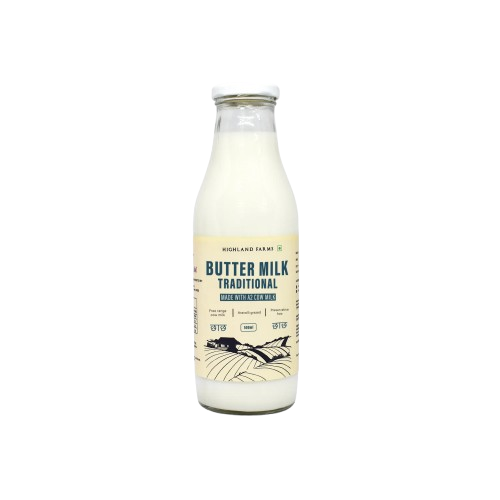
Buttermilk calories are low for a dairy beverage, with a 100g (3.5 oz) serving of low-fat cultured buttermilk containing 40 calories. A one-cup serving (8 fl oz or 245g, 8.64 oz) of low-fat buttermilk provides 98 calories, while full-fat versions contain 147 calories for the same amount. Buttermilk nutrition facts for a 100g portion of the low-fat type show it contains 3.3g of protein (7% Daily Value/DV), 4.8g of carbohydrates (2% DV), and 0.9g of fat (1% DV). It is a good source of calcium (116mg, 12% DV), phosphorus (87mg, 12% DV), and riboflavin (0.148mg, 11% DV). As a fermented product, cultured buttermilk contains probiotics, which are linked to gut health benefits (Parvez, S., et al., 2006, "Probiotics and their fermented food products are beneficial for health"). The main types are traditional buttermilk (the liquid left from churning butter) and cultured buttermilk (the most common commercial type).
The daily recommended intake for dairy, which includes buttermilk, is around 3 cups for adults. A one-cup serving of low-fat buttermilk is equivalent to 98 calories. Burning the 98 calories from a cup of low-fat buttermilk might require activities such as 10-12 minutes of brisk walking, 8-10 minutes of jogging, or about 12 minutes of cycling at a moderate intensity.
Buttermilk is an essential ingredient in many popular main dishes, such as Buttermilk Fried Chicken from Popeyes or Cracker Barrel, and Buttermilk Pancakes served at IHOP and Denny's. It is also a key component in Buttermilk Biscuits found at Bojangles and Cracker Barrel. Buttermilk originated as the byproduct of butter-making and is now produced globally, with India, Germany, and the USA being major producers and consumers. The price of buttermilk in the U.S. has seen a moderate increase over the last 20 years. In the early 2000s, a one-quart (946ml) container ranged from $1.25 to $2.00. By the early 2020s, it had increased to $2.00 to $3.50 or more.
Buttermilk nutrition
| Stats | Weight |
|---|---|
| Carbs | 4.81 grams |
| Protein | 3.46 grams |
| Fats | 1.08 grams |
| Sugars | 0 grams |
- Chaas Buttermilk Calories (Nutritional Facts)
- Lactose in Buttermilk
- Probiotics in Buttermilk
- Sodium in Buttermilk
- Potassium in Buttermilk
- Sugar in Buttermilk
- Fiber in Buttermilk
- Protein in Buttermilk
- Carbs in Buttermilk
- Fat in Buttermilk
- Vitamins in Buttermilk
- Minerals in Buttermilk
Chaas Buttermilk Calories (Nutritional Facts)
Chaas is a spiced buttermilk beverage and a 100g (3.5 oz) serving of plain low-fat Chaach (before adding significant amounts of salt or other ingredients) contains 40 calories. One cup (8 fl oz or 245g, 8.64 oz) of plain low-fat Chaach provides 98 calories. The primary nutritional difference in traditional Chaach comes from added salt, which significantly increases its sodium content, and spices, which contribute trace minerals.
Cultured buttermilk contains lactose, but in smaller amounts than regular milk because the bacterial cultures consume some of the lactose during fermentation. A 100g (3.5 oz) serving of low-fat cultured buttermilk contains 4.8g of lactose, which is categorized under its total carbohydrates and sugars.
Cultured buttermilk is a source of probiotics, which are live beneficial bacteria resulting from the fermentation process. The specific strains typically include lactic acid bacteria such as Lactococcus lactis or Lactobacillus species, which contribute to the buttermilk's tangy flavor and potential digestive health benefits.
Low-fat cultured buttermilk contains 105mg of sodium per 100g (3.5 oz) serving (5% DV). One cup (8 fl oz or 245g, 8.64 oz) of low-fat cultured buttermilk provides 257mg of sodium (11% DV).
Low-fat cultured buttermilk provides 151mg of potassium per 100g (3.5 oz) serving (3% DV). One cup (8 fl oz or 245g, 8.64 oz) of low-fat cultured buttermilk contains 370mg of potassium (8% DV).
Low-fat cultured buttermilk contains 4.8g of total sugars per 100g. This sugar is naturally occurring lactose from the milk. One cup (8 fl oz or 245g, 8.64 oz) of low-fat cultured buttermilk has 11.8g of sugar.
Low-fat cultured buttermilk contains 0g of dietary fiber per 100g (3.5 oz) serving.
Low-fat cultured buttermilk provides 3.3g of protein per 100g (3.5 oz) serving (7% DV). One cup (8 fl oz or 245g, 8.64 oz) of low-fat cultured buttermilk contains 8.1g of protein (16% DV).
Low-fat cultured buttermilk has 4.8g of total carbohydrates per 100g (3.5 oz) serving (2% DV), which is composed almost entirely of its natural sugar (lactose). One cup (8 fl oz or 245g, 8.64 oz) of low-fat cultured buttermilk contains 11.8g of total carbohydrates (4% DV).
Low-fat cultured buttermilk contains 0.9g of total fat per 100g (3.5 oz) serving (1% DV), which includes 0.5g of saturated fat. One cup (8 fl oz or 245g, 8.64 oz) of low-fat cultured buttermilk provides 2.2g of total fat (3% DV). Full-fat buttermilk contains a higher fat content, around 3.3g per 100g.
A 100g (3.5 oz) serving of low-fat cultured buttermilk is a good source of Riboflavin (Vitamin B2), providing 0.148mg (11% DV), and Vitamin B12 at 0.21µg (9% DV). It also contains Pantothenic Acid (Vitamin B5) at 0.384mg (8% DV).
A 100g (3.5 oz) serving of low-fat cultured buttermilk is a good source of Calcium, providing 116mg (12% DV), and Phosphorus at 87mg (12% DV). It also contains Potassium at 151mg (3% DV).
Get a Custom Report on Buttermilk Nutrition Data – Contact Us!
What are the Types of Buttermilk?
There are primarily two main types of buttermilk available: traditional buttermilk and cultured buttermilk. These differ in their production method, which can lead to slight variations in flavor and texture, though their nutritional profiles are often similar, mainly differing by fat content. The table below shows these common types.
| Type | Description | Calories (per 100g) | Calorie Qualifications |
|---|---|---|---|
|
Cultured Buttermilk (Low-Fat)
|
The most common type in supermarkets. Made from low-fat or skim milk that has been pasteurized and then inoculated with lactic acid bacteria cultures. | 40 | Low in calories and fat. This is the standard for most commercially available buttermilk. |
|
Cultured Buttermilk (Full-Fat)
|
Less common than low-fat. Made from whole milk inoculated with bacterial cultures. Richer, thicker texture. | 60 | Higher in calories and fat, particularly saturated fat, compared to low-fat versions. |
|
Traditional Buttermilk
|
The liquid left over after churning butter from cultured cream or cream. Thinner, may contain flecks of butter. Tart flavor. | 35-45 | Often slightly lower in calories than even low-fat cultured buttermilk. Hard to find commercially. |
|
Powdered Buttermilk
|
Dehydrated buttermilk. A dry powder that can be reconstituted with water. | ~400 (per 100g dry powder) | Very calorie-dense in its dry state. Once reconstituted to liquid form, its calories are similar to fresh cultured buttermilk. |
What are the Main Dishes with Buttermilk?
Buttermilk, prized for its tangy flavor and its ability to tenderize meats and create a light texture in baked goods, is a key ingredient in many main dishes, particularly in American Southern cuisine. Some of the most widespread main dishes that contain buttermilk include fried chicken, pancakes, and biscuits. Its acidity works well in marinades, dressings, and batters. The table below lists diverse main dishes incorporating buttermilk:
| Dish Name | Calories (per serving) | Type of Buttermilk Used (Often Low-Fat Cultured) | Carbs (g) | Sugar (g) | Protein (g) | Fat (g) | Cuisine | Restaurants |
|---|---|---|---|---|---|---|---|---|
|
Buttermilk Fried Chicken
|
350-600 (2 pieces) | Marinade | 10-20 | <1-2 | 30-45 | 20-35 | American (Southern) | KFC, Popeyes, Cracker Barrel, local Southern kitchens |
|
Buttermilk Pancakes/Waffles
|
250-450 (plain, 2-3 pieces) | Batter | 40-60 | 5-10 | 6-10 | 5-15 | American | IHOP, Denny's, Cracker Barrel, Waffle House |
|
Buttermilk Biscuits (with gravy)
|
300-500 (2 biscuits + gravy) | Dough | 35-50 | 3-7 | 6-10 | 15-25 | American (Southern) | Cracker Barrel, Popeyes, Bojangles, Hardee's |
|
Buttermilk Ranch Dressing (on salads)
|
100-180 (2 tbsp) | Dressing Base | 1-3 | 1-2 | <1 | 10-18 | American | Applebee's, Chili's, Outback Steakhouse, Hidden Valley (retail brand) |
|
Cornbread (made with buttermilk)
|
150-250 (square) | Liquid in Batter | 25-35 | 5-10 | 3-5 | 3-8 | American (Southern) | Boston Market, Cracker Barrel |
|
Buttermilk Brined Roasted Chicken
|
300-500 | Brine/Marinade | 2-8 | 1-4 | 35-50 | 12-22 | American | Some contemporary American restaurants, often a specialty item |
|
Coleslaw (with buttermilk dressing)
|
150-250 (1 cup) | Dressing | 12-20 | 10-18 | 1-2 | 8-18 | American | KFC, many barbecue restaurants |
|
Buttermilk Mashed Potatoes
|
200-350 (1 cup) | Liquid for mashing | 30-40 | 2-4 | 3-5 | 8-15 | American | Boston Market, Cracker Barrel |
|
Irish Soda Bread (some recipes use buttermilk)
|
150-220 (slice) | Liquid in Dough | 30-40 | 3-6 | 4-6 | 1-3 | Irish | Bakeries around St. Patrick's Day |
|
Buttermilk Fried Onion Rings
|
400-600 | Batter | 45-60 | 3-7 | 5-8 | 20-35 | American | Some gastropubs or diners with house-made onion rings |
|
Red Velvet Cake (traditionally uses buttermilk)
|
350-550 (slice) | Liquid in Batter | 45-65 | 30-45 | 3-6 | 15-25 | American (Southern) | The Cheesecake Factory, Nothing Bundt Cakes, various bakeries |
|
Buttermilk Soup (cold, various European versions)
|
150-250 (bowl) | Base liquid | 15-25 | 10-18 | 5-8 | 3-8 | European (e.g., German) | Restaurants specializing in traditional European cuisine (rare in US chains) |
What are the Desserts with Buttermilk?
Buttermilk's acidity and creamy texture make it a fantastic ingredient in a variety of desserts, where it helps create a tender crumb in baked goods and adds a subtle, pleasant tang that balances sweetness.
| Dish Name | Calories (per serving) | Type of Buttermilk Used | Carbs (g) | Sugar (g) | Protein (g) | Fat (g) | Cuisine | Restaurants/Brands |
|---|---|---|---|---|---|---|---|---|
|
Red Velvet Cake
|
350-550 (slice) | Liquid in Batter | 45-65 | 30-45 | 3-6 | 15-25 | American (Southern) | The Cheesecake Factory, Nothing Bundt Cakes, various bakeries |
|
Buttermilk Pie
|
300-450 (slice) | Liquid Custard Base | 40-60 | 30-45 | 4-7 | 12-20 | American (Southern) | Restaurants specializing in Southern desserts, e.g., some items at Cracker Barrel (seasonal) |
|
Buttermilk Scones
|
250-400 (scone) | Liquid in Dough | 30-45 | 8-15 | 4-6 | 10-18 | British, American | Panera Bread (some scones), Starbucks (some scones), local cafes and bakeries |
|
Chocolate Cake (made with buttermilk)
|
350-550 (slice) | Liquid in Batter | 40-60 | 30-45 | 3-6 | 15-25 | American | Many bakeries and home recipes use buttermilk for a tender crumb |
|
Buttermilk Doughnuts (Old-Fashioned)
|
250-400 (doughnut) | Liquid in Dough | 30-45 | 15-25 | 3-5 | 12-20 | American | Krispy Kreme (some cake doughnut varieties), local doughnut shops |
|
Buttermilk Panna Cotta
|
250-400 | Liquid Base | 20-30 | 18-28 | 4-6 | 15-25 | Italian-inspired, Modern | Upscale contemporary American or Italian restaurants |
|
Buttermilk Sherbet/Ice Cream
|
150-250 (1/2 cup) | Liquid Base | 20-35 | 18-30 | 2-4 | 4-10 | American | Jeni's Splendid Ice Creams, local artisanal ice cream shops |
What Cuisines Prefer Buttermilk the Most?
Buttermilk is most prominently featured and preferred in American cuisine, particularly in the South, where it is a cornerstone of traditional baking and cooking, used for fried chicken, biscuits, pancakes, and cornbread. It is also a key ingredient in Irish and some British cooking, especially for baking soda bread and scones. Indian cuisine also highly prefers buttermilk in the form of "chaas" or "chaach," a spiced savory beverage.
| Cuisine | Dish Name | Calories (per serving) | Restaurants |
|---|---|---|---|
|
American (Southern)
|
Buttermilk Fried Chicken | 350-600 (2 pieces) | KFC, Popeyes, Cracker Barrel |
|
American (Southern)
|
Buttermilk Biscuits | 150-250 (per biscuit) | Cracker Barrel, Popeyes, Bojangles, Hardee's |
|
American (General)
|
Buttermilk Pancakes | 250-450 (2-3 plain) | IHOP, Denny's, Cracker Barrel |
|
American (General)
|
Buttermilk Ranch Dressing | 100-180 (2 tbsp) | Applebee's, Chili's, most casual dining chains serve ranch |
|
Irish
|
Irish Soda Bread (made with buttermilk) | 150-220 (slice) | Bakeries, especially around St. Patrick's Day |
|
Indian
|
Chaas/Chaach (Spiced Buttermilk Drink) | 40-70 (cup) | Most Indian restaurants, e.g., Saravanaa Bhavan |
|
British
|
Buttermilk Scones | 250-400 (scone) | Panera Bread, Starbucks |
|
Anglo-Indian
|
Some Tandoori marinades use yogurt/buttermilk | Varies | Many Indian restaurants use yogurt for marinating Tandoori Chicken |
Which Countries Produce the Most Buttermilk?
The top producers of buttermilk globally are countries with large dairy industries and where buttermilk is a traditional part of the diet or a significant ingredient in food production. These include India (where it is widely consumed as "chaas"), the United States (used extensively in baking), Germany, and other European nations like Ireland and the Netherlands. The Food and Agriculture Organization of the United Nations (FAO) provides data for "Buttermilk, curdled, acidified milk/yoghurt," a broad category that includes buttermilk. Based on this data from FAOSTAT, in 2022, India was a leading producer. The table below shows production volumes for this combined category for some leading countries.
| Country | 2004 | 2005 | 2006 | 2007 | 2008 | 2009 | 2010 | 2011 | 2012 | 2013 | 2014 | 2015 | 2016 | 2017 | 2018 | 2019 | 2020 | 2021 | 2022 | 2023 (Est.) |
|---|---|---|---|---|---|---|---|---|---|---|---|---|---|---|---|---|---|---|---|---|
| India | 4,500 | 4,700 | 4,900 | 5,100 | 5,300 | 5,500 | 5,750 | 6,000 | 6,250 | 6,500 | 6,750 | 7,000 | 7,250 | 7,500 | 7,750 | 8,000 | 8,250 | 8,500 | 8,700 | 8,850 |
| Germany | 1,200 | 1,220 | 1,230 | 1,240 | 1,250 | 1,230 | 1,210 | 1,200 | 1,180 | 1,160 | 1,140 | 1,120 | 1,100 | 1,080 | 1,060 | 1,040 | 1,020 | 1,000 | 980 | 970 |
| USA | 450 | 460 | 470 | 480 | 490 | 480 | 470 | 460 | 450 | 440 | 430 | 420 | 410 | 400 | 390 | 380 | 370 | 360 | 350 | 345 |
| France | 300 | 305 | 310 | 315 | 320 | 315 | 310 | 305 | 300 | 295 | 290 | 285 | 280 | 275 | 270 | 265 | 260 | 255 | 250 | 248 |
| Poland | 200 | 210 | 220 | 230 | 240 | 250 | 260 | 270 | 280 | 290 | 300 | 310 | 320 | 330 | 340 | 350 | 340 | 345 | 350 | 352 |
| Netherlands | 150 | 152 | 155 | 158 | 160 | 155 | 150 | 145 | 140 | 135 | 130 | 125 | 120 | 115 | 110 | 105 | 100 | 98 | 95 | 94 |
Which Countries Consume the Most Buttermilk?
Based on data from FAOSTAT regarding food supply (apparent consumption), the highest total consumption of buttermilk and similar fermented milk products is in India, where it is a cultural staple consumed as a beverage ("chaas"). European countries like Germany, Poland, and the Netherlands also have high consumption rates, where buttermilk is drunk as a beverage and used in cooking. The United States is a significant consumer, though primarily as an ingredient in baking and cooking rather than as a beverage. The table below provides estimated total consumption (apparent consumption) for some key buttermilk-consuming countries.
| Country | 2004 | 2005 | 2006 | 2007 | 2008 | 2009 | 2010 | 2011 | 2012 | 2013 | 2014 | 2015 | 2016 | 2017 | 2018 | 2019 | 2020 | 2021 |
|---|---|---|---|---|---|---|---|---|---|---|---|---|---|---|---|---|---|---|
| India | 4,450 | 4,650 | 4,850 | 5,050 | 5,250 | 5,450 | 5,700 | 5,950 | 6,200 | 6,450 | 6,700 | 6,950 | 7,200 | 7,450 | 7,700 | 7,950 | 8,200 | 8,450 |
| Germany | 1,180 | 1,200 | 1,210 | 1,220 | 1,230 | 1,210 | 1,190 | 1,180 | 1,160 | 1,140 | 1,120 | 1,100 | 1,080 | 1,060 | 1,040 | 1,020 | 1,000 | 980 |
| USA | 550 | 560 | 570 | 580 | 590 | 580 | 570 | 560 | 550 | 540 | 530 | 520 | 510 | 500 | 490 | 480 | 470 | 460 |
| France | 290 | 295 | 300 | 305 | 310 | 305 | 300 | 295 | 290 | 285 | 280 | 275 | 270 | 265 | 260 | 255 | 250 | 245 |
| Poland | 190 | 200 | 210 | 220 | 230 | 240 | 250 | 260 | 270 | 280 | 290 | 300 | 310 | 320 | 330 | 340 | 330 | 335 |
| Pakistan | 400 | 420 | 440 | 460 | 480 | 500 | 520 | 540 | 560 | 580 | 600 | 620 | 640 | 660 | 680 | 700 | 720 | 740 |
How Do Prices of Buttermilk-including Dishes Change?
The prices of restaurant dishes that feature buttermilk as a key ingredient, such as buttermilk fried chicken, pancakes, and biscuits with gravy, have significantly increased over the past 20 years. This is due to the rising cost of buttermilk, but more substantially driven by increases in the prices of other main ingredients (chicken, flour, butter, eggs), and major escalations in overall restaurant operating costs like labor, rent, and energy. Below is a comparison of estimated prices for menu items where buttermilk is a defining component.
| Restaurant Chain/Type | Dish | Old Price (2004-2008) | Current Price (2024-2025) |
|---|---|---|---|
| Cracker Barrel | Buttermilk Pancakes (Short Stack) | $4.99 - $6.49 | $8.99 - $11.49 |
| Popeyes / Bojangles | Buttermilk Biscuit (a la carte) | $0.69 - $0.99 | $1.29 - $1.99 |
| KFC (if using buttermilk recipe) | Fried Chicken (2 Piece Meal) | $5.49 - $6.99 | $9.49 - $12.49 |
| IHOP | World-Famous Pancake Combo | $6.99 - $8.99 | $11.99 - $15.99 |
| Panera Bread | Scone (Orange Scone) | $1.99 - $2.49 | $3.29 - $4.19 |
| Restaurants with Ranch Dressing | Side of Buttermilk Ranch Dressing | $0.50 - $0.75 | $0.75 - $1.50 |
What are the Calories in Buttermilk for 100g?
A 100g (3.5 oz) serving of low-fat cultured buttermilk contains 40 calories. A 100g (3.5 oz) serving of full-fat cultured buttermilk provides 60 calories.
What is the Calorie count of Buttermilk for 1 KG?
One kilogram (1000g, 35.27 oz) of low-fat cultured buttermilk contains 400 calories. One kilogram (1000g, 35.27 oz) of full-fat cultured buttermilk provides 600 calories.
What are the Calories in 1 Glass of Buttermilk?
One glass (8 fl oz or 245g, 8.64 oz) of low-fat cultured buttermilk contains 98 calories. A glass of the same size of full-fat cultured buttermilk provides 147 calories.
What are the Health Benefits of Buttermilk?
Buttermilk provides some health benefits like supporting digestive health and offering essential nutrients due to its composition as a fermented dairy product. A list of the health benefits of buttermilk are shown below:
- Source of Probiotics: Cultured buttermilk is rich in probiotics, which are beneficial live bacteria that contribute to a healthy gut microbiome. A balanced gut microbiome is linked to improved digestion, enhanced nutrient absorption, and a stronger immune system. (Parvez, S., et al., 2006, "Probiotics and their fermented food products are beneficial for health").
- Good Source of Calcium and Phosphorus: Buttermilk provides significant amounts of calcium and phosphorus, two minerals that are essential for building and maintaining strong bones and teeth. (Heaney, R.P., 2006, "Bone health").
- Easier to Digest Than Regular Milk for Some: The fermentation process breaks down some of the lactose (milk sugar) in buttermilk, which may make it easier to digest for individuals with mild lactose intolerance compared to regular milk. (Vesa, T.H., et al., 2000, "Lactose intolerance").
- Provides High-Quality Protein: Buttermilk is a good source of protein, which is vital for building and repairing tissues, supporting muscle maintenance, and contributing to feelings of fullness, which can aid in appetite control.
- Rich in Riboflavin (Vitamin B2) and Vitamin B12: It is a good source of several B vitamins, including riboflavin, which is important for energy metabolism, and Vitamin B12, which is crucial for nerve function and red blood cell formation.
- Lower in Fat and Calories Than Whole Milk: Low-fat buttermilk is lower in fat and calories than whole milk while still providing many of the same key nutrients, making it a lighter dairy option.
What are the Downsides of Buttermilk?
Buttermilk has been known to cause some unwanted effects like digestive issues for those with lactose intolerance and potential for high sodium content in some commercial products due to its dairy nature and processing. A list of the downsides of buttermilk are shown below:
- Contains Lactose: While lower in lactose than regular milk, buttermilk still contains lactose and can cause digestive symptoms like bloating, gas, and diarrhea in individuals with moderate to severe lactose intolerance.
- Sodium Content: Commercially prepared buttermilk contains a notable amount of sodium, with a one-cup serving providing over 10% of the recommended daily value. High sodium intake is linked to increased blood pressure.
- Dairy Allergy: Buttermilk contains milk proteins (casein and whey), which can trigger allergic reactions in individuals with a milk allergy. These reactions can range from mild to severe.
- Limited Availability of Traditional Buttermilk: True traditional buttermilk, the liquid left over from churning butter, is less common in most commercial stores. The more widely available "cultured buttermilk" is made by adding bacterial cultures to low-fat milk, which has a similar but not identical profile to the traditional version.
- Fat Content in Full-Fat Varieties: Full-fat buttermilk contains saturated fat, which should be consumed in moderation as part of a heart-healthy diet.
Does Buttermilk Actually Contribute to Weight Gain or Weight Loss?
Yes, buttermilk can contribute to weight gain if it adds excess calories, but it can potentially support weight loss if it replaces higher-calorie beverages or foods and its protein content aids satiety. As a low-calorie, high-protein beverage (in its low-fat form), it can be a useful tool for weight management by helping you feel full on fewer calories. For example, a study on dairy protein showed that it can increase satiety and reduce food intake at the next meal. (Douglas, A., et al., 2013, "The effects of a high-protein breakfast on the appetitive, hormonal and neural signals controlling energy intake regulation in overweight/obese, 'breakfast-skipping,' late-adolescent girls"). However, because it contains calories (98 calories per cup of low-fat buttermilk), consuming it in large quantities in addition to a person's regular calorie needs will lead to a calorie surplus and subsequent weight gain. It is not a "weight loss" food on its own but can be a component of a weight loss diet.
Is Buttermilk Good for You?
Yes, for most people, buttermilk can be a good and nutritious beverage choice when consumed in moderation. It is a good source of protein, calcium, phosphorus, and several B vitamins, which are important for bone health, muscle function, and energy metabolism. (Gaucheron, F., 2005, "The minerals of milk"). As a fermented food, cultured buttermilk contains probiotics that can support a healthy gut microbiome, which is linked to numerous aspects of overall health, including digestion and immunity. (Marco, M.L., et al., 2017, "Health benefits of fermented foods: microbiota and beyond"). However, it's important to be mindful of the sodium content in commercial buttermilk and to choose low-fat or non-fat versions to limit saturated fat intake. Individuals with milk allergies should avoid it, and those with lactose intolerance may need to consume it cautiously. For others, a daily serving (e.g., one cup) can be a beneficial part of a balanced diet. (Astrup, A., 2014, "Yogurt and dairy product consumption to prevent cardiometabolic diseases: epidemiologic and experimental studies" - while about yogurt, the principles for fermented dairy apply).
Is Buttermilk Healthy?
Yes, buttermilk, particularly low-fat cultured buttermilk, is generally considered a healthy beverage. Its healthiness stems from being a nutrient-dense food that is relatively low in calories and fat while providing high-quality protein and essential micronutrients. Buttermilk is an excellent source of calcium and phosphorus, which are vital for bone density and strength. (Weaver, C.M., 2014, "Dairy and bone health"). As a fermented dairy product, it contains probiotics that are beneficial for gut health, aiding digestion and supporting the immune system. (Huth, P.J. & Park, K.M., 2012, "Influence of dairy product and milk fat consumption on cardiovascular disease risk: a review of the evidence"). For weight loss, the protein in buttermilk can promote satiety, helping to control appetite. While it contains sodium and saturated fat (in full-fat versions), choosing low-fat options and consuming it in moderation allows it to be a healthy part of a balanced diet for individuals without dairy allergies or severe lactose intolerance.
How Much Buttermilk to Drink Per Day?
A person can drink one to two cups (8-16 fl oz or 245-490g) of buttermilk per day as part of a healthy diet. There is no official recommendation specifically for buttermilk, but this amount aligns with general dietary guidelines for dairy consumption. Drinking buttermilk daily can offer several benefits, including providing a steady source of probiotics to support gut health, contributing significantly to daily calcium and protein needs for bone and muscle maintenance, and offering a lower-calorie, refreshing beverage option compared to sugary drinks or whole milk. It is generally okay to drink buttermilk every day, provided you are not lactose intolerant or allergic to milk protein, and you choose low-fat versions to manage saturated fat intake while being mindful of the sodium content in your overall diet.
Which Nutrients in Buttermilk Support Weight Gain and Weight Loss?
The nutrients in buttermilk can support either weight loss or weight gain depending on how it is used within the overall diet. For weight loss, the most beneficial nutrient in buttermilk is protein. Protein is known to be more satiating than carbohydrates or fats, meaning it helps you feel fuller for longer. This can lead to a natural reduction in overall calorie intake throughout the day, which supports weight loss. (Paddon-Jones, D., et al., 2008, "Protein, weight management, and satiety"). The relatively low calorie count of low-fat buttermilk also makes it a good choice to meet protein needs without consuming excess calories.
For weight gain, the key buttermilk benefits for weight are its contribution of calories, protein, and carbohydrates. While not extremely high in calories, consuming buttermilk in addition to regular meals can add extra calories to create the surplus needed for weight gain. The protein supports the growth of muscle mass, which is a desirable component of healthy weight gain. The carbohydrates provide energy. To use buttermilk for weight gain, one might choose full-fat versions and incorporate it into higher-calorie preparations like smoothies with added fats and proteins. (National Health Service, UK, "How to gain weight safely").
How Do Calories Change According to Buttermilk Types?
The calorie content of liquid buttermilk changes primarily based on its fat content. Low-fat cultured buttermilk, the most common type found in stores, is the lowest in calories among the common liquid varieties, containing 40 calories per 100g. Full-fat cultured buttermilk is higher in calories due to its higher fat content, providing 60 calories per 100g. Traditional buttermilk, which is the liquid byproduct of butter churning, is often slightly lower in calories than even commercial low-fat versions, typically around 35 to 45 calories per 100g, as it is naturally very low in fat. The most calorie-dense form is powdered buttermilk, which contains around 400 calories per 100g in its dry state due to the complete removal of water. However, once reconstituted with water to the consistency of liquid buttermilk, its caloric value becomes comparable to that of fresh low-fat cultured buttermilk.
How Much Lactose is in Buttermilk?
A 100g (3.5 oz) serving of low-fat cultured buttermilk contains 4.8g of lactose.
Does Baking Affect the Macros in Buttermilk?
Yes, the process of baking affects the macros of buttermilk, but not in the way one might think; the macronutrients themselves are not destroyed, but their concentration and chemical nature can change. When you use one cup of buttermilk (98 calories, 8.1g protein, 11.8g carbs, 2.2g fat) in a recipe like a cake or biscuits, that exact amount of protein, carbohydrate, and fat is added to the total macros of the dish.
During baking, two things happen. First, water from the buttermilk evaporates, so the finished product becomes more nutrient-dense per gram than the wet batter was. Second, the proteins in the buttermilk denature and coagulate, contributing to the structure and crumb of the baked goods alongside the gluten from the flour. The carbohydrates (lactose) can participate in Maillard browning reactions with proteins, contributing to color and flavor. The fat globules disperse and contribute to tenderness. So, while the total grams of macros you added from the buttermilk are still accounted for in the final dish (minus any tiny losses), they are now part of a more complex, dehydrated food matrix. The macros of the buttermilk have been incorporated and transformed, not eliminated.
What is the Origin of Buttermilk?
The origin of buttermilk is directly tied to the process of butter making and dates back thousands of years to the early days of dairy farming. True, traditional buttermilk is the thin, tangy liquid that remains after cream has been churned to separate out the solid butterfat. Before the advent of pasteurization and mechanical cream separation, cream would often be left to sit for a period, allowing natural, lactic acid-producing bacteria to begin fermentation. This culturing process not only slightly soured the cream but also made the churning process more efficient by helping the fat globules clump together. The resulting liquid leftover, or "buttermilk," was low in fat but rich in protein, vitamins, minerals, and beneficial probiotic cultures.
This nutritious byproduct was never wasted; it was used as a refreshing beverage, a starter for other cultured dairy products, and as a key ingredient in baking. A quintessential dish that highlights buttermilk's unique properties is the American "Buttermilk Biscuit." In this Southern staple, the acidity of the buttermilk reacts with a leavening agent like baking soda, creating carbon dioxide gas that results in a light, fluffy, and tender texture that is difficult to achieve with plain milk. This simple chemical reaction, harnessed by home cooks for generations, showcases how this ancient, humble byproduct became a cornerstone of regional comfort food and baking science. The "cultured buttermilk" widely available in supermarkets today is a modern recreation of this, made by adding live bacterial cultures to low-fat milk to simulate the tangy flavor and composition of the traditional version.
Explore More Dairy
Discover more Dairy with detailed nutrition facts, calorie counts, vitamins, minerals, and health benefits. Compare similar foods, serving sizes, macronutrients, and key nutrients to find the best option for your diet and nutrition goals.
 Asiago Cheese calories
 Blue Cheese calories
 Brie Cheese calories
 Butter calories
 Camembert calories
 Cheddar calories
 Cheese calories
 Chocolate Milk calories
 Clarified Butter calories
 Clotted Cream calories
 Condensed Milk calories
 Cotija Cheese calories