Calories and Nutritions in Cheddar
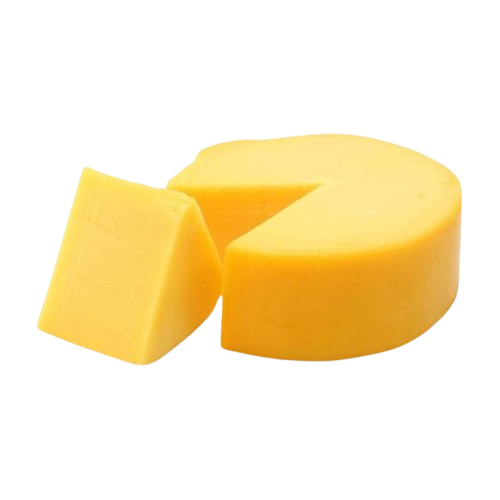
Cheddar cheese is a hard cheese made from cow’s milk and most commonly used in mac ‘n cheese and cheeseburgers. The calories in cheddar cheese are contingent on the form and portion size. A one-cup serving of shredded cheddar (113 grams or 4 ounces) has 455 calories, while a cup of diced cheddar (132 grams or 4.7 ounces) has 532 calories. A medium slice (28 grams or 1 ounce) provides 113 calories, while a 100-gram (3.5 ounce) serving of cheddar cheese has 403 calories. A single slice (19g) of Sargento Sliced Medium Cheddar Cheese contains 80 calories.
The cheddar cheese nutrition facts are distinguished by a high concentration of fat, protein, and essential minerals. A one-cup shredded serving (113g) provides 37.6g of total fat (48% DV) and 25.8g of high-quality cheddar cheese protein (52% DV), which supplies all essential amino acids for muscle maintenance, an effect supported by research on dairy proteins role in muscle synthesis (Phillips, S. M., et al., 2015). Major health advantages also stem from the rich supply of calcium (802.3mg or 62% DV) and phosphorus (514.2mg or 41% DV) to support bone health.
Cheddar cheese varieties, including Mild, Sharp, and Extra-Sharp, are featured in classic dishes like macaroni and cheese at restaurants such as Panera Bread and Shake Shack. The cheese's global popularity is supported by leading producers and consumers like the United States and the European Union, and this demand is reflected in the price, which has increased steadily over the last two decades from below $3.50 per pound in the early 2000s to over $6.00 per pound after 2020.
Primary benefits of cheddar cheese stem from its calcium for bone health and protein for muscle support, but moderation is recommended for a balanced diet due to the high saturated fat and sodium content. A small one-inch cube (17g) provides 69 calories from its cheddar cheese nutrition profile, which can be expended through 7 minutes of jogging or 9 minutes of cycling.
Cheddar nutrition
| Stats | Weight |
|---|---|
| Carbs | 2.44 grams |
| Protein | 23.3 grams |
| Fats | 34 grams |
| Sugars | 0.33 grams |
- Large Cheddar Calories (Nutritional Facts)
- Medium Cheddar Calories (Nutritional Facts)
- Small Cheddar Calories (Nutritional Facts)
- Raw Cheddar Nutrition
- Sodium in Cheddar
- Potassium in Cheddar
- Sugar in Cheddar
- Fiber in Cheddar
- Protein in Cheddar
- Carbs in Cheddar
- Fat in Cheddar
- Vitamins in Cheddar
- Minerals in Cheddar
Large Cheddar Calories (Nutritional Facts)
A large serving of one cup of melted cheddar cheese (244g or 8.6oz) contains 983 calories, 55.8g of protein (112% DV), 81.3g of total fat (104% DV), 8.2g of total carbohydrates (3% DV), 0g of fiber, 1.2g of total sugars, and 1593.3mg of sodium (66% DV). A large serving of one cup of shredded cheddar cheese (113g or 4oz) has 455 calories, 25.8g of protein (52% DV), 37.6g of total fat (48% DV), 3.8g of total carbohydrates (1% DV), 0g of fiber, 0.54g of total sugars, and 737.9mg of sodium (31% DV). A large serving of one cup of diced cheddar cheese (132g or 4.7oz) has 532 calories, 30.2g of protein (60% DV), 44g of total fat (56% DV), 4.4g of total carbohydrates (2% DV), 0g of fiber, 0.63g of total sugars, and 862mg of sodium (36% DV).
A medium serving of one slice of cheddar cheese (28g or 1oz) provides 113 calories, 6.4g of protein (13% DV), 9.3g of total fat (12% DV), 0.94g of total carbohydrates (0% DV), 0g of fiber, 0.13g of total sugars, and 182.8mg of sodium (8% DV).
A small serving of a one-inch cube of cheddar cheese (17g or 0.6oz) contains 69 calories, 3.9g of protein (8% DV), 5.7g of total fat (7% DV), 0.57g of total carbohydrates (0% DV), 0g of fiber, 0.08g of total sugars, and 111mg of sodium (5% DV).
A one-ounce serving of raw cheddar cheese (28g) contains 110 calories, 6g of protein (12% DV), 9g of total fat (12% DV), 1g of total carbohydrates (0% DV), 0g of fiber, 0g of total sugars, and 180mg of sodium (8% DV). A 100-gram serving of raw cheddar cheese contains 393 calories, 21.4g of protein, 32.1g of total fat, 3.6g of total carbohydrates, 0g of fiber, 0g of sugar, and 643mg of sodium.
A large serving of one cup of melted cheddar cheese (244g) contains 1593.3mg of sodium (66% DV), a large serving of one cup of shredded cheddar cheese (113g) has 737.9mg of sodium (31% DV), a large serving of one cup of diced cheddar cheese (132g) has 862mg of sodium (36% DV), a medium serving of one slice (28g) has 182.8mg of sodium (8% DV), a small one-inch cube (17g) contains 111mg of sodium (5% DV), and a one-ounce serving of raw cheddar cheese (28g) contains 180mg of sodium (8% DV).
A large serving of one cup of melted cheddar cheese (244g) provides 185.4mg of potassium (4% DV), a large serving of one cup of shredded cheddar cheese (113g) has 85.9mg of potassium (2% DV), a large serving of one cup of diced cheddar cheese (132g) has 100.3mg of potassium (2% DV), a medium serving of one slice (28g) has 21.3mg of potassium (0% DV), a small one-inch cube (17g) contains 12.9mg of potassium (0% DV), and a one-ounce serving of raw cheddar cheese (28g) contains 0mg of potassium (0% DV).
A large serving of one cup of melted cheddar cheese (244g) contains 1.2g of total sugars, a large serving of one cup of shredded cheddar cheese (113g) has 0.54g of total sugars, a large serving of one cup of diced cheddar cheese (132g) has 0.63g of total sugars, a medium serving of one slice (28g) has 0.13g of total sugars, a small one-inch cube (17g) contains 0.08g of total sugars, and a one-ounce serving of raw cheddar cheese (28g) contains 0g of total sugars.
Cheddar cheese contains 0g of dietary fiber.
A large serving of one cup of melted cheddar cheese (244g) provides 55.8g of protein (112% DV), a large serving of one cup of shredded cheddar cheese (113g) has 25.8g of protein (52% DV), a large serving of one cup of diced cheddar cheese (132g) has 30.2g of protein (60% DV), a medium serving of one slice (28g) has 6.4g of protein (13% DV), a small one-inch cube (17g) contains 3.9g of protein (8% DV), and a one-ounce serving of raw cheddar cheese (28g) contains 6g of protein (12% DV).
A large serving of one cup of melted cheddar cheese (244g) contains 8.2g of total carbohydrates (3% DV), a large serving of one cup of shredded cheddar cheese (113g) has 3.8g of total carbohydrates (1% DV), a large serving of one cup of diced cheddar cheese (132g) has 4.4g of total carbohydrates (2% DV), a medium serving of one slice (28g) has 0.94g of total carbohydrates (0% DV), a small one-inch cube (17g) contains 0.57g of total carbohydrates (0% DV), and a one-ounce serving of raw cheddar cheese (28g) contains 1g of total carbohydrates (0% DV).
A large serving of one cup of melted cheddar cheese (244g) contains 81.3g of total fat (104% DV), a large serving of one cup of shredded cheddar cheese (113g) has 37.6g of total fat (48% DV), a large serving of one cup of diced cheddar cheese (132g) has 44g of total fat (56% DV), a medium serving of one slice (28g) has 9.3g of total fat (12% DV), a small one-inch cube (17g) contains 5.7g of total fat (7% DV), and a one-ounce serving of raw cheddar cheese (28g) contains 9g of total fat (12% DV).
A 100-gram serving of cheddar cheese delivers 334mcg of Vitamin A (37% DV) and 0.83mcg of Vitamin B12 (35% DV). This serving size also provides 0.28mcg of Vitamin D (1% DV), 2.3mcg of Vitamin K (2% DV), and 0.3mg of Riboflavin (23% DV).
A 100-gram serving of cheddar cheese provides 710mg of calcium (55% DV) and 455mg of phosphorus (36% DV). This serving size also contains 28mg of magnesium (7% DV), 0.68mg of zinc (6% DV), and 14.5mcg of selenium (26% DV).
Get a Custom Report on Cheddar Nutrition Data – Contact Us!
What are the Types of Cheddar?
The types of cheddar cheese are Mild, Sharp, Extra-Sharp, and Reduced-Fat. These types are defined by the aging process and fat content, which determine the flavor and texture. A breakdown of these common cheddar varieties is provided in the table below.
| Type | Description | Calories (Approximate per 100g) | Calorie Qualifications |
|---|---|---|---|
|
Mild Cheddar
|
Aged for 2 to 3 months. Has a soft texture and a creamy, mild flavor. | 404 | The higher moisture content gives this cheese a slightly softer texture, with a calorie count typical for full-fat cheese. |
|
Sharp Cheddar
|
Aged for 6 to 9 months. Has a firmer, more crumbly texture and a more pronounced, tangy flavor. | 404 | The aging process reduces moisture and concentrates fats and proteins, but the overall calorie count per gram remains consistent with mild cheddar. |
|
Extra-Sharp Cheddar
|
Aged for 1 to 2 years or more. Has a very dry, crumbly texture and a complex, intensely sharp flavor with noticeable calcium lactate crystals. | 404 | Extended aging further reduces moisture content, leading to the most concentrated flavor profile without altering the caloric density. |
|
Reduced-Fat Cheddar
|
Made with lower-fat milk. The texture is often firmer and more rubbery, with a less complex flavor than full-fat versions. | 255 | The removal of a significant portion of the milk fat directly lowers the calorie density, making this the lowest-calorie option. |
What are Desserts With Cheddar?
The sharp, savory flavor of cheddar cheese pairs well with sweet ingredients in a variety of desserts. Desserts that feature cheddar cheese are summarized in the following table.
| Dish Name | Calories (Estimate per serving) | Type of Dessert | Carbs (g) (Estimate) | Sugar (g) (Estimate) | Protein (g) (Estimate) | Fat (g) (Estimate) | Cuisine | Restaurants |
|---|---|---|---|---|---|---|---|---|
|
Apple Pie with Cheddar Crust
|
500-700 | Pie | 70 | 40 | 8 | 25 | American | Four & Twenty Blackbirds, The Pie Hole |
|
Cheddar Cheese Straws
|
150-250 (per 3-4 straws) | Savory Pastry | 15 | 1 | 5 | 8 | Southern American | Callie's Hot Little Biscuit |
|
Savory Cheddar Scones
|
350-500 | Scone | 40 | 5 | 10 | 18 | British/American | Tatte Bakery & Café, Starbucks |
|
Cheddar Shortbread Cookies
|
180-280 (per 2 cookies) | Cookie | 20 | 8 | 4 | 10 | Scottish/American | Murray's Cheese Bar |
|
Welsh Rarebit
|
400-600 | Savory Toast | 30 | 4 | 20 | 25 | British | The Dandelion, A Salt & Battery |
|
Cheddar and Apple Turnovers
|
350-500 | Pastry | 45 | 25 | 7 | 16 | American | Grand Central Bakery |
|
Cheddar Ice Cream
|
300-450 (per scoop) | Frozen Dessert | 25 | 22 | 8 | 20 | American (Artisanal) | Salt & Straw, Jeni's Splendid Ice Creams |
|
Cheddar Thumbprint Cookies with Jam
|
120-180 (per cookie) | Cookie | 15 | 10 | 3 | 7 | American | Magnolia Bakery |
|
Savory Cheesecake with Cheddar
|
500-700 | Cheesecake | 20 | 8 | 15 | 45 | American | The Cheesecake Factory |
What are Main Dishes With Cheddar?
Cheddar cheese is a staple ingredient in many comfort food classics and popular main courses. A list of main dishes that contain cheddar cheese is presented in the table below.
| Dish Name | Calories (Estimate per serving) | Type of Cheddar | Carbs (g) (Estimate) | Sugar (g) (Estimate) | Protein (g) (Estimate) | Fat (g) (Estimate) | Cuisine | Restaurants |
|---|---|---|---|---|---|---|---|---|
|
Macaroni and Cheese
|
700-1100 | Sharp | 80 | 10 | 35 | 45 | American | Panera Bread, The Cheesecake Factory |
|
Cheeseburger
|
600-1000 | Mild or Sharp | 45 | 8 | 40 | 35 | American | Shake Shack, In-N-Out Burger |
|
Grilled Cheese Sandwich
|
500-800 | Mild or Sharp | 50 | 6 | 25 | 30 | American | Tom & Chee, The Melt |
|
Broccoli Cheddar Soup
|
350-550 (per bowl) | Sharp | 25 | 5 | 15 | 20 | American | Panera Bread, Au Bon Pain |
|
Nachos with Melted Cheddar
|
800-1500 | Mild | 90 | 8 | 40 | 60 | Mexican-American | Chili's Grill & Bar, On The Border |
|
Quesadilla with Cheddar
|
600-900 | Mild | 50 | 4 | 30 | 40 | Mexican-American | Chipotle Mexican Grill, Moe's Southwest Grill |
|
Shepherd's Pie with Cheddar Topping
|
600-900 | Sharp | 55 | 12 | 35 | 30 | British/Irish | The Dandelion, The Dead Rabbit |
|
Cheddar Bay Biscuits
|
160 (per biscuit) | Mild | 15 | 2 | 4 | 9 | American | Red Lobster |
|
Omelette with Cheddar Cheese
|
400-600 | Mild or Sharp | 5 | 3 | 30 | 30 | French/American | IHOP, Denny's |
|
Loaded Baked Potato
|
500-750 | Sharp | 60 | 5 | 20 | 25 | American | Wendy's, Outback Steakhouse |
|
Chili con Carne with Cheddar
|
500-800 | Sharp | 40 | 10 | 35 | 28 | Tex-Mex | Texas Roadhouse |
What Cuisines Prefer Cheddar the Most?
Originating in England, cheddar cheese has become a beloved component in cuisines around the world. The following table details the culinary traditions where cheddar cheese is a preferred ingredient.
| Cuisine | Dish | Types of Cheddar Used | Calories (Estimate) | Restaurant(s) |
|---|---|---|---|---|
|
American
|
Macaroni and Cheese, Cheeseburger | Sharp, Mild | 600-1100 | Panera Bread, Shake Shack |
|
British
|
Welsh Rarebit, Ploughman's Lunch | Sharp, Extra-Sharp | 400-800 | The Dandelion, Tea & Sympathy |
|
Mexican-American
|
Nachos, Quesadillas, Burritos | Mild | 600-1500 | Chipotle Mexican Grill, Chili's Grill & Bar |
|
Canadian
|
Poutine with Cheese Curds | Mild (Curds) | 700-1200 | The Trough, Pommes Frites |
|
Southern American
|
Cheese Grits, Pimento Cheese | Sharp, Extra-Sharp | 300-600 | Cracker Barrel, Callie's Hot Little Biscuit |
|
Irish/Scottish
|
Shepherd's Pie Topping | Sharp | 600-900 | The Dead Rabbit, The Stalking Horse |
|
Tex-Mex
|
Chili con Queso, Enchiladas | Mild, Sharp | 400-800 | On The Border, Torchy's Tacos |
|
New American
|
Artisanal Cheese Boards | All varieties | 500-1000 | The French Laundry, Gramercy Tavern |
Which Countries Produce the Most Cheddars?
The top producers of cheese, which includes cheddar, are the United States, Germany, and France. Specific global production data for cheddar cheese alone is not tracked separately from the broader "cheese" category by major agricultural organizations. The table below shows the production quantity of all cheese types in key countries.
| Country | 2003 | 2008 | 2013 | 2018 | 2019 | 2020 | 2021 | 2022 |
|---|---|---|---|---|---|---|---|---|
| United States | 4,354,000 | 4,919,000 | 5,372,000 | 6,013,000 | 6,150,000 | 6,280,000 | 6,350,000 | 6,460,000 |
| Germany | 1,847,000 | 2,021,000 | 2,143,000 | 2,297,000 | 2,330,000 | 2,350,000 | 2,380,000 | 2,400,000 |
| France | 1,820,000 | 1,890,000 | 1,910,000 | 1,930,000 | 1,940,000 | 1,950,000 | 1,960,000 | 1,970,000 |
| United Kingdom | 370,000 | 385,000 | 410,000 | 465,000 | 470,000 | 475,000 | 480,000 | 490,000 |
| Canada | 350,000 | 360,000 | 430,000 | 510,000 | 515,000 | 520,000 | 525,000 | 530,000 |
Which Countries Consume the Most Cheddars?
The top consumers of cheese, which includes cheddar, are the European Union, the United States, and the Russian Federation. Consumption data is best represented by domestic disappearance, a measure that accounts for production, imports, and exports. The table below shows cheese consumption in key markets.
| Region/Country | 2003 | 2008 | 2013 | 2018 | 2019 | 2020 | 2021 | 2022 |
|---|---|---|---|---|---|---|---|---|
| European Union | 7,100,000 | 8,200,000 | 8,800,000 | 9,150,000 | 9,200,000 | 9,300,000 | 9,400,000 | 9,500,000 |
| United States | 4,200,000 | 4,800,000 | 5,200,000 | 5,800,000 | 5,900,000 | 6,000,000 | 6,100,000 | 6,200,000 |
| Russian Federation | 550,000 | 700,000 | 900,000 | 1,100,000 | 1,150,000 | 1,200,000 | 1,250,000 | 1,300,000 |
| Canada | 320,000 | 350,000 | 400,000 | 450,000 | 460,000 | 470,000 | 480,000 | 490,000 |
| United Kingdom | 600,000 | 650,000 | 700,000 | 750,000 | 760,000 | 770,000 | 780,000 | 790,000 |
How Do Prices of Cheddar-Including Dishes Change?
The cost of restaurant dishes featuring cheddar cheese has risen over the last ten years. This upward trend reflects higher ingredient costs and increased operational expenses for restaurants. Menus at well-known establishments that specialize in cheddar-based dishes show these price changes.
| Restaurant | Dish | Old Price (Year) | Current Price (2024/2025) |
|---|---|---|---|
| Panera Bread | Mac & Cheese (Large) | $7.99 (2015) | $11.00 - $12.20 |
| Shake Shack | ShackBurger (Single) | $5.19 (2014) | $6.99 - $8.79 |
| Red Lobster | Cheddar Bay Biscuits (Half Dozen) | $2.79 (2016) | $4.49 - $6.00 |
| Chili's Grill & Bar | Classic Nachos with Beef | $10.29 (2015) | $10.99 - $11.99 |
| IHOP | Ham & Cheese Omelette | $8.99 (2014) | $10.49 - $16.00 |
What is the Cheddar Calorie for 100 Grams?
A 100-gram (3.5 ounce) serving of melted, shredded, or diced cheddar cheese contains 403 calories, while a 100-gram serving of raw cheddar cheese contains 393 calories, and a 100-gram serving of reduced-fat cheddar cheese has 255 calories.
What is the Cheddar Calorie for 1 KG?
One kilogram (1000g) of melted, shredded, or diced cheddar cheese contains 4030 calories. One kilogram of raw cheddar cheese contains 3930 calories.
What is the Calorie Content of 1 Cheddar?
One slice (21g) of Kraft Deli Deluxe American Slices contains 80 calories and one stick (28g) of Tillamook Sharp Cheddar Snack Portions contains 110 calories, while one slice (19g) of Sargento Sliced Medium Cheddar Cheese has 80 calories.
What are the Health Benefits of Cheddar?
Cheddar cheese offers several nutritional benefits for bone, dental, and muscle health. Key health advantages linked to cheddar cheese are presented here.
- Promotes Bone Health: Cheddar cheese is a concentrated source of calcium and phosphorus, two minerals essential for building and maintaining strong bone density. A meta-analysis by Weaver, C. M., et al. (2021), " Dairy intake and bone health across the lifespan: a systematic review and expert narrative," concluded that dairy products are beneficial for bone mineral acquisition in children and adolescents and help protect against bone loss in adults.
- Supports Dental Health: Eating cheddar cheese can help protect against tooth decay. The cheese stimulates saliva flow, and its calcium and phosphate content helps buffer plaque acid and remineralize tooth enamel. A study by Kashket, S., & DePaola, D. P. (2002), " Cheese consumption and the development and progression of dental caries," found that consuming cheese after a sugary snack quickly returns plaque pH to safe levels, reducing the risk of cavities.
- Provides High-Quality Protein: Cheddar cheese supplies a complete protein, containing all the essential amino acids necessary for tissue repair, immune function, and muscle maintenance. A review by Phillips, S. M., et al. (2009), "The role of milk- and soy-based protein in support of muscle protein synthesis and muscle protein accretion in young and elderly persons," affirmed the effectiveness of dairy proteins in stimulating muscle protein synthesis.
What are the Downsides of Cheddar?
While nutritious, cheddar cheese also has aspects that require mindful consumption. Potential health considerations connected to cheddar cheese are listed here.
- High in Saturated Fat: Cheddar cheese has a high concentration of saturated fat, which can increase low-density lipoprotein (LDL) cholesterol levels, a risk factor for cardiovascular disease. A scientific advisory from the American Heart Association by Sacks, F. M., et al. (2017), "Dietary Fats and Cardiovascular Disease," reaffirmed the recommendation to limit saturated fat intake to reduce cardiovascular risk. An alternative with lower saturated fat is reduced-fat cheddar cheese. A daily suggested amount is a single one-ounce serving.
- High Sodium Content: Cheddar cheese contains a substantial amount of sodium, which is added during the cheesemaking process for flavor and preservation. High sodium intake is linked to elevated blood pressure. A report from the Centers for Disease Control and Prevention (2021), "Sodium and Food Sources," identifies cheese as a leading contributor to sodium in the American diet. An alternative with lower sodium is Swiss cheese. A suggested amount is to be mindful of portion sizes, such as a single slice or a one-inch cube.
How Does Protein in Cheddar Cheese Support Muscle Health?
The protein in cheddar cheese supports muscle health by providing a complete source of essential amino acids, particularly leucine, and by delivering slow-digesting casein protein. Cheddar cheese is a complete protein, meaning the cheese contains all nine essential amino acids that the body cannot produce on its own. These amino acids are the fundamental building blocks for repairing and synthesizing new muscle tissue, a process known as muscle protein synthesis. Research by Wolfe, R. R. (2017), "Branched-chain amino acids and muscle protein synthesis in humans," established the critical role of essential amino acids, especially leucine, in triggering this muscle-building process. The majority of protein in cheddar is casein, a slow-digesting protein that provides a sustained release of amino acids into the bloodstream. This slow release helps prevent muscle protein breakdown over extended periods, as demonstrated in a study by Boirie, Y., et al. (1997), "Slow and fast dietary proteins differently modulate postprandial protein accretion."
Is Cheddar Good for You?
Yes, cheddar cheese can be a good food choice in moderation because of the high concentration of essential nutrients like calcium, protein, and phosphorus. Cheddar cheese provides significant bone health benefits through its dense supply of calcium and phosphorus, minerals that are fundamental to the structure of the skeleton.
A comprehensive review by the National Institutes of Health, "Calcium: Fact Sheet for Health Professionals," confirms the importance of adequate calcium intake from foods like cheese for preventing osteoporosis. The cheese supports muscle health by delivering high-quality, complete protein that is rich in casein, which aids in muscle repair and reduces muscle breakdown. A study by Churchward-Venne, T. A., et al. (2012), "Nutritional regulation of muscle protein synthesis with resistance exercise," highlights the importance of protein quality for maximizing muscle adaptation. Despite these benefits, the high saturated fat and sodium content requires mindful consumption. A meta-analysis by de Oliveira Otto, M. C., et al. (2012), "Dietary intake of saturated fat by food source and incident cardiovascular disease," found that high-fat dairy consumption was not associated with an increased risk of cardiovascular disease, suggesting the food matrix may alter the effect of saturated fat.
How Do Calories Change According to Cheddar Types?
The calorie count of cheddar cheese changes based on the fat content, not the aging process. Mild, sharp, and extra-sharp cheddar all contain a nearly identical calorie value of 404 calories per 100 grams. The aging process that creates different flavor profiles primarily affects the moisture content and texture, not the caloric density. Reduced-fat cheddar contains the lowest calorie value at 255 calories per 100 grams. This substantial reduction is a direct result of removing milk fat during the production process, which is the most calorie-dense component of the cheese.
How are Cheddar Cheese Calories Counted in a Small Slice?
Cheddar cheese calories in a small slice are counted by determining the weight of the slice and multiplying that weight by the caloric density of the cheese. The caloric density is calculated from the cheese's macronutrient composition: fat, protein, and carbohydrates. Fat contains 9 calories per gram, while protein and carbohydrates each contain 4 calories per gram. A standard small slice of cheddar cheese weighs 28 grams (1 ounce). This slice contains 9.3 grams of fat, 6.4 grams of protein, and 0.94 grams of carbohydrates. The total calorie count is calculated as (9.3g fat x 9 cal/g) + (6.4g protein x 4 cal/g) + (0.94g carbs x 4 cal/g), which equals 83.7 + 25.6 + 3.76, for a final count of 113 calories.
What is the Origin of Cheddar?
Cheddar cheese production began in the 12th century in the village of Cheddar in Somerset, England. The caves in the Cheddar Gorge provided the ideal cool and constant humidity for maturing the cheese. The unique process known as "cheddaring" was developed there. Cheddaring involves stacking blocks of curd on top of one another to press out additional whey, which results in a denser and more textured cheese. King Henry II was a notable early enthusiast, purchasing large quantities of the cheese in the 1170s. The cheese's popularity grew, and production methods were standardized in the 19th century by Somerset dairyman Joseph Harding, who is often called the "father of cheddar." His innovations in hygiene and technique allowed for a more consistent and high-quality product that could be shipped globally. This standardization helped cheddar become the most widely produced and consumed cheese in the world, with production now taking place in countries far from its English origin.
Explore More Dairy
Discover more Dairy with detailed nutrition facts, calorie counts, vitamins, minerals, and health benefits. Compare similar foods, serving sizes, macronutrients, and key nutrients to find the best option for your diet and nutrition goals.
 Asiago Cheese calories
 Blue Cheese calories
 Brie Cheese calories
 Butter calories
 Buttermilk calories
 Camembert calories
 Cheese calories
 Chocolate Milk calories
 Clarified Butter calories
 Clotted Cream calories
 Condensed Milk calories
 Cotija Cheese calories