Calories and Nutritions in Cayenne Pepper
Cayenne pepper calories vary depending on whether the pepper is fresh or dried. A 100g (3.5 oz) serving of raw fresh cayenne pepper contains 40 calories, while 100g dried cayenne pepper powder provides 318 calories. This difference arises because the drying process concentrates the nutrients and caloric content. Cayenne pepper nutrition facts highlight its impressive profile, especially in powdered form, which is rich in vitamins and minerals; a 100g portion of the powder offers substantial amounts of Vitamin A (231% DV), Vitamin E (199% DV), Vitamin B6 (188% DV), Vitamin C (85% DV), Iron (98% DV), and Manganese (87% DV). The active compound capsaicin in cayenne pepper has been widely studied for its various physiological effects, including its impact on metabolism and sensory nerve functions. (Whiting, S., et al., 2012, "Capsaicinoids and capsinoids. A potential role for weight management? A systematic review of the evidence").
The primary types of cayenne pepper encountered are fresh red cayenne peppers and the more concentrated dried cayenne pepper powder or flakes. Countries like China, Mexico, Indonesia, and Turkey are major producers of fresh chilies and peppers, while India is a leading producer of dried chilies, including cayenne. Consumption is high in these regions and has grown worldwide with the increasing popularity of spicy foods. The price of cayenne pepper has seen an upward trend over the past two decades, influenced by agricultural yields, global demand, and processing costs; the U.S. Consumer Price Index for spices reflects this general increase.
Cayenne pepper is a staple in spicy dishes like chili con carne, jambalaya, and Buffalo wings, featured on menus at restaurants such as Wendy's, Popeyes, and Buffalo Wild Wings. Due to its intense heat, cayenne pepper is used in small amounts. It can be incorporated into a healthy diet for flavor and potential health benefits, with negligible calories.
Cayenne Pepper nutrition
| Stats | Weight |
|---|---|
| Carbs | 3 grams |
| Protein | 0.6 grams |
| Fats | 0 grams |
| Sugars | 0.5 grams |
- Cayenne Pepper Powder Calories (Nutritional Facts)
- Raw (Fresh) Cayenne Pepper Nutrition
- Sodium in Cayenne Pepper
- Potassium in Cayenne Pepper
- Sugar in Cayenne Pepper
- Fiber in Cayenne Pepper
- Protein in Cayenne Pepper
- Carbs in Cayenne Pepper
- Fat in Cayenne Pepper
- Vitamins in Cayenne Pepper
- Minerals in Cayenne Pepper
Cayenne Pepper Powder Calories (Nutritional Facts)
A one-teaspoon (1.8g, 0.06 oz) serving of cayenne pepper powder contains 5.7 calories. A one-tablespoon (5.3g, 0.19 oz) serving of cayenne pepper powder provides 16.9 calories. A 100g (3.5 oz) portion of cayenne pepper powder has 318 calories.
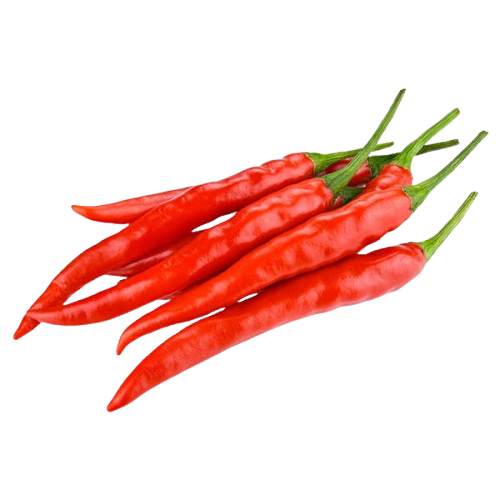
One raw red hot chili pepper (45g, 1.59 oz) contains 18 calories, 0.8g of protein, 4g of carbohydrates, and 0.2g of fat. A 100g (3.5 oz) serving of raw red hot chili peppers provides 40 calories, 1.87g of protein, 8.81g of carbohydrates, and 0.44g of fat.
Cayenne pepper powder contains 30mg of sodium per 100g (1% DV). A one-teaspoon (1.8g, 0.06 oz) serving of cayenne pepper powder has 0.5mg of sodium (0% DV). Raw red hot chili peppers contain 9mg of sodium per 100g (0% DV). One raw red hot chili pepper (45g, 1.59 oz) provides 4.1mg of sodium (0% DV).
Cayenne pepper powder contains 2014mg of potassium per 100g (43% DV). A one-teaspoon (1.8g, 0.06 oz) serving of cayenne pepper powder has 36.3mg of potassium (1% DV). Raw red hot chili peppers provide 322mg of potassium per 100g (7% DV). One raw red hot chili pepper (45g, 1.59 oz) contains 145mg of potassium (3% DV).
Cayenne pepper powder contains 10.3g of total sugars per 100g. A one-teaspoon (1.8g, 0.06 oz) serving of cayenne pepper powder has 0.2g of sugar. Raw red hot chili peppers contain 5.3g of total sugars per 100g. One raw red hot chili pepper (45g, 1.59 oz) provides 2.4g of sugar.
Cayenne pepper powder provides 27.2g of dietary fiber per 100g (97% DV). A one-teaspoon (1.8g, 0.06 oz) serving of cayenne pepper powder has 0.5g of dietary fiber (2% DV). Raw red hot chili peppers contain 1.5g of dietary fiber per 100g (5% DV). One raw red hot chili pepper (45g, 1.59 oz) offers 0.7g of dietary fiber (2% DV).
Cayenne pepper powder contains 12g of protein per 100g (24% DV). A one-teaspoon (1.8g, 0.06 oz) serving of cayenne pepper powder has 0.2g of protein (0% DV). Raw red hot chili peppers provide 1.87g of protein per 100g (4% DV). One raw red hot chili pepper (45g, 1.59 oz) contains 0.8g of protein (2% DV).
Cayenne pepper powder has 56.6g of total carbohydrates per 100g (21% DV). A one-teaspoon (1.8g, 0.06 oz) serving of cayenne pepper powder contains 1g of total carbohydrates (0% DV). Raw red hot chili peppers contain 8.81g of total carbohydrates per 100g (3% DV). One raw red hot chili pepper (45g, 1.59 oz) provides 4g of total carbohydrates (1% DV).
Cayenne pepper powder contains 17.3g of total fat per 100g (22% DV), with 3.3g of saturated fat. A one-teaspoon (1.8g, 0.06 oz) serving of cayenne pepper powder has 0.3g of total fat (0% DV). Raw red hot chili peppers provide 0.44g of total fat per 100g (1% DV), with 0.1g of saturated fat. One raw red hot chili pepper (45g, 1.59 oz) contains 0.2g of total fat (0% DV).
A 100g (3.5 oz) serving of cayenne pepper powder is rich in Vitamin A, providing 2081µg RAE (231% DV), Vitamin E at 29.83mg (199% DV), Vitamin B6 at 2.45mg (188% DV), Vitamin K at 80.3µg (67% DV), Riboflavin (Vitamin B2) at 0.92mg (71% DV), and Niacin (Vitamin B3) at 8.7mg (54% DV). It also contains Vitamin C at 76.4mg (85% DV) and Folate at 106µg (27% DV). A 100g (3.5 oz) serving of raw red hot chili peppers provides a significant amount of Vitamin C at 143.7mg (160% DV) and Vitamin B6 at 0.506mg (30% DV). It also contains Vitamin A at 48µg RAE (5% DV) and Folate at 23µg (6% DV).
A 100g (3.5 oz) serving of cayenne pepper powder is an excellent source of Iron, with 7.8mg (98% DV), and Manganese, with 2mg (87% DV). It also contains a high amount of Potassium at 2014mg (43% DV), Phosphorus at 293mg (42% DV), Magnesium at 152mg (36% DV), Calcium at 148mg (15% DV), Zinc at 2.48mg (23% DV), and Copper at 0.37mg (41% DV). A 100g (3.5 oz) serving of raw red hot chili peppers contains Potassium at 322mg (7% DV) and Iron at 1.03mg (6% DV). It also provides Calcium at 18mg (1% DV) and Magnesium at 23mg (5% DV).
Get a Custom Report on Cayenne Pepper Nutrition Data – Contact Us!
What are the Types of Cayenne Pepper?
Cayenne pepper primarily refers to a specific hot chili pepper, Capsicum annuum. The main "types" encountered for culinary and nutritional purposes are based on its preparation: fresh cayenne peppers and dried cayenne pepper powder. These forms differ in their water content, which impacts nutrient concentration and caloric density.
| Type | Description | Calories (per 100g) | Calorie Qualifications |
|---|---|---|---|
|
Fresh Cayenne Pepper
|
The raw, whole chili pepper, red when ripe. Contains high water content. | 40 | Lower in calories due to high water content. |
|
Cayenne Pepper Powder
|
Dried fresh cayenne peppers that have been ground into a fine powder. Water has been mostly removed. | 318 | Significantly higher in calories and nutrients per gram due to dehydration and concentration. |
|
Cayenne Pepper Flakes
|
Dried fresh cayenne peppers that are crushed into flakes rather than a fine powder. Includes seeds and skin. | 300-320 | Calorie content is similar to powder, reflecting a concentrated dried product. |
What are the Main Dishes with Cayenne Pepper?
Cayenne pepper, in its powdered or fresh form, is a versatile spice used to add heat and flavor to a multitude of dishes across various culinary traditions. It is a key ingredient in spice blends, sauces, and directly in preparations. The table below highlights several main dishes where cayenne pepper often plays a role, along with estimated nutritional information:
| Dish Name | Calories (per serving) | Type of Cayenne Pepper Used | Carbs (g) | Sugar (g) | Protein (g) | Fat (g) | Cuisine | Restaurants |
|---|---|---|---|---|---|---|---|---|
|
Chili con Carne
|
400-650 | Powder | 30-50 | 5-10 | 25-40 | 15-30 | Tex-Mex/American | Wendy's (seasonal), Chili's, Texas Roadhouse (seasonal), various diners |
|
Jambalaya
|
450-700 | Powder/Fresh | 45-65 | 3-7 | 25-35 | 15-25 | Cajun/Creole | Popeyes (seasonal), The Cheesecake Factory, Bubba Gump Shrimp Co., local Cajun spots |
|
Buffalo Wings
|
400-600 (6 wings) | Powder (in sauce) | 3-10 | <1-3 | 30-40 | 25-35 | American | Buffalo Wild Wings, Wingstop, Domino's, Pizza Hut |
|
Spicy Fried Chicken
|
450-750 (2 pieces) | Powder (in batter/seasoning) | 20-35 | <1-2 | 35-45 | 25-40 | American (Southern)/Global | KFC (Hot & Spicy), Popeyes (Spicy), Nashville-style hot chicken restaurants |
|
Gumbo
|
350-600 | Powder/Fresh | 25-40 | 2-5 | 20-30 | 15-25 | Cajun/Creole | Local Cajun/Creole restaurants, some seafood chains |
|
Tacos (Spicy Meat Filling)
|
200-350 (per taco) | Powder | 15-25 | 1-3 | 10-18 | 10-18 | Mexican/Tex-Mex | Taco Bell (spicy options), Chipotle (with hot salsa), Del Taco |
|
Curries (various types)
|
350-600 | Powder/Fresh | 30-50 | 5-15 | 15-30 | 15-30 | Indian/Thai/Southeast Asian | Local Indian and Thai restaurants |
|
Deviled Eggs (Spicy)
|
70-100 (per half) | Powder (garnish/in filling) | <1-2 | <1 | 3-5 | 5-8 | American | Cracker Barrel, various diners and potluck-style eateries |
|
Barbecue Ribs (Spicy Rub/Sauce)
|
500-800 (half rack) | Powder | 30-50 | 20-35 | 30-45 | 25-40 | American (Southern BBQ) | Famous Dave's, Sonny's BBQ, Chili's |
|
Blackened Fish or Chicken
|
300-500 | Powder (in blackening spice) | 2-8 | <1 | 35-50 | 10-20 | Cajun/Creole/American | Red Lobster (seasonal), Bonefish Grill, various American restaurants |
|
Spicy Soups (e.g., Hot and Sour)
|
200-400 | Powder/Fresh | 15-30 | 3-8 | 8-15 | 5-15 | Asian (Chinese, Thai, etc.) | P.F. Chang's, Panda Express (Hot and Sour Soup), local Asian restaurants |
|
Bloody Mary (Cocktail)
|
120-180 | Powder (rim/in mix) | 5-10 | 3-7 | 1-2 | 0-1 | International Cocktail | Most bars and restaurants serving brunch or cocktails, e.g., IHOP (non-alcoholic), TGI Fridays |
What are the Desserts with Cayenne Pepper?
Cayenne pepper is not a common ingredient in traditional desserts due to its strong, pungent heat. However, its ability to provide a surprising spicy kick has led to its use in some contemporary and artisanal desserts, often paired with flavors like chocolate, citrus, or tropical fruits to create a unique sweet-and-spicy contrast. These are more niche or gourmet offerings rather than mainstream desserts.
| Dish Name | Calories (per serving) | Type of Cayenne Pepper Used | Carbs (g) | Sugar (g) | Protein (g) | Fat (g) | Cuisine | Restaurants |
|---|---|---|---|---|---|---|---|---|
|
Spicy Chocolate Bark/Truffles
|
150-250 (small piece) | Powder | 15-25 | 12-20 | 1-3 | 8-15 | Modern/Gourmet | Vosges Haut-Chocolat (specialty chocolate brand), some artisanal chocolatiers |
|
Mango Sorbet with Chili-Lime (incl. Cayenne)
|
120-180 | Powder | 28-40 | 25-35 | <1-1 | <1-1 | Modern/Fusion | Some specialty ice cream/sorbet shops, high-end restaurants with creative menus |
|
Spicy Hot Chocolate/Mexican Hot Chocolate
|
250-400 | Powder | 30-50 | 25-40 | 3-8 | 10-18 | Mexican-inspired/Modern | Starbucks (seasonal/customized), local cafes, some Mexican restaurants |
|
Pineapple with Chili Powder (incl. Cayenne)
|
80-120 | Powder (in chili blend) | 20-30 | 15-25 | <1-1 | <1 | Latin American/Street Food | Fruit stands, some Mexican restaurants |
What Cuisines Prefer Cayenne Pepper the Most?
Cayenne pepper is a globally utilized spice, but it features most prominently in cuisines known for their bold and spicy flavors. Its versatility allows it to be incorporated into a wide array of dishes, from providing subtle warmth to intense heat. The table below highlights cuisines that frequently use cayenne pepper and some representative dishes.
| Cuisine | Dish Name | Calories (per serving) | Restaurants |
|---|---|---|---|
|
Cajun/Creole
|
Jambalaya | 450-700 | Popeyes (seasonal), The Cheesecake Factory, Bubba Gump Shrimp Co. |
|
Cajun/Creole
|
Gumbo | 350-600 | Local Cajun/Creole restaurants |
|
Cajun/Creole
|
Blackened Fish/Chicken | 300-500 | Red Lobster (seasonal), Bonefish Grill |
|
Tex-Mex/Mexican-American
|
Chili con Carne | 400-650 | Wendy's (seasonal), Chili's |
|
Tex-Mex/Mexican-American
|
Spicy Tacos | 200-350 (per taco) | Taco Bell, Chipotle, Del Taco |
|
American (Southern)
|
Spicy Fried Chicken | 450-750 (2 pieces) | KFC (Hot & Spicy), Popeyes (Spicy) |
|
American (Southern BBQ)
|
Spicy Barbecue Ribs | 500-800 (half rack) | Famous Dave's, Sonny's BBQ |
|
Indian
|
Various Curries (e.g., Vindaloo) | 350-600 | Local Indian restaurants |
|
Thai
|
Spicy Stir-fries and Soups | 300-550 | Local Thai restaurants |
|
West African
|
Jollof Rice (spicy versions) | 350-550 | Local West African restaurants |
|
Caribbean
|
Jerk Chicken/Pork (in spice blend) | 400-600 | Golden Krust Caribbean Bakery & Grill, local Caribbean restaurants |
Which Countries Produce the Most Cayenne Pepper?
The top producers of chilies and peppers (Capsicum spp.), which includes cayenne pepper, globally are China, India, Mexico, Indonesia, and Turkey. In 2022, China was the largest producer of fresh chilies and peppers, yielding over 17,000 kilotonnes, while India is a major producer of dried chilies. The table below shows the production volume of "Chillies and Peppers, Green" for leading countries over the last two decades, which serves as an indicator for cayenne pepper production capacity.
| Country | 2004 | 2005 | 2006 | 2007 | 2008 | 2009 | 2010 | 2011 | 2012 | 2013 | 2014 | 2015 | 2016 | 2017 | 2018 | 2019 | 2020 | 2021 | 2022 | 2023 (Est.) |
|---|---|---|---|---|---|---|---|---|---|---|---|---|---|---|---|---|---|---|---|---|
| China | 12,068 | 12,855 | 13,670 | 14,261 | 14,980 | 15,548 | 16,103 | 16,955 | 17,533 | 18,015 | 18,230 | 16,080 | 16,330 | 16,580 | 16,830 | 17,080 | 17,330 | 17,580 | 17,830 | 18,050 |
| Mexico | 1,854 | 1,922 | 1,690 | 2,104 | 2,068 | 2,002 | 1,853 | 2,151 | 2,315 | 2,343 | 2,733 | 2,823 | 3,041 | 3,296 | 2,806 | 3,119 | 3,237 | 3,079 | 2,950 | 3,100 |
| Indonesia | 1,078 | 1,151 | 1,212 | 1,381 | 1,456 | 1,502 | 1,077 | 1,153 | 1,409 | 1,676 | 1,894 | 1,950 | 2,184 | 2,378 | 2,580 | 2,773 | 2,960 | 2,850 | 2,790 | 2,830 |
| Turkey | 1,750 | 1,830 | 1,905 | 1,984 | 2,037 | 2,098 | 2,043 | 2,086 | 2,130 | 2,175 | 2,221 | 2,533 | 2,591 | 2,628 | 2,630 | 2,490 | 2,624 | 2,700 | 2,750 | 2,780 |
| Spain | 1,065 | 1,077 | 1,088 | 1,100 | 1,153 | 1,203 | 1,253 | 1,178 | 1,066 | 1,066 | 1,198 | 1,277 | 1,356 | 1,399 | 1,407 | 1,428 | 1,495 | 1,520 | 1,480 | 1,500 |
| India | N/A | N/A | N/A | N/A | N/A | N/A | N/A | N/A | N/A | N/A | N/A | N/A | N/A | N/A | N/A | N/A | N/A | N/A | N/A | N/A |
How Do Prices of Cayenne Pepper-including Dishes Change?
The prices of restaurant dishes that feature cayenne pepper as a key spice have risen over the last 20 years. This is due to the rising cost of cayenne pepper itself, along with more significant increases in the prices of other ingredients (meats, vegetables, grains), cooking oil, as well as escalating labor, rent, and energy costs for restaurant operations. Below is a comparison of estimated prices for representative menu items where cayenne pepper is often used for its heat.
| Restaurant Chain/Type | Dish | Estimated Old Price (2004-2008) | Current Price (2024-2025) |
|---|---|---|---|
| Buffalo Wild Wings | Traditional Wings (Small) | $7.99 - $9.99 | $12.99 - $14.99 |
| Popeyes | Spicy Fried Chicken (2 pc meal) | $5.49 - $6.99 | $8.99 - $11.49 |
| Local Cajun Restaurant | Jambalaya (Entree) | $10.95 - $14.95 | $17.95 - $24.95 |
| Local Indian Restaurant | Chicken Vindaloo (Entree) | $11.95 - $15.95 | $18.95 - $25.95 |
| Taco Bell | Beefy Melt Burrito | $1.89 - $2.49 | $2.99 - $3.99 |
How Does the Price of Cayenne Pepper Change for the Last 20 Years?
The price of cayenne pepper, like other spices, has experienced fluctuations and a general upward trend over the past 20 years. This is influenced by agricultural yields, weather conditions in producing countries, global demand, transportation costs, and overall inflation. The U.S. CPI for "Spices, seasonings, and other condiments" shows a notable increase over the decades. The lowest prices were generally seen in the earlier years of this period (2004-2008), with periods of price spikes often linked to poor harvests in key producing regions like India or China, or increased global demand. The price of cayenne pepper is affected by the cost of cultivation, processing (drying and grinding), and international shipping. Countries that are major producers and exporters, such as India for dried chilies, can influence global prices. Conversely, countries that heavily import spices will see prices affected by exchange rates and import logistics. Consumer demand for spicy foods has been growing globally, which has put upward pressure on prices for chili peppers like cayenne.
| Year | Price |
|---|---|
| 2004 | $1.5 |
| 2005 | $1.55 |
| 2006 | $1.6 |
| 2007 | $1.65 |
| 2008 | $1.7 |
| 2009 | $1.75 |
| 2010 | $1.8 |
| 2011 | $1.9 |
| 2012 | $1.95 |
| 2013 | $2 |
| 2014 | $2.05 |
| 2015 | $2.1 |
| 2016 | $2.15 |
| 2017 | $2.2 |
| 2018 | $2.3 |
| 2019 | $2.4 |
| 2020 | $2.6 |
| 2021 | $2.8 |
| 2022 | $3 |
| 2023 | $3.2 |
| 2024 | $3.35 |
What is the Cayenne Pepper Calorie for 100 Grams?
A 100g (3.5 oz) serving of cayenne pepper powder contains 318 calories. A 100g (3.5 oz) serving of raw red hot chili peppers provides 40 calories.
What is the Cayenne Pepper Calorie for 1 KG?
One kilogram (1000g, 35.27 oz) of cayenne pepper powder contains 3180 calories. One kilogram (1000g, 35.27 oz) of raw red hot chili peppers provides 400 calories.
What is the Calorie of 1 Cayenne Pepper?
One raw red hot chili pepper (45g, 1.59 oz) contains 18 calories. The calories in a retail bottle of cayenne pepper powder vary by brand and bottle size. A McCormick Ground Cayenne Red Pepper bottle of 1.12 oz (31g) would contain 98.6 calories based on 318 calories per 100g. A Simply Organic Cayenne Pepper bottle of 2.89 oz (82g) would contain 260.8 calories. A Badia Cayenne Pepper bottle of 1.75 oz (49.6g) would contain 157.7 calories.
What are the Health Benefits of Cayenne Pepper?
Cayenne pepper, and its primary active compound capsaicin, can offer several health benefits such as boosting metabolism and helping with weight management. Other benefits of cayenne pepper are listed below:
- May Boost Metabolism and Aid in Weight Management: Capsaicin has been shown to increase thermogenesis, the process by which the body burns calories to produce heat, and may also increase fat oxidation. This can contribute to a modest boost in metabolism and potentially aid in weight management efforts when combined with a healthy diet and exercise. (Whiting, S., et al., 2012, "Capsaicinoids and capsinoids. A potential role for weight management? A systematic review of the evidence"; Janssens, P.L., et al., 2013, "Acute effects of capsaicin on energy expenditure and fat oxidation in negative energy balance").
- Possesses Pain-Relieving Properties: Topical applications of capsaicin are used to alleviate pain from conditions like arthritis, nerve pain (neuropathy), and muscle soreness. Capsaicin works by depleting substance P, a neurotransmitter that signals pain. (Mason, L., et al., 2004, "Systematic review of topical capsaicin for the treatment of chronic pain").
- Rich in Antioxidants: Cayenne pepper is a source of antioxidants, including Vitamin C, Vitamin E, beta-carotene (a precursor to Vitamin A), and various flavonoids. These compounds help protect the body's cells from damage caused by harmful free radicals, which can contribute to chronic diseases and aging. (Reboul, E., 2013, "Absorption of vitamin E and carotenoids by the enterocyte: The search for transporter proteins").
- May Improve Digestive Health: Capsaicin can stimulate digestive juices and may help protect the stomach lining against damage from NSAIDs. Some research suggests it may have a role in combating certain gut pathogens, though more research is needed. (Maji, A.K. & Banerji, P., 2016, "Phytochemistry and gastrointestinal benefits of the medicinal spice, Capsicum annuum L. (Chilli): a review").
- May Support Cardiovascular Health: Some studies suggest capsaicin may have beneficial effects on cardiovascular health, including helping to reduce LDL (bad) cholesterol levels, improve circulation, and prevent blood clots, although human studies are still developing in these areas. (McCarty, M.F., et al., 2015, "Capsaicin may have important potential for promoting vascular and metabolic health").
What are the Downsides of Cayenne Pepper?
Cayenne pepper, while offering benefits, also has potential downsides, particularly when consumed in large amounts or by sensitive individuals, as listed below:
- Digestive Discomfort: The capsaicin in cayenne pepper can cause irritation to the digestive tract, leading to symptoms like a burning sensation in the mouth or throat, stomach pain, heartburn, acid reflux, diarrhea, and cramping, especially for those not accustomed to spicy foods or those with conditions like Irritable Bowel Syndrome (IBS). (Szolcsányi, J., 2004, "Forty years in capsaicin research for sensory pharmacology and physiology").
- May Worsen GERD Symptoms: Individuals with Gastroesophageal Reflux Disease (GERD) may find that spicy foods like cayenne pepper trigger or worsen their symptoms, including heartburn and regurgitation.
- Can Irritate Skin and Eyes: Handling fresh cayenne peppers or concentrated powder can cause a significant burning sensation upon contact with skin, mucous membranes, or eyes. It is important to use gloves when handling fresh peppers and avoid touching the face.
- Potential for Medication Interactions: Cayenne pepper, particularly in supplement form, may interact with certain medications. These include blood thinners (like warfarin), as capsaicin might increase the risk of bleeding; ACE inhibitors for blood pressure, as it can increase coughing; and medications for diabetes, as it might affect blood sugar levels. (Groppo, F.C., et al., 2008, "Herbal medicines: a 21st century challenge for the dental profession").
- May Trigger Allergic Reactions in Some Individuals: Although rare, allergic reactions to peppers, including cayenne, can occur, leading to symptoms such as skin rashes, hives, or breathing difficulties.
Is Cayenne Pepper Good for You?
Yes, cayenne pepper can be good for you when consumed in moderation as part of a balanced diet. Its health benefits are primarily attributed to capsaicin, which has demonstrated antioxidant, anti-inflammatory, pain-relieving, and metabolism-boosting properties. Cayenne pepper also provides notable amounts of vitamins, particularly Vitamin A and Vitamin C, especially in its fresh form. (Srinivasan, K., 2016, "Biological Activities of Red Pepper (Capsicum annuum) and Its Pungent Principle Capsaicin: A Review"). However, its pungency means that it is usually consumed in small quantities. While these small amounts contribute beneficial compounds, they also minimize potential downsides like digestive upset. The key is moderation; excessive intake can lead to gastrointestinal discomfort. (Maji, A.K. & Banerji, P., 2016, "Phytochemistry and gastrointestinal benefits of the medicinal spice, Capsicum annuum L. (Chilli): a review").
Is Cayenne Pepper Good for Blood Pressure?
Yes, cayenne pepper may have properties that are good for blood pressure. The active compound capsaicin in cayenne pepper has been investigated for its potential to support cardiovascular health, including blood pressure regulation. Some research suggests that capsaicin can promote vasodilation, which is the widening of blood vessels. This action can help improve blood flow and potentially lower blood pressure. (Yang, D., et al., 2010, "Activation of TRPV1 by capsaicin improves endothelium-dependent vasodilation and prevents hypertension"). Additionally, capsaicin may have other indirect benefits that contribute to cardiovascular health, such as reducing LDL cholesterol. (Jia, Y.P., et al., 2017, "The Effect of Capsaicin on Lipid Metabolism and Gut Microbiota in Hyperlipidemic Hamsters"). It is important to note that while cayenne pepper can be a beneficial part of a heart-healthy diet, it should not replace prescribed medications or other lifestyle modifications for managing high blood pressure.
How Do Calories Change According to Cayenne Pepper Types?
The calorie content of cayenne pepper changes dramatically based on its form, specifically whether it is fresh or dried. Fresh cayenne peppers have a much lower caloric density, providing 40 calories per 100g (3.5 oz). This is because fresh peppers have a high water content. When cayenne peppers are dried to produce cayenne pepper powder or flakes, most of this water is removed. This dehydration process concentrates all other components, including those that contribute calories. As a result, dried cayenne pepper powder contains 318 calories per 100g (3.5 oz), and cayenne pepper flakes have a similar high caloric value. Therefore, the powdered and flaked forms are nearly eight times more calorie-dense than the fresh peppers by weight.
What is the Scoville Heat Unit of Cayenne Pepper?
Cayenne pepper typically ranges from 30,000 to 50,000 Scoville Heat Units (SHU). The Scoville scale is a measurement of the pungency (spiciness or "heat") of chili peppers, recorded in Scoville Heat Units, based on the concentration of capsaicinoids, primarily capsaicin. The scale essentially measures the degree of dilution needed for the heat of a pepper extract to be undetectable.
Are There Green Cayenne Pepper?
Yes, green cayenne peppers exist. Green cayenne peppers are simply the unripe stage of the more commonly seen red cayenne peppers. Like many other chili varieties, cayenne peppers start green on the plant and gradually ripen to their characteristic vibrant red color. In terms of flavor, green cayenne peppers are less sweet and possess a more vegetal, slightly bitter, and often less intense heat compared to their fully ripened red counterparts. They can be used in cooking, but red cayenne peppers are generally preferred for their fuller flavor, sweetness, and higher capsaicin content, which contributes to their signature heat.
What is the Origin of the Cayenne Pepper?
Cayenne pepper (Capsicum annuum) traces its origins to Central and South America, specifically to regions around Cayenne in French Guiana. Archaeological evidence suggests that chili peppers, including varieties similar to cayenne, were cultivated and used by indigenous populations in the Americas for thousands of years, dating back as far as 7500 BC. These peppers were not only a vital part of their diet but also held medicinal and cultural significance.
Following Christopher Columbus's voyages to the Americas in the late 15th century, chili peppers, including cayenne, were introduced to Europe. From Europe, Portuguese and Spanish traders and explorers played a significant role in disseminating these fiery pods across the globe, reaching Asia and Africa. Cayenne pepper quickly adapted to various climates and became an integral spice in many culinary traditions worldwide, valued for its distinct heat and flavor. An interesting aspect of cayenne's journey is its rapid adoption into cuisines far from its origin. For example, it became a staple in Southeast Asian cooking, particularly in Thai and Indian dishes, where it added a new dimension of spiciness. A classic American dish that heavily relies on cayenne for its signature kick is Buffalo wings; the sauce for these wings almost invariably includes cayenne pepper to provide the characteristic fiery taste that has made them a ubiquitous bar and comfort food.
Which Countries Consume the Most Cayenne Pepper?
Cayenne pepper consumption patterns align with production regions and countries where spicy cuisine is prevalent. India, China, Mexico, Indonesia, Thailand, and other Southeast Asian countries are major consumers of chili peppers, including varieties like cayenne. In Western countries, the United States, Canada, and European nations show significant consumption, driven by the popularity of ethnic cuisines and spicy foods.
Explore More Herbs & Spices
Discover more Herbs & Spices with detailed nutrition facts, calorie counts, vitamins, minerals, and health benefits. Compare similar foods, serving sizes, macronutrients, and key nutrients to find the best option for your diet and nutrition goals.
 Black Pepper calories
 Garlic Powder calories
 Ginger calories
 Guarana calories
 Horseradish calories
 Old Bay Seasoning calories
 Onion Powder calories
 Oregano calories
 Paprika calories
 Rosemary calories
 Spices calories
 Turmeric calories