Calories and Nutritions in Rosemary
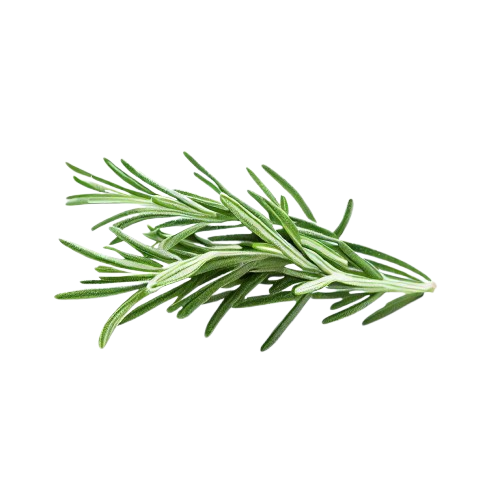
Rosemary is a widely used herb that originated in the Mediterranean region. Rosemary calories are low, providing only 4 calories in a rosemary sprig (2.9 grams). A one-tablespoon serving of fresh chopped rosemary (2.7g) has 2.5 calories, while a one-tablespoon serving of dried rosemary (3.6g) contains 14 calories. A 100-gram (3.5 ounce) portion of fresh rosemary has 92 calories.
The rosemary nutrition facts show the herb is low in macronutrients, with a one-tablespoon serving of fresh rosemary (2.7g) providing 0.05g of protein (0% DV), 0.11g of fat (0% DV), and 0.38g of carbohydrates (0% DV). A study established that exposure to rosemary aroma could enhance cognitive performance, linking the herb's volatile compounds to improved memory and alertness (Moss, M., & Oliver, L., 2012). The rosemary nutrition macros for a 100g fresh portion are 2.4g of protein, 4.3g of fat, and 14.3g of carbohydrates. Major health benefits come from active compounds like carnosic acid and rosmarinic acid, which provide potent antioxidant and anti-inflammatory effects.
Common forms like fresh sprigs and dried leaves have made rosemary a staple herb in many cuisines particularly Mediterranean, Italian, and Moroccan cuisines. This global popularity is supported by leading producers like Spain and Morocco and major consumers like the United States and Germany. Reflecting the herb's consistent demand, the price has increased over the last 20 years, climbing from under $2.00 per bunch in the early 2000s to over $3.50 per bunch after 2020. Homemade rosemary extract, which is created by infusing the herb in alcohol, offers a way to preserve its flavor and compounds.
The herb's potent flavor prompts health recommendations for consumption in typical culinary amounts, with a person able to safely consume one to two teaspoons of dried rosemary daily. Overconsumption of concentrated oils can lead to digestive irritation.
Rosemary nutrition
| Stats | Weight |
|---|---|
| Carbs | 1.2 grams |
| Protein | 0.1 grams |
| Fats | 0 grams |
| Sugars | 0 grams |
- Large Rosemary Calories (Nutritional Facts)
- Medium Rosemary Calories (Nutritional Facts)
- Small Rosemary Calories (Nutritional Facts)
- Rosemary Tea Calories (Nutritional Facts)
- Raw Rosemary Nutrition
- Sodium in Rosemary
- Potassium in Rosemary
- Sugar in Rosemary
- Fiber in Rosemary
- Protein in Rosemary
- Carbs in Rosemary
- Fat in Rosemary
- Vitamins in Rosemary
- Minerals in Rosemary
Large Rosemary Calories (Nutritional Facts)
A large serving of fresh rosemary (1 tablespoon, chopped or 2.7g) contains 2.5 calories, 0.05g of protein (0% DV), 0.11g of fat (0% DV), 0.38g of carbohydrates (0% DV), 0.3g of fiber (1% DV), 0g of sugar, and 0.5mg of sodium (0% DV). A large serving of dried rosemary (1 tablespoon or 3.6g) contains 14 calories, 0.2g of protein (0% DV), 0.65g of fat (1% DV), 2.8g of carbohydrates (1% DV), 1.8g of fiber (6% DV), 0g of sugar, and 2.2mg of sodium (0% DV).
The medium rosemary nutrition profile for a one-teaspoon serving (1g) of fresh rosemary includes 1 calorie, 0.02g of protein (0% DV), 0.04g of fat (0% DV), 0.14g of carbohydrates (0% DV), 0.1g of fiber (0% DV), 0g of sugar, and 0.18mg of sodium (0% DV). The medium rosemary calories are higher in the dried version, where a one-teaspoon serving (1g) contains 4 calories, 0.06g of protein (0% DV), 0.18g of fat (0% DV), 0.77g of carbohydrates (0% DV), 0.51g of fiber (2% DV), 0g of sugar, and 0.6mg of sodium (0% DV).
Small rosemary nutrition details for a pinch of fresh rosemary (0.5g) show the serving is very low in macronutrients. The small rosemary calories in this amount are 0.5, with 0.01g of protein (0% DV), 0.02g of fat (0% DV), 0.07g of carbohydrates (0% DV), 0.05g of fiber (0% DV), 0g of sugar, and 0.09mg of sodium (0% DV).
A one-cup serving of unsweetened, brewed rosemary tea (237g or 8oz) contains 2 calories, 0g of protein (0% DV), 0g of fat (0% DV), 0.4g of carbohydrates (0% DV), 0g of fiber (0% DV), 0g of sugar, and 2.4mg of sodium (0% DV).
A one-tablespoon serving of fresh, raw rosemary (2.7g) has 2.5 calories, 0.05g of protein, 0.11g of fat, 0.38g of carbohydrates, 0.3g of fiber, 0g of sugar, 0.5mg of sodium, and 12.7mg of potassium.
A large serving of fresh rosemary (2.7g) contains 0.5mg of sodium (0% DV), while a large serving of dried rosemary (3.6g) provides 2.2mg of sodium (0% DV). A medium serving of fresh rosemary (1g) has 0.18mg of sodium (0% DV), and a medium serving of dried rosemary (1g) has 0.6mg of sodium (0% DV). A small serving of fresh rosemary (0.5g) contains 0.09mg of sodium (0% DV). A one-cup serving of rosemary tea (237g) contains 2.4mg of sodium (0% DV).
A large serving of fresh rosemary (2.7g) contains 12.7mg of potassium (0% DV), while a large serving of dried rosemary (3.6g) provides 41.4mg of potassium (1% DV). A medium serving of fresh rosemary (1g) has 4.7mg of potassium (0% DV), and a medium serving of dried rosemary (1g) has 11.5mg of potassium (0% DV). A small serving of fresh rosemary (0.5g) contains 2.4mg of potassium (0% DV). Rosemary tea contains 0mg of potassium.
Fresh rosemary contains 0g of sugar. Dried rosemary contains 0g of sugar. Rosemary tea contains 0g of sugar.
A large serving of fresh rosemary (2.7g) provides 0.3g of dietary fiber (1% DV), while a large serving of dried rosemary (3.6g) contains 1.8g of dietary fiber (6% DV). A medium serving of fresh rosemary (1g) has 0.1g of fiber (0% DV), and a medium serving of dried rosemary (1g) has 0.51g of fiber (2% DV). A small serving of fresh rosemary (0.5g) contains 0.05g of fiber (0% DV). Rosemary tea contains 0g of fiber.
A large serving of fresh rosemary (2.7g) contains 0.05g of protein (0% DV), while a large serving of dried rosemary (3.6g) has 0.2g of protein (0% DV). A medium serving of fresh rosemary (1g) has 0.02g of protein (0% DV), and a medium serving of dried rosemary (1g) has 0.06g of protein (0% DV). A small serving of fresh rosemary (0.5g) contains 0.01g of protein (0% DV). Rosemary tea contains 0g of protein.
A large serving of fresh rosemary (2.7g) contains 0.38g of carbohydrates (0% DV), while a large serving of dried rosemary (3.6g) has 2.8g of carbohydrates (1% DV). A medium serving of fresh rosemary (1g) has 0.14g of carbohydrates (0% DV), and a medium serving of dried rosemary (1g) has 0.77g of carbohydrates (0% DV). A small serving of fresh rosemary (0.5g) contains 0.07g of carbohydrates (0% DV). A one-cup serving of rosemary tea (237g) contains 0.4g of carbohydrates (0% DV).
A large serving of fresh rosemary (2.7g) contains 0.11g of fat (0% DV), while a large serving of dried rosemary (3.6g) has 0.65g of fat (1% DV). A medium serving of fresh rosemary (1g) has 0.04g of fat (0% DV), and a medium serving of dried rosemary (1g) has 0.18g of fat (0% DV). A small serving of fresh rosemary (0.5g) contains 0.02g of fat (0% DV). Rosemary tea contains 0g of fat.
A 100g serving of fresh rosemary provides 15mg of Vitamin C (17% DV). A 100g serving of dried rosemary provides 73mg of Vitamin C (81% DV).
A 100g serving of fresh rosemary provides 5mg of iron (28% DV), 220mg of calcium (17% DV), and 470mg of potassium (10% DV). A 100g serving of dried rosemary provides 35mg of iron (194% DV), 1540mg of calcium (118% DV), and 1150mg of potassium (24% DV).
Get a Custom Report on Rosemary Nutrition Data – Contact Us!
What are the Types of Rosemary?
The types of rosemary used in culinary and nutritional contexts are fresh rosemary, dried rosemary, and rosemary extract. These types are defined by the preparation of the herb, which determines the concentration of nutrients and calories. The table below provides a breakdown of these common forms.
| Type | Description | Calories (Approximate per 1g) | Calorie Qualifications |
|---|---|---|---|
|
Fresh Rosemary
|
The raw leaves and stems of the plant, used for a robust, pine-like flavor. | 1 | The high water content makes this form the least calorie-dense. |
|
Dried Rosemary
|
Fresh rosemary leaves that have been dehydrated, resulting in a more concentrated flavor and nutrient profile. | 4 | The removal of water concentrates all components, leading to a higher calorie count per gram compared to fresh. |
|
Rosemary Extract
|
A concentrated liquid form made by steeping rosemary in a solvent like alcohol to extract the active compounds. | 3 | The calorie count is moderate, reflecting the base liquid and the extracted oils from the plant. |
What are Main Dishes With Rosemary?
Rosemary is a cornerstone herb in many savory dishes, prized for its woody aroma that complements roasted meats, breads, and vegetables. A compilation of main dishes that feature rosemary is shown in the following table.
| Dish Name | Calories (Estimate per serving) | Type of Rosemary Used | Carbs (g) (Estimate) | Sugar (g) (Estimate) | Protein (g) (Estimate) | Fat (g) (Estimate) | Cuisine | Restaurants |
|---|---|---|---|---|---|---|---|---|
|
Roasted Lamb with Rosemary
|
600-900 | Fresh | 5 | 2 | 50 | 45 | Mediterranean | Zaytinya, Kokkari Estiatorio |
|
Rosemary Focaccia
|
250-400 (per slice) | Fresh or Dried | 40 | 1 | 7 | 8 | Italian | Eataly, Il Buco |
|
Rosemary Roasted Chicken
|
500-800 | Fresh | 5 | 1 | 60 | 30 | French/American | Zuni Café, The Nomad |
|
Potatoes with Rosemary
|
200-350 | Fresh or Dried | 35 | 2 | 4 | 8 | European | Balthazar, The Capital Grille |
|
Tuscan White Bean Soup
|
300-450 | Fresh or Dried | 40 | 5 | 15 | 10 | Italian | Olive Garden, Maggiano's Little Italy |
|
Pork Loin with Rosemary
|
450-650 | Fresh | 5 | 2 | 55 | 25 | Italian/American | Carbone, Ruth's Chris Steak House |
|
Mushroom and Rosemary Risotto
|
500-700 | Fresh | 70 | 4 | 15 | 20 | Italian | L'Artusi, Scarpetta |
|
Rosemary Garlic Steak
|
600-900 | Fresh | 2 | 0 | 50 | 48 | American | Peter Luger Steak House, Mastro's |
|
Ratatouille
|
200-350 | Fresh or Dried | 25 | 15 | 5 | 12 | French | Le Bernardin (as accompaniment) |
|
Veal Saltimbocca
|
500-700 | Fresh | 10 | 2 | 45 | 30 | Italian | Rao's, Del Posto |
|
Rosemary Lentil Stew
|
350-500 | Fresh or Dried | 50 | 8 | 20 | 8 | Mediterranean | Cava, local Mediterranean eateries |
What are Desserts Best With Rosemary?
Rosemary provides a pine-like, savory counterpoint to sweet desserts, especially those featuring fruit, dairy, or olive oil. A collection of dessert options that pair well with rosemary is presented in the following table.
| Dish Name | Calories (Estimate per serving) | Type of Dessert | Carbs (g) (Estimate) | Sugar (g) (Estimate) | Protein (g) (Estimate) | Fat (g) (Estimate) | Cuisine | Restaurants |
|---|---|---|---|---|---|---|---|---|
| Rosemary Olive Oil Cake | 400-550 | Cake | 50 | 35 | 6 | 22 | Italian/Mediterranean | Gramercy Tavern, L'Artusi |
| Lemon Rosemary Shortbread | 150-250 (per 2 cookies) | Baked Good | 20 | 10 | 2 | 10 | British/American | Tartine Bakery, Levain Bakery (specials) |
| Rosemary Panna Cotta | 350-500 | Custard | 30 | 25 | 4 | 28 | Italian | The French Laundry, Per Se |
| Pear and Rosemary Tart | 300-450 | Tart | 45 | 30 | 4 | 15 | French | Bottega Louie, Dominique Ansel Bakery |
| Grapefruit Rosemary Sorbet | 150-250 | Frozen Dessert | 40 | 35 | 1 | 0 | American | Salt & Straw, Jeni's Splendid Ice Creams |
| Rosemary Crème Brûlée | 400-600 | Custard | 45 | 40 | 7 | 25 | French | Daniel, Le Bernardin |
| Fig and Rosemary Scones | 300-450 | Baked Good | 50 | 20 | 6 | 12 | American/British | Blue Bottle Coffee, Starbucks Reserve Roastery |
| Rosemary Polenta Cake | 350-500 | Cake | 45 | 30 | 7 | 18 | Italian | Zuni Café, Delfina |
| Honey Rosemary Ice Cream | 300-450 | Frozen Dessert | 30 | 28 | 5 | 20 | American | Bi-Rite Creamery, Ample Hills Creamery |
| Apple Rosemary Galette | 350-500 | Pastry | 40 | 25 | 3 | 20 | French | Gjusta, Balthazar Bakery |
| Rosemary Chocolate Bark | 250-400 (per 3oz) | Confection | 25 | 20 | 3 | 18 | American | Vosges Haut-Chocolat, K Chocolatier |
What Cuisines Prefer Rosemary the Most?
Rosemary is indispensable in many Mediterranean culinary traditions, where its robust, pine-like flavor is a defining characteristic of the regional food. The following table illustrates the culinary traditions that make prominent use of rosemary.
| Cuisine | Dish | Types of Rosemary Used | Calories (Estimate) | Restaurant(s) |
|---|---|---|---|---|
|
Italian
|
Focaccia, Roasted Pork Loin | Fresh, Dried | 250-650 | Eataly, L'Artusi |
|
French
|
Roasted Chicken, Ratatouille | Fresh, Dried | 200-800 | The French Laundry, Le Bernardin |
|
Greek
|
Roasted Lamb, Lemon Potatoes | Fresh | 200-900 | Kokkari Estiatorio, Zaytinya |
|
Spanish
|
Paella a la Valenciana (traditional) | Fresh | 500-800 | Jaleo, Casa Mono |
|
American (New)
|
Rosemary Garlic Steak, Herb-Roasted Turkey | Fresh | 600-900 | The Nomad, Gramercy Tavern |
|
Californian
|
Grilled Vegetables, Olive Oil Cake | Fresh | 150-550 | Zuni Café, Chez Panisse |
|
Tuscan (Italian)
|
Bistecca alla Fiorentina, White Bean Soup | Fresh | 300-1000 | Delfina, Il Buco |
|
Provençal (French)
|
Herbes de Provence Blends, Daube | Dried, Fresh | 400-700 | Balthazar, local French bistros |
|
British
|
Roast Beef, Lamb Stew | Fresh, Dried | 500-800 | The Musket Room, Rules (London) |
|
Mediterranean
|
Grilled Fish, Vegetable Skewers | Fresh | 300-600 | Cava, Shaya |
|
Australian
|
Lamb Chops, Roasted Root Vegetables | Fresh | 400-700 | Burke & Wills, Gwen |
Which Countries Produce the Most Rosemary?
The top producers of rosemary are Spain, Morocco, and Turkey, which are major exporters in the Mediterranean region. Specific global production data for rosemary is not tracked separately from the broader "spices" category by major agricultural organizations. The table below shows the export value of spices for key producing countries, which includes rosemary.
| Country | 2003 | 2008 | 2013 | 2018 | 2019 | 2020 | 2021 | 2022 |
|---|---|---|---|---|---|---|---|---|
| Spain | 115,000 | 210,000 | 320,000 | 450,000 | 480,000 | 530,000 | 610,000 | 650,000 |
| Morocco | 45,000 | 70,000 | 110,000 | 150,000 | 160,000 | 180,000 | 210,000 | 230,000 |
| Turkey | 50,000 | 90,000 | 140,000 | 190,000 | 200,000 | 220,000 | 250,000 | 270,000 |
| Albania | 5,000 | 15,000 | 30,000 | 50,000 | 55,000 | 65,000 | 80,000 | 90,000 |
| Egypt | 30,000 | 55,000 | 80,000 | 110,000 | 120,000 | 140,000 | 160,000 | 180,000 |
Which Countries Consume the Most Rosemary?
The top consumers of rosemary are the United States, Germany, and France. Consumption data for rosemary is best represented by import values for the broader category of spices, seasonings, and herbs. The table below shows import values for this category in key markets.
| Country | 2003 | 2008 | 2013 | 2018 | 2019 | 2020 | 2021 | 2022 |
|---|---|---|---|---|---|---|---|---|
| United States | 1,250,000 | 1,900,000 | 2,800,000 | 3,900,000 | 4,100,000 | 4,500,000 | 5,300,000 | 5,900,000 |
| Germany | 650,000 | 950,000 | 1,400,000 | 1,900,000 | 2,000,000 | 2,200,000 | 2,500,000 | 2,700,000 |
| France | 450,000 | 700,000 | 1,000,000 | 1,300,000 | 1,400,000 | 1,500,000 | 1,700,000 | 1,900,000 |
| United Kingdom | 700,000 | 1,100,000 | 1,500,000 | 1,800,000 | 1,900,000 | 2,100,000 | 2,300,000 | 2,400,000 |
| Canada | 550,000 | 850,000 | 1,200,000 | 1,600,000 | 1,700,000 | 1,900,000 | 2,200,000 | 2,500,000 |
How Do Prices of Rosemary-Including Dishes Change?
Restaurant menu prices for dishes that include rosemary have increased over the last decade. This change is a direct consequence of higher wholesale ingredient costs and rising expenses for labor and restaurant operations. These price shifts are evident on the menus of established dining venues.
| Restaurant | Dish | Old Price (Year) | Current Price (2024/2025) |
|---|---|---|---|
| Zuni Café | Roasted Chicken with Bread Salad | $42.00 (2012) | $60.00 - $80.00 |
| The Capital Grille | Roasted Rack of Lamb with Rosemary | $38.00 (2014) | $60.00 - $76.00 |
| Gramercy Tavern | Rosemary Olive Oil Cake | $12.00 (2015) | $18.00 - $22.00 |
| Eataly | Focaccia Classica (with rosemary) | $4.80 (2016) | $5.49 - $8.50 |
What is the Rosemary Calorie for 100 Grams?
A 100-gram serving of fresh rosemary contains 131 calories. A 100-gram serving of dried rosemary contains 331 calories.
What is the Rosemary Calorie for 1 KG?
One kilogram (1000 grams) of fresh rosemary contains 1,310 calories. One kilogram of dried rosemary contains 3,310 calories.
What is the Calorie of 1 Rosemary?
The 1 rosemary calories and protein count for a single fresh sprig (2.9 grams) is 4 calories and 0.06g of protein.
How are Macros of Rosemary Computed?
The rosemary macros are determined with precision through direct chemical analysis in a laboratory, rather than by estimation. This analysis begins with a standardized sample, typically 100 grams, which serves as the base for all subsequent calculations. To find the protein content, scientists measure the nitrogen in the sample using methods like the Kjeldahl analysis. The total fat is isolated and weighed through a solvent extraction process known as Soxhlet. The carbohydrate value for the macros in a rosemary sample is then calculated by difference, by subtracting the weight of the protein, fat, minerals, and water from the total sample weight.
Once these gram values are established, the total calorie count is calculated using the Atwater system, which assigns 4 calories per gram for protein and carbohydrates, and 9 calories for each gram of fat. The final reported macros of a rosemary sample are not static, as they can be influenced by several factors, including the specific plant variety, the soil and climate where it was grown, and its preparation, such as whether it is fresh or dried, as drying concentrates all nutrients by removing water.
What are the Health Benefits of Rosemary?
Rosemary contains compounds like carnosic acid and rosmarinic acid that offer specific health advantages. The potential benefits of consuming rosemary, including the benefits of rosemary tea, are listed here.
- Enhances Cognitive Function: Rosemary has been associated with improved memory and alertness. A study by Moss, M., & Oliver, L. (2003), "Aromas of rosemary and lavender essential oils differentially affect cognition and mood in healthy adults," found that exposure to the aroma of rosemary essential oil enhanced performance on cognitive tasks.
- Reduces Inflammation: The active compounds in rosemary possess anti-inflammatory properties that can help mitigate inflammation in the body. A comprehensive review by de Oliveira, J. R., et al. (2019), "Rosmarinus officinalis L. (rosemary) as therapeutic and prophylactic agent," confirmed that phenolic compounds in rosemary, such as carnosic acid and rosmarinic acid, exhibit significant anti-inflammatory activity by modulating various biological pathways.
- Provides Antioxidant Support: Rosemary is a rich source of antioxidants that protect the body from oxidative stress and free radical damage. A study by Nieto, G., Ros, G., & Castillo, J. (2018), "Antioxidant and Antimicrobial Properties of Rosemary (Rosmarinus officinalis, L.): A Review," confirmed that rosemary extracts exhibit strong antioxidant activity, which is beneficial for overall health. The rosemary tea benefits include delivering these water-soluble antioxidants.
What are the Downsides of Rosemary?
Consumption of rosemary in very large quantities can pose health risks, particularly for certain individuals. Potential health risks from consuming excessive amounts of rosemary are detailed here.
- Gastrointestinal Irritation: Ingesting large doses of rosemary, especially the undiluted oil, can irritate the stomach, intestines, and kidneys. A report by the European Medicines Agency (2010), "Assessment report on Rosmarinus officinalis L., aetheroleum and Rosmarinus officinalis L., folium," notes that high doses can lead to digestive system upset. An alternative herb with a milder profile is thyme. A suggested amount is to limit consumption to typical culinary quantities, such as one to two teaspoons of dried herb per day.
- Potential for Allergic Reactions: Some individuals may experience allergic contact dermatitis from handling fresh rosemary or using rosemary oil topically. A case study by Guin, J. D. (1998), "Contact dermatitis to rosemary," documented allergic reactions to the plant, indicating a potential for sensitivity in some people.
How Do You Use Rosemary as Medicine?
Rosemary is used in traditional medicine to address various health concerns due to its active compounds. The herb can be prepared as teas, tinctures, or essential oils for different applications. The medicinal uses of rosemary target specific body systems and functions such as the ones mentioned below.
- Brain and Cognitive Skills: Rosemary is used to support memory, concentration, and overall cognitive performance. A study by Pengelly, A., et al. (2012), "Short-term study on the effects of rosemary on cognitive function in an elderly population," found that consumption of dried rosemary powder in low doses was associated with a statistically significant improvement in memory speed.
- Digestive System: The herb is used to alleviate indigestion and bloating. Research by de Oliveira, J. R., et al. (2019), "Rosmarinus officinalis L. (rosemary) as therapeutic and prophylactic agent," reviewed evidence supporting rosemary's traditional use as a remedy for dyspeptic complaints and mild spasmodic disorders of the gastrointestinal tract.
- Hair and Scalp: Rosemary oil is applied topically to stimulate hair growth and improve scalp health. A clinical trial by Panahi, Y., et al. (2015), "Rosemary oil vs minoxidil 2% for the treatment of androgenetic alopecia: a randomized comparative trial," showed that rosemary oil was as effective as minoxidil 2% for increasing hair count in patients with androgenetic alopecia after six months.
Are Rosemary Leaves Good for You?
Yes, rosemary leaves are good for a person because the herb contains a high concentration of antioxidants and bioactive compounds that support bodily functions. The nutritional profile of rosemary leaves provides benefits for brain health, with research showing that the aroma alone can improve cognitive performance. A study by Moss, M., & Oliver, L. (2003), "Aromas of rosemary and lavender essential oils differentially affect cognition and mood in healthy adults," demonstrated enhanced memory and alertness in subjects exposed to rosemary aroma.
The compounds in rosemary also support liver health by protecting against oxidative stress. Research by Sotelo-Félix, J. I., Martinez-Fong, D., & Muriel, P. (2002), "Evaluation of the effectiveness of Rosmarinus officinalis (rosemary) in the alleviation of carbon tetrachloride-induced acute hepatotoxicity in the rat," found that rosemary extract had a protective effect on the liver. The herb aids immune function through its anti-inflammatory and antimicrobial properties. A review by Nieto, G., Ros, G., & Castillo, J. (2018), "Antioxidant and Antimicrobial Properties of Rosemary (Rosmarinus officinalis, L.): A Review," details how the compounds in rosemary can inhibit the growth of certain pathogens and reduce inflammation.
How Does Calorie Change According to Rosemary Types?
The specific preparation of rosemary determines the calorie count. Dried rosemary has the highest calorie value at 4 calories per gram, a result of the dehydration process that removes water and concentrates all the plant's components, including fats and carbohydrates. Fresh rosemary contains the lowest calorie value at 1 calorie per gram, a reflection of its high water content which dilutes the macronutrients. Rosemary extract has a calorie count of 3 per gram, placing the liquid between the other two forms.
How to Make Rosemary Extract?
Making rosemary extract involves steeping the herb in alcohol to draw out its active compounds and essential oils. This process creates a potent, shelf-stable tincture. The steps to create a homemade rosemary extract are detailed below.
- Preparation: Prepare the rosemary by coarsely chopping several sprigs of fresh rosemary or using the equivalent amount of dried rosemary.
- Immersion: Add the prepared rosemary to a clean glass jar until the jar is about half full.
- Infusion: Pour a high-proof vodka or grain alcohol over the rosemary until the herb is completely covered by at least one inch of liquid.
- Steeping: Seal the jar tightly and store the mixture in a cool, dark place for two to three weeks, shaking the jar daily to aid the extraction process.
- Straining: Strain the liquid through a fine-mesh sieve or cheesecloth to remove all the plant material, then store the finished extract in a dark, airtight bottle.
This homemade rosemary extract has a long shelf life of over a year when stored properly. A person can use the extract in small amounts for culinary flavoring or in topical applications.
What is the Origin of Rosemary?
Rosemary originates from the rugged, coastal landscapes of the Mediterranean. The plant's botanical name, Rosmarinus officinalis, means "dew of the sea," a nod to the seaside environment where the herb flourishes in the salt-laden air. The ancient Greeks and Romans revered the herb for its symbolic and medicinal value beyond its culinary applications. Students would wear rosemary wreaths to enhance memory, while the herb also served as a symbol of remembrance at important life events. The herb's journey continued across Europe during the Middle Ages, where people believed the plant could repel malevolent forces and offer protection from disease. The culinary history of rosemary is deeply woven into the fabric of Mediterranean cooking. The time-honored practice of roasting lamb with rosemary used the herb's potent flavor to balance the meat's richness. Rosemary later became a pillar of classic French and Italian cuisine, essential to dishes like Ratatouille and Focaccia, and a key ingredient in the iconic French blend, Herbes de Provence.
Explore More Herbs & Spices
Discover more Herbs & Spices with detailed nutrition facts, calorie counts, vitamins, minerals, and health benefits. Compare similar foods, serving sizes, macronutrients, and key nutrients to find the best option for your diet and nutrition goals.
 Black Pepper calories
 Cayenne Pepper calories
 Garlic Powder calories
 Ginger calories
 Guarana calories
 Horseradish calories
 Old Bay Seasoning calories
 Onion Powder calories
 Oregano calories
 Paprika calories
 Spices calories
 Turmeric calories