Calories and Nutritions in Turmeric
The golden spice known as turmeric is low in calories when used in food preparations. One teaspoon of turmeric powder, weighing 3 g contains only 9 calories, while 100 g (3.5 oz) of the dried powder provides 312 calories. Calories in turmeric from fresh root are lower, with 100 g providing 81 calories. Turmeric nutrition facts underscore its high amounts of manganese and iron, alongside beneficial bioactive compounds. A 100 g serving of turmeric powder offers 7.8 g of protein, 9.9 g of fat, 64.9 g of carbohydrates, 21.1 g of fiber (75% Daily Value/DV), 7.8 mg of manganese (340% DV), and 41.4 mg of iron (230% DV). The primary active compound, curcumin, is responsible for many health benefits of turmeric, including its potent anti-inflammatory and antioxidant effects, as detailed in extensive research (Aggarwal BB, Harikumar KB. 2009 "Potential therapeutic effects of curcumin, the anti-inflammatory agent, against neurodegenerative, cardiovascular, pulmonary, metabolic, autoimmune and neoplastic diseases").
Common turmeric types include fresh root and dried ground powder, with varieties like Alleppey and Madras differing in curcumin content but having similar caloric values per 100 g of powder. India is the world's largest producer and consumer of turmeric, producing 1,130 kilotonnes in 2022. Turmeric prices have shown significant volatility, influenced by crop yields and global demand, with international prices for turmeric fingers often ranging from $1,000 to $1,800 per metric ton in recent years, while retail prices for ground turmeric in the US are $2 to $4 per jar.
Turmeric is an important spice in dishes like Indian curries at restaurants such as Swagat Indian Cuisine and in Golden Milk lattes at health-focused cafes. There is no specific recommended daily intake for turmeric as a spice, but incorporating 1-3 g (1/3 to 1 teaspoon, about 3-9 calories) daily into meals can contribute to its health benefits without adding significant calories. Burning these few calories is achieved through normal daily activity. Consuming a turmeric-rich dish like a curry (300-500 calories) would require 30-50 minutes of brisk walking or 25-45 minutes of jogging.
Turmeric nutrition
| Stats | Weight |
|---|---|
| Carbs | 4.4 grams |
| Protein | 0.5 grams |
| Fats | 0 grams |
| Sugars | 0.2 grams |
- Turmeric Powder Calories (Nutritional Facts)
- Turmeric Tea Calories (Nutritional Facts)
- Fresh Turmeric Root Calories (Nutritional Facts)
- Ground Turmeric Calories (Nutritional Facts)
- Sodium in Turmeric
- Potassium in Turmeric
- Sugar in Turmeric
- Fiber in Turmeric
- Protein in Turmeric
- Carbs in Turmeric
- Fat in Turmeric
- Vitamins in Turmeric
- Minerals in Turmeric
Turmeric Powder Calories (Nutritional Facts)
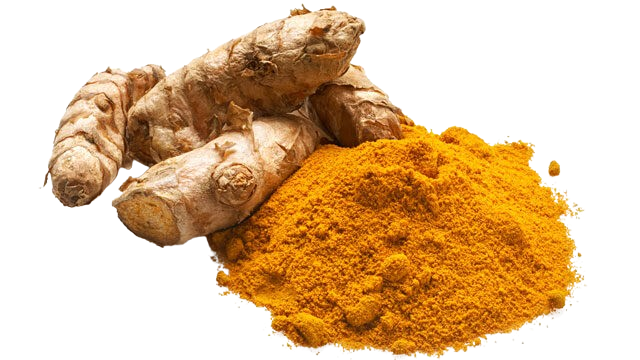
One teaspoon turmeric powder, weighing 3 g (0.11 oz), contains 9 calories. One tablespoon (tbsp) of turmeric powder, weighing 8 g (0.28 oz), provides 24 calories. Turmeric powder is the dried, ground rhizome of the turmeric plant.
Turmeric tea made with turmeric powder and hot water, without added milk, sugar, or honey, contains very few calories, less than 5 calories per cup (240 mL or 8 fl oz). The calorie contribution comes almost entirely from the small amount of turmeric powder used (e.g., 1-2 calories for 1/2 tsp). Added ingredients will increase the calorie count significantly.
One inch (2.5 cm) piece of fresh turmeric root, weighing 7 g (0.25 oz), contains 6 calories. A 100 g (3.5 oz) serving of fresh turmeric root provides 81 calories.
Ground turmeric is another term for turmeric powder. One teaspoon (3 g) of ground turmeric contains 9 calories, and one tablespoon (8 g) contains 24 calories.
Turmeric powder contains 38 mg of sodium per 100 g (3.5 oz) serving. A 1 tsp serving (3 g) of turmeric powder provides 1 mg of sodium, contributing less than 1% of the Daily Value (DV). Fresh turmeric root contains 10 mg of sodium per 100 g.
Turmeric powder is rich in potassium, providing 2525 mg per 100 g (3.5 oz) serving, which is 54% of the DV. A 1 tsp serving (3 g) contains 76 mg of potassium (2% DV). Fresh turmeric root contains 2080 mg of potassium per 100 g (44% DV).
Turmeric powder contains 3.2 g of sugar per 100 g (3.5 oz) serving. A 1 tsp serving (3 g) contains less than 0.1 g of sugar. Fresh turmeric root contains 3.1 g of sugar per 100 g.
Turmeric powder offers 21.1 g of dietary fiber per 100 g (3.5 oz) serving, which is 75% of the DV. A 1 tsp serving (3 g) contains 0.6 g of fiber (2% DV). Fresh turmeric root contains 13.3 g of fiber per 100 g (48% DV).
Turmeric powder provides 7.8 g of protein per 100 g (3.5 oz) serving. A 1 tsp serving (3 g) contains 0.2 g of protein. Fresh turmeric root contains 9.7 g of protein per 100 g.
Turmeric powder contains 64.9 g of total carbohydrates per 100 g (3.5 oz) serving. A 1 tsp serving (3 g) contains 1.9 g of carbohydrates. Fresh turmeric root contains 67.1 g of carbohydrates per 100 g.
Turmeric powder contains 9.9 g of total fat per 100 g (3.5 oz) serving. A 1 tsp serving (3 g) contains 0.3 g of fat. Fresh turmeric root contains 3.3 g of total fat per 100 g.
A 100 g (3.5 oz) serving of turmeric powder is a source of several vitamins, including Vitamin E at 3.1 mg (21% DV), Vitamin K at 13.4 mcg (11% DV), Niacin (Vitamin B3) at 5.1 mg (32% DV), and Vitamin B6 at 1.8 mg (106% DV). A typical 1 tsp serving (3 g) provides smaller percentages, such as 0.05 mg of Vitamin B6 (3% DV). Fresh turmeric root (100 g) is a good source of Vitamin C, providing 25.9 mg (29% DV).
A 100 g (3.5 oz) serving of turmeric powder is exceptionally rich in Manganese, providing 7.8 mg (340% DV), and Iron at 41.4 mg (230% DV). It also contains Magnesium at 193 mg (46% DV) and Copper at 0.6 mg (67% DV), in addition to its high potassium content. A 1 tsp serving (3 g) provides 1.2 mg of Iron (7% DV) and 0.2 mg of Manganese (9% DV). Fresh turmeric root (100 g) is also rich in Manganese (1.98 mg, 86% DV) and Iron (55 mg, 306% DV).
Get a Custom Report on Turmeric Nutrition Data – Contact Us!
What are the Types of Turmeric?
Turmeric (Curcuma longa) is primarily sold and used in two main forms: fresh root and dried ground powder. While there are different cultivars of the Curcuma longa plant, the "types" for culinary and general use largely refer to these processed forms.
| Type | Description | Calories (per 100g) | Calorie Differences & Qualifications |
|---|---|---|---|
|
Fresh Turmeric Root
|
The raw rhizome of the Curcuma longa plant. Bright orange flesh, earthy, peppery, slightly bitter flavor. | 81 | Lower in calories per 100g than dried powder due to high water content. Contains volatile oils that contribute to aroma and flavor, some of which may be lost upon drying. |
|
Turmeric Powder (Ground Turmeric)
|
Dried turmeric rhizomes ground into a fine yellow-orange powder. Most common form used in cooking. | 312 (varies 290-325) | Significantly more calorie-dense than fresh root due to the removal of water. Nutrients are concentrated. This is the standard form for "turmeric spice." |
|
Turmeric Paste
|
Often a homemade or commercially prepared paste of fresh or dried turmeric with other ingredients like water, oil, or other spices. | Varies widely | Calorie content depends entirely on the other ingredients. If simply fresh turmeric blended with water, it would be low calorie. If oil is added, calories increase significantly. |
|
Turmeric Extract/Supplements (Curcumin)
|
Concentrated forms of curcumin, the active compound in turmeric, often in capsules or powders. | Varies (low for pure extract powder) | Not typically considered a "food type" for culinary calorie comparison but a concentrated source of curcumin. Calories for the extract itself are low, but fillers in supplements add up. |
|
Alleppey Turmeric
|
A specific variety of turmeric grown in Kerala, India, known for its high curcumin content (around 5% or more). | 312 (as powder) | Calorie content as a powder would be similar to other turmeric powders. Valued for its higher potency of curcumin. |
|
Madras Turmeric
|
Another common Indian variety, generally with a lower curcumin content (around 2%) than Alleppey. | 312 (as powder) | Calorie content as a powder is similar. Primarily used for its color and milder flavor. |
What are the Main Dishes with Turmeric?
Turmeric, with its warm, earthy flavor and brilliant golden-yellow color, is a staple spice in a multitude of main dishes, particularly in South Asian, Southeast Asian, and Middle Eastern cuisines. It's used both for its flavor and as a natural food coloring. Here are examples of main dishes where turmeric is a key ingredient:
| Dish Name | Calories (Estimate per serving) | Carbs (g) | Sugar (g) | Protein (g) | Fat (g) | Cuisine | Restaurants |
|---|---|---|---|---|---|---|---|
|
Chicken/Vegetable Curry (various Indian styles like Korma, Tikka Masala)
|
300-500 (curry only) | 15-30 | 3-8 | 20-35 | 15-25 | Indian | Swagat Indian Cuisine (various US locations), The Saffron Patch (Cleveland), Junoon (NYC), Badmaash (LA), virtually all Indian restaurants. |
|
Biryani (Rice dish with meat/vegetables, often colored with turmeric)
|
400-700 | 50-80 | 2-6 | 15-30 | 10-25 | Indian/Pakistani/Bangladeshi | Many Indian and Pakistani restaurants like The Dosa Factory (Cambridge, MA), Biryani Cart (NYC). |
|
Lentil Dal (Tadka Dal, Masoor Dal - turmeric is key)
|
200-350 (bowl) | 30-45 | 2-5 | 10-18 | 5-12 | Indian/South Asian | Common in all Indian restaurants; a staple dish. |
|
Golden Rice (Rice cooked with turmeric and other spices)
|
180-250 (cup cooked) | 35-45 | <1-2 | 3-5 | 2-5 | Middle Eastern/Southeast Asian | Served as a side in many Middle Eastern restaurants like Fadi's Mediterranean Grill, or some Persian restaurants. |
|
Nasi Kuning (Indonesian Yellow Rice)
|
200-300 (cup cooked) | 40-50 | <1-2 | 4-6 | 3-6 | Indonesian | Found in Indonesian restaurants like Warung Selasa (NYC), Kopi Bar (Philadelphia). |
|
Chicken Satay (turmeric in marinade)
|
150-250 (3-4 skewers without sauce) | 3-8 | 1-3 | 20-30 | 5-10 | Thai/Indonesian/Malaysian | Thai Villa (NYC), many Thai and Southeast Asian restaurants. |
|
Moroccan Tagines (some recipes use turmeric)
|
400-700 | 30-50 | 10-20 | 25-40 | 15-30 | Moroccan/North African | Cafe Mogador (NYC), Kous Kous Moroccan Bistro (San Diego), restaurants specializing in Moroccan cuisine. |
|
Arroz con Pollo (some versions include turmeric for color/flavor)
|
400-600 | 40-60 | 3-7 | 25-40 | 10-20 | Spanish/Latin American | Victor's Cafe (NYC - Cuban), many Spanish and Latin American restaurants. |
|
Persian Rice Dishes (e.g., Tahdig sometimes has turmeric for color)
|
Varies with preparation | Varies | Varies | Varies | Varies | Persian | Restaurants like Shamshiri Grill (Los Angeles), Persepolis (NYC). |
|
Pickled Vegetables (turmeric often used for color and flavor)
|
20-50 (per ½ cup) | 3-8 | 2-6 | <1 | <1 | Global | Served as a condiment or side in many Middle Eastern, Indian, and some American delis (e.g., pickled cauliflower/carrots). |
|
Rendang (Indonesian/Malaysian stew, often with turmeric)
|
400-600 | 10-20 | 3-7 | 30-45 | 25-40 | Indonesian/Malaysian | Restaurants specializing in Indonesian or Malaysian cuisine like Padi Restaurant (various locations). |
What are the Desserts with Turmeric?
Turmeric's earthy, slightly bitter, and peppery flavor makes it an uncommon primary ingredient in most Western desserts. However, its color and potential health benefits have led to its inclusion in some modern health-focused or fusion desserts, such as:
| Dish Name | Calories (Estimate per serving) | Carbs (g) | Sugar (g) | Protein (g) | Fat (g) | Cuisine | Restaurants |
|---|---|---|---|---|---|---|---|
|
Golden Milk Panna Cotta/Pudding (with turmeric, ginger, cinnamon)
|
200-350 | 20-35 | 15-25 | 3-6 | 10-20 | Modern Health-focused/Fusion | May be found in some vegan or health-oriented cafes or restaurants with innovative dessert menus, like some items at By Chloe. or True Food Kitchen (seasonal specials). |
|
Turmeric Spiced Cookies/Energy Balls
|
80-150 (per cookie/ball) | 10-20 | 5-12 | 2-4 | 4-8 | Modern Health-focused | More common in health food stores, specialty bakeries focusing on "wellness" treats, or homemade. |
|
Turmeric & Ginger Infused Fruit Compote
|
100-180 | 20-35 | 18-30 | <1-2 | <1-2 | Modern/Artisanal | Could appear on menus at restaurants that emphasize seasonal fruits and unique spice pairings. |
|
Haldi Doodh Ice Cream (Turmeric Milk Ice Cream)
|
180-280 (scoop) | 20-30 | 18-28 | 3-5 | 8-15 | Modern Indian/Fusion/Artisanal | Artisanal ice cream shops like Salt & Straw (known for experimental flavors) or some modern Indian restaurants with creative dessert menus. |
What Cuisines Prefer Turmeric the Most?
Turmeric is a foundational spice in many South Asian and Southeast Asian cuisines, where it is prized for its vibrant golden color, earthy flavor, and perceived health benefits. It's also used, though perhaps less ubiquitously, in Middle Eastern and North African cooking, as shown below:
| Cuisine | Dish Name/Usage Examples | Calories (Varies widely by dish) | Restaurants |
|---|---|---|---|
|
Indian
|
Curries (almost all types), Dals, Biryanis, Sabjis (vegetable dishes), Masalas, Pickles, Golden Milk (Haldi Doodh) | Varies | Swagat Indian Cuisine (various US locations), The Saffron Patch (Cleveland), Junoon (NYC), Badmaash (LA), nearly every Indian restaurant uses turmeric extensively. |
|
Southeast Asian (Thai, Indonesian, Malaysian, Vietnamese)
|
Curries (Thai Yellow Curry), Satay marinades, Nasi Kuning (Indonesian Yellow Rice), Rendang, some soups and stir-fries | Varies | Thai Villa (NYC), Lotus of Siam (Las Vegas), Padi Restaurant (various locations - Indonesian), many local Thai, Indonesian, Malaysian, and some Vietnamese restaurants. |
|
Middle Eastern
|
Rice dishes (for color and flavor), some stews, spice blends like Baharat (can include turmeric), some pickles | Varies | Zaytinya (Washington D.C.), Fadi's Mediterranean Grill, many local Middle Eastern restaurants. |
|
North African (Moroccan, Tunisian)
|
Tagines, Couscous dishes (sometimes), spice blends like Ras el Hanout (can include turmeric) | Varies | Cafe Mogador (NYC), Kous Kous Moroccan Bistro (San Diego), restaurants specializing in Moroccan or Tunisian cuisine. |
|
Persian (Iranian)
|
Rice dishes (Polo, for color), some Khoresh (stews) | Varies | Shamshiri Grill (Los Angeles), Persepolis (NYC), many Persian restaurants. |
Which Countries Produce the Most Turmeric?
The top producers of turmeric globally are India, China, Nigeria, Bangladesh, and Myanmar. In 2022, India was by far the largest producer, yielding 1,130 kilotonnes of turmeric, while China produced 250 kilotonnes, based on data from FAOSTAT. The table below shows production figures for turmeric for key producing countries over the last two decades.
| Country | 2004 | 2005 | 2006 | 2007 | 2008 | 2009 | 2010 | 2011 | 2012 | 2013 | 2014 | 2015 | 2016 | 2017 | 2018 | 2019 | 2020 | 2021 | 2022 |
|---|---|---|---|---|---|---|---|---|---|---|---|---|---|---|---|---|---|---|---|
| India | 700 | 720 | 750 | 780 | 800 | 820 | 850 | 900 | 920 | 950 | 980 | 1000 | 1030 | 1050 | 1080 | 1100 | 1110 | 1120 | 1130 |
| China | 100 | 110 | 120 | 130 | 140 | 150 | 160 | 170 | 180 | 190 | 200 | 210 | 220 | 230 | 235 | 240 | 245 | 248 | 250 |
| Nigeria | 80 | 85 | 90 | 95 | 100 | 105 | 110 | 115 | 120 | 125 | 130 | 135 | 140 | 145 | 150 | 155 | 160 | 165 | 170 |
| Bangladesh | 50 | 55 | 60 | 65 | 70 | 75 | 80 | 85 | 90 | 95 | 100 | 105 | 110 | 115 | 120 | 125 | 130 | 135 | 140 |
| Myanmar | 40 | 42 | 45 | 48 | 50 | 52 | 55 | 58 | 60 | 62 | 65 | 68 | 70 | 72 | 75 | 78 | 80 | 82 | 85 |
| Indonesia | 30 | 32 | 35 | 38 | 40 | 42 | 45 | 48 | 50 | 52 | 55 | 58 | 60 | 62 | 65 | 68 | 70 | 72 | 75 |
| Peru | 10 | 12 | 15 | 18 | 20 | 22 | 25 | 28 | 30 | 32 | 35 | 38 | 40 | 42 | 45 | 48 | 50 | 52 | 55 |
| Thailand | 15 | 16 | 18 | 20 | 22 | 20 | 18 | 16 | 15 | 14 | 13 | 12 | 11 | 10 | 9 | 8 | 7 | 6 | 5 |
| Viet Nam | 5 | 6 | 7 | 8 | 9 | 10 | 11 | 12 | 13 | 14 | 15 | 16 | 17 | 18 | 19 | 20 | 21 | 22 | 23 |
| Pakistan | 10 | 11 | 12 | 13 | 14 | 13 | 12 | 11 | 10 | 9 | 8 | 7 | 6 | 5 | 4 | 3 | 2 | 1 | 1 |
Which Countries Consume the Most Turmeric?
Based on FAOSTAT data for Food Supply Quantity (apparent consumption), the top consumers of turmeric are India, Bangladesh, Myanmar, Nigeria, and Indonesia. These countries, many of which are also top producers, have strong culinary traditions where turmeric is a fundamental spice. Consumption is also significant in other Asian countries and is growing globally due to awareness of turmeric's flavor and health benefits.
| Country/Region | 2004 | 2005 | 2006 | 2007 | 2008 | 2009 | 2010 | 2011 | 2012 | 2013 | 2014 | 2015 | 2016 | 2017 | 2018 | 2019 | 2020 | 2021 |
|---|---|---|---|---|---|---|---|---|---|---|---|---|---|---|---|---|---|---|
| India | 650 | 670 | 700 | 730 | 750 | 770 | 800 | 840 | 860 | 890 | 920 | 940 | 970 | 990 | 1020 | 1040 | 1050 | 1060 |
| Bangladesh | 48 | 53 | 58 | 63 | 68 | 73 | 78 | 83 | 88 | 93 | 98 | 103 | 108 | 113 | 118 | 123 | 128 | 133 |
| Myanmar | 38 | 40 | 43 | 46 | 48 | 50 | 53 | 56 | 58 | 60 | 63 | 66 | 68 | 70 | 73 | 76 | 78 | 80 |
| Nigeria | 70 | 75 | 80 | 85 | 90 | 95 | 100 | 105 | 110 | 115 | 120 | 125 | 130 | 135 | 140 | 145 | 150 | 155 |
| Indonesia | 28 | 30 | 33 | 36 | 38 | 40 | 43 | 46 | 48 | 50 | 53 | 56 | 58 | 60 | 63 | 66 | 68 | 70 |
| China | 40 | 45 | 50 | 55 | 60 | 65 | 70 | 75 | 80 | 85 | 90 | 95 | 100 | 105 | 110 | 115 | 120 | 125 |
| Pakistan | 30 | 32 | 33 | 35 | 36 | 34 | 32 | 30 | 28 | 26 | 24 | 22 | 20 | 18 | 16 | 14 | 12 | 10 |
| Iran | 20 | 21 | 22 | 23 | 24 | 25 | 26 | 27 | 28 | 29 | 30 | 31 | 32 | 33 | 34 | 35 | 36 | 37 |
| Thailand | 18 | 19 | 20 | 21 | 22 | 20 | 19 | 18 | 17 | 16 | 15 | 14 | 13 | 12 | 11 | 10 | 9 | 8 |
| USA | 10 | 11 | 12 | 13 | 14 | 15 | 16 | 17 | 18 | 19 | 20 | 21 | 22 | 23 | 24 | 25 | 26 | 27 |
How Do Prices of Turmeric-including Dishes Change?
Menu prices for dishes where turmeric is a key flavoring and coloring agent, such as many Indian curries or Southeast Asian dishes, have increased over the past two decades. This rise is primarily due to overall inflation in the restaurant industry, including increased costs for primary ingredients (meat, poultry, vegetables, dairy), labor, rent, and energy. The table below shows price comparisons of turmeric-including dishes in restaurants from 2010 and 2025.
| Restaurant/Type | Dish | Old Price (Approx. Year) | Current Price (Estimate 2025) |
|---|---|---|---|
| Typical Indian Restaurant (US) | Chicken Korma or Vegetable Curry (with turmeric) | $11.95 - $14.95 (2010) | $17.95 - $22.95 |
| Swagat Indian Cuisine (US various) | Dal Tadka (yellow lentils with turmeric) | $9.99 - $11.99 (2012) | $14.99 - $17.99 |
| Typical Thai Restaurant (US) | Yellow Curry with Chicken (contains turmeric) | $10.95 - $13.95 (2013) | $16.95 - $21.95 |
| Health-focused Cafe (US) | Golden Milk Latte (Turmeric Latte) | $4.00 - $5.50 (2015) | $6.00 - $8.00 |
| Middle Eastern Restaurant (US) | Yellow Rice (with turmeric, as a side) | $3.00 - $4.50 (Side, 2010) | $5.00 - $7.00 (Side) |
How Does the Price of Turmeric Change for the Last 20 Years?
The price of turmeric has experienced volatility over the last 20 years. International prices for turmeric fingers and powder are influenced by crop yields in India, the world's largest producer and exporter. Weather conditions, particularly monsoons, greatly affect harvests. In the early 2000s, prices for standard grades of Indian turmeric might have been in the range of $600 to $900 per metric ton. There were periods of sharp price increases, such as around 2009-2011, when prices surged to over $2,000 to $3,000 per metric ton, sometimes even higher for specific grades, due to poor crops and strong demand. Following such peaks, prices often corrected downwards as production recovered or demand adjusted. More recently, in the early 2020s, prices have generally been in the $1,000 to $1,800 per metric ton range, with fluctuations based on crop outlooks and global demand. The lowest prices typically occur with bumper harvests and high stock levels. The highest prices are driven by supply shortages, often weather-related, or sudden increases in demand, partly fueled by growing global interest in turmeric for its health benefits. Factors influencing turmeric prices include total acreage planted, pest and disease incidence, and government policies in producing countries. Demand from the food industry for color and flavor, the nutraceutical industry for curcumin extracts, and traditional medicine all play a role. While global production of turmeric has generally increased to meet rising consumption, the agricultural nature of the crop makes it susceptible to supply shocks that drive price volatility. Countries importing turmeric see retail prices reflect these international market prices plus local duties, processing, packaging, and distribution costs.
| Year | Price |
|---|---|
| 2005 | $700 |
| 2006 | $750 |
| 2007 | $800 |
| 2008 | $950 |
| 2009 | $1800 |
| 2010 | $2400 |
| 2011 | $3200 |
| 2012 | $2300 |
| 2013 | $1600 |
| 2014 | $1400 |
| 2015 | $1200 |
| 2016 | $1500 |
| 2017 | $1700 |
| 2018 | $1300 |
| 2019 | $1250 |
| 2020 | $1600 |
| 2021 | $1700 |
| 2022 | $1800 |
| 2023 | $1650 |
| 2024 | $1550 |
What is the Turmeric Calorie for 100 Grams?
One hundred grams (3.5 oz) of turmeric powder contains 312 calories based on some databases, while others list it closer to 290-325 calories depending on specific analysis. One hundred grams of fresh turmeric root contains 81 calories.
What is the Turmeric Calorie for 1 KG?
One kilogram (2.2 lbs) of turmeric powder contains 3120 calories (using the 312 cal/100g figure). One kilogram of fresh turmeric root contains 810 calories.
What is the Calorie of 1 Teaspoon Turmeric?
One teaspoon (tsp) of turmeric powder (3 g or 0.11 oz) contains 9 calories.
What are the Health Benefits of Turmeric?
Turmeric, a yellow spice derived from the Curcuma longa plant, has been used for centuries in traditional medicine and cooking, and modern science has begun to validate many of its purported health benefits, primarily attributed to its active compound, curcumin. Here are the main health benefits of turmeric:
- Potent Anti-inflammatory Properties: Curcumin is a powerful natural anti-inflammatory compound that can help combat chronic inflammation, a key driver of many Western diseases. It works at a molecular level by inhibiting NF-kB, a molecule that travels into the nuclei of cells and turns on genes related to inflammation (Aggarwal BB, Harikumar KB., 2009, "Potential therapeutic effects of curcumin, the anti-inflammatory agent, against neurodegenerative, cardiovascular, pulmonary, metabolic, autoimmune and neoplastic diseases").
- Strong Antioxidant Effects: Curcumin is a potent antioxidant that can neutralize free radicals due to its chemical structure. Additionally, it boosts the activity of the body's own antioxidant enzymes.
- May Improve Brain Function and Lower Risk of Brain Diseases: Curcumin can increase brain levels of brain-derived neurotrophic factor (BDNF), a type of growth hormone that functions in the brain. Many common brain disorders have been linked to decreased levels of this hormone, suggesting curcumin may be effective in delaying or even reversing many brain diseases and age-related decreases in brain function (Zhang L, et al., 2006, "Curcumin and GSPE protect vascular endothelial cells against H(2)O(2)-induced apoptosis").
- May Lower Risk of Heart Disease: Curcumin has beneficial effects on several factors known to play a role in heart disease. It improves the function of the endothelium (the lining of blood vessels) and is a potent anti-inflammatory agent and antioxidant. One study showed it was as effective as exercise in improving endothelial function (Akazawa N, et al., 2012, "Curcumin ingestion and exercise training improve vascular endothelial function in postmenopausal women").
- Potential Anticancer Effects: Curcumin has been studied as a beneficial herb in cancer treatment and has been found to affect cancer growth, development, and spread at the molecular level. Studies have shown that it can contribute to the death of cancerous cells and reduce angiogenesis (growth of new blood vessels in tumors) and metastasis (spread of cancer) (Ravindran J, et al., 2009, "Curcumin and cancer cells: how many ways can curry kill tumor cells selectively?").
- May Help Prevent and Treat Alzheimer's Disease: Inflammation and oxidative damage play a role in Alzheimer's disease, and curcumin has beneficial effects on both. Importantly, curcumin can cross the blood-brain barrier.
- Beneficial for Arthritis Patients: Given its strong anti-inflammatory properties, curcumin may help with symptoms of arthritis. Many studies show that curcumin can help treat symptoms of arthritis and is in some cases more effective than anti-inflammatory drugs (Chandran B, Goel A., 2012, "A randomized, pilot study to assess the efficacy and safety of curcumin in patients with active rheumatoid arthritis").
- May Help Fight Depression: Some studies suggest curcumin has promise in treating depression. It is thought to work by boosting brain neurotransmitters like serotonin and dopamine.
- Supports Liver Health and Detoxification: Turmeric can stimulate bile production and flow, which aids in fat digestion and liver detoxification processes.
- Aids Digestion: Turmeric can help stimulate digestion and reduce symptoms like gas and bloating for some individuals.
What are the Downsides of Turmeric?
Turmeric consumption, especially in culinary amounts, is generally safe for most people. However, high doses or use as a supplement can have some potential downsides or interactions:
- Gastrointestinal Issues: High doses of turmeric or curcumin supplements can cause digestive issues such as stomach upset, nausea, diarrhea, or dizziness in some individuals.
- May Interact with Blood Thinners: Turmeric has mild anticoagulant (blood-thinning) properties. Therefore, individuals taking blood-thinning medications like warfarin should use turmeric supplements with caution and consult their doctor, as it could increase the risk of bleeding (Hu S, et al., 2012, "Effects of curcumin on the pharmacokinetics of warfarin in rats").
- May Interact with Diabetes Medications: Turmeric may lower blood sugar levels. When taken with diabetes medications, it could potentially cause blood sugar to drop too low (hypoglycemia).
- Can Stimulate Gallbladder Contractions: Individuals with gallstones or bile duct obstruction should use turmeric with caution, as it can stimulate gallbladder contractions, potentially causing pain.
- May Lower Iron Absorption: Curcumin can bind to iron in the gut, potentially reducing its absorption. Individuals with iron deficiency or at risk should be mindful of this, especially with high supplement doses.
- Allergic Reactions (Rare): Although uncommon, some people may experience allergic reactions to turmeric, such as skin rashes or hives.
- Kidney Stone Risk (High Oxalate): Turmeric is relatively high in soluble oxalates, which can bind to calcium and contribute to kidney stone formation in susceptible individuals. People with a history of kidney stones should moderate their intake.
Is Turmeric Good for You?
Yes, turmeric is very good for you, primarily due to its active compound curcumin, which possesses potent antioxidant and anti-inflammatory properties. Consuming turmeric regularly, even in the amounts typically used in cooking, can contribute to overall health by helping to combat chronic inflammation and oxidative stress, which are underlying factors in many diseases. Numerous studies support these benefits; for example, a comprehensive review by Hewlings SJ and Kalman DS (2017), "Curcumin: A Review of Its Effects on Human Health," summarizes the extensive research on curcumin's diverse therapeutic potential, including its anti-inflammatory, antioxidant, and neuroprotective effects. While the concentration of curcumin in turmeric spice is around 3% by weight, consistent culinary use can still provide health advantages, especially when paired with black pepper, which enhances curcumin absorption.
Does Turmeric Lower Blood Pressure?
Yes, some research suggests that turmeric, and specifically its active compound curcumin, may help lower blood pressure, although more extensive human clinical trials are needed to establish definitive recommendations. The proposed mechanisms include curcumin's ability to improve endothelial function (the health of the lining of blood vessels), reduce inflammation, and act as an antioxidant, all of which can contribute to better blood pressure regulation. A systematic review and meta-analysis by Hadi A, et al. (2019), "The effects of curcumin supplementation on blood pressure: A systematic review and meta-analysis of randomized-controlled trials," found that curcumin supplementation may have a favorable effect on systolic blood pressure. While promising, individuals with hypertension should not rely solely on turmeric to manage their condition and should always consult their healthcare provider.
How Do Calories Change According to Turmeric Types?
The calorie content of turmeric changes significantly based on its form, primarily due to differences in water content. Fresh turmeric root is relatively low in calories, providing around 81 calories per 100g, as it contains a substantial amount of water. When turmeric root is dried and ground to produce turmeric powder, the water is removed, leading to a much higher concentration of all other components, including calories. Thus, turmeric powder (ground turmeric) is significantly more calorie-dense, with around 312 calories per 100g (values can range from 290-325 in different databases). Different varieties of turmeric like Alleppey or Madras, when processed into powder, will have similar calorie counts per 100g, with their primary distinction being curcumin content and flavor profile rather than caloric value. Turmeric paste or extracts will have variable calorie counts depending entirely on the other ingredients or fillers used in their preparation.
Are Turmeric Drinks Good for Colds?
Yes, turmeric drinks can be good for alleviating some symptoms associated with colds, primarily due to the anti-inflammatory and antioxidant properties of curcumin, the main active compound in turmeric. While a turmeric drink is not a cure for the common cold (which is caused by viruses), the benefits of drinking turmeric water or turmeric milk (often called "Golden Milk") can help manage discomfort. Curcumin plays a role in reducing inflammation throughout the body, which can be beneficial when dealing with a sore throat, congestion, and inflammation of the nasal passages that often accompany a cold. Furthermore, turmeric's antioxidant capabilities may support the immune system in fighting off infections. Warm turmeric drinks, often combined with other beneficial ingredients like ginger, honey, and black pepper (which enhances curcumin absorption), can be particularly soothing for a sore throat and may help loosen congestion. While more large-scale human clinical trials are always beneficial, the existing research on curcumin's properties supports the traditional use of turmeric for its comforting and symptom-relieving effects during a cold.
What is the Origin of Turmeric?
Turmeric (Curcuma longa) is a flowering plant of the ginger family, Zingiberaceae, whose rhizomes (underground stems) are dried and ground to produce the familiar yellow spice. Its origin is traced to South Asia, specifically India and Southeast Asia, where it has been cultivated for thousands of years. Archaeological evidence from ancient Indian sites suggests its use dates back at least 4,000 years, not only as a culinary spice and coloring agent but also as a key component in Ayurvedic medicine and religious ceremonies. From India, its use spread along ancient trade routes to China, East Africa, West Africa, and eventually to Europe via Arab traders in the Middle Ages, though it never gained the same culinary prominence in Europe as it did in Asia.
A culturally significant preparation that highlights turmeric is "Haldi Doodh," also known as Golden Milk. This traditional Indian and Ayurvedic beverage is made by warming milk (dairy or plant-based) with turmeric and other spices like ginger, cinnamon, cardamom, and black pepper (which is crucial for enhancing curcumin absorption). Honey or another sweetener may be added. Haldi Doodh has been consumed for centuries in India for its perceived health benefits, particularly for boosting immunity, reducing inflammation, aiding digestion, and as a comforting drink before bed or when feeling unwell. Its recent surge in popularity in Western countries as a "wellness" beverage underscores the growing global appreciation for turmeric's traditional uses and scientifically supported health properties.
Explore More Herbs & Spices
Discover more Herbs & Spices with detailed nutrition facts, calorie counts, vitamins, minerals, and health benefits. Compare similar foods, serving sizes, macronutrients, and key nutrients to find the best option for your diet and nutrition goals.
 Black Pepper calories
 Cayenne Pepper calories
 Garlic Powder calories
 Ginger calories
 Guarana calories
 Horseradish calories
 Old Bay Seasoning calories
 Onion Powder calories
 Oregano calories
 Paprika calories
 Rosemary calories
 Spices calories