Calories and Nutritions in Oregano
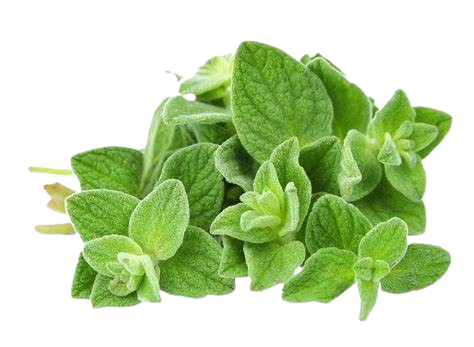
Oregano is a pungent aromatic herb from the mint family, long considered a foundational seasoning in Italian, Greek, and Mexican cuisines. There are 265 oregano calories per 100 g (3.5 oz) of the dried leaves. A small 1 tsp serving of dried oregano (1g) provides 3 calories, while a 28 g (1 oz) serving offers 75 calories. Based on oregano nutrition facts, a 100 g (3.5 oz) dried portion provides 68.9 g of carbohydrates, 9 g of protein, and 4.3 g of fat. Key health benefits include its potent antibacterial properties driven by the compound carvacrol and its ability to reduce systemic oxidative stress. Research by Dragland et al. (2003), "Several culinary and medicinal herbs are important sources of antioxidants," found that oregano has 42 times more antioxidant activity than apples.
Common types include the standard Mediterranean Origanum vulgare, the stronger Mexican Lippia graveolens, and fresh green leaves. Oregano is an important ingredient in savory dishes like the Pizza Margherita at California Pizza Kitchen and the Greek Salad at Panera Bread. The herbaceous and slightly bitter flavor profile is also utilized in the Chimichurri Steak at Fogo de Chão, which is part of a meal service ranging from $64.50 to $72.00 USD, and the Chicken Parmesan at Maggiano's Little Italy.
The origin of oregano is the Mediterranean region, where it has been cultivated for millennia and revered by ancient Greeks as a symbol of joy. Global production of dried oregano is led by Turkey, which produced 18.50 kt in 2024, followed by Peru at 3.45 kt. Consumption is highest in the United States and Germany, where the herb is a pantry staple for pizza and pasta. The retail price for a 1 oz jar of dried oregano has risen from $1.99 USD in 2005 to $4.49 USD in 2024.
Health guidelines suggest a recommended daily intake of 1 g to 5 g (1 tsp to 1 tbsp), which contributes 3 to 16 calories in oregano to a standard adult diet. To burn the 16 calories provided by a medium (1 tbsp) serving of dried oregano, an average woman weighing 70 kg (154 lbs) must engage in 4 minutes of moderate walking at 5 km/h (3 mph), while an average man weighing 84 kg (185 lbs) would require approximately 3 minutes.
Oregano nutrition
| Stats | Weight |
|---|---|
| Carbs | 4 grams |
| Protein | 0.5 grams |
| Fats | 0 grams |
| Sugars | 0.2 grams |
- Large Oregano Calories (Nutritional Facts)
- Medium Oregano Calories (Nutritional Facts)
- Small Oregano Calories (Nutritional Facts)
- Raw Oregano Nutrition
- Sodium in Oregano
- Potassium in Oregano
- Sugar in Oregano
- Fiber in Oregano
- Protein in Oregano
- Carbs in Oregano
- Fat in Oregano
- Vitamins in Oregano
- Minerals in Oregano
Large Oregano Calories (Nutritional Facts)
A large serving of dried oregano, weighing 28 g (1 oz), contains 75 calories. This portion provides 1.2 g of total fat, 2.5 g of protein, 19 g of carbohydrates, and 12 g of dietary fiber. A large 28 g (1 oz) serving of fresh oregano leaves contains 18 calories due to the higher water content.
A medium serving of dried oregano, weighing 6 g (1 tbsp), contains 16 calories. This serving offers 0.25 g of total fat, 0.5 g of protein, 4 g of carbohydrates, and 2.5 g of dietary fiber. A medium 6 g (1 tbsp) serving of fresh oregano contains 4 calories.
A small serving of dried oregano, weighing 1 g (1 tsp), contains 3 calories. This portion consists of 0.04 g of total fat, 0.1 g of protein, 0.7 g of carbohydrates, and 0.4 g of dietary fiber. A small 1 g (1 tsp) serving of fresh oregano contains 1 calorie.
A 100 g (3.5 oz) serving of raw fresh oregano provides 65 calories, 1.7 g of total fat, 2.2 g of protein, 12.8 g of carbohydrates, and 12.1 g of dietary fiber. Raw oregano is a nutrient-dense herb rich in antioxidants such as carvacrol and thymol. The nutrient density is significantly higher in the dried form, which provides 265 calories per 100 g (3.5 oz) due to the removal of water.
Dried oregano contains 25 mg of sodium per 100 g (3.5 oz) serving, which contributes 1% of the Daily Value (DV). Fresh oregano provides 9 mg of sodium per 100 g (3.5 oz) serving.
Dried oregano serves as a significant source of potassium, providing 1,260 mg per 100 g (3.5 oz) serving, which represents 27% of the DV. Fresh oregano delivers 417 mg of potassium per 100 g (3.5 oz) serving.
Dried oregano contains 4.1 g of sugar per 100 g (3.5 oz) serving. These are naturally occurring sugars found within the plant material. Fresh oregano contains 0.8 g of sugar per 100 g (3.5 oz) serving.
Dried oregano provides 42.5 g of dietary fiber per 100 g (3.5 oz) serving, fulfilling 152% of the DV. Fresh oregano provides 12.1 g of dietary fiber per 100 g (3.5 oz) serving.
Dried oregano provides 9 g of protein per 100 g (3.5 oz) serving. Fresh oregano provides 2.2 g of protein per 100 g (3.5 oz) serving.
Dried oregano contains 68.9 g of total carbohydrates per 100 g (3.5 oz) serving. Fresh oregano contains 12.8 g of total carbohydrates per 100 g (3.5 oz) serving.
Dried oregano contains 4.3 g of total fat per 100 g (3.5 oz) serving. Fresh oregano contains 1.7 g of total fat per 100 g (3.5 oz) serving.
A 100 g (3.5 oz) serving of dried oregano provides 622 mcg of Vitamin K (518% DV) and 270 IU of Vitamin A. Fresh oregano provides 170 mcg of Vitamin K (142% DV) and 2.3 mg of Vitamin C per 100 g (3.5 oz).
A 100 g (3.5 oz) serving of dried oregano is rich in Iron, providing 36.8 mg (204% DV). It also delivers 1,597 mg of Calcium (123% DV) and 270 mg of Magnesium (64% DV).
Get a Custom Report on Oregano Nutrition Data – Contact Us!
What are the Types of Oregano?
There are 4 main commercial categories of Oregano products such as the common Mediterranean variety and Mexican oregano. The table below shows the most common Oregano types and their calorie information.
| Type | Description | Calories (per 1 g / 1 tsp) | Calorie Differences & Qualifications |
|---|---|---|---|
|
Mediterranean Oregano
|
The standard savory herb (Origanum vulgare) used in Italian dishes. | 3 | The baseline for dried herb nutrition. |
|
Mexican Oregano
|
A stronger, citrusy herb (Lippia graveolens) related to verbena. | 3 | Calorie count is identical; distinct flavor profile. |
|
Fresh Oregano Leaves
|
Raw green leaves with high water content. | 1 | Lower calorie density due to 85% water content. |
|
Oregano Oil
|
Concentrated essential oil extract. | 9 | Higher density as it is a pure lipid extract (approx. 1 ml). |
What are the Main Dishes with Oregano?
Some of the most widespread main dishes that contain oregano are Pizza Margherita, Greek Salad, and Chimichurri Steak. In savory applications, oregano is a foundational herb for tomato-based sauces, marinades, and dry rubs, particularly in Italian, Greek, and Mexican cuisines. The table below lists the nutritional facts for popular savory entrees and sauces that feature oregano as a defining flavor component.
| Dish Name | Calories | Type | Carbs | Sugar | Protein | Fat | Cuisine | Restaurants |
|---|---|---|---|---|---|---|---|---|
|
Pizza Margherita
|
1,140 | Pizza | 134g | 8g | 44g | 42g | Italian | California Pizza Kitchen |
|
Greek Salad
|
440 | Salad | 14g | 6g | 12g | 38g | Greek | Panera Bread |
|
Chimichurri Steak
|
820 | Beef Entree | 4g | 1g | 62g | 64g | Argentine | Fogo de Chão |
|
Spaghetti Marinara
|
540 | Pasta | 98g | 12g | 16g | 8g | Italian | Olive Garden |
|
Chicken Parmesan
|
1,020 | Poultry | 82g | 12g | 56g | 52g | Italian-American | Maggiano's Little Italy |
|
Pozole Soup
|
380 | Soup | 32g | 4g | 28g | 16g | Mexican | La Super-Rica Taqueria |
|
Herb-Grilled Salmon
|
460 | Seafood | 2g | 0g | 44g | 32g | American | Olive Garden |
|
Italian Sub Sandwich
|
980 | Sandwich | 86g | 14g | 42g | 54g | American | Jersey Mike's |
|
Greek Souvlaki Plate
|
720 | Meat Entree | 52g | 6g | 48g | 34g | Greek | Daphne's California Greek |
|
Mexican Street Corn
|
240 | Side Dish | 22g | 4g | 6g | 16g | Mexican | Torchy's Tacos |
What Cuisines Prefer Oregano the Most?
Oregano is a defining element of Italian, Greek, and Mexican cuisines, where it is valued for its ability to cut through rich fats and complement acidic tomatoes. In Italy, it is the primary herb for pizza and marinara sauces. Greek cuisine utilizes it abundantly in salads and grilled meats (souvlaki). Mexican cuisine uses a stronger variety (Mexican oregano) in chili powders, pozole, and salsas. The table below outlines the specific culinary contexts and dishes where oregano is a prominent featured element.
| Cuisine | Dish Name | Calories | Restaurants |
|---|---|---|---|
|
Italian
|
Spaghetti Marinara | 540 | Olive Garden |
|
Greek
|
Greek Salad | 440 | Panera Bread |
|
Mexican
|
Pozole Soup | 380 | La Super-Rica Taqueria |
|
Argentine
|
Chimichurri Steak | 820 | Fogo de Chão |
|
Italian-American
|
Chicken Parmesan | 1,020 | Maggiano's Little Italy |
|
Mediterranean
|
Herb-Grilled Salmon | 460 | Olive Garden |
Which Countries Produce the Most Oregano?
The top producers of oregano globally are Turkey, Peru, Mexico, and Greece. In 2022, Turkey produced an estimated 18.00 kilotonnes of dried oregano, accounting for nearly 75% of the world's commercial supply based on data from the Aegean Exporters' Association. Production is concentrated in the Denizli and Manisa provinces where the climate is ideal for high-oil cultivars. Mexico produces a different botanical variety (Lippia graveolens) which is exported primarily to the United States. The table below displays estimated production volumes for the primary regions where oregano is a specialized commercial crop.
| Country | 2005 | 2006 | 2007 | 2008 | 2009 | 2010 | 2011 | 2012 | 2013 | 2014 | 2015 | 2016 | 2017 | 2018 | 2019 | 2020 | 2021 | 2022 | 2023 | 2024 |
|---|---|---|---|---|---|---|---|---|---|---|---|---|---|---|---|---|---|---|---|---|
| Turkey | 9.50 | 10.10 | 10.80 | 11.50 | 12.20 | 13.00 | 13.50 | 14.10 | 14.80 | 15.20 | 15.80 | 16.20 | 16.50 | 17.10 | 17.40 | 17.60 | 17.80 | 18.00 | 18.20 | 18.50 |
| Peru | 1.80 | 1.90 | 2.00 | 2.10 | 2.20 | 2.30 | 2.40 | 2.50 | 2.60 | 2.70 | 2.80 | 2.90 | 3.00 | 3.10 | 3.20 | 3.25 | 3.30 | 3.35 | 3.40 | 3.45 |
| Mexico | 1.20 | 1.30 | 1.40 | 1.50 | 1.60 | 1.70 | 1.80 | 1.90 | 2.00 | 2.10 | 2.20 | 2.30 | 2.40 | 2.50 | 2.60 | 2.65 | 2.70 | 2.75 | 2.80 | 2.85 |
| Greece | 0.80 | 0.85 | 0.90 | 0.95 | 1.00 | 1.05 | 1.10 | 1.15 | 1.20 | 1.25 | 1.30 | 1.35 | 1.40 | 1.45 | 1.50 | 1.55 | 1.60 | 1.65 | 1.70 | 1.75 |
Which Countries Consume the Most Oregano?
Based on import data and culinary usage reports, the top consumers of oregano are the United States, Germany, the United Kingdom, Italy, and France. Consumption is calculated by the domestic utilization of dried herbs in industrial food processing (pizza, sauces) and retail spice sales. The United States is the largest importer, driven by the immense popularity of pizza and Mexican food. Germany consumes significant amounts for processed meat and spice blends. The table below represents the apparent food supply and utilization of oregano products in these leading nations.
| Country | 2005 | 2006 | 2007 | 2008 | 2009 | 2010 | 2011 | 2012 | 2013 | 2014 | 2015 | 2016 | 2017 | 2018 | 2019 | 2020 | 2021 | 2022 | 2023 | 2024 |
|---|---|---|---|---|---|---|---|---|---|---|---|---|---|---|---|---|---|---|---|---|
| USA | 6.50 | 7.10 | 7.80 | 8.50 | 9.20 | 9.80 | 10.50 | 11.10 | 11.80 | 12.40 | 13.10 | 13.50 | 13.80 | 14.10 | 14.40 | 14.70 | 15.00 | 15.30 | 15.60 | 15.90 |
| Germany | 1.20 | 1.30 | 1.40 | 1.50 | 1.60 | 1.70 | 1.80 | 1.90 | 2.00 | 2.10 | 2.20 | 2.30 | 2.40 | 2.50 | 2.60 | 2.70 | 2.80 | 2.90 | 3.00 | 3.10 |
| UK | 0.80 | 0.85 | 0.90 | 0.95 | 1.00 | 1.05 | 1.10 | 1.15 | 1.20 | 1.25 | 1.30 | 1.35 | 1.40 | 1.45 | 1.50 | 1.55 | 1.60 | 1.65 | 1.70 | 1.75 |
| Italy | 0.60 | 0.65 | 0.70 | 0.75 | 0.80 | 0.85 | 0.90 | 0.95 | 1.00 | 1.05 | 1.10 | 1.15 | 1.20 | 1.25 | 1.30 | 1.35 | 1.40 | 1.45 | 1.50 | 1.55 |
| France | 0.40 | 0.42 | 0.45 | 0.48 | 0.50 | 0.52 | 0.55 | 0.58 | 0.60 | 0.62 | 0.65 | 0.68 | 0.70 | 0.72 | 0.75 | 0.78 | 0.80 | 0.82 | 0.85 | 0.88 |
How Do Prices of Oregano-including Dishes Change?
Menu prices for dishes that feature oregano as a key flavor component have seen steady increases over the last decade. This reflects the rising costs of protein, dairy, and imported spices. The table below provides a comparison of price ranges from 2015–2017 to current 2025–2026 market estimates for specific menu items that rely on oregano.
| Restaurant | Dish Name | Old Price Range (2015–2017) | Current Price Range (2025–2026) |
|---|---|---|---|
| California Pizza Kitchen | Pizza Margherita | $11.50 - $13.50 | $16.50 - $18.95 |
| Olive Garden | Spaghetti Marinara | $9.95 - $11.50 | $13.99 - $15.50 |
| Panera Bread | Greek Salad | $7.50 - $9.25 | $10.79 - $12.50 |
| Fogo de Chão | Chimichurri Steak (Full Rodizio) | $48.50 - $54.50 | $64.50 - $72.00 |
| Maggiano's Little Italy | Chicken Parmesan | $15.95 - $17.95 | $21.50 - $24.95 |
| Jersey Mike's | Italian Sub (Regular) | $7.25 - $8.50 | $10.95 - $12.45 |
What is the Oregano Calorie for 100 Grams?
One hundred grams (3.5 oz) of dried oregano contains 265 calories. One hundred grams (3.5 oz) of fresh oregano contains 65 calories.
What is the Oregano Calorie for 1 KG?
One kilogram (1,000 g or 35.3 oz) of dried oregano contains 2,650 calories. One kilogram (1,000 g or 35.3 oz) of fresh oregano contains 650 calories.
What is the Calorie of 1 Oregano?
One single sprig of fresh oregano weighing 1 g contains less than 1 calorie. A standard 0.5 oz (14 g) retail packet of fresh oregano contains 10 calories. A 1 oz (28 g) bottle of McCormick Dried Oregano Leaves contains 75 calories.
What are the Health Benefits of Oregano?
Oregano provides some health benefits like fighting bacterial infections and reducing oxidative stress due to its high concentration of carvacrol and thymol. This herb, frequently called "wild marjoram," "mountain joy," or "origanum," is a staple in Mediterranean and Mexican traditional medicine. A list of the health benefits of oregano is shown below.
- Possesses Strong Antibacterial Properties: The compound carvacrol has been shown to inhibit the growth of bacteria such as Staphylococcus aureus. A study by Nostro et al. (2001), "Extraction methods and bioautography for evaluation of medicinal plant antimicrobial activity," found that oregano oil effectively reduced bacterial colonies.
- Provides Potent Antioxidant Protection: Oregano contains rosmarinic acid and thymol, which help neutralize free radicals. Research by Dragland et al. (2003), "Several culinary and medicinal herbs are important sources of antioxidants," demonstrated that oregano has 42 times more antioxidant activity than apples.
- Reduces Inflammation: Beta-caryophyllene, a compound in oregano, helps reduce inflammation in the body. A study by Cho et al. (2012), "Beta-caryophyllene, a CB2 receptor agonist produces multiple behavioral changes relevant to anxiety and depression in mice," noted its anti-inflammatory effects.
- Supports Digestive Health: The dietary fiber and essential oils in oregano promote healthy digestion and may kill gut parasites.
- Enhances Immune Function: A 100 g (3.5 oz) serving of dried oregano provides significant amounts of Vitamin E and Iron, which support immune defense.
- May Have Anti-Cancer Properties: Some test-tube studies suggest that carvacrol may inhibit the growth of cancer cells.
- Supports Bone Health: The exceptionally high calcium content (1,597 mg per 100 g dried) supports skeletal strength.
- Fights Viral Infections: Carvacrol has been shown to inactivate certain viruses, including norovirus, in laboratory settings.
What are the Downsides of Oregano?
Oregano has been known to cause some unwanted effects like allergic reactions and digestive upset due to its potency as an essential oil or concentrated supplement. A list of the downsides of oregano is shown below.
- Potential for Allergic Reaction: Individuals with allergies to plants in the Lamiaceae family (mint, sage, basil) may experience skin rashes or respiratory issues.
- Interference with Iron Absorption: While rich in iron, excessive consumption of herbal teas can inhibit the absorption of non-heme iron from other foods.
- Digestive Discomfort: High doses of oregano oil can cause nausea, vomiting, or gastric irritation.
- Risk of Bleeding: Oregano may increase the risk of bleeding in people with bleeding disorders or those taking blood-thinning medication.
- Lowers Blood Sugar: While beneficial for some, it can cause hypoglycemia in individuals on diabetes medication if not monitored.
Is Oregano Good for You?
Yes, oregano is good for you because it delivers 518% of the DV for Vitamin K and powerful antimicrobial compounds in every 100 g (3.5 oz) of dried herb. Healthy individuals should consume 1 g (1 tsp) to 5 g (1 tbsp) of dried or fresh oregano daily to gain antioxidant and immune benefits without adverse effects. The major benefits include the reduction of oxidative stress and the support of bone density through high calcium levels. It is an ideal flavor enhancer that reduces the need for salt in cooking.
How Do Calories Change According to Oregano Types?
The calories in oregano change based on the moisture content and the concentration of the plant material. Dried Mediterranean oregano contains 265 calories per 100 g (3.5 oz) because the removal of water concentrates the carbohydrates and oils. Fresh oregano contains only 65 calories per 100 g (3.5 oz) due to its high water content. Mexican oregano, although a different botanical species, shares a similar caloric profile of approximately 265 calories per 100 g (3.5 oz) in its dried form. Oregano oil is the most calorie-dense form per gram, providing roughly 9 calories per gram as it is a concentrated fat source.
What are the Desserts with Oregano?
Oregano is rarely used in mainstream desserts due to its savory and pungent profile, but it occasionally appears in artisanal or fusion sweets where herbal notes are desired. It is sometimes paired with lemon, chocolate, or honey in specialized bakeries, though it is not a standard ingredient in global chain restaurant desserts.
What is the Origin of Oregano?
The origin of oregano (Origanum vulgare) is the Mediterranean region of Europe and Asia. It has been cultivated for thousands of years, with ancient Greeks believing it was created by the goddess Aphrodite as a symbol of joy. The word "oregano" comes from the Greek words oros (mountain) and ganos (joy), meaning "joy of the mountains."
While it was a staple in European cooking for centuries, oregano did not become popular in the United States until after World War II, when returning soldiers brought back a taste for the "pizza herb" they had encountered in Italy. This sparked a surge in demand, transforming it from a niche medicinal plant into a household staple. Today, Turkey is one of the world's largest exporters of high-quality dried oregano, supplying the global food industry with this essential aromatic herb.
Explore More Herbs & Spices
Discover more Herbs & Spices with detailed nutrition facts, calorie counts, vitamins, minerals, and health benefits. Compare similar foods, serving sizes, macronutrients, and key nutrients to find the best option for your diet and nutrition goals.
 Black Pepper calories
 Cayenne Pepper calories
 Garlic Powder calories
 Ginger calories
 Guarana calories
 Horseradish calories
 Old Bay Seasoning calories
 Onion Powder calories
 Paprika calories
 Rosemary calories
 Spices calories
 Turmeric calories