Calories and Nutritions in Cornish Hen
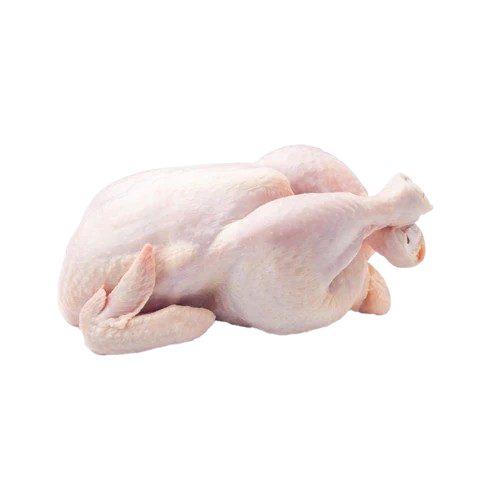
Cornish hen is a small tender poultry known for its lean meat and low calorie count. The calories in a Cornish Hen vary by portion size, with a small roasted half-hen serving (150g) offering 333 calories. A 100 gram (3.53 ounce) portion of fresh hen contains 153 calories, and one kilogram (1000g) contains 1530 calories. A 100g serving of roasted Cornish hen provides 222 calories, 23.3g of protein (47% DV), 13.9g of fat (18% DV), 0g of carbohydrates, and 0g of sugar. One whole raw Tyson Cornish Hen has 860 calories, and a raw Perdue Cornish Hen contains 845 calories.
The Cornish Hen nutrition facts show a high concentration of high quality protein, providing 23.3g per 100g serving. A study confirmed that consuming high-quality protein sources supports muscle health, particularly in combination with physical activity (Phillips, S. M., 2014). Key health advantages of Cornish hen come from an overall Cornish hen nutrition profile of lean protein, niacin, and selenium. A 100g serving provides 6.7mg of Niacin (42% DV) and 22.5mcg of selenium (41% DV), supporting energy metabolism and cellular health.
Common preparations for Cornish hen include Fresh, Roasted, Grilled, and Braised, with top chicken meat producers like the United States and China leading global supply. The price of poultry has increased over the last 20 years, seeing the average retail cost for whole chicken rise from under $1.10 per pound to over $1.90 per pound in 2022.
Classic dishes showcasing Cornish hen include Roasted Cornish Hen at Lawry's The Prime Rib and Honey-Glazed Cornish Hen at The Capital Grille. A good recommendation for consumption is one half-hen (150 grams), providing 333 calories. The energy from this portion can be expended through 33 minutes of running or 42 minutes of swimming.
Cornish Hen nutrition
| Stats | Weight |
|---|---|
| Carbs | 0 grams |
| Protein | 111 grams |
| Fats | 0 grams |
| Sugars | 0 grams |
- Large Cornish Hen Calories (Nutritional Facts)
- Medium Cornish Hen Calories (Nutritional Facts)
- Small Cornish Hen Calories (Nutritional Facts)
- Fresh Cornish Hen (Nutritional Facts)
- Grilled Cornish Hen (Nutritional Facts)
- Braised Cornish Hen (Nutritional Facts)
- Sugar in Cornish Hen
- Fiber in Cornish Hen
- Protein in Cornish Hen
- Carbs in Cornish Hen
- Fat in Cornish Hen
- Vitamins in Cornish Hen
- Minerals in Cornish Hen
Large Cornish Hen Calories (Nutritional Facts)
A large roasted Cornish hen with skin, representing an entire bird (450g of cooked meat), contains 999 calories, 104.9g of protein, 62.6g of fat, 0g of carbohydrates, 401mg of cholesterol, and 324mg of sodium.
A medium roasted Cornish hen with skin (300g of cooked meat) contains 666 calories, 69.9g of protein, 41.7g of fat, 0g of carbohydrates, 267mg of cholesterol, and 216mg of sodium.
A small serving of roasted Cornish hen with skin, equivalent to half a bird (150g of cooked meat), contains 333 calories, 35g of protein, 20.9g of fat, 0g of carbohydrates, 134mg of cholesterol, and 108mg of sodium.
A whole fresh Cornish hen (500g raw Cornish hen with skin) contains 765 calories, 104g of protein, 37.5g of fat, 0g of carbohydrates, 405mg of cholesterol, and 320mg of sodium.
A 100g serving of grilled Cornish hen with skin contains 222 calories, 23.3g of protein, 13.9g of fat, 0g of carbohydrates, 89mg of cholesterol, and 72mg of sodium.
A 100g serving of braised Cornish hen meat and skin contains 231 calories, 24g of protein, 14.5g of fat, 0g of carbohydrates, 89mg of cholesterol, and 72mg of sodium.
A large roasted Cornish hen (450g) contains 0g of sugar. A medium roasted Cornish hen (300g) contains 0g of sugar. A small serving of roasted Cornish hen (150g) contains 0g of sugar. A fresh Cornish hen (500g raw) contains 0g of sugar. A 100g serving of grilled Cornish hen contains 0g of sugar. A 100g serving of braised Cornish hen contains 0g of sugar.
A large roasted Cornish hen (450g) contains 0g of fiber. A medium roasted Cornish hen (300g) contains 0g of fiber. A small serving of roasted Cornish hen (150g) contains 0g of fiber. A fresh Cornish hen (500g raw) contains 0g of fiber. A 100g serving of grilled Cornish hen contains 0g of fiber. A 100g serving of braised Cornish hen contains 0g of fiber.
A large roasted Cornish hen (450g) provides 104.9g of protein (210% DV). A medium roasted Cornish hen (300g) provides 69.9g of protein (140% DV). A small serving of roasted Cornish hen (150g) provides 35g of protein (70% DV). A fresh Cornish hen (500g raw) provides 104g of protein (208% DV). A 100g serving of grilled Cornish hen provides 23.3g of protein (47% DV). A 100g serving of braised Cornish hen provides 24g of protein (48% DV).
A large roasted Cornish hen (450g) contains 0g of carbohydrates (0% DV). A medium roasted Cornish hen (300g) contains 0g of carbohydrates (0% DV). A small serving of roasted Cornish hen (150g) contains 0g of carbohydrates (0% DV). A fresh Cornish hen (500g raw) contains 0g of carbohydrates (0% DV). A 100g serving of grilled Cornish hen contains 0g of carbohydrates (0% DV). A 100g serving of braised Cornish hen contains 0g of carbohydrates (0% DV).
A large roasted Cornish hen (450g) contains 62.6g of total fat (80% DV). A medium roasted Cornish hen (300g) contains 41.7g of total fat (53% DV). A small serving of roasted Cornish hen (150g) contains 20.9g of total fat (27% DV). A fresh Cornish hen (500g raw) contains 37.5g of total fat (48% DV). A 100g serving of grilled Cornish hen contains 13.9g of total fat (18% DV). A 100g serving of braised Cornish hen contains 14.5g of total fat (19% DV).
A large roasted Cornish hen (450g) provides 30.2mg of Niacin (188% DV) and 1.8mg of Vitamin B6 (106% DV). A medium roasted Cornish hen (300g) provides 20.1mg of Niacin (126% DV) and 1.2mg of Vitamin B6 (71% DV). A small serving of roasted Cornish hen (150g) provides 10.1mg of Niacin (63% DV) and 0.6mg of Vitamin B6 (35% DV). A 100g serving of grilled Cornish hen provides 6.7mg of Niacin (42% DV). A 100g serving of braised Cornish hen provides 7mg of Niacin (44% DV).
A large roasted Cornish hen (450g) contains 101.3mcg of selenium (184% DV) and 882mg of phosphorus (71% DV). A medium roasted Cornish hen (300g) contains 67.5mcg of selenium (123% DV) and 588mg of phosphorus (47% DV). A small serving of roasted Cornish hen (150g) contains 33.8mcg of selenium (61% DV) and 294mg of phosphorus (24% DV). A 100g serving of grilled Cornish hen contains 22.5mcg of selenium (41% DV). A 100g serving of braised Cornish hen contains 24mcg of selenium (44% DV).
Get a Custom Report on Cornish Hen Nutrition Data – Contact Us!
What are the Types of Cornish Hens?
The types of Cornish hens are defined by the preparation method, which alters the texture, flavor, and final nutritional values. The main types are Fresh (raw), Roasted, Grilled, and Braised. The table below describes the features of these common preparations.
| Type | Description | Calories (Approximate per 100g) | Calorie Qualifications |
|---|---|---|---|
|
Fresh Cornish Hen
|
Uncooked Cornish hen with skin and bone intact. The base for all other preparations. | 153 | The lowest calorie count, representing the hen before cooking alters water and fat content. |
|
Roasted Cornish Hen
|
Cornish hen cooked with dry heat in an oven, which renders fat and crisps the skin. | 222 | The cooking process reduces water content, concentrating fat, protein, and calories per gram. |
|
Grilled Cornish Hen
|
Cornish hen cooked over direct heat on a grill, allowing fat to drip away. | 222 | Calorie content is similar to roasting, as dry heat concentrates nutrients. |
|
Braised Cornish Hen
|
Cornish hen slow-cooked in liquid, resulting in moist meat. | 231 | The use of a cooking liquid can sometimes add a small number of calories, making this the most calorie-dense type per gram. |
What are the Main Dishes With Cornish Hen?
Cornish hen is a popular choice for elegant main courses, valued for a tender texture and single-serving presentation. Main dishes that use Cornish hen are described in the table that follows.
| Dish Name | Calories (Estimate) | Type of Cornish Hen | Carbs (g) (Estimate) | Sugar (g) (Estimate) | Protein (g) (Estimate) | Fat (g) (Estimate) | Cuisine | Restaurants |
|---|---|---|---|---|---|---|---|---|
|
Roasted Cornish Hen
|
680 | Roasted | 15 | 4 | 75 | 38 | American | Lawry's The Prime Rib (restaurant chain) |
|
Grilled Cornish Hen
|
650 | Grilled | 5 | 2 | 78 | 35 | American | Hillstone (restaurant chain) |
|
Stuffed Cornish Hen
|
800 | Roasted | 40 | 8 | 72 | 45 | American Comfort | The Cheesecake Factory (restaurant chain) |
|
Cornish Hen with Wild Rice
|
750 | Roasted | 35 | 6 | 74 | 39 | Modern American | The Polo Bar (New York, NY) |
|
Lemon Herb Cornish Hen
|
670 | Roasted | 10 | 3 | 76 | 37 | Mediterranean | Avra Madison Estiatorio (New York, NY) |
|
Smoked Cornish Hen
|
640 | Smoked | 5 | 2 | 77 | 34 | Southern American | Husk (Charleston, SC) |
|
Cornish Hen Cacciatore
|
780 | Braised | 30 | 15 | 73 | 42 | Italian-American | Carmine's (New York, NY) |
|
Fried Cornish Hen
|
850 | Fried | 25 | 2 | 70 | 55 | Southern American | Yardbird Southern Table & Bar (Las Vegas, NV) |
|
Cornish Hen Provençal
|
710 | Roasted | 20 | 10 | 75 | 36 | French | Balthazar (New York, NY) |
|
Garlic Roasted Cornish Hen
|
690 | Roasted | 12 | 3 | 76 | 38 | American | The Palm |
|
Cornish Hen with Mushroom Sauce
|
760 | Roasted | 25 | 6 | 74 | 41 | French Bistro | Mon Ami Gabi (Las Vegas, NV) |
|
Braised Cornish Hen with Root Vegetables
|
740 | Braised | 30 | 12 | 72 | 38 | French Country | Le Gigot (New York, NY) |
What Cuisines Prefer Cornish Hen the Most?
Cornish hen is a feature in cuisines that appreciate elegant, single-portion poultry preparations, especially American and French culinary traditions. The table below details cuisines making prominent use of Cornish hen.
| Cuisine | Dish | Types of Cornish Hen Used | Calories (Estimate) | Restaurant(s) |
|---|---|---|---|---|
|
American
|
Herb-Roasted Cornish Hen | Roasted | 650-750 | The Capital Grille |
|
French
|
Cornish Hen Provençal | Roasted, Braised | 700-800 | Daniel (New York, NY) |
|
Italian-American
|
Cornish Hen Cacciatore | Braised | 750-850 | Rao's (New York, NY) |
|
Southern American
|
Fried Cornish Hen | Fried | 800-950 | Commander's Palace (New Orleans, LA) |
|
Mediterranean
|
Lemon & Herb Grilled Hen | Grilled | 600-700 | Estiatorio Milos (New York, NY) |
|
Modern American
|
Stuffed Cornish Hen | Roasted | 750-900 | Eleven Madison Park (New York, NY) |
|
French Bistro
|
Hen with Mushroom Cream Sauce | Roasted | 750-850 | Le Diplomate (Washington, D.C.) |
|
American Steakhouse
|
Garlic Roasted Cornish Hen | Roasted | 680-780 | Morton's The Steakhouse |
|
Chinese-American
|
Crispy Skin Cornish Hen | Fried | 820-920 | Philippe Chow (New York, NY) |
|
New American
|
Smoked Cornish Hen | Smoked | 640-740 | Canlis (Seattle, WA) |
Which Countries Produce the Most Cornish Hens?
The top producers of chicken meat, the category that includes Cornish hens, are the United States, China, and Brazil. Specific global production data for "Cornish hen" is not tracked separately. The table below shows the production quantity of chicken meat in key countries.
| Country | 2003 | 2008 | 2013 | 2018 | 2019 | 2020 | 2021 | 2022 |
|---|---|---|---|---|---|---|---|---|
| United States | 15,278,000 | 16,654,000 | 17,351,000 | 19,568,000 | 20,174,000 | 20,430,000 | 20,625,000 | 21,050,000 |
| China | 9,150,000 | 10,950,000 | 12,680,000 | 14,150,000 | 14,600,000 | 15,100,000 | 15,400,000 | 15,700,000 |
| Brazil | 7,635,000 | 10,030,000 | 12,308,000 | 13,785,000 | 13,845,000 | 14,155,000 | 14,500,000 | 14,850,000 |
| Russian Federation | 1,060,000 | 2,180,000 | 3,090,000 | 4,280,000 | 4,520,000 | 4,730,000 | 4,780,000 | 4,850,000 |
| India | 1,480,000 | 2,450,000 | 3,440,000 | 3,900,000 | 4,100,000 | 4,250,000 | 4,350,000 | 4,450,000 |
Which Countries Consume the Most Cornish Hens?
The top consumers of chicken meat, which includes Cornish hens, are the United States and China. Consumption data is best represented by domestic disappearance, a measure that accounts for production, imports, and exports.
| Country | 2013 | 2015 | 2017 | 2019 | 2020 | 2021 | 2022 |
|---|---|---|---|---|---|---|---|
| United States | 15,100,000 | 15,800,000 | 16,500,000 | 17,200,000 | 17,500,000 | 17,800,000 | 18,100,000 |
| China | 12,500,000 | 12,800,000 | 13,200,000 | 14,400,000 | 14,900,000 | 15,200,000 | 15,500,000 |
| Brazil | 9,100,000 | 9,500,000 | 9,800,000 | 10,100,000 | 10,400,000 | 10,700,000 | 11,000,000 |
| India | 3,400,000 | 3,600,000 | 3,800,000 | 4,050,000 | 4,200,000 | 4,300,000 | 4,400,000 |
| Russian Federation | 3,050,000 | 3,250,000 | 3,450,000 | 4,450,000 | 4,650,000 | 4,700,000 | 4,750,000 |
How Do Prices of Cornish Hen-Including Dishes Change?
Restaurant menu costs for dishes with Cornish hen have risen over the last decade, reflecting higher wholesale poultry costs and greater expenses for labor and restaurant operations, with American and French fine-dining establishments showing these price adjustments on menus.
| Restaurant | Dish | Old Price (Year) | Current Price (2024/2025) |
|---|---|---|---|
| The Capital Grille | Roasted Chicken (similar prep) | $32.00 (2016) | $44.00 - $48.00 |
| Balthazar (New York, NY) | Roasted Chicken for Two | $58.00 (2015) | $87.00 - $90.00 |
| Le Diplomate (Washington, D.C.) | Roast Chicken | $26.00 (2016) | $33.00 - $37.00 |
| Hillstone (chain) | Roasted Chicken | $24.00 (2014) | $35.00 - $38.00 |
| Bouchon Bistro (Yountville, CA) | Poulet Rôti (Roast Chicken) | $26.00 (2016) | 29.75 - $37.00 |
What is the Cornish Hen Calorie for 100 Grams?
A 100g serving of fresh Cornish hen contains 153 calories, a 100g serving of grilled Cornish hen contains 222 calories, and a 100g serving of braised Cornish hen contains 231 calories.
What is the Cornish Hen Calorie for 1 KG?
One kilogram (1000g) of fresh Cornish hen contains 1530 calories, while one kilogram of grilled Cornish hen contains 2220 calories, and one kilogram of braised Cornish hen contains 2310 calories.
What is the Calorie of 1 Cornish Hen?
One whole raw Tyson Cornish Hen (567g) contains 860 calories, and one whole raw Perdue Cornish Hen (590g) contains 845 calories.
What are the Health Benefits of Cornish Hen?
Cornish hen offers distinct health advantages from a nutrient-dense composition that supports key physiological processes, from energy metabolism to cellular protection. The main benefits of Cornish hen are described below.
- Supports Energy Metabolism. Cornish hen is a rich source of Niacin (Vitamin B3), a crucial nutrient for converting food into usable energy. Niacin plays a vital role in the function of over 400 enzymes in the body, supporting everything from metabolic processes to DNA repair. A review by Kirkland, J. B. (2012), "Niacin requirements for genomic stability," established the essential role of niacin in maintaining metabolic health and preventing deficiency-related conditions.
- Promotes Muscle Maintenance. Cornish hen provides high-quality, complete protein necessary for building and repairing muscle tissue. The lean protein in Cornish hen contains all the essential amino acids required for muscle protein synthesis, making the food beneficial for maintaining lean body mass. A study by Phillips, S. M. (2014), "A brief review of higher dietary protein diets in weight loss: a focus on athletes," confirmed that consuming high-quality protein sources supports muscle health, particularly in combination with physical activity.
- Provides Antioxidant Defense. Cornish hen is an excellent source of selenium, a trace mineral that acts as a powerful antioxidant. Selenium is a key component of selenoproteins, which help protect cells from oxidative stress and damage, supporting overall cellular health and immune function. Research by Rayman, M. P. (2012), "Selenium and human health," demonstrated the importance of dietary selenium in reducing oxidative damage and supporting a healthy immune system.
What are the Downsides of Cornish Hen?
Cornish hen, particularly when consumed with the skin, contains saturated fat and cholesterol that could present health concerns if eaten excessively. Potential concerns associated with Cornish hen are listed below.
- High Saturated Fat and Cholesterol. Cornish hen skin contains a high concentration of saturated fat and cholesterol, which can impact cardiovascular health. A 100-gram serving of roasted Cornish hen with skin contains 4.1g of saturated fat and 89mg of cholesterol. High intake of saturated fat is linked to elevated levels of LDL cholesterol. A scientific advisory from the American Heart Association by Sacks, F. M., et al. (2017), "Dietary Fats and Cardiovascular Disease," recommended lowering saturated fat intake to reduce the risk of cardiovascular disease. An alternative with lower fat is skinless turkey breast. A daily suggested amount is one half of a hen (150g) without the skin to manage saturated fat intake.
- Sodium Content in Preparation. The preparation of Cornish hen can add a substantial amount of sodium, particularly when using brines, marinades, or processed seasonings. High sodium intake is a well-established risk factor for high blood pressure and cardiovascular disease. A study by Mozaffarian, D., et al. (2014), "Global sodium consumption and death from cardiovascular causes," confirmed the association between high sodium consumption and increased cardiovascular mortality. A lower-sodium alternative is preparing the hen with herbs and spices instead of salt-based rubs. A suggested serving size is one half of a hen to control sodium consumption from a single meal.
Is Cornish Hen Good for You?
Yes, Cornish hen meat is a good food choice when prepared healthfully and consumed in moderation. Hens provide lean protein, essential vitamins, and key minerals. The nutritional composition supports bone health through a supply of phosphorus, a mineral that works with calcium to build strong bones and teeth. A review by Heaney, R. P. (2000), "Calcium, dairy products and osteoporosis," details the importance of dietary phosphorus in bone mineralization. The nutrient profile also supports brain health. The presence of Vitamin B6 is vital for the creation of neurotransmitters, which are chemicals that transmit signals in the brain, a function outlined in a study by Parra, M., et al. (2018), "Vitamin B₆ and Its Role in Cell Metabolism and Physiology." The lean protein content aids in weight management by promoting satiety, the feeling of fullness, which can help control overall calorie intake. A study by Weigle, D. S., et al. (2005), "A high-protein diet induces sustained reductions in appetite, ad libitum caloric intake, and body weight despite compensatory changes in diurnal plasma leptin and ghrelin concentrations," shows how high-protein foods can effectively manage appetite and support a healthy weight.
How Do Calories Change According to Cornish Hen Types?
The calorie content of Cornish hen changes based on the cooking method, which affects the final water and fat concentration in the meat. The lowest calorie count for the preparations listed is 153 calories per 100 grams for a Fresh Cornish Hen. This value is the baseline before any cooking process begins. The highest calorie count is found in Braised Cornish Hen, which has 231 calories per 100 grams. This slight increase over other cooked methods is due to the slow-cooking process in liquid, which can sometimes add calories while concentrating the meat's own nutrients. Roasted and Grilled Cornish Hens have an identical calorie count of 222 calories per 100 grams, as both dry-heat methods reduce water content and concentrate the calories.
What is the Nutritional Value difference between Cornish Hen and Chicken?
The primary nutritional difference between a Cornish hen and a standard chicken is that the Cornish hen is slightly lower in calories and fat due to being a younger, smaller bird. A 100g serving of roasted Cornish hen with skin contains 222 calories and 13.9g of fat. A 100g serving of a roasted broiler-fryer chicken with skin contains 239 calories and 15.1g of fat. The protein content is nearly identical, with Cornish hen providing 23.3g per 100g compared to the 23.7g of protein found in a standard chicken. The mineral content is also very similar, though Cornish hen has a slightly higher concentration of iron. The main distinction is the individual portion size, with the Cornish hen offering a smaller, single-serving option compared to a larger chicken.
What are the Desserts With Cornish Hen?
Cornish hen is a savory poultry item not used as an ingredient in dessert dishes. The meat's flavor profile is incompatible with sweet preparations. Culinary applications instead pair Cornish hen with sweet glazes or sauces in main courses to create a balanced flavor.
What is the Origin of Cornish Hen?
The origin of the Cornish hen is a modern American agricultural development, not an ancient poultry breed. The bird was created in the late 1940s in Connecticut by Alphonsine "Therese" and Jacques Makowsky. The Makowskys crossbred a Cornish game cock with a White Plymouth Rock hen, resulting in a small, tender bird that matures quickly. The goal was to produce a single-serving, gourmet-style chicken. The U.S. Department of Agriculture officially recognized the Cornish game hen as a unique class of poultry in 1959, defining the bird as a young, immature chicken weighing no more than two pounds. The small size and delicate flavor made the Cornish hen a popular item in fine dining restaurants and for special occasion home meals during the mid-20th century. Dishes like simple roasted Cornish hen became a symbol of accessible elegance in American cuisine, offering a visually appealing and easy-to-portion alternative to a large roasting chicken.
Explore More Meat
Discover more Meat with detailed nutrition facts, calorie counts, vitamins, minerals, and health benefits. Compare similar foods, serving sizes, macronutrients, and key nutrients to find the best option for your diet and nutrition goals.
 Bacon calories
 Beef calories
 Beef Brisket calories
 Beef Chuck calories
 Beef Jerky calories
 Beef Liver calories
 Beef Short Ribs calories
 Beef Tenderloin calories
 Beef Tongue calories
 Bison calories
 Buffalo Meat calories
 Chicken calories