Calories and Nutritions in Crème Fraîche
Crème fraîche is a thick cultured cream with a tangy flavor, belonging to the dairy family of products. The calories in crème fraîche are very high due to its significant fat content, with a 100g (3.5 oz) serving of full-fat crème fraîche containing 386 calories. A single tablespoon (15g, 0.53 oz) provides 58 calories, while a one-ounce (28.35g) serving has 109 calories. The crème fraîche nutrition facts for a 100g portion are dominated by fat, containing 41g of total fat (53% Daily Value/DV), of which 26g is saturated fat (130% DV). It has minimal protein at 2.2g (4% DV) and carbohydrates at 2.6g (1% DV), with 0g of fiber. Crème fraîche is a good source of Vitamin A (396µg RAE, 44% DV per 100g). Research on dairy fats suggests that the health impact of fermented, full-fat dairy products is complex and may differ from other sources of saturated fat, though moderation is key (Huth, P.J. & Park, K.M., 2012, "Influence of dairy product and milk fat consumption on cardiovascular disease risk: a review of the evidence").
The main types of crème fraîche are distinguished by fat content. Full-fat crème fraîche is the standard, while light or low-fat versions, containing 150-250 calories per 100g, are also available. France is the primary producer and a major consumer of crème fraîche, with significant production and consumption also found in the USA, UK, and Germany. Crème fraîche is a staple in dozens of main dishes in French and contemporary cuisines, but is not found in fast-food. Popular dishes include enriching soups and sauces, such as in Pan-Seared Salmon with Dill Crème Fraîche at fine dining establishments like The Capital Grille, or as a topping for blinis with caviar at The Russian Tea Room. It is also used in desserts like Crème Fraîche Cheesecake or served with fresh berries at restaurants like The French Laundry.
The price of crème fraîche has shown a significant upward trend over the last 20 years. In the early 2000s, a 7.5 to 8 oz (212-227g) tub in the U.S. ranged from $3.00 to $5.00, while in 2022-2023, it increased to $4.50 to $7.00 or more. The demand for crème fraîche has grown steadily with the popularity of gourmet cooking and French cuisine.
The main health benefit of crème fraîche is its Vitamin A content and the presence of some probiotics from culturing. Its primary downside is its extremely high saturated fat and calorie content. Due to its richness, daily consumption is not recommended. A small serving of one tablespoon (58 calories) can add richness to a dish. Burning the 58 calories from one tablespoon of crème fraîche would require activities such as 5-7 minutes of jogging, 8-10 minutes of brisk walking, or about 10 minutes of cycling at a moderate intensity.
Crème Fraîche nutrition
| Stats | Weight |
|---|---|
| Carbs | 1.4 grams |
| Protein | 0.6 grams |
| Fats | 0 grams |
| Sugars | 1.4 grams |
- Creme Fraiche Calories (Nutritional Facts)
- Sodium in Creme Fraiche
- Potassium in Creme Fraiche
- Sugar in Creme Fraiche
- Fiber in Creme Fraiche
- Protein in Creme Fraiche
- Carbs in Creme Fraiche
- Fat in Creme Fraiche
- Vitamins in Creme Fraiche
- Minerals in Creme Fraiche
Creme Fraiche Calories (Nutritional Facts)
One ounce (28.35g, 1 oz) of crème fraîche contains 109 calories, 0.6g of protein, 0.7g of carbohydrates, and 11.3g of fat. One tablespoon (15g, 0.53 oz) of crème fraîche provides 58 calories, 0.3g of protein, 0.4g of carbohydrates, and 6g of fat. One teaspoon (5g, 0.18 oz) of crème fraîche has 19 calories, 0.1g of protein, 0.1g of carbohydrates, and 2g of fat. One cup (240g, 8.47 oz) of crème fraîche contains 926 calories, 5.3g of protein, 6.2g of carbohydrates, and 98.4g of fat.
A 100g (3.5 oz) serving of crème fraîche contains 30mg of sodium (1% DV). One tablespoon (15g, 0.53 oz) of crème fraîche provides 4.5mg of sodium (0% DV).
A 100g (3.5 oz) serving of crème fraîche contains 70mg of potassium (1% DV). One tablespoon (15g, 0.53 oz) of crème fraîche provides 10.5mg of potassium (0% DV).
A 100g (3.5 oz) serving of crème fraîche contains 2.6g of total sugars. This sugar is naturally occurring lactose from the cream. One tablespoon (15g, 0.53 oz) of crème fraîche has 0.4g of sugar.
Crème fraîche contains 0g of dietary fiber per 100g (3.5 oz) serving.
Crème fraîche contains 2.2g of protein per 100g (3.5 oz) serving (4% DV). One tablespoon (15g, 0.53 oz) of crème fraîche has 0.3g of protein (1% DV).
Crème fraîche has 2.6g of total carbohydrates per 100g (3.5 oz) serving (1% DV), which is composed almost entirely of its natural sugar. One tablespoon (15g, 0.53 oz) of crème fraîche contains 0.4g of total carbohydrates (0% DV).
Crème fraîche is very high in fat. A 100g (3.5 oz) serving of crème fraîche contains 41g of total fat (53% DV), of which 26g is saturated fat (130% DV). One tablespoon (15g, 0.53 oz) of crème fraîche provides 6.2g of total fat (8% DV).
A 100g (3.5 oz) serving of crème fraîche is an excellent source of Vitamin A, providing 396µg RAE (44% DV). It contains smaller amounts of other vitamins, including Riboflavin (Vitamin B2) at 0.1mg (8% DV).
A 100g (3.5 oz) serving of crème fraîche provides Calcium at 60mg (6% DV) and Phosphorus at 50mg (7% DV). Other minerals like potassium and sodium are present in smaller amounts.
Get a Custom Report on Crème Fraîche Nutrition Data – Contact Us!
What are the Types of Creme Fraiche?
There are not many distinct "types" of crème fraîche in the way there are for aged cheeses. The primary variations relate to the fat content of the cream used and whether any flavorings have been added. The table below outlines these common forms.
| Type (Based on Fat Content/Flavor) | Description | Calories (per 100g) | Calorie Qualifications |
|---|---|---|---|
|
Full-Fat Crème Fraîche
|
The standard and most common type. Made from heavy cream with a high fat content (typically 30-45%). Rich, thick, tangy. | 380-400 | Very high in calories and fat. This is the classic version. |
|
Light/Low-Fat Crème Fraîche
|
Made from a lighter cream or a mix of cream and milk to reduce the fat content. Thinner, less rich. | 150-250 | Significantly lower in calories and fat than the full-fat version. May contain thickeners to improve texture. |
|
Herbed/Flavored Crème Fraîche
|
Crème fraîche infused with herbs (like chives, dill), garlic, or spices. Used as a savory topping or dip. | 380-400 | Calorie content is similar to the base crème fraîche; herbs add negligible calories. |
What are the Main Dishes with Creme Fraiche?
Crème fraîche, with its rich, tangy flavor and ability to resist curdling when heated, is a luxurious ingredient in a variety of savory main dishes, especially in French cuisine. Some of the most widespread main dishes that utilize crème fraîche are creamy sauces for fish and chicken, enriched soups, and as a topping for potatoes. Its refined taste and texture add a touch of elegance to many preparations. The table below lists diverse main dishes incorporating crème fraîche.
| Dish Name | Calories (per serving) | Type of Crème Fraîche Used | Carps (g) | Sugar (g) | Protein (g) | Fat (g) | Cuisine | Restaurants |
|---|---|---|---|---|---|---|---|---|
|
Pan-Seared Salmon with Dill Crème Fraîche Sauce
|
400-600 | Full-Fat (in sauce) | 3-10 | 1-4 | 30-45 | 25-40 | French, Contemporary American | The Capital Grille (some salmon preparations), fine dining restaurants like Per Se (NYC) |
|
Creamy Potato and Leek Soup (enriched with crème fraîche)
|
250-400 (bowl) | Full-Fat | 20-35 | 4-8 | 5-8 | 15-25 | French, European | La Madeleine French Bakery & Café, Panera Bread (seasonal variations) |
|
Pasta with Smoked Salmon and Crème Fraîche
|
500-750 | Full-Fat | 50-70 | 3-6 | 20-30 | 20-35 | Italian-inspired, Modern European | Some upscale contemporary restaurants, Eataly (specialty pasta dishes) |
|
Baked Potato with Smoked Salmon and Crème Fraîche
|
400-600 | Full-Fat (as topping) | 40-55 | 3-6 | 15-20 | 15-25 | European, American | Found in some bistros or as a specialty item, similar concept to Wendy's baked potatoes |
|
Chicken in Creamy Mushroom and Crème Fraîche Sauce
|
450-700 | Full-Fat | 10-20 | 4-8 | 35-50 | 25-40 | French, European | Balthazar (NYC - some chicken dishes), classic French bistros |
|
Quiche with Crème Fraîche (e.g., Quiche Lorraine)
|
450-650 (slice) | Full-Fat | 15-25 | 2-5 | 15-25 | 30-45 | French | Bouchon Bakery, local French bakeries |
|
Scrambled Eggs or Omelette with Crème Fraîche
|
300-500 | Full-Fat (folded in) | 2-8 | 2-4 | 18-28 | 20-35 | French, American Brunch | Sarabeth's (NYC), upscale brunch spots like The Beverly Hills Hotel (Polo Lounge) |
|
Tarte Flambée/Flammekueche (Alsatian Pizza with crème fraîche base)
|
300-500 (serving) | Full-Fat | 25-40 | 2-5 | 10-18 | 15-25 | French (Alsatian), German | Restaurants specializing in Alsatian cuisine |
|
Blinis with Caviar and Crème Fraîche
|
Varies (per blini) | Full-Fat | Varies | Varies | Varies | Varies | Russian, French (Haute Cuisine) | The Russian Tea Room (NYC), Petrossian Restaurant & Boutique (NYC) |
What are the Desserts with Creme Fraiche?
Crème fraîche is a superb ingredient for desserts, where its tangy flavor profile provides a sophisticated contrast to sweetness, and its high fat content creates a rich, smooth texture. It is often used as a topping for fruit, in mousses, or as a component in ice creams and tarts.
| Dish Name | Calories (per serving) | Type of Crème Fraîche Used | Carbs (g) | Sugar (g) | Protein (g) | Fat (g) | Cuisine | Restaurants/Brands |
|---|---|---|---|---|---|---|---|---|
|
Fresh Berries with Crème Fraîche
|
200-350 | Full-Fat | 15-25 | 12-20 | 2-4 | 15-25 | French, American | The French Laundry (Yountville), Daniel (NYC), many fine dining establishments |
|
Crème Fraîche Cheesecake
|
400-600 (slice) | Full-Fat | 30-45 | 25-35 | 6-10 | 25-40 | Modern American, French | Some variations at The Cheesecake Factory, upscale bakeries |
|
Fruit Tart with Crème Fraîche Filling/Topping
|
350-550 (slice) | Full-Fat | 35-50 | 20-30 | 3-6 | 18-28 | French | Tartine Bakery (San Francisco), Bouchon Bakery |
|
Chocolate Mousse with Crème Fraîche
|
300-500 | Full-Fat (folded in or as a topping) | 25-40 | 20-30 | 4-7 | 20-35 | French, Modern | Fine dining restaurants |
|
Crème Fraîche Ice Cream/Sorbet
|
200-350 (1/2 cup) | Full-Fat | 18-28 | 15-25 | 2-4 | 12-22 | Modern American, Artisan | Jeni's Splendid Ice Creams, Salt & Straw |
|
Panna Cotta with Crème Fraîche
|
250-400 | Full-Fat | 20-30 | 18-28 | 3-5 | 15-25 | Italian-inspired, Modern | Eataly (some dessert concepts), contemporary Italian restaurants |
|
Scones with Jam and Crème Fraîche
|
400-600 (2 scones + toppings) | Full-Fat | 50-70 | 20-35 | 6-10 | 18-30 | British, English | The Plaza Hotel (Palm Court for Afternoon Tea), The Biltmore Hotel (Miami) |
|
Lemon Tart with Crème Fraîche Topping
|
350-550 (slice) | Full-Fat | 40-55 | 25-40 | 4-6 | 18-28 | French | French patisseries and bistros |
|
Pavlova with Crème Fraîche and Berries
|
300-450 | Full-Fat | 50-70 | 45-65 | 3-5 | 8-15 | Australian/New Zealand | Restaurants with Australian or New Zealand-inspired menus |
|
Poached Pears with Crème Fraîche
|
250-400 | Full-Fat | 35-50 | 30-45 | 1-3 | 10-18 | French | Classic French restaurants |
What Cuisines Prefer Creme Fraiche the Most?
Crème fraîche is most famously and extensively preferred in French cuisine, where it is a staple ingredient in both savory and sweet dishes. Its versatility and rich, tangy flavor are fundamental to many classic French sauces, soups, and desserts. It is also widely used in other European cuisines and has been adopted by contemporary American chefs for its culinary properties. The table below highlights cuisines that frequently utilize crème fraîche.
| Cuisine | Dish Name/Application | Calories (per serving of dish) | Restaurants |
|---|---|---|---|
|
French
|
Sauces, Soups, and Stews (as an enrichment) | Varies | Balthazar (NYC), Daniel (NYC), most authentic French bistros and fine dining |
|
French
|
Tarte Flambée (as the base) | 300-500 | Restaurants specializing in Alsatian cuisine |
|
French
|
Topping for Desserts (e.g., Tarte Tatin) | Varies | Most French restaurants, e.g., Bouchon Bakery |
|
American (Contemporary/Fine Dining)
|
Pan-Seared Salmon with Crème Fraîche Sauce | 400-600 | The Capital Grille, Per Se (NYC), The French Laundry (Yountville) |
|
American (Brunch)
|
Scrambled Eggs or Omelettes with Crème Fraîche | 300-500 | Sarabeth's (NYC), upscale brunch spots |
|
Russian/Eastern European
|
Blinis with Caviar and Crème Fraîche | Varies | The Russian Tea Room (NYC), Petrossian Restaurant & Boutique (NYC) |
|
Italian (Modern)
|
Panna Cotta or Risotto (using crème fraîche) | Varies | Eataly (specialty dishes), some contemporary Italian restaurants |
|
Scandinavian
|
With Smoked Salmon and Dill | Varies | Aquavit (NYC), restaurants with a modern Nordic menu |
Which Countries Produce the Most Creme Fraiche?
The top producer of crème fraîche globally is France, where it is a staple of the national cuisine and a significant dairy product. Other major producers are countries with strong dairy industries and a culinary affinity for French or European foods, including the United States, Canada, the United Kingdom, and Germany. Production figures are generally compiled by market research firms or national dairy associations. The table below uses production data for the broader category of "Cream, fresh" as a general indicator of the capacity for cream-based products in these key countries.
| Country/Region | 2004 | 2005 | 2006 | 2007 | 2008 | 2009 | 2010 | 2011 | 2012 | 2013 | 2014 | 2015 | 2016 | 2017 | 2018 | 2019 | 2020 | 2021 | 2022 | 2023 (Est.) |
|---|---|---|---|---|---|---|---|---|---|---|---|---|---|---|---|---|---|---|---|---|
| France | 450 | 455 | 460 | 465 | 470 | 465 | 470 | 475 | 480 | 485 | 490 | 495 | 500 | 505 | 510 | 515 | 500 | 505 | 508 | 510 |
| USA | 800 | 820 | 840 | 860 | 880 | 870 | 890 | 910 | 930 | 950 | 970 | 990 | 1,010 | 1,000 | 990 | 980 | 1,000 | 995 | 990 | 992 |
| Germany | 500 | 510 | 520 | 530 | 540 | 530 | 540 | 550 | 560 | 570 | 580 | 590 | 600 | 605 | 610 | 615 | 600 | 605 | 608 | 610 |
| United Kingdom | 250 | 255 | 260 | 265 | 260 | 255 | 258 | 262 | 265 | 270 | 275 | 280 | 282 | 285 | 288 | 290 | 285 | 287 | 289 | 290 |
| Canada | 100 | 102 | 105 | 108 | 110 | 108 | 110 | 112 | 115 | 118 | 120 | 122 | 125 | 123 | 120 | 118 | 120 | 121 | 122 | 123 |
Which Countries Consume the Most Creme Fraiche?
Based on market data for dairy products and culinary traditions, France has the highest per capita consumption of crème fraîche in the world, where it is a household staple. Significant consumption also occurs in other European countries with a strong affinity for French cuisine, such as Belgium, Switzerland, and the United Kingdom. The United States and Canada are growing markets, with consumption concentrated among home cooks and in the foodservice industry for gourmet dishes.
| Country | 2004 | 2005 | 2006 | 2007 | 2008 | 2009 | 2010 | 2011 | 2012 | 2013 | 2014 | 2015 | 2016 | 2017 | 2018 | 2019 | 2020 | 2021 |
|---|---|---|---|---|---|---|---|---|---|---|---|---|---|---|---|---|---|---|
| France | 430 | 435 | 440 | 445 | 450 | 445 | 450 | 455 | 460 | 465 | 470 | 475 | 480 | 485 | 490 | 495 | 480 | 485 |
| Germany | 450 | 460 | 470 | 480 | 490 | 480 | 490 | 500 | 510 | 520 | 530 | 540 | 550 | 555 | 560 | 565 | 550 | 555 |
| United Kingdom | 200 | 205 | 210 | 215 | 210 | 205 | 210 | 215 | 220 | 225 | 230 | 235 | 240 | 245 | 250 | 255 | 250 | 252 |
| USA | 150 | 155 | 160 | 165 | 170 | 175 | 180 | 185 | 190 | 195 | 200 | 205 | 210 | 215 | 220 | 225 | 220 | 222 |
| Canada | 40 | 42 | 44 | 46 | 48 | 46 | 47 | 48 | 50 | 52 | 54 | 56 | 58 | 57 | 55 | 53 | 55 | 56 |
How Do Prices of Creme Fraiche-including Dishes Change?
The prices of restaurant dishes that feature crème fraîche, which is almost always used as a premium ingredient in upscale casual and fine dining establishments, have increased over the past 20 years. This is driven by the rising cost of crème fraîche itself, along with substantial increases in the prices of other high-quality ingredients it is paired with (like salmon, caviar, or prime beef), and major escalations in restaurant operational costs, including labor, rent, and energy.
| Restaurant | Dish Name | Old Price (2004-2008) | Current Price (2024-2025) |
|---|---|---|---|
| The Capital Grille | Smoked Salmon Appetizer (often with crème fraîche) | $12.00 - $16.00 | $22.00 - $28.00 |
| Balthazar (NYC) | Pan-Seared Salmon with Crème Fraîche sauce (if featured) | $24.00 - $32.00 | $40.00 - $52.00 |
| The Russian Tea Room (NYC) | Blinis with Caviar and Crème Fraîche | $50.00 - $100.00+ (depending on caviar) | $100.00 - $300.00+ (depending on caviar) |
| Local French Bistro | Creamy Potato and Leek Soup (enriched with crème fraîche) | $6.00 - $9.00 (Bowl) | $10.00 - $15.00 (Bowl) |
What is the Creme Fraiche Calorie for 100 Grams?
A 100g (3.5 oz) serving of crème fraîche contains 386 calories. These calories are derived almost entirely from its high fat content.
What is the Creme Fraiche Calorie for 1 KG?
One kilogram (1000g, 3.5 oz) of crème fraîche contains 3860 calories.
What is the Calorie of 1 Creme Fraiche?
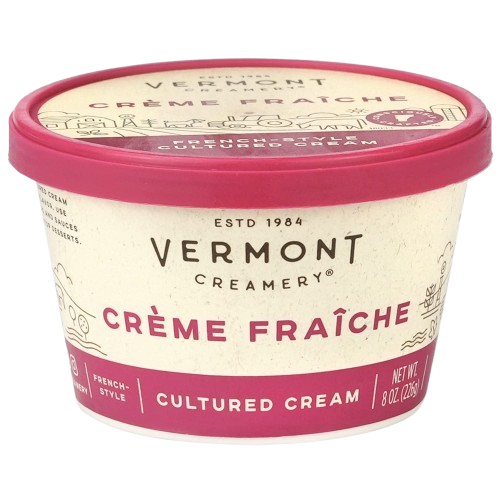
A 7.5 oz (212g) tub of Vermont Creamery Crème Fraîche contains 818 calories for the entire container. An 8 oz (227g) container of Bellwether Farms Crème Fraîche has 874 calories for the entire package. A 5.3 oz (150g) container of Liberté Crème Fraîche contains 579 calories for the whole tub. A 7 oz (198g) container of Kalona SuperNatural Organic Crème Fraîche provides 766 calories for the entire package.
What are the Health benefits of Creme Fraiche?
Crème fraîche provides some health benefits like supplying fat-soluble vitamins and offering some probiotics due to its nature as a cultured, high-fat cream. A list of the health benefits of crème fraîche are shown below.
- Source of Fat-Soluble Vitamins: As a concentrated dairy fat, crème fraîche is a rich source of Vitamin A. A 100g serving provides 396µg RAE of Vitamin A (44% DV), which is essential for vision, immune function, and cell growth.
- Contains Probiotics: Crème fraîche is a fermented product made by adding live bacterial cultures to cream. These cultures can function as probiotics, which support a healthy gut microbiome and may improve digestion. (Parvez, S., et al., 2006, "Probiotics and their fermented food products are beneficial for health").
- Provides Energy: Its very high fat content makes it an extremely calorie-dense food, providing a concentrated source of energy.
- Lower in Lactose Than Fresh Cream: The fermentation process used to make crème fraîche reduces the lactose content of the original cream. This may make it more tolerable for individuals with mild lactose intolerance compared to uncultured cream. (Vesa, T.H., et al., 2000, "Lactose intolerance").
- Enhances Flavor and Satiety: The rich, tangy flavor and high fat content of crème fraîche can enhance the palatability of a dish and contribute to feelings of fullness and satiety, which may help with appetite control when used in small amounts.
- Source of Some Calcium and Phosphorus: It provides some calcium (60mg per 100g, 6% DV) and phosphorus (50mg per 100g, 7% DV), minerals that are important for bone health.
- Versatile in Cooking: Unlike sour cream, crème fraîche does not curdle when heated, making it a stable and versatile ingredient for enriching hot sauces and soups.
What are the Downsides of Creme Fraiche?
Crème fraîche has been known to cause some unwanted effects like contributing to a very high intake of saturated fat and calories due to its composition as a high-fat dairy product. A list of the downsides of crème fraîche are shown below.
- Very High in Saturated Fat: The most significant downside is its high saturated fat content. A 100g serving contains 26g of saturated fat, which is 130% of the recommended Daily Value. Diets high in saturated fat are a primary risk factor for elevated LDL (bad) cholesterol and cardiovascular disease. (Sacks, F.M., et al., 2017, "Dietary Fats and Cardiovascular Disease: A Presidential Advisory From the American Heart Association").
- Extremely High in Calories: Crème fraîche is very calorie-dense due to its high fat content, with 386 calories per 100g. Regular or liberal use can easily contribute to a calorie surplus and lead to weight gain.
- Lactose Content: While reduced, it still contains lactose and can cause digestive issues for individuals with moderate to severe lactose intolerance.
- Low in Most Other Nutrients: Beyond fat and Vitamin A, crème fraîche is low in protein, fiber, and most vitamins and minerals. It is not a nutrient-dense food when considering its overall nutrient profile relative to its very high calorie count.
Is Creme Fraiche Good for You?
No, crème fraîche is generally not considered "good for you" in the context of being a health food for regular consumption. Its nutritional profile is dominated by high levels of calories and saturated fat. While it does provide a good amount of Vitamin A and contains some beneficial probiotics from the culturing process, these benefits do not outweigh the significant cardiovascular risks associated with a high intake of saturated fat. (Astrup, A., et al., 2020, "Saturated Fats and Health: A Reassessment and Proposal for Food-Based Recommendations: JACC State-of-the-Art Review"). The American Heart Association recommends strictly limiting saturated fat, and the amount in just a couple of tablespoons of crème fraîche can make up a substantial portion of the daily limit. (U.S. Department of Health and Human Services and U.S. Department of Agriculture, "Dietary Guidelines for Americans, 2020-2025"). Therefore, crème fraîche should be viewed as an indulgent ingredient to be used sparingly on special occasions, rather than a food that contributes positively to daily health.
How Many Ounces of Creme Fraiche Per Person is Recommended?
A person should consume crème fraîche in very small, condiment-sized portions, with a recommended serving size being 1 to 2 tablespoons (0.5 to 1 ounce or 15-30g). Crème fraîche is safe to eat when it is pasteurized and has been stored properly in the refrigerator. It is unsafe to eat if it is past its expiration date, shows signs of mold, or has an off smell, or if it is made from unpasteurized cream, which poses a risk of harmful bacteria for pregnant women and immunocompromised individuals.
There is no minimum required quantity, and the maximum quantity should be limited by its high calorie and saturated fat content. If a person eats too much crème fraîche, the primary risk is consuming excessive calories and saturated fat, which over time can lead to weight gain and an increased risk of high cholesterol and heart disease. Due to its richness, it is best eaten infrequently, perhaps once a week or less as part of a special dish.
How Do Calories Change According to Creme Fraiche Types?
The calorie content of crème fraîche changes significantly based on its fat percentage. Full-fat crème fraîche, which is the traditional and most common type, is the most calorie-dense, containing between 380 and 400 calories per 100g. This high caloric value is a direct result of its high fat content, which is typically between 30% and 45%. Light or low-fat crème fraîche is a much lower-calorie option, providing only 150 to 250 calories per 100g. This reduction is achieved by using a lighter cream or a blend of cream and milk, which substantially lowers the overall fat content of the final product. Flavored versions, such as herbed or spiced crème fraîche, will have a calorie count nearly identical to their plain base (full-fat or low-fat), as the herbs and spices themselves add a negligible number of calories. The highest calorie type is the full-fat version, while the lowest is the light or low-fat variety.
Is Creme Fraiche Healthier Than Clotted Cream?
Yes, crème fraîche is slightly healthier than clotted cream, although both are very high-fat, high-calorie dairy products that should be consumed in moderation. The main difference lies in their fat content and the presence of probiotics.
The crème fraîche macros per 100g are 386 calories, 2.2g of protein, 2.6g of carbohydrates, and 41g of fat (26g saturated). In comparison, clotted cream macros per 100g are 551 calories, 1.6g of protein, 2.2g of carbohydrates, and a much higher 58.6g of fat (37.1g saturated).
Crème fraîche is lower in total calories, total fat, and saturated fat than clotted cream. Additionally, as a cultured product, crème fraîche contains live probiotic cultures, which can offer benefits for gut health, a feature that clotted cream (which is heat-treated) does not have. While neither is considered a "health food," crème fraîche has a marginally better nutritional profile due to its lower fat and calorie density and the presence of probiotics.
Which Desserts Can You Make with Creme Fraiche?
Crème fraîche is a fantastic ingredient for creating sophisticated and rich desserts. Its tangy flavor beautifully balances sweetness, and its high fat content, which prevents it from curdling, makes it very versatile.
- Fresh Berries with a Dollop: This is the simplest and one of the best ways to enjoy it. Crème fraîche's thick, rich texture and tangy flavor provide a perfect contrast to the sweetness and acidity of fresh strawberries, raspberries, or blueberries.
- Crème Fraîche Cheesecake: Substituting some or all of the cream cheese with crème fraîche in a cheesecake recipe results in a lighter-textured, tangier, and more complexly flavored dessert than a standard American cheesecake.
- Fruit Tarts: It can be used as a base for a tart filling or as a final topping. Its stability means it will not become watery, and its tanginess cuts through the sweetness of the fruit and pastry.
- Mousse: Folding crème fraîche into a chocolate or fruit mousse adds richness and a subtle tangy note that balances the other flavors.
- Ice Cream: Using crème fraîche as a base for ice cream creates a wonderfully smooth and rich final product with a sophisticated, tangy flavor that is less sweet than traditional ice cream.
What is the Origin of Creme Fraiche?
The origin of crème fraîche is rooted in the dairy traditions of France, particularly in regions like Normandy, which is renowned for its high-quality cream. The name "crème fraîche" translates to "fresh cream" in English, which is somewhat misleading as it is a cultured or soured cream product. It was traditionally made by allowing unpasteurized heavy cream to sit out at room temperature. Naturally occurring bacteria in the cream would begin to ferment the lactose, causing the cream to thicken and develop a characteristic tangy, nutty, and slightly sour flavor. This process was a natural way of preserving cream for a longer period than fresh cream would last.
Today, commercial crème fraîche is made by pasteurizing heavy cream and then inoculating it with specific bacterial cultures to achieve a consistent flavor and texture. A classic and simple dish that highlights the culinary magic of crème fraîche is "Pan-Seared Salmon with a Dill and Crème Fraîche Sauce." In this dish, a fillet of salmon is seared, and a simple pan sauce is made by deglazing the pan and then stirring in crème fraîche, fresh dill, and perhaps a squeeze of lemon. A key characteristic of crème fraîche is that its high fat content and stable protein structure prevent it from curdling when heated, unlike sour cream. This allows it to create a smooth, rich, and creamy sauce that beautifully complements the richness of the salmon, a perfect example of its fundamental role in classic French sauce-making.
Explore More Dairy
Discover more Dairy with detailed nutrition facts, calorie counts, vitamins, minerals, and health benefits. Compare similar foods, serving sizes, macronutrients, and key nutrients to find the best option for your diet and nutrition goals.
 Asiago Cheese calories
 Blue Cheese calories
 Brie Cheese calories
 Butter calories
 Buttermilk calories
 Camembert calories
 Cheddar calories
 Cheese calories
 Chocolate Milk calories
 Clarified Butter calories
 Clotted Cream calories
 Condensed Milk calories