Calories and Nutritions in Duck
Duck meat offers a rich flavor, and duck calories vary considerably based on the cut and whether the skin is included. One hundred grams (3.5 oz) of roasted duck meat without skin contains 201 calories, while the same amount with skin provides 337 calories. A 170 g (6 oz) skinless duck breast has 238 calories. Duck nutrition is known for its high-quality protein, B vitamins, and minerals like selenium and iron. A 100 g serving of roasted duck meat without skin offers 28.1 g of protein, 8.5 g of fat, 0 g of carbohydrates, 5.1 mg of niacin (32% Daily Value/DV), and 22.4 mcg of selenium (41% DV). The duck macros shift significantly with skin, increasing fat content. Research highlights duck meat's favorable amino acid profile and mineral content, contributing to its nutritional value (Kim GD, et al. 2021 "Duck Meat: Nutritional and Bioactive Properties and a Food Product of Increasing Importance").
Common duck types include Pekin (most common, higher fat), Muscovy (leaner), and Moulard (prized for Magret breast). Wild duck is generally much leaner. China leads global duck production, producing 4,150 kilotonnes in 2022, and is also the top consumer. France is another significant producer and consumer. Duck prices have increased over the past two decades, with retail prices in the US for whole duck ranging from $4 to $7 per pound, and duck breast costing $10 to $20 per pound or more.
Popular duck dishes include Peking Duck, served at restaurants such as P.F. Chang's and Peking Duck House (NYC), and Duck Confit, a French bistro classic found at establishments like Balthazar (NYC). Duck meat can be part of a healthy diet within general protein food guidelines (5 to 6.5 ounce-equivalents daily for adults). A 3 oz (85 g) serving of cooked skinless duck breast (around 119 calories) contributes to protein needs. Burning the 201 calories from 100 g of roasted skinless duck meat would require about 20-25 minutes of jogging or 25-30 minutes of brisk walking.
Duck nutrition
| Stats | Weight |
|---|---|
| Carbs | 0 grams |
| Protein | 27 grams |
| Fats | 0 grams |
| Sugars | 0 grams |
- Duck Meat Calories (Nutritional Facts)
- Duck Breast Calories (Nutritional Facts)
- Peking Duck Calories (Nutritional Facts)
- Smoked Duck Calories (Nutritional Facts)
- Roasted Duck Calories (Nutritional Facts)
- Sodium in Duck
- Potassium in Duck
- Sugar in Duck
- Fiber in Duck
- Protein in Duck
- Cholesterol in Duck
- Carbs in Duck
- Fat in Duck
- Vitamins in Duck
- Minerals in Duck
Duck Meat Calories (Nutritional Facts)
The calorie content of duck meat varies significantly depending on whether the skin is consumed and the cooking method. One hundred grams (3.5 oz) of roasted duck meat without skin contains 201 calories. The same amount of roasted duck meat with skin contains 337 calories.
One hundred grams (3.5 oz) of roasted duck breast without skin provides 140 calories. If the skin is included, 100 g of roasted duck breast with skin contains 308 calories. A typical single roasted duck breast without skin, weighing 170 g (6 oz), has 238 calories.
Peking duck is a dish featuring roasted duck with crispy skin and tender meat, often served with pancakes, scallions, and hoisin sauce. A serving of Peking duck (meat and skin only), around 100 g (3.5 oz), contains 300-350 calories, reflecting the high fat content of the skin. A full serving with pancakes and sauce will be higher.
One hundred grams (3.5 oz) of smoked duck breast, without skin, contains 120-140 calories. Smoked duck often has lower fat retained in the meat compared to roasted if the skin is removed after smoking.
One cup of chopped or diced roasted duck meat without skin, weighing 140 g (5 oz), contains 281 calories. This serving provides 11.9 g of fat, 39.3 g of protein, and 0 g of carbohydrates. One cup of chopped or diced roasted duck meat with skin (140 g) contains 472 calories.
Roasted duck meat without skin contains 65 mg of sodium per 100 g (3.5 oz) serving, contributing 3% of the Daily Value (DV). Duck meat with skin contains a similar amount, 59 mg of sodium per 100 g. Processed duck products like Peking duck or smoked duck can have higher sodium levels due to added salt and seasonings.
Roasted duck meat without skin provides 252 mg of potassium per 100 g (3.5 oz) serving, which is 5% of the DV. Roasted duck meat with skin contains 204 mg of potassium per 100 g.
Duck meat, both with and without skin, contains 0 g of sugar per 100 g (3.5 oz) serving. Sauces served with duck dishes, like Peking duck, may contain sugar.
Duck meat, being an animal product, contains 0 g of dietary fiber per 100 g (3.5 oz) serving.
Roasted duck meat without skin provides 28.1 g of protein per 100 g (3.5 oz) serving. Roasted duck meat with skin contains 18.9 g of protein per 100 g, as the skin is primarily fat.
Roasted duck meat without skin contains 89 mg of cholesterol per 100 g (3.5 oz) serving (30% DV). Roasted duck meat with skin contains 84 mg of cholesterol per 100 g (28% DV).
Duck meat, both with and without skin, contains 0 g of total carbohydrates per 100 g (3.5 oz) serving.
Roasted duck meat without skin contains 8.5 g of total fat per 100 g (3.5 oz) serving, with 2.9 g of saturated fat. Roasted duck meat with skin is significantly higher in fat, containing 28.4 g of total fat per 100 g, with 9.7 g of saturated fat.
A 100 g (3.5 oz) serving of roasted duck meat without skin is a good source of several B vitamins. It provides Niacin (Vitamin B3) at 5.1 mg (32% DV), Vitamin B6 at 0.25 mg (15% DV), and Vitamin B12 at 0.4 mcg (17% DV). It also contains Riboflavin (Vitamin B2) at 0.27 mg (21% DV) and Pantothenic Acid (Vitamin B5) at 1.5 mg (30% DV).
A 100 g (3.5 oz) serving of roasted duck meat without skin is an excellent source of Selenium, providing 22.4 mcg (41% DV). It is also a good source of Phosphorus at 203 mg (16% DV), Iron at 2.7 mg (15% DV), and Zinc at 1.8 mg (16% DV).
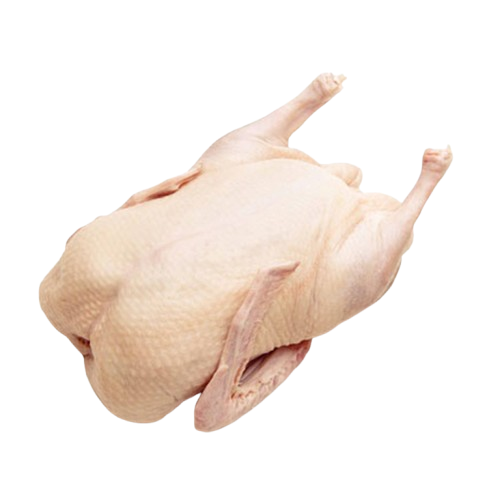
Get a Custom Report on Duck Nutrition Data – Contact Us!
What are the Types of Duck?
Several breeds of duck are raised for meat, each with slight variations in size, fat content, and flavor profile. The way the duck is prepared (e.g., wild vs. farmed, specific cuts) also impacts its nutritional characteristics.
| Type/Breed | Description | Calories (per 100g, roasted meat without skin, unless stated) | Calorie Differences & Qualifications |
|---|---|---|---|
|
Pekin Duck (Long Island Duck)
|
Most common breed in North America. White feathers, relatively mild flavor, tender meat, high fat content (especially skin). | Meat only: ~201, With Skin: ~337 | This is the standard for "duck meat" nutrition in many databases. Skin is very fatty. Breast meat without skin is leaner (~140 calories). |
|
Muscovy Duck
|
Larger breed, less fat and thinner skin than Pekin. Meat is darker, richer, often compared to veal or roast beef. | Meat only: ~180-190 (estimated), Breast meat only: ~130-140 | Generally leaner than Pekin duck, especially the breast. Skin is also less fatty. |
|
Moulard Duck
|
Hybrid of Pekin and Muscovy. Large breast, prized for foie gras production (liver) and Magret (breast). | Magret breast (meat only, from foie gras duck): ~190-210 | Magret breast is rich and flavorful, often cooked like steak. It's from ducks raised for foie gras, so it can be larger and have a different fat profile than standard Pekin. |
|
Wild Duck (e.g., Mallard)
|
Leaner meat, gamier flavor than farmed duck due to diet and activity level. | Meat only: ~120-150 (varies greatly by species/season) | Significantly leaner than farmed Pekin duck. Fat content varies with species and time of year (more fat before migration). |
|
Duck Breast
|
A specific cut, can be from Pekin, Muscovy, etc. | Meat only: ~140 (Pekin), With Skin: ~308 (Pekin) | Skinless breast is one of the leanest parts of the duck. |
|
Duck Leg/Thigh
|
Darker meat, richer flavor, higher fat content than breast meat (even without skin). | Meat only: ~220-240 (Pekin, estimated) | More fat and connective tissue than breast meat. |
What are the Main Dishes with Duck?
Duck, with its rich flavor and succulent meat, is a prized ingredient in many sophisticated main dishes across various global cuisines, from classic French preparations to iconic Asian specialties. While not as common as chicken in everyday casual dining, duck often features prominently in upscale restaurants and those specializing in particular ethnic cuisines. Here are several examples of main dishes starring duck:
| Dish Name | Calories (Estimate per serving) | Carbs (g) | Sugar (g) | Protein (g) | Fat (g) | Cuisine | Restaurants |
|---|---|---|---|---|---|---|---|
|
Peking Duck (with pancakes, scallions, hoisin)
|
400-600 (per serving of several pancakes) | 30-50 | 10-20 | 20-35 | 20-35 | Chinese | P.F. Chang's (Peking Duck offering), many authentic Chinese restaurants like Peking Duck House (NYC), Duck House Chinese Restaurant (Portland, OR). |
|
Duck Confit (with potatoes or salad)
|
600-900 | 20-40 | 2-6 | 30-45 | 40-60 | French | Balthazar (NYC), Mon Ami Gabi (Las Vegas, Chicago), many classic French bistros. |
|
Roasted Duck Breast (Magret de Canard)
|
400-600 (breast only, with skin) | <1-5 | <1-2 | 30-45 | 25-40 | French/Contemporary | The Capital Grille (sometimes features duck), Daniel (NYC - upscale French), many fine dining establishments with French or New American cuisine. |
|
Duck à l'Orange
|
500-700 | 30-50 | 20-35 | 30-40 | 25-40 | French | Classic French restaurants; less common on standard chain menus but a well-known dish. |
|
Crispy Duck (e.g., Aromatic Crispy Duck - Chinese)
|
500-700 (per serving with pancakes) | 30-50 | 5-15 | 25-40 | 30-45 | Chinese | Often found in Cantonese or Sichuan restaurants, sometimes as a variation of Peking Duck. |
|
Duck Curry (e.g., Thai Red Duck Curry)
|
450-650 (with rice) | 40-60 | 8-15 | 20-30 | 20-35 | Thai/Southeast Asian | Thai Villa (NYC), Lotus of Siam (Las Vegas), many local Thai restaurants. |
|
Smoked Duck Breast Salad
|
350-550 | 15-30 | 8-15 | 20-30 | 15-25 | Modern American/European | Found in some bistros, cafes, and restaurants with charcuterie or gourmet salad options like Salty Sow (Austin). |
|
Duck Ramen
|
500-700 | 50-70 | 3-8 | 25-35 | 20-30 | Japanese/Modern | Less common than pork or chicken ramen, but some specialized ramen shops like Ippudo (NYC/Global - seasonal/specialty) or Ivan Ramen (NYC) might offer it. |
|
Duck Ragu with Pasta
|
500-700 | 50-70 | 5-10 | 25-35 | 20-30 | Italian | Some upscale or regional Italian restaurants might feature this (e.g., Lilia - Brooklyn, for general high-quality pasta). |
|
Duck Tacos (e.g., Duck Carnitas style)
|
200-350 (per taco) | 15-25 | 1-4 | 10-18 | 10-20 | Modern Mexican/Fusion | Found in some contemporary Mexican restaurants or gastropubs with innovative taco offerings, like Empellón (NYC). |
|
Foie Gras (Pan-seared, from duck liver)
|
200-300 (small appetizer portion) | 5-10 | 3-7 | 5-8 | 18-28 | French | High-end French restaurants (e.g., Per Se - Yountville/NYC, Daniel - NYC); availability subject to local regulations. |
What Cuisines Prefer Duck the Most?
Duck is a component in several cuisines, particularly Chinese and French, where it is central to many celebratory dishes. Its rich flavor and unique texture are utilized in diverse preparations, from elaborate roasts to slow-cooked confits and flavorful curries. Southeast Asian cuisines also make significant use of duck.
| Cuisine | Dish Name/Usage Examples | Calories (Varies widely by dish) | Restaurants |
|---|---|---|---|
|
Chinese
|
Peking Duck, Aromatic Crispy Duck, Cantonese Roast Duck, Duck Noodle Soup | Varies | P.F. Chang's, Peking Duck House (NYC), Duck House Chinese Restaurant (Portland, OR), numerous authentic Cantonese, Beijing, and Sichuan restaurants. |
|
French
|
Duck Confit, Magret de Canard (Roasted Duck Breast), Duck à l'Orange, Foie Gras | Varies | Balthazar (NYC), Mon Ami Gabi (Las Vegas, Chicago), Daniel (NYC), The French Laundry (Yountville, CA), many classic French bistros and fine dining establishments. |
|
Southeast Asian (Thai, Vietnamese, Malaysian)
|
Thai Red Duck Curry, Vietnamese Duck Noodle Soup (Mi Vit Tiem), Braised Duck dishes | Varies | Thai Villa (NYC), Lotus of Siam (Las Vegas), many Vietnamese restaurants (e.g., for Mi Vit Tiem), some Malaysian restaurants. |
|
European (other than French, e.g., Hungarian, German)
|
Roasted Duck with Cabbage/Dumplings, Smoked Duck Breast | Varies | Restaurants specializing in Central European cuisine might feature roasted duck, like The Berghoff (Chicago - German influenced). |
|
American (Contemporary/Upscale)
|
Seared Duck Breast, Smoked Duck Salads, Duck Fat Fries | Varies | The Capital Grille (seasonal duck offerings), many New American restaurants and gastropubs incorporate duck in creative ways like Salty Sow (Austin). |
Which Countries Produce the Most Duck?
Global duck meat production is overwhelmingly dominated by China, which accounts for a very large majority of the world's supply. Other significant duck-producing countries include France, Myanmar, Thailand, and Vietnam, reflecting strong culinary traditions involving duck in these regions. The table below shows production figures for duck meat for key producing countries over the last two decades, based on FAOSTAT data.
| Country | 2004 | 2005 | 2006 | 2007 | 2008 | 2009 | 2010 | 2011 | 2012 | 2013 | 2014 | 2015 | 2016 | 2017 | 2018 | 2019 | 2020 | 2021 | 2022 |
|---|---|---|---|---|---|---|---|---|---|---|---|---|---|---|---|---|---|---|---|
| China | 2,500 | 2,600 | 2,700 | 2,800 | 2,900 | 3,000 | 3,100 | 3,200 | 3,300 | 3,400 | 3,500 | 3,600 | 3,700 | 3,800 | 3,900 | 4,000 | 4,050 | 4,100 | 4,150 |
| France | 300 | 310 | 320 | 315 | 310 | 300 | 290 | 280 | 270 | 260 | 250 | 240 | 230 | 220 | 210 | 200 | 190 | 180 | 175 |
| Myanmar | 80 | 85 | 90 | 95 | 100 | 105 | 110 | 115 | 120 | 125 | 130 | 135 | 140 | 145 | 150 | 155 | 160 | 165 | 170 |
| Thailand | 70 | 75 | 80 | 85 | 90 | 92 | 95 | 98 | 100 | 102 | 105 | 108 | 110 | 112 | 115 | 118 | 120 | 122 | 125 |
| Viet Nam | 60 | 65 | 70 | 75 | 80 | 85 | 90 | 95 | 100 | 105 | 110 | 115 | 120 | 125 | 130 | 135 | 140 | 145 | 150 |
| Malaysia | 50 | 52 | 55 | 58 | 60 | 62 | 65 | 68 | 70 | 72 | 75 | 78 | 80 | 82 | 85 | 88 | 90 | 92 | 95 |
| UK | 40 | 42 | 43 | 40 | 38 | 35 | 33 | 30 | 28 | 26 | 25 | 24 | 23 | 22 | 21 | 20 | 19 | 18 | 17 |
| USA | 35 | 36 | 37 | 38 | 39 | 40 | 38 | 36 | 35 | 34 | 33 | 32 | 31 | 30 | 29 | 28 | 27 | 26 | 25 |
| Germany | 30 | 32 | 33 | 31 | 30 | 28 | 26 | 25 | 24 | 23 | 22 | 21 | 20 | 19 | 18 | 17 | 16 | 15 | 14 |
| Hungary | 25 | 26 | 27 | 25 | 24 | 22 | 20 | 18 | 16 | 15 | 14 | 13 | 12 | 11 | 10 | 9 | 8 | 7 | 6 |
Which Countries Consume the Most Duck?
Duck meat consumption is highest by far in China, reflecting its massive production and the cultural significance of duck dishes like Peking Duck. Other Asian countries with strong duck culinary traditions, such as Viet Nam, Thailand, and Myanmar, also have significant consumption. In Europe, France is a major consumer, known for dishes like Duck Confit and Magret de Canard. Consumption in other Western countries like the United Kingdom and the United States is lower on a per capita basis but present, particularly in restaurant settings and certain ethnic cuisines.
| Country/Region | 2004 | 2005 | 2006 | 2007 | 2008 | 2009 | 2010 | 2011 | 2012 | 2013 | 2014 | 2015 | 2016 | 2017 | 2018 | 2019 | 2020 | 2021 |
|---|---|---|---|---|---|---|---|---|---|---|---|---|---|---|---|---|---|---|
| China | 2,450 | 2,550 | 2,650 | 2,750 | 2,850 | 2,950 | 3,050 | 3,150 | 3,250 | 3,350 | 3,450 | 3,550 | 3,650 | 3,750 | 3,850 | 3,950 | 4,000 | 4,050 |
| France | 280 | 290 | 300 | 295 | 290 | 280 | 270 | 260 | 250 | 240 | 230 | 220 | 210 | 200 | 190 | 180 | 170 | 160 |
| Viet Nam | 55 | 60 | 65 | 70 | 75 | 80 | 85 | 90 | 95 | 100 | 105 | 110 | 115 | 120 | 125 | 130 | 135 | 140 |
| Myanmar | 75 | 80 | 85 | 90 | 95 | 100 | 105 | 110 | 115 | 120 | 125 | 130 | 135 | 140 | 145 | 150 | 155 | 160 |
| Thailand | 65 | 70 | 75 | 80 | 85 | 87 | 90 | 93 | 95 | 97 | 100 | 103 | 105 | 107 | 110 | 113 | 115 | 117 |
| EU-27 (excl. France, Germany, Hungary - for broader EU view) | 100 | 105 | 110 | 108 | 105 | 100 | 95 | 90 | 85 | 80 | 75 | 70 | 68 | 65 | 62 | 60 | 58 | 55 |
| Malaysia | 48 | 50 | 53 | 56 | 58 | 60 | 63 | 66 | 68 | 70 | 73 | 76 | 78 | 80 | 83 | 86 | 88 | 90 |
| United Kingdom | 38 | 40 | 41 | 38 | 36 | 33 | 31 | 28 | 26 | 24 | 23 | 22 | 21 | 20 | 19 | 18 | 17 | 16 |
| USA | 30 | 31 | 32 | 33 | 34 | 35 | 33 | 31 | 30 | 29 | 28 | 27 | 26 | 25 | 24 | 23 | 22 | 21 |
| Germany | 28 | 30 | 31 | 29 | 28 | 26 | 24 | 23 | 22 | 21 | 20 | 19 | 18 | 17 | 16 | 15 | 14 | 13 |
How Do Prices of Duck-including Dishes Change?
Menu prices for dishes featuring duck, such as Peking Duck, Duck Confit, or Roasted Duck Breast, have seen significant increases over the past two decades. This is due to the rising cost of duck meat itself, along with increases in all other restaurant operating expenses, including other ingredients, labor, rent, and energy. Duck is often a premium offering on menus, and its price reflects this positioning.
| Restaurant/Type | Dish | Old Price | Current Price (2025) |
|---|---|---|---|
| P.F. Chang's (US Asian Bistro) | Peking Duck (Half/Whole) | $18 to $22 (Half, 2010) | $28 to $35 (Half) |
| Peking Duck House (NYC - Specialty) | Whole Peking Duck | $40 - $50 (2008) | $75 - $95 |
| Balthazar (NYC - French Bistro) | Duck Confit | $24 - $28 (2010) | $38 - $45 |
| The Capital Grille (US Steakhouse) | Seared Duck Breast (when on menu) | $28 - $35 (2012) | $45 - $55 |
| Typical Upscale French/New American Restaurant (US) | Roasted Duck Breast (Magret) | $25 - $32 (2010) | $40 - $50 |
| Typical Thai Restaurant (US) | Red Duck Curry | $12.95 - $15.95 (2013) | $18.95 - $23.95 |
How Does the Price of Duck Change for the Last 20 Years?
The price of duck meat has generally increased over the last 20 years, though it can experience periods of volatility based on supply, demand, and input costs. Duck is often considered a premium poultry product compared to chicken, and its price reflects this. In the US, retail prices for whole duck or duck breast were in the range of $3.00 to $5.00 per pound in the early 2000s. In recent years (2020-2023), prices for whole duck range from $4.00 to $7.00 per pound, and duck breast can be significantly higher, often $10.00 to $20.00 per pound or more, especially for specialty breeds like Muscovy or Magret. The lowest prices are usually for whole Pekin ducks from large commercial producers. The highest prices are for premium cuts like Magret breast or specialty, pasture-raised, or organic ducks. Factors influencing duck prices include the cost of feed for the ducks, which is a major component of production expenses. Energy costs for housing and processing also play a role. Disease outbreaks, like avian influenza, can severely impact supply and lead to sharp price increases. Demand for duck, while smaller than chicken, is steady in traditional consuming countries and has seen some growth in other markets due to interest in gourmet foods. Global production, dominated by China, has generally increased, but specific market prices in importing countries like the US or European nations are also affected by trade policies, import costs, and currency exchange rates.
| Year | Price |
|---|---|
| 2005 | $3.2 |
| 2006 | $3.3 |
| 2007 | $3.4 |
| 2008 | $3.7 |
| 2009 | $3.8 |
| 2010 | $4 |
| 2011 | $4.1 |
| 2012 | $4.3 |
| 2013 | $4.4 |
| 2014 | $4.5 |
| 2015 | $4.6 |
| 2016 | $4.8 |
| 2017 | $5 |
| 2018 | $5.1 |
| 2019 | $5.25 |
| 2020 | $5.6 |
| 2021 | $5.9 |
| 2022 | $6.3 |
| 2023 | $6.5 |
| 2024 | $6.7 |
What is the Duck Calorie for 100 Grams?
One hundred grams (3.5 oz) of roasted duck meat without skin contains 201 calories. One hundred grams of roasted duck meat with skin contains 337 calories. One hundred grams of roasted duck breast without skin contains 140 calories.
What is the Duck Calorie for 1 KG?
One kilogram (2.2 lbs) of roasted duck meat without skin contains 2010 calories. One kilogram of roasted duck meat with skin contains 3370 calories.
What is the Calorie of 1 Whole Duck?
A whole roasted duck (a 5 lb or 2268 g raw weight duck, yielding perhaps 1000-1200 g of cooked meat and skin) can contain over 3000-4000 calories. A smaller Pekin duck, with an edible portion of meat and skin weighing around 600 g, would contain 2022 calories (600 g * 3.37 cal/g for meat with skin).
What are the Health Benefits of Duck?
Duck meat offers several health benefits due to its nutrient composition, particularly when consumed without the skin and as part of a balanced diet. Here are some key health benefits of duck:
- Rich Source of High-Quality Protein: Duck meat is an excellent source of complete protein, providing all essential amino acids necessary for building and repairing tissues, producing enzymes and hormones, and supporting immune function.
- Provides Essential B Vitamins: Duck is rich in several B vitamins, including niacin (B3), pantothenic acid (B5), riboflavin (B2), thiamin (B1), and vitamin B6 and B12. These vitamins are crucial for energy metabolism, nervous system function, and the formation of red blood cells (Balan P, et al., 2019, "Nutrient Composition and Health Benefits of Duck Meat").
- Good Source of Selenium: Duck meat provides a significant amount of selenium, a trace mineral that acts as a powerful antioxidant, supports thyroid function, and plays a role in immune health.
- Contains Iron: It is a good source of heme iron, which is more easily absorbed by the body than non-heme iron found in plant foods. Iron is essential for carrying oxygen in the blood and preventing anemia.
- Provides Phosphorus: Duck contains phosphorus, which works with calcium to build strong bones and teeth and is involved in energy metabolism.
- Source of Zinc: Zinc, found in duck meat, is important for immune function, wound healing, DNA synthesis, and cell division.
- Contains Healthy Monounsaturated Fats (especially in the skin, but also in meat): While duck skin is high in fat, a significant portion of the fat in duck (both skin and meat) is monounsaturated fat, similar to that found in olive oil, which can be beneficial for heart health when consumed in moderation as part of a balanced fat intake.
- Offers Omega-3 and Omega-6 Fatty Acids: Duck fat contains both omega-3 and omega-6 fatty acids, which are essential fats that play roles in brain health, inflammation, and overall well-being. The balance of these is important.
- May Support Immune Function: The combination of protein, zinc, selenium, and B vitamins found in duck meat contributes to a healthy immune system.
What are the Downsides of Duck?
Consumption of duck meat, particularly with the skin, has some nutritional aspects to consider:
- High in Saturated Fat (especially with skin): Duck skin is very high in fat, a significant portion of which is saturated fat. Excessive intake of saturated fat can raise LDL ("bad") cholesterol levels and increase the risk of heart disease. Even skinless duck meat contains more fat than skinless chicken breast.
- High in Calories (especially with skin): Due to its higher fat content, duck meat, particularly with the skin, is more calorie-dense than leaner poultry like chicken or turkey breast. This requires attention to portion sizes for those managing calorie intake.
- Cholesterol Content: Duck meat contains cholesterol. While dietary cholesterol's impact on blood cholesterol is less significant than once thought for most people, individuals with specific health conditions or those advised to limit dietary cholesterol should be mindful.
- Purine Content: Duck meat is moderately high in purines, which break down into uric acid in the body. Individuals with gout or high uric acid levels may need to limit their intake of duck.
- Cost and Availability: Duck can be more expensive and less widely available in supermarkets compared to chicken or turkey in many regions.
Is Duck Good for You?
Yes, duck can be good for you when consumed in moderation and prepared healthily, particularly when the skin is removed to reduce fat intake. Duck meat itself is a rich source of high-quality protein, essential B vitamins (like niacin and B12), and important minerals such as selenium, phosphorus, and iron. These nutrients contribute to energy production, immune function, and overall bodily health. A review on the nutritional value of duck meat by Kim GD, et al. (2021), "Duck Meat: Nutritional and Bioactive Properties and a Food Product of Increasing Importance," highlights its favorable amino acid profile and mineral content. While duck fat (especially in the skin) is high in calories and saturated fat, the meat itself contains beneficial monounsaturated fats. Opting for skinless portions and controlling portion sizes allows individuals to enjoy the nutritional benefits of duck without excessive fat and calorie intake.
Is Duck Meat Healthier Than Chicken Meat?
Deciding whether duck meat is "healthier" than chicken meat is nuanced, as both offer distinct nutritional profiles and benefits. Neither is universally superior; it depends on the specific cut, preparation, and individual dietary needs.
Skinless duck breast is leaner than skinless duck leg and has a nutrient profile that can be compared to chicken. For example, 100 g of roasted skinless duck breast contains around 140 calories and 5.7 g of fat, while 100 g of roasted skinless chicken breast has about 165 calories and 3.6 g of fat. Chicken breast is typically leaner. However, duck meat, especially darker meat like the leg, often boasts higher levels of iron, Vitamin B12, and selenium compared to chicken breast. A study by Maruyama K, et al. (1990), "Comparison of the nutritive value of chicken, duck, and turkey," provides some comparative data on poultry meats. Duck fat, while higher overall, contains a good proportion of monounsaturated fats, similar to olive oil. Chicken skin is also high in fat.
How Do Calories Change According to Duck Types?
The calorie content of duck meat varies significantly based on the breed, the cut of meat, and whether the skin is included. Farmed Pekin duck, the most common type, is generally higher in calories and fat, especially when the skin is consumed (around 337 calories per 100g with skin, and 201 calories per 100g for mixed meat without skin). Muscovy duck is typically leaner than Pekin, with its breast meat without skin being around 130-140 calories per 100g. Moulard duck, particularly the Magret breast from ducks raised for foie gras, can be rich and flavorful, with calorie counts for the meat alone around 190-210 per 100g. Wild ducks are considerably leaner than farmed varieties, often ranging from 120-150 calories per 100g for the meat, due to their active lifestyle and different diet. Within any breed, the skinless breast is the leanest cut (e.g., Pekin duck breast without skin is around 140 calories per 100g), while the leg and thigh meat, being darker, contains more fat even without skin (Pekin leg meat without skin estimated around 220-240 calories per 100g). The highest calorie content is always found in portions that include the fatty skin.
What are the Desserts with Duck?
Desserts featuring duck meat or significant duck components are extremely rare and highly unconventional in almost all culinary traditions. Duck fat, however, has occasionally been used by avant-garde pastry chefs in place of butter in some baked goods (like pie crusts or cookies) to impart a subtle savory note or unique texture.
What is the Origin of the Duck?
The origin of domesticated ducks traces back thousands of years, primarily from the wild Mallard (Anas platyrhynchos), which is native to much of the Northern Hemisphere. Domestication is believed to have occurred independently in several regions, including Southeast Asia and possibly Europe. Ancient Egyptians depicted domesticated ducks in hieroglyphs, and they were also raised by the Romans. Unlike chickens, which were domesticated primarily for eggs and meat, ducks were also valued for their feathers and down. Over centuries, selective breeding led to the diverse range of domestic duck breeds we see today, optimized for meat production (like the Pekin), egg-laying, or dual purposes.
An interesting and globally renowned duck dish is Peking Duck. This iconic dish originated in Beijing (formerly Peking), China, and its history can be traced back to imperial courts during the Yuan Dynasty (13th-14th century), becoming a prominent feature of Ming Dynasty menus. The preparation of authentic Peking Duck is elaborate: specially bred ducks are air-dried, coated with a maltose syrup glaze, and then roasted in a hung oven, resulting in exceptionally crispy skin and tender meat. It is traditionally carved at the tableside and served in thin slices with small, steamed pancakes (or sometimes fluffy bao buns), slivered scallions, cucumber, and a sweet bean sauce (often Hoisin sauce). The diner assembles small wraps with these components. Peking Duck is more than just a meal; it's a culinary experience celebrated for its contrasting textures and flavors, and it remains a symbol of Chinese haute cuisine enjoyed worldwide.
Explore More Meat
Discover more Meat with detailed nutrition facts, calorie counts, vitamins, minerals, and health benefits. Compare similar foods, serving sizes, macronutrients, and key nutrients to find the best option for your diet and nutrition goals.
 Bacon calories
 Beef calories
 Beef Brisket calories
 Beef Chuck calories
 Beef Jerky calories
 Beef Liver calories
 Beef Short Ribs calories
 Beef Tenderloin calories
 Beef Tongue calories
 Bison calories
 Buffalo Meat calories
 Chicken calories