Calories and Nutritions in Duck Liver
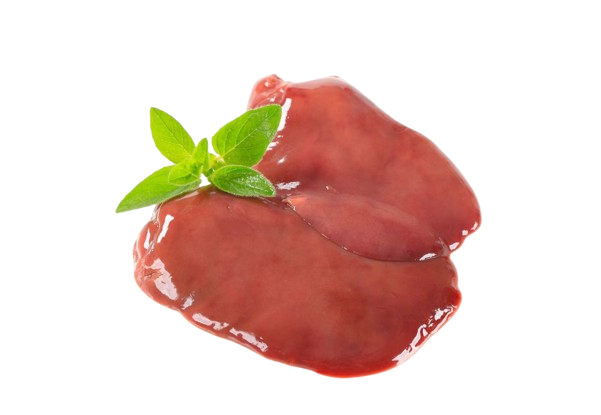
Duck liver is a rich organ meat used as a central ingredient in French Salade Landaise, Hungarian Libamáj, and Chinese braised dishes. A 100g serving of pan-seared liver contains 175 calories but energy values fluctuate based on preparation and size. A small serving (28g) of raw duck liver provides 49 calories, while a single raw organ (44g) has 60 calories. Lean duck liver (raw) contains 136 calories per 100g, while foie gras provides 462 calories per 100g.
A detailed examination of duck liver nutrition reveals a dense source of high-quality protein and essential vitamins. A 100g serving of cooked duck liver provides 26g of protein, 6.4g of fat, 4.8g of carbohydrates, and zero dietary fiber. The macronutrient profile changes significantly with foie gras, where the fat content rises to 43.8g per 100g serving due to the induced steatosis. Duck liver benefits stem from the high concentration of micronutrients, specifically Vitamin A, which supplies over 1700% of the Daily Value per 100g to support vision. Duck liver also serves as a potent source of heme iron (217% DV) and Vitamin B12 (2917% DV), aiding in oxygen transport and nerve function. Copper is also present at 889% of the Daily Value per 100g.
Global supply of duck liver depends on specialized poultry farming in France, Hungary, and China, which lead international production. These nations export to major consumer markets including France, Japan, and Belgium, where the ingredient features prominently in fine dining. Economic pressures such as avian influenza and rising feed costs have driven market values upward, and wholesale prices for Grade A duck liver increased from $35.00 per pound in the early 2000s to retail figures reaching as high as $95.00 per pound in 2024. Menu pricing reflects this trend, as a Terrine of Duck Foie Gras at Caviar Lover moved from $42.00 to between $48.50 and $52.00 in 2024.
Duck liver is valued for a rich flavor profile and the ability to prevent nutritional deficiencies through high levels of retinol and cobalamin. Dietitians advise consuming this food in moderation, especially the fattened varieties, due to the high cholesterol content. A 100g portion of pan-seared duck liver contains 175 calories, which necessitates 18 minutes of running or 23 minutes of swimming to burn.
Duck Liver nutrition
| Stats | Weight |
|---|---|
| Carbs | 4.1 grams |
| Protein | 22.1 grams |
| Fats | 0 grams |
| Sugars | 0 grams |
- Large Duck Liver Calories (Nutritional Facts)
- Medium Duck Liver Calories (Nutritional Facts)
- Small Duck Liver Calories (Nutritional Facts)
- Foie Gras Calories (Nutritional Facts)
- Pan-fried Duck Liver Calories (Nutritional Facts)
- Sauteed Duck Liver Calories (Nutritional Facts)
- Raw Duck Liver Nutrition
- Sodium in Duck Liver
- Potassium in Duck Liver
- Sugar in Duck Liver
- Fiber in Duck Liver
- Protein in Duck Liver
- Carbs in Duck Liver
- Fat in Duck Liver
- Vitamins in Duck Liver
- Iron in Duck Liver
- Minerals in Duck Liver
Large Duck Liver Calories (Nutritional Facts)
A large serving of pan-seared duck liver (100g or 3.5oz) contains 175 calories, 26g of protein, 6.4g of fat, 4.8g of carbohydrates, 0g of fiber, 0g of sugar, and 195mg of sodium.
A medium serving of pan-seared duck liver (85g or 3oz) provides 149 calories, 22.1g of protein, 5.4g of fat, 4.1g of carbohydrates, 0g of fiber, 0g of sugar, and 166mg of sodium.
A small serving of pan-seared duck liver (28g or 1oz) contains 49 calories, 7.3g of protein, 1.8g of fat, 1.3g of carbohydrates, 0g of fiber, 0g of sugar, and 55mg of sodium.
A serving of canned smoked foie gras (13g or 1 tbsp) contains 60 calories, 1.5g of protein, 5.7g of fat, 0.6g of carbohydrates, 0g of fiber, 0g of sugar, and 91mg of sodium.
A serving of pan-fried duck liver (100g or 3.5oz) contains 175 calories, 26g of protein, 6.4g of fat, 4.8g of carbohydrates, 0g of fiber, 0g of sugar, and 195mg of sodium. The direct heat cooking method concentrates the nutrients by reducing moisture content.
A serving of sauteed duck liver prepared with butter (100g or 3.5oz) provides 185 calories, 25g of protein, 8g of fat, 5g of carbohydrates, 0g of fiber, 0g of sugar, and 210mg of sodium.
A single raw duck liver (44g) contains 60 calories, 8.2g of protein, 2g of fat, 1.6g of carbohydrates, 0g of fiber, 0g of sugar, and 62mg of sodium.
A single raw duck liver (44g) contains 62mg of sodium (3% DV). A serving of canned smoked foie gras (13g) provides 91mg of sodium (4% DV). A large serving of pan-seared duck liver (100g) contains 195mg of sodium (8% DV). A medium serving of pan-seared duck liver (85g) has 166mg of sodium (7% DV). A small serving of pan-seared duck liver (28g) contains 55mg of sodium (2% DV).
A single raw duck liver (44g) contains 101mg of potassium (2% DV). A serving of canned smoked foie gras (13g) provides 18mg of potassium (0% DV). A large serving of pan-seared duck liver (100g) contains 350mg of potassium (7% DV). A medium serving of pan-seared duck liver (85g) has 298mg of potassium (6% DV). A small serving of pan-seared duck liver (28g) contains 98mg of potassium (2% DV).
A single raw duck liver (44g) contains 0g of sugar. A serving of canned smoked foie gras (13g) provides 0g of sugar. A large serving of pan-seared duck liver (100g) contains 0g of sugar. A medium serving of pan-seared duck liver (85g) has 0g of sugar. A small serving of pan-seared duck liver (28g) contains 0g of sugar.
A single raw duck liver (44g) provides 0g of dietary fiber (0% DV). A serving of canned smoked foie gras (13g) contains 0g of fiber (0% DV). A large serving of pan-seared duck liver (100g) provides 0g of dietary fiber (0% DV). A medium serving of pan-seared duck liver (85g) has 0g of fiber (0% DV). A small serving of pan-seared duck liver (28g) contains 0g of fiber (0% DV).
A single raw duck liver (44g) provides 8.2g of protein (16% DV). A serving of canned smoked foie gras (13g) contains 1.5g of protein (3% DV). A large serving of pan-seared duck liver (100g) provides 26g of protein (52% DV). A medium serving of pan-seared duck liver (85g) has 22.1g of protein (44% DV). A small serving of pan-seared duck liver (28g) contains 7.3g of protein (15% DV).
A single raw duck liver (44g) contains 1.6g of carbohydrates (1% DV). A serving of canned smoked foie gras (13g) provides 0.6g of carbohydrates (0% DV). A large serving of pan-seared duck liver (100g) contains 4.8g of carbohydrates (2% DV). A medium serving of pan-seared duck liver (85g) has 4.1g of carbohydrates (1% DV). A small serving of pan-seared duck liver (28g) contains 1.3g of carbohydrates (0% DV).
A single raw duck liver (44g) contains 2g of total fat (3% DV). A serving of canned smoked foie gras (13g) provides 5.7g of total fat (7% DV). A large serving of pan-seared duck liver (100g) contains 6.4g of total fat (8% DV). A medium serving of pan-seared duck liver (85g) has 5.4g of total fat (7% DV). A small serving of pan-seared duck liver (28g) contains 1.8g of total fat (2% DV).
A single raw duck liver (44g) provides 2mg of Vitamin C (2% DV). A serving of canned smoked foie gras (13g) contains 130mcg of Vitamin A (14% DV) and 1.22mcg of Vitamin B12 (51% DV). A large serving of pan-seared duck liver (100g) provides 16000mcg of Vitamin A (1778% DV) and 70mcg of Vitamin B12 (2917% DV).
A single raw duck liver (44g) provides 13.4mg of iron (75% DV). A serving of canned smoked foie gras (13g) contains 0.7mg of iron (4% DV). A large serving of pan-seared duck liver (100g) provides 39mg of iron (217% DV).
A single raw duck liver (44g) provides 118mg of phosphorus (9% DV) and 4.8mg of calcium (0% DV). A serving of canned smoked foie gras (13g) contains 5.7mcg of selenium (10% DV) and 0.05mg of copper (6% DV). A large serving of pan-seared duck liver (100g) provides 8mg of copper (889% DV).
Get a Custom Report on Duck Liver Nutrition Data – Contact Us!
What are the Types of Duck Livers?
The types of duck liver are Raw (Lean), Pan-Seared (Cooked), Foie Gras (Fattened), and Pâté/Mousse (Processed). These variations differ based on the farming method and processing technique applied to the organ meat. The table below outlines the characteristics of each category.
| Type | Description | Calories (Per 100g) | Calorie Qualifications |
|---|---|---|---|
|
Raw Duck Liver (Lean)
|
Unprocessed organ meat from a standard duck. | 136 | The calorie count reflects the natural protein and low fat content of the lean organ. |
|
Pan-Seared Duck Liver
|
Cooked lean liver without added fat. | 175 | The cooking process reduces moisture, slightly increasing caloric density per gram. |
|
Foie Gras (Fattened)
|
Liver from a specially fattened duck (gavage). | 462 | The forced feeding process creates a fatty liver with extremely high lipid density. |
|
Duck Liver Mousse
|
Processed emulsion of liver, fat, and spices. | 350 - 450 | The addition of cream or fat fillers increases the calorie count compared to lean liver. |
What are the Main Dishes With Duck Liver?
Duck liver serves as a centerpiece protein or a luxurious topping in steak and poultry dishes across French and fine dining cuisines. The high fat content allows the meat to melt and provide richness. The table below displays savory dishes that utilize duck liver.
| Dish Name | Calories (Estimate) | Type of Dish | Carbs (g) (Estimate) | Sugar (g) (Estimate) | Protein (g) (Estimate) | Fat (g) (Estimate) | Cuisine | Restaurants |
|---|---|---|---|---|---|---|---|---|
|
Seared Foie Gras with Balsamic
|
550 | Appetizer/Main | 15 | 8 | 12 | 48 | French | Le Bernardin (New York, NY) |
|
Tournedos Rossini
|
850 | Steak Entree | 25 | 2 | 55 | 60 | French | La Grenouille (New York, NY) |
|
Duck Liver Terrine
|
450 | Cold Appetizer | 8 | 2 | 10 | 42 | French | The French Laundry (Yountville, CA) |
|
Foie Gras Burger
|
950 | Burger | 45 | 6 | 40 | 70 | American Fusion | Burger & Lobster (New York, NY) |
|
Pâté de Canard
|
380 | Spread | 5 | 1 | 12 | 35 | French | Les Halles (New York, NY) |
|
Salade Landaise
|
600 | Warm Salad | 10 | 2 | 25 | 50 | French (Gascon) | Benoit (New York, NY) |
|
Dirty Rice with Duck Liver
|
400 | Rice Dish | 45 | 2 | 15 | 18 | Cajun/Creole | Commander's Palace (New Orleans, LA) |
|
Sautéed Duck Livers with Onions
|
350 | Sauté | 12 | 6 | 28 | 20 | Jewish/French | Sammy's Roumanian (New York, NY) |
|
Duck Liver Mousse Toast
|
280 | Appetizer | 20 | 2 | 8 | 18 | New American | The Spotted Pig (New York, NY) |
|
Duck Liver Parfait
|
420 | Spread | 6 | 3 | 10 | 38 | British/French | The Breslin (New York, NY) |
|
Braised Duck Liver
|
300 | Braised Dish | 8 | 4 | 20 | 22 | Chinese | Great NY Noodletown (New York, NY) |
|
Squab with Duck Liver Stuffing
|
700 | Poultry Entree | 15 | 2 | 45 | 50 | French | Daniel (New York, NY) |
|
Duck Liver Ravioli
|
500 | Pasta | 40 | 2 | 18 | 30 | Italian Fusion | Marea (New York, NY) |
|
Foie Gras Sushi (Nigiri)
|
180 | Sushi | 15 | 2 | 4 | 12 | Japanese Fusion | Sushi of Gari (New York, NY) |
|
Poutine with Foie Gras
|
1200 | Potato Dish | 85 | 4 | 25 | 80 | Canadian | Au Pied de Cochon (Montreal/Global) |
What are Desserts With Duck Liver?
Duck liver appears in avant-garde and high-end desserts, utilizing the rich, buttery texture of foie gras to complement sweet elements like fruit and chocolate. The following table outlines sweet dishes that incorporate duck liver.
| Dish Name | Calories (Estimate) | Type of Dish | Carbs (g) (Estimate) | Sugar (g) (Estimate) | Protein (g) (Estimate) | Fat (g) (Estimate) | Cuisine | Restaurants |
|---|---|---|---|---|---|---|---|---|
|
Foie Gras Macaron
|
180 | Pastry | 15 | 12 | 3 | 10 | French Fusion | Pierre Hermé (Global/Retail) |
|
Foie Gras Crème Brûlée
|
450 | Custard | 25 | 20 | 8 | 35 | French | Le Comptoir (Los Angeles, CA) |
|
Foie Gras Ice Cream
|
280 | Frozen Dessert | 22 | 18 | 5 | 20 | Experimental | OddFellows (New York, NY) |
|
Chocolate Foie Gras Truffle
|
150 | Confection | 12 | 10 | 2 | 10 | Fusion | Vosges Haut-Chocolat (Retail) |
|
Foie Gras with Roasted Figs
|
350 | Fruit Dish | 30 | 25 | 8 | 22 | French | The Modern (New York, NY) |
|
Foie Gras Cotton Candy
|
120 | Confection | 28 | 28 | 1 | 2 | Modernist | Bazaar Meat (Las Vegas, NV) |
|
Pain Perdu with Foie Gras
|
550 | Sweet Breakfast | 45 | 20 | 12 | 35 | French | Balthazar (New York, NY) |
|
Foie Gras Profiteroles
|
320 | Pastry | 25 | 15 | 6 | 22 | French | Bouchon (Yountville, CA) |
|
Foie Gras Cheesecake
|
480 | Cake | 35 | 25 | 8 | 32 | Fusion | Spot Dessert Bar (New York, NY) |
|
Seared Foie with Mango Sorbet
|
290 | Plated Dessert | 30 | 25 | 6 | 16 | Fusion | Morimoto (Various Locations) |
|
Foie Gras Doughnut
|
400 | Pastry | 35 | 18 | 6 | 28 | American Fusion | Do-Rite Donuts (Chicago, IL) |
|
Foie Gras with Dark Chocolate
|
220 | Plated Dessert | 15 | 10 | 4 | 18 | French | Gabriel Kreuther (New York, NY) |
|
Foie Gras Mousse with Berries
|
310 | Mousse | 12 | 8 | 5 | 28 | French | Le Coucou (New York, NY) |
|
Caramelized Foie Gras Tart
|
380 | Pastry | 28 | 15 | 5 | 26 | French | Per Se (New York, NY) |
What Cuisines Prefer Duck Liver the Most?
Duck liver functions as a foundational staple in French, Hungarian, and Chinese dishes. The table below showcases cuisines that frequently utilize duck liver.
| Cuisine | Dish | Types of Duck Liver | Calories (Estimate) | Restaurant(s) |
|---|---|---|---|---|
|
French (Gascony)
|
Salade Landaise | Foie Gras/Gizzards | 600 | Benoit (New York, NY) |
|
French (Alsace)
|
Pâté de Foie Gras | Foie Gras (Mousse) | 380 | Gabriel Kreuther (New York, NY) |
|
Hungarian
|
Libamáj (Fried Liver) | Foie Gras (Seared) | 550 | Gundel (Global/Imports) |
|
Chinese (Cantonese)
|
Braised Duck Liver | Lean Liver | 300 | Hakkasan (New York, NY) |
|
Cajun/Creole
|
Dirty Rice | Lean Liver (Chopped) | 400 | Commander's Palace (New Orleans, LA) |
|
Jewish (Ashkenazi)
|
Chopped Liver | Lean Liver (Broiled) | 350 | 2nd Ave Deli (New York, NY) |
|
Belgian
|
Filet Pur Rossini | Foie Gras (Slice) | 850 | Belga Café (Washington, D.C.) |
|
Japanese
|
Foie Gras Donburi | Foie Gras (Seared) | 700 | Ootoya (New York, NY) |
|
Spanish (Basque)
|
Foie a la Plancha | Foie Gras (Seared) | 500 | Arzak (Global Influence) |
|
American (Fine Dining)
|
Seared Foie Gras | Foie Gras (Entier) | 550 | The French Laundry (Yountville, CA) |
|
Canadian (Quebecois)
|
Poutine au Foie Gras | Foie Gras (Entier) | 1200 | Au Pied de Cochon (Montreal) |
|
Vietnamese (Fusion)
|
Banh Mi Pate | Mousse/Pâté | 450 | Banh Mi Saigon (New York, NY) |
|
Italian (Modern)
|
Fegato Grasso | Foie Gras (Seared) | 520 | Del Posto (New York, NY) |
Which Countries Produce the Most Duck Liver?
The top producers of duck liver are France, Hungary, and China. France dominates the global market, accounting for the majority of fatty liver output despite recent declines caused by avian influenza outbreaks. Hungary and Bulgaria serve as major European suppliers, while China increases domestic production to meet local culinary needs. The table below shows the estimated production of fatty duck livers (foie gras) for the top producing nations over the last two decades.
| Country | 2003 | 2008 | 2013 | 2018 | 2019 | 2020 | 2021 | 2022 |
|---|---|---|---|---|---|---|---|---|
| France | 18,500 | 19,200 | 19,600 | 18,800 | 16,700 | 14,300 | 11,500 | 9,800 |
| Hungary | 2,100 | 2,400 | 2,600 | 2,900 | 3,100 | 2,800 | 3,200 | 3,400 |
| Bulgaria | 1,400 | 1,900 | 2,300 | 2,500 | 2,600 | 2,400 | 2,500 | 2,400 |
| Spain | 750 | 850 | 800 | 650 | 600 | 550 | 500 | 450 |
| China | 500 | 800 | 1,200 | 1,500 | 1,800 | 2,000 | 2,200 | 2,500 |
| Belgium | 100 | 110 | 100 | 80 | 70 | 60 | 50 | 40 |
| Canada | 200 | 250 | 300 | 350 | 340 | 300 | 310 | 320 |
| United States | 300 | 350 | 320 | 340 | 310 | 250 | 280 | 290 |
Which Countries Consume the Most Duck Liver?
The top consumers of duck liver are France, Japan, and Belgium. France consumes a vast portion of domestic production, regarding the ingredient as a cultural staple. Japan imports significant quantities for fine dining and traditional dishes. Belgium and Spain also maintain high consumption levels within Europe. The table below shows the import values for the primary consumer markets, reflecting the high demand for this specific poultry product.
| Country | 2003 | 2008 | 2013 | 2018 | 2019 | 2020 | 2021 | 2022 |
|---|---|---|---|---|---|---|---|---|
| France | 35.2 | 45.6 | 55.8 | 65.4 | 60.2 | 48.5 | 52.1 | 58.4 |
| Japan | 12.5 | 18.2 | 22.4 | 28.6 | 26.5 | 18.2 | 20.4 | 24.1 |
| Belgium | 18.4 | 22.1 | 28.5 | 32.4 | 30.1 | 25.4 | 28.2 | 30.5 |
| Spain | 8.2 | 12.4 | 15.6 | 18.5 | 16.8 | 14.2 | 15.5 | 17.2 |
| Switzerland | 7.5 | 9.8 | 11.2 | 13.5 | 12.4 | 10.5 | 11.8 | 12.6 |
| Hong Kong | 4.2 | 6.5 | 8.9 | 10.2 | 9.5 | 7.8 | 8.4 | 9.1 |
| Germany | 5.1 | 7.2 | 8.5 | 9.8 | 9.2 | 8.1 | 8.6 | 9.4 |
| United States | 1.8 | 3.5 | 5.2 | 8.4 | 9.1 | 8.2 | 9.5 | 10.2 |
How Do Prices of Duck Liver-Including Dishes Change?
Restaurant menu pricing for dishes containing duck liver has increased significantly, reflecting the rising procurement costs of the raw ingredient. The table below displays the price changes for specific menu items at established restaurants.
| Brand/Restaurant | Dish | Old Price (Year) | Current Price (2024/2025) |
|---|---|---|---|
| Caviar Lover | Terrine of Duck Foie Gras Hudson Valley | $42.00 (2015) | $48.50 - $52.00 |
| Hudson Valley Foie Gras (Retail) | Whole Duck Liver (Grade A) | $110.00 (2010) | $134.99 - $149.99 |
| D'Artagnan (Retail) | Duck Foie Gras Slices (4 pack) | $21.99 (2012) | $23.39 - $25.99 |
| 2nd Ave Deli (New York, NY) | Chopped Liver Sandwich | $14.95 (2011) | $17.95 - $23.95 |
What is the Duck Liver Calorie for 100 Grams?
A 100g serving of raw duck liver contains 136 calories, while a 100g serving of pan-seared duck liver provides 175 calories. A 100g serving of canned smoked foie gras contains 462 calories.
What is the Duck Liver Calorie for 1 KG?
One kilogram (1000g) of raw duck liver contains 1,360 calories, whereas one kilogram (1000g) of pan-seared duck liver provides 1,750 calories. One kilogram (1000g) of canned smoked foie gras contains 4,620 calories.
What is the Calorie of 1 Duck Liver?
A whole raw duck liver (44g) contains 60 calories. A whole pan-seared duck liver (35g), after moisture loss, contains 61 calories. Commercial varieties vary, as a serving of Maple Leaf Farms Duck Liver (112g) provides 160 calories, while a serving of D'Artagnan Duck Liver (100g) contains 140 calories.
What are the Health Benefits of Duck Liver?
The nutritional profile of duck liver offers specific advantages related to vision maintenance, blood health, and neurological support. The organ meat serves as a dense source of heme iron and retinol, and its main health benefits are listed here.
- Supports Vision Health: The organ meat contains high levels of preformed Vitamin A (retinol), which is essential for maintaining corneal integrity and low-light vision. A study by Tanumihardjo, S. A. (2011), "Vitamin A: biomarkers of nutrition for development," established that adequate retinol intake prevents night blindness and supports ocular tissue repair.
- Prevents Iron-Deficiency Anemia: The tissue provides a concentrated source of heme iron, which absorbs more efficiently than plant-based non-heme iron. A review by Abbaspour, N., et al. (2014), "Review on iron and its importance for human health," highlights the role of iron in hemoglobin synthesis and oxygen transport to cells.
- Enhances Nerve Function: The food supplies significant amounts of Vitamin B12, a nutrient necessary for myelin sheath maintenance and nerve impulse transmission. Research by Gille, D., & Schmid, A. (2015), "Vitamin B12 in meat and dairy products," confirms that liver products provide a highly bioavailable form of cobalamin required for neurological health.
What are the Downsides of Duck Liver?
Duck liver presents health risks linked to excessive Vitamin A accumulation and high cholesterol content. These components require monitoring to prevent toxicity and cardiovascular strain.
- Increases Vitamin A Toxicity Risk: The liver contains extremely high concentrations of retinol, which may lead to hypervitaminosis A if consumed in large quantities. A study by Penniston, K. L., & Tanumihardjo, S. A. (2006), "The acute and chronic toxic effects of vitamin A," found that excessive intake causes liver damage and bone abnormalities.
- Elevates Dietary Cholesterol: The organ meat contains substantial amounts of cholesterol, which may impact individuals sensitive to dietary sterols. Research by Berger, S., et al. (2015), "Dietary cholesterol and cardiovascular disease: a systematic review and meta-analysis," suggests that hyper-responders should limit cholesterol-rich foods to maintain optimal lipid profiles. A safer alternative for individuals monitoring heart health is grilled chicken breast. A suggested daily amount involves limiting consumption to a single small serving (28g) on rare occasions, such as once every two weeks.
Is Duck Liver Good for You?
Yes, duck liver is good for health because the organ meat offers a dense profile of Vitamin A, Iron, and Vitamin B12 that support multiple physiological systems. The high Vitamin A content supports vision and immune function, a benefit highlighted by Tanumihardjo, S. A. (2011), "Vitamin A: biomarkers of nutrition for development." The presence of heme iron supports cardiovascular health by ensuring efficient oxygen delivery to tissues, preventing the fatigue associated with anemia as noted by Abbaspour, N., et al. (2014), "Review on iron and its importance for human health." The meat also aids in neurological maintenance due to the high B12 concentration, which Gille, D., & Schmid, A. (2015), "Vitamin B12 in meat and dairy products," identified as a critical factor in preventing nerve damage.
How Do Calories Change According to Duck Liver Types?
The calorie count varies drastically between the lean and fattened preparations of duck liver. A serving of Foie Gras contains 462 calories per 100 grams, representing the highest energy density due to the induced steatosis (fatty liver) from gavage. Duck Liver Mousse contains a high value ranging from 350 to 450 calories per 100 grams, as the product incorporates added fats and cream. Pan-Seared Duck Liver presents a moderate profile at 175 calories per 100 grams, concentrating nutrients through moisture loss. Raw Duck Liver provides the lowest profile at 136 calories per 100 grams, reflecting the natural composition of the lean muscle tissue.
What is Foie Gras Made Of?
Foie gras consists of the liver of a male duck or goose that has undergone a process of hypertrophy through specialized feeding known as gavage. This technique involves administering corn-based feed to the bird, causing the liver to enlarge and accumulate intracellular fat. A study by Lopez, A., et al. (1998), "Physiological changes in the liver of the duck during force-feeding," confirmed that the resulting organ meat is composed of approximately 50% to 65% fat, distinguishing the product from standard poultry liver. The high lipid content gives the food a buttery texture and rich flavor profile prized in French gastronomy.
What is the Origin of Duck Liver Consumption?
The consumption of duck liver traces back to Ancient Egypt around 2500 BC. Frescoes in the necropolis of Saqqara depict farmers hand-feeding waterfowl, a practice inspired by the observation that birds naturally gorged themselves before migration. The technique spread to the Mediterranean, where the Romans adopted the practice, feeding birds with figs to enlarge the organ. Jewish communities in Europe preserved the tradition during the Middle Ages as a source of cooking fat, as religious laws prohibited the use of lard. French gastronomy codified the preparation in the 18th century, establishing the dish as a hallmark of luxury cuisine.
Explore More Meat
Discover more Meat with detailed nutrition facts, calorie counts, vitamins, minerals, and health benefits. Compare similar foods, serving sizes, macronutrients, and key nutrients to find the best option for your diet and nutrition goals.
 Bacon calories
 Beef calories
 Beef Brisket calories
 Beef Chuck calories
 Beef Jerky calories
 Beef Liver calories
 Beef Short Ribs calories
 Beef Tenderloin calories
 Beef Tongue calories
 Bison calories
 Buffalo Meat calories
 Chicken calories