Calories and Nutritions in Feta Cheese
Feta cheese calories are moderate for a cheese, with a 100g (3.5 oz) serving of traditional Greek feta containing 264 calories. A one-ounce (28.35g) serving provides 75 calories, while a tablespoon of crumbled feta (7.5g) has 20 calories. Feta cheese nutrition facts reveal it is rich in protein and fat, with a 100g portion offering 14.2g of protein (28% Daily Value/DV) and 21.3g of fat (27% DV), of which 14.9g is saturated fat (75% DV). It is also an excellent source of calcium (493mg, 49% DV), phosphorus (337mg, 48% DV), riboflavin (65% DV), and Vitamin B12 (70% DV). A feta cheese nutrition label will also highlight its very high sodium content, at 1116mg per 100g (49% DV). Research on the Mediterranean diet, where feta is a component, has consistently shown associations with positive health outcomes, including reduced risk of cardiovascular disease (Trichopoulou, A., et al., 2003, "Adherence to a Mediterranean diet and survival in a Greek population").
Feta is a key ingredient in many popular main dishes, most notably the Greek Salad served at restaurants like CAVA and Zoe's Kitchen, Spanakopita (spinach and feta pie) from Greek bakeries, and as a topping on Mediterranean pizzas and flatbreads. The main types of feta are distinguished by the milk used, and authentic Greek feta is made from sheep's milk (or a blend with goat's milk), while Danish and some American fetas use cow's milk, which can result in a slightly lower calorie count (around 250 calories per 100g). Feta cheese originated in Greece and is a cornerstone of its cuisine. Greece remains a top producer and the highest per capita consumer of feta. The price of feta in the U.S. has seen a moderate increase, with an 8 oz (227g) package rising from $2.50 to $4.50 in the early 2000s to currently at $4.00 to $6.50.
Feta cheese should be consumed in moderation due to its high saturated fat and sodium content. A standard serving of one ounce (28.35g), which contains 75 calories, can be a flavorful addition to a meal. Burning the 75 calories from an ounce of feta cheese might require activities such as 7-9 minutes of jogging, 10-12 minutes of brisk walking, or about 12-15 minutes of cycling at a moderate intensity.
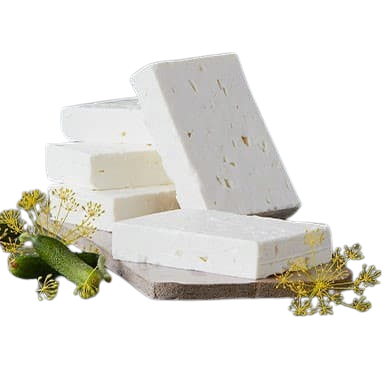
Feta Cheese nutrition
| Stats | Weight |
|---|---|
| Carbs | 5.58 grams |
| Protein | 19.7 grams |
| Fats | 19.1 grams |
| Sugars | 0 grams |
- Persian Feta Cheese Calories (Nutritional Facts)
- Danish Feta Cheese Calories (Nutritional Facts)
- Greek Feta Cheese Calories (Nutritional Facts)
- Cholesterol in Feta Cheese
- Sodium in Feta Cheese
- Potassium in Feta Cheese
- Sugar in Feta Cheese
- Fiber in Ricotta Cheese
- Protein in Feta Cheese
- Carbs in Feta Cheese
- Fat in Feta Cheese
- Saturated Fat in Feta Cheese
- Vitamins in Feta Cheese
- Minerals in Feta Cheese
Persian Feta Cheese Calories (Nutritional Facts)
Persian feta cheese (also spelled Persian fetta cheese) is known for being smoother and creamier as it is often marinated in oil and herbs. Persian feta cheese has a higher calorie content than traditional feta, with 100g (3.5 oz) containing 300 to 350 calories. One ounce (28.35g, 1 oz) of Persian feta provides 85-100 calories. Persian feta (100g) contains 12-15g of protein, 2-4g of carbohydrates, and 25-30g of total fat, largely due to the added oil.
Danish feta cheese, typically made from cow's milk, has a nutritional profile similar to but sometimes slightly milder and creamier than Greek feta. A 100g (3.5 oz) serving of Danish feta contains 250 calories. One ounce (28.35g, 1 oz) of Danish feta provides 71 calories. Danish feta (100g) contains 14g of protein, 4g of carbohydrates, and 20g of total fat.
A 100g (3.5 oz) serving of authentic Greek feta cheese, made from sheep's milk or a mixture of sheep's and goat's milk, contains 264 calories. One ounce (28.35g, 1 oz) of Greek feta cheese provides 75 calories. Greek feta cheese (100g) also contains 14.2g of protein, 4.1g of total carbohydrates, and 21.3g of total fat.
Feta cheese contains 89mg of cholesterol per 100g (3.5 oz) serving (30% DV). One ounce (28.35g, 1 oz) of feta cheese provides 25mg of cholesterol (8% DV).
Feta cheese is very high in sodium due to the brining process. A 100g (3.5 oz) serving of feta cheese contains 1116mg of sodium (49% DV). One ounce (28.35g, 1 oz) of feta cheese provides 316mg of sodium (14% DV).
Feta cheese contains 62mg of potassium per 100g (3.5 oz) serving (1% DV). One ounce (28.35g, 1 oz) of feta cheese provides 18mg of potassium (0% DV).
Feta cheese contains 4.1g of total sugars per 100g (3.5 oz) serving. This is naturally occurring lactose from the milk. One ounce (28.35g, 1 oz) of feta cheese has 1.2g of sugar.
Feta cheese contains 0g of dietary fiber per 100g (3.5 oz) serving.
Feta cheese is a good source of protein, providing 14.2g of protein per 100g (3.5 oz) serving (28% DV). One ounce (28.35g, 1 oz) of feta cheese contains 4g of protein.
Feta cheese is low in carbohydrates, containing 4.1g of total carbohydrates per 100g (3.5 oz) serving (1% DV). One ounce (28.35g, 1 oz) of feta cheese provides 1.2g of total carbohydrates.
Feta cheese is high in fat, containing 21.3g of total fat per 100g (3.5 oz) serving (27% DV). One ounce (28.35g, 1 oz) of feta cheese provides 6g of total fat.
Feta cheese (100g) contains 14.9g of saturated fat (75% DV). One ounce (28.35g, 1 oz) of feta cheese has 4.2g of saturated fat (21% DV).
A 100g (3.5 oz) serving of feta cheese is an excellent source of Riboflavin (Vitamin B2), providing 0.844mg (65% DV), and Vitamin B12 at 1.69µg (70% DV). It is also a good source of Vitamin B6, with 0.424mg (25% DV).
A 100g (3.5 oz) serving of feta cheese is an excellent source of Calcium, providing 493mg (49% DV), and Phosphorus at 337mg (48% DV). It is also a good source of Zinc at 2.88mg (26% DV) and Selenium at 14.5µg (26% DV). The sodium content is very high at 1116mg (49% DV).
Get a Custom Report on Feta Cheese Nutrition Data – Contact Us!
What are the Types of Feta Cheese?
There are several types of feta cheese, with variations based on the country of origin, the type of milk used, and its texture. Authentic Greek feta is a Protected Designation of Origin (PDO) product. The table below shows the most common types of feta and their general calorie information.
| Type | Description | Calories (per 100g) | Calorie Qualifications |
|---|---|---|---|
|
Greek Feta (PDO)
|
Made in Greece from at least 70% sheep's milk, with up to 30% goat's milk. Tangy, salty, crumbly. | 264 | Standard calorie count for traditional feta. |
|
Danish Feta
|
Made from cow's milk. Milder, creamier, and smoother than Greek feta. | 250 | Slightly lower in calories than Greek feta, often with a slightly different fat and protein composition. |
|
Bulgarian Feta
|
Made from sheep's milk. Creamier and tangier than Greek feta, with a saltier taste. | 260-270 | Similar calorie range to Greek feta. |
|
French Feta
|
Typically made from sheep's milk, often milder and creamier than Greek feta. | 260-270 | Similar calorie range to Greek feta. |
|
American Feta
|
Can be made from cow's, sheep's, or goat's milk. Flavor and texture vary widely by producer. | Varies (240-280) | Calorie content depends on milk type and production style. |
|
Reduced-Fat Feta
|
Made from lower-fat milk to reduce overall fat and calorie content. Texture can be more rubbery. | 150-200 | Significantly lower in calories and fat. |
|
Feta-style Cheese in Oil (e.g., Persian Feta)
|
Not traditional feta, but a brined cheese (often feta-style) marinated in oil with herbs. Very creamy, less salty. | 300-350 | Much higher in calories due to the high fat content from the added oil. |
What are the Main Dishes with Feta Cheese?
Feta cheese, with its distinctively tangy, salty flavor and crumbly yet creamy texture, is a cornerstone of Greek and Mediterranean cuisine, used in a wide array of main dishes. Some of the most widespread main dishes that contain feta cheese include Greek salads, Spanakopita, and as a topping for various grilled meats and roasted vegetables. It adds a briny, sharp counterpoint to other ingredients. The table below lists diverse main dishes incorporating feta cheese:
| Dish Name | Calories (per serving) | Type of Feta Used (Often Greek/Sheep's Milk) | Carbs (g) | Sugar (g) | Protein (g) | Fat (g) | Cuisine | Restaurants |
|---|---|---|---|---|---|---|---|---|
|
Greek Salad (Horiatiki)
|
300-500 (entrée size) | Crumbled or Block | 10-20 | 5-10 | 8-15 | 20-35 | Greek, Mediterranean | Panera Bread (Greek Salad), CAVA, Zoe's Kitchen, The Great Greek Mediterranean Grill, most Greek restaurants |
|
Spanakopita (Spinach and Feta Pie)
|
250-400 (slice/piece) | Crumbled | 15-25 | 1-3 | 6-10 | 15-25 | Greek | Greek bakeries and restaurants, some Trader Joe's frozen sections for home prep |
|
Watermelon and Feta Salad
|
200-350 | Crumbled | 20-30 | 18-28 | 5-8 | 10-18 | Mediterranean, Modern American | Seasons 52 (seasonal), True Food Kitchen (seasonal), various contemporary cafes |
|
Baked Feta Pasta (Viral Dish)
|
450-700 | Block | 50-70 | 8-15 | 15-25 | 18-30 | Fusion, Modern | Primarily a viral home recipe; some trendy cafes might offer variations |
|
Omelette or Frittata with Feta and Spinach
|
350-550 | Crumbled | 5-15 | 2-4 | 20-30 | 25-35 | American, Mediterranean | First Watch, IHOP (some customizable omelettes), local breakfast and brunch spots |
|
Loaded Greek Fries (with Feta)
|
500-800 | Crumbled | 50-70 | 2-5 | 10-18 | 25-40 | Greek-American, Fusion | Local Greek fast-casual spots, e.g., GRK Fresh Greek |
|
Lamb Burger with Feta
|
550-800 | Crumbled | 35-50 | 5-10 | 30-45 | 25-40 | Mediterranean-inspired | The Counter (customizable burgers), some gastropubs |
|
Stuffed Chicken Breast with Spinach and Feta
|
400-600 | Crumbled | 5-15 | 2-5 | 35-50 | 20-35 | Mediterranean, American | Contemporary American or Mediterranean restaurants |
|
Mediterranean Pizza or Flatbread
|
300-450 (per 2 slices/small flatbread) | Crumbled | 30-45 | 3-6 | 12-20 | 10-18 | Mediterranean, Fusion | California Pizza Kitchen (some specialty pizzas), Blaze Pizza (customizable) |
|
Greek-style Shrimp with Feta (Shrimp Saganaki)
|
300-500 | Crumbled or Block | 10-20 | 5-10 | 20-30 | 15-25 | Greek | Milos (Estiatorio Milos), upscale Greek seafood restaurants |
|
Roasted Vegetables with Feta
|
200-350 (side dish) | Crumbled | 15-25 | 5-10 | 5-8 | 10-18 | Mediterranean | Tender Greens, various health-focused cafes |
|
Gyro Platter (often served with a side of Feta)
|
Varies (plus Feta) | Crumbled | Varies | Varies | Varies | Varies | Greek | The Halal Guys (some platters), Naf Naf Grill |
|
Tiropita (Greek Cheese Pie)
|
250-400 (piece) | Crumbled (often mixed with other cheeses) | 15-25 | 1-3 | 6-10 | 15-25 | Greek | Greek bakeries |
What are Desserts with Feta Cheese?
The use of feta cheese in desserts is very uncommon due to its distinctly salty and tangy flavor profile, which does not align with sweet applications. But some creative or regional desserts, particularly in Greece, pair feta's saltiness with sweet elements like honey or fruit for a unique flavor contrast, as shown below:
| Dish Name | Calories (per serving) | Type of Feta Used | Carbs (g) | Sugar (g) | Protein (g) | Fat (g) | Cuisine | Restaurants |
|---|---|---|---|---|---|---|---|---|
|
Watermelon with Feta and Mint (often served as a savory salad but can bridge to dessert)
|
200-350 | Crumbled Feta | 20-30 | 18-28 | 5-8 | 10-18 | Mediterranean, Modern American | Seasons 52 (seasonal), True Food Kitchen (seasonal) |
|
Phyllo-wrapped Baked Feta with Honey and Sesame Seeds
|
350-500 (appetizer/dessert) | Block of Feta | 25-40 | 15-25 | 8-12 | 18-28 | Greek, Mediterranean | Some Greek restaurants or wine bars with creative appetizer/cheese course menus |
|
Greek Doughnuts (Loukoumades) with Feta and Honey Drizzle (Modern twist)
|
400-600 | Crumbled Feta | 50-70 | 25-40 | 5-8 | 15-25 | Modern Greek | Trendy Greek restaurants or dessert spots |
What Cuisines Prefer Feta Cheese the Most?
Feta cheese is a cornerstone of Greek cuisine, where it is a national cheese and used extensively in a wide variety of dishes, from salads to baked goods. Its popularity extends throughout the Mediterranean and Middle Eastern regions. In recent decades, it has become a favored ingredient in contemporary American and other international cuisines for the bright, salty tang it adds to dishes. The table below highlights cuisines that prominently feature feta cheese.
| Cuisine | Dish Name | Calories (per serving) | Restaurants |
|---|---|---|---|
|
Greek
|
Greek Salad (Horiatiki) | 300-500 (entrée size) | CAVA, Zoe's Kitchen, The Great Greek Mediterranean Grill, most Greek restaurants |
|
Greek
|
Spanakopita (Spinach Pie) | 250-400 (piece) | Greek bakeries and restaurants |
|
Greek
|
Shrimp Saganaki (Shrimp with Tomato & Feta) | 300-500 | Milos (Estiatorio Milos), upscale Greek seafood restaurants |
|
Mediterranean
|
Watermelon and Feta Salad | 200-350 | Seasons 52 (seasonal), True Food Kitchen (seasonal) |
|
Middle Eastern
|
Salads and flatbreads with Feta topping | Varies | Naf Naf Grill (some salads), local Middle Eastern eateries |
|
Turkish (Beyaz Peynir - a similar white brined cheese)
|
Börek (Pastry with cheese filling) | 250-400 | Turkish bakeries and restaurants |
|
American (Contemporary)
|
Omelette with Spinach and Feta | 350-550 | First Watch, IHOP (customizable omelettes) |
|
American (Contemporary)
|
Pizza or Flatbread with Feta | Varies | California Pizza Kitchen, Blaze Pizza (customizable) |
|
Balkan
|
Shopska Salad (with Sirene - a brined cheese similar to Feta) | 250-400 | Restaurants specializing in Balkan cuisine |
Which Countries Produce the Most Feta Cheese?
The top producers of feta cheese globally are Greece, Germany, France, Denmark, and Bulgaria. Greece is the origin country and the only one that can produce PDO (Protected Designation of Origin) feta, making it the most authentic producer. Germany and France are the largest producers of feta-style cheese by volume within the EU, often using cow's milk. According to estimates derived from FAOSTAT, Eurostat, and other national dairy industry reports, Greece produced over 120 kilotonnes of cheese from sheep and goat milk in 2022, a significant portion of which is feta. The table below shows estimated production volumes for feta and feta-style cheese for leading countries.
| Country | 2004 | 2005 | 2006 | 2007 | 2008 | 2009 | 2010 | 2011 | 2012 | 2013 | 2014 | 2015 | 2016 | 2017 | 2018 | 2019 | 2020 | 2021 | 2022 | 2023 (Est.) |
|---|---|---|---|---|---|---|---|---|---|---|---|---|---|---|---|---|---|---|---|---|
| Greece | 115 | 118 | 120 | 122 | 125 | 123 | 120 | 118 | 115 | 117 | 119 | 121 | 123 | 125 | 127 | 128 | 125 | 126 | 127 | 128 |
| Germany | 80 | 85 | 90 | 95 | 100 | 98 | 100 | 102 | 105 | 108 | 110 | 112 | 115 | 118 | 120 | 122 | 120 | 121 | 122 | 123 |
| France | 60 | 62 | 65 | 68 | 70 | 68 | 70 | 72 | 75 | 77 | 79 | 80 | 82 | 84 | 85 | 86 | 84 | 85 | 86 | 87 |
| Denmark | 50 | 52 | 55 | 58 | 60 | 55 | 50 | 48 | 45 | 42 | 40 | 38 | 36 | 35 | 34 | 33 | 32 | 31 | 30 | 29 |
| Bulgaria | 25 | 26 | 27 | 28 | 30 | 29 | 28 | 27 | 26 | 25 | 24 | 23 | 22 | 21 | 20 | 19 | 18 | 17 | 16 | 15 |
| USA | 15 | 18 | 20 | 22 | 25 | 28 | 30 | 32 | 35 | 38 | 40 | 42 | 45 | 48 | 50 | 52 | 50 | 51 | 52 | 53 |
Which Countries Consume the Most Feta Cheese?
Based on data compiled from the International Dairy Federation, Eurostat, and various market reports, Greece has the highest per capita consumption of feta cheese in the world. Other significant consumer nations include Germany, France, the United Kingdom, and the United States, where the popularity of Mediterranean cuisine has driven demand. The table below provides estimated total consumption, represented as apparent consumption or domestic supply, for some key feta-consuming countries.
| Country | 2004 | 2005 | 2006 | 2007 | 2008 | 2009 | 2010 | 2011 | 2012 | 2013 | 2014 | 2015 | 2016 | 2017 | 2018 | 2019 | 2020 | 2021 |
|---|---|---|---|---|---|---|---|---|---|---|---|---|---|---|---|---|---|---|
| Greece | 120 | 122 | 124 | 126 | 128 | 126 | 123 | 120 | 118 | 120 | 122 | 124 | 126 | 128 | 130 | 131 | 128 | 129 |
| Germany | 70 | 75 | 80 | 85 | 90 | 88 | 90 | 92 | 95 | 98 | 100 | 102 | 105 | 108 | 110 | 112 | 110 | 111 |
| United Kingdom | 20 | 22 | 25 | 28 | 30 | 32 | 34 | 36 | 38 | 40 | 42 | 44 | 46 | 48 | 50 | 52 | 50 | 51 |
| USA | 25 | 28 | 30 | 32 | 35 | 38 | 40 | 42 | 45 | 48 | 50 | 52 | 55 | 58 | 60 | 62 | 60 | 61 |
| France | 30 | 32 | 34 | 36 | 38 | 36 | 37 | 38 | 40 | 41 | 42 | 43 | 44 | 45 | 46 | 47 | 45 | 46 |
| Australia | 10 | 11 | 12 | 13 | 14 | 15 | 16 | 17 | 18 | 19 | 20 | 21 | 22 | 23 | 24 | 25 | 24 | 25 |
How Does Prices of Feta Cheese-including Dishes Change?
The prices of restaurant dishes that prominently feature feta cheese, such as Greek salads, spanakopita, or Mediterranean-style pizzas and wraps, have increased over the past 20 years. This is driven by the rising cost of feta cheese itself (a key flavor component), along with more substantial increases in the prices of other ingredients (fresh produce, meats, grains, olive oil), and major escalations in overall restaurant operating costs, including labor, rent, and energy. Below is a comparison of estimated prices for representative menu items where feta cheese is a defining ingredient.
| Restaurant Chain/Type | Dish | Old Price (2004-2008) | Current Price (2024-2025) |
|---|---|---|---|
| Panera Bread | Greek Salad (with Feta) | 56.99 - $7.99 (Entrée size) | $8.99 - $10.99 (Entrée size) |
| Cava | Mediterranean Bowl/Salad with Feta | $7.50 - $9.50 | $11.50 - $15.50 |
| Local Greek Restaurant | Horiatiki (Traditional Greek Salad with block of Feta) | $7.95 - $11.95 | $13.95 - $19.95 |
| Local Pizzeria/Casual Dining | Mediterranean Pizza with Feta | $10.99 - $15.99 (Small/Medium) | $16.99 - $24.99 (Small/Medium) |
| Restaurants with Brunch Menus | Spinach and Feta Omelette | $8.50 - $11.50 | $13.50 - $18.50 |
What are the Calories of Feta Cheese for 100g?
A 100g (3.5 oz) serving of traditional Greek feta cheese contains 264 calories. Danish feta (100g) made from cow's milk contains 250 calories. Persian feta marinated in oil (100g) is higher, with 300-350 calories.
What are the Calories of Feta Cheese for 1 KG?
One kilogram (1000g, 35.27 oz) of traditional Greek feta cheese contains 2640 calories.
What is the Calorie of 1 Tablespoon of Feta Cheese?
One tablespoon of crumbled feta cheese (7.5g, 0.26 oz) contains 20 calories.
What is the Calorie Count of Feta Cheese per Ounce?
One ounce (28.35g, 1 oz) of traditional Greek feta cheese contains 75 calories. One ounce of Danish feta provides 71 calories. One ounce of Persian feta marinated in oil contains 85-100 calories.
What are the Health Benefits of Feta Cheese?
Feta cheese provides some health benefits like supporting bone health and offering high-quality protein due to its rich concentration of calcium, phosphorus, and essential amino acids. A list of the health benefits of feta cheese are shown below:
- Rich in Calcium and Phosphorus: Feta cheese is an excellent source of calcium and phosphorus, minerals that are vital for building and maintaining strong bones and teeth, and for preventing osteoporosis. (Heaney, R.P., 2006, "Bone health").
- Good Source of Protein: It provides a significant amount of high-quality protein, which is essential for muscle repair, growth, and the production of enzymes and hormones.
- Contains Beneficial Probiotics (if unpasteurized): Traditional feta cheese made with unpasteurized milk can contain beneficial probiotics, which support a healthy gut microbiome, aid digestion, and enhance immune function. (Gobbetti, M., et al., 2018, "The sourdough bread biotech-nology: a Pando-like confederation of microbes").
- Provides B Vitamins: Feta cheese is a good source of several B vitamins, particularly riboflavin (Vitamin B2) and Vitamin B12. These vitamins are crucial for energy metabolism, nerve function, and red blood cell formation.
- Source of Conjugated Linoleic Acid (CLA): Feta cheese, especially when made from the milk of grass-fed sheep and goats, contains Conjugated Linoleic Acid (CLA), a fatty acid that has been studied for its potential to improve body composition and offer other health benefits. (Parodi, P.W., 2005, "Dairy product consumption and the risk of breast cancer").
- May Be More Digestible for Some: Since feta is often made from sheep's or goat's milk, some individuals who have difficulty digesting cow's milk may find it more tolerable due to differences in the milk's protein structure and fat globule size. (Park, Y.W., 2007, "Goat Milk–Chemistry and Nutrition").
What are the Downsides of Feta Cheese?
Feta cheese has been known to cause some unwanted effects like contributing to very high sodium intake and a significant amount of saturated fat due to its production in brine and its composition as a full-fat cheese. A list of the downsides of feta cheese are shown below:
- Very High Sodium Content: Feta cheese is cured in a brine solution, which results in a very high sodium content. A 100g serving can contain over 1,100mg of sodium. Diets high in sodium are a major risk factor for high blood pressure and cardiovascular disease. (He, F.J. & MacGregor, G.A., 2013, "Salt reduction lowers cardiovascular risk: meta-analysis of outcome trials").
- High in Saturated Fat: As a full-fat cheese, feta is high in saturated fat. High intake of saturated fat can contribute to increased levels of LDL (bad) cholesterol, which is a risk factor for heart disease. (American Heart Association, "Saturated Fat").
- Contains Lactose: Feta cheese contains lactose, although in smaller amounts than milk. Individuals with lactose intolerance may still experience digestive symptoms like bloating, gas, and diarrhea after consuming it.
- Risk from Unpasteurized Milk (if applicable): Traditional or artisanal feta made from unpasteurized milk carries a risk of containing harmful bacteria like Listeria monocytogenes, which can cause serious illness, particularly for pregnant women, older adults, and individuals with weakened immune systems. (U.S. Food and Drug Administration, "The Dangers of Raw Milk").
- Calorie-Dense: Due to its fat and protein content, feta cheese is calorie-dense. Overconsumption can contribute to excessive calorie intake and potential weight gain if not balanced within an overall dietary plan.
- Tyramine Content: As a cheese, feta contains some tyramine. While not an issue for most, individuals sensitive to tyramine or taking MAOI medications may need to be cautious.
Is Feta Cheese Good for You?
Yes, feta cheese can be good for you, but only when consumed in moderation and with awareness of its high sodium and saturated fat content. It is a nutrient-dense food that offers significant nutritional benefits, including high-quality protein and excellent levels of calcium, phosphorus, and B vitamins, which are vital for bone health and metabolism. (Gaucheron, F., 2005, "The minerals of milk"). The type of milk used (sheep's or goat's) may also offer some unique fatty acids and be more digestible for some individuals compared to cow's milk cheeses. (Park, Y.W., et al., 2007, "Goat Milk–Chemistry and Nutrition"). However, its very high sodium content is a major drawback and is linked to negative cardiovascular outcomes if consumed excessively. (Appel, L.J., et al., 2011, "Dietary approaches to prevent and treat hypertension: a scientific statement from the American Heart Association"). Therefore, enjoying small amounts of feta as part of a balanced diet that is otherwise low in sodium is the best approach to harness its benefits.
When is Feta Cheese Bad for You?
Feta cheese can be bad for you when consumed in large, frequent quantities, primarily due to its very high sodium and saturated fat content. High intake of these components is linked to increased risk of high blood pressure and cardiovascular disease. (He, F.J. & MacGregor, G.A., 2013, "Salt reduction lowers cardiovascular risk: meta-analysis of outcome trials"). Feta cheese is also bad for individuals with specific health conditions. For pregnant women, older adults, or immunocompromised individuals, feta made from unpasteurized milk poses a serious risk of listeriosis, a dangerous bacterial infection. (U.S. Food and Drug Administration, "The Dangers of Raw Milk").
For individuals with lactose intolerance, feta cheese can cause diarrhea and other digestive issues like bloating and gas because it still contains lactose, although less than milk. The severity of symptoms depends on the individual's level of intolerance.
Is Feta Cheese Healthy?
Yes, feta cheese can be considered a healthy food when portion sizes are small and it is part of a well-rounded diet. Its healthiness stems from its high concentration of beneficial nutrients. It is an excellent source of protein, calcium, and phosphorus, which are crucial for maintaining strong bones and supporting metabolic functions. (Weaver, C.M., 2014, "Dairy and bone health"). Feta also provides significant amounts of Vitamin B12 and riboflavin. When made from sheep or goat milk, it contains beneficial fatty acids like conjugated linoleic acid (CLA).
But its health profile is compromised by its very high sodium and saturated fat levels. In the context of the Mediterranean diet, where feta is a staple, it is typically consumed in small amounts alongside a high intake of vegetables, fruits, and olive oil, which may help balance its less healthy attributes. (Trichopoulou, A., et al., 2003, "Adherence to a Mediterranean diet and survival in a Greek population"). Feta cheese is not healthy for weight loss if eaten in large quantities due to its calorie density from fat. However, because of its strong, salty flavor, a small amount can provide a lot of satisfaction in a dish like a salad, potentially helping with overall calorie control by making a low-calorie meal more appealing.
How Do Calories Change According to Feta Cheese Types?
The calorie content of feta cheese changes based on the type of milk used, the production method, and whether it is stored in oil. Traditional Greek feta, made primarily from sheep's milk, contains 264 calories per 100g. Feta-style cheeses made from cow's milk, like Danish feta, are often slightly lower in calories, around 250 per 100g, due to differences in the milk's fat content. Bulgarian and French fetas, which are sheep's milk-based, fall into a similar range as Greek feta, at 260-270 calories per 100g. The most significant calorie difference is seen in reduced-fat feta, which can be as low as 150-200 calories per 100g due to the lower fat content. Conversely, feta-style cheeses that are marinated and stored in oil, like Persian feta, are the highest in calories, ranging from 300 to 350 calories per 100g, as the added oil significantly increases the overall fat and calorie density.
Is Feta Cheese High in Cholesterol?
Yes, feta cheese contains a significant amount of cholesterol, with a range of 70mg to 90mg per 100g serving. A typical 100g portion of Greek feta cheese provides 89mg of cholesterol, which is 30% of the recommended Daily Value.
Different variations of feta cheese can have slightly different cholesterol content. The feta cholesterol level is primarily dependent on the fat content of the milk used (sheep's, goat's, or cow's milk). Full-fat feta will contain more cholesterol than reduced-fat versions. Per serving, one ounce (28.35g) of feta cheese contains 25mg of cholesterol. While this is a notable amount, current dietary guidelines for most people emphasize limiting saturated fat over dietary cholesterol for managing blood cholesterol levels. Feta cheese is high in saturated fat, which is often of greater concern for heart health than its dietary cholesterol content.
What Does Feta Cheese Taste Like?
Feta cheese has a distinctly tangy, salty, and sharp flavor. Its taste can vary in intensity depending on its age and the type of milk used (sheep, goat, or cow). Authentic Greek feta, made primarily from sheep's milk, often has a more robust, slightly grassy or "gamey" note compared to milder, creamier versions made from cow's milk. The texture of feta is typically firm and crumbly, yet it feels moist and creamy in the mouth. A key characteristic is the briny taste it acquires from being cured and stored in a salt-water solution.
Does the Macro Content of Feta Cheese Change When Heated or Aged?
Yes, the macro content of feta cheese, specifically its concentration per gram, can change when it is aged, but not significantly when it is simply heated. When feta cheese is aged, it loses moisture. This dehydration process concentrates the remaining components. As a result, the feta macros per 100g will show an increase in protein and fat, and therefore a higher calorie density. The total grams of protein or fat in the original piece of cheese don't change, but because the water weight is lower, the percentage of these macronutrients relative to the total weight becomes higher.
When feta cheese is heated, for example, baked on a dish until softened or slightly melted, its fundamental macronutrient composition does not change. A 100g piece of feta will have the same grams of fat, protein, and carbohydrates whether it is cold or warm. Some fat may "oil out" and separate from the cheese when heated, and if this fat is not consumed, the portion eaten would effectively have fewer fat calories. However, the melting process itself does not alter the feta cheese macros.
What is the Origin of Feta Cheese?
The origin of feta cheese is ancient, with its roots deeply embedded in Greece, dating back thousands of years. It is considered one of the oldest cheeses in the world. Homer's Odyssey, written in the 8th century BC, contains passages describing the Cyclops Polyphemus making a form of cheese from sheep's milk in his cave, a process that is widely interpreted as an early description of feta production. The cheese was traditionally made by shepherds in the mountainous regions of Greece from sheep's milk, or a blend of sheep's and goat's milk, as these animals were better suited to the rugged terrain than cattle.
The name "feta" (φέτα) is more recent, appearing in the 17th century, and it means "slice" in Greek, referring to the practice of slicing the cheese to be placed into barrels of brine for curing. This brining process is what gives feta its characteristic salty flavor and helps to preserve it. In 2002, feta was granted Protected Designation of Origin (PDO) status by the European Union, legally stipulating that only cheese produced in specific regions of Greece using traditional methods and at least 70% sheep's milk can be called "feta." A classic dish that embodies the essence of feta is the simple and iconic Greek Salad, or "Horiatiki." In this dish, a block or crumbles of feta are served atop fresh tomatoes, cucumbers, onions, and olives, dressed simply with olive oil and oregano. It highlights feta's ability to be the star of a dish, providing a salty, tangy counterpoint to the fresh vegetables without any complex cooking, a testament to its enduring role in Greek culinary culture.
Why is Feta Cheese Classified as Dairy?
Feta cheese is classified as a dairy product because it is made from milk, which is the primary defining characteristic of dairy foods. Dairy products encompass all foods produced from the milk of mammals. Authentic Greek feta is made from sheep's milk or a blend of sheep's and goat's milk. Other feta-style cheeses around the world might be made from cow's milk. Regardless of the animal source, because the fundamental ingredient is milk, feta cheese is, by definition, a dairy product. The process of making cheese involves curdling the milk proteins (casein) and then separating them from the liquid portion (whey), a process that transforms the milk but does not change its classification as a dairy-based food.
Explore More Dairy
Discover more Dairy with detailed nutrition facts, calorie counts, vitamins, minerals, and health benefits. Compare similar foods, serving sizes, macronutrients, and key nutrients to find the best option for your diet and nutrition goals.
 Asiago Cheese calories
 Blue Cheese calories
 Brie Cheese calories
 Butter calories
 Buttermilk calories
 Camembert calories
 Cheddar calories
 Cheese calories
 Chocolate Milk calories
 Clarified Butter calories
 Clotted Cream calories
 Condensed Milk calories