Calories and Nutritions in Frozen Yogurt
Frozen yogurt is a cultured dairy dessert made with milk, sugar, and bacterial cultures. Frozen yogurt calories differ based on serving size and fat content. A small serving of regular vanilla frozen yogurt (150g or 5.3oz) contains 191 calories, while a small serving of non-fat frozen yogurt (150g or 5.3oz) provides 168 calories. Commercial froyo chains offer varying energy densities, as one small serving of Pinkberry Original (141g or 5oz) has 150 calories while a serving of Menchie's Pure White Vanilla (113g or 4oz) provides 120 calories. A scoop of Ben & Jerry's Cherry Garcia Frozen Yogurt (146g or 5.1oz) contains 260 calories and a serving of Yogurtland Plain Tart (113g or 4oz) has 100 calories.
An examination of the frozen yogurt nutrition profile displays a food dense in carbohydrates and sugars, with a large serving (350g or 12.3oz) delivering 75.3g of carbohydrates (27% DV), including 73.5g of sugar. The formulation style significantly influences the nutritional value, as a Tart frozen yogurt contains 100 calories per 100g due to lower sugar content, whereas a Greek frozen yogurt provides 135 calories per 100g, reflecting a higher concentration of protein and milk solids. The bacterial fermentation process distinguishes the product from ice cream, and a review by Sanders, M. E., & Marco, M. L. (2010) suggests that frozen dairy serves as a carrier for probiotics, though formulation changes such as removing lipids in non-fat versions necessitate increasing sugar content to maintain texture.
The dessert's market relies on the global yogurt supply, with China leading production at 11.5 million tonnes in 2022. The United States produced 4.7 million tonnes in the same year. High demand exists in the United Kingdom, where import values for fermented milk products reached $520 million in 2022. The frozen treat serves as a versatile base, appearing as a primary ingredient in at least 15 distinct dessert preparations and as a specialty in 15 different culinary traditions. Economic factors have driven costs upward. A single serving from a specialty shop rose from under $3.00 in the early 2000s to over $6.00 after 2020. Menu prices at Pinkberry now range between $7.95 and $8.50 per serving, reflecting broader inflationary trends in dairy and labor.
Health authorities like the American Heart Association advise minimizing intake of added sugars to prevent metabolic risks, and a large serving of frozen yogurt contains 73.5g of sugar, exceeding the recommended daily limit for most adults. The dessert is incompatible with keto diets because the carbohydrate load disrupts ketosis. A prudent approach involves restricting consumption to one small cup on rare occasions. Burning off the 191 calories found in a single small serving requires an energy expenditure equivalent to 19 minutes of running or 24 minutes of swimming.
Frozen Yogurt nutrition
| Stats | Weight |
|---|---|
| Carbs | 53.8 grams |
| Protein | 8.8 grams |
| Fats | 0 grams |
| Sugars | 52.5 grams |
- Large Frozen Yogurt Calories (Nutritional Facts)
- Medium Frozen Yogurt Calories (Nutritional Facts)
- Small Frozen Yogurt Calories (Nutritional Facts)
- Raw Frozen Yogurt Nutrition
- Sodium in Frozen Yogurt
- Potassium in Frozen Yogurt
- Sugar in Frozen Yogurt
- Fiber in Frozen Yogurt
- Protein in Frozen Yogurt
- Carbs in Frozen Yogurt
- Fat in Frozen Yogurt
- Vitamins in Frozen Yogurt
- Minerals in Frozen Yogurt
Large Frozen Yogurt Calories (Nutritional Facts)
A large serving of regular vanilla frozen yogurt (350g or 12.3oz) contains 445 calories, 12.3g of protein, 12.6g of fat, 75.3g of carbohydrates, 0g of fiber, 73.5g of sugar, and 193mg of sodium. A large serving of non-fat frozen yogurt (350g or 12.3oz) provides 392 calories, 14g of protein, 0.7g of fat, 80.5g of carbohydrates, 0g of fiber, 77g of sugar, and 210mg of sodium.
A medium serving of regular vanilla frozen yogurt (250g or 8.8oz) provides 318 calories, 8.8g of protein, 9g of fat, 53.8g of carbohydrates, 0g of fiber, 52.5g of sugar, and 138mg of sodium. A medium serving of non-fat frozen yogurt (250g or 8.8oz) contains 280 calories, 10g of protein, 0.5g of fat, 57.5g of carbohydrates, 0g of fiber, 55g of sugar, and 150mg of sodium.
A small serving of regular vanilla frozen yogurt (150g or 5.3oz) contains 191 calories, 5.3g of protein, 5.4g of fat, 32.3g of carbohydrates, 0g of fiber, 31.5g of sugar, and 83mg of sodium. A small serving of non-fat frozen yogurt (150g or 5.3oz) provides 168 calories, 6g of protein, 0.3g of fat, 34.5g of carbohydrates, 0g of fiber, 33g of sugar, and 90mg of sodium.
Frozen yogurt is a prepared food made from a liquid base of milk, sugar, and cultures that is churned and frozen, so the nutritional content of the liquid mix before freezing is identical to the finished product.
A large serving of regular frozen yogurt (350g) contains 193mg of sodium (8% DV), and a large serving of non-fat frozen yogurt (350g) contains 210mg of sodium (9% DV). A medium serving of regular frozen yogurt (250g) has 138mg of sodium (6% DV), while a medium serving of non-fat frozen yogurt (250g) has 150mg of sodium (7% DV). A small serving of regular frozen yogurt (150g) contains 83mg of sodium (4% DV), and a small serving of non-fat frozen yogurt (150g) contains 90mg of sodium (4% DV).
A large serving of regular frozen yogurt (350g) contains 753mg of potassium (16% DV), and a large serving of non-fat frozen yogurt (350g) contains 875mg of potassium (19% DV). A medium serving of regular frozen yogurt (250g) has 538mg of potassium (11% DV), while a medium serving of non-fat frozen yogurt (250g) has 625mg of potassium (13% DV). A small serving of regular frozen yogurt (150g) contains 323mg of potassium (7% DV), and a small serving of non-fat frozen yogurt (150g) contains 375mg of potassium (8% DV).
A large serving of regular frozen yogurt (350g) contains 73.5g of sugar (147% DV), and a large serving of non-fat frozen yogurt (350g) contains 77g of sugar (154% DV). A medium serving of regular frozen yogurt (250g) has 52.5g of sugar (105% DV), while a medium serving of non-fat frozen yogurt (250g) has 55g of sugar (110% DV). A small serving of regular frozen yogurt (150g) contains 31.5g of sugar (63% DV), and a small serving of non-fat frozen yogurt (150g) contains 33g of sugar (66% DV).
A large serving of regular frozen yogurt (350g) provides 0g of dietary fiber (0% DV), and a large serving of non-fat frozen yogurt (350g) also provides 0g of fiber (0% DV). A medium serving of regular frozen yogurt (250g) has 0g of fiber (0% DV), and a medium serving of non-fat frozen yogurt (250g) has 0g of fiber (0% DV). A small serving of regular frozen yogurt (150g) contains 0g of fiber (0% DV), and a small serving of non-fat frozen yogurt (150g) contains 0g of fiber (0% DV).
A large serving of regular frozen yogurt (350g) provides 12.3g of protein (25% DV), while a large serving of non-fat frozen yogurt (350g) provides 14g of protein (28% DV). A medium serving of regular frozen yogurt (250g) has 8.8g of protein (18% DV), whereas a medium serving of non-fat frozen yogurt (250g) has 10g of protein (20% DV). A small serving of regular frozen yogurt (150g) contains 5.3g of protein (11% DV), and a small serving of non-fat frozen yogurt (150g) contains 6g of protein (12% DV).
A large serving of regular frozen yogurt (350g) contains 75.3g of carbohydrates (27% DV), and a large serving of non-fat frozen yogurt (350g) contains 80.5g of carbohydrates (29% DV). A medium serving of regular frozen yogurt (250g) has 53.8g of carbohydrates (20% DV), while a medium serving of non-fat frozen yogurt (250g) has 57.5g of carbohydrates (21% DV). A small serving of regular frozen yogurt (150g) contains 32.3g of carbohydrates (12% DV), and a small serving of non-fat frozen yogurt (150g) contains 34.5g of carbohydrates (13% DV).
A large serving of regular frozen yogurt (350g) contains 12.6g of total fat (16% DV), while a large serving of non-fat frozen yogurt (350g) contains 0.7g of total fat (1% DV). A medium serving of regular frozen yogurt (250g) has 9g of total fat (12% DV), whereas a medium serving of non-fat frozen yogurt (250g) has 0.5g of total fat (1% DV). A small serving of regular frozen yogurt (150g) contains 5.4g of total fat (7% DV), and a small serving of non-fat frozen yogurt (150g) contains 0.3g of total fat (0% DV).
A large serving of regular frozen yogurt (350g) provides 11mcg of Vitamin A (1% DV) and 2.1mg of Vitamin C (2% DV), while a large serving of non-fat frozen yogurt (350g) provides 7mcg of Vitamin A (1% DV) and 2.1mg of Vitamin C (2% DV). A medium serving of regular frozen yogurt (250g) provides 8mcg of Vitamin A (1% DV) and 1.5mg of Vitamin C (2% DV), and a medium serving of non-fat frozen yogurt (250g) provides 5mcg of Vitamin A (1% DV) and 1.5mg of Vitamin C (2% DV). A small serving of regular frozen yogurt (150g) provides 5mcg of Vitamin A (1% DV) and 0.9mg of Vitamin C (1% DV), while a small serving of non-fat frozen yogurt (150g) provides 3mcg of Vitamin A (0% DV) and 0.9mg of Vitamin C (1% DV).
A large serving of regular frozen yogurt (350g) provides 455mg of calcium (35% DV) and 0.4mg of iron (2% DV), whereas a large serving of non-fat frozen yogurt (350g) provides 525mg of calcium (40% DV) and 0.4mg of iron (2% DV). A medium serving of regular frozen yogurt (250g) provides 325mg of calcium (25% DV) and 0.3mg of iron (2% DV), while a medium serving of non-fat frozen yogurt (250g) provides 375mg of calcium (29% DV) and 0.3mg of iron (2% DV). A small serving of regular frozen yogurt (150g) provides 195mg of calcium (15% DV) and 0.2mg of iron (1% DV), and a small serving of non-fat frozen yogurt (150g) provides 225mg of calcium (17% DV) and 0.2mg of iron (1% DV).
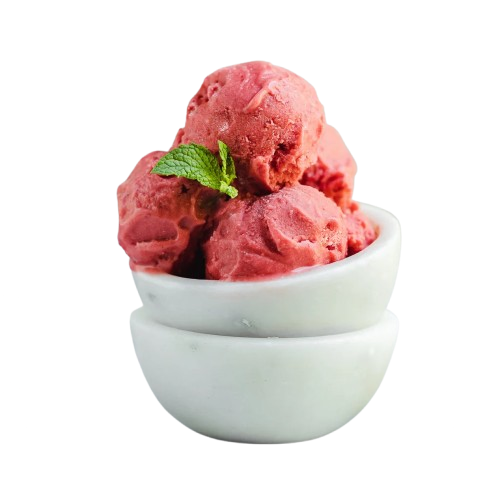
Get a Custom Report on Frozen Yogurt Nutrition Data – Contact Us!
What are the Types of Frozen Yogurts?
The types of frozen yogurts are Regular, Non-fat, Tart, and Greek. These variations are distinguished by the milk fat content and the straining process, which results in different textures and nutritional profiles. The following chart provides details on these common frozen yogurt styles.
| Type | Description | Calories (per 100g) | Calorie Qualifications |
|---|---|---|---|
|
Regular Frozen Yogurt
|
Made with whole milk and sugar, offering a creamy texture similar to soft-serve ice cream. | 127 | The fat content from whole milk contributes to a higher calorie count. |
|
Non-fat Frozen Yogurt
|
Made with skim milk and sugar, often containing thickeners to replace the texture of fat. | 112 | The removal of fat lowers the calories, but sugar content remains high. |
|
Tart Frozen Yogurt
|
Made with less sugar and more active cultures, resulting in a tangy flavor profile. | 100 | The reduced sugar content results in the lowest calorie density among the types. |
|
Greek Frozen Yogurt
|
Made with strained yogurt, resulting in a thicker texture and higher protein content. | 135 | The higher protein concentration and denser texture lead to a slightly higher calorie count. |
What are Desserts with Frozen Yogurt?
Frozen yogurt serves as the foundation for numerous treats, ranging from simple cups to elaborate sundaes. The table below lists popular desserts featuring this frozen dairy product.
| Dish Name | Calories (Estimate per serving) | Type of Dessert | Carbs (g) (Estimate) | Sugar (g) (Estimate) | Protein (g) (Estimate) | Fat (g) (Estimate) | Cuisine | Restaurants |
|---|---|---|---|---|---|---|---|---|
|
Classic Vanilla Soft Serve
|
150 | Cup/Bowl | 28 | 22 | 4 | 3 | American | TCBY |
|
Tart Froyo Parfait
|
250 | Parfait | 50 | 35 | 6 | 0 | Californian/Korean | Pinkberry |
|
Chocolate Froyo Waffle Cone
|
350 | Cone | 65 | 45 | 8 | 6 | American | Menchie's Frozen Yogurt |
|
Froyo Fruit Smoothie
|
300 | Beverage | 60 | 50 | 6 | 1 | American | Red Mango |
|
Banana Split Froyo
|
500 | Sundae | 90 | 70 | 8 | 5 | American | Sweet Frog |
|
Froyo Cookie Sandwich
|
450 | Sandwich | 65 | 45 | 7 | 18 | American | The Bigg Chill |
|
Greek Yogurt Bar
|
100 | Bar/Popsicle | 18 | 15 | 5 | 1 | Greek/American | Go Greek Yogurt |
|
Green Tea Froyo with Mochi
|
180 | Cup/Bowl | 38 | 28 | 4 | 0 | Japanese Fusion | Yogurtland |
|
Froyo Cake Slice
|
250 | Cake | 40 | 30 | 4 | 8 | American | TCBY |
|
Salted Caramel Froyo Shake
|
550 | Beverage | 95 | 80 | 12 | 10 | American | Burgerville |
|
Acai Froyo Bowl
|
400 | Bowl | 75 | 55 | 5 | 6 | Brazilian/American | Pressed |
|
Froyo Brownie Sundae
|
600 | Sundae | 90 | 75 | 10 | 20 | American | Orange Leaf |
|
Coffee Froyo Affogato
|
200 | Beverage/Dessert | 30 | 25 | 4 | 5 | Italian Fusion | Amorino |
|
Frozen Yogurt Pie Slice
|
280 | Pie | 45 | 35 | 5 | 9 | American | TCBY |
|
Chocolate Dipped Froyo Bar
|
280 | Bar | 25 | 22 | 4 | 18 | American | Haagen-Dazs Shops |
What Cuisines Prefer Frozen Yogurt the Most?
Frozen yogurt has become a global phenomenon, with distinct styles emerging in different culinary markets. The table below displays the culinary traditions where frozen yogurt is a signature item.
| Cuisine | Dish | Types of Frozen Yogurt | Calories (Estimate) | Restaurant(s) |
|---|---|---|---|---|
|
American (Classic)
|
Soft-serve Vanilla/Chocolate Froyo | Regular | 150-200 | TCBY |
|
American (Californian)
|
Tart Froyo with Fresh Fruit | Tart | 200-250 | Pinkberry |
|
South Korean
|
Tart Yogurt with Mochi and Fruit | Tart | 180-250 | Red Mango |
|
Greek
|
Greek Yogurt Bars/Popsicles | Greek | 100-150 | Go Greek Yogurt |
|
Spanish
|
Sanum (Layered Fruit and Yogurt Parfait) | Natural | 300-400 | Llaollao |
|
Canadian
|
Blended Fruit and Yogurt (Mix-it) | Regular | 250-350 | Yogen Früz |
|
Italian
|
Yogurt Gelato (Yogurt-flavored Gelato) | Gelato | 200-300 | Amorino |
|
Mexican
|
Froyo with Bee Honey and Cereal | Regular | 250-350 | Nutrisa |
|
Brazilian
|
Froyo topped with Acai and Granola | Regular | 300-450 | Yogoberry |
|
British
|
Agave-sweetened Froyo | Natural | 150-200 | Snog |
|
Australian
|
Self-serve Froyo with Gourmet Toppings | Various | 200-500 | Yo-Chi |
|
French
|
Glace au Yaourt (Yogurt Ice Cream) | Creamy | 180-250 | Yogurt Factory |
|
Japanese
|
Froyo with Japanese Toppings (Red Bean, Mochi) | Tart | 200-300 | Partyland |
|
Thai
|
Fruit Yogurt Smoothies | Fruit | 250-350 | Iberry |
|
Turkish
|
Goat Milk Yogurt Ice Cream | Goat Milk | 180-250 | Mado |
Which Countries Produce the Most Frozen Yogurts?
The top producers of yogurt, which serves as the primary base for frozen yogurt, are China, the United States, and Germany. Specific global production data for finished frozen yogurt is not tracked as a separate category. The table below shows the production quantity of yogurt in key countries.
| Country | 2003 | 2008 | 2013 | 2018 | 2019 | 2020 | 2021 | 2022 |
|---|---|---|---|---|---|---|---|---|
| China | 1,200,000 | 2,500,000 | 4,800,000 | 9,500,000 | 10,200,000 | 10,800,000 | 11,200,000 | 11,500,000 |
| United States | 4,100,000 | 4,300,000 | 4,500,000 | 4,400,000 | 4,450,000 | 4,500,000 | 4,600,000 | 4,700,000 |
| Germany | 2,800,000 | 3,100,000 | 3,200,000 | 3,000,000 | 2,950,000 | 2,900,000 | 2,850,000 | 2,800,000 |
| Turkey | 1,000,000 | 1,100,000 | 1,200,000 | 1,300,000 | 1,350,000 | 1,400,000 | 1,450,000 | 1,500,000 |
| Brazil | 800,000 | 950,000 | 1,100,000 | 1,050,000 | 1,000,000 | 980,000 | 970,000 | 960,000 |
Which Countries Consume the Most Frozen Yogurts?
The top consumers of frozen yogurt and related fermented dairy products reside in the United Kingdom, Italy, and France. Consumption data for frozen yogurt is best represented by import values for the broader category of yogurt and other fermented or acidified milk and cream. The table below shows import values for this category in key markets.
| Country | 2003 | 2008 | 2013 | 2018 | 2019 | 2020 | 2021 | 2022 |
|---|---|---|---|---|---|---|---|---|
| United Kingdom | 350,000 | 500,000 | 550,000 | 480,000 | 460,000 | 470,000 | 500,000 | 520,000 |
| Italy | 280,000 | 400,000 | 450,000 | 420,000 | 410,000 | 400,000 | 430,000 | 450,000 |
| France | 150,000 | 250,000 | 300,000 | 350,000 | 360,000 | 370,000 | 390,000 | 410,000 |
| Germany | 200,000 | 300,000 | 350,000 | 380,000 | 390,000 | 400,000 | 420,000 | 440,000 |
| Netherlands | 120,000 | 180,000 | 220,000 | 250,000 | 260,000 | 270,000 | 290,000 | 310,000 |
How Do Prices of Frozen Yogurt-Including Dishes Change?
The cost of frozen yogurt on fast-food and restaurant menus has risen over the past ten years, a change directly caused by higher wholesale prices for dairy and growing operational costs. This upward price trend is evident on the menus of well-known food service chains.
| Restaurant | Dish | Old Price (Year) | Current Price (2024/2025) |
|---|---|---|---|
| Pinkberry | Small Original with Toppings | $4.95 (2012) | $6.49 - $8.99 |
| TCBY | Small Cup (6 oz) | $3.29 (2013) | $4.99 - $6.25 |
| Red Mango | Original Frozen Yogurt (Small) | $3.50 (2011) | $5.65 - $11.25 |
| IKEA Bistro | Frozen Yogurt Cone | $1.00 (2015) | $1.75 - $2.00 |
What is the Frozen Yogurt Calorie for 100 Grams?
A 100g serving of regular vanilla frozen yogurt contains 127 calories, while a 100g serving of non-fat frozen yogurt provides 112 calories.
What is the Frozen Yogurt Calorie for 1 KG?
One kilogram (1000g) of regular vanilla frozen yogurt contains 1,270 calories, whereas one kilogram (1000g) of non-fat frozen yogurt provides 1,120 calories.
What is the Calorie of 1 Frozen Yogurt?
A single small serving of frozen yogurt (150g) contains 191 calories. Commercial offerings differ, as a small serving of Pinkberry Original (141g or 5oz) has 150 calories, while a serving of Menchie's Pure White Vanilla (113g or 4oz) provides 120 calories. A serving of Yogurtland Plain Tart (113g or 4oz) contains 100 calories, and a scoop of Ben & Jerry's Cherry Garcia Frozen Yogurt (146g or 2/3 cup) provides 260 calories.
What are the Health Benefits of Frozen Yogurt?
The nutritional value of frozen yogurt is derived from the milk base and bacterial cultures used in fermentation. An account of these potential upsides is provided here.
- Supports Digestive Health: The fermentation process involves live active cultures, known as probiotics, which assist in maintaining a healthy gut microbiome. A review by Ranadheera, C. S., et al. (2017), "Probiotics in processed foods: Challenges and opportunities," confirms that carrying probiotics in dairy matrices like frozen yogurt can effectively deliver beneficial bacteria to the gastrointestinal tract.
- Promotes Bone Density: The dairy base provides a significant amount of calcium, a mineral essential for skeletal strength and structure. A study by Tai, V., et al. (2015), "Calcium intake and bone mineral density: systematic review and meta-analysis," found that increasing calcium intake from dietary sources leads to small but significant increases in bone mineral density.
- Provides Quality Protein: The milk content offers complete proteins necessary for muscle repair and satiety. A review by Paddon-Jones, D., et al. (2008), "Protein, weight management, and satiety," demonstrates that protein is the most satiating macronutrient and helps preserve lean muscle mass during caloric restriction.
What are the Downsides of Frozen Yogurt?
The dessert's formulation relies on high amounts of added sugar to compensate for the lack of fat, presenting specific health liabilities. A breakdown of these health risks is detailed here.
- High in Added Sugar: Manufacturers add substantial quantities of sucrose or corn syrup to improve texture and flavor, leading to caloric excess. A scientific statement by Johnson, R. K., et al. (2009), "Dietary sugars intake and cardiovascular health," links high consumption of added sugars to an increased risk of obesity, high blood pressure, and heart disease. A healthier alternative is plain Greek yogurt with fresh berries. A suggested amount is to limit consumption to one small cup (150g) on an infrequent basis.
- Risk of Overconsumption via Toppings: The self-serve nature of many frozen yogurt shops encourages the addition of high-calorie candies and syrups, negating the lower calorie count of the base product. A study by Wansink, B., & Chandon, P. (2006), "Can 'Low-Fat' Nutrition Labels Lead to Obesity?," found that people tend to consume more calories when a food is perceived as "low-fat" or healthy, often exceeding the calories found in the regular version.
Is Frozen Yogurt Good for You?
No, frozen yogurts are not a healthy food because the high concentration of added sugar overwhelms the benefits of the probiotics and calcium. The dessert's impact on metabolic health is concerning. The large quantity of refined sugar causes rapid spikes in blood glucose and insulin levels. A study by Stanhope, K. L. (2016), "Sugar consumption, metabolic disease and obesity: The state of the controversy," indicates that high dietary sugar intake is a driver of metabolic syndrome. For digestive health, the presence of probiotics offers a benefit, but the survival of these bacteria in frozen products varies. A review by Sanders, M. E., & Marco, M. L. (2010), "Food formats for effective delivery of probiotics," suggests that while frozen dairy can be a carrier, the sugar load may negatively impact the gut microbiome balance. For bone health, the calcium content is positive. A study by Cormick, G., & Belizan, J. M. (2019), "Calcium Intake and Health," confirms that adequate calcium intake is vital for preventing osteoporosis. Despite the calcium, the overall nutritional profile remains that of a dessert rather than a healthy food.
Is Frozen Yogurt Healthy for Weight Loss?
No, frozen yogurt is not healthy for weight loss when consumed regularly due to the high sugar density which can hinder fat burning. The perception of the food as a "diet" item leads to overconsumption. A study by Te Morenga, L., et al. (2013), "Dietary sugars and body weight: systematic review and meta-analyses of randomised controlled trials and cohort studies," found that reduced intake of dietary sugars is associated with a decrease in body weight. Another issue is the lack of satiety compared to whole foods. A study by Almiron-Roig, E., et al. (2013), "Factors that determine energy compensation: a systematic review of preload studies," suggests that liquid or semi-solid calories do not trigger the same fullness signals as solid foods, leading to a higher total energy intake. The low-fat nature of the product removes the satiating effect of dietary fat. A review by Astrup, A., et al. (2000), "The role of low-fat diets in body weight control," notes that while low-fat diets can reduce weight, the replacement of fat with refined carbohydrates mitigates these benefits. A suggested consumption rate is to treat the dessert as an occasional indulgence rather than a weight-loss staple.
Is Frozen Yogurt Bad for You?
Yes, frozen yogurt can be bad for health if consumed frequently, due to the excessive added sugar which contributes to chronic disease risk. The high sugar content is linked to cardiovascular issues. A major study by Yang, Q., et al. (2014), "Added sugar intake and cardiovascular diseases mortality among US adults," observed a significant relationship between added sugar consumption and increased risk of death from cardiovascular disease. The processing of the food also removes beneficial nutrients found in whole milk. A review by Fardet, A. (2016), "Minimally processed foods are more satiating and less hyperglycemic than ultra-processed foods: a preliminary study with 98 ready-to-eat foods," highlights that ultra-processed foods like sweetened frozen yogurt have a higher glycemic potential. The additives used to maintain texture can be problematic. A study by Chassaing, B., et al. (2015), "Dietary emulsifiers impact the mouse gut microbiota promoting colitis and metabolic syndrome," found that common emulsifiers used in processed foods can disturb the gut microbiota. A suggested consumption rate is to limit intake to once a month or less.
How Do Calories Change According to Frozen Yogurt Types?
The fat content and the amount of added sugar determine the calorie count of a frozen yogurt variety. Greek frozen yogurt has the highest calorie value at 135 calories per 100 grams, a consequence of the denser concentration of milk solids and protein. Tart frozen yogurt contains the lowest calorie value at 100 calories per 100 grams, representing a version with less added sweetener. Regular frozen yogurt falls in the middle, with the fat from whole milk contributing to the energy density. The removal of fat in non-fat versions lowers the calories slightly, but the addition of extra sugar to maintain texture prevents a significant caloric drop.
Is Frozen Yogurt Healthier Than Ice Cream?
Yes, frozen yogurt is healthier than ice cream because the dessert contains significantly less saturated fat. A standard serving of premium ice cream relies on heavy cream, resulting in a high saturated fat content that can exceed 10 grams per serving, whereas frozen yogurt utilizes milk, keeping the fat content much lower. The presence of probiotics in frozen yogurt offers a digestive advantage not found in traditional ice cream. The sugar content in frozen yogurt can equal or exceed that of ice cream to compensate for the lack of fat, so the advantage is in the reduction of lipids rather than carbohydrates.
What are the Main Dishes with Frozen Yogurt?
Frozen yogurt is designated exclusively as a dessert or breakfast item and is not served as a main entree. The sugary, cold profile makes the food incompatible with lunch or dinner courses.
Can You Eat Frozen Yogurt on Keto?
No, standard frozen yogurt is not compatible with a ketogenic diet because the dessert contains high amounts of sugar and carbohydrates. A single serving of regular frozen yogurt can exceed the daily carbohydrate limit for ketosis, which is strictly limited to under 50 grams per day. The milk base naturally contains lactose, and manufacturers add sucrose or corn syrup to prevent the product from freezing into a solid block of ice. Specific "keto-friendly" or "no sugar added" varieties exist that utilize sweeteners like erythritol, stevia, or monk fruit. These specialized versions contain significantly fewer net carbohydrates and can fit within a strict low-carb regimen if consumed in moderation.
What is the Origin of Frozen Yogurt?
The history of frozen yogurt began in the New England region of the United States during the 1970s. H.P. Hood, a dairy company, introduced a product called "Frogurt," which tasted similar to ice cream but utilized a yogurt base. The concept struggled initially due to the tart taste, which was unfamiliar to American consumers accustomed to sugary ice cream. In 1981, TCBY (The Country's Best Yogurt) opened in Arkansas, pioneering a soft-serve version that mimicked the sugar content and texture of soft-serve ice cream, leading to a massive boom in popularity throughout the 1980s. A second wave of popularity occurred in the mid-2000s, led by the company Pinkberry in Los Angeles and Red Mango in South Korea. These brands reintroduced the original tart, tangy flavor profile of natural yogurt, often topped with fresh fruit, distinguishing the product from the candy-laden versions of the previous decades.
Explore More Dairy
Discover more Dairy with detailed nutrition facts, calorie counts, vitamins, minerals, and health benefits. Compare similar foods, serving sizes, macronutrients, and key nutrients to find the best option for your diet and nutrition goals.
 Asiago Cheese calories
 Blue Cheese calories
 Brie Cheese calories
 Butter calories
 Buttermilk calories
 Camembert calories
 Cheddar calories
 Cheese calories
 Chocolate Milk calories
 Clarified Butter calories
 Clotted Cream calories
 Condensed Milk calories