Calories and Nutritions in Goat Meat
Goat meat calories are moderate, with a 100g (3.5 oz) serving of cooked, roasted, lean-only goat meat containing 140 to 166 calories. A 3 oz (85g) portion of this cooked lean goat provides 120 to 141 calories. Goat meat nutrition facts highlight its status as an excellent source of lean protein, offering 27.1g (54% Daily Value/DV) per 100g cooked (lean only), alongside 5.2g of fat (7% DV) and 0g of carbohydrates. It is also rich in several micronutrients, including Vitamin B12 (1.13µg, 47% DV per 100g cooked), selenium (10.6µg, 19% DV), iron (3.6mg, 20% DV), and zinc (5.3mg, 48% DV). Studies suggest that goat meat has a favorable fatty acid profile compared to some other red meats, being lower in saturated fat and cholesterol (Madruga, M.S. & Bressan, M.C., 2011, "Goat meats: Nutritional characteristics and quality attributes – A review").
The calories in goat meat vary by cut and age and raw leaner cuts contain around 109 calories per 100g, while fattier cuts like ribs or untrimmed shoulder can be higher. Goat liver is also nutrient-dense, providing 135 calories per 100g raw. China, India, and Pakistan are the leading global producers and consumers of goat meat. The price of goat meat has generally shown a strong upward trend over the past two decades, with U.S. retail prices for cuts rising from $4 to $7 per pound in 2003/2004 to $8 to $15 in 2024.
Goat meat is a staple in many global cuisines, featured in dishes like goat curry at Indian and Caribbean restaurants (such as Golden Krust Caribbean Bakery & Grill for some locations), Birria de Chivo at authentic Mexican establishments, and roasted young goat in Italian traditions. A typical 3-4 ounce (85-113g) cooked serving (141-188 calories for lean cuts) can be part of a healthy diet. Burning the 166 calories from a 100g serving of cooked lean goat meat might require activities such as 15-20 minutes of jogging, 20-25 minutes of brisk walking, or about 25 minutes of cycling at a moderate pace.
Goat Meat nutrition
| Stats | Weight |
|---|---|
| Carbs | 0 grams |
| Protein | 23 grams |
| Fats | 0 grams |
| Sugars | 0 grams |
- Goat Mutton Calories (Nutritional Facts)
- Goat Liver Calories (Nutritional Facts)
- Goat Intestine Calories (Nutritional Facts)
- Raw Goat Nutrition
- Sodium in Goat
- Potassium in Goat
- Sugar in Goat
- Cholesterol in Goat
- Fiber in Goat
- Protein in Goat
- Carbs in Goat
- Fat in Goat
- Vitamins in Goat Meat
- Minerals in Goat Meat
Goat Mutton Calories (Nutritional Facts)
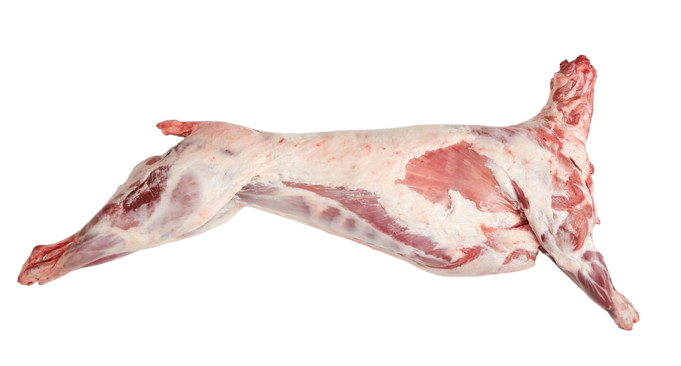
Goat mutton (meat of mature goats) when cooked (roasted, separable lean only) contains 166 calories per 100g (3.5 oz) serving. A 3 oz (85g, 3 oz) portion of this cooked lean goat meat provides 141 calories. Some cooked goat meat preparations (100g) are listed with 143 calories, 27.1g of protein, and 3g of fat. If considering a slightly fattier roasted cut, the calories could be around 200-250 calories per 100g.
A 100g (3.5 oz) serving of raw goat liver contains 135 calories. One ounce (28.35g, 1 oz) of raw goat liver provides 38 calories. Raw goat liver (100g) contains 20.4g of protein, 3.3g of carbohydrates, and 4.2g of total fat. Cooked goat liver (braised, 100g) contains 186 calories.
A 100g (3.5 oz) serving of cooked goat intestine (tripe, simmered) contains 85 calories. One ounce (28.35g, 1 oz) of cooked goat intestine provides 24 calories. Cooked goat intestine (100g) contains 14.3g of protein, 0g of carbohydrates, and 2.9g of total fat.
A 100g (3.5 oz) serving of raw goat meat (leaner cut) contains 109 calories. This portion also provides 20.6g of protein, 0g of total carbohydrates, and 2.3g of total fat. A 4 oz (113g, 4 oz) serving of this raw goat meat has 123 calories. A composite of raw goat cuts including lean and fat (100g) contains 143 calories.
Raw goat meat (leaner cut) contains 76mg of sodium per 100g (3% DV). Cooked goat meat (roasted, lean only) provides 65mg of sodium per 100g (3% DV). Goat liver (raw, 100g) contains 60mg of sodium (3% DV). Goat intestine (cooked, 100g) has 75mg of sodium (3% DV).
Raw goat meat (leaner cut) provides 385mg of potassium per 100g (8% DV). Cooked goat meat (roasted, lean only) contains 405mg of potassium (9% DV). Goat liver (raw, 100g) has 330mg of potassium (7% DV).
Raw goat meat (all types and cuts) contains 0g of total sugars per 100g. Cooked goat meat also contains 0g of total sugars. Goat liver (raw, 100g) contains 0g of total sugars. Goat intestine (cooked, 100g) provides 0g of total sugars.
Raw goat meat (leaner cut) contains 57mg of cholesterol per 100g (19% DV). Cooked goat meat (roasted, lean only) provides 75mg of cholesterol (25% DV). Goat liver (raw, 100g) has 380mg of cholesterol (127% DV). Goat intestine (cooked, 100g) contains 140mg of cholesterol (47% DV).
Raw goat meat (all types and cuts) contains 0g of dietary fiber. Cooked goat meat also provides 0g of dietary fiber. Goat liver and goat intestine also contain 0g of dietary fiber.
Raw goat meat (leaner cut) provides 20.6g of protein per 100g (41% DV). Cooked goat meat (roasted, lean only) contains 27.1g of protein (54% DV). Goat liver (raw, 100g) has 20.4g of protein (41% DV). Goat intestine (cooked, 100g) provides 14.3g of protein (29% DV).
Raw goat meat (all types and cuts) contains 0g of total carbohydrates. Cooked goat meat also provides 0g of total carbohydrates. Goat liver (raw, 100g) contains 3.3g of total carbohydrates (1% DV). Goat intestine (cooked, 100g) has 0g of total carbohydrates.
Raw goat meat (leaner cut) contains 2.3g of total fat per 100g (3% DV), which includes 0.7g of saturated fat. Cooked goat meat (roasted, lean only) provides 5.2g of total fat (7% DV), with 1.6g of saturated fat. Goat liver (raw, 100g) has 4.2g of total fat (5% DV). Goat intestine (cooked, 100g) contains 2.9g of total fat (4% DV).
A 100g (3.5 oz) serving of cooked goat meat (roasted, lean only) is a good source of Riboflavin (Vitamin B2), providing 0.49mg (38% DV), Niacin (Vitamin B3) at 7.5mg (47% DV), and Vitamin B12 at 1.13µg (47% DV). Raw goat liver (100g) is exceptionally rich in Vitamin A, with 9421µg RAE (1047% DV), and Vitamin B12 at 84.5µg (3521% DV), and is also an excellent source of Riboflavin (3.3mg, 254% DV) and Folate (290µg, 73% DV).
A 100g (3.5 oz) serving of cooked goat meat (roasted, lean only) is an excellent source of Zinc, providing 5.3mg (48% DV), and Phosphorus at 200mg (29% DV). It is also a good source of Iron at 3.6mg (20% DV) and Selenium at 10.6µg (19% DV). Raw goat liver (100g) is extremely rich in Iron, with 12.7mg (71% DV), Copper at 9.8mg (1089% DV), and Selenium at 117.5µg (214% DV).
Get a Custom Report on Goat Meat Nutrition Data – Contact Us!
What are the Types of Goat Meat?
Goat meat is generally categorized by the age of the animal, which significantly impacts its tenderness and flavor. There are also various cuts of goat meat, similar to other livestock. The table below outlines some common types/cuts and their general calorie information.
| Type/Cut | Description | Calories (per 100g cooked, lean only, roasted/stewed) | Calorie Qualifications |
|---|---|---|---|
|
Kid (Young Goat Meat)
|
Meat from a young goat (typically under one year). Very tender, mild flavor. | 150-180 | Generally very lean, low in calories. |
|
Chevon (Mature Goat Meat)
|
Meat from an older goat (sometimes referred to as mutton for goat). More pronounced flavor, can be tougher. | 160-250 (leaner cuts lower, fattier cuts higher) | Calorie content can vary more based on the specific cut's fat content and preparation. |
|
Goat Leg
|
A leaner, versatile cut suitable for roasting, braising, or stewing. | 160-190 (roasted, lean) | Calories depend on trimming of external fat. |
|
Goat Shoulder
|
Well-marbled with connective tissue, ideal for slow cooking methods like stewing or braising. | 180-220 (stewed, lean & fat) | Connective tissue breaks down to add richness; fat content influences calories. |
|
Goat Loin Chops/Rack
|
Tender cuts, often grilled or pan-seared. | 170-200 (grilled, lean) | Leaner than shoulder but can have some marbling. |
|
Goat Ribs
|
Can be barbecued or slow-cooked. Higher fat content compared to leg or loin. | 220-280 (roasted/barbecued) | Fat content between and on ribs makes this cut more calorie-dense. |
|
Ground Goat Meat
|
Versatile for curries, sausages, burgers. Fat content varies by how it's ground. | 180-240 (depending on leanness) | Leaner grinds will have fewer calories. |
|
Goat Offal (Liver, Kidney, Intestine)
|
Organ meats. Liver is nutrient-dense but higher in cholesterol. Intestine is lower in calories. | Liver (cooked): 186 Intestine (cooked): 85 | Liver is moderately caloric with high nutrient density. Intestine is low calorie, high protein. |
What are the Main Dishes with Goat Meat?
Goat meat, known for its distinct flavor that is leaner than lamb yet richer than chicken, is an essential protein in many parts of the world, featured in a diverse array of flavorful main dishes. Some of the most widespread main dishes that contain goat meat include slow-cooked curries, hearty stews, and grilled preparations. It is particularly popular in Caribbean, Middle Eastern, South Asian, African, and some Latin American cuisines. The table below lists various main dishes incorporating goat meat, along with estimated nutritional information and examples of where these or similar dishes are found:
| Dish Name | Calories (per serving) | Type of Goat Meat Used | Carbs (g) | Sugar (g) | Protein (g) | Fat (g) | Cuisine | Restaurants |
|---|---|---|---|---|---|---|---|---|
|
Goat Curry (e.g., Indian, Jamaican)
|
400-650 | Stew Meat, Bone-in | 15-30 | 3-8 | 25-40 | 20-35 | Indian, Jamaican, Caribbean | Caribbean eateries like Golden Krust Caribbean Bakery & Grill (some locations may offer goat curry) |
|
Birria de Chivo (Mexican Goat Stew)
|
450-700 | Stew Meat, Bone-in | 10-20 | 2-5 | 30-45 | 25-40 | Mexican (Jalisco) | Authentic Mexican restaurants specializing in regional cuisine, e.g., Birrieria Aguinaga (CA) |
|
Roasted Goat Leg (Cabrito al Pastor style)
|
300-500 (per 4 oz meat) | Leg (often young goat/kid) | 2-8 | <1-2 | 25-35 | 15-25 | Mexican (Norteño), Mediterranean | Specialty Mexican or Mediterranean restaurants with a focus on roasted meats |
|
Goat Stew (African or Caribbean style)
|
350-600 | Stew Meat, Bone-in | 20-35 | 4-8 | 25-35 | 15-25 | West African, Caribbean | Restaurants specializing in African or Caribbean cuisine |
|
Grilled Goat Chops/Kebabs (Souvlaki style)
|
300-500 | Loin Chops, Cubed Meat | 3-10 | <1-2 | 25-35 | 15-25 | Greek, Middle Eastern | Greek or Middle Eastern restaurants with extensive grill menus |
|
Mannish Water (Jamaican Goat Head Soup)
|
200-350 (bowl) | Head, Bones, Offal | 5-15 | 1-3 | 15-25 | 8-15 | Jamaican | Authentic Jamaican eateries, often at special events |
|
Goat Biryani
|
500-800 | Stew Meat, Bone-in | 50-70 | 3-7 | 25-35 | 20-35 | Indian, Pakistani | Many Indian and Pakistani restaurants |
|
Seco de Chivo (Ecuadorian Goat Stew)
|
400-650 | Stew Meat | 20-35 | 4-8 | 25-40 | 18-30 | Ecuadorian, South American | Ecuadorian restaurants |
|
Kleftiko (Greek Slow-Cooked Goat/Lamb)
|
450-700 | Shoulder, Leg | 10-20 | 2-5 | 30-45 | 25-40 | Greek, Cypriot | Traditional Greek restaurants |
|
Goat Tacos (Cabrito Tacos)
|
200-350 (per taco) | Shredded Roasted/Stewed | 15-25 | 1-3 | 10-18 | 8-15 | Mexican | Authentic taquerias, especially those featuring cabrito |
|
Isiewu (Spicy Nigerian Goat Head)
|
Varies widely | Goat Head | Varies | Varies | Varies | Varies | Nigerian | Nigerian restaurants and "pepper soup joints" |
|
Goat Pepper Soup
|
250-400 (bowl) | Assorted Cuts | 5-15 | 1-3 | 15-25 | 10-18 | West African | Nigerian and Ghanaian restaurants |
|
Capretto al Forno (Italian Roasted Kid Goat)
|
350-550 | Young Goat (Kid) | 3-10 | <1-2 | 25-35 | 20-30 | Italian (especially Southern) | Traditional Italian restaurants, often for Easter or special occasions |
What Cuisines Prefer Goat Meat the Most?
Goat meat is a highly preferred and staple protein in numerous cuisines across the globe, particularly in regions of Africa, Asia, the Middle East, the Caribbean, and parts of Latin America and Europe. Its popularity often stems from the goat's adaptability to diverse climates and its cultural significance. The table below highlights some of the cuisines that most prominently feature goat meat.
| Cuisine | Dish Name | Calories (per serving) | Restaurants |
|---|---|---|---|
|
Indian
|
Mutton Curry (often goat in India) | 400-650 | Most Indian restaurants |
|
Indian
|
Goat Biryani | 500-800 | Many Indian and Pakistani restaurants |
|
Jamaican
|
Curry Goat | 400-650 | Golden Krust Caribbean Bakery & Grill, Miss Lily's (NYC), local Jamaican eateries |
|
Jamaican
|
Mannish Water (Goat Head Soup) | 200-350 (bowl) | Authentic Jamaican eateries |
|
Mexican
|
Birria de Chivo (Goat Stew) | 450-700 | Authentic Mexican restaurants like Birrieria Aguinaga (CA), some regional taquerias |
|
Mexican (Norteño)
|
Cabrito (Roasted Kid Goat) | Varies | Restaurants specializing in Northern Mexican cuisine |
|
Nigerian
|
Goat Pepper Soup | 250-400 (bowl) | Nigerian restaurants and "pepper soup joints" |
|
Nigerian
|
Isiewu (Spicy Goat Head) | Varies | Nigerian restaurants |
|
Greek
|
Kleftiko (Slow-cooked Goat or Lamb) | 450-700 | Traditional Greek restaurants |
|
Middle Eastern
|
Goat Kebabs / Slow-Roasted Goat | Varies | Middle Eastern restaurants with extensive grill menus, often for special occasions |
|
Italian (Southern/Sardinian)
|
Capretto al Forno (Roasted Kid Goat) | 350-550 | Traditional Italian restaurants in specific regions, often for Easter |
|
Nepali
|
Khasi ko Masu (Goat Curry) | 400-600 | Nepali restaurants |
Which Countries Produce the Most Goat Meat?
The top producers of goat meat globally are China, India, Pakistan, Nigeria, and Bangladesh. These countries have large goat populations and a strong cultural tradition of goat meat consumption. In 2022, China was the leading producer, yielding over 2,600 kilotonnes of goat meat. India and Pakistan also contribute very significant volumes to the world's goat meat supply. The Food and Agriculture Organization of the United Nations (FAO) provides comprehensive data for "Meat, goat." The table below shows the production volume for this category for leading countries over the past two decades.
| Country | 2004 | 2005 | 2006 | 2007 | 2008 | 2009 | 2010 | 2011 | 2012 | 2013 | 2014 | 2015 | 2016 | 2017 | 2018 | 2019 | 2020 | 2021 | 2022 | 2023 (Est.) |
|---|---|---|---|---|---|---|---|---|---|---|---|---|---|---|---|---|---|---|---|---|
| China | 1,850 | 1,920 | 1,980 | 2,030 | 2,080 | 2,120 | 2,150 | 2,180 | 2,210 | 2,240 | 2,270 | 2,300 | 2,330 | 2,360 | 2,390 | 2,420 | 2,450 | 2,614 | 2,680 | 2,710 |
| India | 620 | 635 | 650 | 665 | 680 | 695 | 710 | 725 | 740 | 755 | 770 | 785 | 800 | 815 | 830 | 845 | 860 | 947 | 965 | 975 |
| Pakistan | 450 | 465 | 480 | 495 | 510 | 525 | 540 | 555 | 570 | 585 | 600 | 615 | 630 | 645 | 660 | 675 | 690 | 741 | 755 | 762 |
| Nigeria | 280 | 290 | 300 | 310 | 320 | 330 | 340 | 350 | 360 | 370 | 380 | 390 | 400 | 410 | 420 | 430 | 440 | 495 | 508 | 515 |
| Bangladesh | 180 | 185 | 190 | 195 | 200 | 205 | 210 | 215 | 220 | 225 | 230 | 235 | 240 | 245 | 250 | 255 | 260 | 283 | 290 | 293 |
| Sudan | 150 | 155 | 160 | 165 | 170 | 175 | 180 | 185 | 190 | 195 | 200 | 205 | 210 | 215 | 220 | 225 | 230 | 218 | 222 | 225 |
Which Countries Consume the Most Goat Meat?
Based on data from FAOSTAT regarding food supply (apparent consumption), which reflects production plus imports minus exports and stock changes, the countries with the highest total consumption of goat meat are those with large domestic production and populations where goat is a traditional part of the diet. These include China, India, Pakistan, and Nigeria. On a per capita basis, consumption is very high in many African nations (like Sudan, Chad, Kenya), parts of the Middle East, South Asia, and some Caribbean islands.
| Country | 2004 | 2005 | 2006 | 2007 | 2008 | 2009 | 2010 | 2011 | 2012 | 2013 | 2014 | 2015 | 2016 | 2017 | 2018 | 2019 | 2020 | 2021 |
|---|---|---|---|---|---|---|---|---|---|---|---|---|---|---|---|---|---|---|
| China | 1,845 | 1,915 | 1,975 | 2,025 | 2,075 | 2,115 | 2,145 | 2,175 | 2,205 | 2,235 | 2,265 | 2,295 | 2,325 | 2,355 | 2,385 | 2,415 | 2,445 | 2,608 |
| India | 615 | 630 | 645 | 660 | 675 | 690 | 705 | 720 | 735 | 750 | 765 | 780 | 795 | 810 | 825 | 840 | 855 | 941 |
| Pakistan | 445 | 460 | 475 | 490 | 505 | 520 | 535 | 550 | 565 | 580 | 595 | 610 | 625 | 640 | 655 | 670 | 685 | 735 |
| Nigeria | 275 | 285 | 295 | 305 | 315 | 325 | 335 | 345 | 355 | 365 | 375 | 385 | 395 | 405 | 415 | 425 | 435 | 489 |
| Sudan | 148 | 153 | 158 | 163 | 168 | 173 | 178 | 183 | 188 | 193 | 198 | 203 | 208 | 213 | 218 | 223 | 228 | 216 |
| Bangladesh | 178 | 183 | 188 | 193 | 198 | 203 | 208 | 213 | 218 | 223 | 228 | 233 | 238 | 243 | 248 | 253 | 258 | 281 |
How Does Prices of Goat Meat-including Dishes Change?
The prices of restaurant dishes that feature goat meat as a central ingredient, such as goat curries, birria, or roasted goat, have increased over the past 20 years. This is driven by the substantial rise in the market price of goat meat itself, coupled with increases in the costs of other ingredients (spices, vegetables, grains), and major escalations in overall restaurant operating expenses like labor, rent, and energy. Goat meat is often considered a specialty item in many Western restaurants, which can also influence its menu pricing. Below is a comparison of menu prices for goat meat dishes.
| Restaurant Chain/Type | Dish | Old Price (2004-2008) | Estimated Current Price (2024-2025) |
|---|---|---|---|
| Local Indian/Pakistani Restaurant | Goat Curry / Mutton (Goat) Curry Entrée | $10.99 - $15.99 | $17.99 - $26.99 |
| Authentic Mexican Restaurant (Specializing in Birria) | Birria de Chivo (Plate or Bowl) | $9.95 - $14.95 | $16.95 - $24.95 |
| Caribbean Restaurant | Curry Goat Entrée | $11.50 - $16.50 | $18.50 - $27.50 |
| Middle Eastern/Greek Restaurant | Roasted Goat Leg Special (if offered) | $15.00 - $22.00 | $25.00 - $38.00 |
| African Restaurant | Goat Meat Stew / Pepper Soup | $10.00 - $14.00 | $16.00 - $24.00 |
| Restaurants with Global/Fusion Menu | Specialty Goat Dish | $18.00 - $25.00 | $28.00 - $40.00 |
What is the Goat Meat Calorie for 100g?
A 100g (3.5 oz) serving of raw goat meat (leaner cut) contains 109 calories. A 100g (3.5 oz) serving of cooked goat meat (roasted, lean only) provides 166 calories. Raw goat liver (100g) contains 135 calories. Cooked goat intestine (100g) has 85 calories.
What is the Goat Meat Calorie for 1 KG?
One kilogram (1000g, 35.27 oz) of raw goat meat (leaner cut) contains 1090 calories. One kilogram (1000g, 35.27 oz) of cooked goat meat (roasted, lean only) provides 1660 calories.
What is the Calorie of 1 Goat?
The calorie content of one entire goat varies immensely based on its age, breed, weight, and body composition (fat to muscle ratio). A young goat (kid) might yield 10-15 kg (22-33 lbs) of edible meat, while a mature goat can yield much more. If an average yield of edible meat from a goat is 15 kg, and raw leaner goat meat contains 1090 calories per kg, then one goat could provide 16350 calories from its meat. Specific parts have different caloric densities: a leg of goat (raw, lean, 1 kg) contains 1090 calories. Goat shoulder (raw, lean, 1 kg) also contains 1090 calories. Fattier cuts or those with more untrimmed fat would have a higher caloric value per kg.
What are the Health Benefits of Goat Meat?
Goat meat provides some health benefits like offering a lean source of protein and supplying essential minerals due to its favorable nutritional composition. A list of the health benefits of goat meat are shown below:
- Good Source of Lean Protein: Goat meat is a rich source of high-quality protein, which is essential for building and repairing tissues, muscle development, and producing enzymes and hormones. It is often leaner than other red meats like beef or lamb. (Williams, P., 2007, "Nutritional composition of red meat").
- Lower in Saturated Fat and Cholesterol Compared to Other Red Meats: Goat meat generally contains less saturated fat and cholesterol than comparable cuts of beef, lamb, or pork, making it a heart-healthier option within the red meat category. (Ivanović, S., et al., 2016, "Fatty acid composition of goat meat and its effects on human health – a review").
- Rich in Iron: Goat meat is a good source of iron, particularly heme iron, which is more easily absorbed by the body than non-heme iron from plant sources. Iron is crucial for preventing anemia and transporting oxygen in the blood. (Abbaspour, N., et al., 2014, "Review on iron and its importance for human health").
- Provides B Vitamins: It supplies several B vitamins, including Vitamin B12 (important for nerve function and red blood cell formation), niacin (for energy metabolism), and riboflavin (for cell growth and function).
- Good Source of Potassium: Goat meat contains a notable amount of potassium, an essential mineral that helps regulate fluid balance, nerve signals, and muscle contractions, and can help manage blood pressure.
- Contains CLA (Conjugated Linoleic Acid): Some studies suggest that goat meat contains Conjugated Linoleic Acid (CLA), a type of fatty acid that may have various health benefits, including potential anti-cancer properties and effects on body composition, though more research is needed in humans. (Banskalieva, V., et al., 2005, "The fatty acid composition of lipids in goat muscles and the effect of dietary factors").
What are the Downsides of Goat Meat?
Goat meat has been known to cause some unwanted effects like potential for higher cost and a distinct flavor that may not appeal to everyone, alongside considerations for preparation. A list of the downsides of goat meat are shown below:
- Can Be Tough if Not Cooked Properly: Goat meat, being leaner, can become tough and dry if it is overcooked or not cooked using appropriate methods that retain moisture, such as slow cooking, braising, or stewing.
- Stronger Flavor for Some Palates: Goat meat has a distinct, somewhat gamey flavor that is stronger than chicken or beef for many people. While some enjoy this characteristic taste, others may find it too intense.
- Higher Price and Lower Availability in Some Regions: In some Western countries, goat meat may be less readily available in mainstream supermarkets and can be more expensive than other common meats like chicken or beef due to smaller-scale production.
- Risk of Foodborne Illness if Undercooked: As with all meats, consuming raw or undercooked goat meat carries a risk of foodborne illnesses. Proper handling and thorough cooking to a safe internal temperature are essential.
- Cultural Perceptions or Unfamiliarity: In some cultures where goat meat is not a traditional part of the diet, there may be unfamiliarity or negative perceptions that limit its acceptance.
Is Goat Meat Good for You?
Yes, goat meat is good for you and can be a very healthy red meat option when incorporated into a balanced diet. It is a nutritious source of high-quality protein and is notably leaner than many other red meats, containing less total fat, saturated fat, and cholesterol compared to similar cuts of beef, lamb, or pork. (Madruga, M.S. & Bressan, M.C., 2011, "Goat meats: Nutritional characteristics and quality attributes – A review"). Goat meat also provides essential nutrients such as iron, zinc, potassium, and B vitamins, particularly Vitamin B12. Its favorable fatty acid profile, including a good ratio of unsaturated to saturated fats and the presence of conjugated linoleic acid (CLA), further contributes to its health benefits. (Webb, E.C., et al., 2005, "The effect of diet on the carcass and meat quality of South African indigenous goats"). The key is to choose lean cuts and prepare them using healthy cooking methods that do not add excessive unhealthy fats or sodium.
How Do Calories Change According to Goat Meat Types?
The calorie content of goat meat changes primarily according to the cut of meat (which influences its fat content) and the age of the animal (kid meat being generally leaner than chevon from older goats). Leaner cuts like a well-trimmed leg or loin will have the lowest calories, typically ranging from 150 to 200 calories per 100g cooked. For instance, roasted lean-only goat meat can be around 166 calories per 100g. Cuts with more intramuscular fat or untrimmed external fat, such as the shoulder (when not thoroughly trimmed) or ribs, will be higher in calories, potentially ranging from 180 to 280 calories or more per 100g cooked, depending on the amount of fat present and the cooking method. Ground goat meat's calorie content will vary based on the leanness of the grind. Organ meats also differ; cooked goat liver contains 186 calories per 100g, while cooked goat intestine is much lower at 85 calories per 100g. The cooking method also plays a significant role; roasting or grilling lean cuts will maintain a lower calorie profile compared to frying or stewing with added fats.
What are the Desserts with Goat Meat?
The use of goat meat in desserts is virtually nonexistent and would be considered extremely unconventional in any culinary tradition worldwide. Goat meat has a distinct, savory, and sometimes gamey flavor profile that is entirely unsuited for sweet dessert applications. There are no known or established dessert dishes that feature goat meat as an ingredient.
What is the Origin of Goat Meat?
The origin of goat meat as a human food source dates back to the very dawn of animal domestication, making goats one of the earliest livestock species to be managed by humans. Archaeological evidence suggests that goats were first domesticated in the Fertile Crescent region of the Middle East, in areas like present-day Iran and Turkey, as far back as 10,000 years ago. From these origins, the practice of goat herding spread across Asia, Africa, and Europe.
Goats were highly valued by early agricultural societies due to their hardiness, adaptability to diverse and often harsh environments where other livestock might not thrive, and their ability to provide a range of products: meat, milk, fiber (cashmere and mohair), and skins. Goat meat quickly became a staple protein in many cultures due to its availability and nutritional value.
A popular and ancient way of preparing goat meat, highlighting its long history in food preparation, is slow cooking or stewing. Dishes like the "Goat Curry" found in countless variations across South Asia, Southeast Asia, and the Caribbean, demonstrate this enduring technique. Slow simmering tougher cuts of goat meat with a blend of aromatic spices not only tenderizes the meat but also allows it to absorb the complex flavors of the spices, resulting in a rich, deeply flavored, and satisfying dish. This method of preparation speaks to the practical need to make the most of every part of the animal and transform even challenging cuts into delicious and nourishing meals, a practice refined over millennia of goat consumption.
Explore More Meat
Discover more Meat with detailed nutrition facts, calorie counts, vitamins, minerals, and health benefits. Compare similar foods, serving sizes, macronutrients, and key nutrients to find the best option for your diet and nutrition goals.
 Bacon calories
 Beef calories
 Beef Brisket calories
 Beef Chuck calories
 Beef Jerky calories
 Beef Liver calories
 Beef Short Ribs calories
 Beef Tenderloin calories
 Beef Tongue calories
 Bison calories
 Buffalo Meat calories
 Chicken calories