Calories and Nutritions in Gorgonzola Cheese
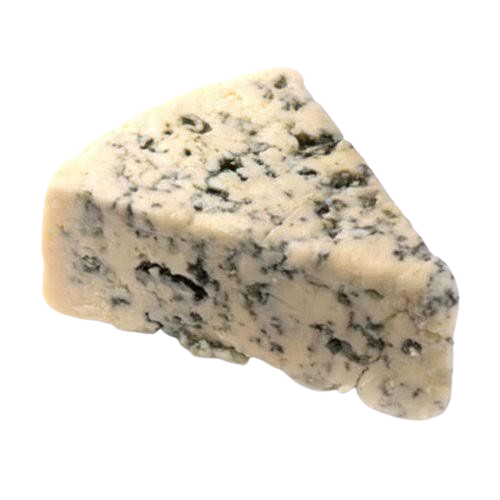
Gorgonzola is a veined blue cheese from Northern Italy that is popular in Italian and American cuisines. The calories in gorgonzola cheese are high, with a 100 g (3.5 oz) serving containing 356 calories, while a one-ounce (28.35 g) serving provides 101 calories. The gorgonzola cheese calories vary slightly by type, with aged Gorgonzola Piccante (360-370 calories per 100 g) being more calorie-dense than the younger Gorgonzola Dolce (356 calories per 100 g). The gorgonzola nutrition facts reveal it is a rich source of fat and protein. A 100 g serving offers 21.4 g of protein, 28.6 g of fat (of which 17.9 g is saturated), and 3.6 g of carbohydrates. It is a good source of calcium, providing 357 mg (27% Daily Value/DV), phosphorus (29% DV), and Vitamin B12 (37% DV). Research into mold-ripened cheeses suggests potential anti-inflammatory benefits from compounds produced during fermentation (Gobbetti E, et al. 2018 "Invited review: The microbiota of aged raw-milk cheeses").
The main types of Gorgonzola are the soft, creamy "Dolce" (sweet) and the firmer, pungent "Piccante" (spicy). A healthy intake of a rich cheese like Gorgonzola is a small portion, such as one ounce per day. A one-ounce serving (101 calories) can fit into a balanced diet, but its very high sodium content must be considered. Burning the 101 calories from an ounce of Gorgonzola requires activities such as 10-12 minutes of jogging or 12-15 minutes of brisk walking.
Gorgonzola is a key ingredient in many popular main dishes and also features in some savory-sweet desserts. It is famously used in creamy pasta sauces at restaurants like Eataly and The Cheesecake Factory, as a topping for steaks at steakhouses such as The Capital Grille and Outback Steakhouse, and on pizzas at California Pizza Kitchen. For dessert, it is often served on a cheese board with honey and pears.
The cheese originated in the town of Gorgonzola, near Milan, Italy, with a history dating back to at least the 9th century. Italy remains the exclusive producer of authentic PDO Gorgonzola, and it is a major consumer along with Germany, France, and the United States. The price of this premium cheese has risen steadily. A pound of Gorgonzola Dolce in the US that cost $12.00 to $16.00 in 2004 now retails for $18.00 to as high as $25.00.
Gorgonzola Cheese nutrition
| Stats | Weight |
|---|---|
| Carbs | 1 grams |
| Protein | 6.1 grams |
| Fats | 0 grams |
| Sugars | 0 grams |
- Large Gorgonzola Cheese Calories (Nutritional Facts)
- Medium Gorgonzola Cheese Calories (Nutritional Facts)
- Small Gorgonzola Cheese Calories (Nutritional Facts)
- Raw Gorgonzola Cheese Nutrition
- Sodium in Gorgonzola Cheese
- Potassium in Gorgonzola Cheese
- Sugar in Gorgonzola Cheese
- Fiber in Gorgonzola Cheese
- Protein in Gorgonzola Cheese
- Carbs in Gorgonzola Cheese
- Fat in Gorgonzola Cheese
- Vitamins in Gorgonzola Cheese
- Minerals in Gorgonzola Cheese
Large Gorgonzola Cheese Calories (Nutritional Facts)
A large serving of Gorgonzola cheese, considered as one cup of crumbled cheese weighing 135 g (4.8 oz), contains 481 calories. This serving provides 38.6 g of fat, 28.9 g of protein, 4.8 g of carbohydrates, and 0 g of sugar or fiber.
A medium serving of Gorgonzola cheese, considered as one ounce weighing 28.35 g (1 oz), contains 101 calories. This serving size includes 8.1 g of fat, 6.1 g of protein, and 1.0 g of carbohydrates.
A small serving of Gorgonzola cheese, considered as one tablespoon (tbsp) of crumbled cheese weighing 7 g (0.25 oz), contains 25 calories. This portion offers 2.0 g of fat, 1.5 g of protein, and 0.3 g of carbohydrates.
A 100 g (3.5 oz) serving of Gorgonzola provides 356 calories, 28.6 g of fat, 21.4 g of protein, 3.6 g of carbohydrates, and 0 g of sugar or fiber.
Gorgonzola cheese is very high in sodium, containing 1610 mg per 100 g (3.5 oz) serving, which contributes 70% of the Daily Value (DV).
Gorgonzola cheese provides 179 mg of potassium per 100 g (3.5 oz) serving, which is 4% of the DV.
Gorgonzola cheese contains 0 g of sugar.
Gorgonzola cheese, being a dairy product, contains 0 g of dietary fiber.
Gorgonzola cheese provides 21.4 g of protein per 100 g (3.5 oz) serving.
Gorgonzola cheese contains 3.6 g of total carbohydrates per 100 g (3.5 oz) serving.
Gorgonzola cheese is high in fat, containing 28.6 g of total fat per 100 g (3.5 oz) serving. This includes 17.9 g of saturated fat.
A 100 g (3.5 oz) serving of Gorgonzola cheese is a rich source of Vitamin B12, providing 0.89 mcg (37% DV). It also contains Vitamin A at 286 mcg RAE (32% DV).
A 100 g (3.5 oz) serving of Gorgonzola cheese is an excellent source of several minerals. It provides Phosphorus at 357 mg (29% DV), Calcium at 357 mg (27% DV), Zinc at 2.86 mg (26% DV), and Selenium at 14.3 mcg (26% DV).
Get a Custom Report on Gorgonzola Cheese Nutrition Data – Contact Us!
What are the Types of Gorgonzola Cheese?
There are two main types of Gorgonzola cheese, both of which are protected by a PDO (Protected Designation of Origin). These types are distinguished by their aging period and the resulting flavor and texture. The table below shows the two official Gorgonzola types and their calorie information.
| Type | Description | Calories (per 100g) | Calorie Differences & Qualifications |
|---|---|---|---|
|
Gorgonzola Dolce ("Sweet")
|
Aged for a minimum of 50 days. It is soft, creamy, spreadable, and has a milder, sweeter, less pungent flavor with fewer blue veins. | 356 | This is the standard baseline for Gorgonzola. Its higher moisture content makes it slightly less calorie-dense than the Piccante version. |
|
Gorgonzola Piccante ("Spicy" or "Mountain")
|
Aged for a minimum of 80 days. It is firmer, more crumbly, and has a sharp, spicy, and intensely pungent flavor with more pronounced blue veining. | 360-370 | As the cheese ages longer and loses more moisture, its fat and protein content becomes more concentrated, resulting in a slightly higher calorie count per 100g. Its flavor is much stronger. |
What are the Desserts with Gorgonzola Cheese?
Gorgonzola's sharp, piquant flavor provides a sophisticated savory contrast to sweet ingredients, making it a popular choice for dessert cheese courses and some contemporary desserts. It pairs exceptionally well with honey, pears, figs, and nuts.
| Dish Name | Calories (Estimate per serving/piece) | Type of Dish | Carps (g) (Estimate) | Sugar (g) (Estimate) | Protein (g) (Estimate) | Fat (g) (Estimate) | Cuisine | Restaurants |
|---|---|---|---|---|---|---|---|---|
|
Gorgonzola with Honey & Walnuts (on a cheese board)
|
250-400 (serving) | Cheese Course | 15-25 | 12-22 | 8-12 | 15-25 | Italian/American | The Capital Grille, Morton's The Steakhouse, Fleming's Prime Steakhouse & Wine Bar, Eataly, Murray's Cheese Bar (NYC). |
|
Poached Pears with Gorgonzola Dolce
|
300-450 | Fruit Dessert | 30-50 | 25-45 | 6-10 | 15-25 | Italian/French | Gramercy Tavern (NYC), The French Laundry (Yountville, CA). |
|
Fig & Gorgonzola Tart/Flatbread (with honey)
|
250-400 (small tart/serving) | Pastry/Dessert | 25-40 | 15-25 | 8-12 | 12-20 | Modern American | California Pizza Kitchen. |
|
Savory Gorgonzola Cheesecake (with fruit compote)
|
350-550 (slice) | Baked Dessert | 20-35 | 15-25 | 10-15 | 25-40 | Modern American | The Cheesecake Factory (specialty cheesecakes). |
|
Gorgonzola Ice Cream/Gelato
|
200-350 (scoop) | Frozen Dessert | 18-30 | 15-25 | 5-8 | 12-22 | Modern/Artisanal | Salt & Straw, Jeni's Splendid Ice Creams. |
|
Stuffed Figs with Gorgonzola & Prosciutto
|
70-100 (per piece) | Appetizer/Dessert | 8-12 | 7-10 | 3-5 | 4-7 | Mediterranean | Zaytinya, Boqueria (NYC). |
What are the Main Dishes with Gorgonzola Cheese?
Gorgonzola, a type of Italian blue cheese, brings a bold, creamy, and piquant flavor to a wide range of main dishes. It is used in sauces, melted on pizzas and steaks, and crumbled over salads. Some of the most widespread main dishes that contain Gorgonzola are creamy pasta sauces and salads. The table below lists some popular examples.
| Dish Name | Calories (Estimate per serving) | Type of Dish | Carps (g) (Estimate) | Sugar (g) (Estimate) | Protein (g) (Estimate) | Fat (g) (Estimate) | Cuisine | Restaurants |
|---|---|---|---|---|---|---|---|---|
|
Pasta with Gorgonzola Cream Sauce
|
600-900 | Pasta Entree | 60-80 | 4-8 | 20-30 | 30-45 | Italian | Eataly, The Cheesecake Factory, Buca di Bebo, Maggiano's Little Italy, many local Italian restaurants. |
|
Steak with Gorgonzola Topping/Sauce
|
600-900+ (steak + topping) | Steak Entree | 3-10 | <1-3 | 50-70 | 40-60+ | American Steakhouse | Outback Steakhouse, LongHorn Steakhouse, Fleming's Prime Steakhouse & Wine Bar, Morton's The Steakhouse, The Capital Grille. |
|
Gorgonzola Salad (with pears, walnuts, etc.)
|
350-550 | Salad | 20-35 | 15-30 | 10-15 | 20-35 | American/Italian | Panera Bread, Tender Greens, The Cheesecake Factory (Apple, Pecan and Blue Cheese Salad), Seasons 52. |
|
Pizza with Gorgonzola
|
250-450 (per slice) | Pizza | 30-45 | 2-5 | 12-18 | 10-20 | Italian-American | California Pizza Kitchen, MOD Pizza, Blaze Pizza, many gourmet pizzerias. |
|
Gnocchi with Gorgonzola Sauce
|
500-700 | Pasta Entree | 50-70 | 3-6 | 15-25 | 25-40 | Italian | Found in many authentic Italian restaurants. |
|
Risotto with Gorgonzola
|
450-650 | Rice Entree | 50-70 | 3-7 | 15-25 | 15-25 | Italian | The Capital Grille. |
|
Burger with Gorgonzola Crumbles
|
700-1000+ | Burger | 40-60 | 5-12 | 40-60 | 40-60+ | American | Red Robin Gourmet Burgers, The Habit Burger Grill, Bareburger. |
|
Polenta with Gorgonzola
|
250-400 (side dish) | Side Dish | 20-30 | <1-3 | 8-12 | 10-18 | Italian | Found as a side or base in many Northern Italian restaurants. |
What Cuisines Prefer Gorgonzola the Most?
Gorgonzola is a quintessential cheese of Italian cuisine, where it is celebrated for its bold flavor in a wide range of dishes from pasta sauces to pizzas. Its popularity has made it a favorite in American cuisine, particularly in steakhouses, contemporary restaurants, and pizzerias that appreciate its strong, piquant character.
| Cuisine | Dish Name/Usage Examples | Calories (Varies widely by dish) | Restaurants |
|---|---|---|---|
|
Italian
|
Pasta/Gnocchi/Risotto with Gorgonzola Sauce, Pizza with Gorgonzola, Paired with Pears/Figs/Honey | Varies | Eataly, The Cheesecake Factory, Buca di Bepo, Maggiano's Little Italy, California Pizza Kitchen, Osteria Mozza (LA). |
|
American (Steakhouse/Contemporary)
|
Steak with Gorgonzola Topping, Burgers with Gorgonzola, Salads (Wedge Salad often uses blue cheese like Gorgonzola) | Varies | The Capital Grille, Outback Steakhouse, LongHorn Steakhouse, Fleming's Prime Steakhouse & Wine Bar, Morton's The Steakhouse, Red Robin Gourmet Burgers, Panera Bread. |
Which Countries Produce the Most Gorgonzola Cheese?
The top producer of authentic Gorgonzola cheese is exclusively Italy, as it holds a Protected Designation of Origin (PDO) status. The top producers of the broader category of blue cheese globally are France, Italy, Denmark, Germany, and the United States. In 2022, Italy produced an estimated 150 kilotonnes of blue cheese (including Gorgonzola), based on data from various dairy industry reports and national statistics. Since FAOSTAT does not track "Gorgonzola" as a distinct commodity, the table below shows production figures for "Cheese, whole cow milk" as a broad proxy for cheese production in Italy, the primary source of Gorgonzola.
| Country | 2004 | 2005 | 2006 | 2007 | 2008 | 2009 | 2010 | 2011 | 2012 | 2013 | 2014 | 2015 | 2016 | 2017 | 2018 | 2019 | 2020 | 2021 | 2022 |
|---|---|---|---|---|---|---|---|---|---|---|---|---|---|---|---|---|---|---|---|
| Italy | 1,200 | 1,220 | 1,250 | 1,280 | 1,300 | 1,320 | 1,350 | 1,380 | 1,400 | 1,420 | 1,450 | 1,480 | 1,500 | 1,520 | 1,550 | 1,580 | 1,600 | 1,620 | 1,650 |
Which Countries Consume the Most Gorgonzola Cheese?
Based on import data and market reports from sources like Statista and the Gorgonzola Consortium, the top consumers of Gorgonzola are Italy, Germany, France, the United Kingdom, and the United States. Consumption is highest in its home country, but it is one of the most widely exported and consumed Italian blue cheeses in the world. Since FAOSTAT does not provide a specific "Food Supply Quantity" table for Gorgonzola, the table below uses "Cheese" (all types) apparent consumption as a broad proxy for overall cheese intake in key consuming countries.
| Country/Region | 2012 | 2013 | 2014 | 2015 | 2016 | 2017 | 2018 | 2019 | 2020 | 2021 |
|---|---|---|---|---|---|---|---|---|---|---|
| EU-27 (from 2020) | 9,000 | 9,100 | 9,200 | 9,300 | 9,400 | 9,500 | 9,600 | 9,700 | 9,800 | 9,900 |
| USA | 5,000 | 5,100 | 5,200 | 5,300 | 5,400 | 5,500 | 5,600 | 5,700 | 5,800 | 5,900 |
| Brazil | 1,000 | 1,050 | 1,100 | 1,150 | 1,200 | 1,250 | 1,300 | 1,350 | 1,400 | 1,450 |
| Russian Federation | 1,200 | 1,250 | 1,100 | 1,000 | 1,050 | 1,100 | 1,150 | 1,200 | 1,250 | 1,300 |
| Canada | 400 | 410 | 420 | 430 | 440 | 450 | 460 | 470 | 480 | 490 |
| Mexico | 300 | 310 | 320 | 330 | 340 | 350 | 360 | 370 | 380 | 390 |
| Australia | 250 | 255 | 260 | 265 | 270 | 275 | 280 | 285 | 290 | 295 |
| Argentina | 450 | 460 | 470 | 480 | 490 | 500 | 510 | 520 | 530 | 540 |
| Japan | 200 | 205 | 210 | 215 | 220 | 225 | 230 | 235 | 240 | 245 |
| United Kingdom | 700 | 710 | 720 | 730 | 740 | 750 | 760 | 770 | 780 | 790 |
How Do Prices of Gorgonzola Cheese-including Dishes Change?
Menu prices for dishes that prominently feature Gorgonzola, such as pasta sauces, pizzas, and salads, have increased significantly over the past two decades. This reflects the rising cost of this premium imported cheese, as well as general inflation across the restaurant industry.
| Restaurant | Dish (Gorgonzola-prominent) | Old Price (Approx. Year) | Current Price (Estimate 2025) |
|---|---|---|---|
| The Cheesecake Factory (US) | Four Cheese Pasta (includes Gorgonzola) | $16.95 - $18.95 (2014) | $23.95 - $26.95 |
| California Pizza Kitchen | Pear + Gorgonzola Pizza | $13.99 - $15.99 (2015) | $19.99 - $22.99 |
| Eataly (US locations) | Gnocchi al Gorgonzola | $18.00 - $22.00 (2016) | $26.00 - $32.00 |
| The Capital Grille | Steak with Gorgonzola Crust (add-on) | $5.00 - $7.00 (Add-on, 2012) | $8.00 - $11.00 (Add-on) |
| Panera Bread | Seasonal Salad with Gorgonzola (when available) | $8.50 - $10.50 (2015) | $12.50 - $14.50 |
| Maggiano's Little Italy | Gorgonzola-Topped Steak (when on menu) | $28.95 - $32.95 (2013) | $38.95 - $45.95 |
What is the Gorgonzola Cheese Calorie for 100 Grams?
One hundred grams (3.5 oz) of Gorgonzola cheese contains 356 calories.
What is the Gorgonzola Cheese Calorie for 1 KG?
One kilogram (2.2 lbs) of Gorgonzola cheese contains 3560 calories.
What is the Calorie of 1 Gorgonzola Cheese?
A 142 g (5 oz) wedge of Galbani Gorgonzola contains 506 calories. A 227 g (8 oz) wedge of Belgioioso Gorgonzola contains 808 calories. A 170 g (6 oz) container of Trader Joe's Gorgonzola Cheese Crumbles contains 605 calories.
What are the Health Benefits of Gorgonzola Cheese?
Gorgonzola cheese provides some health benefits like supporting bone health and providing essential minerals due to its high concentration of calcium, phosphorus, and zinc. As a mold-ripened, aged cheese, it offers a dense source of several key nutrients. A list of the health benefits of Gorgonzola cheese are shown below.
- Rich in Calcium and Phosphorus: Gorgonzola is a good source of calcium and phosphorus, two minerals that are essential for building and maintaining strong bones and teeth. Dairy products are a major source of bioavailable calcium (Gueguen L, Pointillart A., 2000, "The Bioavailability of Dietary Calcium").
- Provides High-Quality Protein: It is a good source of complete protein, containing all the essential amino acids required by the body for tissue repair, muscle maintenance, and various metabolic functions.
- Good Source of Vitamin B12: Gorgonzola contains a significant amount of Vitamin B12, which is crucial for red blood cell formation, neurological health, and DNA synthesis.
- Provides Other B Vitamins: It also offers other B vitamins, including Riboflavin (B2) and Vitamin B6, which are important for energy production.
- Contains Beneficial Molds and Peptides: The fermentation process with Penicillium glaucum or roqueforti creates bioactive peptides and compounds. Some research suggests these may have anti-inflammatory and cardiovascular benefits (Gobbetti E, et al., 2018, "Invited review: The microbiota of aged raw-milk cheeses").
- Source of Key Minerals: Gorgonzola is a good source of minerals like zinc (important for immune function), selenium (a potent antioxidant), and potassium.
- Provides Vitamin A: As a dairy product, it contains fat-soluble Vitamin A, which is important for vision, immune function, and skin health.
- Low in Lactose: The aging process significantly reduces the lactose content, making Gorgonzola more easily tolerated by many individuals with lactose intolerance compared to fresh milk.
What are the Downsides of Gorgonzola Cheese?
Gorgonzola cheese has been known to cause some unwanted effects like contributing to high blood pressure and increased saturated fat intake due to its very high sodium content and significant fat levels. A list of the downsides of Gorgonzola cheese are shown below.
- Very High in Sodium: Gorgonzola is an extremely salty cheese. A 100g serving can contain over 1600 mg of sodium, which is a very large portion of the daily recommended limit. High sodium intake is a major risk factor for high blood pressure and cardiovascular disease (He FJ, MacGregor GA., 2009, "A comprehensive review on salt and health and current experience of worldwide salt reduction programmes").
- High in Saturated Fat: It is high in saturated fat. Diets with excessive saturated fat intake can raise LDL ("bad") cholesterol levels, which is a risk factor for heart disease.
- High in Calories: Due to its fat and protein content, Gorgonzola is a calorie-dense food. Large portions can contribute significantly to a calorie surplus and potential weight gain.
- Contains Mold: While the Penicillium molds used are safe for most, individuals with a specific allergy to these molds must avoid Gorgonzola. Pregnant women are also often advised to avoid soft, mold-ripened cheeses due to a small risk of Listeria contamination.
- High in Tyramine: As an aged cheese, Gorgonzola contains tyramine. This compound can trigger migraines in sensitive individuals and can cause a dangerous hypertensive crisis in people taking monoamine oxidase inhibitors (MAOIs).
Is Gorgonzola Cheese Good for You?
Yes, Gorgonzola cheese can be good for you, but only when consumed in very small, infrequent portions. It is a highly nutrient-dense food, providing an excellent source of protein, calcium, phosphorus, and Vitamin B12. The fermentation and aging process also creates potentially beneficial compounds. However, these benefits must be carefully weighed against its extremely high sodium content and high levels of saturated fat. A review by Tunick MH and Van Hekken DL (2014), "Dairy Products and Health: Recent Insights," discusses the complex nutrient matrix of cheese and its effects on health. A preferred consumption rate for a potent, salty cheese like Gorgonzola is a very small serving, such as half an ounce (14 g) or a tablespoon of crumbles, used as a powerful flavor enhancer on a salad or melted into a sauce. Regular consumption of large portions would contribute an excessive amount of sodium and saturated fat to the diet.
How Do Calories Change According to Gorgonzola Cheese Types?
The calories in Gorgonzola cheese change slightly based on its aging period, which directly affects its moisture content and concentration of nutrients. The younger, softer Gorgonzola Dolce, with its higher water content, is the lower calorie of the two main types, containing around 356 calories per 100g. The more aged Gorgonzola Piccante loses more moisture over its longer aging period, which concentrates its fat and protein. This makes it firmer, more crumbly, and slightly higher in calories, with a calorie count ranging from 360 to 370 calories per 100g. While the difference is not dramatic, the more intense, aged Piccante version is the highest calorie type of Gorgonzola.
Are Gorgonzola Calories High Compared to Other Cheeses?
Yes, Gorgonzola calories are high compared to many other cheeses, but they are in a similar range to other blue cheeses and some aged hard cheeses. Gorgonzola contains around 356 calories per 100g. This is comparable to generic blue cheese (353 calories), but slightly lower than other famous blue cheeses like Roquefort (around 369 calories) or Stilton (around 410 calories). It is also slightly lower than some very hard grating cheeses like Pecorino Romano (387 calories) and Parmigiano-Reggiano (392 calories).
Is Gorgonzola Calorie Density Higher Than Soft Cheeses?
Yes, Gorgonzola's calorie density is significantly higher than that of most soft cheeses. Gorgonzola contains 356 calories per 100g. This is due to its lower moisture content and higher concentration of fat and protein. For comparison, fresh, soft cheeses with high water content are much lower in calories. Fresh Mozzarella contains around 280 calories per 100g. Feta cheese has around 264 calories per 100g. Brie contains around 334 calories per 100g, making it closer but still lower than Gorgonzola. Cream cheese, which is very soft but also high in fat, has around 342 calories per 100g, bringing it into a similar range as Gorgonzola Dolce.
How Many Calories Does Gorgonzola Cheese Add to Pasta Dishes?
Gorgonzola cheese adds a significant number of calories to pasta dishes, ranging from 100 to 400 calories or more per serving, depending on the amount used and the type of sauce. A simple garnish of one ounce (28g) of crumbled Gorgonzola adds about 100 calories to a dish. In a rich and creamy Gorgonzola sauce, where the cheese is a primary ingredient melted with cream or butter, the sauce alone can contribute 300-400 calories to the pasta dish. Dishes like Gnocchi with Gorgonzola Sauce or a creamy fettuccine with Gorgonzola demonstrate how the cheese can transform a simple pasta into a very high-calorie, decadent entree.
What is the Origin of Gorgonzola Cheese?
The origin of Gorgonzola cheese dates back to the Middle Ages, with its creation centered around the town of Gorgonzola, near Milan in the Lombardy region of Northern Italy. Legend tells a story of a lovelorn young cheesemaker who, distracted by a tryst with his beloved, forgot his evening curds. The next morning, in a hurry to hide his mistake, he mixed them with the fresh morning curds. A few weeks later, he discovered that the resulting cheese was streaked with bluish-green mold and had developed a surprisingly pungent and delicious flavor. While this is likely a folk tale, the practice of making this stracchino (tired) cheese from the milk of cows tired from their journey down from Alpine pastures was common. The unique microclimate of the caves and cellars in the region, with its native Penicillium molds, allowed for the development of blue veining.
Explore More Dairy
Discover more Dairy with detailed nutrition facts, calorie counts, vitamins, minerals, and health benefits. Compare similar foods, serving sizes, macronutrients, and key nutrients to find the best option for your diet and nutrition goals.
 Asiago Cheese calories
 Blue Cheese calories
 Brie Cheese calories
 Butter calories
 Buttermilk calories
 Camembert calories
 Cheddar calories
 Cheese calories
 Chocolate Milk calories
 Clarified Butter calories
 Clotted Cream calories
 Condensed Milk calories