Calories and Nutritions in Ground Lamb
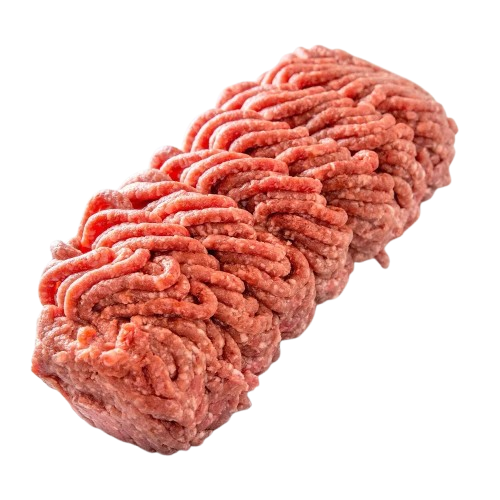
Ground lamb is a flavorful meat commonly used in Mediterranean and Middle Eastern cuisines. A large broiled ground lamb patty (170g or 6oz) has 481 calories, while a medium one (85g or 3oz) contains 241 calories. A 71g (2.5oz) raw portion of ground lamb provides 200 calories. A piece of Cedar Springs Foods Lamb Patty (113g) has 330 calories and a serving of Thomas Farms ground lamb meat (112g) contains 320 calories.
The ground lamb nutrition profile is rich in protein, with a large broiled patty (170g) offering 42.1g of protein (84% DV). High-quality protein is vital for preserving muscle mass, a conclusion supported by research (Paddon-Jones, D., & Rasmussen, B. B., 2009). The ground lamb macros for a 100g broiled portion consist of 25.5g of protein and 19.8g of fat with no carbohydrates. The meat's mineral profile is also a major benefit, with a 100g serving offering 57% of the DV for zinc and 48% for selenium to support immune function and cellular health.
Ground lamb is prepared in many ways, from kofta kebabs and burgers to fillings for dishes like moussaka. Global supply is led by top sheep meat producers like China and Australia, with consumption being highest in China, India, and Pakistan. The price of ground lamb has climbed significantly over the last two decades, rising from $4.00 per pound in the early 2000s to more than $8.00 per pound after 2020.
To manage fat intake, the American Heart Association recommends a healthy serving size of 3 ounces (85g), and for safety, the USDA advises cooking ground lamb to an internal temperature of 160°F (71°C). A medium 85g broiled patty contains 241 calories, which can be expended through 24 minutes of jogging or 32 minutes of cycling.
Ground Lamb nutrition
| Stats | Weight |
|---|---|
| Carbs | 0 grams |
| Protein | 16.6 grams |
| Fats | 23.4 grams |
| Sugars | 0 grams |
- Large Ground Lamb Calories (Nutritional Facts)
- Medium Ground Lamb Calories (Nutritional Facts)
- Small Ground Lamb Calories (Nutritional Facts)
- Raw Ground Lamb Nutrition
- Sodium in Ground Lamb
- Potassium in Ground Lamb
- Sugar in Ground Lamb
- Fiber in Ground Lamb
- Protein in Ground Lamb
- Carbs in Ground Lamb
- Fat in Ground Lamb
- Vitamins in Ground Lamb
- Minerals in Ground Lamb
Large Ground Lamb Calories (Nutritional Facts)
A large broiled ground lamb patty (170g or 6oz) contains 481 calories, 42.1g of protein, 33.4g of fat, 0g of carbohydrates, 0g of fiber, 0g of sugar, and 137.7mg of sodium.
A medium broiled ground lamb patty (85g or 3oz) has 241 calories, 21g of protein, 16.7g of fat, 0g of carbohydrates, 0g of fiber, 0g of sugar, and 68.9mg of sodium.
A small broiled ground lamb patty (28g or 1oz) provides 79 calories, 6.9g of protein, 5.5g of fat, 0g of carbohydrates, 0g of fiber, 0g of sugar, and 22.7mg of sodium.
A 200-calorie serving of raw ground lamb (71g or 2.5oz) has 11.7g of protein, 16.6g of fat, 0g of carbohydrates, 0g of fiber, 0g of sugar, and 41.8mg of sodium.
A large broiled ground lamb patty (170g) contains 137.7mg of sodium (6% DV). A medium broiled patty (85g) has 68.9mg of sodium (3% DV). A 71g raw serving has 41.8mg of sodium (2% DV). A small broiled patty (28g) has 22.7mg of sodium (1% DV).
A large broiled ground lamb patty (170g) provides 576.3mg of potassium (12% DV). A medium broiled patty (85g) has 288.2mg of potassium (6% DV). A 71g raw serving has 157.4mg of potassium (3% DV). A small broiled patty (28g) has 94.9mg of potassium (2% DV).
Ground lamb, whether raw or cooked, contains 0g of sugar.
Ground lamb, whether raw or cooked, contains 0g of fiber.
A large broiled ground lamb patty (170g) provides 42.1g of protein (84% DV). A medium broiled patty (85g) has 21g of protein (42% DV). A 71g raw serving has 11.7g of protein (23% DV). A small broiled patty (28g) has 6.9g of protein (14% DV).
Ground lamb, whether raw or cooked, contains 0g of carbohydrates (0% DV).
A large broiled ground lamb patty (170g) contains 33.4g of total fat (43% DV). A medium broiled patty (85g) has 16.7g of total fat (21% DV). A 71g raw serving has 16.6g of total fat (21% DV). A small broiled patty (28g) has 5.5g of total fat (7% DV).
A large broiled ground lamb patty (170g) provides a significant amount of B vitamins, including 5.3mcg of Vitamin B12 (221% DV) and 13.2mg of Niacin (83% DV). This large serving also contains 0.17mcg of Vitamin D (1% DV). A medium broiled patty (85g) offers 2.65mcg of Vitamin B12 (110% DV), and a 71g raw serving provides 0.07mcg of Vitamin D (0% DV).
A large broiled ground lamb patty (170g) is a rich source of minerals, providing 12.8mg of zinc (116% DV), 74mcg of selenium (135% DV), 3mg of iron (17% DV), and 341.7mg of phosphorus (27% DV). A medium broiled patty (85g) contains 6.4mg of zinc (58% DV) and 1.5mg of iron (8% DV). A 71g raw serving has 1.1mg of iron (6% DV).
Get a Custom Report on Ground Lamb Nutrition Data – Contact Us!
What are the Types of Ground Lamb?
The types of ground lamb are Ground Lamb Shoulder, Ground Lamb Leg, and Ground Lamb Loin. These types are determined by the cut of meat used, which affects the lean-to-fat ratio. The following table explains these common types.
| Type | Description | Calories (Approximate per 100g, Raw) | Calorie Qualifications |
|---|---|---|---|
|
Ground Lamb Shoulder
|
A common cut for grinding, with a good amount of marbling. The fat content is high, resulting in rich flavor. | 320 | The high fat percentage makes this a very calorie-dense option, ideal for flavorful burgers. |
|
Ground Lamb Leg
|
A leaner option with less fat and a milder flavor compared to shoulder. | 250 | The reduced fat content results in a moderate calorie count, suitable for sauces and fillings. |
|
Ground Lamb Loin
|
The leanest and most tender option, though less common and more expensive. | 220 | The low fat content makes this the least calorie-dense type of ground lamb. |
What are Main Dishes With Ground Lamb?
Ground lamb is a cornerstone of many flavorful and aromatic main dishes, especially in Mediterranean and Middle Eastern cuisines. A breakdown of main dishes that feature ground lamb is provided in the following table.
| Dish Name | Calories (Estimate per serving) | Type of Ground Lamb | Carbs (g) (Estimate) | Sugar (g) (Estimate) | Protein (g) (Estimate) | Fat (g) (Estimate) | Cuisine | Restaurants |
|---|---|---|---|---|---|---|---|---|
|
Moussaka
|
500-750 | Leg or Shoulder | 35 | 10 | 30 | 30 | Greek | The Great Greek, local Greek restaurants |
|
Shepherd's Pie
|
550-850 | Leg or Shoulder | 50 | 8 | 35 | 30 | British/Irish | The Cheesecake Factory, local pubs |
|
Lamb Kofta Kebab
|
450-700 | Shoulder | 10 | 3 | 35 | 30 | Middle Eastern | CAVA, local Mediterranean grills |
|
Lamb Burgers
|
600-900 | Shoulder | 45 | 8 | 40 | 40 | American/Mediterranean | The Counter, local gastropubs |
|
Stuffed Grape Leaves (Dolmades)
|
300-500 | Leg | 30 | 5 | 15 | 20 | Greek/Middle Eastern | Zoe's Kitchen, local delis |
|
Lahmacun (Turkish Pizza)
|
350-550 | Leg or Shoulder | 45 | 5 | 20 | 15 | Turkish | Local Turkish restaurants |
|
Kibbeh
|
400-600 | Leg | 35 | 2 | 20 | 25 | Lebanese/Middle Eastern | Local Lebanese restaurants |
|
Lamb Ragu with Pasta
|
650-900 | Shoulder | 75 | 12 | 35 | 30 | Italian | Local Italian restaurants |
What Cuisines Prefer Ground Lamb the Most?
Ground lamb is a cherished ingredient, essential to the identity of many cuisines from the Mediterranean, Middle East, and beyond. The table below presents the culinary traditions that make prominent use of ground lamb.
| Cuisine | Dish | Types of Ground Lamb Used | Calories (Estimate) | Restaurant(s) |
|---|---|---|---|---|
|
Greek
|
Moussaka, Keftedes | Leg or Shoulder | 500-800 | The Great Greek, local Greek restaurants |
|
Middle Eastern
|
Kofta Kebab, Kibbeh | Shoulder or Leg | 400-700 | CAVA, local Mediterranean grills |
|
Turkish
|
Lahmacun, Adana Kebab | Shoulder | 350-600 | Local Turkish restaurants |
|
British/Irish
|
Shepherd's Pie | Leg or Shoulder | 550-850 | The Cheesecake Factory, local pubs |
|
Indian
|
Keema Matar | Leg or Shoulder | 400-600 | Local Indian restaurants |
|
Moroccan
|
Lamb Tagine with Kefta | Shoulder | 500-750 | Local Moroccan restaurants |
|
Italian
|
Lamb Ragu, Polpette | Leg or Shoulder | 650-900 | Local Italian restaurants |
Which Countries Produce the Most Ground Lamb?
The top producers of sheep and goat meat, which are the source of ground lamb, are China, Australia, and New Zealand. Specific global production data for "ground lamb" is not tracked separately from the broader "sheep and goat meat" category. The table below shows the production quantity of sheep and goat meat in key countries.
| Country | 2003 | 2008 | 2013 | 2018 | 2019 | 2020 | 2021 | 2022 |
|---|---|---|---|---|---|---|---|---|
| China | 2,850,000 | 3,800,000 | 4,280,000 | 4,750,000 | 4,880,000 | 4,920,000 | 5,140,000 | 5,250,000 |
| Australia | 780,000 | 820,000 | 940,000 | 1,020,000 | 980,000 | 950,000 | 930,000 | 960,000 |
| New Zealand | 660,000 | 580,000 | 550,000 | 510,000 | 490,000 | 470,000 | 460,000 | 450,000 |
| Turkey | 270,000 | 290,000 | 350,000 | 430,000 | 450,000 | 470,000 | 490,000 | 510,000 |
| Pakistan | 480,000 | 560,000 | 640,000 | 740,000 | 760,000 | 780,000 | 800,000 | 820,000 |
Which Countries Consume the Most Ground Lamb?
The top consumers of sheep and goat meat, which includes ground lamb, are China, India, and Pakistan. Per capita consumption is highest in countries like New Zealand, Australia, and nations in the Middle East. The table below shows sheep and goat meat consumption in key markets.
| Country | 2003 | 2008 | 2013 | 2018 | 2019 | 2020 | 2021 | 2022 |
|---|---|---|---|---|---|---|---|---|
| China | 2,900,000 | 3,850,000 | 4,350,000 | 4,850,000 | 4,950,000 | 5,000,000 | 5,250,000 | 5,350,000 |
| India | 750,000 | 850,000 | 950,000 | 1,100,000 | 1,150,000 | 1,180,000 | 1,200,000 | 1,230,000 |
| Pakistan | 500,000 | 580,000 | 660,000 | 760,000 | 780,000 | 800,000 | 820,000 | 840,000 |
| Australia | 380,000 | 390,000 | 420,000 | 410,000 | 390,000 | 370,000 | 360,000 | 370,000 |
| Turkey | 280,000 | 300,000 | 360,000 | 440,000 | 460,000 | 480,000 | 500,000 | 520,000 |
How Do Prices of Ground Lamb-Including Dishes Change?
Menu prices for dishes with ground lamb, such as gyros and lamb burgers, have climbed over the past decade. This change is a direct result of the fluctuating wholesale and import cost of lamb, combined with increased expenses for restaurant labor and general operations. Price adjustments are visible on the menus of Mediterranean and casual dining chains.
| Restaurant | Dish | Old Price (Year) | Current Price (2024/2025 Estimate) |
|---|---|---|---|
| The Cheesecake Factory | Shepherd's Pie | $16.50 (2015) | $19.95 - $24.95 |
| CAVA | Lamb Meatballs | $9.95 (2016) | $15.50 - $16.50 |
| The Counter | Lamb Burger | $12.50 (2014) | $14.95 - $18.00 |
| Zoe's Kitchen | Lamb Kafta | $10.49 (2017) | $12.99 - $16.49 |
| The Great Greek | Gyro Plate | $11.99 (2018) | $15.50 - $17.99 |
What is the Ground Lamb Calorie for 100 Grams?
A 100g serving of broiled ground lamb contains 283 calories, while a 100g raw serving has 282 calories.
What is the Ground Lamb Calorie for 1 KG?
One kilogram of broiled ground lamb contains 2830 calories, and one kilogram of raw ground lamb has 2820 calories.
What is the Calorie of 1 Ground Lamb?
A Cedar Springs Foods Lamb Patty (113g) has 330 calories, and a serving from a brand like Thomas Farms (112g) contains 320 calories.
What are the Health Benefits of Ground Lamb?
Ground lamb provides distinct nutritional benefits from a high concentration of quality protein and key micronutrients. The key health advantages of consuming ground lamb are listed here.
- Supports Energy Production: The rich supply of B vitamins in ground lamb, particularly Vitamin B12 and Niacin, is critical for converting food into usable energy. These vitamins function as coenzymes in the metabolic pathways that break down carbohydrates, fats, and proteins. A review by Depeint, F., Bruce, W. R., & Shangari, N. (2006), "Mitochondrial function and toxicity," confirmed the fundamental role of B vitamins in supporting mitochondrial energy production and overall metabolic health.
- Aids in Anemia Prevention: Ground lamb is a valuable source of heme iron, a form of iron that is more readily absorbed by the body than the non-heme iron found in plants. Heme iron is essential for creating hemoglobin, the protein in red blood cells responsible for carrying oxygen. A review by Abbaspour, N., Hurrell, R., & Kelishadi, R. (2014), "Review on iron and its importance for human health," confirmed that adequate intake of heme iron is effective in preventing iron-deficiency anemia.
- Promotes a Healthy Immune System: The high concentration of zinc in ground lamb is vital for the proper development and function of immune cells. Zinc helps the body fight off pathogens and is crucial for both innate and adaptive immunity. Research by Prasad, A. S. (2008), "Zinc in Human Health: Effect of Zinc on Immune Cells," demonstrated the essential role of zinc in maintaining a robust immune response.
What are the Downsides of Ground Lamb?
Consumption of ground lamb involves health considerations connected to its high saturated fat content. The health issues linked to ground lamb consumption are explained below.
- Increased Risk of Cardiovascular Disease: Ground lamb contains a high level of saturated fat, which can raise low-density lipoprotein (LDL) cholesterol levels, a major risk factor for heart disease. A medium broiled patty (85g) contains 6.9g of saturated fat (35% DV). A scientific advisory from the American Heart Association by Sacks, F. M., et al. (2017), "Dietary Fats and Cardiovascular Disease," reaffirmed the recommendation to limit saturated fat intake to reduce cardiovascular disease risk. An alternative with lower saturated fat is ground chicken or lean ground turkey. A suggested amount is a small portion limited to occasional consumption.
- High Calorie Density: The high fat content makes ground lamb a calorie-dense food, which can lead to weight gain if consumed in large quantities without adjusting overall calorie intake. A medium broiled patty (85g) contains 241 calories. A meta-analysis by Mozaffarian, D., Hao, T., Rimm, E. B., Willett, W. C., & Hu, F. B. (2011), "Changes in diet and lifestyle and long-term weight gain in women and men," found a direct association between red meat consumption and long-term weight gain. A lower-calorie alternative is lentils or lean ground beef. A daily suggested amount is to treat ground lamb as an occasional indulgence rather than a regular part of a diet.
Is Ground Lamb Good for You?
No, ground lamb is not a good food choice for frequent eating because of its high concentration of saturated fat and calories, which are linked to adverse health outcomes. The nutritional profile does offer some benefits for bodily functions. The high protein content supports Weight Management by increasing feelings of fullness and maintaining metabolic rate, a concept detailed in a study by Paddon-Jones, D., et al. (2008), "Protein, weight management, and sarcopenia." The rich supply of B vitamins supports Brain Health and energy metabolism. A study by Kennedy, D. O. (2016), "B Vitamins and the Brain: Mechanisms, Dose and Efficacy—A Review," details the critical role of B vitamins in cognitive function. The selenium in the meat supports Cellular Health by acting as an antioxidant. A review by Rayman, M. P. (2012), "Selenium and human health," demonstrated the importance of adequate selenium intake for supporting the body's antioxidant defenses.
What is the Healthy Ground Lamb Serving Size?
A healthy serving size for ground lamb is 3 ounces (85g) of cooked meat. This portion is recommended by health organizations like the American Heart Association to help control the intake of saturated fat and calories within daily healthy limits. A 3-ounce serving of broiled ground lamb contains 241 calories and 6.9g of saturated fat (35% DV). For individuals with higher calorie needs, such as athletes, or those on specific high-protein diets, a slightly larger portion may be appropriate. Conversely, individuals on calorie-restricted diets or those with a family history of heart disease may need to consume smaller portions or choose ground lamb less frequently.
How Does Calorie Change According to Ground Lamb Types?
The calorie count in ground lamb varies depending on the cut of meat used for grinding. Ground lamb from the shoulder has the highest calorie value at 320 calories per 100 grams when raw, a result of its high fat content and marbling. Ground lamb from the loin contains the lowest calorie value at 220 calories per 100 grams, reflecting its status as the leanest part of the animal. Ground lamb from the leg has a calorie count of 250 calories per 100 grams, placing it in the middle.
Is Ground Lamb More Nutritious than Beef?
No, ground lamb is not more nutritious than ground beef, as the two have very similar nutritional profiles with minor differences. When comparing 100g of broiled 85/15 ground lamb to the same portion of 85/15 ground beef, the lamb contains more calories (283 vs. 243) and more fat (22g vs. 16g). Ground beef offers a higher concentration of iron and zinc, which are crucial for oxygen transport and immune function. Ground lamb provides a slightly greater amount of selenium, an important antioxidant, and contains more omega-3 fatty acids. Both meats are excellent sources of high-quality protein and Vitamin B12. The better choice depends on individual nutritional needs and flavor preferences.
What is the Best Temperature for Cooking Ground Lamb?
The best and safest temperature for cooking ground lamb is an internal temperature of 160°F (71°C). This specific temperature is recommended by the United States Department of Agriculture (USDA) because it is the point at which harmful bacteria like E. coli and Salmonella are effectively destroyed. The grinding process can introduce bacteria from the surface of the meat into the center, making it crucial to cook the lamb all the way through. The most reliable method to ensure the lamb has reached this temperature is to insert a food thermometer into the thickest part of the patty or meatloaf.
What are the Desserts Best with Ground Lamb?
Ground lamb meat is not a commonly used ingredient in making desserts.
What is the Origin of Ground Lamb?
The practice of mincing lamb has ancient origins in the Middle East, the Mediterranean, and Central Asia, where sheep were among the first domesticated animals. Mincing tougher cuts of lamb was a practical way to make the meat tender and stretch a valuable resource. This technique gave rise to some of the world's oldest and most enduring dishes. Kofta, seasoned meatballs or skewers of minced lamb, has roots in Persian cuisine and spread throughout the Ottoman Empire. In the Levant, the combination of minced lamb and bulgur wheat created kibbeh, a dish with countless variations. Greek cuisine developed moussaka, a layered casserole of eggplant and spiced ground lamb. In the British Isles, Shepherd's Pie emerged as a rustic dish to use leftover roasted lamb, which was minced and topped with mashed potatoes. The mechanical meat grinder in the 19th century made the process easier, but unlike ground beef, ground lamb's popularity remained concentrated in cultures with a long history of sheep husbandry.
Explore More Meat
Discover more Meat with detailed nutrition facts, calorie counts, vitamins, minerals, and health benefits. Compare similar foods, serving sizes, macronutrients, and key nutrients to find the best option for your diet and nutrition goals.
 Bacon calories
 Beef calories
 Beef Brisket calories
 Beef Chuck calories
 Beef Jerky calories
 Beef Liver calories
 Beef Short Ribs calories
 Beef Tenderloin calories
 Beef Tongue calories
 Bison calories
 Buffalo Meat calories
 Chicken calories