Calories and Nutritions in Halloumi Cheese
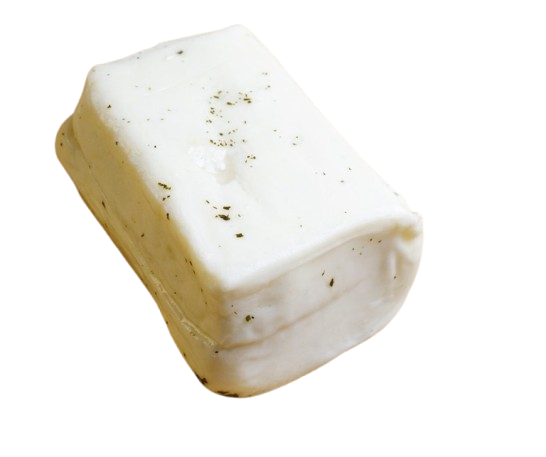
Halloumi cheese is a semi-hard brined cheese from Cyprus. The halloumi cheese calories are dense, with a 100 gram (3.53 ounce) serving of raw halloumi containing 321 calories. A single one-ounce (28g) raw slice provides 90 calories in halloumi cheese, 6.2g of protein, and 7.3g of fat, while grilling the same slice raises the count to 98 calories. A larger three-ounce (85g) serving of grilled halloumi contains 298 calories. An entire 8-ounce (225g) block of raw halloumi contains 722 calories, and one kilogram (1000g) has 3210 calories. A one-ounce serving of President Halloumi also contains 90 calories, while a one-ounce portion of Dodoni Halloumi has 100 calories.
The halloumi cheese nutrition facts reveal an exceptional calcium content, with a 100g serving providing 850mg (65% DV). A meta-analysis concluded that dairy consumption is associated with improved bone mineral density, a key indicator of bone strength (Weaver, C. M., et al., 2016). The main health benefits of halloumi come from a profile of high-quality protein and calcium, supporting muscle and bone health. A 100g serving of raw halloumi also provides 1.5mcg of Vitamin B12 (63% DV).
Halloumi cheese varieties include Traditional, Cow's Milk, and Aged halloumi. Cyprus is the top producer of halloumi. The United Kingdom, Sweden, and Germany are the top consumers. The price of halloumi has increased over the last 20 years, with the average retail price for an 8-ounce block rising from under $6.00 in the early 2000s to over $10.99 in 2022.
Halloumi serves as a popular ingredient in dishes like Seared Halloumi at restaurants like Zaytinya and Halloumi Fries at Nando's. A good recommendation for consumption is a one-ounce (28g) serving, which provides 90 calories. The halloumi macros from this portion can be balanced by burning the calories with 9 minutes of jogging or 11 minutes of cycling.
Halloumi Cheese nutrition
| Stats | Weight |
|---|---|
| Carbs | 0.5 grams |
| Protein | 12 grams |
| Fats | 0 grams |
| Sugars | 0.5 grams |
- Halloumi Cheese Slices Calories (Nutritional Facts)
- Grilled Halloumi Cheese Calories (Nutritional Facts)
- Small Halloumi Cheese Calories (Nutritional Facts)
- Raw Halloumi Cheese Nutrition
- Sodium in Halloumi Cheese
- Potassium in Halloumi Cheese
- Sugar in Halloumi Cheese
- Fiber in Halloumi Cheese
- Protein in Halloumi Cheese
- Carbs in Halloumi Cheese
- Fat in Halloumi Cheese
- Vitamins in Halloumi Cheese
- Minerals in Halloumi Cheese
Halloumi Cheese Slices Calories (Nutritional Facts)
A single one-ounce (28 gram) slice of raw halloumi cheese contains 90 calories, 6.2 grams of protein, 7.3 grams of fat, and 0.5 grams of carbohydrates. A one-ounce (28 gram) slice of grilled halloumi cheese contains 98 calories, 6.8 grams of protein, 8 grams of fat, and 0.5 grams of carbohydrates.
A 100-gram (3.53 ounce) serving of grilled halloumi cheese contains 350 calories, 24 grams of protein, 28 grams of fat, and 1.9 grams of carbohydrates. A one-ounce (28 gram) serving of grilled halloumi has 98 calories. A three-ounce (85 gram) serving of grilled halloumi contains 298 calories.
A small one-ounce (28 gram) serving of raw halloumi cheese contains 90 calories, 6.2 grams of protein, 7.3 grams of fat, and 0.5 grams of carbohydrates.
A 100-gram (3.53 ounce) serving of raw halloumi cheese contains 321 calories, 22 grams of protein, 26 grams of fat, 1.8 grams of carbohydrates, 1.8 grams of sugar, and 0 grams of fiber. A one-ounce (28 gram) serving of raw halloumi cheese has 90 calories.
A one-ounce (28 gram) slice of halloumi cheese contains 812 milligrams of sodium (35% DV). A 100-gram serving of grilled halloumi cheese contains 3100 milligrams of sodium (135% DV). A 100-gram serving of raw halloumi cheese contains 2900 milligrams of sodium (126% DV).
A one-ounce (28 gram) slice of halloumi cheese contains 28 milligrams of potassium (1% DV). A 100-gram serving of grilled halloumi cheese contains 110 milligrams of potassium (2% DV). A 100-gram serving of raw halloumi cheese contains 100 milligrams of potassium (2% DV).
A one-ounce (28 gram) slice of halloumi cheese contains 0.5 grams of sugar. A 100-gram serving of grilled halloumi cheese contains 1.9 grams of sugar. A 100-gram serving of raw halloumi cheese contains 1.8 grams of sugar.
Halloumi cheese contains 0 grams of fiber across all preparations and serving sizes, including slices, grilled, small, and raw portions.
A one-ounce (28 gram) slice of halloumi cheese provides 6.2 grams of protein. A 100-gram serving of grilled halloumi cheese provides 24 grams of protein. A 100-gram serving of raw halloumi cheese contains 22 grams of protein.
A one-ounce (28 gram) slice of halloumi cheese contains 0.5 grams of carbohydrates. A 100-gram serving of grilled halloumi cheese contains 1.9 grams of carbohydrates. A 100-gram serving of raw halloumi cheese contains 1.8 grams of carbohydrates.
A one-ounce (28 gram) slice of halloumi cheese contains 7.3 grams of fat. A 100-gram serving of grilled halloumi cheese contains 28 grams of fat. A 100-gram serving of raw halloumi cheese contains 26 grams of fat.
A 100-gram serving of raw halloumi cheese provides 250 micrograms of Vitamin A (28% DV) and 1.5 micrograms of Vitamin B12 (63% DV). A one-ounce (28 gram) slice of raw halloumi cheese provides 70 micrograms of Vitamin A (8% DV) and 0.42 micrograms of Vitamin B12 (18% DV).
A 100-gram serving of raw halloumi cheese contains 850 milligrams of calcium (65% DV) and 550 milligrams of phosphorus (44% DV). A one-ounce (28 gram) slice of raw halloumi cheese provides 238 milligrams of calcium (18% DV) and 154 milligrams of phosphorus (12% DV).
Get a Custom Report on Halloumi Cheese Nutrition Data – Contact Us!
What are the Types of Halloumi Cheeses?
The types of halloumi cheese are Traditional Halloumi, Cow's Milk Halloumi, Aged Halloumi, and Mint-Infused Halloumi. These varieties are distinguished by the blend of milk used and whether the cheese is fresh or aged. The table below details the characteristics of common varieties.
| Type | Description | Calories (Approximate per 100g) | Calorie Qualifications |
|---|---|---|---|
|
Traditional Halloumi
|
Made with a blend of sheep's and goat's milk, sometimes with cow's milk. Has a distinct, tangy, and salty flavor. | 321 | The classic version, prized for its unique texture and rich flavor. |
|
Cow's Milk Halloumi
|
Made exclusively from cow's milk. Has a milder, less tangy flavor than the traditional blend. | 315 | A more widely available and less expensive version with a slightly lower calorie count. |
|
Aged Halloumi
|
Halloumi that has been brined for several months. Develops a harder, saltier, and more intense flavor. | 330 | The aging process reduces moisture, concentrating the fat and protein, resulting in a higher calorie density. |
|
Mint-Infused Halloumi
|
Traditional halloumi that is folded with fresh or dried mint leaves, a classic preparation. | 321 | The mint adds a fresh, aromatic quality without altering the calorie count. |
What are the Desserts with Halloumi Cheese?
Halloumi cheese is not a traditional dessert ingredient, but the cheese's salty flavor pairs well with sweet counterparts like honey, fruit, and syrups. Dessert preparations using halloumi are detailed in the table below.
| Dish Name | Calories (Estimate per serving) | Type of Cheese Used | Carbs (g) (Estimate) | Sugar (g) (Estimate) | Protein (g) (Estimate) | Fat (g) (Estimate) | Cuisine | Restaurants |
|---|---|---|---|---|---|---|---|---|
|
Grilled Halloumi with Watermelon & Mint
|
380 | Traditional Halloumi | 20 | 18 | 15 | 25 | Mediterranean | Zaytinya (Washington, D.C.) |
|
Halloumi with Honey and Sesame Seeds
|
450 | Traditional Halloumi | 15 | 12 | 18 | 35 | Greek, Middle Eastern | Shuka (New York, NY) |
|
Pan-Fried Halloumi with Fig Jam
|
420 | Traditional Halloumi | 25 | 22 | 16 | 28 | New American | The Purple Pig (Chicago, IL) |
|
Halloumi Fritters with Maple Syrup
|
500 | Cow's Milk Halloumi | 35 | 25 | 15 | 30 | American Brunch | Jack's Wife Freda (New York, NY) |
|
Halloumi and Grilled Peaches
|
400 | Traditional Halloumi | 22 | 20 | 16 | 26 | Modern American | Gjelina (Venice, CA) |
|
Halloumi Cheese Board with Apricot Preserves
|
480 | Aged Halloumi | 30 | 25 | 20 | 30 | Mediterranean | Cafe Mogador (New York, NY) |
|
Halloumi Skewers with Strawberries
|
350 | Traditional Halloumi | 15 | 12 | 15 | 25 | Greek | Avra Madison Estiatorio (New York, NY) |
|
Baked Halloumi with Dates and Pistachios
|
480 | Traditional Halloumi | 28 | 25 | 18 | 32 | Middle Eastern | Souk Mediterranean Kitchen (Toledo, OH) |
What are the Main Dishes with Halloumi Cheese?
Halloumi cheese is a popular main course feature, especially in vegetarian dishes, because of the cheese's high melting point and firm texture when grilled or fried. Main dishes that use halloumi are described in the table that follows.
| Dish Name | Calories (Estimate per serving) | Type of Cheese Used | Carbs (g) (Estimate) | Sugar (g) (Estimate) | Protein (g) (Estimate) | Fat (g) (Estimate) | Cuisine | Restaurants |
|---|---|---|---|---|---|---|---|---|
|
Halloumi Salad with Greens and Lemon
|
550 | Traditional Halloumi | 20 | 8 | 25 | 40 | Mediterranean | CAVA |
|
Halloumi Burger/Sandwich
|
750 | Cow's Milk Halloumi | 55 | 10 | 30 | 45 | Gastropub, Modern | The Habit Burger Grill (limited item) |
|
Halloumi Fries
|
600 | Cow's Milk Halloumi | 40 | 5 | 20 | 40 | British, Street Food | Nando's (international chain) |
|
Halloumi Gyro or Wrap
|
680 | Traditional Halloumi | 50 | 7 | 28 | 42 | Greek, Middle Eastern | Taim Mediterranean Kitchen (New York, NY) |
|
Halloumi Skewers with Vegetables
|
450 | Traditional Halloumi | 15 | 8 | 22 | 32 | Mediterranean | Estiatorio Milos (Las Vegas, NV) |
|
Shakshuka with Halloumi
|
620 | Traditional Halloumi | 30 | 20 | 28 | 40 | Middle Eastern | Miznon (New York, NY) |
|
Halloumi and Lentil Salad
|
580 | Traditional Halloumi | 45 | 10 | 28 | 30 | Healthy, Modern | Sweetgreen |
|
Halloumi Tacos
|
550 | Cow's Milk Halloumi | 35 | 5 | 25 | 35 | Fusion | Tacombi (New York, NY) |
|
Full English Breakfast with Grilled Halloumi
|
900 | Cow's Milk Halloumi | 40 | 8 | 45 | 60 | British | The Dandelion (Philadelphia, PA) |
|
Halloumi Pasta with Cherry Tomatoes
|
700 | Traditional Halloumi | 65 | 12 | 28 | 38 | Italian-Fusion | Bar Pitti (New York, NY) |
What Cuisines Do Prefer Halloumi Cheese Most?
Halloumi cheese is indispensable in Cypriot and Greek culinary traditions. The cheese's unique ability to be grilled without melting makes halloumi a staple in Mediterranean and Middle Eastern cooking. The table below shows cuisines that prominently feature halloumi cheese.
| Cuisine | Dish | Types of Halloumi Used | Calories (Estimate) | Restaurant(s) |
|---|---|---|---|---|
|
Cypriot
|
Grilled Halloumi & Lountza Sandwich | Traditional Halloumi | 600-750 | Zenon Taverna (Astoria, NY) |
|
Greek
|
Saganaki (Fried Halloumi) | Traditional Halloumi | 450-550 | Kokkari Estiatorio (San Francisco, CA) |
|
Mediterranean
|
Halloumi Salad | Traditional Halloumi | 500-650 | CAVA (restaurant chain) |
|
Middle Eastern
|
Halloumi with Za'atar and Tomatoes | Traditional Halloumi | 400-500 | Shuka (New York, NY) |
|
British
|
Halloumi Burger | Cow's Milk Halloumi | 700-850 | Leon (international chain) |
|
Modern American
|
Halloumi Fries Appetizer | Cow's Milk Halloumi | 550-650 | The Little Beet Table (New York, NY) |
|
Turkish
|
Hellim Kebab | Traditional Halloumi | 450-550 | Zaytinya (Washington, D.C.) |
|
Australian Brunch
|
Smashed Avocado Toast with Halloumi | Cow's Milk Halloumi | 600-700 | Two Hands (New York, NY) |
Which Countries Produce the Most Halloumi Cheeses?
The top producer of halloumi cheese is Cyprus, the cheese's country of origin and the only country permitted to produce authentic Halloumi PDO. Specific production data for halloumi cheese is tracked by the Statistical Service of Cyprus. The table below shows the production quantity of halloumi in Cyprus.
| Country | 2003 | 2004 | 2005 | 2006 | 2007 | 2008 | 2009 | 2010 | 2011 | 2012 | 2013 | 2014 | 2015 | 2016 | 2017 | 2018 | 2019 | 2020 | 2021 | 2022 |
|---|---|---|---|---|---|---|---|---|---|---|---|---|---|---|---|---|---|---|---|---|
| Cyprus | 9,850 | 10,100 | 10,500 | 11,200 | 11,900 | 12,800 | 13,700 | 14,900 | 16,300 | 18,100 | 20,500 | 23,200 | 26,600 | 30,800 | 36,400 | 40,700 | 44,600 | 48,200 | 51,500 | 54,300 |
Which Countries Consume the Most Halloumi Cheeses?
The top consumers of halloumi cheese, based on export data from Cyprus, are the United Kingdom, Sweden, and Germany. High import volumes in these countries reflect the cheese's growing popularity in European and international cuisines. The table below shows the export volume of halloumi from Cyprus to key markets.
| Country | 2013 | 2014 | 2015 | 2016 | 2017 | 2018 | 2019 | 2020 | 2021 | 2022 |
|---|---|---|---|---|---|---|---|---|---|---|
| United Kingdom | 7,500 | 8,800 | 10,900 | 13,500 | 16,200 | 18,800 | 21,500 | 24,100 | 26,300 | 28,100 |
| Sweden | 2,100 | 2,500 | 3,100 | 3,900 | 4,800 | 5,600 | 6,400 | 7,100 | 7,800 | 8,400 |
| Germany | 1,500 | 1,800 | 2,200 | 2,700 | 3,300 | 3,900 | 4,500 | 5,200 | 5,800 | 6,300 |
How Do Prices of Halloumi Cheese-Including Dishes Change?
The cost of restaurant dishes featuring halloumi cheese has climbed over the last ten years. This increase is a result of the higher wholesale price of imported halloumi, combined with rising labor and operational costs for restaurants. Mediterranean and brunch-focused restaurants have updated their menus to reflect these new economic realities.
| Restaurant | Dish | Old Price (Year) | Current Price (2024/2025) |
|---|---|---|---|
| Zaytinya (Washington, D.C.) | Seared Halloumi | $12.00 (2016) | $14.00 - $18.00 |
| Jack's Wife Freda (New York, NY) | Grilled Halloumi Appetizer | $14.00 (2017) | $15.00 - $16.00 |
| Shuka (New York, NY) | Fried Halloumi | $10.00 (2018) | $12.00 - $15.00 |
| Nando's (international chain) | Grilled Halloumi Cheese Sticks & Dip | $7.50 (2018) | $8.59 - $12.00 |
What is the Halloumi Cheese Calorie for 100 Grams?
A 100-gram serving of raw halloumi cheese contains 321 calories. A 100-gram serving of grilled halloumi cheese contains 350 calories.
What is the Halloumi Cheese Calorie for 1 KG?
One kilogram (1000 grams) of raw halloumi cheese contains 3210 calories. One kilogram of grilled halloumi cheese contains 3500 calories.
How many Calories in a Block of Halloumi?
A standard 8-ounce (225 gram) block of raw halloumi cheese contains 722 calories.
What is the Calorie of 1 Halloumi Cheese?
A one-ounce (28 gram) serving of President Halloumi contains 90 calories. A one-ounce (28 gram) serving of Dodoni Halloumi has 100 calories. A one-ounce (28 gram) serving of Aphrodite Halloumi contains 90 calories.
What are the Health Benefits of Halloumi Cheese?
Halloumi cheese provides several health benefits, mainly from a high concentration of calcium and protein. The cheese's nutritional composition supports bone, dental, and muscle health. The key halloumi benefits are detailed below.
- Halloumi cheese is an excellent source of calcium, a mineral essential for bone health. A 100-gram serving of halloumi contains 850 milligrams of calcium. This high concentration helps maintain skeletal density and prevent osteoporosis. A meta-analysis by Weaver, C. M., et al., 2016, "Dairy consumption and bone health: a systematic review and meta-analysis," concluded that dairy consumption is associated with improved bone mineral density, which is a key indicator of bone strength.
- Halloumi cheese provides high-quality protein for muscle maintenance. The cheese contains 22 grams of protein per 100-gram serving, supplying the essential amino acids needed for tissue repair and muscle synthesis. A review by Wolfe, R. R., 2017, "The role of dietary protein in optimizing muscle mass, function and health," established the critical role of complete proteins in building and preserving lean body mass throughout life.
- Halloumi cheese supports dental health through its high calcium content. Calcium is a fundamental component of tooth enamel, and adequate intake helps protect against tooth decay. A study by Aimutis, W. R., 2012, "Bioactive properties of milk proteins with particular focus on anticariogenesis," found that cheese consumption can reduce the risk of dental caries by stimulating saliva flow and providing minerals that remineralize tooth enamel.
What are the Downsides of Halloumi Cheese?
Halloumi cheese is a nutrient-dense food, but the exceptionally high sodium content and the presence of saturated fat can be a concern for some individuals. These potential concerns are outlined in the points that follow.
- Halloumi cheese is extremely high in sodium, which can impact blood pressure. A 100-gram portion of halloumi has 2900 milligrams of sodium, which exceeds the recommended daily limit for adults. High sodium intake is a major risk factor for hypertension. A report by the World Health Organization, 2012, "Guideline: Sodium intake for adults and children," recommends a significant reduction in sodium intake to control blood pressure. An alternative with lower sodium is fresh mozzarella. A daily suggested amount for adults is a small one-ounce (28g) portion to manage sodium intake.
- The saturated fat content in halloumi cheese is a consideration for cardiovascular health. Halloumi contains over 16 grams of saturated fat per 100 grams. A scientific advisory from the American Heart Association by Sacks, F. M., et al., 2017, "Dietary Fats and Cardiovascular Disease," recommended lowering saturated fat intake to reduce the risk of cardiovascular disease. An alternative with lower fat is paneer cheese.
Are Halloumi Cheeses Good for You?
Yes, halloumi cheese is a good food choice when consumed in moderation because of its high content of bone-building calcium and muscle-supporting protein. The cheese supports bone health as a powerhouse of calcium, providing 850 milligrams per 100 grams, which is critical for developing and maintaining a strong skeletal structure. A study by Heaney, R. P., 2009, "Dairy and bone health," established the significant positive relationship between dairy intake and bone health. Halloumi's complete protein content supports muscle repair and growth, making the cheese a beneficial food for active individuals and for preventing age-related muscle loss. A study by Burd, N. A., et al., 2019, "Food-First Approach to Enhance the Regulation of Post-exercise Skeletal Muscle Protein Synthesis and Remodeling," highlighted the effectiveness of whole food protein sources like cheese in post-exercise recovery. The high level of calcium also promotes dental health by protecting and remineralizing tooth enamel, reducing the risk of cavities.
Is Halloumi Fattening?
Yes, halloumi is a fattening food because of its high calorie and fat content. A 100-gram serving of halloumi contains 321 calories and 26 grams of fat. The energy density of halloumi means that consuming large portions can contribute to a calorie surplus and subsequent weight gain. A study by Mozaffarian, D., et al., 2011, "Changes in Diet and Lifestyle and Long-Term Weight Gain in Women and Men," identified cheese as one of the foods associated with weight gain over time when consumption increases. However, the high protein content of halloumi can also promote satiety, which may help with appetite control. A review by Paddon-Jones, D., et al., 2008, "Protein, weight management, and satiety," found that protein is more satiating than carbohydrates or fats, which can help in managing overall calorie intake. Research by Chen, M., et al., 2017, "Dairy consumption and risk of cardiovascular disease in 3 large prospective cohorts," also suggests that the health effects of dairy fat are complex and not necessarily linked to negative outcomes.
How Does Calorie Change According to Halloumi Cheese Types?
The calorie content of halloumi cheese shows minimal variation among different types. The main differences between varieties stem from the milk blend and aging process rather than significant changes in nutritional makeup. Halloumi made solely from cow's milk has the lowest calorie count at 315 calories per 100 grams. Aged halloumi contains the highest calorie count at 330 calories per 100 grams. The extended brining process for aged halloumi reduces moisture, which concentrates fat and protein and makes the cheese slightly more calorie-dense. Both traditional and mint-infused halloumi contain 321 calories per 100 grams.
What is the Origin of Halloumi Cheese?
The origin of halloumi cheese is the island of Cyprus during the Medieval Byzantine period. The cheese was traditionally made by rural communities from a blend of local sheep's and goat's milk. The name "halloumi" is believed to derive from the Greek word "almi," meaning salty or brine. The cheese's unique production method involves heating the curd after draining the whey, which gives halloumi a high melting point and a distinctive squeaky, layered texture. The history of halloumi in dishes is rooted in preservation. Blocks of the cheese were stored in salted whey brine, a method that allowed the cheese to be kept for long periods. A classic preparation involves folding the cheese with mint leaves, which were thought to help preserve freshness. The modern popularity of halloumi is tied to the cheese's ability to be grilled or fried until golden brown without losing shape, making halloumi a popular meat substitute.
Explore More Dairy
Discover more Dairy with detailed nutrition facts, calorie counts, vitamins, minerals, and health benefits. Compare similar foods, serving sizes, macronutrients, and key nutrients to find the best option for your diet and nutrition goals.
 Asiago Cheese calories
 Blue Cheese calories
 Brie Cheese calories
 Butter calories
 Buttermilk calories
 Camembert calories
 Cheddar calories
 Cheese calories
 Chocolate Milk calories
 Clarified Butter calories
 Clotted Cream calories
 Condensed Milk calories