Calories and Nutritions in Kangaroo
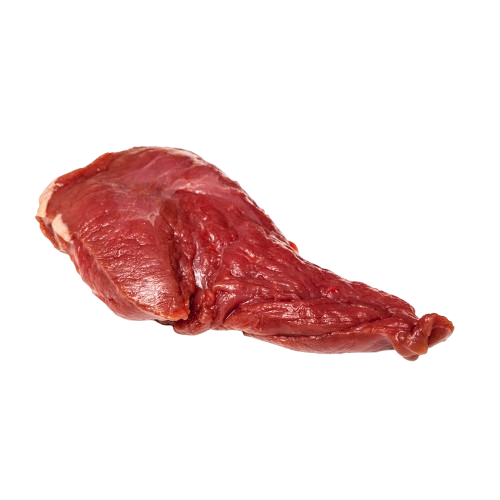
Kangaroo is a low-calorie, high-protein meat. A 100 gram (3.53 ounce) serving of lean raw kangaroo meat contains 98.5 calories in kangaroo, while a 100g serving of Woolworths Kangaroo Meat or K-roo Cooked Kangaroo Fillet from Coles has 102 calories. There are 125 calories in a small 85g (3oz) serving of kangaroo meat, and a large 255g (9oz) serving contains 375 calories. A standard serving (170g) of kangaroo meat provides 250 calories, 44g of protein, 6.8g of total fat (9% DV), 0g of carbohydrates, 0g of fiber, and 0g of sugar.
The kangaroo nutrition facts show the meat is an excellent source of Vitamin B12, providing 2.5mcg per 100g serving (104% DV). The meat may also support cardiovascular health, with a study finding that kangaroo meat has a favorable fatty acid profile low in saturated fat (Sinclair, A. J., et al., 1987). Majority of the health benefits of kangaroo meat come from a profile of 21.4g of high-quality protein, 4.1mg of bioavailable iron (23% DV), and 3.05mg of zinc (28% DV) per 100g serving, which supports muscle health and immune function.
The main types of kangaroo meat are raw fillet or steak, raw mince, and processed sausages. The top producer of kangaroo meat is Australia, while the European Union and Japan are major consumers. The price of kangaroo meat has increased over the last 20 years, with the average retail price for fillet in Australia rising from under $12.00 AUD per kilogram to over $24.00 AUD per kilogram in 2023.
Kangaroo meat is a key ingredient in many Australian dishes like Pan-Seared Kangaroo Steak and Kangaroo Burgers at restaurants like The Australian NYC and Thirsty Koala. A good recommendation for consumption is one small serving of 85g (3oz) of cooked kangaroo meat daily. This serving size provides 125 kangaroo calories. The kangaroo nutrition from this portion can be balanced by burning the calories with 13 minutes of jogging or 16 minutes of cycling.
Kangaroo nutrition
| Stats | Weight |
|---|---|
| Carbs | 0 grams |
| Protein | 22 grams |
| Fats | 0 grams |
| Sugars | 0 grams |
- Large Kangaroo Meat Calories (Nutritional Facts)
- Medium Kangaroo Meat Calories (Nutritional Facts)
- Small Kangaroo Meat Calories (Nutritional Facts)
- Iron in Kangaroo
- Fiber in Kangaroo
- Protein in Kangaroo
- Carbs in Kangaroo
- Fat in Kangaroo
- Vitamins in Kangaroo
- Minerals in Kangaroo
Large Kangaroo Meat Calories (Nutritional Facts)
A large 255g (9oz) serving of kangaroo meat contains 375 calories, 66g of protein, 10.2g of total fat (13% DV), 3.6g of saturated fat (18% DV), 186mg of cholesterol (62% DV), 144mg of sodium (6% DV), 0g of carbohydrates, and 1068.5mg of potassium (23% DV).
A medium 170g (6oz) serving of kangaroo meat contains 250 calories, 44g of protein, 6.8g of total fat (9% DV), 2.4g of saturated fat (12% DV), 124mg of cholesterol (41% DV), 96mg of sodium (4% DV), 0g of carbohydrates, and 712.3mg of potassium (15% DV).
A small 85g (3oz) serving of kangaroo meat contains 125 calories, 22g of protein, 3.4g of total fat (4% DV), 1.2g of saturated fat (6% DV), 62mg of cholesterol (21% DV), 48mg of sodium (2% DV), 0g of carbohydrates, and 356.2mg of potassium (8% DV).
A 100g serving of lean, raw kangaroo meat contains 4.1mg of iron (23% DV). A 200g serving of lean, raw kangaroo meat contains 7mg of iron. A 100g serving of kangaroo mince contains 2.8mg of iron (16% DV).
Kangaroo meat contains 0g of dietary fiber across all cuts and serving sizes.
A 100g serving of lean, raw kangaroo meat has 21.4g of protein. A 100g serving of Woolworths Kangaroo Meat contains 20g of protein. A small 85g (3oz) serving of kangaroo meat contains 22g of protein, a medium 170g (6oz) serving contains 44g of protein, and a large 255g (9oz) serving contains 66g of protein.
Raw kangaroo meat contains 0g of carbohydrates. Small (85g), medium (170g), and large (255g) servings of kangaroo meat all contain 0g of carbohydrates. A 175g serving of K-roo Cooked Kangaroo Fillet from Coles contains 1g of carbohydrates.
A 100g serving of lean, raw kangaroo meat contains 1.3g of total fat. A 100g serving of Woolworths Kangaroo Meat contains 1.3g of fat. A small 85g (3oz) serving of kangaroo meat contains 3.4g of total fat (4% DV) and 1.2g of saturated fat (6% DV). A medium 170g (6oz) serving of kangaroo meat contains 6.8g of total fat (9% DV) and 2.4g of saturated fat (12% DV). A large 255g (9oz) serving of kangaroo meat contains 10.2g of total fat (13% DV) and 3.6g of saturated fat (18% DV).
A 100g serving of raw kangaroo steak contains several B-group vitamins, including 2.5mcg of vitamin B12 (104% DV), 4mg of niacin (B3) (25% DV), 0.23mg of riboflavin (B2) (18% DV), and 0.13mg of thiamin (B1) (11% DV).
A 100g serving of lean, raw kangaroo meat contains 4.1mg of iron (23% DV), 3.05mg of zinc (28% DV), 12mcg of selenium (22% DV), 350mg of potassium (7% DV) and 40mg of sodium (2% DV). A small 85g (3oz) serving of kangaroo meat contains 356.2mg of potassium (8% DV) and 48mg of sodium (2% DV). A medium 170g (6oz) serving of kangaroo meat contains 712.3mg of potassium (15% DV) and 96mg of sodium (4% DV). A large 255g (9oz) serving of kangaroo meat contains 1068.5mg of potassium (23% DV) and 144mg of sodium (6% DV).
Get a Custom Report on Kangaroo Nutrition Data – Contact Us!
What are the Types of Kangaroo Meat?
The types of kangaroo meat are raw fillet or steak, raw mince, sausages, and pre-cooked fillets. These types are distinguished by the specific cut of meat, the preparation method, and whether other ingredients have been added. Raw fillet is a premium, lean cut, while mince is ground meat. Sausages are a processed form with added ingredients, and pre-cooked fillets offer convenience. The table below outlines the characteristics of these common forms.
| Type | Description | Calories (Approximate per 100g) | Calorie Qualifications |
|---|---|---|---|
|
Raw Fillet/Steak
|
A lean, premium cut from the leg or loin. | 100 calories | Low in calories, best for grilling, pan-searing, or stir-frying. |
|
Raw Mince
|
Ground kangaroo meat, often from various muscle cuts. | 103 calories | Low in calories, suitable for bolognese, burgers, or meatballs. |
|
Sausages
|
Minced kangaroo meat seasoned and encased. | 165 calories | Higher in calories due to added fats and other ingredients. |
|
K-Roo Cooked Fillet
|
Pre-cooked and packaged kangaroo fillet from Coles. | 102 calories | Low in calories, convenient for quick meals. |
What are the Main Dishes With Kangaroo Meat?
Kangaroo meat is used in savory main dishes complemented by robust sauces and spices. The table below presents main course dishes that use kangaroo meat.
| Dish Name | Calories (Estimate per serving) | Type of Kangaroo Meat Used | Carbs (g) (Estimate) | Sugar (g) (Estimate) | Protein (g) (Estimate) | Fat (g) (Estimate) | Cuisine | Restaurants |
|---|---|---|---|---|---|---|---|---|
|
Pan-Seared Kangaroo Steak
|
400-550 | Fillet/Loin | 20-30 | 5-10 | 45-55 | 15-25 | Modern Australian | The Australian NYC (New York, NY) |
|
Kangaroo Burger
|
550-700 | Mince | 40-50 | 8-12 | 40-50 | 25-35 | Modern Australian, American | Thirsty Koala (Astoria, NY) |
|
Kangaroo Pie
|
600-800 | Diced/Mince | 50-60 | 5-10 | 35-45 | 30-40 | Australian, British | Gwen Restaurant (Los Angeles, CA) |
|
Kangaroo Skewers (Satay)
|
350-500 | Diced Fillet | 15-25 | 10-15 | 30-40 | 18-28 | Southeast Asian, Australian Fusion | The Australian NYC (New York, NY) |
What Cuisines Prefer Kangaroo Meat the Most?
Kangaroo meat is a signature ingredient in Modern Australian culinary traditions, championing native ingredients. The table below details cuisines where kangaroo meat appears.
| Cuisine | Dish | Types of Kangaroo Meat Used | Calories (Estimate per serving) | Restaurant(s) |
|---|---|---|---|---|
|
Modern Australian
|
Pan-Seared Kangaroo Steak with Red Wine Jus | Fillet/Loin | 400-550 | The Australian NYC (New York, NY) |
|
Australian (Fusion)
|
Kangaroo Burger on a Brioche Bun | Mince | 550-700 | Thirsty Koala (Astoria, NY) |
|
Australian (Gastro-Pub)
|
Kangaroo Pie | Diced/Mince | 600-800 | Gwen Restaurant (Los Angeles, CA) |
Which Countries Produce Most Kangaroo Meat?
The top producer of kangaroo meat is Australia, as the commercial harvesting of kangaroos is unique to the nation. The industry operates under strict government quotas based on population monitoring to ensure sustainability. The table below shows the production quantity for game meat in Australia, which is predominantly kangaroo meat, from 2003 to 2022.
| Country | 2003 | 2004 | 2005 | 2006 | 2007 | 2008 | 2009 | 2010 | 2011 | 2012 | 2013 | 2014 | 2015 | 2016 | 2017 | 2018 | 2019 | 2020 | 2021 | 2022 |
|---|---|---|---|---|---|---|---|---|---|---|---|---|---|---|---|---|---|---|---|---|
| Australia | 39,000 | 38,500 | 41,200 | 40,800 | 42,100 | 43,500 | 42,900 | 39,800 | 37,600 | 36,500 | 35,100 | 34,800 | 33,200 | 31,500 | 29,800 | 27,500 | 25,100 | 21,300 | 19,500 | 18,800 |
Which Countries Consume Most Kangaroo Meat?
The top consumers of kangaroo meat, based on import volumes, are countries in the European Union, particularly Germany and Belgium. These regions have an established market for game meats. The table below shows the import quantity of game meat for top consuming countries and regions from 2003 to 2022, a category that includes kangaroo meat.
| Country/Region | 2003 | 2004 | 2005 | 2006 | 2007 | 2008 | 2009 | 2010 | 2011 | 2012 | 2013 | 2014 | 2015 | 2016 | 2017 | 2018 | 2019 | 2020 | 2021 | 2022 |
|---|---|---|---|---|---|---|---|---|---|---|---|---|---|---|---|---|---|---|---|---|
| European Union | 15,432 | 16,112 | 16,876 | 17,234 | 17,990 | 18,432 | 18,112 | 17,543 | 16,987 | 16,234 | 15,876 | 15,432 | 14,990 | 14,112 | 13,543 | 12,987 | 12,112 | 10,987 | 10,123 | 9,876 |
| Germany | 5,876 | 6,034 | 6,211 | 6,432 | 6,789 | 6,990 | 6,876 | 6,543 | 6,211 | 5,987 | 5,765 | 5,543 | 5,211 | 4,987 | 4,654 | 4,321 | 4,012 | 3,654 | 3,321 | 3,112 |
| Belgium | 3,112 | 3,234 | 3,456 | 3,543 | 3,789 | 3,987 | 3,876 | 3,654 | 3,432 | 3,211 | 3,012 | 2,876 | 2,654 | 2,432 | 2,211 | 2,012 | 1,876 | 1,654 | 1,432 | 1,321 |
| Japan | 1,234 | 1,321 | 1,432 | 1,567 | 1,654 | 1,789 | 1,876 | 1,987 | 2,012 | 2,112 | 2,234 | 2,345 | 2,432 | 2,543 | 2,654 | 2,789 | 2,876 | 2,654 | 2,432 | 2,345 |
How Do Prices of Kangaroo-Including Dishes Change?
The menu prices of dishes that include kangaroo meat have risen over the past decade. This change reflects increases in the cost of the meat, labor, and restaurant overhead. Restaurants in the United States that feature kangaroo meats, like Thirsty Koala, have adjusted menu prices to account for these economic factors.
| Restaurant | Dish | Old Price (Year) | Current Price (2024/2025) |
|---|---|---|---|
| Thirsty Koala | Roo Burger | $19.00 (2015) | $24.00 - $27.00 |
What is the Calorie of Kangaroo Meat per 100g?
A 100g serving of Woolworths Kangaroo Meat contains 102 calories. A 100g serving of lean, raw kangaroo meat contains 98.5 calories.
What is the Calorie of Kangaroo Meat per 1KG?
One kilogram (1000g) of Woolworths Kangaroo Meat contains 1020 calories. One kilogram (1000g) of lean, raw kangaroo meat contains 985 calories.
What are the Calories of 1 Whole Kangaroo?
A 50kg kangaroo that yields 30kg of raw meat provides 29,550 calories.
What are the Health Benefits of Kangaroo?
Kangaroo meat offers several health advantages stemming from a unique nutritional composition. A high protein and low-fat content make kangaroo meat a beneficial component of a balanced diet. The list below details some of these key health advantages.
- Kangaroo meat is a rich source of high-quality protein. Protein is essential for muscle growth, repair, and overall body function. A study by Wynn, P. C., & Fletcher, M. (2016), "Kangaroo meat: a healthy and sustainable choice," confirmed that kangaroo meat provides all essential amino acids, making the protein highly bioavailable for muscle synthesis and maintenance.
- Kangaroo meat contains high levels of bioavailable iron. Iron is a critical mineral for forming hemoglobin, which transports oxygen in the blood, and prevents anemia. Research from the Australian Government's Rural Industries Research and Development Corporation (RIRDC) in a 2010 report titled "Nutritional Value of Kangaroo Meat" demonstrated that the heme iron in kangaroo meat is more easily absorbed by the body compared to non-heme iron from plant sources, supporting energy levels and cognitive function.
- Kangaroo meat has a favorable fatty acid profile. The meat is low in total fat and saturated fat while containing beneficial omega-3 fatty acids and conjugated linoleic acid (CLA). A study by Sinclair, A. J., et al. (1987), "The lipid content and fatty acid composition of the lean meat of Australian wild and farmed animals," found that kangaroo meat's low-fat profile and presence of healthy fats support cardiovascular health and may help reduce inflammation.
What are the Downsides of Kangaroo?
Kangaroo meat is a nutritious food for many but consumption can pose health risks related to microbial contamination and parasites if not handled or cooked properly. The points below detail these potential concerns.
- Kangaroo meat can contain harmful bacteria. As a wild game meat, kangaroo carcasses can be contaminated with pathogens like E. coli, Salmonella, and Toxoplasma gondii during processing. A report by the Food Standards Australia New Zealand (FSANZ) in 2013, "A risk profile of the public health and safety of kangaroo meat," warns that proper cooking to an internal temperature of 75°C (165°F) is crucial to eliminate these microbial risks. An alternative lean meat with a lower risk profile from controlled farming environments is skinless chicken breast.
- Kangaroo meat may contain parasites. Wild animals can host parasites, and kangaroos are no exception. The parasite Toxoplasma gondiiis a particular concern, as infection can cause serious health issues in pregnant women and individuals with compromised immune systems. A study by Parameswaran, N., et al. (2010), "Prevalence of Toxoplasma gondii in commercial kangaroo meat in Australia," documented the presence of the parasite in retail kangaroo meat, reinforcing the need for thorough cooking. A daily suggested amount for individuals with healthy immune systems is no more than a 150g serving of thoroughly cooked kangaroo meat.
Is Kangaroo Meat Good for You?
Yes, for individuals with healthy immune systems, kangaroo meat is a good food choice because the meat is a lean source of high-quality protein, essential minerals, and healthy fats. For muscle health, the complete amino acid profile in kangaroo meat supports muscle development and repair. A study by Wynn, P. C., & Fletcher, M. (2016), "Kangaroo meat: a healthy and sustainable choice," confirmed the high bioavailability of its protein. Regarding metabolic health, kangaroo meat is exceptionally low in fat, which helps in managing body weight and reducing the risk of obesity-related conditions. The Australian Government's RIRDC report (2010), "Nutritional Value of Kangaroo Meat," detailed the low-fat nature of the meat. For heart health, the meat contains beneficial omega-3 fatty acids and conjugated linoleic acid (CLA), which have anti-inflammatory properties and support cardiovascular function. A study by Sinclair, A. J., et al. (1987), "The lipid content and fatty acid composition of the lean meat of Australian wild and farmed animals," documented this favorable fatty acid profile.
How Much Kangaroo Meat Should I Eat a Day?
The Dietary Guidelines for Americans recommend a variety of protein foods. A standard serving of cooked meat is 3 ounces (85g). The American Heart Association suggests limiting lean meat intake to less than 6 ounces (170g) per day as part of a healthy dietary pattern that includes fish, poultry, beans, and nuts. A daily intake of one 85g to 150g serving of cooked kangaroo meat can fit within these guidelines.
How Much Kangaroos Meat Can I Eat a Day at Most?
The American Heart Association recommends that daily intake of lean meat, including kangaroo, should not exceed 6 ounces (170g). The Dietary Guidelines for Americans do not set a specific maximum limit for red meat but emphasize moderation and variety. Consuming more than the amount would displace other important food groups and could lead to an excessive intake of certain nutrients.
How Does Calorie Change According to Kangaroo Meat Types?
The calorie content of kangaroo meat changes based on the cut and the addition of other ingredients during processing. Raw, unprocessed cuts like fillet and steak are the leanest and contain the fewest calories, with raw fillet having 100 calories per 100g. Kangaroo mince is slightly higher in calories at 103 per 100g due to a marginally higher fat content. The highest calorie count is found in processed forms like kangaroo sausages, which contain 165 calories per 100g because of added fats, binders, and seasonings. The lowest calorie count for kangaroo meat is 100 calories per 100g for a raw fillet, while the highest is 165 calories per 100g for sausages.
How Does Kangaroo Meat Differ From Steak?
Kangaroo meat and beef steak show distinct differences in nutritional value, flavor, and origin. Kangaroo meat is a wild game product, possessing a much leaner profile than beef from domesticated cattle. A 100g serving of raw kangaroo contains less than 2g of fat. A similar portion of lean beef sirloin contains over 6g of fat, making kangaroo a lower-calorie red meat option. This leanness means kangaroo meat cooks very quickly and is best served rare to medium-rare to prevent toughness. Beef steak has higher fat content and marbling and remains tender even when cooked to higher temperatures. Kangaroo meat provides more iron and conjugated linoleic acid (CLA) than beef. The flavor profile also differs. Kangaroo has a rich, robust gamey taste, and beef offers a milder, more familiar flavor.
What is the Origin of Kangaroo?
The origin of kangaroo consumption is in Australia, where Indigenous Australians have hunted and eaten the animal as a staple protein source for at least 60,000 years. Kangaroo was a vital part of the traditional diet and culture, providing not just meat but also skins for clothing and materials for tools. Following European colonization, kangaroo meat was largely rejected by settlers in favor of familiar livestock like cattle and sheep and was viewed as a lower-class or pet food. A significant shift in perception began in the late 20th century. Health and environmental concerns led to a re-evaluation of native food sources. The commercial kangaroo industry, which began with harvesting for pet food and leather, gained approval for human consumption exports in 1959 and for domestic sale in most Australian states by the 1980s and 1990s. Today, kangaroo meat is promoted as a sustainable, organic, and healthy red meat alternative, featured on menus in Australia and exported globally.
Explore More Meat
Discover more Meat with detailed nutrition facts, calorie counts, vitamins, minerals, and health benefits. Compare similar foods, serving sizes, macronutrients, and key nutrients to find the best option for your diet and nutrition goals.
 Bacon calories
 Beef calories
 Beef Brisket calories
 Beef Chuck calories
 Beef Jerky calories
 Beef Liver calories
 Beef Short Ribs calories
 Beef Tenderloin calories
 Beef Tongue calories
 Bison calories
 Buffalo Meat calories
 Chicken calories