Calories and Nutritions in Pork Rib
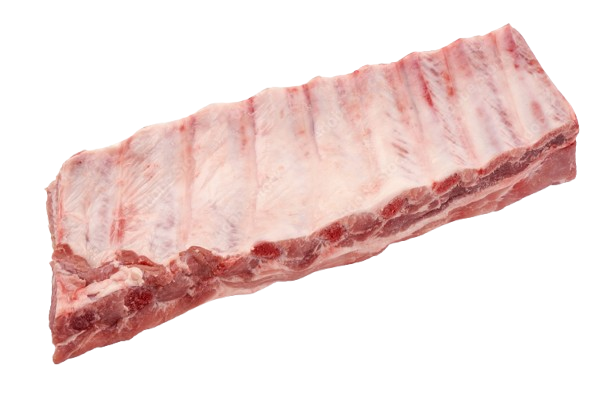
Pork ribs are a popular cut of meat in American BBQs and many Asian cuisines. A rack of broiled bone-in country-style ribs (122g) has 317 calories in a pork rib . A 3oz serving of roasted backribs (85g) contains 248 calories, while a 5oz serving of smoked and sauced baby back ribs (140g) has 321 calories. Restaurant portions are much larger, with a half rack of Baby Back Ribs from Chili's having 830 calories, a full rack from Tony Roma's containing 1290 calories, and a serving of St. Louis Style Ribs from Famous Dave's having 1110 calories. Braised spareribs range from a small serving (57g) with 226 calories to a large portion (227g) with 901 calories.
Pork rib nutrition facts reveal a food that is an excellent source of protein and B vitamins, with a large braised serving (227g) providing 66g of protein (132% DV). This high-quality protein is essential for muscle maintenance, a conclusion supported by research (Paddon-Jones, D., & Rasmussen, B. B., 2009). The pork ribs macros for a 100g braised portion consist of 29g of protein and 30g of fat with 0g of carbohydrates. This nutrient profile also delivers a significant amount of selenium, with the same 100g serving providing 72% of the DV to support immune function and cellular health.
Pork ribs' versatility allows for many preparations, from smoking for barbecue to braising or roasting, making them a favorite in numerous global cuisines. This global popularity is met by top pork producers and consumers like China, the European Union, and the United States. Reflecting their demand and economic factors, the price of pork ribs has climbed substantially over the last 20 years, with the average retail cost rising from under $2.00 per pound in the early 2000s to over $4.00 per pound after 2020.
Health advisories from the American Heart Association recommend reserving fatty cuts like ribs for infrequent occasions to manage the high saturated fat content. A small serving of braised sparerib (57g) is a sensible portion, containing 226 calories, an amount that can be expended through 23 minutes of jogging or 30 minutes of swimming.
Pork Rib nutrition
| Stats | Weight |
|---|---|
| Carbs | 0 grams |
| Protein | 45 grams |
| Fats | 0 grams |
| Sugars | 0 grams |
- Large Pork Rib Calories (Nutritional Facts)
- Medium Pork Rib Calories (Nutritional Facts)
- Small Pork Rib Calories (Nutritional Facts)
- Smoked Pork Rib Calories (Nutritional Facts)
- Oven Baked Pork Rib Calories (Nutritional Facts)
- Pork Rib Calories with Bone (Nutritional Facts)
- Sugar in Pork Rib
- Fiber in Pork Rib
- Protein in Pork Rib
- Carbs in Pork Rib
- Fat in Pork Rib
- Vitamins in Pork Rib
- Minerals in Pork Rib
Large Pork Rib Calories (Nutritional Facts)
A large serving of braised pork spareribs (227g or 8oz edible portion) contains 901 calories, 66g of protein, 68.8g of fat, 0g of carbohydrates, 0g of fiber, 0g of sugar, and 211.1mg of sodium.
A medium serving of braised pork spareribs (113g or 4oz edible portion) has 449 calories, 32.8g of protein, 34.2g of fat, 0g of carbohydrates, 0g of fiber, 0g of sugar, and 105.1mg of sodium.
A small serving of braised pork spareribs (57g or 2oz edible portion) provides 226 calories, 16.6g of protein, 17.3g of fat, 0g of carbohydrates, 0g of fiber, 0g of sugar, and 53mg of sodium.
The calories in smoked ribs for a 5oz serving (140g) with sauce are 321, which includes 15g of protein, 21g of fat, 18g of carbohydrates, 0g of fiber, 15g of sugar, and 820.4mg of sodium.
A 3oz serving of roasted pork backribs (85g) has 248 calories, 19.6g of protein, 18.3g of fat, 0g of carbohydrates, 0g of fiber, 0g of sugar, and 79.9mg of sodium in pork rib.
The rib calories with bone for a broiled, country-style rack (122g or 4.3oz) are 317. This serving contains 31.2g of protein, 21.4g of fat, 0g of carbohydrates, 0g of fiber, 0g of sugar, and 98.8mg of sodium.
A 5oz serving of smoked and sauced pork baby back ribs contains 15g of sugar. All other plain pork rib preparations, including large, medium, and small braised spareribs, roasted backribs, and broiled country-style ribs, contain 0g of sugar.
Pork ribs, whether braised, roasted, broiled, or smoked, contain 0g of fiber in any serving size.
The protein in pork rib varies by serving size and type. A large serving of braised pork spareribs (227g) provides 66g of protein (132% DV). A medium serving of braised spareribs (113g) has 32.8g of protein (66% DV). A rack of broiled country-style ribs (122g) has 31.2g of protein (62% DV). A 3oz serving of roasted backribs (85g) has 19.6g of protein (39% DV). A small serving of braised spareribs (57g) has 16.6g of protein (33% DV). A 5oz serving of smoked and sauced baby back ribs (140g) has 15g of protein (30% DV).
The carbs in pork ribs are 0g for all plain preparations, including large, medium, and small braised spareribs, roasted backribs, and broiled country-style ribs. A 5oz serving of smoked and sauced pork baby back ribs contains 18g of carbohydrates (7% DV).
A large serving of braised pork spareribs (227g) contains 68.8g of total fat (88% DV). A medium serving of braised spareribs (113g) has 34.2g of total fat (44% DV). A rack of broiled country-style ribs (122g) has 21.4g of total fat (27% DV). A 5oz serving of smoked and sauced baby back ribs (140g) has 21g of total fat (27% DV). A 3oz serving of roasted backribs (85g) has 18.3g of total fat (23% DV). A small serving of braised spareribs (57g) has 17.3g of total fat (22% DV).
A large serving of braised pork spareribs (227g) provides 30% of the DV for Vitamin D. A medium serving of braised spareribs (113g) provides 15% of the DV for Vitamin D. A small serving of braised spareribs (57g) provides 7% of the DV for Vitamin D. A rack of broiled country-style ribs (122g) provides 7% of the DV for Vitamin D. A 3oz serving of roasted backribs (85g) provides 5% of the DV for Vitamin D.
A large serving of braised pork spareribs (227g) provides 47% of the DV for phosphorus, 23% of the DV for iron, and 15% of the DV for potassium. A rack of broiled country-style ribs (122g) provides 26% of the DV for phosphorus and 9% of the DV for potassium. A medium serving of braised spareribs (113g) provides 24% of the DV for phosphorus and 12% of the DV for iron. A small serving of braised spareribs (57g) provides 12% of the DV for phosphorus and 6% of the DV for iron. A 3oz serving of roasted backribs (85g) provides 11% of the DV for phosphorus and 4% of the DV for iron.
Get a Custom Report on Pork Rib Nutrition Data – Contact Us!
What are the Types of Pork Ribs?
The types of pork ribs are Spareribs, St. Louis Style Ribs, and Baby Back Ribs. These cuts originate from different sections of the pig's rib cage, differing in size, meat-to-bone ratio, and fat content. The table below clarifies the characteristics of these forms.
| Type | Description | Calories (Approximate per 100g, Braised) | Calorie Qualifications |
|---|---|---|---|
|
Spareribs
|
Cut from the belly of the pig, these ribs are large, meaty, and flavorful with a high fat content. | 397 | The high amount of intramuscular and surface fat makes this the most calorie-dense type of rib. |
|
St. Louis Style Ribs
|
Spareribs that have been trimmed of the brisket bone and cartilage to create a more uniform, rectangular rack. | 380 | Trimming removes some bone and cartilage but little fat, so the calorie count is only slightly lower than full spareribs. |
|
Baby Back Ribs
|
Cut from the top of the rib cage along the backbone. These ribs are smaller, leaner, and more tender than spareribs. | 292 | The lower fat content and smaller size make these a significantly lower-calorie option compared to spareribs. |
What are the Main Dishes with Pork Rib?
Pork ribs are a prized cut, typically served as the star of a main course and prepared by smoking or braising. A breakdown of main dishes centered on pork ribs is provided in the following table.
| Dish Name | Calories (Estimate per serving) | Type of Pork Ribs | Carbs (g) (Estimate) | Sugar (g) (Estimate) | Protein (g) (Estimate) | Fat (g) (Estimate) | Cuisine | Restaurants |
|---|---|---|---|---|---|---|---|---|
|
BBQ Baby Back Ribs
|
800-1300 (full rack) | Baby Back Ribs | 50 | 45 | 60 | 50 | American BBQ | Chili's Grill & Bar, Tony Roma's |
|
Smoked St. Louis Style Ribs
|
1000-1500 (full rack) | St. Louis Style Ribs | 15 | 10 | 80 | 85 | American BBQ | Famous Dave's, Mighty Quinn's BBQ |
|
Braised Spareribs
|
700-1100 | Spareribs | 10 | 5 | 55 | 60 | Pan-Asian/American | P.F. Chang's |
|
Chinese BBQ Spareribs
|
600-900 | Spareribs | 40 | 35 | 50 | 40 | Chinese | Din Tai Fung, Great NY Noodletown |
|
McRib Sandwich
|
520 | Restructured Pork | 45 | 12 | 24 | 28 | American Fast Food | McDonald's |
What Cuisines Prefer Pork Rib the Most?
Pork ribs are a foundational ingredient, central to American barbecue culture and also important in several Asian cuisines. The table below showcases the culinary traditions where pork ribs are a staple.
| Cuisine | Dish | Types of Pork Ribs Used | Calories (Estimate) | Restaurant(s) |
|---|---|---|---|---|
|
American BBQ
|
Smoked Ribs | St. Louis, Baby Back, Spareribs | 800-1500 | Famous Dave's, Dinosaur Bar-B-Que |
|
Chinese
|
Char Siu Ribs, Steamed Ribs | Spareribs | 600-900 | Din Tai Fung, Great NY Noodletown |
|
Korean
|
Dwaeji Galbi (Grilled Ribs) | Spareribs | 700-1000 | Kang Ho Dong Baekjeong |
|
American Casual Dining
|
Glazed Baby Back Ribs | Baby Back Ribs | 800-1300 | Chili's Grill & Bar, TGI Fridays |
|
Southern Soul Food
|
Boiled/Braised Ribs | Spareribs | 600-900 | Sylvia's Restaurant |
Which Countries Produce the Most Pork Ribs?
The top producers of pork, which is the source of pork ribs, are China, the European Union, and the United States. Specific global production data for "pork ribs" is not tracked separately from the broader "pork meat" category. The table below shows the production quantity of pork meat in key countries and regions.
| Country/Region | 2003 | 2008 | 2013 | 2018 | 2019 | 2020 | 2021 | 2022 |
|---|---|---|---|---|---|---|---|---|
| China | 44,600,000 | 48,900,000 | 54,750,000 | 54,040,000 | 42,550,000 | 41,130,000 | 52,960,000 | 55,410,000 |
| European Union | 21,500,000 | 22,500,000 | 22,700,000 | 24,150,000 | 24,200,000 | 24,000,000 | 23,400,000 | 22,200,000 |
| United States | 9,150,000 | 10,500,000 | 10,550,000 | 11,950,000 | 12,550,000 | 12,800,000 | 12,500,000 | 12,350,000 |
| Brazil | 2,500,000 | 3,000,000 | 3,400,000 | 3,850,000 | 4,000,000 | 4,100,000 | 4,300,000 | 4,400,000 |
| Russian Federation | 1,550,000 | 1,800,000 | 2,400,000 | 3,150,000 | 3,300,000 | 3,500,000 | 3,650,000 | 3,750,000 |
Which Countries Consume the Most Pork Ribs?
The top consumers of pork, which includes pork ribs, are China, the European Union, and the United States. Per capita consumption of barbecue-style ribs is highest in the United States. The table below shows pork consumption in key markets.
| Country/Region | 2003 | 2008 | 2013 | 2018 | 2019 | 2020 | 2021 | 2022 |
|---|---|---|---|---|---|---|---|---|
| China | 45,000,000 | 50,000,000 | 55,000,000 | 56,000,000 | 44,500,000 | 43,000,000 | 54,000,000 | 57,000,000 |
| European Union | 19,500,000 | 20,500,000 | 20,000,000 | 21,000,000 | 20,800,000 | 20,500,000 | 20,000,000 | 19,000,000 |
| United States | 8,500,000 | 9,000,000 | 9,200,000 | 9,800,000 | 10,100,000 | 10,300,000 | 10,200,000 | 10,100,000 |
| Russian Federation | 2,000,000 | 2,500,000 | 3,000,000 | 3,200,000 | 3,300,000 | 3,500,000 | 3,600,000 | 3,700,000 |
| Vietnam | 2,200,000 | 2,500,000 | 2,800,000 | 3,200,000 | 2,800,000 | 2,900,000 | 3,100,000 | 3,300,000 |
How Do Prices of Pork Rib-Including Dishes Change?
The cost of restaurant meals featuring pork ribs has increased over the last decade. This rise is a direct result of the higher wholesale price of pork, combined with growing expenses for restaurant operations and other food items. These upward price shifts can be seen on the menus at casual dining and barbecue restaurant chains.
| Restaurant | Dish | Old Price (Year) | Current Price (2024/2025) |
|---|---|---|---|
| Chili's Grill & Bar | Full Rack of Baby Back Ribs | $18.99 (2015) | $24.99 - $28.99 |
| Tony Roma's | Full Rack of Original Baby Backs | $22.99 (2016) | $31.99 - $30.00 |
| Famous Dave's | St. Louis-Style Spareribs (Full Slab) | $23.99 (2017) | $29.00 - $33.39 |
| TGI Fridays | Full-Rack of Big Ribs | $19.49 (2016) | $25.23 - $30.99 |
| Applebee's | Double-Glazed Baby Back Ribs | $18.49 (2015) | $23.99 - $28.95 |
What is the Pork Rib Calorie for 100 Grams?
The calorie count for a 100-gram serving of pork ribs changes based on the cooking method. A braised portion of spareribs contains 397 calories, while an oven-baked portion of backribs has 292 calories. A broiled, bone-in country-style rib portion has 260 calories, and a smoked rib portion with sauce has 229 calories.
What is the Pork Rib Calorie for 1 KG?
These calorie counts scale up for larger quantities. One kilogram of braised pork spareribs contains 3970 calories. A kilogram of oven-baked backribs has 2920 calories. A kilogram of broiled country-style ribs has 2600 calories, and a kilogram of smoked ribs with sauce has 2290 calories.
What is the Calorie Content of 1 Pork Rib?
The calorie count of a single serving of pork ribs depends on the portion size and restaurant preparation. One large piece of braised spareribs (177g edible portion) contains 703 calories, while a single rack of broiled, bone-in country-style ribs (122g) has 317 calories. Restaurant portions are much larger, with a half rack of Baby Back Ribs from Chili's having 830 calories, a full rack from Tony Roma's containing 1290 calories, and a serving of St. Louis Style Ribs from Famous Dave's having 1110 calories.
What are the Health Benefits of Pork Rib?
Pork ribs deliver specific nutritional value from a dense concentration of quality protein and key minerals. The primary health upsides of including pork ribs in a diet are listed below.
- Supports Muscle and Bone Health: The complete protein in pork ribs supplies all essential amino acids required for building and repairing muscle tissue. Pork ribs are also a good source of phosphorus, a mineral that works with calcium to build strong bones and teeth. A review by Heaney, R. P. (2000), "Calcium, dairy products and osteoporosis," details the essential partnership of phosphorus and calcium in maintaining bone density.
- Aids in Energy Production: Pork ribs are a rich source of B vitamins, including thiamin and niacin, which are critical for converting food into usable energy. These vitamins act as coenzymes in the metabolic pathways that break down carbohydrates, fats, and proteins. A review by Depeint, F., Bruce, W. R., & Shangari, N. (2006), "Mitochondrial function and toxicity," confirmed the fundamental role of B vitamins in supporting mitochondrial energy production.
- Promotes a Healthy Immune System: The high concentration of selenium in pork ribs is vital for proper immune function and acts as a powerful antioxidant. Selenium is a key component of enzymes that help protect cells from oxidative damage. A review by Rayman, M. P. (2012), "Selenium and human health," demonstrated the importance of adequate selenium intake for supporting the body's antioxidant defenses and modulating immune responses.
What are the Downsides of Pork Rib?
Consuming pork ribs, a cut recognized for its high fat content, carries health considerations related to saturated fat and sodium, particularly when sauced. The health issues linked to pork rib consumption are detailed here.
- Extremely High in Saturated Fat: Pork ribs are a very fatty cut of meat containing a large amount of saturated fat, which can raise low-density lipoprotein (LDL) cholesterol levels, a major risk factor for heart disease. A medium serving of braised spareribs (113g) contains 12.6g of saturated fat (63% DV). A scientific advisory from the American Heart Association by Sacks, F. M., et al. (2017), "Dietary Fats and Cardiovascular Disease," reaffirmed the recommendation to limit saturated fat intake to reduce cardiovascular disease risk. An alternative with lower saturated fat is a lean pork tenderloin or grilled chicken. A suggested amount is to reserve ribs for infrequent, special occasions.
- High Sodium in Prepared Versions: Restaurant-style and pre-packaged smoked or barbecued ribs are typically very high in sodium from rubs and sauces. A 5oz serving of sauced baby back ribs can contain over 820mg of sodium (34% DV). High sodium intake is a primary cause of high blood pressure. A meta-analysis by Mozaffarian, D., et al. (2014), "Global sodium consumption and death from cardiovascular causes," confirmed a direct link between high sodium consumption and an increased risk of death from cardiovascular events. An alternative is to make ribs at home with a low-sodium rub and sauce. A daily suggested amount for sodium is less than 2,300mg.
Are Pork Ribs Good for You?
No, pork ribs are not a good food choice for regular consumption because of the extremely high concentration of saturated fat and calories, which are linked to negative health outcomes. While some nutrients are present, the drawbacks are considerable. The protein present aids in Muscle Maintenance, a concept detailed in a study by Paddon-Jones, D., & Rasmussen, B. B. (2009), "Dietary protein recommendations and the prevention of sarcopenia." A supply of B vitamins supports Brain Health and energy metabolism, as a study by Kennedy, D. O. (2016), "B Vitamins and the Brain: Mechanisms, Dose and Efficacy—A Review," details. The zinc in pork ribs supports Immune Health, as a review by Prasad, A. S. (2008), "Zinc in Human Health: Effect of Zinc on Immune Cells," outlines. The substantial negative impact on heart health from the high saturated fat content makes ribs an indulgence rather than a healthy staple.
How Do Calories Change According to Pork Rib Types?
Calorie content in pork ribs is dictated by the specific part of the rib cage the cut is from. Spareribs possess the highest calorie value, with 397 calories per 100 grams when braised, a result of the abundant fat in the belly area. Baby Back Ribs have the lowest calorie value at 292 calories per 100 grams, a reflection of their leaner composition from the loin section. St. Louis Style Ribs register at 380 calories per 100 grams, as they are spareribs with only the cartilage and brisket bone removed.
What are Desserts with Pork Rib?
Pork ribs are a savory food item and are not used as an ingredient in dessert preparations. The flavor profile of pork is not suitable for sweet dessert dishes. Culinary traditions pair a rib meal with classic, casual desserts served afterward.
What is the Origin of Pork Rib?
The culinary history of pork ribs is deeply connected to American barbecue traditions. While ribs were eaten in different ways for centuries, they were often seen as a bony, less valuable cut. The elevation of pork ribs into a celebrated dish started in the American South, where slow-cooking over low heat was perfected. This method proved ideal for tenderizing the tough connective tissues in spareribs, making them flavorful and succulent. The city of St. Louis is associated with the development of its namesake cut in the 20th century, where butchers trimmed spareribs into a uniform rectangular shape. The "baby back rib" was brought to mainstream popularity by restaurant chains like Tony Roma's in the 1970s, which promoted the smaller, leaner rib as a more refined choice. Chinese cuisine also has a long tradition of preparing spareribs, usually by braising or steaming them in savory sauces.
Explore More Meat
Discover more Meat with detailed nutrition facts, calorie counts, vitamins, minerals, and health benefits. Compare similar foods, serving sizes, macronutrients, and key nutrients to find the best option for your diet and nutrition goals.
 Bacon calories
 Beef calories
 Beef Brisket calories
 Beef Chuck calories
 Beef Jerky calories
 Beef Liver calories
 Beef Short Ribs calories
 Beef Tenderloin calories
 Beef Tongue calories
 Bison calories
 Buffalo Meat calories
 Chicken calories