Calories and Nutritions in Teriyaki Chicken
Chicken teriyaki calories vary depending on the cooking method and sauce quantity, with a 100g (3.5 oz) serving of grilled teriyaki chicken containing 160-200 calories. A 6 oz (170g) restaurant portion, like the Panda Express Grilled Teriyaki Chicken, provides 275-299 calories. A breaded and fried version of teriyaki chicken can have 250-350 calories or more per 100g. The teriyaki chicken nutrition facts for a 100g grilled portion highlight its high protein content at 21.2g (42% Daily Value/DV), with 7.5g of fat (10% DV) and 4.8g of carbohydrates (2% DV).
The nutritional profile is heavily influenced by the teriyaki sauce, which is high in sodium and sugar. A 100g portion of the sauce alone can contain over 3,800mg of sodium (167% DV) and 15g of sugar. The chicken itself provides B vitamins like niacin and selenium. Due to the high sugar and sodium, teriyaki chicken is not considered a healthy food, though the chicken itself is nutritious. Research consistently advises that diets high in sodium and added sugars are linked to increased risks of cardiovascular disease and metabolic issues (Malik, V.S., et al., 2010, "Sugar-Sweetened Beverages, Obesity, Type 2 Diabetes Mellitus, and Cardiovascular Disease Risk").
The main types of teriyaki chicken are grilled, baked, stir-fried, and fried/battered. Japan and the United States are the primary producers and consumers of teriyaki sauce and teriyaki chicken dishes. The price of bottled teriyaki sauce in the U.S. has increased moderately over the past two decades, with a standard bottle rising from $2.00 to $3.50 to $3.00 to $5.00. The demand and consumption for teriyaki chicken have remained consistently high, making it a staple in dozens of main dishes at fast-casual Asian restaurants. Popular examples include the Teriyaki Chicken Bowl at Sarku Japan and the Sweet Onion Chicken Teriyaki sub at Subway.
The main health benefit of teriyaki chicken is its high protein content from the chicken. There is no recommended daily consumption for teriyaki chicken due to its high sodium and sugar. If eaten, it should be an occasional meal and in a moderate portion size, such as a 4-6 oz serving (113-170g), which provides 200-300 calories for a grilled version. Burning the 280 calories from a 6 oz serving of grilled teriyaki chicken would require 25-30 minutes of jogging or 35-40 minutes of brisk walking.
Teriyaki Chicken nutrition
| Stats | Weight |
|---|---|
| Carbs | 16 grams |
| Protein | 45 grams |
| Fats | 0 grams |
| Sugars | 14 grams |
- Grilled Teriyaki Chicken Calories (Nutritional Facts)
- Teriyaki Sauce Calories (Nutritional Facts)
- Sodium in Teriyaki Chicken
- Potassium in Teriyaki Chicken
- Sugar in Teriyaki Chicken
- Fiber in Teriyaki Chicken
- Protein in Teriyaki Chicken
- Cholesterol in Teriyaki Chicken
- Carbs in Teriyaki Chicken
- Fat in Teriyaki Chicken
- Vitamins in Teriyaki Chicken
- Minerals in Teriyaki Chicken
Grilled Teriyaki Chicken Calories (Nutritional Facts)
A 100g (3.5 oz) serving of grilled teriyaki chicken contains 119 to 170 calories, depending on the cut of chicken and the amount of sauce. A one-cup serving of grilled teriyaki chicken (236g, 8.3 oz) provides 416 calories. A 6 oz (170g) order of Panda Express Grilled Teriyaki Chicken contains 275-299 calories. A serving of Panda Express Grilled Teriyaki Chicken (170g) also contains 33-36g of protein, 10-13g of fat, and 8-14g of carbohydrates.
A 100g (3.5 oz) serving of teriyaki sauce contains 89 calories. One tablespoon (18g, 0.63 oz) of Kikkoman Teriyaki Sauce provides 30 calories. A one-tablespoon serving of Kikkoman Thick Teriyaki Sauce (18g) has 25 calories. A one-tablespoon (15g) serving of Mr. Yoshida's Original Gourmet Sauce contains 30-45 calories. A quarter-cup (76g, 2.7 oz) of La Choy Teriyaki Sauce provides 100 calories. Teriyaki sauce (100g) contains 5.9g of protein, 15.5g of carbohydrates, and 0g of fat.
A 100g (3.5 oz) serving of grilled teriyaki chicken contains 312mg of sodium (14% DV). A 6 oz (170g) order of Panda Express Grilled Teriyaki Chicken provides 470-530mg of sodium (20-23% DV). Teriyaki sauce itself is very high in sodium; a 100g serving contains 3833mg of sodium (167% DV).
A 100g (3.5 oz) serving of grilled teriyaki chicken contains 198mg of potassium (4% DV). A 6 oz (170g) order of Panda Express Grilled Teriyaki Chicken provides 337mg of potassium (7% DV). Teriyaki sauce (100g) contains 225mg of potassium (5% DV).
A 100g (3.5 oz) serving of grilled teriyaki chicken contains 5.5g of sugar. A 6 oz (170g) order of Panda Express Grilled Teriyaki Chicken provides 6.7-9g of sugar. Teriyaki sauce is a significant source of sugar; a one-tablespoon (18g) serving of Kikkoman Teriyaki Sauce contains 2g of sugar.
Grilled teriyaki chicken contains 0.2g of dietary fiber per 100g (1% DV). A 6 oz (170g) order of Panda Express Grilled Teriyaki Chicken provides 0.3g of dietary fiber (1% DV). Teriyaki sauce contains 0g of dietary fiber.
A 100g (3.5 oz) serving of grilled teriyaki chicken is an excellent source of protein, providing 21.2g (42% DV). An order of Panda Express Grilled Teriyaki Chicken (170g, 6oz) contains 33-36g of protein (66-72% DV).
A 100g (3.5 oz) serving of grilled teriyaki chicken contains 64mg of cholesterol (21% DV). A 6 oz (170g) order of Panda Express Grilled Teriyaki Chicken provides 110-160mg of cholesterol (37-53% DV).
A 100g (3.5 oz) serving of grilled teriyaki chicken contains 4.8g of total carbohydrates (2% DV). An order of Panda Express Grilled Teriyaki Chicken (170g, 6oz) provides 8-14g of total carbohydrates (3-5% DV).
A 100g (3.5 oz) serving of grilled teriyaki chicken contains 7.5g of total fat (10% DV). An order of Panda Express Grilled Teriyaki Chicken (170g, 6oz) provides 10-13g of total fat (13-17% DV).
A 100g (3.5 oz) serving of grilled teriyaki chicken is a good source of several B vitamins. It provides Niacin (Vitamin B3) at 6.7mg (42% DV), Vitamin B6 at 0.35mg (21% DV), and Riboflavin (Vitamin B2) at 0.12mg (9% DV). It also contains Vitamin A at 20mcg (2% DV).
A 100g (3.5 oz) serving of grilled teriyaki chicken is a good source of Selenium, providing 17mcg (31% DV), and Phosphorus at 147mg (12% DV). It also contains Zinc at 1.6mg (15% DV) and Iron at 0.9mg (5% DV).
Get a Custom Report on Teriyaki Chicken Nutrition Data – Contact Us!
What are the Types of Teriyaki Chicken?
There are several different types of teriyaki chicken, with variations based primarily on the cooking method for the chicken and the consistency of the sauce. The nutritional profile, especially the calorie and fat content, can change significantly with these variations. The table below shows some common types of teriyaki chicken.
| Type (Preparation Style) | Description | Calories (per 100g) | Calorie Qualifications |
|---|---|---|---|
|
Grilled Teriyaki Chicken
|
Chicken (often breast or thigh) is grilled and then brushed with or served with teriyaki sauce. The leanest common preparation. | 160-200 | Lower in fat and calories. The chicken itself is not fried. Example: Panda Express Grilled Teriyaki Chicken. |
|
Sautéed/Stir-fried Teriyaki Chicken
|
Chicken is cut into pieces and stir-fried in a wok or pan with vegetables and teriyaki sauce. | 180-250 | Calorie content is higher due to the oil used for stir-frying and often a thicker sauce. |
|
Baked Teriyaki Chicken
|
Chicken pieces are coated in teriyaki sauce and baked in the oven. | 170-220 | Similar to grilled, but can be higher in calories if a very thick, sugary glaze is used. |
|
Fried/Battered Teriyaki Chicken (e.g., Teriyaki Katsu)
|
Chicken is breaded (like in katsu) or battered, deep-fried, and then coated in teriyaki sauce. | 250-350+ | Highest in calories and fat due to the breading/batter and deep-frying process. |
|
Teriyaki Chicken Skewers (Yakitori style)
|
Cubes of chicken are marinated in teriyaki, skewered, and grilled. | 170-220 | Similar to grilled chicken, but portion sizes and sauce application can vary calories. |
|
Ground Teriyaki Chicken
|
Ground chicken is cooked and mixed with teriyaki sauce, often for bowls or lettuce wraps. | 170-230 | Calorie count depends on the leanness of the ground chicken used. |
What are the Main Dishes with Teriyaki Chicken?
Teriyaki chicken is a highly popular dish featured in a variety of main courses, especially in Japanese, Japanese-American, and Pan-Asian cuisines. Some of the most widespread main dishes that contain teriyaki chicken are teriyaki chicken bowls with rice and vegetables, bento boxes, and stir-fries. Its savory, sweet, and glossy glaze makes it a favorite across many different dining formats. The table below lists diverse main dishes featuring teriyaki chicken, along with estimated nutritional information.
| Dish Name | Calories (per serving) | Type of Teriyaki Chicken Used | Carbs (g) | Sugar (g) | Protein (g) | Fat (g) | Cuisine | Restaurants |
|---|---|---|---|---|---|---|---|---|
|
Teriyaki Chicken Bowl (with Rice and Veggies)
|
500-800 | Grilled or Sautéed | 60-90 | 15-25 | 25-40 | 10-20 | Japanese, Japanese-American | Sarku Japan, Yoshinoya, Teriyaki Madness, local teriyaki shops |
|
Teriyaki Chicken Stir-fry
|
450-700 | Sautéed | 40-60 | 15-25 | 25-40 | 15-25 | Pan-Asian, American | P.F. Chang's (some dishes have teriyaki notes), Pei Wei Asian Kitchen |
|
Bento Box with Teriyaki Chicken
|
600-900 | Grilled or Sautéed | 70-100 | 15-25 | 30-45 | 15-25 | Japanese | Many local Japanese restaurants, Wagamama (some bento-style meals) |
|
Teriyaki Chicken Sub/Sandwich
|
500-800 | Grilled or Sautéed strips | 50-70 | 12-20 | 25-40 | 15-25 | American, Japanese-American | Subway (Sweet Onion Teriyaki), Jersey Mike's Subs (some locations), Blimpie |
|
Teriyaki Chicken Pizza
|
280-400 (per slice) | Grilled or Sautéed pieces | 30-45 | 8-15 | 12-20 | 8-15 | American, Fusion | California Pizza Kitchen (some specialty pizzas), local pizzerias with gourmet toppings |
|
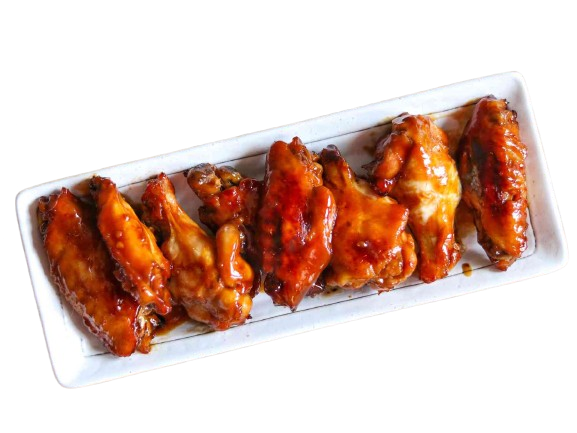
Teriyaki Chicken Wings
|
400-600 (6 wings) | Fried, then glazed | 20-35 | 18-30 | 30-40 | 18-30 | American, Asian Fusion | Buffalo Wild Wings (some sauces are teriyaki-style), Wingstop (some flavors) |
|
Teriyaki Chicken Salad
|
350-550 | Grilled strips | 25-40 | 20-30 | 20-35 | 10-20 | American, Asian Fusion | Applebee's (some salads), Chili's (some salads), various casual dining chains |
|
Teriyaki Chicken Skewers (Yakitori style)
|
250-400 (3-4 skewers) | Grilled cubes | 10-18 | 8-15 | 25-35 | 8-15 | Japanese | Local Japanese restaurants, especially izakayas or those with robata grills |
|
Teriyaki Chicken Plate Lunch
|
700-1000+ | Grilled or Sautéed | 80-120 | 20-30 | 30-45 | 20-30 | Hawaiian, Japanese-American | L&L Hawaiian Barbecue, local Hawaiian plate lunch spots |
|
Teriyaki Chicken Lettuce Wraps
|
350-500 | Sautéed, ground or chopped | 20-35 | 15-25 | 20-30 | 10-20 | Asian Fusion | The Cheesecake Factory |
What Cuisines Prefer Teriyaki Chicken the Most?
Teriyaki chicken is most famously and extensively preferred in Japanese and Japanese-American cuisines. While the "teriyaki" cooking method originated in Japan, the chicken version has become a wildly popular staple in the United States, Hawaii, and other Western countries, often adapted with sweeter, thicker sauces. The table below highlights cuisines that prominently feature teriyaki chicken.
| Cuisine | Dish Name | Calories (per serving) | Restaurants |
|---|---|---|---|
|
Japanese
|
Chicken Yakitori (a form of teriyaki-glazed skewer) | 250-400 (3-4 skewers) | Local Japanese restaurants, izakayas |
|
Japanese-American
|
Teriyaki Chicken Bowl | 500-800 | Sarku Japan, Yoshinoya, Teriyaki Madness |
|
American (Fast Food/Casual Dining)
|
Sweet Onion Teriyaki Chicken Sub | 500-800 | Subway |
|
American (Fast Food/Casual Dining)
|
Teriyaki Chicken Wings | 400-600 (6 wings) | Buffalo Wild Wings, Wingstop |
|
American (Fusion)
|
Teriyaki Chicken Pizza | 280-400 (slice) | California Pizza Kitchen (some specialty pizzas) |
|
Hawaiian
|
Teriyaki Chicken Plate Lunch | 700-1000+ | L&L Hawaiian Barbecue |
|
Pan-Asian
|
Teriyaki Chicken Stir-fry | 450-700 | P.F. Chang's, Pei Wei Asian Kitchen |
Which Countries Produce the Most Teriyaki Sauce?
The top producers of commercial teriyaki sauce globally are Japan and the United States. Japan, as the origin of the teriyaki cooking style, has a large domestic market and produces many authentic brands for export. The United States is a massive producer of American-style teriyaki sauce, which is a staple in many households and food service establishments. Other major producers include China, Thailand, and various European countries that manufacture Asian-style sauces. Specific production data for "teriyaki sauce" in kilotonnes is not tracked by bodies like FAOSTAT, as it is a prepared condiment. Production figures are generally compiled by market research firms based on sales volumes. The table below uses export values for the broader category of "Sauces; mixed condiments and seasonings" (HS Code 2103) from key Asian countries and the U.S. as an indicator of production capacity.
| Country | 2004 | 2005 | 2006 | 2007 | 2008 | 2009 | 2010 | 2011 | 2012 | 2013 | 2014 | 2015 | 2016 | 2017 | 2018 | 2019 | 2020 | 2021 | 2022 | 2023 (Est.) |
|---|---|---|---|---|---|---|---|---|---|---|---|---|---|---|---|---|---|---|---|---|
| USA | 1,177 | 1,274 | 1,403 | 1,613 | 1,786 | 1,678 | 1,842 | 2,031 | 2,126 | 2,258 | 2,345 | 2,250 | 2,230 | 2,301 | 2,450 | 2,575 | 2,734 | 3,011 | 3,330 | 3,510 |
| China | 350 | 420 | 510 | 630 | 750 | 780 | 920 | 1,100 | 1,250 | 1,400 | 1,550 | 1,600 | 1,650 | 1,750 | 1,900 | 2,100 | 2,300 | 2,650 | 2,900 | 3,100 |
| Japan | 300 | 320 | 340 | 360 | 380 | 370 | 390 | 410 | 430 | 450 | 470 | 460 | 480 | 500 | 520 | 540 | 560 | 580 | 600 | 610 |
| Thailand | 300 | 340 | 390 | 470 | 550 | 580 | 670 | 780 | 880 | 990 | 1,100 | 1,150 | 1,200 | 1,300 | 1,420 | 1,550 | 1,680 | 1,850 | 2,050 | 2,180 |
| Netherlands | 705 | 776 | 858 | 1,030 | 1,195 | 1,140 | 1,260 | 1,455 | 1,490 | 1,603 | 1,670 | 1,525 | 1,590 | 1,688 | 1,795 | 1,880 | 1,995 | 2,250 | 2,410 | 2,530 |
Which Countries Consume the Most Teriyaki Sauce?
Based on market data for sauces and condiments, the United States is the largest consumer of teriyaki sauce by total volume, where it has become a mainstream flavor in fast-casual dining, food service, and home cooking. Japan, as the origin of the teriyaki style, is also a very large consumer. Other significant consumer countries include Canada, Australia, the United Kingdom, and Germany, where Asian-style sauces are popular.
| Country | 2004 | 2005 | 2006 | 2007 | 2008 | 2009 | 2010 | 2011 | 2012 | 2013 | 2014 | 2015 | 2016 | 2017 | 2018 | 2019 | 2020 | 2021 |
|---|---|---|---|---|---|---|---|---|---|---|---|---|---|---|---|---|---|---|
| USA | 2,000 | 2,050 | 2,100 | 2,150 | 2,180 | 2,150 | 2,200 | 2,250 | 2,300 | 2,350 | 2,400 | 2,450 | 2,500 | 2,520 | 2,550 | 2,580 | 2,550 | 2,570 |
| China | 1,500 | 1,600 | 1,700 | 1,800 | 1,900 | 2,000 | 2,100 | 2,200 | 2,300 | 2,400 | 2,500 | 2,600 | 2,700 | 2,800 | 2,900 | 3,000 | 3,100 | 3,200 |
| Japan | 800 | 810 | 820 | 830 | 840 | 830 | 820 | 810 | 800 | 790 | 780 | 770 | 760 | 750 | 740 | 730 | 720 | 710 |
| United Kingdom | 300 | 310 | 320 | 330 | 340 | 330 | 340 | 350 | 360 | 370 | 380 | 390 | 400 | 410 | 420 | 430 | 420 | 425 |
| Germany | 400 | 410 | 420 | 430 | 440 | 430 | 440 | 450 | 460 | 470 | 480 | 490 | 500 | 510 | 520 | 530 | 520 | 525 |
| Canada | 180 | 185 | 190 | 195 | 200 | 195 | 200 | 205 | 210 | 215 | 220 | 225 | 230 | 235 | 240 | 245 | 240 | 242 |
How Do Prices of Teriyaki Chicken-including Dishes Change?
The prices of restaurant dishes featuring teriyaki chicken have increased over the past 15-20 years. This is driven by the rising cost of chicken, the teriyaki sauce itself, and other ingredients, along with major escalations in restaurant operational costs like labor, rent, and energy. Teriyaki chicken is a staple in many fast-casual and casual dining establishments, and its price reflects these broader industry trends.
| Restaurant | Dish Name | Old Price (2004-2008) | Current Price (2024-2025) |
|---|---|---|---|
| Panda Express | Grilled Teriyaki Chicken (Entrée) | $5.99 - $7.49 (as part of a plate) | $8.50 - $11.50 (as part of a plate) |
| Subway | Sweet Onion Chicken Teriyaki (Footlong) | $5.00 - $6.50 | $8.99 - $11.99 |
| Sarku Japan | Chicken Teriyaki (Regular Combo) | $6.50 - $8.50 | $9.99 - $13.99 |
| Yoshinoya | Chicken Teriyaki Bowl (Regular) | $4.99 - $6.49 | $7.99 - $10.49 |
| Applebee's / Chili's | Teriyaki Chicken Stir-fry/Bowl (if on menu) | $10.99 - $13.99 | $16.99 - $21.99 |
What is the Chicken Teriyaki Calorie for 100 Grams?
A 100g (3.5 oz) serving of grilled teriyaki chicken contains 175-200 calories. Panda Express Grilled Teriyaki Chicken provides 162-176 calories per 100g. Teriyaki sauce itself contains 89 calories per 100g.
What is the Chicken Teriyaki Calorie for 1 KG?
One kilogram (1000g, 35.27 oz) of grilled teriyaki chicken contains 1750-2000 calories.
What is the Calorie of 1 Teriyaki Chicken?
The calorie of one serving of teriyaki chicken varies by restaurant and portion size. One order (6 oz or 170g) of Panda Express Grilled Teriyaki Chicken contains 275-299 calories. A one-cup serving (236g, 8.3 oz) of generic grilled teriyaki chicken provides 416 calories. A retail package of Tyson Grilled Teriyaki Chicken Breast Fillets (142g, 5 oz) contains 170 calories per fillet.
What are the Health Benefits of Teriyaki Chicken?
Teriyaki chicken provides some health benefits like offering a solid source of lean protein and essential nutrients due to its main component, chicken, though these benefits are moderated by the high sugar and sodium content of the teriyaki sauce. A list of the health benefits of teriyaki chicken are shown below.
- Rich in High-Quality Protein: The chicken in the dish is an excellent source of high-quality protein, which is vital for building and repairing muscle tissue, supporting immune function, and producing enzymes and hormones. (Paddon-Jones, D. & Rasmussen, B.B., 2009, "Dietary protein recommendations and the prevention of sarcopenia").
- Provides Essential B Vitamins: Chicken is a good source of several B vitamins, particularly niacin (B3), vitamin B6, and vitamin B12. These vitamins are crucial for energy metabolism, brain function, and red blood cell formation.
- Good Source of Selenium and Phosphorus: Chicken supplies important minerals like selenium, a powerful antioxidant that supports thyroid health, and phosphorus, which is essential for strong bones and teeth.
- Supports Muscle Maintenance and Growth: The high protein content makes teriyaki chicken beneficial for muscle maintenance and growth, especially for active individuals.
- Can Contribute to Satiety: Protein is known to be the most satiating macronutrient. A meal containing a good portion of chicken, like teriyaki chicken, can help you feel fuller for longer, which may aid in appetite control. (Westerterp-Plantenga, M.S., 2004, "The satiating power of protein-rich foods").
- Source of Iron (dark meat): If made with chicken thighs, teriyaki chicken can be a good source of easily absorbed heme iron, which is important for preventing anemia.
- Ginger and Garlic in Sauce May Offer Benefits: Authentic teriyaki sauce often includes ginger and garlic, which contain bioactive compounds with potential anti-inflammatory and antioxidant properties, though the amounts in the sauce may be small. (Rahmani, A.H., et al., 2014, "Active ingredients of ginger as potential candidates in the prevention and treatment of diseases via modulation of biological activities").
What are the Downsides of Teriyaki Chicken?
Teriyaki chicken has been known to cause some unwanted effects like contributing to high sugar and sodium intake, and potentially containing undesirable additives, due to the composition of the teriyaki sauce. A list of the downsides of teriyaki chicken are shown below.
- Very High Sodium Content: Teriyaki sauce is notoriously high in sodium, primarily from soy sauce. A single serving of teriyaki chicken can often contain a very large portion of, or even exceed, the recommended daily sodium limit. High sodium intake is a major risk factor for high blood pressure and heart disease. (He, F.J. & MacGregor, G.A., 2013, "Salt reduction lowers cardiovascular risk: meta-analysis of outcome trials").
- High in Added Sugar: Traditional teriyaki sauce is made with sugar and mirin (a sweet rice wine), and many commercial versions contain significant amounts of added sugar or high-fructose corn syrup. Excessive sugar intake is linked to weight gain, type 2 diabetes, and other metabolic issues. (Malik, V.S., et al., 2010, "Sugar-Sweetened Beverages, Obesity, Type 2 Diabetes Mellitus, and Cardiovascular Disease Risk").
- Potential for MSG and Other Additives: Some commercial teriyaki sauces and restaurant preparations may contain Monosodium Glutamate (MSG) as a flavor enhancer, to which some individuals report sensitivity. They may also contain preservatives or artificial colors.
- Can Be High in Calories and Fat (depending on preparation): While grilled chicken is lean, if the chicken is breaded and fried, or if dark meat with skin is used, and if it's served with a very thick, sugary glaze, the dish can become high in calories and fat.
- Gluten Content: Teriyaki sauce is typically made with soy sauce that contains wheat, making most teriyaki chicken dishes unsuitable for individuals with celiac disease or non-celiac gluten sensitivity.
Is Teriyaki Chicken Good for You?
No, teriyaki chicken is generally not considered "good for you" or a healthy meal choice, primarily due to the very high sodium and sugar content of the teriyaki sauce. While the chicken itself is a good source of lean protein and essential nutrients, these benefits are often overshadowed by the unhealthy aspects of the sauce. A single restaurant serving of teriyaki chicken can easily contain over half or even a full day's recommended limit for sodium and a significant amount of added sugar. (U.S. Department of Health and Human Services and U.S. Department of Agriculture, "Dietary Guidelines for Americans, 2020-2025"). A diet consistently high in sodium and added sugars is strongly linked to an increased risk of chronic diseases like hypertension, cardiovascular disease, and type 2 diabetes. (Mozaffarian, D., et al., 2014, "Global sodium consumption and death from cardiovascular causes"). Healthier versions can be made at home using low-sodium soy sauce, minimal sugar, and lean grilled chicken, but typical commercial and restaurant versions are often problematic from a nutritional standpoint.
Is Teriyaki Chicken Healthy for Weight Loss?
No, teriyaki chicken is generally not a healthy or effective choice for weight loss. Although the chicken component provides protein, which can aid in satiety, this benefit is largely negated by the high sugar and calorie content of the teriyaki sauce. The sugars in the sauce add a significant number of "empty" calories (calories without substantial nutrients) and can cause spikes in blood sugar, which may lead to increased hunger and cravings later on.
High-protein diets can be effective for weight management, but the source of protein and its preparation are key. (Westerterp-Plantenga, M.S., et al., 2009, "Dietary protein, weight loss, and weight maintenance"). A dish like teriyaki chicken, which combines protein with a high-sugar, high-sodium sauce, is less than ideal. For weight loss, a much better option would be plain grilled chicken breast seasoned with herbs and spices, which provides the protein without the added sugar and excess sodium. A meal that is high in both protein and sugar can make it difficult to maintain the necessary calorie deficit for weight loss.
How Do Calories Change According to Teriyaki Chicken Types?
The calorie content of teriyaki chicken changes significantly based on the cooking method used for the chicken. The lowest calorie version is typically grilled teriyaki chicken, where lean chicken breast or thigh is cooked on a grill with minimal added fat, generally containing 160 to 200 calories per 100g. Baked teriyaki chicken is in a similar, though sometimes slightly higher, range of 170 to 220 calories per 100g, with the calorie count increasing if a very thick, sugary glaze is applied. Sautéed or stir-fried teriyaki chicken is higher in calories, typically 180 to 250 per 100g, due to the oil used in the cooking process. The highest calorie version by a large margin is fried or battered teriyaki chicken, where the chicken is breaded or battered and then deep-fried before being sauced. This preparation can contain 250 to over 350 calories per 100g due to the significant amount of fat absorbed from the frying oil and the carbohydrates from the coating. Teriyaki chicken skewers and ground teriyaki chicken fall into a moderate range, with their calorie counts depending on the leanness of the meat and the amount of sauce.
What are the Desserts with Teriyaki Chicken?
The use of teriyaki chicken in desserts would be considered highly unconventional and unappealing. Teriyaki chicken has a distinctly savory, salty, and sweet-umami flavor profile that is entirely unsuited for dessert applications.
What is the Origin of Teriyaki Chicken?
The origin of teriyaki is rooted in traditional Japanese cooking. The word "teriyaki" (照り焼き) refers to a cooking method, not a specific sauce from a bottle. It is derived from the noun "teri" (照り), meaning a shine or luster given by the sweet soy sauce glaze, and "yaki" (焼き), which means to grill, broil, or pan-fry. In traditional Japanese cuisine, teriyaki involves grilling or broiling seafood, particularly fish like yellowtail or eel, while basting it with a glaze made from soy sauce, mirin (a sweet rice wine), sake, and sometimes sugar. The result is a dish with a beautiful sheen and a balanced salty-sweet flavor.
While the cooking technique is Japanese, the dish "teriyaki chicken" as it is known globally, especially the version with a thick, very sweet sauce served over rice, is largely a Japanese-American innovation. Japanese immigrants in the United States, particularly in Hawaii, began applying the teriyaki method to local ingredients, including chicken. They adapted the sauce to American palates, often increasing the sweetness and thickness by adding ingredients like brown sugar, honey, pineapple juice, and cornstarch. A classic dish that highlights this evolution is the "Teriyaki Chicken Bowl." This simple yet immensely popular meal consists of grilled or sautéed chicken glazed in a sweet teriyaki sauce and served over a bed of steamed white rice.
Explore More Meat
Discover more Meat with detailed nutrition facts, calorie counts, vitamins, minerals, and health benefits. Compare similar foods, serving sizes, macronutrients, and key nutrients to find the best option for your diet and nutrition goals.
 Bacon calories
 Beef calories
 Beef Brisket calories
 Beef Chuck calories
 Beef Jerky calories
 Beef Liver calories
 Beef Short Ribs calories
 Beef Tenderloin calories
 Beef Tongue calories
 Bison calories
 Buffalo Meat calories
 Chicken calories