Calories and Nutritions in Unsalted Butter
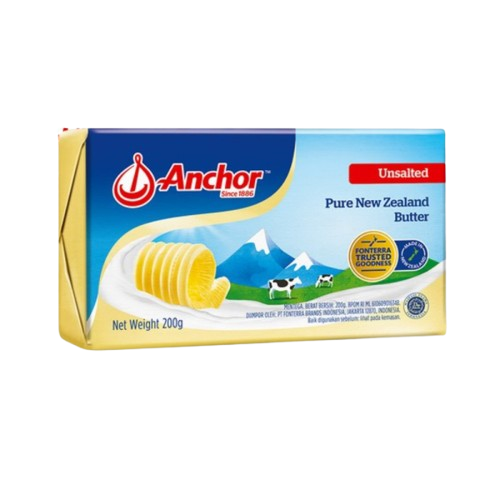
Unsalted butter is a dairy product produced by churning cream without added salt. The calories in unsalted butter are dense due to the high fat content, with a 100 g serving providing 717 calories. A single tablespoon of unsalted butter (14 g) contains 102 calories. Unsalted butter calories differ slightly based on the type, as a tablespoon of organic unsalted butter provides 100 calories, which is marginally lower than the non-organic alternative.
An examination of the nutritional profile of unsalted butter indicates a composition primarily of lipids with negligible proteins and carbohydrates. A single tablespoon (14 g) offers 11.5 g of total fat (15% DV) and merely 1.6 mg of sodium, distinguishing the ingredient from cured alternatives. The fat content serves as a delivery system for fat-soluble nutrients, supplying 97.1 mcg of Vitamin A (11% DV) and 0.33 mg of Vitamin E (2% DV). Scientific inquiry explores the biological role of these lipids. For instance, the study by Blaner, W. S., et al. (2016), "Vitamin A absorption, storage and mobilization," confirms that dietary fats are essential for nutrient uptake. Common varieties include Standard Sweet Cream, European-Style Cultured, Whipped, and Grass-Fed Butter.
Health experts suggest limiting intake given the substantial energy density and saturated fat levels. A recommended daily portion is one tablespoon of unsalted butter (102 calories), serving as a flavor enhancer or cooking medium rather than a main food source. Metabolizing the 102 calories from a single tablespoon (14 g) of unsalted butter necessitates physical exertion such as 17 minutes of hiking or 9 minutes of kettlebell swings.
Culinary applications for unsalted butter range from delicate pastries to rich savory sauces. The ingredient is crucial for the Butter Croissant at Dominique Ansel Bakery and serves as the basting fat for the Filet Mignon at Ruth's Chris Steak House. Production began around 8000 BC with the domestication of ruminant animals, eventually becoming a staple in French cuisine for precise seasoning control. Market rates have shifted significantly over the past two decades, as a standard 1-pound box that cost $2.50 to $3.50 in the mid-2000s retails between $4.50 and $6.00 in 2024.
Unsalted Butter nutrition
| Stats | Weight |
|---|---|
| Carbs | 0 grams |
| Protein | 0 grams |
| Fats | 81.5 grams |
| Sugars | 0 grams |
- Large Unsalted Butter Calories (Nutritional Facts)
- Medium Unsalted Butter Calories (Nutritional Facts)
- Small Unsalted Butter Calories (Nutritional Facts)
- Raw Unsalted Butter Nutrition
- Sodium in Unsalted Butter
- Potassium in Unsalted Butter
- Sugar in Unsalted Butter
- Fiber in Unsalted Butter
- Protein in Unsalted Butter
- Carbs in Unsalted Butter
- Fat in Unsalted Butter
- Vitamins in Unsalted Butter
- Minerals in Unsalted Butter
Large Unsalted Butter Calories (Nutritional Facts)
A large serving of unsalted butter (227g or 1 cup) contains 1628 calories, 1.9g of protein, 184.1g of fat, 0.14g of carbohydrates, 0g of fiber, 0.14g of sugar, and 25mg of sodium. A large serving of organic unsalted butter (226g or 1 cup) provides 1614 calories, 0g of protein, 177.6g of fat, 0g of carbohydrates, 0g of fiber, 0g of sugar, and 0mg of sodium.
A medium portion of unsalted butter (113g or 1 stick) provides 810 calories, 0.96g of protein, 91.7g of fat, 0.07g of carbohydrates, 0g of fiber, 0.07g of sugar, and 12.4mg of sodium. A medium portion of organic unsalted butter (113g or 1 stick) supplies 807 calories, 0g of protein, 88.8g of fat, 0g of carbohydrates, 0g of fiber, 0g of sugar, and 0mg of sodium.
A small serving of unsalted butter (14g or 1 tbsp) contains 102 calories, 0.12g of protein, 11.5g of fat, 0.01g of carbohydrates, 0g of fiber, 0.01g of sugar, and 1.6mg of sodium. A small serving of organic unsalted butter (14g or 1 tbsp) provides 100 calories, 0g of protein, 11g of fat, 0g of carbohydrates, 0g of fiber, 0g of sugar, and 0mg of sodium.
A single pat of raw unsalted butter (5g) contains 36 calories, 0.04g of protein (0% DV), 4.1g of total fat (5% DV), 0g of total carbohydrate (0% DV), 0g of dietary fiber (0% DV), 0g of total sugars (0% DV), and 0.55mg of sodium (0% DV). The nutrient profile provides 1.2mg of calcium (0% DV), 1.2mg of potassium (0% DV), and 1.2mg of phosphorus (0% DV).
A large serving of unsalted butter (227g or 1 cup) contains 25mg of sodium (1% DV), while a large serving of organic unsalted butter (226g or 1 cup) provides 0mg of sodium (0% DV). A medium portion of unsalted butter (113g or 1 stick) has 12.4mg of sodium (1% DV), whereas a medium portion of organic unsalted butter (113g or 1 stick) supplies 0mg of sodium (0% DV). A small serving of unsalted butter (14g or 1 tbsp) contains 1.6mg of sodium (0% DV), and a small serving of organic unsalted butter (14g or 1 tbsp) provides 0mg of sodium (0% DV). A single pat of raw unsalted butter (5g) contains 0.55mg of sodium (0% DV).
A large serving of unsalted butter (227g or 1 cup) provides 54.5mg of potassium (1% DV). A medium portion of unsalted butter (113g or 1 stick) has 27.1mg of potassium (1% DV). A small serving of unsalted butter (14g or 1 tbsp) contains 3.4mg of potassium (0% DV). A single pat of raw unsalted butter (5g) supplies 1.2mg of potassium (0% DV).
A large serving of unsalted butter (227g or 1 cup) contains 0.14g of sugar, while a large serving of organic unsalted butter (226g or 1 cup) provides 0g of sugar. A medium portion of unsalted butter (113g or 1 stick) has 0.07g of sugar, whereas a medium portion of organic unsalted butter (113g or 1 stick) supplies 0g of sugar. A small serving of unsalted butter (14g or 1 tbsp) contains 0.01g of sugar, and a small serving of organic unsalted butter (14g or 1 tbsp) provides 0g of sugar. A single pat of raw unsalted butter (5g) contains 0g of sugar.
A large serving of unsalted butter (227g or 1 cup) provides 0g of dietary fiber (0% DV), while a large serving of organic unsalted butter (226g or 1 cup) contains 0g of fiber (0% DV). A medium portion of unsalted butter (113g or 1 stick) has 0g of fiber (0% DV), whereas a medium portion of organic unsalted butter (113g or 1 stick) supplies 0g of fiber (0% DV). A small serving of unsalted butter (14g or 1 tbsp) contains 0g of fiber (0% DV), and a small serving of organic unsalted butter (14g or 1 tbsp) provides 0g of fiber (0% DV). A single pat of raw unsalted butter (5g) contains 0g of fiber (0% DV).
A large serving of unsalted butter (227g or 1 cup) provides 1.9g of protein (4% DV), while a large serving of organic unsalted butter (226g or 1 cup) contains 0g of protein (0% DV). A medium portion of unsalted butter (113g or 1 stick) has 0.96g of protein (2% DV), whereas a medium portion of organic unsalted butter (113g or 1 stick) supplies 0g of protein (0% DV). A small serving of unsalted butter (14g or 1 tbsp) contains 0.12g of protein (0% DV), and a small serving of organic unsalted butter (14g or 1 tbsp) provides 0g of protein (0% DV). A single pat of raw unsalted butter (5g) contains 0.04g of protein (0% DV).
A large serving of unsalted butter (227g or 1 cup) contains 0.14g of carbohydrates (0% DV), while a large serving of organic unsalted butter (226g or 1 cup) provides 0g of carbohydrates (0% DV). A medium portion of unsalted butter (113g or 1 stick) has 0.07g of carbohydrates (0% DV), whereas a medium portion of organic unsalted butter (113g or 1 stick) supplies 0g of carbohydrates (0% DV). A small serving of unsalted butter (14g or 1 tbsp) contains 0.01g of carbohydrates (0% DV), and a small serving of organic unsalted butter (14g or 1 tbsp) provides 0g of carbohydrates (0% DV). A single pat of raw unsalted butter (5g) contains 0g of carbohydrates (0% DV).
A large serving of unsalted butter (227g or 1 cup) contains 184.1g of total fat (236% DV), while a large serving of organic unsalted butter (226g or 1 cup) provides 177.6g of total fat (228% DV). A medium portion of unsalted butter (113g or 1 stick) has 91.7g of total fat (118% DV), whereas a medium portion of organic unsalted butter (113g or 1 stick) supplies 88.8g of total fat (114% DV). A small serving of unsalted butter (14g or 1 tbsp) contains 11.5g of total fat (15% DV), and a small serving of organic unsalted butter (14g or 1 tbsp) provides 11g of total fat (14% DV). A single pat of raw unsalted butter (5g) contains 4.1g of total fat (5% DV).
A large serving of unsalted butter (227g or 1 cup) provides 0mcg of Vitamin D (0% DV) and 0mg of Vitamin C (0% DV). A medium portion of unsalted butter (113g or 1 stick) has 0mcg of Vitamin D (0% DV), whereas a medium portion of organic unsalted butter (113g or 1 stick) supplies 0mcg of Vitamin D. A small serving of unsalted butter (14g or 1 tbsp) contains 0mcg of Vitamin D (0% DV), and a small serving of organic unsalted butter (14g or 1 tbsp) provides 0mcg of Vitamin D. A single pat of raw unsalted butter (5g) contains 0mcg of Vitamin D (0% DV).
A large serving of unsalted butter (227g or 1 cup) provides 54.5mg of calcium (4% DV), 54.5mg of phosphorus (4% DV), and 0.05mg of iron (0% DV). A medium portion of unsalted butter (113g or 1 stick) has 27.1mg of calcium (2% DV), 27.1mg of phosphorus (2% DV), and 0.02mg of iron (0% DV). A small serving of unsalted butter (14g or 1 tbsp) contains 3.4mg of calcium (0% DV), 3.4mg of phosphorus (0% DV), and 0mg of iron (0% DV). A single pat of raw unsalted butter (5g) contains 1.2mg of calcium (0% DV), 1.2mg of phosphorus (0% DV), and 0mg of iron (0% DV).
Get a Custom Report on Unsalted Butter Nutrition Data – Contact Us!
What are the Types of Unsalted Butters?
The types of Unsalted Butters include Standard Sweet Cream, European-Style Cultured, Whipped, and Grass-Fed Butter. The table below details the nutritional disparities.
| Type | Description | Calories (Per 100g) | Calorie Qualifications |
|---|---|---|---|
|
Standard Sweet Cream
|
Pasteurized cream churned to 80% butterfat. | 717 | The standard fat-to-water ratio creates a consistent caloric baseline. |
|
European-Style Cultured
|
Fermented cream churned to 82-85% butterfat. | 733 | The higher fat concentration results in a slightly increased energy density. |
|
Whipped Butter
|
Standard butter aerated with nitrogen gas. | 717 | The weight-based calories remain identical, but volume-based calories drop significantly. |
|
Grass-Fed Butter
|
Produced from cows fed a forage-based diet. | 717 | The caloric content mirrors standard butter, though the fatty acid profile differs. |
What are Desserts With Unsalted Butter?
Unsalted butter is a fundamental component in baking, allowing pastry chefs to control the sodium content while providing moisture and flakey textures. The fat from butter creates layers in laminated doughs and aerates cakes when creamed with sugar. The following list enumerates confectionery items that utilize unsalted butter as a key component.
| Dish Name | Calories (Estimate) | Type of Dish | Carbs (g) (Estimate) | Sugar (g) (Estimate) | Protein (g) (Estimate) | Fat (g) (Estimate) | Cuisine | Restaurants |
|---|---|---|---|---|---|---|---|---|
|
Butter Croissant
|
260 | Pastry | 28 | 6 | 5 | 14 | French | Dominique Ansel Bakery (New York, NY) |
|
Pound Cake
|
350 | Cake | 42 | 26 | 4 | 18 | British | Starbucks |
|
Shortbread Cookie
|
150 | Cookie | 18 | 8 | 2 | 9 | Scottish | Panera Bread |
|
Kouign-Amann
|
380 | Pastry | 40 | 22 | 5 | 24 | French | B. Patisserie (San Francisco, CA) |
|
Brioche
|
280 | Bread | 35 | 8 | 6 | 12 | French | La Boulangerie (Various Locations) |
|
Classic Brownie
|
320 | Bar Cookie | 45 | 35 | 4 | 16 | American | Ghirardelli Soda Fountain (National) |
|
Madeleine
|
100 | Sponge Cake | 12 | 8 | 1 | 5 | French | Ladurée (New York, NY) |
|
Buttercream Frosting (2 tbsp)
|
140 | Topping | 18 | 18 | 0 | 8 | American | Magnolia Bakery (New York, NY) |
|
Danish Pastry
|
300 | Pastry | 32 | 14 | 5 | 18 | Danish | Solvang Bakery (Solvang, CA) |
|
Chocolate Chip Cookie
|
220 | Cookie | 30 | 18 | 2 | 10 | American | Levain Bakery (New York, NY) |
|
Scone
|
400 | Quick Bread | 55 | 18 | 6 | 16 | British | Alice's Tea Cup (New York, NY) |
|
Linzer Torte
|
310 | Tart | 38 | 22 | 4 | 15 | Austrian | Cafe Sabarsky (New York, NY) |
|
Palmiers
|
240 | Pastry | 32 | 14 | 3 | 12 | French | Maison Kayser (New York, NY) |
|
Gugelhupf
|
360 | Bundt Cake | 48 | 28 | 6 | 16 | German | Heidelberg Pastry Shoppe (Arlington, VA) |
|
Rugelach
|
180 | Pastry | 22 | 12 | 3 | 10 | Jewish | Russ & Daughters (New York, NY) |
What are the Main Dishes With Unsalted Butter?
Chefs utilize unsalted butter to create emulsified sauces and finish savory dishes without altering the salinity established during the cooking process. The ingredient allows for the creation of smooth, glossy sauces known as "monter au beurre" and serves as a basting fat for meats. The list below details distinct savory recipes that incorporate this ingredient.
| Dish Name | Calories (Estimate) | Type of Dish | Carbs (g) (Estimate) | Sugar (g) (Estimate) | Protein (g) (Estimate) | Fat (g) (Estimate) | Cuisine | Restaurants |
|---|---|---|---|---|---|---|---|---|
|
Filet Mignon (Butter Basted)
|
600 | Beef Entree | 0 | 0 | 48 | 45 | American | Ruth's Chris Steak House (National) |
|
Dover Sole Meunière
|
540 | Fish Entree | 12 | 0 | 42 | 38 | French | Le Bernardin (New York, NY) |
|
Eggs Benedict (Hollandaise)
|
650 | Breakfast | 25 | 2 | 28 | 48 | American | Sarabeth's (New York, NY) |
|
Lobster Tail (Butter Poached)
|
350 | Seafood Entree | 2 | 0 | 30 | 24 | American | The Capital Grille |
|
Chicken Piccata
|
550 | Poultry Entree | 15 | 2 | 45 | 32 | Italian-American | The Cheesecake Factory (National) |
|
Risotto alla Milanese
|
480 | Rice Entree | 55 | 2 | 12 | 22 | Italian | Eataly (Various Locations) |
|
Mashed Potatoes
|
240 | Side Dish | 35 | 2 | 4 | 10 | American | Boston Market |
|
Shrimp Scampi
|
500 | Seafood Pasta | 45 | 2 | 25 | 28 | Italian-American | Olive Garden |
|
Seared Scallops (Beurre Blanc)
|
320 | Seafood Entree | 8 | 2 | 24 | 20 | French | The Modern (New York, NY) |
|
Trout Amandine
|
460 | Fish Entree | 10 | 1 | 38 | 30 | French-Creole | Galatoire's (New Orleans, LA) |
|
Fettuccine Alfredo
|
850 | Pasta Entree | 90 | 4 | 28 | 48 | Italian-American | Maggiano's Little Italy |
|
Steak Diane
|
680 | Beef Entree | 8 | 3 | 45 | 52 | Continental | The Grill (New York, NY) |
|
Corn on the Cob (Buttered)
|
150 | Side Dish | 18 | 4 | 3 | 8 | American | Texas Roadhouse |
|
Polenta (Buttered)
|
280 | Side Dish | 42 | 1 | 6 | 10 | Italian | Scarpetta (New York, NY) |
|
French Omelette
|
320 | Egg Entree | 2 | 1 | 22 | 26 | French | Balthazar (New York, NY) |
What Cuisines Prefer Unsalted Butter the Most?
French and Northern Italian culinary traditions fundamentally depend on unsalted butter to control the precise flavor profiles of pastries and sauces. The subsequent table pinpoints specific food cultures that prioritize unsalted butter.
| Cuisine | Dish | Types of Unsalted Butter Use | Calories (Estimate) | Restaurant(s) |
|---|---|---|---|---|
|
French
|
Croissant | Lamination Fat | 260 | Dominique Ansel Bakery (New York, NY) |
|
American
|
Buttercream Frosting | Aeration Base | 140 | Magnolia Bakery (New York, NY) |
|
Northern Italian
|
Risotto | Finishing Fat (Mantecatura) | 480 | Eataly (Various Locations) |
|
British
|
Shortbread | Dough Base | 150 | Panera Bread |
|
Austrian
|
Sachertorte | Cake Batter Fat | 380 | Cafe Sabarsky (New York, NY) |
|
Danish
|
Danish Pastry | Lamination Fat | 300 | Solvang Bakery (Solvang, CA) |
|
Belgian
|
Waffles | Batter Ingredient | 420 | Wafels & Dinges (New York, NY) |
|
Swiss
|
Fondue | Sauce Base | 550 | The Melting Pot |
|
Jewish
|
Rugelach | Dough Base | 180 | Russ & Daughters (New York, NY) |
|
German
|
Spätzle (Buttered) | Dressing | 280 | Heidelberg (New York, NY) |
Which Countries Produce the Most Unsalted Butters?
International manufacturing of unsalted butter depends heavily on the agricultural yields of India, the European Union, and the United States. India leads global production volumes due to the massive domestic demand for ghee and fresh butterfat. The United States and New Zealand function as major contributors to the international supply chain, exporting significant quantities of anhydrous milk fat and cream. The table below shows the estimated production of butter and ghee (in Thousand Metric Tons) for the top producing nations over the last two decades.
| Country | 2003 | 2008 | 2013 | 2018 | 2019 | 2020 | 2021 | 2022 |
|---|---|---|---|---|---|---|---|---|
| India | 2,450 | 3,100 | 4,400 | 5,500 | 5,800 | 6,100 | 6,350 | 6,600 |
| European Union | 2,100 | 2,050 | 2,150 | 2,300 | 2,250 | 2,300 | 2,200 | 2,100 |
| United States | 560 | 720 | 840 | 890 | 910 | 965 | 930 | 945 |
| Pakistan | 580 | 640 | 710 | 760 | 775 | 790 | 805 | 820 |
| New Zealand | 460 | 440 | 510 | 525 | 515 | 510 | 505 | 495 |
| Russia | 280 | 260 | 240 | 265 | 270 | 275 | 280 | 285 |
| Turkey | 130 | 145 | 165 | 215 | 225 | 235 | 242 | 250 |
| United Kingdom | 135 | 140 | 145 | 150 | 152 | 155 | 158 | 160 |
Which Countries Consume the Most Unsalted Butters?
The leading markets for unsalted butter consist of India, the European Union, and the United States. India absorbs the largest quantity of the product for culinary and religious purposes. France and Germany represent nations with the highest per capita consumption, driven by baking traditions that require pure animal fats. The table below shows the estimated domestic consumption of butter and ghee for key markets over the last two decades.
| Country | 2003 | 2008 | 2013 | 2018 | 2019 | 2020 | 2021 | 2022 |
|---|---|---|---|---|---|---|---|---|
| India | 2,400 | 3,050 | 4,350 | 5,450 | 5,750 | 6,050 | 6,300 | 6,550 |
| European Union | 1,950 | 1,900 | 2,000 | 2,100 | 2,050 | 2,100 | 2,000 | 1,950 |
| United States | 540 | 680 | 790 | 850 | 880 | 920 | 900 | 915 |
| Pakistan | 570 | 630 | 700 | 750 | 765 | 780 | 795 | 810 |
| Russia | 350 | 340 | 360 | 380 | 385 | 390 | 395 | 400 |
| United Kingdom | 160 | 175 | 190 | 210 | 215 | 225 | 220 | 215 |
| Turkey | 125 | 140 | 160 | 210 | 220 | 230 | 235 | 245 |
| Canada | 85 | 90 | 95 | 105 | 108 | 112 | 115 | 118 |
How Do Prices of Unsalted Butter-Including Dishes Change?
Menu prices for unsalted butter-based entrees and pastries have surged, mirroring the increased expense of sourcing premium dairy and labor. The table below illustrates price adjustments for selected items at well-known establishments.
| Brand/Restaurant | Dish | Old Price (Year) | Current Price (2024/2025) |
|---|---|---|---|
| Ruth's Chris Steak House | Filet (Butter Basted) | $42.00 (2014) | $56.00 - $62.00 |
| Red Lobster | Live Maine Lobster (w/ Butter) | $29.99 (2015) | $35.99 - $54.99 |
| Starbucks | Butter Croissant | $2.45 (2016) | $3.25 - $4.25 |
| Maggiano's Little Italy | Fettuccine Alfredo (Regular) | $14.50 (2015) | $29.50 - $32.00 |
What is the Unsalted Butter Calorie for 100 Grams?
A 100g serving of unsalted butter provides 717 calories. A 100g serving of organic unsalted butter supplies 714 calories.
What is the Unsalted Butter Calorie for 1 KG?
One kilogram (1000g) of unsalted butter supplies 7170 calories. One kilogram (1000g) of organic unsalted butter provides 7140 calories.
How Many Calories in a Pat of Butter?
A single pat of unsalted butter (5g) contains 36 calories, 0.04g of protein, 4.1g of fat, 0g of carbohydrates, and 0.55mg of sodium. A single pat of organic unsalted butter (5g) provides 36 calories, 0g of protein, 3.9g of fat, 0g of carbohydrates, and 0mg of sodium.
What are the Unsalted Butter Nutrition Facts for a Stick of Butter?
A whole stick of unsalted butter (113g) provides 810 calories, 0.96g of protein (2% DV), 91.7g of total fat (118% DV), 0.07g of total carbohydrate (0% DV), 0g of dietary fiber (0% DV), 0.07g of total sugars (0% DV), and 12.4mg of sodium (1% DV). A whole stick of organic unsalted butter (113g) supplies 807 calories, 0g of protein (0% DV), 88.8g of total fat (114% DV), 0g of total carbohydrate (0% DV), 0g of dietary fiber (0% DV), 0g of total sugars (0% DV), and 0mg of sodium (0% DV).
What is the Calorie of 1 Unsalted Butter?
One standard box of Challenge Unsalted Butter (453g) contains 3200 calories. One serving of Land O'Lakes Unsalted Butter (14g) contains 100 calories. A serving of Kerrygold Pure Irish Unsalted Butter (14g) provides 100 calories, whereas a serving of Plugrá European Style Unsalted Butter (14g) supplies 110 calories.
What are the Health Benefits of Unsalted Butter?
Unsalted butter serves as a source of essential fatty acids and fat-soluble vitamins necessary for physiological maintenance. The lipid profile supports cellular function and nutrient absorption without the added sodium burden found in cured varieties. The list below highlights these specific physiological advantages.
- Enhances Nutrient Bioavailability: The fat content acts as a necessary vehicle for the absorption of fat-soluble vitamins A, D, E, and K. A study by Blaner, W. S., et al. (2016), "Vitamin A absorption, storage and mobilization," confirmed that dietary lipids are essential for the effective uptake and utilization of retinoids in the human body.
- Supports Digestive Health: The product contains butyrate, a short-chain fatty acid that provides energy to colon cells and maintains intestinal homeostasis. Research by Hamer, H. M., et al. (2008), "Review article: the role of butyrate on colonic function," established that butyrate possesses anti-inflammatory properties and strengthens the gut barrier.
- Provides Conjugated Linoleic Acid (CLA): The dairy fat supplies CLA, which modulates metabolism and immune function. A study by Dilzer, A., & Park, Y. (2012), "Implication of conjugated linoleic acid (CLA) in human health," demonstrated that this fatty acid influences body composition and cardiovascular markers.
What are the Downsides of Unsalted Butter?
Unsalted butter presents risks related to high saturated fat content and caloric density when consumed in large quantities. Nutritionists advise limiting intake to one tablespoon per day and choosing avocado oil as a lower-saturated fat alternative to mitigate potential risks. The table below shows specific negative health implications.
- Elevates LDL Cholesterol: High consumption of saturated fats raises low-density lipoprotein cholesterol levels, a risk factor for heart disease. Research by Siri-Tarino, P. W., et al. (2010), "Saturated fat, carbohydrate, and cardiovascular disease," indicated that reducing saturated fat intake correlates with improved cardiovascular outcomes in specific populations.
- Increases Caloric Load: The high energy density leads to a surplus of calories that the body stores as adipose tissue if not metabolized. A study by Hooper, L., et al. (2015), "Reduction in saturated fat intake for cardiovascular disease," noted that reducing animal fat consumption aids in weight management and cardiovascular stability.
- Risks Oxidative Stress: Improper storage or heating causes the oxidation of cholesterol and fatty acids. Research by Jacobson, M. S. (1987), "Cholesterol oxides in Indian ghee: possible cause of unexplained high risk of atherosclerosis," found that oxidized cholesterol products contribute to arterial damage.
Are Unsalted Butters Good for You?
Yes, unsalted butters are good for health because the fat supplies essential lipids and vitamins that support cardiovascular stability, digestive efficiency, and cognitive function. Cardiovascular health benefits from the presence of Vitamin K2 which regulates calcium deposition as explored by Gast, G. C., et al. (2009), "A high menaquinone intake reduces the incidence of coronary heart disease." Digestive health strengthens through the action of butyrate which maintains colonic homeostasis as confirmed by Hamer, H. M., et al. (2008), "Review article: the role of butyrate on colonic function." Cognitive function improves due to the efficient delivery of fats needed for neural maintenance as detailed in the study by Morris, M. C., et al. (2003), "Consumption of fats and risk of Alzheimer disease," which analyzes the complex relationship between dietary fats and brain health.
How Does Calorie Change According to Unsalted Butter Types?
Energy values remain relatively consistent across solid blocks but shift drastically when air is incorporated or fat concentration increases. European-Style Cultured Butter contains the highest energy load per 100g due to the dense fat concentration of 82% or higher and lower moisture content. Standard Sweet Cream and Grass-Fed Butter offer a slightly reduced profile with 80% butterfat. Whipped Butter provides the lowest caloric density per volume as the incorporation of nitrogen or air expands the product, reducing the amount of fat present in a standard tablespoon serving compared to the solid blocks.
Are Sodium in Unsalted Butter Levels Lower Than Salted Butter?
Yes, sodium in unsalted butter levels are significantly lower than salted butter because manufacturers add salt solely for flavor and preservation in the latter. Unsalted butter contains approximately 11mg of sodium per 100g, whereas salted butter contains roughly 643mg of sodium per 100g. This drastic difference makes the unsalted variety the preferred choice for baking and low-sodium diets to prevent excessive salt intake and allow for precise seasoning control.
What is the Best Unsalted Butter for Cooking?
European-style cultured butter with 82% to 86% butterfat stands as the superior choice for cooking and baking due to the lower moisture content and higher fat concentration. The reduced water content prevents gluten development in pastries, resulting in flakier crusts, while the higher fat content ensures a richer flavor and creamier texture in sauces. Brands like Kerrygold and Plugrá offer these high-fat varieties which produce better browning and structural integrity compared to standard American sweet cream butter containing only 80% fat. A study by O'Callaghan, T. F., et al. (2016), "Quality characteristics, chemical composition, and sensory properties of butter from cows on pasture versus indoor feeding systems," confirmed that high-fat, pasture-raised butter provides superior sensory qualities and oxidative stability.
What is the Origin of Unsalted Butter?
The domestication of ruminant animals around 8000 BC marked the beginning of butter production, likely discovered accidentally when milk was agitated during transport. Ancient civilizations consumed the product in the fresh, unsalted state immediately after churning because the lack of salt made preservation impossible in warm climates. Salt became a common additive later to extend shelf life, making fresh unsalted butter a luxury item reserved for immediate consumption in cool climates or by the wealthy. French culinary codification in the 17th and 18th centuries cemented the status of unsalted butter as the preferred ingredient for cooking and baking to allow chefs complete control over the seasoning of complex dishes.
Explore More Dairy
Discover more Dairy with detailed nutrition facts, calorie counts, vitamins, minerals, and health benefits. Compare similar foods, serving sizes, macronutrients, and key nutrients to find the best option for your diet and nutrition goals.
 Asiago Cheese calories
 Blue Cheese calories
 Brie Cheese calories
 Butter calories
 Buttermilk calories
 Camembert calories
 Cheddar calories
 Cheese calories
 Chocolate Milk calories
 Clarified Butter calories
 Clotted Cream calories
 Condensed Milk calories