Calories and Nutritions in Veal
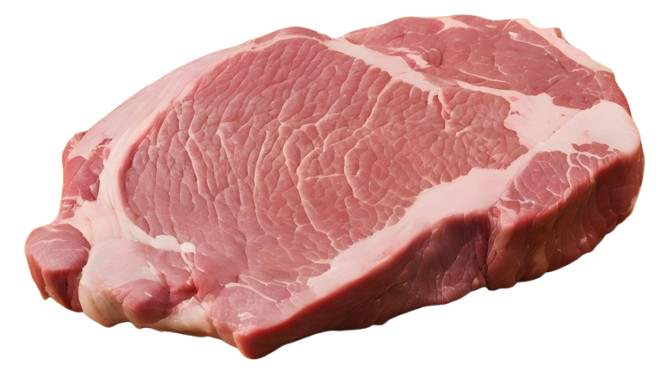
Veal meat calories are low, with a 100g (3.5 oz) serving of cooked (roasted) veal loin containing 187 calories. A 3-ounce (85g) portion of cooked loin has 159 calories, while a breaded, pan-fried veal cutlet (100g) contains 248 calories. Veal meat nutrition facts show that a 100g portion of cooked, roasted loin is rich in protein at 36.7g (73% Daily Value/DV) and low in fat at 4.3g (6% DV). It contains 0g of carbohydrates, sugar, and fiber. Research shows that lean red meats like veal are an important source of high-quality protein and bioavailable micronutrients such as iron and zinc (Williams, P., 2007, "Nutritional composition of red meat"). Key minerals in veal meat include zinc (4.5mg, 41% DV), phosphorus (306mg, 44% DV), and selenium (12.3µg, 22% DV). Sodium content is low at 79mg (3% DV) per 100g. Vitamins in veal include Niacin (11.2mg, 70% DV) and Vitamin B12 (1.4µg, 58% DV).
The main types of veal are based on the animal's diet, such as milk-fed or free-raised, and by the cut of meat, like the tender loin, leg for cutlets, or shoulder for stews. A recommended serving size for red meat is 3 to 4 ounces (85-113g) cooked, which for lean veal loin, is equivalent to 159 to 212 calories. Burning the 159 calories from a 3-ounce serving of roasted veal loin might require activities such as 15-20 minutes of brisk walking, 12-16 minutes of jogging, or about 20 minutes of cycling at a moderate intensity.
Veal is an essential ingredient in many popular main dishes, specifically in European cuisine. Popular dishes include the Veal Parmesan, which is a staple at Italian-American restaurants like Olive Garden and Carrabba's Italian Grill, Wiener Schnitzel found at authentic German and Austrian eateries, and Osso Buco served in fine dining Italian restaurants. France, the Netherlands, and Italy are top producers of veal, with significant consumption in these same countries. The price of veal has increased significantly over the past 20 years from $10 to $18 per pound in the early 2000s to to $20 to $35 per pound or more in 2023/2024.
Veal nutrition
| Stats | Weight |
|---|---|
| Carbs | 0 grams |
| Protein | 45 grams |
| Fats | 0 grams |
| Sugars | 0 grams |
- Veal Cutlet Calories (Nutritional Facts)
- Veal Schnitzel Cutlet Calories (Nutritional Facts)
- Ground Veal Calories (Nutritional Facts)
- Sodium in Veal
- Potassium in Veal
- Sugar in Veal
- Cholesterol in Veal
- Fiber in Veal
- Protein in Veal
- Carbs in Veal
- Fat in Veal
- Vitamins in Veal Meat
- Minerals in Veal Meat
Veal Cutlet Calories (Nutritional Facts)
A 100g (3.5 oz) serving of cooked veal cutlet (lean only, pan-fried, breaded) contains 248 calories. A single cooked breaded veal cutlet (140g, 4.9 oz) provides 347 calories. Cooked breaded veal cutlet (100g) also contains 26.6g of protein, 10.6g of carbohydrates (from breading), and 10.7g of total fat. A non-breaded, broiled veal cutlet (100g) contains 179 calories.
Veal schnitzel is a veal cutlet that is pounded thin, breaded, and fried. A 100g (3.5 oz) serving of cooked veal schnitzel contains 248 calories, identical to a breaded, pan-fried veal cutlet. A typical restaurant portion of veal schnitzel (150-200g, 5.3-7.1 oz) provides 372 to 496 calories before any side dishes.
A 100g (3.5 oz) serving of raw ground veal contains 167 calories. A 3 oz (85g, 3 oz) serving of raw ground veal has 142 calories. Cooked, broiled ground veal (100g) contains 196 calories. Raw ground veal (100g) contains 19.3g of protein, 0g of carbohydrates, and 9.4g of total fat.
Raw veal (composite of cuts, 100g) contains 84mg of sodium (4% DV). Cooked, roasted veal loin (100g) provides 79mg of sodium (3% DV). Cooked, breaded, and pan-fried veal cutlet (100g) contains a higher amount, with 154mg of sodium (7% DV) due to breading and seasoning.
Raw veal (composite of cuts, 100g) provides 331mg of potassium (7% DV). Cooked, roasted veal loin (100g) contains 367mg of potassium (8% DV).
Raw veal contains 0g of total sugars per 100g. Cooked veal, including roasted loin and plain cutlets, also contains 0g of total sugars. Breaded preparations like veal schnitzel may contain a very small amount of sugar in the breading.
Raw veal (composite of cuts, 100g) contains 90mg of cholesterol (30% DV). Cooked, roasted veal loin (100g) provides 125mg of cholesterol (42% DV). A cooked, breaded, and pan-fried veal cutlet (100g) contains 118mg of cholesterol (39% DV).
Raw veal contains 0g of dietary fiber per 100g. Cooked, unbreaded veal also provides 0g of dietary fiber. Breaded veal cutlets may contain a small amount of fiber from the breading, often less than 1g per 100g.
Raw veal (composite of cuts, 100g) provides 19.2g of protein (38% DV). Cooked, roasted veal loin (100g) is very rich in protein, with 36.7g (73% DV). Cooked, breaded, and pan-fried veal cutlet (100g) contains 26.6g of protein (53% DV).
Raw veal contains 0g of total carbohydrates per 100g. Cooked, roasted veal loin also provides 0g of total carbohydrates. Cooked, breaded, and pan-fried veal cutlet (100g) contains 10.6g of carbohydrates (4% DV) from the breading.
Raw veal (composite of cuts, 100g) contains 6.6g of total fat (8% DV), which includes 1.9g of saturated fat. Cooked, roasted veal loin (100g) provides 4.3g of total fat (6% DV). Cooked, breaded, and pan-fried veal cutlet (100g) contains 10.7g of total fat (14% DV).
A 100g (3.5 oz) serving of cooked, roasted veal loin is an excellent source of Niacin (Vitamin B3), providing 11.2mg (70% DV), Vitamin B12 at 1.4µg (58% DV), and Vitamin B6 at 0.54mg (32% DV). It is also a good source of Riboflavin (Vitamin B2) at 0.29mg (22% DV).
A 100g (3.5 oz) serving of cooked, roasted veal loin is an excellent source of Zinc, providing 4.5mg (41% DV), and Phosphorus at 306mg (44% DV). It is also a good source of Selenium at 12.3µg (22% DV) and provides Iron at 1.1mg (6% DV).
Get a Custom Report on Veal Nutrition Data – Contact Us!
What are the Types of Veal?
There are several types of veal, primarily distinguished by how the calves are raised and what they are fed, which impacts the color, texture, and flavor of the meat. There are also various cuts of veal, similar to beef. The table below shows the common types of veal based on raising methods and some common cuts.
| Type (Raising Method/Cut) | Description | Calories (per 100g cooked, lean, roasted/broiled) | Calorie Qualifications |
|---|---|---|---|
|
Milk-Fed Veal (or Formula-Fed)
|
Calves raised on a milk or milk-based formula diet. Produces very pale pink, tender, and delicately flavored meat. | 170-190 | This is a common type; lean cuts are moderately caloric. |
|
Grain-Fed Veal
|
Calves are started on milk formula and then transitioned to a grain-based diet. Meat is slightly darker and more flavorful. | 180-200 | May have slightly more marbling and thus be slightly higher in calories than exclusively milk-fed. |
|
Free-Raised/Pasture-Raised Veal
|
Calves are raised in open pastures with their mothers, consuming milk and grass. Meat is darker, more flavorful. | 160-180 | Often leaner due to more exercise, resulting in a slightly lower calorie count for lean cuts. |
|
Veal Loin/Loin Chop
|
A tender, premium cut, similar to beef tenderloin or T-bone/porterhouse. | 187 | Lean and flavorful. |
|
Veal Leg Cutlet/Scallopini
|
Thin slices from the leg, often pounded thinner for dishes like schnitzel or piccata. | 179 (broiled); 248 (breaded/fried) | Very lean on its own; calories increase significantly with breading and frying. |
|
Veal Shoulder
|
A tougher cut with more connective tissue, ideal for slow-cooking methods like stewing or braising. | 200-230 (braised) | Higher in calories due to more connective tissue and some intramuscular fat. |
|
Veal Shank
|
The lower part of the leg, full of connective tissue. The key ingredient for Osso Buco. | 190-220 (braised) | Becomes tender and flavorful with slow cooking; contains rich marrow. |
|
Ground Veal
|
Versatile for meatballs, meatloaf, or sauces. Fat content can vary. | 196 (broiled) | Calorie count depends on the fat percentage of the grind. |
|
Veal Liver
|
An organ meat, very nutrient-dense with a strong flavor. | 186 (braised) | Moderately caloric, exceptionally high in many vitamins and minerals. |
What are the Main Dishes with Veal?
Veal is an important ingredient in many classic and contemporary main dishes, particularly in European cuisines. Some of the most widespread main dishes that contain veal are Veal Parmesan, Wiener Schnitzel, and Osso Buco. Its tenderness lends itself well to quick pan-frying, while tougher cuts excel in slow-braised preparations. The table below lists diverse main dishes featuring veal, along with estimated nutritional information.
| Dish Name | Calories (per serving) | Type of Veal Cut Commonly Used | Carbs (g) | Sugar (g) | Protein (g) | Fat (g) | Cuisine | Restaurants |
|---|---|---|---|---|---|---|---|---|
|
Veal Parmesan (with Pasta)
|
600-900 | Cutlet/Scallopini (breaded, fried) | 45-65 | 8-15 | 35-50 | 25-45 | Italian-American | Olive Garden, Carrabba's Italian Grill, Maggiano's Little Italy, Buca di Beppo |
|
Wiener Schnitzel (Viennese-style Veal Cutlet)
|
400-650 | Cutlet/Scallopini (breaded, fried) | 20-35 | 1-3 | 25-40 | 20-35 | Austrian, German | Restaurants specializing in German or Austrian cuisine, e.g., Heidelberg Restaurant (NYC) |
|
Osso Buco (Braised Veal Shank)
|
450-700 | Shank | 10-20 | 4-8 | 40-55 | 20-35 | Italian (Milanese) | Upscale Italian restaurants, e.g., Il Mulino New York, Valentino (historic LA) |
|
Veal Piccata (with Lemon Caper Sauce)
|
350-550 | Cutlet/Scallopini (sautéed) | 8-15 | 1-3 | 30-45 | 15-25 | Italian, Italian-American | The Cheesecake Factory, Carrabba's Italian Grill, local Italian restaurants |
|
Veal Marsala (with Mushroom Wine Sauce)
|
400-600 | Cutlet/Scallopini (sautéed) | 10-20 | 3-6 | 30-45 | 18-30 | Italian-American | The Cheesecake Factory, Maggiano's Little Italy, local Italian restaurants |
|
Veal Saltimbocca (with Prosciutto and Sage)
|
400-600 | Cutlet/Scallopini (sautéed) | 3-10 | <1-2 | 35-50 | 20-35 | Italian (Roman) | Authentic Italian restaurants |
|
Blanquette de Veau (Creamy Veal Stew)
|
500-750 | Shoulder, Breast, Stew Meat | 10-20 | 3-6 | 30-45 | 30-45 | French | French bistros and fine dining establishments, e.g., Balthazar (NYC - seasonal) |
|
Veal Scallopini
|
300-450 | Cutlet/Scallopini (sautéed) | 5-15 | 1-3 | 30-45 | 12-22 | Italian | Most Italian restaurants offer a scallopini preparation |
|
Roasted Veal Loin
|
300-450 (meat only) | Loin | 0 | 0 | 35-50 | 10-20 | European, American | Fine dining steakhouses, The Capital Grille (seasonal specials) |
|
Vitello Tonnato (Chilled Veal with Tuna Sauce)
|
300-450 (appetizer) | Loin, Round (poached, chilled) | 1-5 | <1 | 25-35 | 20-30 | Italian (Piedmontese) | Eataly, authentic Northern Italian restaurants |
|
Veal Meatballs (in sauce)
|
250-400 (3-4 meatballs) | Ground Veal | 8-15 | 3-6 | 15-25 | 12-20 | Italian-American | The Meatball Shop (NYC), some Italian restaurants offer veal meatballs |
|
Ground Veal Ragu/Bolognese with Pasta
|
500-750 | Ground Veal | 50-70 | 8-15 | 20-30 | 18-30 | Italian | Upscale Italian restaurants with traditional Bolognese |
|
Veal Chops (Grilled or Broiled)
|
300-500 | Loin or Rib Chop | 0-3 | 0 | 30-45 | 15-25 | American Steakhouse, Italian | Morton's The Steakhouse, Del Frisco's Double Eagle Steakhouse |
What Cuisines Prefer Veal the Most?
Veal is often featured and preferred in classic European cuisines, particularly Italian, French, and German/Austrian cooking. These cuisines have a long history of utilizing veal in a variety of sophisticated and iconic dishes, from delicate scallopini to rich stews. The table below highlights cuisines that frequently celebrate veal.
| Cuisine | Dish Name | Calories (per serving) | Restaurants |
|---|---|---|---|
|
Italian
|
Osso Buco | 450-700 | Upscale Italian restaurants, like Il Mulino New York, Valentino (historic LA) |
|
Italian
|
Veal Saltimbocca | 400-600 | Authentic Italian restaurants |
|
Italian-American
|
Veal Parmesan | 600-900 | Olive Garden, Carrabba's Italian Grill, Maggiano's Little Italy, Buca di Beppo |
|
French
|
Blanquette de Veau | 500-750 | French bistros and fine dining establishments, Balthazar (NYC - seasonal) |
|
French
|
Veal Cordon Bleu | 500-750 | Restaurants with classic French or European menus |
|
Austrian/German
|
Wiener Schnitzel | 400-650 | German/Austrian restaurants, like Heidelberg Restaurant (NYC) |
|
Swiss
|
Zürcher Geschnetzeltes (Sliced Veal in Cream Sauce) | 500-700 | Restaurants specializing in Swiss cuisine |
|
American Steakhouse
|
Veal Chops (Grilled/Broiled) | 300-500 | Morton's The Steakhouse, Del Frisco's Double Eagle Steakhouse |
Which Countries Produce the Most Veal?
The top producers of veal meat globally are countries within the European Union, particularly France, the Netherlands, Italy, and Germany, along with the United States. These countries have large dairy industries, and veal production is traditionally linked to the dairy sector. France is often the leading producer in Europe. This data is compiled from sources including FAOSTAT, Eurostat, and national agricultural ministries like the USDA, which track meat production. The table below shows estimated production volumes for veal.
| Country | 2004 | 2005 | 2006 | 2007 | 2008 | 2009 | 2010 | 2011 | 2012 | 2013 | 2014 | 2015 | 2016 | 2017 | 2018 | 2019 | 2020 | 2021 | 2022 | 2023 (Est.) |
|---|---|---|---|---|---|---|---|---|---|---|---|---|---|---|---|---|---|---|---|---|
| France | 300 | 295 | 290 | 285 | 280 | 270 | 260 | 250 | 240 | 230 | 220 | 210 | 205 | 200 | 195 | 190 | 185 | 180 | 175 | 173 |
| Netherlands | 250 | 245 | 240 | 235 | 230 | 220 | 210 | 200 | 190 | 185 | 180 | 175 | 170 | 165 | 160 | 155 | 150 | 148 | 145 | 144 |
| Italy | 200 | 195 | 190 | 185 | 180 | 170 | 160 | 150 | 145 | 140 | 135 | 130 | 125 | 120 | 118 | 115 | 112 | 110 | 108 | 107 |
| USA | 80 | 78 | 75 | 72 | 70 | 65 | 60 | 58 | 55 | 52 | 50 | 48 | 46 | 44 | 42 | 40 | 38 | 37 | 36 | 35 |
| Germany | 120 | 118 | 115 | 112 | 110 | 105 | 100 | 95 | 90 | 85 | 80 | 78 | 75 | 72 | 70 | 68 | 65 | 63 | 61 | 60 |
| Belgium | 50 | 48 | 46 | 44 | 42 | 40 | 38 | 36 | 34 | 32 | 30 | 29 | 28 | 27 | 26 | 25 | 24 | 23 | 22 | 21 |
Which Countries Consume the Most Veal?
The highest per capita consumption of veal is concentrated in Europe, with France and Italy being the largest consumers. Based on data derived from production figures, import/export statistics, and market reports, Belgium, the Netherlands, Switzerland, and Germany also have significant veal consumption due to strong culinary traditions. The United States and Canada consume veal, but on a much smaller per capita basis.
| Country | 2004 | 2005 | 2006 | 2007 | 2008 | 2009 | 2010 | 2011 | 2012 | 2013 | 2014 | 2015 | 2016 | 2017 | 2018 | 2019 | 2020 | 2021 |
|---|---|---|---|---|---|---|---|---|---|---|---|---|---|---|---|---|---|---|
| France | 320 | 315 | 310 | 305 | 300 | 290 | 280 | 270 | 260 | 250 | 240 | 230 | 225 | 220 | 215 | 210 | 205 | 200 |
| Italy | 280 | 275 | 270 | 265 | 260 | 250 | 240 | 230 | 220 | 215 | 210 | 205 | 200 | 195 | 190 | 185 | 180 | 175 |
| Germany | 100 | 98 | 95 | 92 | 90 | 85 | 80 | 78 | 75 | 72 | 70 | 68 | 65 | 63 | 60 | 58 | 55 | 53 |
| USA | 100 | 95 | 90 | 85 | 80 | 75 | 70 | 68 | 65 | 62 | 60 | 58 | 56 | 54 | 52 | 50 | 48 | 47 |
| Netherlands | 60 | 58 | 56 | 54 | 52 | 50 | 48 | 46 | 44 | 42 | 40 | 38 | 36 | 35 | 34 | 33 | 32 | 31 |
| Belgium | 45 | 43 | 41 | 39 | 37 | 35 | 33 | 31 | 29 | 28 | 27 | 26 | 25 | 24 | 23 | 22 | 21 | 20 |
How Do Prices of Veal-including Dishes Change?
The prices of restaurant dishes that feature veal, such as Veal Parmesan, Wiener Schnitzel, or Osso Buco, have significantly increased over the past 10 to 20 years. This is a direct result of the rising cost of veal itself, which is a premium and expensive meat, combined with increases in the prices of other ingredients and major escalations in restaurant operational costs, including labor, rent, and energy. Veal dishes are almost always positioned as high-end entrees on a menu.
| Restaurant | Dish | Estimated Old Price (2004-2008) | Estimated Current Price (2024-2025) |
|---|---|---|---|
| Carrabba's Italian Grill | Veal Piccata or Marsala | $17.99 - $21.99 | $27.99 - $34.99 |
| Maggiano's Little Italy | Veal Parmesan | $18.95 - $23.95 | $27.95 - $36.95 |
| The Capital Grille | Veal Tomahawk Chop (if featured) | $35.00 - $48.00 | $60.00 - $80.00+ |
| Buca di Beppo | Veal Saltimbocca (Family Style, Small) | $32.99 - $38.99 | $45.99 - $54.99 |
| Local Fine Dining Italian | Osso Buco | $28.00 - $38.00 | $45.00 - $65.00+ |
| Local German Restaurant | Wiener Schnitzel (Veal) | $18.00 - $24.00 | $28.00 - $38.00 |
What is the Veal Meat Calorie for 1 KG?
One kilogram (1000g, 35.27 oz) of raw veal (composite of cuts) contains 1420 calories. One kilogram (1000g, 35.27 oz) of cooked, roasted veal loin provides 1870 calories.
What is the Veal Meat Calorie Per Chop?
The calorie content of one veal chop varies by its weight and cut. A cooked veal loin chop (lean and fat, weighing 85g or 3 oz) provides 166 calories. A larger cooked veal rib chop (lean and fat, weighing 135g or 4.8 oz) contains 263 calories.
What is the Calorie of 1 Veal?
The total calorie content of one veal calf depends on its size and the total yield of edible meat. A veal calf can yield 50 kg (110 lbs) or more of trimmed meat. The average yield of edible meat from a calf is 50 kg, which means one veal calf could provide 71,000 calories from its meat. Different parts have different caloric densities however. A leg of veal (raw, lean and fat, 1 kg) contains 1420 calories, while a fattier cut like the breast contains more.
What are the Health Benefits of Veal?
Veal provides some health benefits like offering a tender, lean source of protein and supplying a rich array of essential vitamins and minerals due to its unique composition as meat from young cattle. A list of the health benefits of veal are listed here.
- Excellent Source of High-Quality Protein: Veal is packed with high-quality, easily digestible protein, which is essential for building and repairing body tissues, muscle growth, and the production of enzymes and hormones. (Paddon-Jones, D. & Rasmussen, B.B., 2009, "Dietary protein recommendations and the prevention of sarcopenia").
- Rich in B Vitamins: Veal is an outstanding source of several B vitamins, particularly niacin (B3), vitamin B6, and vitamin B12. These vitamins are crucial for energy metabolism, nervous system function, red blood cell formation, and maintaining healthy skin.
- Good Source of Iron and Zinc: Veal provides a good source of heme iron, which is more readily absorbed than iron from plant sources and is vital for preventing anemia. It is also rich in zinc, a mineral essential for immune function, wound healing, and DNA synthesis. (Abbaspour, N., et al., 2014, "Review on iron and its importance for human health").
- Leaner Than Many Cuts of Beef: Many cuts of veal are leaner and contain less fat and saturated fat compared to equivalent cuts from mature beef, making it a favorable choice for those managing fat intake. (Williams, P., 2007, "Nutritional composition of red meat").
- Provides Phosphorus: Veal is a good source of phosphorus, a mineral that works with calcium to build strong bones and teeth and is a key component of energy production in cells.
- Tender Texture: Due to the young age of the animal, veal has a finer grain and is more tender than beef, which can be a desirable culinary attribute.
What are the Downsides of Veal?
Veal has been known to cause some unwanted effects like ethical concerns related to its production and its content of dietary cholesterol. A list of the downsides of veal are shown below.
- Ethical Concerns: The production of some types of veal, particularly "milk-fed" veal where calves are raised in confined spaces to keep their muscles tender, has been a significant source of animal welfare concerns. This has led to changes in the industry, with a move towards more humanely raised, "group-housed" or "free-raised" veal, but the issue remains a concern for many consumers. (Mench, J.A., 2008, "Farm animal welfare in the U.S.A.: Farming practices, research, education, regulation, and assurance programs").
- High in Dietary Cholesterol: Veal contains a significant amount of dietary cholesterol, which some individuals may need to limit for health reasons, although for most people, saturated fat intake has a greater impact on blood cholesterol levels than dietary cholesterol.
- Cost: Veal is generally more expensive than beef and other common meats due to the specific requirements and smaller scale of its production.
- Risk of Foodborne Illness if Undercooked: As with all meats, raw or undercooked veal can carry bacteria like E. coli or Salmonella. Proper handling and thorough cooking to a safe internal temperature are essential.
- Purine Content: Veal contains purines, which can be an issue for individuals with gout, as they break down into uric acid in the body.
Is Veal Good for You?
Yes, from a purely nutritional standpoint, veal can be good for you when consumed as part of a balanced diet. It is a nutrient-dense meat, offering a high amount of lean protein, which is beneficial for muscle health and satiety. (Wyness, L., et al., 2011, "Red meat in the diet: an update"). Veal is also an excellent source of B vitamins, particularly niacin, B6, and B12, and essential minerals like zinc, phosphorus, and iron. (USDA FoodData Central, "Veal, composite of trimmed retail cuts, separable lean and fat, cooked"). These nutrients are vital for energy production, immune function, and overall health. Compared to beef, many cuts of veal are lower in fat and calories. (Williams, P., 2007, "Nutritional composition of red meat"). But the main considerations against its consumption are often ethical, related to animal welfare in some production systems. When choosing veal from sources with higher welfare standards, it can be a nutritious red meat option when eaten in moderation.
Why is Veal Liver Good for You?
Veal liver is exceptionally good for you from a nutritional standpoint, as it is one of the most nutrient-dense foods available. The specific benefits of veal liver nutrition come from its incredible concentration of essential vitamins and minerals. It is an outstanding source of Vitamin A, which is crucial for vision, immune function, and cell growth, and Vitamin B12, vital for nerve health and red blood cell formation. Veal liver benefits also include being a powerhouse of high-quality protein and providing an abundance of other nutrients like riboflavin (Vitamin B2), niacin (Vitamin B3), folate (Vitamin B9), iron (for oxygen transport), phosphorus (for bones), zinc (for immunity), and copper.
But because it is so high in certain nutrients, particularly Vitamin A and cholesterol, it should be consumed in moderation. A common and delicious way to cook veal liver is to pan-sear thin slices quickly in butter with onions (Veal Liver and Onions). The key is to not overcook it, as it can become tough and grainy.
How Do Calories Change According to Veal Types?
The calorie content of veal changes primarily according to the cut of meat and the cooking method, and to a lesser extent, the raising method (milk-fed vs. free-raised). The leanest and lowest-calorie cuts are the loin and leg (used for cutlets/scallopini), which typically contain between 170 and 190 calories per 100g when cooked using dry heat methods like broiling or roasting. Free-raised veal may be slightly leaner and thus at the lower end of this range. Tougher cuts that are well-suited for slow, moist cooking, like the shoulder (chuck) or shank, tend to have a bit more intramuscular fat and connective tissue, resulting in a higher calorie count, generally between 190 and 230 calories per 100g when braised or stewed. Ground veal's calorie content depends on its fat percentage, but a broiled patty is around 196 calories per 100g.
The highest calorie preparations are those that are breaded and fried, such as veal cutlets or schnitzel, which can reach 248 calories or more per 100g due to the added carbohydrates from breading and fat absorbed during frying. Organ meats like cooked veal liver contain around 186 calories per 100g.
What are the Desserts with Veal?
The use of veal in desserts is virtually nonexistent in culinary traditions worldwide. Veal has a distinct savory flavor profile that is entirely unsuited for dessert applications.
Which Cooking Method Has the Biggest Impact on Veal Macros?
Cooking methods that involve adding fat and carbohydrates or, conversely, those that cause significant moisture and fat loss, have the biggest impact on the final macros of a veal dish. Frying, particularly breaded frying as used for Veal Parmesan or Schnitzel, has the most dramatic impact, significantly increasing both the fat and carbohydrate content of the final dish compared to the raw veal itself.
- Frying (especially breaded): This method introduces carbohydrates from the breading and a large amount of fat absorbed from the frying oil. The veal macros change from having 0g of carbohydrates to having 10-20g or more per 100g, and the fat content can more than double.
- Roasting/Broiling: These dry-heat methods can cause some fat to render out of the meat, potentially slightly lowering the fat content of the consumed portion compared to the raw cut. More significantly, moisture is lost, which concentrates the protein. This is why 100g of cooked, roasted veal meat has a higher protein content (36.7g) than 100g of raw veal (19.2g).
- Braising/Stewing: In these moist-heat methods, fat renders from the veal into the cooking liquid. If this liquid is consumed as part of the sauce or gravy, the overall fat content of the dish is retained. If the fat is skimmed off, the final dish can be leaner. Research on cooking methods shows that while the total amount of a nutrient like protein in the original piece of meat remains the same, its concentration and the amount of fat and moisture change significantly depending on the cooking process. (Badiani, A., et al., 2002, "Lipid composition and vitamin E content of meat and meat products").
What is the Origin of Veal?
The origin of veal for human consumption is deeply rooted in French and Italian cooking traditions. Although the consumption of young cattle has likely occurred for as long as cattle have been domesticated, the development of a specific gastronomy around veal is attributed to European cuisine, dating back centuries. In many traditional agricultural systems, male dairy calves were considered a surplus byproduct of the dairy industry (as they could not produce milk), leading to their use as a source of meat at a young age.
European chefs, especially in France and Italy, developed sophisticated dishes that capitalized on veal's unique properties. One of the most iconic and celebrated of these is "Osso Buco," a classic dish from Milan, Italy. The name translates to "bone with a hole," referring to the marrow-filled veal shank that is the star of the dish. For Osso Buco, veal shanks are slow-braised with white wine, broth, and vegetables like onions, carrots, and celery until the meat is exceptionally tender and falling off the bone. It is traditionally garnished with gremolata (a mixture of chopped parsley, lemon zest, and garlic) and often served with risotto alla Milanese.
Is Veal a Lean Meat?
Yes, veal is generally considered a lean meat, especially when compared to many cuts of beef from mature cattle. The leanness of veal is one of its defining nutritional characteristics. Because the meat comes from young animals, it has not had as much time to develop significant amounts of intramuscular fat (marbling) or external fat. Cuts like veal loin and leg cutlets are particularly lean.
Research comparing different types of red meat consistently shows that veal has a lower fat content than comparable cuts of beef. (Williams, P., 2007, "Nutritional composition of red meat"). This makes veal a good option for those seeking a high-protein food with less total fat and saturated fat. Choosing lean meat is better for cardiovascular health, as diets lower in saturated fat are recommended to help manage cholesterol levels. (Sacks, F.M., et al., 2017, "Dietary Fats and Cardiovascular Disease: A Presidential Advisory From the American Heart Association").
Explore More Meat
Discover more Meat with detailed nutrition facts, calorie counts, vitamins, minerals, and health benefits. Compare similar foods, serving sizes, macronutrients, and key nutrients to find the best option for your diet and nutrition goals.
 Bacon calories
 Beef calories
 Beef Brisket calories
 Beef Chuck calories
 Beef Jerky calories
 Beef Liver calories
 Beef Short Ribs calories
 Beef Tenderloin calories
 Beef Tongue calories
 Bison calories
 Buffalo Meat calories
 Chicken calories