Calories and Nutritions in Veal Cutlets
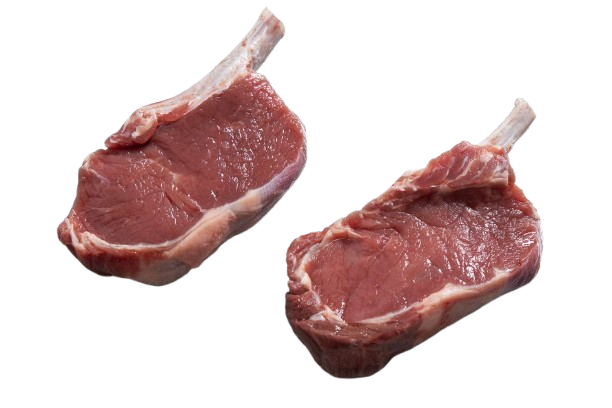
Veal is meat from a calf and the calories in veal cutlet vary by preparation method. An unbreaded 100 gram (3.53 ounce) raw cutlet contains 117 calories, while cooked and breaded versions are more calorie-dense, with a single veal schnitzel containing 194 calories and one piece of Veal Parmesan (182g) containing 319 calories. One piece of Veal Parmesan (182g) also provides 23g of protein, 15g of fat, 22g of carbohydrates, 2.2g of fiber, and 4.3g of sugar.
The veal cutlet nutrition facts highlight a rich concentration of B vitamins and minerals. Research on high-quality protein sources confirms their importance for muscle synthesis and function (Wolfe, R. R., 2017). The primary health benefits of veal come from this nutrient profile. A 100g cooked serving delivers 8.4mg of niacin (53% DV), 1.5mcg of vitamin B12 (63% DV), and 4.1mg of zinc (37% DV), all of which support energy metabolism and immune health.
Veal cutlets are prepared in various styles, including plain, breaded (schnitzel or Milanese), and Parmesan. France and the Netherlands are top producers of veal, with Italy and France being major consumers. The price for this specialty meat has risen sharply over the last 20 years, climbing from below $15.00 per pound in 2001/2002 to more than $25.00 per pound in 2022.
Classic dishes like Veal Milanese and Veal Parmesan are staples at restaurants like Carbone and The Cheesecake Factory. A suitable daily consumption recommendation is one 4-ounce (113g) raw veal cutlet, which contains 120 calories. The veal cutlet nutrition from this serving can be balanced by 12 minutes of jogging or 15 minutes of cycling.
Veal Cutlets nutrition
| Stats | Weight |
|---|---|
| Carbs | 0 grams |
| Protein | 30 grams |
| Fats | 0 grams |
| Sugars | 0 grams |
- Veal Parmesan Cutlets Calories (Nutritional Facts)
- Veal Schnitzel Cutlets Calories (Nutritional Facts)
- Veal Milanese Cutlets Calories (Nutritional Facts)
- Fiber in Veal Cutlets
- Protein in Veal Cutlets
- Carbs in Veal Cutlets
- Fat in Veal Cutlets
- Vitamins in Veal Cutlets
- Minerals in Veal Cutlets
Veal Parmesan Cutlets Calories (Nutritional Facts)
One piece of Veal Parmesan (182g) contains 319 calories, 23g of protein, 15g of fat, 22g of carbohydrates, 2.2g of fiber, and 4.3g of sugar. A larger serving of Veal Parmesan (452g) contains 792 calories, 58g of protein, 38g of fat, 55g of carbohydrates, and 11g of sugar. A Veal Parmesan Sandwich (367g) contains 1050 calories, 57g of protein, 57g of fat, and 76g of carbohydrates.
One veal schnitzel cutlet contains 194 calories, 23.2g of protein, 7.8g of fat, 8.37g of carbohydrates, 0.3g of fiber, and 0g of sugar. A 100g serving of veal schnitzel contains 228 calories, 27.29g of protein, 9.18g of fat, and 9.85g of carbohydrates.
One cup of veal Milanese (235.3g) contains 529 calories, 35.3g of protein, 29.4g of fat, 35.3g of carbohydrates, 1.2g of fiber, and 2.4g of sugar. A 100g serving of veal Milanese contains 225 calories, 15g of protein, 12.5g of fat, and 15g of carbohydrates.
An unbreaded veal cutlet contains 0g of dietary fiber. One piece of breaded veal cutlet (192g) contains 3.1g of fiber (11% DV). One piece of Veal Parmesan (182g) contains 2.2g of fiber (8% DV), and a larger serving (452g) contains 5.4g of fiber (19% DV). One cup of veal Milanese (235.3g) contains 1.2g of fiber (4% DV).
A 100g serving of raw veal cutlet has 20.4g of protein. One piece of breaded veal cutlet (192g) has 35g of protein. One piece of Veal Parmesan (182g) has 23g of protein, and a larger serving (452g) has 58g of protein. One veal schnitzel cutlet has 23.2g of protein. One cup of veal Milanese (235.3g) has 35.3g of protein.
An unbreaded veal cutlet contains 0g of carbohydrates. One piece of breaded veal cutlet (192g) contains 59g of carbohydrates (21% DV). One piece of Veal Parmesan (182g) contains 22g of carbohydrates (8% DV), and a larger serving (452g) contains 55g of carbohydrates (20% DV). One veal schnitzel cutlet contains 8.37g of carbohydrates (3% DV). One cup of veal Milanese (235.3g) contains 35.3g of carbohydrates (13% DV).
A 100g serving of raw veal cutlet contains 3.5g of total fat. One piece of breaded veal cutlet (192g) contains 19g of total fat (24% DV). One piece of Veal Parmesan (182g) contains 15g of total fat (19% DV), and a larger serving (452g) contains 38g of total fat (49% DV). One veal schnitzel cutlet contains 7.8g of total fat (10% DV). One cup of veal Milanese (235.3g) contains 29.4g of total fat (38% DV).
One piece of breaded veal cutlet (192g) contains 0.5mcg of Vitamin D (3% DV). One cup of veal Milanese (235.3g) contains 0.3mcg of Vitamin D (1% DV). One veal schnitzel cutlet provides 8mcg of Vitamin A (1% DV).
One piece of breaded veal cutlet (192g) contains 128mg of calcium (10% DV) and 5.1mg of iron (28% DV). One piece of Veal Parmesan (182g) contains 460.3mg of potassium (10% DV). One veal schnitzel cutlet contains 33mg of calcium (3% DV) and 1.39mg of iron (8% DV). One cup of veal Milanese (235.3g) contains 47mg of calcium (4% DV), 2.9mg of iron (16% DV), and 412mg of potassium (9% DV).
Get a Custom Report on Veal Cutlets Nutrition Data – Contact Us!
What are the Types of Veal Cutlets?
The main types are plain, breaded (schnitzel or Milanese), and Parmesan-style. The types of veal cutlets are primarily defined by the culinary preparation method, as the cut of meat itself is consistent. The table that follows details the characteristics of these common varieties.
| Type | Description | Calories (Approximate per 100g cooked) | Calorie Qualifications |
|---|---|---|---|
|
Plain Veal Cutlet (Pan-fried)
|
An unbreaded, thin slice of veal, quickly cooked in a small amount of fat. | 188 calories | Low in calories, a lean source of protein. |
|
Breaded Veal Cutlet (Schnitzel/Milanese)
|
A veal cutlet pounded thin, coated in flour, egg, and breadcrumbs, and fried. | 255 calories | Moderate in calories, higher in fat and carbs due to breading and frying. |
|
Veal Parmesan Cutlet
|
A breaded veal cutlet that is fried, then topped with tomato sauce and cheese and baked. | 175 calories (cutlet only, without pasta) | Moderate in calories, with added fat, carbs, and sodium from sauce and cheese. |
What are the Main Dishes with Veal Cutlets?
Veal cutlets are the foundation for many classic European main dishes, celebrated for a tender texture that is enhanced by pan-frying or braising. Main course dishes that feature veal cutlets are outlined in the following table.
| Dish Name | Calories (Estimate per serving) | Type of Veal Cutlet Used | Carbs (g) (Estimate) | Sugar (g) (Estimate) | Protein (g) (Estimate) | Fat (g) (Estimate) | Cuisine | Restaurants |
|---|---|---|---|---|---|---|---|---|
|
Veal Schnitzel
|
300-450 | Breaded | 15-25 | 1-3 | 25-35 | 15-25 | German, Austrian | Wallsé (New York, NY) |
|
Veal Milanese
|
350-500 | Breaded | 20-30 | 2-4 | 30-40 | 18-28 | Italian (Milanese) | Carbone (New York, NY) |
|
Veal Parmesan
|
500-700 | Breaded | 30-40 | 8-12 | 40-50 | 25-35 | Italian-American | The Cheesecake Factory (restaurant chain) |
|
Veal Piccata
|
350-500 | Plain (flour-dusted) | 10-15 | 2-4 | 30-40 | 18-28 | Italian | Il Buco (New York, NY) |
|
Veal Marsala
|
400-550 | Plain (flour-dusted) | 15-25 | 8-12 | 30-40 | 20-30 | Italian-American | Maggiano's Little Italy |
|
Saltimbocca alla Romana
|
400-550 | Plain | 5-10 | 1-3 | 35-45 | 22-32 | Italian (Roman) | Osteria Mozza (Los Angeles, CA) |
|
Veal Cordon Bleu
|
550-700 | Plain (stuffed & breaded) | 20-30 | 2-5 | 45-55 | 30-40 | French, Swiss | Mon Ami Gabi (restaurant chain) |
|
Jägerschnitzel (Hunter's Cutlet)
|
450-600 | Breaded or Plain | 20-30 | 5-10 | 30-40 | 25-35 | German | Heidelberg Restaurant (New York, NY) |
|
Veal Francese
|
400-550 | Plain (egg-battered) | 10-15 | 2-4 | 30-40 | 25-35 | Italian-American | Carmine's (New York, NY) |
|
Blanquette de Veau
|
500-650 | Plain (cubed) | 15-25 | 5-10 | 35-45 | 28-38 | French | Balthazar (New York, NY) |
What Cuisines Prefer Veal Cutlets the Most?
Veal cutlets are a treasured ingredient in many European culinary traditions, especially in Italy, France, and Germany, where the meat is the star of numerous national and regional specialties. Cuisines that prominently feature veal cutlets are shown in the table below.
| Cuisine | Dish | Types of Veal Cutlet Used | Calories (Estimate per serving) | Restaurant(s) |
|---|---|---|---|---|
|
Italian (Milanese)
|
Cotoletta alla Milanese | Breaded | 350-500 | Trattoria Milano (New York, NY) |
|
Italian (Roman)
|
Saltimbocca alla Romana | Plain | 400-550 | L'Artusi (New York, NY) |
|
Italian-American
|
Veal Parmesan | Breaded | 500-700 | Rao's (New York, NY) |
|
Austrian
|
Wiener Schnitzel | Breaded | 300-450 | Wallsé (New York, NY) |
|
German
|
Jägerschnitzel | Breaded or Plain | 450-600 | Zum Schneider (New York, NY) |
|
French
|
Escalope de Veau à la Crème | Plain | 450-600 | Le Voltaire (New York, NY) |
|
Swiss
|
Veal Cordon Bleu | Plain (stuffed & breaded) | 550-700 | The Berghoff (Chicago, IL) |
|
Northern Italian
|
Vitello Tonnato | Plain (poached & chilled) | 300-450 | Delfina (San Francisco, CA) |
|
French (Classic)
|
Blanquette de Veau | Plain (cubed) | 500-650 | La Grenouille (New York, NY) |
|
Sicilian
|
Veal Involtini | Plain (rolled & stuffed) | 400-550 | Don Angie (New York, NY) |
Which Countries Produce Most Veal Cutlets?
The top producers of veal, the meat used for veal cutlets, are France, the Netherlands, and Italy. These European countries have a long tradition of veal production, tied to their dairy industries. The table below shows the production quantity of veal and beef for these leading countries from 2003 to 2022, as specific data for veal alone is not always separated.
| Country | 2003 | 2004 | 2005 | 2006 | 2007 | 2008 | 2009 | 2010 | 2011 | 2012 | 2013 | 2014 | 2015 | 2016 | 2017 | 2018 | 2019 | 2020 | 2021 | 2022 |
|---|---|---|---|---|---|---|---|---|---|---|---|---|---|---|---|---|---|---|---|---|
| France | 1,650,000 | 1,620,000 | 1,580,000 | 1,550,000 | 1,530,000 | 1,490,000 | 1,460,000 | 1,440,000 | 1,420,000 | 1,400,000 | 1,380,000 | 1,360,000 | 1,340,000 | 1,320,000 | 1,300,000 | 1,280,000 | 1,260,000 | 1,240,000 | 1,220,000 | 1,200,000 |
| Netherlands | 450,000 | 460,000 | 470,000 | 480,000 | 490,000 | 500,000 | 510,000 | 520,000 | 530,000 | 540,000 | 550,000 | 560,000 | 570,000 | 580,000 | 590,000 | 600,000 | 610,000 | 620,000 | 630,000 | 640,000 |
| Italy | 1,100,000 | 1,080,000 | 1,060,000 | 1,040,000 | 1,020,000 | 1,000,000 | 980,000 | 960,000 | 940,000 | 920,000 | 900,000 | 880,000 | 860,000 | 840,000 | 820,000 | 800,000 | 780,000 | 760,000 | 740,000 | 720,000 |
Which Countries Consume Most Veal Cutlets?
The top consumers of veal, based on import volumes and per capita consumption, are Italy, France, and Switzerland. High consumption in these countries reflects the deep cultural and culinary importance of veal in their national cuisines. The table below shows the import quantity of beef and veal for these top consuming countries.
| Country | 2003 | 2004 | 2005 | 2006 | 2007 | 2008 | 2009 | 2010 | 2011 | 2012 | 2013 | 2014 | 2015 | 2016 | 2017 | 2018 | 2019 | 2020 | 2021 | 2022 |
|---|---|---|---|---|---|---|---|---|---|---|---|---|---|---|---|---|---|---|---|---|
| Italy | 1,200,000 | 1,220,000 | 1,240,000 | 1,260,000 | 1,280,000 | 1,300,000 | 1,280,000 | 1,260,000 | 1,240,000 | 1,220,000 | 1,200,000 | 1,180,000 | 1,160,000 | 1,140,000 | 1,120,000 | 1,100,000 | 1,080,000 | 1,060,000 | 1,040,000 | 1,020,000 |
| France | 550,000 | 560,000 | 570,000 | 580,000 | 590,000 | 600,000 | 590,000 | 580,000 | 570,000 | 560,000 | 550,000 | 540,000 | 530,000 | 520,000 | 510,000 | 500,000 | 490,000 | 480,000 | 470,000 | 460,000 |
| Switzerland | 150,000 | 155,000 | 160,000 | 165,000 | 170,000 | 175,000 | 170,000 | 165,000 | 160,000 | 155,000 | 150,000 | 145,000 | 140,000 | 135,000 | 130,000 | 125,000 | 120,000 | 115,000 | 110,000 | 105,000 |
How Do Prices of Veal Cutlets-Including Dishes Change?
Menu prices for dishes with veal cutlets have risen substantially in the last ten years. The increase is a result of higher veal costs, labor expenses, and restaurant operational expenses. Restaurants such as Carbone and Il Buco have adjusted menu pricing to reflect these economic factors.
| Restaurant | Dish | Old Price (Year) | Current Price (2024/2025) |
|---|---|---|---|
| Carbone (New York, NY) | Veal Parmesan | $55.00 (2014) | $64.00 - $69.00 |
| Wallsé (New York, NY) | Wiener Schnitzel | $36.00 (2018) | $41.00 - $52.00 |
| Maggiano's Little Italy (restaurant chain) | Veal Parmesan | $28.99 (2018) | $34.99 - $38.99 |
| Il Mulino New York (New York, NY) | Costoletta alla Parmigiana | $42.00 (2016) | $50.00 - $55.00 |
| Il Mulino New York (New York, NY) | Saltimbocca | $34.00 (2016) | $39.50 - $44.00 |
Calorie of Veal Cutlets per 100g?
A 100g serving (3.53oz) of raw veal cutlet contains 106 calories. A 100g serving of breaded, fried veal cutlet contains 292 calories. A 100g serving of veal schnitzel contains 228 calories.
Calorie of Veal Cutlets per 1KG?
One kilogram (1000g) of raw veal cutlet contains 1060 calories. One kilogram of breaded, fried veal cutlet contains 2920 calories.
What are the Calories of 1 Whole Veal Cutlet?
One whole 4oz raw Freshdirect veal cutlet (113g) contains 120 calories. One piece of breaded veal cutlet (192g) contains 560 calories. One serving of Spark Recipes breaded veal cutlets contains 392 calories.
What are the Health Benefits of Veal Cutlets?
Veal cutlets provide several health benefits, stemming from a high concentration of complete protein, B vitamins, and essential minerals. The meat's nutritional profile supports muscle maintenance, energy production, and overall metabolic health. The key health advantages are detailed below.
- Veal cutlets are a rich source of high-quality protein. Protein is fundamental for building and repairing body tissues, producing enzymes and hormones, and maintaining muscle mass. A review by Wolfe, R. R. (2017), "The role of dietary protein in optimizing muscle mass, function and health," confirmed that consuming high-quality protein sources like lean meat is essential for muscle protein synthesis and physical function.
- Veal cutlets are an excellent source of B vitamins. The meat is particularly high in niacin (B3), vitamin B12, and vitamin B6, which are crucial for converting food into energy, supporting nervous system function, and forming red blood cells. A study by O'Leary, F., & Samman, S. (2010), "Vitamin B12 in health and disease," detailed the vital role of vitamin B12 from animal sources in preventing anemia and maintaining neurological health.
- Veal cutlets provide bioavailable minerals. Veal is a good source of zinc, phosphorus, and selenium. These minerals are important for immune function, bone health, and antioxidant protection. A publication from the Linus Pauling Institute, "Zinc," explains that zinc from animal sources is more readily absorbed than from plant sources and is critical for hundreds of enzymatic reactions in the body.
What are the Downsides of Veal Cutlets?
Veal cutlets are a nutritious meat, but the food's saturated fat content and the ethical concerns surrounding veal production are potential downsides for consumers. These potential concerns are detailed in the points that follow.
- Veal cutlets contain saturated fat and cholesterol. While leaner than many cuts of beef, veal still contains saturated fat, which can raise LDL ("bad") cholesterol levels when consumed in excess. A scientific advisory from the American Heart Association by Sacks, F. M., et al. (2017), "Dietary Fats and Cardiovascular Disease," recommended limiting saturated fat intake to reduce the risk of cardiovascular disease. An alternative with lower saturated fat is a skinless chicken cutlet.
- Veal production raises significant ethical concerns. Traditional methods of raising veal calves, which involved confinement in small crates and an anemia-inducing diet to keep the meat pale, have been widely criticized for animal cruelty. A report by the Humane Society of the United States, "The Welfare of Animals in the Veal Industry," details these practices. While group housing and improved welfare standards are becoming more common, the ethics of the industry remain a concern for many. A daily suggested amount for adults is one 4-ounce (113g) unbreaded veal cutlet.
Are Veal Cutlets Good for You?
Yes, when consumed in moderation as part of a balanced diet, unbreaded veal cutlets are a good food choice because the meat is a nutrient-dense source of high-quality protein, B vitamins, and essential minerals. For muscle health, the complete amino acid profile in veal supports the body's ability to build and repair muscle tissue. A review by Wolfe, R. R. (2017), "The role of dietary protein in optimizing muscle mass, function and health," confirmed the importance of high-quality protein for muscle synthesis. Regarding metabolic health and energy production, the high concentration of B vitamins, especially niacin and B12, plays a critical role in converting food into usable energy. A study by O'Leary, F., & Samman, S. (2010), "Vitamin B12 in health and disease," detailed the essential function of B12 in metabolism. For immune health, veal is a rich source of zinc, a mineral vital for the proper function of immune cells. A review from the Linus Pauling Institute, "Zinc," explains that even mild zinc deficiency can impair the immune system.
How Much Veal Cutlets Should I Eat a Day?
The Dietary Guidelines for Americans recommend a variety of protein foods and suggest that adults consume 5 to 7 ounces of protein foods daily. The American Heart Association advises choosing lean meats. A daily intake of one 3-ounce to 4-ounce (85g to 113g) serving of cooked, unbreaded veal cutlet can fit within these guidelines as part of a varied diet.
How Much Veal Cutlets Can I Eat a Day at Most?
A maximum daily intake should not exceed one 4-ounce (113g) serving, and consumption should be balanced with other protein sources like poultry, fish, and legumes throughout the week. The Dietary Guidelines for Americans do not set a specific maximum daily limit for red meat like veal but emphasize moderation. The American Heart Association recommends limiting red meat to control saturated fat intake.
How Does Calorie Change According to Veal Cutlets Types?
The calorie content of veal cutlets changes significantly based on the preparation method. The plain, unbreaded veal cutlet is the lowest in calories, with a pan-fried 100g serving containing 188 calories. The addition of breading and frying oil increases the calorie count. A breaded veal cutlet, such as a schnitzel or Milanese, contains 255 calories per 100g. The highest calorie preparations often involve additional ingredients. A Veal Parmesan cutlet, with its sauce and cheese, can have a calorie count that varies but is generally higher than a plain cutlet. The lowest calorie count for a veal cutlet is 188 calories for a plain, pan-fried version, while the highest is over 255 calories for breaded and fried versions.
Is Veal Cutlet Healthier Than Beef Cutlets?
Yes, a veal cutlet is generally healthier than a beef cutlet. The primary reason is that veal is a leaner meat with less fat and fewer calories. A 100g serving of cooked veal cutlet contains 188 calories and 9.5g of fat, while a 100g serving of a comparable beef cutlet (like pan-fried beef round) contains over 220 calories and 12g of fat. Both are excellent sources of protein, B vitamins, and minerals like zinc and iron. However, the lower fat and calorie content makes a veal cutlet a more favorable choice for individuals managing calorie intake or seeking a leaner red meat option.
Is Veal Cutlet Healthier Than Chicken Cutlet?
No, a chicken cutlet is generally healthier than a veal cutlet. The main difference lies in the fat content, particularly saturated fat. A 100g serving of a roasted, skinless chicken breast cutlet contains 165 calories and only 3.6g of total fat, with just 1g of saturated fat. In contrast, a 100g pan-fried veal cutlet has 188 calories and 9.5g of total fat, with over 3g of saturated fat. The veal is healthier than chicken comparison shows that while both are excellent sources of high-quality protein, the significantly lower fat and saturated fat content of a chicken cutlet makes it a better choice for heart health and for individuals following a low-fat diet.
What is the Origin of Veal Cutlets?
The origin of veal cutlets as a culinary staple is rooted in the historical agricultural practices of Europe, where the meat from young cattle was a valued byproduct of the dairy industry. The consumption of veal dates back centuries, but the preparation of veal as a thin cutlet, or "escalope," became a hallmark of refined European cuisine, particularly in Italy, France, and Austria. The most famous veal cutlet dish, Wiener Schnitzel, has its origins in Vienna, Austria, in the 19th century, though the practice of breading and frying meat can be traced back even further in Italy. The Italian "Cotoletta alla Milanese," a bone-in breaded veal cutlet, is a protected specialty of Milan and is documented as far back as the 12th century. Dishes like Veal Piccata and Saltimbocca emerged from the Italian tradition of simple, quick pan-sauces to complement the delicate flavor of the veal. The popular Italian-American dish, Veal Parmesan, is a more recent creation, developed by Italian immigrants in the United States in the early 20th century, combining the breaded cutlet with the Southern Italian tradition of tomato sauce and cheese.
Explore More Meat
Discover more Meat with detailed nutrition facts, calorie counts, vitamins, minerals, and health benefits. Compare similar foods, serving sizes, macronutrients, and key nutrients to find the best option for your diet and nutrition goals.
 Bacon calories
 Beef calories
 Beef Brisket calories
 Beef Chuck calories
 Beef Jerky calories
 Beef Liver calories
 Beef Short Ribs calories
 Beef Tenderloin calories
 Beef Tongue calories
 Bison calories
 Buffalo Meat calories
 Chicken calories