Calories and Nutritions in Venison Sausage
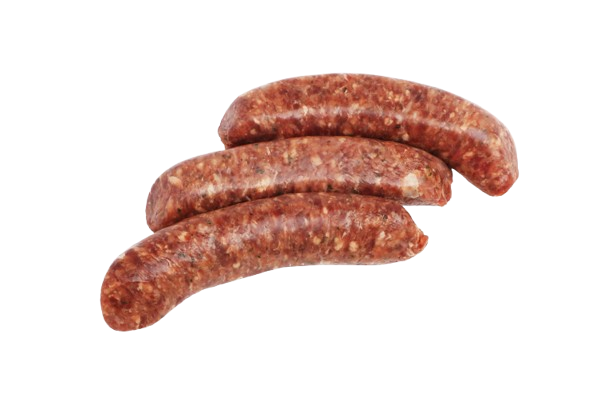
Venison sausage calories are high, attributed to the fat added to the lean deer meat during production. A 100g (3.5 oz) serving of cooked venison bratwurst contains 280 calories, while a single link (85g, 3 oz) has 238 calories. Venison summer sausage is slightly lower in calories, with 225 calories per 100g. The calories in deer sausage come from a combination of protein and a high amount of fat. The specific venison sausage nutrition profile for a 100g portion of cooked bratwurst includes 14.7g of protein, 1.5g of carbohydrates, and 23.5g of fat.
Deer sausage nutrition facts reveal that while the venison base is rich in protein, iron, and B vitamins, the overall health profile is altered by the sausage-making process. A 100g serving of venison summer sausage provides an excellent amount of protein (21.4g, 43% DV) and zinc (4.1mg, 37% DV), but it is also very high in sodium, containing 1286mg (56% DV). Deer sausage calories from a homemade version are 250 calories per 100g, due to the addition of pork or beef fat to achieve a palatable and moist texture, which increases the saturated fat content significantly compared to plain venison.
Globally, countries with strong hunting traditions and sausage-making cultures, such as Germany, Austria, and the United States, are the primary producers and consumers of venison sausage. The main types include fresh sausage (like breakfast or Italian style), smoked sausage (similar to kielbasa), and cured summer sausage. Venison sausage is a popular ingredient in dozens of dishes in local diners, gastropubs and homes, especially in hunting regions.
The price of commercial venison sausage has increased over the last 2 decades, reflecting the rising cost of venison as a specialty meat. Venison sausage retailed for $13 to $22 per kg in 2003/2004 and by 2022/2023, prices rose to $26 to $44 per kg. The consumption of venison sausage has seen a niche but steady increase in demand, driven by the growing interest in game meats and artisanal food products. This has led to higher prices for restaurant dishes featuring venison sausage, which is considered a premium ingredient.
The primary health benefit of venison sausage is its high protein content. But due to its high sodium and added fat, there is no recommended daily consumption. It is best considered an occasional food. Burning the 238 calories from a single venison bratwurst would require 20-25 minutes of jogging or 30-35 minutes of brisk walking.
Venison Sausage nutrition
| Stats | Weight |
|---|---|
| Carbs | 3 grams |
| Protein | 35 grams |
| Fats | 0 grams |
| Sugars | 1 grams |
- Venison Brat Sausage Calories (Nutritional Facts)
- Venison Summer Sausage Calories (Nutritional Facts)
- Homemade Deer Sausage Calories (Nutritional Facts)
- Sodium in Venison Sausage
- Potassium in Venison Sausage
- Sugar in Venison Sausage
- Fiber in Venison Sausage
- Protein in Venison Sausage
- Carbs in Venison Sausage
- Fat in Venison Sausage
- Saturated Fat in Venison Sausage
- Vitamins in Venison Sausage
- Minerals in Venison Sausage
Venison Brat Sausage Calories (Nutritional Facts)
A 100g (3.5 oz) serving of cooked venison bratwurst sausage, which is often made by mixing venison with pork, contains 280 calories. A single cooked venison bratwurst link (85g, 3 oz) provides 238 calories. Venison bratwurst (100g) also contains 14.7g of protein, 1.5g of carbohydrates, and 23.5g of total fat.
A 100g (3.5 oz) serving of venison summer sausage contains 225 calories. A 2 oz (56g) serving of venison summer sausage provides 126 calories. Venison summer sausage (100g) also contains 21.4g of protein, 3.6g of carbohydrates, and 13.9g of total fat.
The calories in homemade deer sausage vary widely based on the recipe, specifically the ratio of lean venison to added fat like pork or beef fat. A 100g (3.5 oz) serving of homemade venison sausage, made with a moderate amount of added fat, contains 250 calories. A single homemade sausage link (75g, 2.6 oz) provides 188 calories.
Venison summer sausage (100g) contains a high amount of sodium, with 1286mg (56% DV). Venison bratwurst (100g) provides 658mg of sodium (29% DV). Homemade venison sausage sodium content depends on the amount of salt added in the recipe.
Venison summer sausage (100g) provides 411mg of potassium (9% DV). Cooked venison bratwurst (100g) contains 224mg of potassium (5% DV).
Venison bratwurst (100g) contains 0g of total sugars. Venison summer sausage (100g) contains 3.6g of total sugars, which may be added for flavor and curing.
Venison sausage of all types, including bratwurst and summer sausage, contains 0g of dietary fiber per 100g.
Venison summer sausage (100g) provides 21.4g of protein (43% DV). Cooked venison bratwurst (100g) contains 14.7g of protein (29% DV).
Venison summer sausage (100g) has 3.6g of total carbohydrates (1% DV). Cooked venison bratwurst (100g) contains 1.5g of total carbohydrates (1% DV). Carbohydrate content may be higher if fillers like grains or sugars are used in the recipe.
Cooked venison bratwurst (100g) contains 23.5g of total fat (30% DV). Venison summer sausage (100g) provides 13.9g of total fat (18% DV). The fat content of venison sausage is primarily determined by the amount of pork or beef fat added to the lean venison.
Cooked venison bratwurst (100g) contains 8.4g of saturated fat (42% DV). Venison summer sausage (100g) provides 5.5g of saturated fat (28% DV).
A 100g (3.5 oz) serving of venison summer sausage is a good source of Vitamin B12, providing 1.2µg (50% DV), and Niacin (Vitamin B3) at 4.5mg (28% DV). It also contains Thiamin (Vitamin B1) at 0.3mg (25% DV).
A 100g (3.5 oz) serving of venison summer sausage is an excellent source of Zinc, providing 4.1mg (37% DV). It is also a good source of Iron at 2.4mg (13% DV) and Phosphorus at 180mg (26% DV). The sodium content is very high.
Get a Custom Report on Venison Sausage Nutrition Data – Contact Us!
What are the Types of Venison Sausage?
There are many types of venison sausage, with variations based on the spices used, the type and amount of added fat, and the processing method (fresh, smoked, or cured). The table below shows some common types of venison sausage and their general calorie information.
| Type (Style) | Description | Calories (per 100g cooked) | Calorie Qualifications |
|---|---|---|---|
|
Fresh Venison Sausage
|
Uncooked, uncured sausage, similar to fresh pork or Italian sausage. Must be cooked before eating. Often seasoned with sage, thyme, pepper. | 240-280 | Calorie content is dependent on the amount of added pork or beef fat. |
|
Smoked Venison Sausage
|
Cooked and smoked sausage, often fully cooked and ready to eat. Can be similar to kielbasa or andouille. | 250-300 | Similar to fresh sausage in calories, as smoking does not add significant calories but may reduce moisture slightly. |
|
Venison Summer Sausage
|
A cured, dried, and often smoked sausage that is shelf-stable before opening. Tangy flavor from fermentation. | 220-250 | Often slightly lower in calories than fresh/smoked due to lower fat and higher protein concentration from drying. |
|
Venison Bratwurst
|
A type of fresh German-style sausage, often with milder spices. Made with added pork/fat. | 270-310 | Tends to be higher in fat and calories, similar to traditional pork bratwurst. |
|
Venison Breakfast Sausage
|
Fresh sausage patties or links, seasoned with classic breakfast spices like sage and black pepper. | 250-290 | Similar to other fresh venison sausages. |
|
Venison Italian Sausage (Hot or Sweet)
|
Fresh sausage flavored with Italian seasonings like fennel and garlic, with or without red pepper flakes. | 240-280 | Calorie content is similar to other fresh sausages and depends on the fat ratio. |
What are the Main Dishes with Venison Sausage?
Venison sausage is a versatile ingredient featured in a variety of hearty main dishes. Some of the most widespread main dishes that contain venison sausage include breakfast plates, pasta sauces, and mixed grills. It adds a distinctive, robust taste to many comfort food classics. The table below lists diverse main dishes incorporating venison sausage, along with estimated nutritional information.
| Dish Name | Calories (per serving) | Type of Venison Sausage Used (Fresh, Smoked) | Carbs (g) | Sugar (g) | Protein (g) | Fat (g) | Cuisine | Restaurants |
|---|---|---|---|---|---|---|---|---|
|
Venison Sausage and Eggs Breakfast Platter
|
450-700 | Breakfast Links/Patties | 15-30 (from sides) | 2-5 | 25-40 | 25-45 | American, Hunter-style | Local diners or breakfast spots in hunting regions, specialty brunch restaurants |
|
Pasta with Venison Sausage Ragu
|
550-800 | Italian-style (fresh) | 50-70 | 8-15 | 20-30 | 25-40 | Italian, Contemporary American | Upscale Italian or New American restaurants with game menus |
|
Venison Sausage on a Bun (like a Bratwurst)
|
400-600 | Bratwurst-style | 25-40 | 3-7 | 15-25 | 20-35 | German-American, American | German beer gardens, specialty sausage shops, gastropubs |
|
Jambalaya or Gumbo with Venison Sausage
|
450-700 | Smoked (Andouille-style) | 45-65 | 3-7 | 20-30 | 18-30 | Cajun/Creole | Restaurants specializing in Cajun/Creole cuisine, especially with a focus on game |
|
Pizza with Venison Sausage Topping
|
300-450 (per slice) | Italian-style (crumbled) | 30-40 | 2-5 | 12-18 | 12-20 | American, Italian-inspired | Artisanal pizzerias with gourmet or game toppings, e.g., Mellow Mushroom (seasonal specials) |
|
Venison Sausage and Peppers Sandwich
|
500-750 | Italian-style (links) | 40-60 | 5-10 | 20-30 | 25-40 | Italian-American | Food festivals, Italian street fairs, specialty sandwich shops |
|
Venison Sausage Gravy with Biscuits
|
450-700 | Breakfast Sausage (crumbled) | 40-55 | 4-8 | 12-20 | 25-40 | American (Southern) | Rustic or game-focused breakfast restaurants |
|
Mixed Grill Platter (with Venison Sausage)
|
Varies | Various (Bratwurst, Smoked Link) | Varies | Varies | Varies | Varies | European, American | Steakhouses or restaurants with extensive grill menus, e.g., some items at Fogo de Chão (specialty meats) |
|
Casserole/Baked Dish with Venison Sausage
|
400-650 | Fresh (crumbled) | 30-45 | 5-10 | 20-30 | 20-35 | American Comfort Food | Often homemade; some family-style restaurants in rural/hunting areas |
|
Venison Summer Sausage and Cheese Platter
|
Varies (per portion) | Summer Sausage (sliced) | Varies | Varies | Varies | Varies | American, European (Appetizer/Snack) | Delis, specialty food stores, wine bars |
|
Stuffed Mushrooms with Venison Sausage
|
250-400 (appetizer) | Fresh (crumbled) | 8-15 | 2-4 | 10-18 | 15-25 | Italian-American | Upscale casual dining restaurants with game specials |
|
Split Pea Soup with Smoked Venison Sausage
|
300-500 (bowl) | Smoked | 35-50 | 5-10 | 15-25 | 8-15 | European, American | German or Dutch-style restaurants |
|
Venison Sausage Rolls (in pastry)
|
200-350 (per roll) | Fresh (ground) | 15-25 | 1-3 | 8-12 | 12-20 | British, Commonwealth | British-style pubs or bakeries, especially those featuring game meats |
|
Shakshuka with Venison Sausage
|
400-600 | Spicy Fresh (e.g., Merguez-style) | 15-25 | 8-15 | 20-30 | 20-30 | Middle Eastern/North African Fusion | Trendy brunch spots with creative Shakshuka variations |
|
Scotch Eggs (with Venison Sausage meat)
|
350-500 (per egg) | Fresh (ground) | 15-25 | 1-3 | 20-30 | 20-30 | British | Gastropubs with a focus on artisanal pub fare |
What Cuisines Prefer Venison Sausage the Most?
Venison sausage is most preferred in cuisines with a strong heritage of hunting and preserving game meats. It is particularly prominent in German, Austrian, and various Central European cuisines, where sausage-making (Wurstmacherei) is a highly developed culinary art. It is also very popular in North American regional cuisine, especially in areas with large deer populations and a robust hunting culture, where it is a staple of home processing and local butcher shops. The table below highlights cuisines that frequently utilize venison sausage.
| Cuisine | Dish Name | Calories (per serving) | Restaurants |
|---|---|---|---|
|
German/Austrian
|
Venison Bratwurst or other Wurst varieties | 400-600 (on a bun) | German beer gardens, restaurants specializing in German cuisine, e.g., Heidelberg Restaurant (NYC) |
|
American (Hunter/Outdoor Culture)
|
Venison Breakfast Sausage Platter | 450-700 | Local diners and cafes in hunting regions of the Midwest, Appalachia, and the West |
|
American (Hunter/Outdoor Culture)
|
Venison Summer Sausage (as a snack/appetizer) | Varies | Specialty meat processors, local delis in hunting areas |
|
Italian-American (specialty)
|
Pasta with Venison Sausage Ragu | 550-800 | Upscale Italian or contemporary American restaurants with a focus on game |
|
Cajun/Creole (specialty)
|
Gumbo or Jambalaya with Venison Andouille | 450-700 | Restaurants in Louisiana that specialize in wild game versions of classic dishes |
|
American BBQ (specialty)
|
Smoked Venison Sausage links | Varies | Some specialty BBQ joints that feature wild game |
|
British/Scottish (specialty)
|
Venison Sausages with Mash ("Bangers and Mash" variation) | 500-750 | Pubs in the UK, particularly in Scotland, that serve game meats |
Which Countries Produce the Most Venison Sausage?
The primary producers of venison sausage are countries with strong hunting traditions and established sausage-making cultures. These include Germany, Austria, the United States, the United Kingdom (especially Scotland), and various Scandinavian and Eastern European nations. Since venison sausage is a processed product, its production is directly linked to the availability of its main ingredient, venison (deer meat). Production can be inferred from venison harvest and game meat processing statistics from sources like national wildlife agencies and Eurostat. The United States has a very large wild deer harvest, though much of this is for personal consumption rather than commercial sausage production. New Zealand is the largest commercial producer of farmed venison, a key raw material for gourmet venison sausage production worldwide.
| Country/Region | 2004 | 2005 | 2006 | 2007 | 2008 | 2009 | 2010 | 2011 | 2012 | 2013 | 2014 | 2015 | 2016 | 2017 | 2018 | 2019 | 2020 | 2021 | 2022 | 2023 (Est.) |
|---|---|---|---|---|---|---|---|---|---|---|---|---|---|---|---|---|---|---|---|---|
| New Zealand | 25.0 | 26.5 | 27.8 | 28.5 | 29.0 | 28.0 | 27.5 | 27.0 | 26.5 | 26.0 | 25.5 | 25.0 | 24.5 | 24.0 | 23.5 | 23.0 | 22.5 | 22.0 | 21.8 | 21.5 |
| Germany | 15.0 | 15.5 | 16.0 | 16.2 | 16.5 | 16.0 | 15.8 | 15.6 | 15.4 | 15.2 | 15.0 | 14.8 | 14.6 | 14.5 | 14.3 | 14.1 | 14.0 | 13.9 | 13.8 | 13.7 |
| United Kingdom | 8.0 | 8.5 | 9.0 | 9.5 | 9.8 | 9.6 | 9.4 | 9.2 | 9.0 | 9.1 | 9.2 | 9.3 | 9.5 | 9.7 | 9.8 | 10.0 | 9.8 | 9.9 | 10.0 | 10.1 |
| USA (Wild Harvest Estimate) | 120.0 | 122.0 | 123.0 | 124.0 | 125.0 | 123.0 | 121.0 | 120.0 | 118.0 | 117.0 | 116.0 | 115.0 | 114.0 | 113.0 | 112.0 | 110.0 | 115.0 | 114.0 | 113.0 | 112.0 |
| Spain | 10.0 | 10.2 | 10.5 | 10.8 | 11.0 | 10.7 | 10.5 | 10.3 | 10.1 | 10.0 | 9.8 | 9.6 | 9.5 | 9.4 | 9.3 | 9.2 | 9.0 | 9.1 | 9.2 | 9.3 |
| Poland | 7.0 | 7.5 | 8.0 | 8.5 | 8.8 | 8.6 | 8.4 | 8.2 | 8.0 | 7.9 | 7.8 | 7.7 | 7.6 | 7.5 | 7.4 | 7.3 | 7.2 | 7.1 | 7.0 | 6.9 |
Which Countries Consume the Most Venison Sausage?
Based on culinary traditions, the highest consumption of venison sausage occurs in Germany, Austria, and other Central European countries where sausage is a staple and game is traditional. The United States also has significant consumption, particularly among hunting communities in the Midwest, Appalachia, and the West. The table below uses the apparent consumption of venison as a proxy for potential venison sausage consumption.
| Country/Region | 2004 | 2005 | 2006 | 2007 | 2008 | 2009 | 2010 | 2011 | 2012 | 2013 | 2014 | 2015 | 2016 | 2017 | 2018 | 2019 | 2020 | 2021 |
|---|---|---|---|---|---|---|---|---|---|---|---|---|---|---|---|---|---|---|
| Germany | 25.0 | 26.0 | 27.0 | 28.0 | 28.5 | 27.5 | 27.0 | 26.5 | 26.0 | 25.8 | 25.5 | 25.3 | 25.0 | 24.8 | 24.6 | 24.4 | 24.0 | 24.2 |
| France | 15.0 | 15.5 | 16.0 | 16.5 | 16.8 | 16.2 | 16.0 | 15.8 | 15.5 | 15.3 | 15.1 | 15.0 | 14.8 | 14.6 | 14.4 | 14.2 | 14.0 | 14.1 |
| United Kingdom | 10.0 | 10.5 | 11.0 | 11.5 | 11.8 | 11.6 | 11.4 | 11.2 | 11.0 | 11.1 | 11.2 | 11.3 | 11.5 | 11.7 | 11.8 | 12.0 | 11.8 | 11.9 |
| USA (Commercial Market) | 12.0 | 12.5 | 13.0 | 13.5 | 14.0 | 13.8 | 13.5 | 13.2 | 13.0 | 12.8 | 12.6 | 12.5 | 12.4 | 12.3 | 12.1 | 12.0 | 11.8 | 11.7 |
| Italy | 8.0 | 8.2 | 8.5 | 8.8 | 9.0 | 8.7 | 8.5 | 8.3 | 8.1 | 8.0 | 7.9 | 7.8 | 7.7 | 7.6 | 7.5 | 7.4 | 7.2 | 7.3 |
| Belgium | 5.0 | 5.2 | 5.3 | 5.5 | 5.6 | 5.4 | 5.3 | 5.2 | 5.1 | 5.0 | 4.9 | 4.8 | 4.7 | 4.6 | 4.5 | 4.4 | 4.3 | 4.4 |
How Do Prices of Venison Sausage-including Dishes Change?
The prices of restaurant dishes that feature venison sausage, a specialty ingredient, have significantly increased over the past 20 years. This reflects the rising cost of the sausage itself, along with general menu inflation driven by higher costs for all other ingredients, labor, and operations. Venison sausage dishes are usually found in gastropubs, European restaurants, or establishments with a focus on game.
| Restaurant | Dish Name | Old Price (2004-2008) | Current Price (2024-2025) |
|---|---|---|---|
| Beer Garden | Venison Bratwurst Platter (with sides) | $14.00 - $19.00 | $22.00 - $30.00 |
| Upscale Gastropub | Pasta with Venison Sausage Ragu | $16.00 - $22.00 | $25.00 - $34.00 |
| Restaurant with Cajun/Creole Menu | Gumbo or Jambalaya with Venison Sausage (Specialty) | $15.00 - $20.00 | $24.00 - $32.00 |
| Local Pizzeria with Gourmet Toppings | Pizza with Venison Sausage Topping | $15.00 - $20.00 (Large Pizza) | $22.00 - $30.00 (Large Pizza) |
What is the Venison Sausage Calorie for 100 Grams?
A 100g (3.5 oz) serving of cooked venison bratwurst contains 280 calories. A 100g (3.5 oz) serving of venison summer sausage provides 225 calories. Homemade venison sausage (100g) typically contains 250 calories.
What is the Venison Sausage Calorie for 1 KG?
One kilogram (1000g, 35.27 oz) of cooked venison bratwurst contains 2800 calories. One kilogram (1000g, 35.27 oz) of venison summer sausage provides 2250 calories.
What is the Calorie of 1 Venison Sausage?
The calorie content of one venison sausage depends on its size and type. One cooked venison bratwurst link (85g, 3 oz) provides 238 calories. One link of Johnsonville Venison with Pork Smoked Sausage (71g) contains 190 calories. A single link of homemade venison sausage (75g, 2.6 oz) contains 188 calories.
What are the Health Benefits of Venison Sausage?
Venison sausage provides some health benefits like offering a rich source of protein and essential minerals due to its primary ingredient, deer meat. A list of the health benefits of venison sausage, when prepared thoughtfully, are shown below.
- Rich in High-Quality Protein: Venison is a primary component, providing high-quality protein necessary for muscle building, tissue repair, and overall body function. The venison sausage protein content is substantial.
- Excellent Source of B Vitamins: Venison contributes significant amounts of B vitamins, especially Vitamin B12 and niacin, which are crucial for energy metabolism and nervous system health.
- High in Iron and Zinc: Venison is a good source of heme iron, which is easily absorbed and helps prevent anemia. It also supplies zinc, which is vital for immune function.
- Leaner Meat Base: Venison itself is a very lean meat, lower in fat and saturated fat than beef or pork. This makes venison sausage a potentially leaner sausage option if prepared with minimal added fat. (Williams, P., 2007, "Nutritional composition of red meat").
- Good Source of Phosphorus: It provides phosphorus, a mineral that works with calcium to build strong bones and teeth.
- Provides Selenium: Venison contains selenium, a trace mineral with antioxidant properties that helps protect cells from damage.
- Flavorful with Fewer Additives (Homemade): When made at home, venison sausage allows for control over ingredients, enabling the creation of a flavorful product without excessive sodium, preservatives, or fillers found in some commercial sausages.
What are the Downsides of Venison Sausage?
Venison sausage has been known to cause some unwanted effects like high saturated fat content from added fats and significant sodium levels due to the curing and seasoning process. A list of the downsides of venison sausage are shown below.
- High Sodium Content: Commercial and many homemade sausage recipes are very high in sodium, which is used for curing, preservation, and flavor. High sodium intake is a major risk factor for high blood pressure and heart disease. (He, F.J. & MacGregor, G.A., 2013, "Salt reduction lowers cardiovascular risk: meta-analysis of outcome trials").
- Added Fats (Often High in Saturated Fat): Because venison is very lean, sausage recipes almost always require the addition of significant amounts of fat (typically pork or beef fat) to ensure moisture, good texture, and flavor. This increases the total fat, saturated fat, and calorie content of the final product, potentially negating the leanness of the venison itself.
- Processed Meat Classification: Many types of venison sausage, especially cured or smoked varieties like summer sausage, fall into the category of processed meats. High consumption of processed meats has been linked to an increased risk of certain types of cancer, particularly colorectal cancer, and other chronic diseases. (World Health Organization, International Agency for Research on Cancer, 2015, "IARC Monographs evaluate consumption of red meat and processed meat").
- Potential for Nitrates and Nitrites: Cured sausages often contain nitrates and nitrites as preservatives, which can form nitrosamines in the body, compounds that are potentially carcinogenic.
Is Venison Sausage Good for You?
No, venison sausage is generally not considered a "good for you" or health-promoting food, even though it is made from lean and nutritious venison. The primary reason is that to make it palatable and give it the desired texture of sausage, significant amounts of fat (often pork or beef fat) and sodium are added. This process transforms a lean meat into a high-fat, high-sodium processed food. High intake of sodium is strongly linked to hypertension, and high consumption of processed meats is associated with an increased risk of several chronic diseases. (Micha, R., et al., 2010, "Red and Processed Meat Consumption and Risk of Incident Coronary Heart Disease, Stroke, and Diabetes Mellitus: A Systematic Review and Meta-Analysis"). While homemade versions can be made with less fat and sodium, they are still a concentrated source of calories and saturated fat compared to lean, unprocessed venison. So it is best consumed as an occasional treat rather than a dietary staple.
Is Venison Sausage Good for Weight Loss?
No, venison sausage is not a good food for weight loss. Although venison itself is a lean, high-protein meat, the process of making sausage requires adding a substantial amount of fat to prevent the sausage from being dry and to provide flavor. This added fat significantly increases the calorie and saturated fat content of the final product. High-calorie, high-fat foods are generally not conducive to creating the calorie deficit needed for weight loss.
Although the protein in venison sausage can contribute to satiety (Paddon-Jones, D., et al., 2008, "Protein, weight management, and satiety"), the high caloric density can easily offset this benefit, making it difficult to manage overall calorie intake. For weight loss, it is far more effective to consume venison in its whole, unprocessed forms, such as grilled steaks or roasted loin, where its natural leanness is preserved.
How Do Calories Change According to Venison Sausage Types?
The calorie content of venison sausage changes primarily based on the amount and type of fat (usually pork or beef fat) added to the lean venison, and to a lesser extent, on the processing method (fresh, smoked, or dried). Venison bratwurst is often among the highest in calories, ranging from 270 to 310 calories per 100g, as bratwurst recipes typically call for a higher fat content to ensure a juicy texture. Fresh venison sausages, including breakfast and Italian styles, also have a relatively high calorie count, typically between 240 and 290 calories per 100g, with the exact number depending on the specific recipe's fat-to-venison ratio. Smoked venison sausages are in a similar range (250-300 calories per 100g), as the smoking process itself adds minimal calories but can concentrate them slightly by reducing moisture. Venison summer sausage is often slightly lower in calories, around 220 to 250 calories per 100g. This is because the curing and drying process, while concentrating nutrients, often results in a final product that is denser in protein and has a comparatively lower fat percentage than a very rich fresh sausage like a bratwurst.
What are the Desserts with Venison Sausage?
The use of venison sausage in desserts is extremely unconventional and unappealing. Venison sausage has a savory, salty, and often spicy or smoky flavor profile that makes it incompatible with the sweet characteristics expected in desserts.
What is the Origin of Venison Sausage?
The origin of venison sausage, like sausage-making in general, is rooted in the ancient practice of preserving meat. For thousands of years, hunters needed ways to use every part of a harvested animal, including scraps and tougher cuts, and to preserve the meat for later consumption in the absence of refrigeration. Grinding meat, mixing it with salt (a crucial preservative) and spices, and stuffing it into casings (traditionally animal intestines) was an effective and efficient method of preservation. This practice was common across many cultures with hunting traditions, especially in Europe.
The specific development of venison sausage is strongly tied to the hunting cultures of Central and Northern Europe, particularly Germany, Austria, and Scandinavia, where deer have long been a prized game animal. These regions have a rich and sophisticated history of sausage-making ("Wurstmacherei"), and applying these techniques to venison was a natural culinary evolution. A classic example of a dish in this tradition is the "Venison Bratwurst." This dish takes the fundamental German concept of a fresh sausage for grilling or pan-frying and adapts it for game. Because venison is very lean, the process involves mixing the ground deer meat with a significant portion of pork fat to ensure the sausage is juicy and flavorful when cooked. The mixture is seasoned with traditional bratwurst spices like salt, pepper, nutmeg, and marjoram. This preparation perfectly highlights the core principle of venison sausage making: combining the rich, gamey flavor of deer meat with the fat and seasonings necessary to create a balanced, delicious, and well-textured final product, a tradition born from the practical needs of preservation and the culinary desire for flavor.
Explore More Meat
Discover more Meat with detailed nutrition facts, calorie counts, vitamins, minerals, and health benefits. Compare similar foods, serving sizes, macronutrients, and key nutrients to find the best option for your diet and nutrition goals.
 Bacon calories
 Beef calories
 Beef Brisket calories
 Beef Chuck calories
 Beef Jerky calories
 Beef Liver calories
 Beef Short Ribs calories
 Beef Tenderloin calories
 Beef Tongue calories
 Bison calories
 Buffalo Meat calories
 Chicken calories