Calories and Nutritions in Whole Milk
Whole milk is the natural standardized liquid dairy product containing at least 3.25% milk fat, serving as a culinary staple in American, European, and South Asian cuisines. There are 61 calories in whole milk per 100 g (3.5 oz). Frequently referred to by names such as full-cream milk, regular dairy, liquid gold, or cows' milk, this beverage is significantly more energy-dense than skim milk, which provides 34 calories per 100 g (3.5 oz). A small 250 mL (8.5 oz) serving of whole milk contains 157 calories, while a medium 350 mL (11.8 oz) portion provides 220 calories and a large 500 mL (16.9 oz) serving offers 314 calories. For retail products, a 240 mL (8.1 oz) cup of Horizon Organic Whole Milk contains 160 calories, whereas a 240 mL (8.1 oz) serving of Borden Whole Milk provides 160 calories and a 240 mL (8.1 oz) serving of Fairlife Whole Ultra-Filtered Milk delivers 150 calories.
According to whole milk nutrition facts, a 100 g (3.5 oz) portion provides 4.8 g of carbohydrates, 3.15 g of protein, and 3.25 g of fat. Research by Thorning et al. (2016), "Whole dairy matrix or single nutrients in assessment of health effects: current evidence and knowledge gaps," found that the consumption of whole dairy is linked to a reduced risk of type 2 diabetes and stroke. Common types include standard pasteurized milk, evaporated whole milk, lactose-free whole milk, and raw varieties.
This dairy is utilized in savory main dishes such as the Fettuccine Alfredo at Olive Garden, which ranges from $16.49 to $18.00, and the Macaroni and Cheese at Panera Bread, which ranges from $7.39 to $7.99 for a 16 oz (454 g) portion. Other restaurants featuring whole milk as a core ingredient include Cracker Barrel for its Biscuits and Gravy, which ranges from $7.49 to $8.95, and Starbucks for its Grande Caffe Latte, which ranges from $5.95 to $6.28. Popular desserts incorporating full-fat dairy include the Tiramisu at Maggiano's Little Italy, ranging from $12.00 to $13.50, and the Banana Pudding cup at Magnolia Bakery, which ranges from $5.75 to $6.95.
The origin of whole milk consumption dates back 10,000 years to the Neolithic Revolution in the Middle East, where humans first domesticated cattle and sheep. Global production is led by India, which produced 240,200 kt in 2024, followed by the United States at 103,500 kt. Consumption is highest in India and the United States, where the liquid is a fundamental component of daily nutrition and industrial food production. The retail price for a gallon (3.78 L) of fresh whole milk in the United States has risen from $3.15 USD in 2005 to $4.04 USD in 2024.
Health guidelines suggest a recommended daily intake of 244 g (1 cup), which contributes 149 calories to a standard adult diet. To burn the 149 calories provided by a standard 244 g (1 cup) serving of whole milk, a person weighing 70 kg (154 lbs) must engage in 42 minutes of moderate walking at 5 km/h (3 mph). For those consuming a large 500 mL (16.9 oz) serving containing 314 calories, the energy expenditure requires 89 minutes of moderate walking. Alternatively, the same individual can perform 27 minutes of vigorous swimming or 35 minutes of cycling at a speed of 20 km/h (12 mph) to offset the caloric intake from a large portion. Normal daily metabolic activity successfully utilizes the 61 calories found in a small 100 g (3.5 oz) serving within 17 minutes of brisk movement.
Whole Milk nutrition
| Stats | Weight |
|---|---|
| Carbs | 17.3 grams |
| Protein | 11.4 grams |
| Fats | 0 grams |
| Sugars | 18.2 grams |
- 250ml Whole Milk Calories (Nutritional Facts)
- 350ml Whole Milk Calories (Nutritional Facts)
- 500ml Whole Milk Calories (Nutritional Facts)
- Classic Whole Milk Nutrition
- Sodium in Whole Milk
- Potassium in Whole Milk
- Sugar in Whole Milk
- Fiber in Whole Milk
- Protein in Whole Milk
- Carbs in Whole Milk
- Fat in Whole Milk
- Vitamins in Whole Milk
- Minerals in Whole Milk
250ml Whole Milk Calories (Nutritional Facts)
A 250 mL (8.5 oz) serving of whole milk, frequently called full-cream milk, contains 157 calories. This portion provides 8.4 g of total fat, 12.4 g of carbohydrates, 13 g of sugar, and 8.1 g of protein. A 250 mL (8.5 oz) portion of whole milk delivers 291 mg of calcium.
A 350 mL (11.8 oz) serving of whole milk contains 220 calories. This amount delivers 11.7 g of total fat, 17.3 g of carbohydrates, 18.2 g of sugar, and 11.4 g of protein. A 350 mL (11.8 oz) serving provides 407 mg of potassium.
A 500 mL (16.9 oz) serving of whole milk contains 314 calories. This portion includes 16.7 g of total fat, 24.7 g of carbohydrates, 26 g of sugar, and 16.2 g of protein. A 500 mL (16.9 oz) serving of whole milk contains 582 mg of calcium.
A 100 g (3.5 oz) serving of raw whole milk provides 61 calories, 3.25 g of total fat, 3.15 g of protein, 4.8 g of total carbohydrates, and 5.05 g of sugar. Boiled whole milk provides 61 calories per 100 g (3.5 oz) because the caloric density remains the same through heating unless moisture loss occurs. Classic whole milk serves as a nutrient-dense liquid source of fat-soluble vitamins and high-quality protein.
Whole milk contains 44 mg of sodium per 100 g (3.5 oz) serving, which fulfills 2% of the Daily Value (DV). A standard 244 g (1 cup) serving provides 107 mg of sodium, contributing 5% of the DV.
Whole milk provides 132 mg of potassium per 100 g (3.5 oz) serving, which represents 3% of the DV. This mineral is vital for maintaining healthy blood pressure and supporting nerve signals in a healthy diet.
Whole milk contains 5.05 g of sugar per 100 g (3.5 oz) serving. These are naturally occurring sugars known as lactose found within the fluid produced by dairy cows.
Whole milk contains 0 g of dietary fiber per 100 g (3.5 oz) serving, fulfilling 0% of the DV.
Whole milk provides 3.15 g of protein per 100 g (3.5 oz) serving. A standard 244 g (1 cup) portion delivers 7.7 g of protein, which supports muscle maintenance and tissue repair.
Whole milk contains 4.8 g of total carbohydrates per 100 g (3.5 oz) serving.
Whole milk contains 3.25 g of total fat per 100 g (3.5 oz) serving. This includes 1.86 g of saturated fat, which fulfills 9% of the DV.
A 100 g (3.5 oz) serving of fortified whole milk is rich in Vitamin D, providing 1.3 mcg (7% DV), and Vitamin A, providing 46 mcg (5% DV). It also delivers 0.45 mcg of Vitamin B12, which fulfills 19% of the DV for supporting metabolic health. Riboflavin levels reach 0.18 mg per 100 g (3.5 oz), fulfilling 14% of the DV.
A 100 g (3.5 oz) serving of whole milk provides 113 mg of Calcium (9% DV) and 10 mg of Magnesium (2% DV). This portion also provides 0.86 mg of Zinc (8% DV) and 3.7 mcg of Selenium (7% DV). Phosphorus levels reach 84 mg per 100 g (3.5 oz), contributing 7% of the DV.
Get a Custom Report on Whole Milk Nutrition Data – Contact Us!
What are the Types of Whole Milk?
There are 5 different types of whole milk such as standard pasteurized and evaporated whole milk. The table below shows the most common whole milk types and their calorie information.
| Type | Description | Calories (per 100 g / 3.5 oz) | Calorie Differences & Qualifications |
|---|---|---|---|
|
Standard Pasteurized
|
Standardized dairy containing 3.25% milk fat. | 61 | The baseline for whole milk nutrition and fat content. |
|
Evaporated Whole Milk
|
Concentrated milk with 60% of water removed. | 133 | Highest calorie density due to the removal of water. |
|
Lactose-Free Whole
|
Treated with lactase to break down milk sugars. | 61 | Calorie count is identical to standard as fat remains. |
|
Raw Whole Milk
|
Unpasteurized and non-homogenized dairy. | 61 | Energy content is identical to pasteurized versions. |
|
Goat Whole Milk
|
Whole milk derived from goats instead of cows. | 69 | Higher density due to increased fat and protein levels. |
What are the Desserts with Whole Milk?
Whole milk serves as a fundamental structural ingredient for a wide array of custards, puddings, and cakes where a rich mouthfeel and creamy consistency are required. These confections utilize the natural fats and proteins of the liquid to stabilize foams and create smooth textures in items ranging from traditional bread puddings to modern frozen treats. The table below lists the nutritional facts for popular desserts found at major restaurant chains that feature whole milk as a primary preparation component.
| Dish Name | Calories | Type | Carbs | Sugar | Protein | Fat | Cuisine | Restaurants |
|---|---|---|---|---|---|---|---|---|
|
Warm Butter Cake
|
1,220 | Cake | 134g | 92g | 12g | 72g | American | Mastro's Steakhouse |
|
Tres Leches Cake
|
760 | Cake | 88g | 64g | 14g | 40g | Mexican-American | The Capital Grille |
|
Vanilla Shake (473 mL)
|
480 | Frozen | 75g | 62g | 10g | 14g | American | McDonald's |
|
Banana Pudding (230 g)
|
410 | Pudding | 56g | 38g | 6g | 18g | Southern American | Magnolia Bakery |
|
Bread Pudding
|
560 | Warm Cake | 74g | 48g | 9g | 22g | American | Corner Bakery |
|
Crème Brûlée
|
610 | Custard | 42g | 38g | 8g | 46g | French | Fleming's Prime Steakhouse |
|
Panna Cotta
|
540 | Custard | 48g | 42g | 8g | 34g | Italian | Maggiano's Little Italy |
|
Chocolate Chip Frappuccino
|
426 | Blended | 53g | 51g | 7g | 21g | American | Starbucks |
|
Caramel Custard
|
380 | Custard | 52g | 48g | 11g | 14g | Brazilian | Texas de Brazil |
|
Rice Pudding
|
320 | Pudding | 48g | 32g | 5g | 12g | American | Rice to Riches |
|
Vanilla Bean Crème Frappuccino
|
320 | Blended | 37g | 37g | 5g | 15g | American | Starbucks |
|
Tiramisu
|
470 | Layered Cake | 44g | 31g | 7g | 28g | Italian | Olive Garden |
What are the Main Dishes with Whole Milk?
Main dishes that contain whole milk include Fettuccine Alfredo, Clam Chowder, and Chicken Pot Pie. Culinary applications utilize the liquid to create stable emulsions in cream-based sauces and to provide a tender crumb in savory batters for biscuits and savory pancakes. In these dishes, the 3.25% fat content of the dairy ensures a velvety finish that cannot be achieved with lower-fat milk alternatives. The table below lists the nutritional facts for popular savory entrees and soups where whole milk is a defining featured ingredient.
| Dish Name | Calories | Type | Carbs | Sugar | Protein | Fat | Cuisine | Restaurants |
|---|---|---|---|---|---|---|---|---|
|
Fettuccine Alfredo
|
1,010 | Pasta | 92g | 8g | 24g | 62g | Italian | Olive Garden |
|
New England Clam Chowder
|
330 | Soup | 28g | 4g | 14g | 18g | American | Legal Sea Foods |
|
Macaroni and Cheese (Large)
|
980 | Entree | 68g | 12g | 38g | 62g | American | Panera Bread |
|
Chicken Pot Pie
|
790 | Poultry | 64g | 6g | 28g | 48g | American | Boston Market |
|
Biscuits and Gravy
|
670 | Breakfast | 52g | 4g | 21g | 42g | Southern American | Cracker Barrel |
|
Lobster Bisque
|
480 | Soup | 22g | 5g | 16g | 36g | French-American | McCormick & Schmick's |
|
Penne alla Vodka
|
820 | Pasta | 84g | 8g | 22g | 44g | Italian-American | Maggiano's Little Italy |
|
Shepherd's Pie
|
920 | Meat Entree | 62g | 12g | 48g | 54g | American | The Cheesecake Factory |
|
Corn Chowder
|
580 | Soup | 54g | 18g | 14g | 36g | American | The Cheesecake Factory |
|
Cream of Mushroom Soup
|
420 | Soup | 28g | 6g | 12g | 31g | Italian | Brio Italian Grille |
|
Creamy Lobster Pasta
|
1,120 | Seafood | 94g | 8g | 52g | 58g | Seafood Fusion | Red Lobster |
|
Garlic Mashed Potatoes
|
320 | Side Dish | 38g | 4g | 6g | 16g | Steakhouse | Morton's The Steakhouse |
What Cuisines Prefer Whole Milk the Most?
Whole milk is a core component of several global culinary traditions where it is valued for its ability to provide intense richness and serve as a base for essential mother sauces such as Béchamel. Italian-American cuisine relies on full-cream dairy to create signature white sauces, while Indian culinary traditions use the liquid to produce homemade paneer and creamy gravies. The table below outlines the cuisines and specific dishes where whole milk is a primary and essential accompaniment.
| Cuisine | Dish Name | Calories | Restaurants |
|---|---|---|---|
|
Italian-American
|
Fettuccine Alfredo | 1,010 | Olive Garden |
|
Mexican-American
|
Tres Leches Cake | 760 | The Capital Grille |
|
French-American
|
Lobster Bisque | 480 | McCormick & Schmick's |
|
Indian-American
|
Chicken Tikka Masala | 720 | Indikitch |
|
Southern American
|
Biscuits and Gravy | 670 | Cracker Barrel |
|
Brazilian
|
Caramel Custard | 380 | Texas de Brazil |
|
Modern American
|
Macaroni and Cheese | 980 | Panera Bread |
Which Countries Produce the Most Whole Milk?
The top producers of whole cow milk globally are India, the United States, China, Pakistan, and Brazil. In 2021, India produced 210,000.00 kilotonnes of milk while the United States produced 102,600.00 kilotonnes based on data from the Food and Agriculture Organization of the United Nations (FAOSTAT) and Statista. Production is driven by large-scale dairy farming operations and the industrial capacity for pasteurization and homogenization. Manufacturing output has increased consistently over the last two decades to meet the rising demand for dairy-based proteins in developing markets. The table below displays the production volumes for these nations over a 20-year period in kilotonnes.
| Country | 2005 | 2006 | 2007 | 2008 | 2009 | 2010 | 2011 | 2012 | 2013 | 2014 | 2015 | 2016 | 2017 | 2018 | 2019 | 2020 | 2021 | 2022 | 2023 | 2024 |
|---|---|---|---|---|---|---|---|---|---|---|---|---|---|---|---|---|---|---|---|---|
| India | 92,450 | 97,100 | 102,500 | 108,400 | 114,200 | 121,800 | 127,900 | 132,400 | 137,600 | 146,300 | 155,400 | 165,400 | 176,300 | 187,700 | 198,400 | 205,200 | 210,000 | 221,400 | 230,500 | 240,200 |
| USA | 80,250 | 82,400 | 84,200 | 86,100 | 85,800 | 87,400 | 89,000 | 90,800 | 91,200 | 93,400 | 94,600 | 96,300 | 97,700 | 98,600 | 99,100 | 101,200 | 102,600 | 102,800 | 103,100 | 103,500 |
| China | 27,500 | 31,900 | 35,200 | 32,500 | 33,400 | 34,000 | 34,500 | 35,600 | 36,200 | 35,500 | 36,100 | 36,000 | 35,400 | 34,400 | 34,000 | 35,200 | 37,000 | 40,200 | 42,400 | 44,800 |
| Pakistan | 29,400 | 30,500 | 31,800 | 33,200 | 34,600 | 36,100 | 37,500 | 39,200 | 40,800 | 42,400 | 44,100 | 45,900 | 47,800 | 49,600 | 51,500 | 53,200 | 54,800 | 56,200 | 57,800 | 59,400 |
| Brazil | 25,200 | 26,400 | 27,800 | 29,100 | 30,200 | 31,800 | 33,200 | 34,100 | 35,400 | 36,500 | 36,200 | 35,100 | 35,300 | 35,200 | 35,600 | 35,800 | 36,400 | 36,200 | 35,800 | 36,100 |
Which Countries Consume the Most Whole Milk?
Based on data from the Helgi Library and the International Dairy Federation, the top consumers of whole milk are India, the United States, China, Pakistan, and Russia. Consumption is calculated by the domestic disappearance of fluid whole milk within the retail and industrial food sectors. India remains the largest consumer due to the integral role of milk in traditional diets and the production of fresh dairy products like ghee and paneer. The United States has seen a stabilization in consumption as consumers return to whole-fat varieties for their perceived nutritional benefits. The table below represents the apparent food supply and utilization of whole milk in these leading nations.
| Country | 2005 | 2006 | 2007 | 2008 | 2009 | 2010 | 2011 | 2012 | 2013 | 2014 | 2015 | 2016 | 2017 | 2018 | 2019 | 2020 | 2021 | 2022 | 2023 | 2024 |
|---|---|---|---|---|---|---|---|---|---|---|---|---|---|---|---|---|---|---|---|---|
| India | 90,120 | 94,800 | 99,500 | 105,200 | 110,800 | 118,400 | 124,500 | 129,100 | 134,200 | 142,800 | 151,600 | 161,200 | 172,100 | 183,400 | 194,200 | 201,500 | 206,800 | 218,500 | 228,400 | 238,100 |
| USA | 28,450 | 28,120 | 27,850 | 27,420 | 27,150 | 26,800 | 26,450 | 26,120 | 25,850 | 25,480 | 25,120 | 24,850 | 24,620 | 24,950 | 25,240 | 25,840 | 26,150 | 26,480 | 26,720 | 26,950 |
| China | 26,100 | 30,400 | 33,800 | 31,100 | 32,200 | 33,100 | 33,800 | 35,100 | 35,900 | 35,100 | 35,800 | 35,800 | 35,200 | 34,100 | 33,800 | 34,900 | 36,800 | 39,800 | 42,100 | 44,500 |
| Pakistan | 28,100 | 29,200 | 30,400 | 31,800 | 33,100 | 34,600 | 36,100 | 37,800 | 39,500 | 41,200 | 42,800 | 44,600 | 46,500 | 48,200 | 50,200 | 51,800 | 53,400 | 54,800 | 56,500 | 58,100 |
| Russia | 15,100 | 15,240 | 15,420 | 15,310 | 15,120 | 15,480 | 15,620 | 15,840 | 15,750 | 15,410 | 15,220 | 15,050 | 14,920 | 14,810 | 14,750 | 14,840 | 14,950 | 15,120 | 15,340 | 15,520 |
How Do Prices of Whole Milk-including Dishes Change?
Menu prices for dishes and beverages that utilize whole milk as a primary structural component or flavoring agent have seen consistent upward adjustments over the last decade. This reflects the rising procurement costs for fresh dairy and the increased operational overhead for high-volume dining establishments. The table below provides a comparison of price ranges from the 2017–2019 period to current 2025–2026 market estimates for specific menu items that rely on whole milk.
| Restaurant | Dish Name | Old Price Range (2017–2019) | Current Price Range (2025–2026) |
|---|---|---|---|
| Olive Garden | Fettuccine Alfredo | $12.99 - $14.50 | $16.49 - $18.00 |
| Starbucks | Grande Caffe Latte | $4.15 - $4.45 | $5.95 - $6.28 |
| Panera Bread | Macaroni and Cheese (16 oz) | $5.49 - $6.25 | $7.39 - $7.99 |
| Magnolia Bakery | Banana Pudding (cup) | $4.25 - $4.95 | $5.75 - $6.95 |
| Maggiano's Little Italy | Tiramisu | $8.50 - $9.95 | $12.00 - $13.50 |
| McDonald's | Vanilla Shake (Medium) | $2.59 - $3.10 | $3.99 - $4.75 |
| Cracker Barrel | Biscuits and Gravy | $4.99 - $5.75 | $7.49 - $8.95 |
What is the Whole Milk Calorie for 1 Can?
A 354 mL (12 oz) can of evaporated whole milk contains 472 calories. This concentrated variety is more energy-dense than standard fluid milk because moisture has been removed.
What is the Whole Milk Calorie for 1 Bottle?
A standard 414 mL (14 oz) retail bottle of whole milk provides 260 calories.
What is the Calorie of 1 Whole Milk?
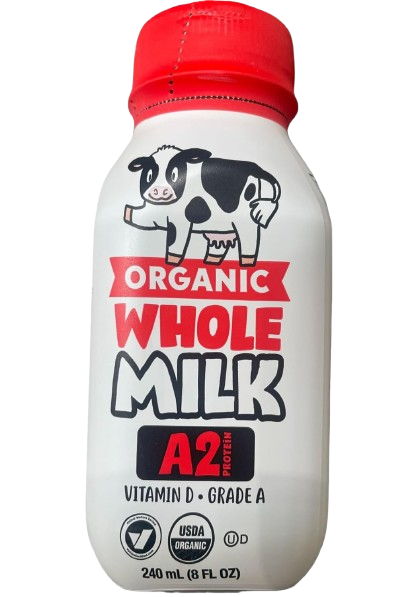
One 240 mL (8.1 oz) cup of Horizon Organic Whole Milk contains 160 calories. A 240 mL (8.1 oz) serving of Fairlife Whole Ultra-Filtered Milk provides 150 calories. One 240 mL (8.1 oz) cup of Organic Valley Whole Milk delivers 150 calories. A 240 mL (8.1 oz) serving of Borden Whole Milk contains 160 calories. One cup of 244 g (8.6 oz) generic whole milk provides 149 calories. A 240 mL (8.1 oz) serving of Shamrock Farms Whole Milk contains 150 calories.
What are the Health Benefits of Whole Milk?
Whole milk provides some health benefits like supporting bone density and enhancing muscle recovery due to its high concentration of bioavailable calcium and complete proteins. This beverage, frequently called "full-cream milk," "regular dairy," "cows’ milk," or "liquid gold," serves as a foundation for a nutrient-dense diet. A list of the health benefits of whole milk are shown below.
- Promotes Skeletal Strength: Whole milk contains 113 mg of calcium per 100 g (3.5 oz) serving, fulfilling 9% of the Daily Value (DV). A study by Lucey (2008), "Dairy Foods and Health," found that the mineral matrix in milk is essential for optimizing bone mass and preventing osteoporosis.
- Supports Cardiovascular Health: The specific fatty acids in dairy are associated with a lower risk of metabolic issues. Research by Thorning et al. (2016), "Whole dairy matrix or single nutrients in assessment of health effects: current evidence and knowledge gaps," demonstrated that whole dairy consumption is linked to a reduced risk of type 2 diabetes and stroke.
- Enhances Muscle Protein Synthesis: It provides 3.15 g of high-quality protein per 100 g (3.5 oz) serving. These proteins contain all essential amino acids required for tissue repair.
- Improves Vitamin Absorption: The 3.25 g of fat per 100 g (3.5 oz) serving allows for the effective absorption of fat-soluble vitamins such as Vitamin A and Vitamin D.
- Assists in Weight Management: The combination of lipids and proteins increases satiety and reduces the desire for subsequent caloric intake.
- Boosts Immune Function: Fortified whole milk provides 1.3 mcg of Vitamin D per 100 g (3.5 oz) serving, which fulfills 7% of the DV for supporting white blood cell activity.
What are the Downsides of Whole Milk?
Whole milk has been known to cause some unwanted effects like digestive distress and increased saturated fat consumption due to its lactose content and lipid profile. This drink, often referred to by the nickname "full-fat dairy," can impact certain health conditions. A list of the downsides of whole milk are shown below.
- Triggers Lactose Intolerance Symptoms: The 5.05 g of lactose per 100 g (3.5 oz) serving can cause bloating and diarrhea in sensitive individuals. A study by Shaukat et al. (2010), "Systematic review: effective management strategies for lactose intolerance," notes that many adults lack the enzyme needed to break down milk sugars.
- Contributes to High Saturated Fat Intake: Whole milk contains 1.86 g of saturated fat per 100 g (3.5 oz), which accounts for 9% of the DV. Excessive consumption of saturated fats is linked to elevated LDL cholesterol levels.
- Potential for Acne Aggravation: Some clinical observations suggest a link between dairy consumption and skin conditions. Research by Juhl et al. (2018), "Dairy Intake and Acne Vulgaris: A Systematic Review and Meta-Analysis of Observational Studies," found a positive association between milk intake and acne frequency.
Is Whole Milk Good for You?
Yes, whole milk is good for you because it delivers 113 mg of Calcium and 0.45 mcg of Vitamin B12 per 100 g (3.5 oz) serving to support a healthy diet. Healthy individuals should consume 244 g (1 cup) to 488 g (2 cups) per day to gain the benefits of bone-strengthening minerals and high-quality proteins. The major benefits include the maintenance of skeletal integrity and the provision of 19% of the DV for Vitamin B12, which is vital for nerve function. It is an ideal nutrient source for growing children and active adults who require calorie-dense hydration.
How Do Calories Change According to Whole Milk Types?
The calories in whole milk change based on the concentration of solids and the specific animal source. Standard cow's whole milk contains 61 calories per 100 g (3.5 oz), but when processed into evaporated whole milk, the energy density increases to 133 calories per 100 g (3.5 oz) because the water has been removed. Goat whole milk provides 69 calories per 100 g (3.5 oz) due to a higher natural fat content of 4.1 g. Condensed whole milk represents the most significant increase, reaching 321 calories per 100 g (3.5 oz) because of added sucrose. Lactose-free varieties maintain the original 61 calories per 100 g (3.5 oz) as the enzymatic process only alters the sugar structure without removing energy.
How Do Calories in Whole Milk Compare to Skim Milk?
A 244 g (1 cup) serving of whole milk contains 149 calories, whereas a 244 g (1 cup) serving of skim milk provides 83 calories. Whole milk contains more fat and calories because it retains the natural 3.25% milk fat which contributes 9 calories per gram. Skim milk has minimal fat and fewer calories because the cream is removed during processing, leaving less than 0.5% milk fat. The protein and nutrient content remain similar in both types, as skim milk provides 8.3 g of protein compared to the 7.7 g found in whole milk. Both varieties are typically fortified with Vitamin A and Vitamin D to ensure the calories in whole milk are accompanied by a high nutrient density.
What is the Origin of Whole Milk?
The origin of whole milk consumption by humans is traced back 10,000 years to the Neolithic Revolution in the Middle East and South Asia, coinciding with the first domestication of cattle, goats, and sheep. Early human populations in these regions developed a genetic mutation that allowed for the production of the lactase enzyme into adulthood, a trait that became a significant evolutionary advantage for survival. By 3100 BC, ancient Sumerian records provided some of the first documented evidence of dairy production and the ritualistic use of milk in religious offerings.
In the 19th century, the industrialization of the dairy industry was revolutionized by Louis Pasteur, whose 1864 discovery of pasteurization ensured that whole milk could be safely transported and consumed in expanding urban centers without the risk of bacterial contamination. The introduction of commercial homogenization in the early 20th century further standardized the product by preventing the separation of cream from the milk base. Today, whole milk remains a global nutritional staple, defined by its 3.25% minimum fat content and its role as the primary raw material for nearly all secondary dairy products including cheese, butter, and yogurt.
Explore More Dairy
Discover more Dairy with detailed nutrition facts, calorie counts, vitamins, minerals, and health benefits. Compare similar foods, serving sizes, macronutrients, and key nutrients to find the best option for your diet and nutrition goals.
 Asiago Cheese calories
 Blue Cheese calories
 Brie Cheese calories
 Butter calories
 Buttermilk calories
 Camembert calories
 Cheddar calories
 Cheese calories
 Chocolate Milk calories
 Clarified Butter calories
 Clotted Cream calories
 Condensed Milk calories