Calories and Nutritions in Wild Boar
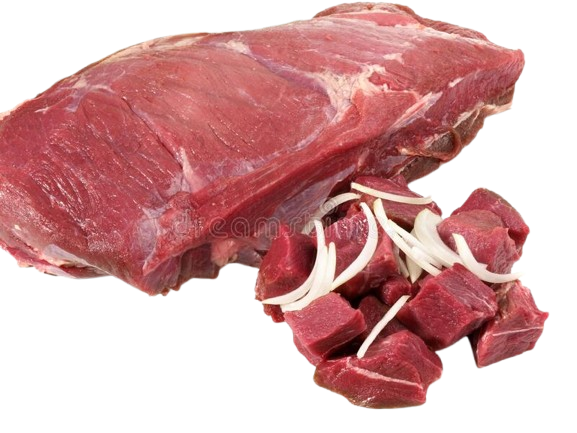
Wild boar calories are low for a red meat, making it a lean and nutrient-dense choice. A 100g (3.5 oz) serving of raw wild boar meat contains 122 calories, while a cooked, roasted 100g portion provides 160 calories. A 6 oz (170g) cooked steak has 272 calories. The wild boar nutrition facts reveal it is an excellent source of protein, with a 100g cooked serving containing 28.3g of protein (57% Daily Value/DV) and a low fat content of 4.3g (6% DV). It is free of carbohydrates and fiber. Minerals in cooked wild boar include selenium (44.1µg, 80% DV), phosphorus (247mg, 35% DV), and zinc (3.3mg, 30% DV). It is also a rich source of B vitamins like niacin (56% DV) and thiamin (33% DV). The primary health benefit of wild boar is its high protein and low fat content compared to domestic pork, making it a leaner red meat alternative.
The calories and fat in wild boar meat change according to the cut. The leanest cuts like the tenderloin or loin contain 140-160 calories per 100g cooked, while richer, fattier cuts like the belly can contain 250-350 calories or more per 100g. The main types of wild boar are categorized by these cuts, such as the tender loin, the versatile leg, the richer shoulder, and the fatty belly. Due to its lean nature, tougher cuts like the shoulder are best for slow-cooking methods like stewing or braising, which helps to tenderize the meat. Wild boar originated in Eurasia and is the ancestor of the domestic pig, having been a food source since prehistoric times.
Globally, countries in Europe, such as Germany, Spain, and France, are major producers of wild boar meat, primarily from managed hunting. The United States also has a large and growing production from feral hog populations. These same European nations are also the highest per capita consumers, where game meat is a culinary tradition. The price of wild boar meat has seen a significant increase over the past 20 years where wholesale prices per kilogram were in the $8 to $12 range 20 years ago, and now costs $15 to $25 per kg with premium cuts being much higher.
Wild boar is a specialty meat and is not found in any major fast-food chains, but is featured in some main dishes in upscale or specialty restaurants. An analysis of menus suggests there are 10 to 15 common main dish preparations for wild boar, such as ragu, stew, and roasted loin, almost exclusively in European, particularly Italian and French, cuisines. Dishes with wild boar have seen a moderate increase in demand in niche markets, driven by interest in game meat and sustainable food sources. There is no specific recommended daily intake for wild boar, but a typical serving of 3-4 ounces (85-113g) cooked (136-181 calories) can fit into a balanced diet. Burning the 160 calories from a 100g serving of roasted wild boar would require 15-20 minutes of jogging or 20-25 minutes of brisk walking.
Wild Boar nutrition
| Stats | Weight |
|---|---|
| Carbs | 0 grams |
| Protein | 38 grams |
| Fats | 0 grams |
| Sugars | 0 grams |
- Fatty Boar Meat Calories (Nutritional Facts)
- Boar Meat Calories (Nutritional F-acts)
- Ground Boar Intestine Calories (Nutritional Facts)
- Sodium in Wild Boar
- Potassium in Wild Boar
- Sugar in Wild Boar
- Fiber in Wild Boar
- Protein in Wild Boar
- Carbs in Wild Boar
- Fat in Wild Boar
- Vitamins in Wild Boar Meat
- Minerals in Wild Boar Meat
Fatty Boar Meat Calories (Nutritional Facts)
A 100g (3.5 oz) serving of raw, fatter cuts of wild boar, such as the shoulder or belly, contains 155-200 calories. When cooked (roasted), these fatter cuts can provide 200-260 calories per 100g serving. Cooked fatter cuts of wild boar (100g) also contain 30-34g of protein, 0g of carbohydrates, and 8-14g of total fat.
A 100g (3.5 oz) serving of raw wild boar meat (composite of cuts) contains 122 calories. When cooked (roasted), a 100g serving of wild boar provides 160 calories. A 3 oz (85g) portion of cooked wild boar has 136 calories. Cooked wild boar meat (100g) also contains 28.3g of protein, 0g of carbohydrates, and 4.3g of total fat.
A 100g (3.5 oz) serving of cooked wild boar intestine (tripe, simmered) contains 85-100 calories. This portion also provides 14-16g of protein, 0g of carbohydrates, and 2-4g of total fat. "Ground boar intestine" is not a common product; it is usually cooked whole or in sections.
Raw wild boar meat (100g) contains 55mg of sodium (2% DV). Cooked, roasted wild boar meat (100g) provides 62mg of sodium (3% DV).
Raw wild boar meat (100g) provides 330mg of potassium (7% DV). Cooked, roasted wild boar meat (100g) contains 421mg of potassium (9% DV).
Raw wild boar meat contains 0g of total sugars per 100g. Cooked wild boar meat also contains 0g of total sugars.
Raw wild boar meat contains 0g of dietary fiber per 100g. Cooked wild boar meat also provides 0g of dietary fiber.
Raw wild boar meat provides 21.5g of protein per 100g (43% DV). Cooked, roasted wild boar meat (100g) is very rich in protein, with 28.3g (57% DV).
Raw wild boar meat contains 0g of total carbohydrates per 100g. Cooked wild boar meat also provides 0g of total carbohydrates.
Raw wild boar meat contains 3.3g of total fat per 100g (4% DV), which includes 1.2g of saturated fat. Cooked, roasted wild boar meat (100g) provides 4.3g of total fat (6% DV), with 1.5g of saturated fat. Fatter cuts will have a higher fat content.
A 100g (3.5 oz) serving of cooked wild boar meat is a good source of Niacin (Vitamin B3), providing 8.9mg (56% DV). It is also a good source of Thiamin (Vitamin B1) at 0.4mg (33% DV), Riboflavin (Vitamin B2) at 0.2mg (15% DV), Vitamin B6 at 0.4mg (24% DV), and Vitamin B12 at 0.7µg (29% DV).
A 100g (3.5 oz) serving of cooked wild boar meat is an excellent source of Selenium, providing 44.1µg (80% DV), and a good source of Phosphorus at 247mg (35% DV) and Zinc at 3.3mg (30% DV). It also contains Iron at 1.6mg (9% DV) and Potassium at 421mg (9% DV).
Get a Custom Report on Wild Boar Nutrition Data – Contact Us!
What are the Types of Wild Boar Meat?
There are subspecies of wild boar (Sus scrofa) across the world, but for consumers, wild boar meat primarily refers to the different cuts of meat from the animal. These cuts vary in tenderness, fat content, and are best suited for different cooking methods. The nutritional profile, including calories, will vary based on the leanness of the cut.
| Type (Cut of Meat) | Description | Calories (per 100g cooked, roasted/braised) | Calorie Qualifications |
|---|---|---|---|
|
Tenderloin/Loin
|
The most tender and prized cut, very lean. Best for quick cooking like grilling or pan-searing. | 140-160 | Very lean, among the lowest-calorie cuts. |
|
Leg (Ham)
|
A large, lean cut from the hindquarter. Can be roasted whole or cut into steaks or stew meat. | 150-170 | Lean and flavorful, but can be tough if not cooked properly (e.g., slow-roasting or braising). |
|
Shoulder (Boston Butt/Picnic)
|
A tougher cut with more connective tissue and some intramuscular fat. Best for slow-cooking methods. | 180-220 | Higher in calories than the loin or leg. Becomes very tender when braised, stewed, or slow-smoked. |
|
Ribs/Rack
|
Can be slow-cooked, barbecued, or braised. Contains more fat than leaner cuts. | 200-260 | Higher calorie content due to fat associated with the ribs. |
|
Ground Wild Boar
|
Versatile for burgers, chili, meatloaf, and sausages. Fat content can vary by how it's ground. | 180-230 | Often ground from shoulder or trim; can have added fat (like pork fat) to improve moisture, which increases calories. |
|
Shank
|
A very tough cut from the lower leg, full of connective tissue. Requires long, slow braising. | 190-230 | The meat itself is lean, but the breakdown of collagen during cooking adds richness. |
|
Belly
|
A very fatty cut, though often thinner than on a domestic pig. Best for slow-roasting, braising, or curing. | 250-350+ | The most calorie-dense cut due to its high fat content. |
What are the Main Dishes with Wild Boar?
Wild boar, with its rich, savory, and distinctly nutty flavor, is a prized game meat featured in a variety of robust main dishes, especially in European cuisines. Some of the most widespread main dishes that contain wild boar are slow-braised stews, rich ragùs for pasta, and hearty roasts. Its deep flavor profile pairs well with red wine, juniper berries, herbs, and root vegetables. The table below lists diverse main dishes featuring wild boar.
| Dish Name | Calories (per serving) | Type of Wild Boar Cut Used | Carbs (g) | Sugar (g) | Protein (g) | Fat (g) | Cuisine | Restaurants |
|---|---|---|---|---|---|---|---|---|
|
Wild Boar Ragu with Pappardelle
|
550-800 | Shoulder, Stew Meat | 50-70 | 6-12 | 25-35 | 20-35 | Italian (Tuscan) | Il Buco (NYC), Babbo (NYC - on seasonal game menus), various upscale Italian restaurants |
|
Wild Boar Stew (e.g., with red wine and root vegetables)
|
400-600 | Shoulder, Shank, Stew Meat | 20-35 | 5-10 | 30-45 | 15-25 | European (French, German, Italian) | L'Artusi (NYC - seasonal), restaurants with a focus on game or rustic European fare |
|
Roasted Wild Boar Loin/Rack
|
350-550 | Loin, Rack | 3-10 | 1-4 | 40-55 | 15-25 | European, Contemporary American | Fine dining restaurants specializing in game, e.g., The Gun Club (Milwaukee) |
|
Wild Boar Sausages
|
250-400 (per link) | Ground (often with pork fat) | 1-5 | <1-2 | 15-25 | 20-30 | German, Italian, American | Eataly (retail and some restaurant dishes), specialty butcher shops and German restaurants |
|
Wild Boar Burger
|
500-750 | Ground | 30-45 | 5-10 | 30-40 | 25-40 | American (Gourmet) | Some gastropubs or specialty burger joints with exotic meat options |
|
Cinghiale in Umido (Braised Wild Boar)
|
400-600 | Shoulder, Stew Meat | 10-20 | 4-8 | 35-50 | 18-28 | Italian (Tuscan) | Authentic Tuscan-style restaurants |
|
Wild Boar Chili
|
450-650 (bowl) | Ground, Stew Meat | 25-40 | 5-10 | 25-35 | 20-30 | American, Tex-Mex | Restaurants in game-rich regions or those with a Western theme, e.g., The Fort (Morrison, CO) |
|
Wild Boar Terrine or Pâté (Appetizer as main)
|
250-400 (slice with bread) | Various cuts, Liver | 10-20 | 1-3 | 15-25 | 15-25 | French | French bistros or restaurants with house-made charcuterie |
|
Smoked Wild Boar Ribs
|
500-750 (half rack) | Ribs | 10-20 | 5-15 (from sauce) | 30-40 | 25-40 | American BBQ (Specialty) | Specialty barbecue restaurants that feature game meats |
|
Wild Boar Schnitzel
|
450-650 | Leg (pounded thin) | 20-30 | 1-3 | 30-40 | 20-30 | German, Austrian | Restaurants with a focus on German game dishes (Jägerschnitzel) |
|
Wild Boar Tacos
|
250-400 (per taco) | Shredded (slow-cooked) | 18-28 | 1-4 | 15-20 | 10-18 | Modern Mexican, Tex-Mex | Upscale or creative taquerias |
What Cuisines Prefer Wild Boar the Most?
Wild boar meat is most prominently featured and preferred in rustic European cuisines with strong hunting traditions, particularly in Italy (especially Tuscany), France, and Germany. In these regions, it is considered a delicacy and is used in a variety of hearty, flavorful dishes that have been refined over centuries. The table below highlights cuisines that frequently celebrate wild boar.
| Cuisine | Dish Name | Calories (per serving) | Restaurants |
|---|---|---|---|
|
Italian (Tuscan)
|
Cinghiale in Umido (Braised Wild Boar) | 400-600 | Il Buco (NYC), Babbo (NYC - on seasonal menus), authentic Tuscan restaurants |
|
Italian (Tuscan)
|
Pappardelle al Ragù di Cinghiale | 550-800 | L'Artusi (NYC - seasonal), various upscale Italian restaurants with regional specialties |
|
French
|
Civet de Sanglier (Wild Boar Stew in Red Wine) | 450-700 | Classic French bistros, particularly in game season (autumn) |
|
French
|
Wild Boar Terrine or Pâté | 250-400 (appetizer) | French restaurants with house-made charcuterie |
|
German
|
Wildschweingulasch (Wild Boar Goulash) | 400-600 | German restaurants with a focus on traditional or game dishes |
|
German
|
Wildschweinbraten (Roasted Wild Boar) | 400-600 | Authentic German restaurants and "Gasthäuser" |
|
Spanish
|
Estofado de Jabalí (Wild Boar Stew) | 400-600 | Restaurants in Spain, particularly in hunting regions; less common in US Spanish spots |
|
American (Gourmet/Game)
|
Wild Boar Burgers or Sausages | 500-750 | Gastropubs with specialty meats, restaurants like The Fort (Morrison, CO) |
|
Corsican
|
Wild Boar Stew with Chestnuts and Herbs | 450-650 | Niche restaurants specializing in Corsican cuisine |
Which Countries Produce the Most Wild Boar Meat?
The top producers of wild boar meat are countries with significant wild boar populations and established traditions of hunting and game meat processing. This is most prominent in Europe, with countries like Spain, Germany, France, and Italy being major sources. Eastern European countries such as Poland and Hungary also have substantial wild boar harvests. The United States has a large and growing feral hog population (which is biologically the same species as wild boar), particularly in states like Texas and Florida, leading to a significant amount of wild boar meat production, though much of it is for private consumption by hunters. Production figures are derived from national hunting statistics, game meat industry reports, and Eurostat data.
| Country/Region | 2004 | 2005 | 2006 | 2007 | 2008 | 2009 | 2010 | 2011 | 2012 | 2013 | 2014 | 2015 | 2016 | 2017 | 2018 | 2019 | 2020 | 2021 | 2022 | 2023 (Est.) |
|---|---|---|---|---|---|---|---|---|---|---|---|---|---|---|---|---|---|---|---|---|
| Germany | 40.0 | 42.5 | 45.0 | 48.0 | 50.0 | 47.0 | 45.0 | 48.0 | 55.0 | 52.0 | 50.0 | 53.0 | 55.0 | 58.0 | 60.0 | 57.0 | 55.0 | 53.0 | 51.0 | 50.0 |
| Spain | 25.0 | 26.0 | 27.5 | 28.0 | 29.0 | 28.5 | 28.0 | 29.0 | 30.0 | 31.0 | 32.0 | 33.0 | 34.0 | 35.0 | 36.0 | 37.0 | 35.0 | 36.0 | 37.0 | 37.5 |
| France | 20.0 | 21.0 | 22.0 | 23.0 | 24.0 | 23.5 | 23.0 | 23.5 | 24.0 | 24.5 | 25.0 | 25.5 | 26.0 | 26.5 | 27.0 | 27.5 | 26.0 | 26.5 | 27.0 | 27.2 |
| Italy | 18.0 | 18.5 | 19.0 | 19.5 | 20.0 | 19.0 | 18.5 | 19.0 | 19.5 | 20.0 | 20.5 | 21.0 | 21.5 | 22.0 | 22.5 | 23.0 | 22.0 | 22.5 | 23.0 | 23.2 |
| Poland | 15.0 | 16.0 | 17.0 | 18.0 | 19.0 | 18.5 | 18.0 | 18.5 | 19.0 | 19.5 | 20.0 | 20.5 | 21.0 | 21.5 | 22.0 | 22.5 | 21.0 | 21.5 | 22.0 | 22.2 |
| USA (Feral Hog Harvest Estimate) | 20.0 | 22.0 | 25.0 | 28.0 | 30.0 | 32.0 | 35.0 | 38.0 | 40.0 | 42.0 | 45.0 | 48.0 | 50.0 | 52.0 | 55.0 | 58.0 | 60.0 | 62.0 | 63.0 | 64.0 |
Which Countries Consume the Most Wild Boar Meat?
Based on hunting traditions and culinary preferences, the highest consumption of wild boar meat is found in European countries, particularly Germany, France, Italy, and Spain, where it is a cherished seasonal or regional delicacy. Eastern European countries also have a strong tradition of consuming wild boar. In the United States, consumption is significant among hunters and in regions with large feral hog populations, like Texas and the Southeast, though it is a niche market in the general population.
| Country | 2004 | 2005 | 2006 | 2007 | 2008 | 2009 | 2010 | 2011 | 2012 | 2013 | 2014 | 2015 | 2016 | 2017 | 2018 | 2019 | 2020 | 2021 |
|---|---|---|---|---|---|---|---|---|---|---|---|---|---|---|---|---|---|---|
| Germany | 38.0 | 40.0 | 42.0 | 45.0 | 47.0 | 44.0 | 42.0 | 45.0 | 52.0 | 49.0 | 47.0 | 50.0 | 52.0 | 55.0 | 57.0 | 54.0 | 52.0 | 50.0 |
| Italy | 20.0 | 20.5 | 21.0 | 21.5 | 22.0 | 21.0 | 20.5 | 21.0 | 21.5 | 22.0 | 22.5 | 23.0 | 23.5 | 24.0 | 24.5 | 25.0 | 24.0 | 24.5 |
| France | 22.0 | 23.0 | 24.0 | 25.0 | 26.0 | 25.5 | 25.0 | 25.5 | 26.0 | 26.5 | 27.0 | 27.5 | 28.0 | 28.5 | 29.0 | 29.5 | 28.0 | 28.5 |
| Spain | 23.0 | 24.0 | 25.0 | 26.0 | 27.0 | 26.5 | 26.0 | 27.0 | 28.0 | 29.0 | 30.0 | 31.0 | 32.0 | 33.0 | 34.0 | 35.0 | 33.0 | 34.0 |
| USA (Commercial/Restaurant Market) | 5.0 | 5.5 | 6.0 | 6.5 | 7.0 | 7.5 | 8.0 | 8.5 | 9.0 | 9.5 | 10.0 | 10.5 | 11.0 | 11.5 | 12.0 | 12.5 | 13.0 | 13.5 |
How Do Prices of Wild Boar-including Dishes Change?
The prices of restaurant dishes featuring wild boar, which is almost always positioned as a premium, specialty game item, have significantly increased over the past 20 years. This is driven by the rising cost of the wild boar meat itself, along with increases in the prices of other ingredients, and substantial escalations in overall restaurant operating costs, including labor, rent, and energy.
| Restaurant | Dish Name | Old Price (2004-2008) | Current Price (2024-2025) |
|---|---|---|---|
| Il Buco (NYC) / Similar Upscale Italian | Pappardelle al Ragù di Cinghiale | $22.00 - $28.00 | $35.00 - $48.00 |
| Babbo (NYC - seasonal game menu) | Wild Boar Tenderloin or Loin | $30.00 - $42.00 | $50.00 - $70.00+ |
| Local French Bistro (with seasonal game) | Civet de Sanglier (Wild Boar Stew) | $24.00 - $30.00 | $36.00 - $50.00 |
| The Fort (Morrison, CO - Game Specialty) | Wild Boar Ribs or Sausages | $20.00 - $26.00 | $32.00 - $45.00 |
| Gastropub with Gourmet Burgers | Wild Boar Burger | $14.00 - $18.00 | $20.00 - $28.00 |
What is the Wild Boar Meat Calorie for 1 KG?
One kilogram (1000g, 35.27 oz) of raw wild boar meat contains 1220 calories. One kilogram (1000g, 35.27 oz) of cooked, roasted wild boar meat provides 1600 calories.
What is the Calorie of 1 Wild Boar?
The total calorie content of one wild boar varies immensely based on its size, age, sex, and body condition. A wild boar can yield anywhere from 25 to 70 kg (55 to 155 lbs) or more of edible meat. If an average wild boar provides 40 kg of meat, and raw wild boar meat contains 1220 calories per kg, then one wild boar could provide 48,800 calories from its meat.
What are the Health Benefits of Wild Boar Meat?
Wild boar meat provides some health benefits like offering a lean, high-protein alternative to domestic pork and supplying a rich profile of vitamins and minerals due to its natural, foraged diet. A list of the wild boar meat benefits are shown below.
- Source of Lean Protein: Wild boar meat is packed with high-quality protein, which is essential for building and repairing tissues, maintaining muscle mass, and supporting a healthy immune system. It is generally leaner than commercially raised pork. (Lombardi-Boccia, G., et al., 2005, "Nutritive value of meat and meat products").
- Lower in Fat and Saturated Fat than Pork: Compared to many cuts of domestic pork, wild boar meat is significantly lower in total fat and saturated fat. This makes it a more favorable choice for cardiovascular health. (Zomborsky, Z., et al., 2000, "Fatty acid composition of lipids in the muscle, backfat and liver of wild boars and farm pigs").
- High in B Vitamins: Wild boar is an excellent source of several B vitamins, including niacin (B3), thiamin (B1), riboflavin (B2), vitamin B6, and vitamin B12. These vitamins are crucial for energy production, nervous system function, and red blood cell formation.
- Good Source of Iron and Zinc: The meat is a good source of heme iron, which is highly bioavailable and vital for preventing anemia, as well as zinc, a mineral essential for immune function, wound healing, and cell growth.
- Rich in Selenium: Wild boar provides a significant amount of selenium, a powerful antioxidant that helps protect cells from damage and supports thyroid function. (Rayman, M.P., 2012, "Selenium and human health").
- Favorable Fatty Acid Profile: Because of their natural, varied diet, wild boar can have a more favorable fatty acid profile than grain-fed domestic pigs, including a better balance of omega-6 to omega-3 fatty acids.
What are the Downsides of Wild Boar Meat?
Wild boar meat has been known to cause some unwanted effects like a risk of parasitic infection if not properly cooked and a strong, gamey flavor that may be unappealing to some. A list of the downsides of wild boar meat are shown below.
- Risk of Trichinellosis and Other Parasites: Wild boar meat can harbor the parasite Trichinella spiralis, which causes trichinellosis, a serious illness. It can also carry other parasites or bacteria like Brucella. It is absolutely essential to cook wild boar meat thoroughly to a safe internal temperature (160°F or 71°C) to kill any potential pathogens. (Gottstein, B., et al., 2009, "Epidemiology and security of trichinellosis").
- Strong, Gamey Flavor: Wild boar has a much more intense, rich, and "gamey" flavor compared to domestic pork. While prized by some, this strong taste can be unappealing to those accustomed to milder meats.
- Can Be Tough: As a wild animal, the meat is very lean and muscular, which can result in a tougher texture compared to farm-raised pork if not cooked using appropriate methods, such as slow braising or stewing.
- Inconsistent Fat Content: The fat content and flavor of wild boar meat can be inconsistent, varying greatly depending on the animal's age, sex, diet, and the time of year it was harvested.
- Limited Availability and Higher Cost: Wild boar meat is not as readily available as domestic pork and is often sold as a specialty or gourmet item, which can make it more expensive.
- Potential for Contaminants: Depending on their environment, wild animals can potentially accumulate environmental contaminants, though this is a general consideration for all wild game.
Is Wild Boar Meat Good for You?
Yes, wild boar meat is good for you when it is sourced from a safe environment and cooked properly. It is a highly nutritious red meat that offers significant advantages over domestic pork. Wild boar is an excellent source of lean protein and is notably lower in total fat and saturated fat. (Sales, J. & Kotrba, R., 2013, "Meat from wild boar (Sus scrofa L.): A review"). It is also packed with essential nutrients, including high levels of B vitamins (niacin, thiamin, B12), iron, zinc, and selenium, which contribute to energy metabolism, immune function, and overall health. (Razmaitė, V., et al., 2015, "Comparison of chemical composition, cholesterol and fatty acid profile in meat of wild boar and domestic pig"). While there is a critical risk of parasites like Trichinella in undercooked wild boar meat, this risk is eliminated by cooking the meat to a safe internal temperature of 160°F (71°C). (Gamble, H.R., 2000, "Trichinellosis"). Given proper handling and preparation, its superior nutritional profile makes it a healthy red meat choice.
Is Wild Boar Meat Healthy?
Yes, wild boar meat is a healthy choice of meat. Its healthiness stems from its excellent nutritional profile, which is often superior to that of domestic pork. Wild boar meat is a rich source of high-quality protein while being significantly lower in calories, total fat, and saturated fat. For instance, studies have shown that the fat content in wild boar muscle is considerably lower than in domestic pigs. (Zomborsky, Z., et al., 2000, "Fatty acid composition of lipids in the muscle, backfat and liver of wild boars and farm pigs"). This makes it a heart-healthier red meat option.
The meat is packed with essential micronutrients. It is a potent source of B vitamins, which are crucial for energy production, and minerals like iron, zinc, and selenium, which support everything from oxygen transport to immune function. The natural, foraged diet of wild boars can also lead to a more favorable fatty acid composition in their meat compared to grain-fed domestic animals. The primary health consideration is the need for thorough cooking to eliminate the risk of parasites like Trichinella. When prepared safely, wild boar meat is a lean and nutrient-dense food.
How Do Calories Change According to Wild Boar Meat Types?
The calorie content of wild boar meat changes significantly according to the cut, which directly relates to its fat content. The leanest and lowest-calorie cuts are the tenderloin (loin) and the leg (ham), which typically contain between 140 and 170 calories per 100g when cooked. These cuts have minimal intramuscular fat. Cuts from the shoulder, which have more connective tissue and marbling, are higher in calories, generally ranging from 180 to 220 calories per 100g when slow-cooked. Ground wild boar's calorie content can vary but often falls into a similar range (180-230 calories per 100g), especially if pork fat is added to increase moisture. The ribs will be more calorie-dense, around 200 to 260 calories per 100g cooked. The highest calorie cut is by far the belly, which is very fatty and can contain 250 to over 350 calories per 100g when cooked, making it a rich and indulgent option. The lowest calorie options are the lean loin and leg, while the belly is the highest.
Why is Cooked Boar Considered a Healthy Protein Option?
Cooked wild boar is considered a healthy protein option because it is a nutrient-dense red meat that is significantly leaner than its domestic pork counterpart, offering a favorable macronutrient profile. It provides a high concentration of complete protein with a lower amount of total fat and saturated fat compared to many cuts of farm-raised pork or beef.
This healthy protein profile is supported by its rich content of essential micronutrients. Cooked boar is an excellent source of B vitamins, particularly niacin and B12, which are crucial for energy metabolism and neurological function. It is also packed with highly bioavailable minerals like iron, for preventing anemia; zinc, for immune support; and selenium, a powerful antioxidant.
What is the Origin of Wild Boar?
The origin of wild boar (Sus scrofa) as a food source for humans is ancient, dating back to prehistoric times. The wild boar is native to a vast range across Eurasia and North Africa, and it is the wild ancestor of the domestic pig. As a formidable and widespread animal, it was a prized and challenging catch for early hunter-gatherer societies, providing a significant source of protein and fat. Its image is found in ancient cave paintings, and it features in the mythology and legends of many cultures, from Greek and Roman to Celtic and Germanic, often symbolizing strength and ferocity.
Wild boar has been a staple of rustic and noble tables for centuries, especially in the forested regions of Europe. Its rich, dark meat was perfect for hearty preparations. A classic dish that highlights this long tradition is "Wild Boar Ragu," particularly as prepared in Tuscany, Italy ("Pappardelle al Ragù di Cinghiale"). This dish involves slow-cooking tough but flavorful cuts of wild boar, like the shoulder, for hours in a rich sauce of red wine, tomatoes, and aromatic vegetables and herbs like juniper and rosemary. The long, slow braise tenderizes the meat until it is falling apart and mellows its gamey flavor, creating a deeply savory and complex sauce. This ragu is then tossed with broad, flat pappardelle pasta, which is perfectly suited to catching the thick sauce.
Explore More Meat
Discover more Meat with detailed nutrition facts, calorie counts, vitamins, minerals, and health benefits. Compare similar foods, serving sizes, macronutrients, and key nutrients to find the best option for your diet and nutrition goals.
 Bacon calories
 Beef calories
 Beef Brisket calories
 Beef Chuck calories
 Beef Jerky calories
 Beef Liver calories
 Beef Short Ribs calories
 Beef Tenderloin calories
 Beef Tongue calories
 Bison calories
 Buffalo Meat calories
 Chicken calories