Calories and Nutritions in Brioche Bread
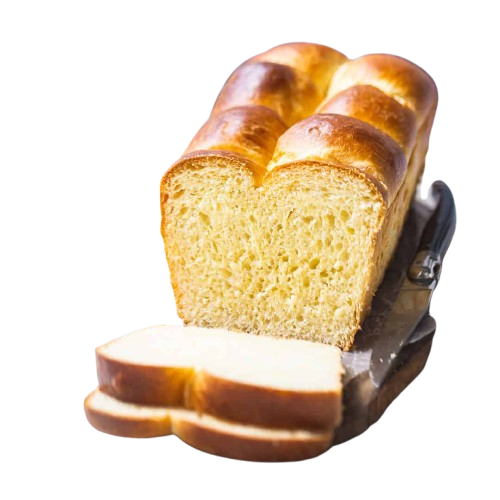
Brioche bread calories are high compared to regular bread, and this is due to its enriched dough. A 100g (3.5 oz) serving of brioche loaf contains 340-360 calories, a single slice (28g, 1 oz) provides 97 calories, while a standard brioche hamburger bun (57g) has 176 calories. Brioche bread nutrition facts reveal that a 100g portion of loaf-style brioche offers 9.7g of protein (19% Daily Value), 46.2g of carbohydrates (17% DV) including 6.6g of sugar and 1.9g of fiber (7% DV), and 13.7g of fat (18% DV), much of which is saturated fat from butter. If made with enriched flour, it supplies B vitamins like thiamin (33% DV) and folate (25% DV). The rich, tender crumb of brioche is a result of the high butter and egg content, distinguishing it from leaner breads (Calvel, R., 2001, "The Taste of Bread").
The calories in a brioche bread vary slightly by form. Buns and rolls (300-330 calories per 100g) are marginally less calorie-dense than very rich loaves. Additions like chocolate chips increase calories to 360-400 per 100g. Originating in France, brioche is now produced and consumed globally, with France, the USA, and other European nations being the leading producers and consumers. The price of brioche has generally increased, with a loaf or package of buns in the U.S. rising from $2.50 - $4.50 in 2003/2004 to $4.00 - $7.00 in 2023/2024.
Brioche is popularly used for gourmet burgers at chains like Shake Shack, decadent French toast at brunch spots such as First Watch, and as a base for bread pudding at restaurants like Commander's Palace. It is best enjoyed as an occasional treat due to its higher fat, sugar, and calorie content compared to standard breads. A single brioche bun (176 calories) can be part of a meal. Burning the 176 calories from a brioche bun might require activities such as 18-22 minutes of brisk walking, 14-18 minutes of jogging, or about 20-25 minutes of cycling at a moderate intensity.
Brioche Bread nutrition
| Stats | Weight |
|---|---|
| Carbs | 28 grams |
| Protein | 5 grams |
| Fats | 0 grams |
| Sugars | 7 grams |
- Challah Bread Calories (Nutritional Facts)
- Brioche Bun Calories (Nutritional Facts)
- Brioche Roll Calories (Nutritional Facts)
- Sodium in Brioche Bread
- Potassium in Brioche Bread
- Sugar in Brioche Bread
- Fiber in Brioche Bread
- Protein in Brioche Bread
- Carbs in Brioche Bread
- Fat in Brioche Bread
- Vitamins in Brioche Bread
- Minerals in Brioche Bread
Challah Bread Calories (Nutritional Facts)
A 100g (3.5 oz) serving of challah bread contains 290 calories. One slice of challah bread (28g, 1 oz) provides 81 calories. Challah bread (100g) also contains 9.8g of protein, 50.6g of total carbohydrates, and 5.1g of total fat. It includes 2.2g of dietary fiber and 5.9g of sugar.
A 100g (3.5 oz) serving of brioche buns contains 308 calories. One brioche hamburger bun (57g, 2 oz) provides 176 calories. Some commercial brioche burger buns (50g, 1.76 oz) like St Pierre brand contain 150 calories. Brioche buns (100g) contain 9.9g of protein, 50.4g of carbohydrates, and 7.4g of total fat.
A 100g (3.5 oz) serving of brioche rolls (similar to bun composition) contains 308 calories. Smaller brioche slider rolls (28g, 0.99 oz) like those from St Pierre provide 80 calories per roll. Brioche rolls (100g, based on USDA bun/roll data) contain 9.9g of protein, 50.4g of carbohydrates, and 7.4g of total fat.
Brioche bread (loaf style) contains 342mg of sodium per 100g (15% DV). One slice (28g, 1 oz) of brioche loaf provides 96mg of sodium (4% DV). Brioche buns (100g) contain 393mg of sodium (17% DV).
Brioche bread (loaf style) provides 130mg of potassium per 100g (3% DV). One slice (28g, 1 oz) of brioche loaf contains 36mg of potassium (1% DV). Brioche buns (100g) contain 138mg of potassium (3% DV).
Brioche bread (loaf style) contains 6.6g of total sugars per 100g. One slice (28g, 1 oz) of brioche loaf has 1.8g of sugar. Brioche buns (100g) contain 8.2g of total sugars.
Brioche bread (loaf style) provides 1.9g of dietary fiber per 100g (7% DV). One slice (28g, 1 oz) of brioche loaf offers 0.5g of dietary fiber (2% DV). Brioche buns (100g) contain 2.1g of dietary fiber (8% DV).
Brioche bread (loaf style) contains 9.7g of protein per 100g (19% DV). One slice (28g, 1 oz) of brioche loaf has 2.7g of protein (5% DV). Brioche buns (100g) provide 9.9g of protein (20% DV).
Brioche bread (loaf style) has 46.2g of total carbohydrates per 100g (17% DV). One slice (28g, 1 oz) of brioche loaf contains 13g of total carbohydrates (5% DV). Brioche buns (100g) provide 50.4g of total carbohydrates (18% DV).
Brioche bread (loaf style) contains 13.7g of total fat per 100g (18% DV), which includes 3.3g of saturated fat. One slice (28g, 1 oz) of brioche loaf has 3.8g of total fat (5% DV). Brioche buns (100g) provide 7.4g of total fat (9% DV).
A 100g (3.5 oz) serving of brioche bread (loaf style, enriched) is a good source of Thiamin (Vitamin B1), providing 0.39mg (33% DV), Riboflavin (Vitamin B2) at 0.26mg (20% DV), Niacin (Vitamin B3) at 3.4mg (21% DV), and Folate (Vitamin B9) at 100µg (25% DV). It also contains Vitamin A at 86µg RAE (10% DV).
A 100g (3.5 oz) serving of brioche bread (loaf style, enriched) contains Calcium at 70mg (7% DV), Iron at 2.6mg (14% DV), Phosphorus at 110mg (16% DV), and Selenium at 25µg (45% DV).
Get a Custom Report on Brioche Bread Nutrition Data – Contact Us!
What are the Types of Brioche Bread?
There are several forms and variations of brioche bread, though the base dough is similar (an enriched yeast dough high in eggs and butter). The primary "types" refer to its shape, size, and sometimes minor ingredient variations or additions. The table below shows common forms of brioche and their general calorie information.
| Type (Form/Style) | Description | Calories (per 100g) | Calorie Qualifications |
|---|---|---|---|
|
Brioche Loaf (Pain Brioché)
|
A standard loaf form, often sliced for toast or sandwiches. | 340-360 | Standard calorie range for traditional brioche. |
|
Brioche Buns (Hamburger/Hot Dog Buns)
|
Soft, rich buns often used for gourmet burgers or hot dogs. | 300-330 | Slightly lower calorie density than a very rich loaf due to potentially different recipe ratios for bun structure. |
|
Brioche Rolls (Slider Rolls, Dinner Rolls)
|
Smaller individual rolls, can be plain or slightly sweetened. | 300-330 | Similar to brioche buns. |
|
Brioche à Tête
|
Classic Parisian brioche shape with a smaller ball of dough on top of a larger one, resembling a head. | 340-360 | Calorie content per 100g is similar to the loaf. |
|
Brioche Nanterre
|
Made from several small pieces of dough baked together in a loaf pan. | 340-360 | Calorie content per 100g is similar to the loaf. |
|
Chocolate Chip Brioche
|
Brioche dough with chocolate chips incorporated. | 360-400 | Higher in calories due to added chocolate chips (sugar and fat). |
|
Fruit-Filled/Flavored Brioche
|
Brioche with added dried fruits, candied peel, or flavorings like orange blossom water. | Varies (350-390) | Calorie content will vary based on the amount and type of additions. |
What are the Desserts with Brioche Bread?
Brioche bread is well-suited for a variety of decadent desserts. Its buttery flavor and tender texture make it an ideal base for soaking up sweet sauces or providing a luxurious foundation for other dessert components.
| Dish Name | Calories (per serving) | Type of Brioche Used | Carbs (g) | Sugar (g) | Protein (g) | Fat (g) | Cuisine | Restaurants |
|---|---|---|---|---|---|---|---|---|
|
Brioche French Toast
|
400-700+ | Loaf Slices (thick-cut) | 50-80 | 20-40 | 10-18 | 15-35 | French, American Brunch | IHOP (some specialty French toasts), The Cheesecake Factory, First Watch, local brunch spots |
|
Brioche Bread Pudding (with caramel, chocolate, or fruit)
|
450-750 (slice) | Loaf (cubed, stale) | 50-70 | 30-50 | 8-12 | 20-35 | American, British, French | Commander's Palace (New Orleans - famous bread pudding), many upscale American restaurants, Cracker Barrel (seasonal) |
|
Bostock (Brioche with Almond Cream & Almonds)
|
350-550 (slice) | Loaf Slices (stale) | 35-50 | 15-25 | 6-10 | 18-28 | French | French bakeries, patisseries, e.g., Tartine Bakery (San Francisco) |
|
Tarte Tropézienne (Brioche filled with cream)
|
400-600 (slice) | Brioche Dough (cake form) | 40-55 | 20-30 | 6-9 | 20-30 | French (Saint-Tropez) | Specialty French bakeries, particularly those focusing on regional pastries |
|
Ice Cream Sandwich (using toasted brioche slices)
|
300-500 | Loaf Slices (toasted) | 40-60 | 25-40 | 5-8 | 12-20 | Modern American | Some artisanal ice cream shops or trendy dessert bars |
|
Pain Perdu (Lost Bread - similar to French Toast)
|
400-700 | Loaf Slices (stale) | 50-80 | 20-40 | 10-18 | 15-35 | French | Traditional French home cooking, some bistros may offer it |
|
Brioche Doughnuts (filled or glazed)
|
300-500 (per doughnut) | Brioche Dough | 35-50 | 15-25 | 4-7 | 15-25 | Modern American/European | Doughnut Plant (NYC), Sidecar Doughnuts & Coffee, artisanal doughnut shops |
|
Summer Pudding (can use brioche to line mold)
|
250-400 | Loaf Slices | 40-55 | 25-35 | 3-6 | 5-10 | British | Restaurants with classic British dessert menus (less common in US chains) |
What are the Main Dishes with Brioche Bread?
Brioche bread is often used to elevate various main dishes, particularly those where a soft, flavorful bun or bread component is desired. Some of the most widespread main dishes that feature brioche are gourmet burgers, decadent French toast, and luxurious sandwiches. Its tender crumb and rich taste provide a distinctive upgrade from standard breads. The table below lists diverse main dishes incorporating brioche, along with estimated nutritional information and examples of restaurants where these are offered:
| Dish Name | Calories (per serving) | Type of Brioche Used (Bun, Loaf Slices) | Carbs (g) | Sugar (g) | Protein (g) | Fat (g) | Cuisine | Restaurants |
|---|---|---|---|---|---|---|---|---|
|
Gourmet Burger on Brioche Bun
|
600-1000+ | Bun | 40-60 | 8-15 | 30-50 | 30-60+ | American | Shake Shack (ShackBurger), Red Robin Gourmet Burgers, The Counter, various gastropubs |
|
Lobster Roll (often served on a brioche roll)
|
400-700 | Split-top Roll | 30-45 | 5-10 | 18-28 | 18-35 | American (New England) | Luke's Lobster, Eventide Oyster Co. (Portland, ME), many New England seafood restaurants |
|
Fried Chicken Sandwich on Brioche Bun
|
500-800 | Bun | 45-65 | 7-12 | 25-40 | 20-35 | American | Popeyes (Chicken Sandwich), Chick-fil-A (Deluxe Sandwich often uses a similar rich bun) |
|
Croque Monsieur/Madame (can use brioche slices)
|
550-800 | Loaf Slices | 30-45 | 3-7 | 25-35 | 30-45 | French | French bistros like Mon Ami Gabi, Balthazar (NYC) |
|
Pulled Pork Sandwich on Brioche Bun
|
500-750 | Bun | 50-70 | 15-25 | 20-30 | 18-30 | American BBQ | Some upscale BBQ joints or gastropubs offering gourmet sandwiches, e.g., Dinosaur Bar-B-Que |
|
Gourmet Hot Dog on Brioche Bun
|
400-650 | Hot Dog Bun | 30-45 | 6-10 | 12-20 | 18-30 | American | Shake Shack (some specialty dogs), gourmet hot dog stands |
|
Eggs Benedict (sometimes served on toasted brioche)
|
500-750 | Loaf Slices (toasted) | 25-40 | 3-6 | 20-30 | 30-45 | American/French Brunch | Upscale breakfast/brunch spots, e.g., Sarabeth's (NYC), First Watch (seasonal variations) |
|
Savory Bread Pudding (using brioche)
|
400-600 (slice) | Loaf (cubed) | 35-50 | 8-15 | 15-25 | 18-30 | American, European | Restaurants with creative brunch or appetizer menus |
|
Monte Cristo Sandwich (often uses rich, egg-dipped bread like brioche)
|
600-900 | Loaf Slices | 40-60 | 8-15 | 25-35 | 30-50 | American, French-inspired | The Cheesecake Factory, Blue Bayou Restaurant (Disneyland - classic Monte Cristo) |
|
Foie Gras on Toasted Brioche (Appetizer as main)
|
300-500 (small serving) | Loaf Slices (toasted) | 15-25 | 4-8 | 8-12 | 20-35 | French (Haute Cuisine) | Fine dining French restaurants |
What Cuisines Prefer Brioche Bread the Most?
Brioche bread is most famously and extensively preferred in French cuisine, its country of origin, where it is a cornerstone of baking and patisserie, enjoyed for breakfast, as a snack, and in various desserts. Its rich, buttery qualities have also made it highly popular in American cuisine, especially for gourmet burgers, breakfast dishes, and decadent desserts. The table below highlights cuisines that prominently feature brioche.
| Cuisine | Dish Name | Calories (per serving) | Restaurants |
|---|---|---|---|
|
French
|
Brioche à Tête / Nanterre (Plain Loaf) | Varies (by slice) | French bakeries, patisseries, e.g., Maison Kayser, Ladurée (as part of breakfast sets) |
|
French
|
Brioche French Toast (Pain Perdu) | 400-700+ | Most French bistros and cafes serving breakfast/brunch |
|
French
|
Tarte Tropézienne | 400-600 (slice) | Specialty French bakeries |
|
American (Brunch/Breakfast)
|
Brioche French Toast | 400-700+ | IHOP (specialty versions), The Cheesecake Factory, First Watch, local brunch spots |
|
American (Gourmet Fast Food/Casual Dining)
|
Gourmet Burger on Brioche Bun | 600-1000+ | Shake Shack, Red Robin Gourmet Burgers, The Counter |
|
American (New England)
|
Lobster Roll on Brioche | 400-700 | Luke's Lobster, Eventide Oyster Co. |
|
American (Desserts)
|
Brioche Bread Pudding | 450-750 (slice) | Commander's Palace (New Orleans), many upscale American restaurants |
|
European (General Baking)
|
Sweet Breads, Holiday Breads with Brioche Dough | Varies | European-style bakeries |
Which Countries Produce the Most Brioche Bread?
The top producer of brioche bread, in terms of both quality and cultural significance, is France, its country of origin. France maintains a strong tradition of artisanal and commercial brioche production. Other significant producers include countries with strong baking traditions and those with a high demand for enriched breads, such as the United States, Canada, Germany, and the United Kingdom. Many countries produce brioche locally for their domestic markets. The table below provides estimated production/sales volumes for "Sweet breads, viennoiserie, and pastries" which would include brioche, for indicative leading European countries and North America, as a proxy.
| Country/Region | 2004 | 2005 | 2006 | 2007 | 2008 | 2009 | 2010 | 2011 | 2012 | 2013 | 2014 | 2015 | 2016 | 2017 | 2018 | 2019 | 2020 | 2021 | 2022 | 2023 (Est.) |
|---|---|---|---|---|---|---|---|---|---|---|---|---|---|---|---|---|---|---|---|---|
| France | 800 | 810 | 820 | 830 | 835 | 825 | 830 | 835 | 840 | 845 | 850 | 855 | 860 | 865 | 870 | 875 | 850 | 860 | 865 | 868 |
| USA | 1,200 | 1,220 | 1,240 | 1,260 | 1,270 | 1,250 | 1,280 | 1,300 | 1,320 | 1,340 | 1,360 | 1,380 | 1,400 | 1,390 | 1,380 | 1,370 | 1,350 | 1,370 | 1,380 | 1,385 |
| Germany | 600 | 610 | 620 | 630 | 635 | 625 | 630 | 635 | 640 | 645 | 650 | 655 | 660 | 665 | 670 | 675 | 660 | 665 | 670 | 672 |
| United Kingdom | 400 | 410 | 420 | 430 | 435 | 425 | 430 | 435 | 440 | 445 | 450 | 455 | 460 | 465 | 470 | 475 | 460 | 465 | 470 | 472 |
| Canada | 150 | 155 | 160 | 165 | 168 | 165 | 168 | 170 | 172 | 175 | 178 | 180 | 182 | 180 | 178 | 175 | 170 | 172 | 173 | 174 |
Which Countries Consume the Most Brioche Bread?
Based on culinary tradition and market data for bakery products, France has the highest per capita consumption of brioche bread. Significant consumption also occurs in other European countries where viennoiserie is popular, such as Belgium and Switzerland. The United States and Canada have seen a substantial increase in brioche consumption over the past two decades, particularly for brioche buns used with gourmet burgers and for French toast.
| Country | 2004 | 2005 | 2006 | 2007 | 2008 | 2009 | 2010 | 2011 | 2012 | 2013 | 2014 | 2015 | 2016 | 2017 | 2018 | 2019 | 2020 | 2021 |
|---|---|---|---|---|---|---|---|---|---|---|---|---|---|---|---|---|---|---|
| France | 780 | 790 | 800 | 810 | 815 | 805 | 810 | 815 | 820 | 825 | 830 | 835 | 840 | 845 | 850 | 855 | 830 | 840 |
| USA | 1,150 | 1,170 | 1,190 | 1,210 | 1,220 | 1,200 | 1,230 | 1,250 | 1,270 | 1,290 | 1,310 | 1,330 | 1,350 | 1,340 | 1,330 | 1,320 | 1,300 | 1,320 |
| Germany | 580 | 590 | 600 | 610 | 615 | 605 | 610 | 615 | 620 | 625 | 630 | 635 | 640 | 645 | 650 | 655 | 640 | 645 |
| United Kingdom | 380 | 390 | 400 | 410 | 415 | 405 | 410 | 415 | 420 | 425 | 430 | 435 | 440 | 445 | 450 | 455 | 440 | 445 |
| Canada | 140 | 145 | 150 | 155 | 158 | 155 | 158 | 160 | 162 | 165 | 168 | 170 | 172 | 170 | 168 | 165 | 160 | 162 |
How Does Prices of Brioche Bread-including Dishes Change?
The prices of restaurant dishes that feature brioche bread as a key component, such as gourmet burgers on brioche buns, brioche French toast, or lobster rolls on brioche, have increased over the past 20 years. This is driven by the rising cost of brioche bread itself, substantial increases in the prices of other main ingredients (meats, seafood, eggs, dairy for sauces), and major escalations in overall restaurant operating costs like labor, rent, and energy. Brioche is often used in dishes positioned as premium or indulgent, which affects menu pricing. Below is a comparison of estimated prices for dishes using brioche:
| Restaurant Chain/Type | Dish | Old Price (2004-2008) | Current Price (2024-2025) |
|---|---|---|---|
| Shake Shack | Burger on Brioche Bun | $5.00 - $7.50 | $8.50 - $13.50 |
| Sarabeth's | Brioche French Toast | $10.00 - $14.00 | $17.00 - $25.00 |
| Red Robin Gourmet Burgers | Specialty Burger with Brioche Bun | $8.99 - $11.49 | $14.99 - $19.49 |
| The Cheesecake Factory | Brioche Breakfast Sandwich / French Toast | $10.95 - $13.95 | $16.95 - $21.95 |
| Luke's Lobster | Lobster Roll on Brioche Roll | $14.00 - $17.00 (location dependent) | $22.00 - $29.00 (location dependent) |
| Local Cafe/Bistro | Croque Monsieur (often on rich bread like brioche) | $8.50 - $11.50 | $13.50 - $18.50 |
What is the Brioche Bread Calorie for 100 Grams?
A 100g (3.5 oz) serving of brioche bread (loaf style) contains 347 calories. A 100g (3.5 oz) serving of brioche buns or rolls provides 308 calories.
What is the Brioche Bread Calorie for 1 KG?
One kilogram (1000g, 35.27 oz) of brioche bread (loaf style) contains 3470 calories. One kilogram (1000g, 35.27 oz) of brioche buns or rolls provides 3080 calories.
What is the Calorie of 1 Brioche Bread?
The calorie content of one unit of brioche bread varies by its form and size. One slice (28g, 1 oz) of brioche loaf contains 97 calories. One brioche hamburger bun (57g, 2 oz) provides 176 calories. One smaller brioche slider roll (28g, 0.99 oz) contains 80 calories.
What are the Health Benefits of Brioche Bread?
Brioche bread, when made with enriched flour, provides some health benefits like supplying B vitamins and offering a source of energy due to its carbohydrate and fat content. Other health benefits of brioche bread are listed here:
- Source of Energy: Brioche bread is rich in carbohydrates from flour and sugar, which are the body's primary source of energy for daily activities. (National Academies of Sciences, Engineering, and Medicine, 2005, "Dietary Reference Intakes for Energy, Carbohydrate, Fiber, Fat, Fatty Acids, Cholesterol, Protein, and Amino Acids").
- Provides B Vitamins (Enriched Varieties): When made with enriched flour, brioche bread can be a source of B vitamins such as thiamin, riboflavin, niacin, and folic acid. These vitamins are important for energy metabolism, nerve function, and cell health. (U.S. Food and Drug Administration, 2023, "Questions and Answers on Folic Acid Fortification").
- Contains Some Protein: Brioche bread contains a moderate amount of protein from the flour and eggs, contributing to the daily protein intake needed for tissue repair and growth.
- Source of Selenium (Enriched Varieties): Enriched flour used in brioche can also contribute selenium, a trace mineral that acts as an antioxidant and is important for thyroid function.
- Cultural and Enjoyment Factor: As a rich and flavorful bread, brioche can contribute to meal enjoyment and cultural culinary experiences, which can have positive psychological aspects.
What are the Downsides of Brioche Bread?
Brioche bread has been known to cause some unwanted effects like high saturated fat and refined carbohydrate content due to its traditional enrichment with butter, eggs, and sugar. The downsides of brioche bread are shown below:
- High in Saturated Fat and Cholesterol: Traditional brioche recipes are rich in butter and eggs, leading to a high content of saturated fat and dietary cholesterol. High intake of saturated fat is a risk factor for elevated LDL (bad) cholesterol and heart disease. (American Heart Association, "Saturated Fat").
- High in Refined Carbohydrates and Sugar: Brioche is typically made with refined white flour and contains added sugar, contributing to a high glycemic load. Diets high in refined carbohydrates and added sugars can lead to rapid blood sugar spikes and may increase the risk of type 2 diabetes, obesity, and other metabolic issues. (Malik, V.S., et al., 2010, "Sugar-Sweetened Beverages, Obesity, Type 2 Diabetes Mellitus, and Cardiovascular Disease Risk").
- Calorie-Dense: Due to its high fat and sugar content, brioche bread is calorie-dense. A single slice or bun can contribute a significant number of calories, which can lead to weight gain if consumed in excess without accounting for overall caloric intake.
- Low in Fiber: Being made with refined flour, brioche bread is generally low in dietary fiber compared to whole grain breads. Fiber is important for digestive health, blood sugar control, and satiety.
- Contains Gluten: As a wheat-based bread, brioche contains gluten, making it unsuitable for individuals with celiac disease or non-celiac gluten sensitivity.
Is Brioche Bread Good for You?
No, brioche bread is generally not considered "good for you" in the context of being a healthy food, due to its high content of refined carbohydrates, saturated fat, and added sugar. It provides energy and some B vitamins if made with enriched flour, but its nutritional profile is less favorable compared to whole grain breads or other less enriched baked goods. The high amounts of butter, eggs, and sugar contribute to its rich taste and texture but also to a higher calorie, saturated fat, and sugar load, which can be detrimental to health if consumed frequently or in large quantities. (Mozaffarian, D., et al., 2011, "Changes in Diet and Lifestyle and Long-Term Weight Gain in Women and Men"). It is best enjoyed as an occasional treat rather than a dietary staple.
How Do Calories Change According to Brioche Bread Types?
The calorie content of brioche bread changes primarily based on the specific recipe's proportion of enriching ingredients (butter, eggs, sugar) and any additions like chocolate chips or fruit, rather than drastically differing by shape (loaf, bun, roll) alone when comparing plain versions on a per-100g basis. Standard brioche loaves (Pain Brioché, Brioche à Tête, Brioche Nanterre) typically contain between 340 and 360 calories per 100g due to their high butter, egg, and sugar content. Brioche buns and rolls often fall into a slightly lower range of 300 to 330 calories per 100g, which may be due to slight adjustments in recipes to achieve the desired texture for buns, potentially with a marginally lower fat or sugar content compared to very rich loaf recipes. The highest calorie brioche types are those with significant additions, such as chocolate chip brioche, which can range from 360 to 400 calories per 100g due to the extra calories from the chocolate. Brioche with substantial amounts of dried or candied fruit will also have a higher calorie count.
Does Brioche Bread Last Longer than Regular Bread?
No, brioche bread does not last longer than regular (lean) bread and, in fact, often has a shorter shelf life at room temperature if not preserved with additives. The high fat content from butter offers some initial moisture retention but the richness of brioche makes it more susceptible to spoilage like mold growth compared to simpler breads made with just flour, water, yeast, and salt. (Smith, J.P., et al., 1994, "Shelf life extension of a bakery product using ethanol vapor"). Store-bought brioche often contains preservatives to extend its shelf life, but homemade brioche without preservatives is best consumed within a few days. Homemade brioche is good for 2-3 days at room temperature if well-wrapped, or up to a week if refrigerated, though refrigeration can dry it out. Freezing is the best option for longer storage.
What Makes Brioche Bread Softer and Richer Than White Bread?
Brioche bread is softer and richer than standard white bread primarily due to its higher content of enriching ingredients, namely butter and eggs, and often milk and sugar as well. The key difference between brioche and white bread lies in this enrichment. Standard white bread is a lean dough, typically made with flour, water, yeast, and salt, with minimal or no added fat or sugar. Brioche, however, is a highly enriched yeast dough. The large proportion of butter provides substantial fat, which shortens gluten strands, resulting in a very tender, soft, and cake-like crumb. The eggs contribute additional fat (from the yolks), moisture, and protein, which adds to the richness, color, and structure. Milk, often used instead of or in addition to water, also adds fat and softness. The added sugar contributes to flavor, browning, and a softer texture.
In terms of brioche bun macros per 100g (which is similar to brioche bread), you'll find higher fat (7-14g, much of it saturated) and sugar (7-10g) content, and often slightly higher protein (9-10g) due to eggs, compared to plain white bread (1-3g fat, 2-4g sugar, 8-9g protein per 100g). This enrichment makes brioche more decadent, flavorful, and tender, but also higher in calories, fat, and sugar.
Which Dessert with Brioche Bread is Most Popular?
The most popular dessert made with brioche bread is arguably Brioche French Toast. This decadent version of classic French toast utilizes thick slices of rich, buttery brioche bread, which, due to its high egg and butter content, soaks up the custard mixture beautifully without becoming overly soggy, resulting in a luxuriously soft and tender interior with a perfectly golden-brown and slightly crisp exterior.
The best way to eat brioche bread as a dessert, particularly French toast, is when it is freshly made and served warm. It pairs exceptionally well with toppings like fresh berries, maple syrup, whipped cream, powdered sugar, or even a dollop of mascarpone cheese or a drizzle of chocolate or caramel sauce, allowing for a customizable and indulgent dessert experience.
What is the Origin of Brioche Bread?
Brioche bread originates from France, with historical mentions of similar enriched breads dating back to the 15th century, though it gained prominence and its more recognizable form in the 17th and 18th centuries. It is a type of "viennoiserie," meaning it is richer and sweeter than plain bread due to the addition of eggs, butter, milk or cream, and often sugar. The name "brioche" is thought to derive from the Old French verb "brier," meaning "to pound" or "to knead," referring to the extensive kneading required for the dough.
Normandy, a region in France known for its high-quality butter, is often cited as a significant area in the development of brioche. The bread's luxuriousness made it a favorite among the French aristocracy. A famous, though often misattributed and contextually misunderstood, quote associated with brioche is "Let them eat cake" (Qu'ils mangent de la brioche), supposedly uttered by Queen Marie Antoinette. While the historical accuracy of her saying this is highly debated by historians (it likely predates her or was said by another noble), the quote itself, using "brioche" rather than "cake" in the original French, highlights that brioche was considered a step above ordinary bread, a richer, more indulgent option available to the wealthy. One of the most classic forms of brioche is the "Brioche à Tête" or "Parisian Brioche," which features a small ball of dough placed atop a larger one, baked to a golden brown. This iconic shape is instantly recognizable and embodies the rich tradition of French baking.
Explore More Baked Goods
Discover more Baked Goods with detailed nutrition facts, calorie counts, vitamins, minerals, and health benefits. Compare similar foods, serving sizes, macronutrients, and key nutrients to find the best option for your diet and nutrition goals.
 Bagel calories
 Baguette calories
 Biscuit calories
 Blueberry Muffins calories
 Bread calories
 Bun calories
 Churros calories
 Cinnamon Rolls calories
 Corn Tortilla calories
 Cornbread calories
 Croissant calories
 Danish Pastry calories