Calories and Nutritions in Cornbread
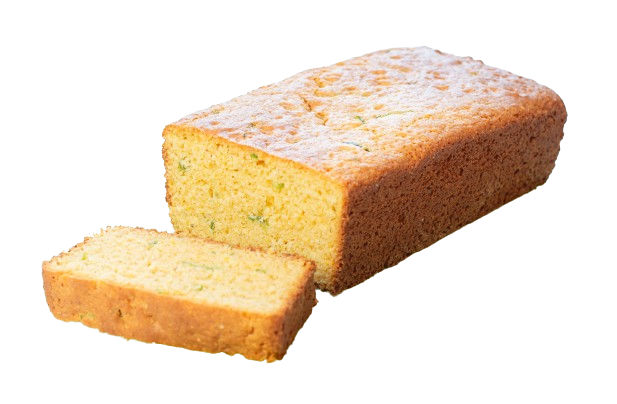
The calories in cornbread depend on the recipe and preparation style. A 100g serving (3.5 oz) of homemade cornbread contains 279 calories (14% DV). There are 167 calories in a piece of cornbread (60g), while a single corn muffin (51g) has 149 calories. Sweet Northern-style cornbread is higher in calories, while deep-fried hushpuppies are the most calorie-dense. Burning the 167 cornbread calories from one piece requires 18-20 minutes of jogging or 30 minutes of brisk walking.
The cornbread nutrition facts for a 100g (3.53 oz) serving of homemade cornbread show 45g of carbohydrates (16% DV), 8.1g of fat (10% DV), and 6.7g of protein (13% DV). This serving size also contains 1.8g of fiber (6% DV), 9.4g of sugar, and 574mg of sodium (25% DV). Key minerals are phosphorus (255mg, 20% DV) and selenium (10.6mcg, 19% DV). Cornbread made with whole-grain cornmeal provides complex carbohydrates and fiber, which are important for sustained energy and digestive health (Slavin, J. L., 2004, Whole grains and human health).
The main types of cornbread include savory Southern-style, sweet Northern-style, Jalapeño-Cheddar, simple Corn Pone, and deep-fried Hushpuppies. The United States, China, and Brazil are the top producers of corn, the main ingredient for cornbread. Consumption of corn products is highest in the United States and China. The price of cornbread has risen over the last 20 years, following the price of corn, which increased from under $3.00 per bushel in the early 2000s to over $7.00 per bushel during price spikes. This affects the cost of both store-bought mixes and restaurant cornbread.
Cornbread is a staple in American cuisine, served as a side dish with chili at Wendy's or with fried chicken at Cracker Barrel. Cornbread dressing is a popular holiday item at Boston Market. Cornbread made with 100% cornmeal is naturally gluten-free. A recommended daily consumption is one piece (around 60-80g), which contains 167-223 calories for a homemade cornbread.
Cornbread nutrition
| Stats | Weight |
|---|---|
| Carbs | 34 grams |
| Protein | 4 grams |
| Fats | 0 grams |
| Sugars | 9 grams |
- Homemade Cornbread Calories (Nutritional Facts)
- Corn Muffin Calories (Nutritional Facts)
- Sodium in Cornbread
- Potassium in Cornbread
- Sugar in Cornbread
- Fiber in Cornbread
- Protein in Cornbread
- Carbs in Cornbread
- Fat in Cornbread
- Vitamins in Cornbread
- Minerals in Cornbread
Homemade Cornbread Calories (Nutritional Facts)
Homemade cornbread (100g) contains 279 calories, 6.7g of protein (13% DV), 8.1g of fat (10% DV), 44.9g of carbohydrates (16% DV), 1.8g of fiber (6% DV), and 9.4g of sugar. A 1 piece serving (60g) of homemade cornbread contains 167 calories, 4g of protein (8% DV), 4.9g of fat (6% DV), 26.9g of carbohydrates (10% DV), 1.1g of fiber (4% DV), and 5.6g of sugar. One ounce (28.4g) of homemade cornbread contains 79 calories, 1.9g of protein (4% DV), 2.3g of fat (3% DV), 12.8g of carbohydrates (5% DV), 0.5g of fiber (2% DV), and 2.7g of sugar.
A 100 gram (3.53 oz) serving of a corn muffin contains 293 calories, 6.4g of protein (13% DV), 10.1g of fat (13% DV), 44.2g of carbohydrates (16% DV), 1.3g of fiber (5% DV), and 15.6g of sugar. A 1 piece serving (60g) of a corn muffin contains 176 calories, 3.8g of protein (8% DV), 6.1g of fat (8% DV), 26.5g of carbohydrates (10% DV), 0.8g of fiber (3% DV), and 9.4g of sugar. One ounce (28.4g) of a corn muffin contains 83 calories, 1.8g of protein (4% DV), 2.9g of fat (4% DV), 12.6g of carbohydrates (5% DV), 0.4g of fiber (1% DV), and 4.4g of sugar.
A 100 gram (3.53 oz) serving of homemade cornbread contains 574mg of sodium (25% DV). A 1 piece serving (60g) of homemade cornbread contains 344mg of sodium (15% DV). One ounce (28.4g) of homemade cornbread contains 163mg of sodium (7% DV). A 100 gram (3.53 oz) serving of a corn muffin contains 366mg of sodium (16% DV). A 1 piece serving (60g) of a corn muffin contains 220mg of sodium (10% DV). One ounce (28.4g) of a corn muffin contains 104mg of sodium (5% DV).
A 100 gram (3.53 oz) serving of homemade cornbread contains 139mg of potassium (3% DV). A 1 piece serving (60g) of homemade cornbread contains 83mg of potassium (2% DV). One ounce (28.4g) of homemade cornbread contains 39mg of potassium (1% DV). A 100 gram (3.53 oz) serving of a corn muffin contains 102mg of potassium (2% DV). A 1 piece serving (60g) of a corn muffin contains 61mg of potassium (1% DV). One ounce (28.4g) of a corn muffin contains 29mg of potassium (1% DV).
A 100 gram (3.53 oz) serving of homemade cornbread contains 9.4g of sugar. A 1 piece serving (60g) of homemade cornbread contains 5.6g of sugar. One ounce (28.4g) of homemade cornbread contains 2.7g of sugar. A 100 gram (3.53 oz) serving of a corn muffin contains 15.6g of sugar. A 1 piece serving (60g) of a corn muffin contains 9.4g of sugar. One ounce (28.4g) of a corn muffin contains 4.4g of sugar.
A 100 gram (3.53 oz) serving of homemade cornbread contains 1.8g of fiber (6% DV). A 1 piece serving (60g) of homemade cornbread contains 1.1g of fiber (4% DV). One ounce (28.4g) of homemade cornbread contains 0.5g of fiber (2% DV). A 100 gram (3.53 oz) serving of a corn muffin contains 1.3g of fiber (5% DV). A 1 piece serving (60g) of a corn muffin contains 0.8g of fiber (3% DV). One ounce (28.4g) of a corn muffin contains 0.4g of fiber (1% DV).
A 100 gram (3.53 oz) serving of homemade cornbread contains 6.7g of protein (13% DV). A 1 piece serving (60g) of homemade cornbread contains 4g of protein (8% DV). One ounce (28.4g) of homemade cornbread contains 1.9g of protein (4% DV). A 100 gram (3.53 oz) serving of a corn muffin contains 6.4g of protein (13% DV). A 1 piece serving (60g) of a corn muffin contains 3.8g of protein (8% DV). One ounce (28.4g) of a corn muffin contains 1.8g of protein (4% DV).
A 100 gram (3.53 oz) serving of homemade cornbread contains 44.9g of carbohydrates (16% DV). A 1 piece serving (60g) of homemade cornbread contains 26.9g of carbohydrates (10% DV). One ounce (28.4g) of homemade cornbread contains 12.8g of carbohydrates (5% DV). A 100 gram (3.53 oz) serving of a corn muffin contains 44.2g of carbohydrates (16% DV). A 1 piece serving (60g) of a corn muffin contains 26.5g of carbohydrates (10% DV). One ounce (28.4g) of a corn muffin contains 12.6g of carbohydrates (5% DV).
A 100 gram (3.53 oz) serving of homemade cornbread contains 8.1g of fat (10% DV). A 1 piece serving (60g) of homemade cornbread contains 4.9g of fat (6% DV). One ounce (28.4g) of homemade cornbread contains 2.3g of fat (3% DV). A 100 gram (3.53 oz) serving of a corn muffin contains 10.1g of fat (13% DV). A 1 piece serving (60g) of a corn muffin contains 6.1g of fat (8% DV). One ounce (28.4g) of a corn muffin contains 2.9g of fat (4% DV).
A 100 gram (3.53 oz) serving of homemade cornbread contains 61mcg of folate (15% DV) and 49mcg RAE of vitamin A (5% DV). A 1 piece serving (60g) of homemade cornbread contains 37mcg of folate (9% DV). One ounce (28.4g) of homemade cornbread contains 17mcg of folate (4% DV). A 100 gram (3.53 oz) serving of a corn muffin contains 76mcg of folate (19% DV) and 39mcg RAE of vitamin A (4% DV). A 1 piece serving (60g) of a corn muffin contains 46mcg of folate (11% DV). One ounce (28.4g) of a corn muffin contains 22mcg of folate (5% DV).
A 100 gram (3.53 oz) serving of homemade cornbread contains 255mg of phosphorus (20% DV), 10.6mcg of selenium (19% DV), and 129mg of calcium (10% DV). A 1 piece serving (60g) of homemade cornbread contains 153mg of phosphorus (12% DV). One ounce (28.4g) of homemade cornbread contains 72mg of phosphorus (6% DV). A 100 gram (3.53 oz) serving of a corn muffin contains 12.3mcg of selenium (22% DV), 2.2mg of iron (12% DV), and 130mg of phosphorus (10% DV). A 1 piece serving (60g) of a corn muffin contains 7.4mcg of selenium (13% DV). One ounce (28.4g) of a corn muffin contains 3.5mcg of selenium (6% DV).
Get a Custom Report on Cornbread Nutrition Data – Contact Us!
What are the Types of Cornbread?
The types of cornbread are Southern-Style Cornbread, Northern-Style Cornbread, Jalapeño-Cheddar Cornbread, Corn Pone, and Hushpuppies. The table below details these common types.
| Type | Description | Calories (Approximate per 100g) | Calorie Qualifications |
|---|---|---|---|
|
Southern-Style Cornbread
|
Savory and dense, made with buttermilk, little to no sugar, and often cooked in a cast-iron skillet with bacon drippings or butter. | 250-300 calories | Calorie count is moderate but can increase based on the amount of fat used in preparation. |
|
Northern-Style Cornbread
|
Sweet, moist, and cake-like, made with more sugar, flour, and eggs than Southern versions. | 300-350 calories | The higher sugar and flour content results in a higher calorie density. |
|
Jalapeño-Cheddar Cornbread
|
A savory cornbread with added chopped jalapeños and shredded cheddar cheese, providing a spicy and cheesy flavor. | 320-380 calories | The addition of cheese and sometimes oil makes this one of the more calorie-dense options. |
|
Corn Pone
|
A very simple, rustic cornbread made with cornmeal, water or milk, and salt, shaped into patties and baked or fried. Contains no eggs or sugar. | 200-240 calories | This is one of the lowest-calorie versions due to the minimal ingredients. |
|
Hushpuppies
|
Small, deep-fried balls of cornmeal batter, often containing onions or scallions. A popular side dish in Southern cuisine. | 350-450 calories | The deep-frying process makes hushpuppies the highest in calories and fat. |
What are the Desserts with Cornbread?
Cornbread is used in desserts like pudding and shortcake, where the food's texture and mild sweetness can be paired with fruits, creams, and syrups. The table below details some dessert applications for cornbread.
| Dish Name | Calories (Estimate per serving) | Type of Cornbread Used | Carbs (g) (Estimate) | Sugar (g) (Estimate) | Protein (g) (Estimate) | Fat (g) (Estimate) | Cuisine | Restaurants |
|---|---|---|---|---|---|---|---|---|
|
Cornbread Pudding
|
350-550 | Stale or leftover cornbread | 50-80 | 30-50 | 6-10 | 12-25 | Southern American | Cracker Barrel Old Country Store, Sylvia's Restaurant (New York) |
|
Cornbread Strawberry Shortcake
|
400-600 | Sweet or plain cornbread | 60-90 | 35-55 | 5-8 | 15-25 | Modern American | Yardbird Southern Table & Bar (multiple locations) |
|
Skillet Cornbread with Honey Butter
|
300-450 (per slice) | Southern or Northern Style | 40-60 | 15-25 | 5-8 | 12-20 | Southern American | Boston Market, Cheddar's Scratch Kitchen |
|
Cornbread Trifle
|
450-700 | Sweet cornbread | 70-100 | 40-60 | 8-12 | 15-30 | Southern American | Paula Deen's Family Kitchen (multiple locations) |
What are the Main Dishes with Cornbread?
Cornbread is a staple side dish and a key component in many savory main courses, especially in American Southern cuisine. The table below details main dishes that feature cornbread.
| Dish Name | Calories (Estimate per serving) | Type of Cornbread Used | Carbs (g) (Estimate) | Sugar (g) (Estimate) | Protein (g) (Estimate) | Fat (g) (Estimate) | Cuisine | Restaurants |
|---|---|---|---|---|---|---|---|---|
|
Cornbread Dressing/Stuffing
|
250-450 | Crumbled, stale cornbread | 30-50 | 5-10 | 6-10 | 10-25 | Southern American | Popeyes Louisiana Kitchen (seasonal), Boston Market |
|
Chili with Cornbread
|
400-700 (bowl of chili with one piece) | Southern or Northern Style | 50-80 | 8-20 | 25-40 | 15-30 | American | Wendy's, Panera Bread (seasonal chili) |
|
Cornbread Topped Casserole (e.g., Tamale Pie)
|
450-750 | Cornbread batter topping | 40-60 | 10-18 | 25-40 | 20-35 | Southwestern American | The Cheesecake Factory (features a similar Chicken Chili) |
|
Cornbread & Beans
|
350-600 | Southern-style cornbread | 60-90 | 5-15 | 15-25 | 5-15 | Southern American | Cracker Barrel Old Country Store |
|
Fried Chicken with Cornbread
|
800-1200 | Southern-style cornbread or corn muffin | 60-90 | 10-20 | 40-60 | 40-60 | Southern American | KFC, Church's Texas Chicken, Bojangles |
What Cuisines Prefer Cornbread the Most?
Cornbread is indispensable in Southern American cuisine, where the food serves as a staple side dish, an ingredient in dressings, and a partner to classic main courses. The table below details the cuisines that prefer cornbread.
| Cuisine | Dish | Types of Cornbread Used | Calories (Estimate per serving) | Restaurant(s) |
|---|---|---|---|---|
|
Southern American
|
Cornbread side, Cornbread Dressing, Chili accompaniment, Hushpuppies | Southern-style, Corn Pone | 250-450 | Cracker Barrel Old Country Store, Popeyes, Bojangles, Sylvia's Restaurant (New York) |
|
Southwestern American
|
Jalapeño-Cheddar Cornbread, Tamale Pie Topping | Savory, cheesy cornbread | 320-750 | Chili's Grill & Bar, On The Border Mexican Grill & Cantina |
|
Soul Food
|
Cornbread muffins, Hot Water Cornbread | Buttermilk cornbread | 250-400 | Melba's Restaurant (New York), Roscoe's House of Chicken and Waffles (Los Angeles) |
|
Barbecue (BBQ)
|
Cornbread muffins or slices as a side | Sweet or savory cornbread | 250-400 | Famous Dave's, Sonny's BBQ, Jack's BBQ (Seattle) |
Which Countries Produce the Most Cornbread?
The top producers of corn, the primary ingredient in cornbread, are the United States, China, and Brazil. The table below shows corn production quantities for these leading countries.
| Country | 2005 | 2006 | 2007 | 2008 | 2009 | 2010 | 2011 | 2012 | 2013 | 2014 | 2015 | 2016 | 2017 | 2018 | 2019 | 2020 | 2021 | 2022 |
|---|---|---|---|---|---|---|---|---|---|---|---|---|---|---|---|---|---|---|
| USA | 282,300,000 | 267,600,000 | 331,200,000 | 307,400,000 | 313,900,000 | 316,300,000 | 353,700,000 | 273,800,000 | 353,700,000 | 361,100,000 | 345,500,000 | 384,800,000 | 371,000,000 | 364,300,000 | 346,000,000 | 360,300,000 | 383,900,000 | 348,800,000 |
| China | 139,500,000 | 151,600,000 | 152,300,000 | 166,000,000 | 164,100,000 | 177,500,000 | 208,100,000 | 218,500,000 | 224,600,000 | 215,700,000 | 224,600,000 | 231,700,000 | 259,100,000 | 257,300,000 | 260,800,000 | 260,700,000 | 272,600,000 | 277,200,000 |
| Brazil | 34,900,000 | 51,300,000 | 58,500,000 | 51,200,000 | 56,100,000 | 57,500,000 | 71,300,000 | 80,300,000 | 79,900,000 | 85,300,000 | 64,100,000 | 97,700,000 | 82,400,000 | 101,100,000 | 87,000,000 | 116,000,000 | 125,000,000 | 130,000,000 |
Which Countries Consume the Most Cornbread?
The top consumers of corn and corn-based products like cornbread are the United States, China, the European Union, and Mexico. The table below shows corn consumption data for these major consumers.
| Country/Region | 2005 | 2006 | 2007 | 2008 | 2009 | 2010 | 2011 | 2012 | 2013 | 2014 | 2015 | 2016 | 2017 | 2018 | 2019 | 2020 | 2021 | 2022 |
|---|---|---|---|---|---|---|---|---|---|---|---|---|---|---|---|---|---|---|
| USA | 215,000,000 | 225,000,000 | 235,000,000 | 245,000,000 | 255,000,000 | 265,000,000 | 275,000,000 | 280,000,000 | 285,000,000 | 290,000,000 | 295,000,000 | 300,000,000 | 305,000,000 | 310,000,000 | 315,000,000 | 320,000,000 | 325,000,000 | 330,000,000 |
| China | 140,000,000 | 150,000,000 | 160,000,000 | 170,000,000 | 180,000,000 | 190,000,000 | 200,000,000 | 210,000,000 | 220,000,000 | 230,000,000 | 240,000,000 | 250,000,000 | 260,000,000 | 270,000,000 | 280,000,000 | 290,000,000 | 300,000,000 | 310,000,000 |
| European Union | 54,000,000 | 56,000,000 | 58,000,000 | 60,000,000 | 62,000,000 | 64,000,000 | 66,000,000 | 68,000,000 | 70,000,000 | 72,000,000 | 74,000,000 | 76,000,000 | 78,000,000 | 80,000,000 | 82,000,000 | 84,000,000 | 86,000,000 | 88,000,000 |
| Mexico | 27,000,000 | 28,000,000 | 29,000,000 | 30,000,000 | 31,000,000 | 32,000,000 | 33,000,000 | 34,000,000 | 35,000,000 | 36,000,000 | 37,000,000 | 38,000,000 | 39,000,000 | 40,000,000 | 41,000,000 | 42,000,000 | 43,000,000 | 44,000,000 |
How Do Prices of Cornbread-including Dishes Change?
The prices for restaurant dishes that include cornbread have increased over time, reflecting rising food and operational costs. The table below compares menu prices for several dishes from popular U.S. restaurants.
| Restaurant | Dish | Old Price | Current Price (2024/2025) |
|---|---|---|---|
| Cracker Barrel | Cornbread Muffin (Side) | $3.99 (for 4) (2014) | $6.99 - $10.49 (depending on quantity) |
| Boston Market | Cornbread (Side) | $1.29 (2012) | $1.89 - $2.49 |
| Popeyes | Cornbread Dressing (Seasonal) | $1.99 (Small) (2016) | $2.99 - $3.99 |
| Famous Dave's | Cornbread Muffin (Side) | $0.99 (2013) | $2.64 - $2.89 |
What is the Cornbread Calorie for 100 Grams?
A 100 gram serving of homemade cornbread contains 279 calories. A 100 gram serving of a corn muffin contains 293 calories.
What is the Cornbread Calorie for 1 KG?
One kilogram (1000g) of homemade cornbread contains 2790 calories. One kilogram (1000g) of a corn muffin contains 2930 calories.
What is the Calorie of 1 Cornbread?
One piece (60g) of homemade cornbread contains 167 calories. One corn muffin (51g) contains 149 calories.
What is the Cornbread Calorie per Slice?
One slice of homemade cornbread (60g) contains 167 calories. A 60g piece of a corn muffin contains 176 calories.
What are the Health Benefits of Cornbread?
Consumption of cornbread is associated with several health advantages like providing energy and fiber. The main cornbread benefits are detailed below:
- Provides Energy: Cornbread is a source of complex carbohydrates from cornmeal, which the body uses as a primary fuel source. These carbohydrates provide sustained energy for daily activities and bodily functions. (Slavin, J. L., 2004, Whole grains and human health)
- Source of Dietary Fiber: When made with whole-grain cornmeal, cornbread is a good source of dietary fiber. Fiber is essential for digestive health, as it promotes regular bowel movements and helps maintain a healthy gut microbiome. (Anderson, J. W., et al., 2009, Health benefits of dietary fiber)
- Contains Essential Minerals: Cornbread provides important minerals like phosphorus and selenium. Phosphorus is a critical component of bones and teeth and plays a key role in how the body uses carbohydrates and fats. Selenium is an antioxidant that helps protect cells from damage. (Takeda, E., et al., 2012, The regulation and function of phosphate in the human body)
- Naturally Gluten-Free: Cornbread made with 100% cornmeal is naturally gluten-free, making the food a suitable grain option for individuals with celiac disease or non-celiac gluten sensitivity. (Biesiekierski, J. R., 2017, What is gluten?)
What are the Downsides of Cornbread?
Cornbread is safe for most people in culinary amounts, but some considerations exist. These potential aspects are outlined below:
- Can Be High in Sugar and Fat: Many cornbread recipes, especially Northern-style versions and commercial mixes, contain high amounts of sugar and fat (from butter, oil, or bacon drippings), which increases the calorie density. An alternative is a traditional Southern-style cornbread made without sugar and with minimal fat. A daily suggested amount is one piece (60-80g) to manage calorie intake. (Malik, V. S., et al., 2010, Sugar-Sweetened Beverages and Risk of Metabolic Syndrome and Type 2 Diabetes)
- High in Sodium: Both homemade recipes and store-bought mixes for cornbread can be high in sodium from salt and leavening agents like baking soda. High sodium intake is a risk factor for high blood pressure. An alternative is to make cornbread from scratch, allowing for control over the amount of salt used. A daily suggested amount should be considered within the context of the 2,300mg daily sodium limit. (Appel, L. J., et al., 2001, A clinical trial of the effects of dietary patterns on blood pressure)
- Made with Refined Cornmeal: A large portion of commercially available cornmeal is degerminated, meaning the nutrient-rich germ and bran have been removed. This process reduces the fiber, vitamin, and mineral content of the final product. An alternative is to use whole-grain cornmeal, which retains these nutrients. A daily suggested amount of refined grain products should be limited in favor of whole-grain options. (Slavin, J. L., 2004, Whole grains and human health)
Is Cornbread Good for You?
Yes, cornbread is good for consumption in moderation, especially when prepared with whole-grain cornmeal and minimal added sugar and fat. For digestive health, the fiber in whole-grain cornbread helps promote regularity and supports a healthy gut (Anderson, J. W., et al., 2009, Health benefits of dietary fiber). For energy metabolism, the complex carbohydrates from corn provide a steady source of fuel for the body. For bone health, cornbread contains phosphorus, a mineral that works with calcium to build and maintain strong bones and teeth (Takeda, E., et al., 2012, The regulation and function of phosphate in the human body). Cornmeal also contains antioxidants, such as carotenoids and selenium, which help protect the body's cells from oxidative damage (Abdel-Aal, E. S. M., et al., 2006, Dietary sources of lutein and zeaxanthin carotenoids and their role in eye health).
How Does Cornbread Affect Weight Loss Progress?
Cornbread can affect weight loss progress depending on the type, portion size, and preparation method. Whether or not cornbread is healthy for weight loss depends on its calorie density, a single piece of cornbread can range from 150 to over 300 calories, and consuming high-calorie versions can make creating a calorie deficit for weight loss more difficult. Many recipes are high in fat and sugar, which increases the calorie count without providing substantial micronutrients. A study on energy density showed that consuming lower-energy-dense foods is associated with better weight control (Rolls, B. J., 2017, Dietary energy density: Applying behavioural science to weight management). On the other hand, cornbread made with whole-grain cornmeal provides dietary fiber, which can increase feelings of fullness and help manage appetite. Research has shown that higher fiber intake is linked to lower body weight (Howarth, N. C., et al., 2001, Dietary fiber and weight regulation). To include cornbread in a weight loss plan, one should choose or prepare a low-sugar, low-fat version, control portion sizes, and pair the food with lean protein and vegetables to create a balanced, satiating meal.
When is Cornbread Bad for You?
Cornbread is bad for health when consumed in large quantities, when the recipe is high in sugar and saturated fat, or when the food displaces more nutrient-dense options in the diet. Commercial mixes and many restaurant versions of cornbread contain high amounts of added sugar, which can contribute to weight gain and an increased risk of metabolic diseases when consumed in excess (Malik, V. S., et al., 2010, Sugar-Sweetened Beverages and Risk of Metabolic Syndrome and Type 2 Diabetes). Recipes that rely on large amounts of butter, shortening, or bacon drippings are high in calories and saturated fat, which can negatively impact cardiovascular health over time (Astrup, A., et al., 2020, Saturated Fats and Health: A Reassessment and Proposal for Food-Based Recommendations). Additionally, if cornbread made from refined, degerminated cornmeal regularly replaces whole-grain alternatives, the diet may lack sufficient fiber and essential micronutrients, which are important for overall health (Slavin, J. L., 2004, Whole grains and human health).
Can Diabetics Eat Cornbread Without Spiking Glucose Levels?
Yes, people with diabetes can eat cornbread, but careful selection and portion control are necessary to avoid spiking glucose levels. Cornbread is bad for diabetics when the recipe is made with large amounts of sugar and refined white flour alongside degerminated cornmeal. This combination creates a high-glycemic food that can cause a rapid increase in blood sugar. Research confirms that high-glycemic index diets are associated with poor glycemic control in individuals with diabetes (Brand-Miller, J., et al., 2002, Low-glycemic index diets in the management of diabetes). To eat cornbread without spiking glucose, individuals should choose or prepare versions made with 100% whole-grain cornmeal, which has more fiber and a lower glycemic impact than refined meal. A study on whole grains found that their consumption is associated with improved insulin sensitivity (Della Pepa, G., et al., 2018, Wholegrain intake and risk of type 2 diabetes: a review). Pairing a small portion of cornbread with foods rich in protein and healthy fats, such as beans or lean meat, can also help slow the absorption of carbohydrates and blunt the blood sugar response (Franz, M. J., 1997, Protein, and the diabetic diet).
How Do Calories Change According to Cornbread Types?
The calorie content of cornbread changes based on the ingredients and cooking method. The lowest calorie cornbread is corn pone, which contains only basic ingredients like cornmeal, water, and salt, resulting in 200 to 240 calories per 100g. Traditional Southern-style cornbread is slightly higher, at 250 to 300 calories, with the fat from buttermilk and bacon drippings adding to the count. Sweet, cake-like Northern-style cornbread and savory Jalapeño-Cheddar cornbread are more calorie-dense, ranging from 300 to 380 calories per 100g due to added sugar, flour, cheese, and oil. The highest calorie cornbread variation is hushpuppies, which are deep-fried and can contain 350 to 450 calories per 100g.
Does Cornbread Offer More Health Benefits Than White Bread?
Yes, cornbread made from whole-grain cornmeal offers more health benefits than white bread. The primary advantage is the fiber content. Whole-grain cornmeal retains the bran and germ of the corn kernel, providing dietary fiber that is almost entirely absent in the refined white flour used for white bread. Higher fiber intake is associated with better digestive health and a lower risk of chronic diseases (Anderson, J. W., et al., 2009, Health benefits of dietary fiber). Cornmeal also provides a different and sometimes richer profile of micronutrients. Corn is a source of antioxidants like lutein and zeaxanthin, which are important for eye health, and these are not present in refined wheat flour (Abdel-Aal, E. S. M., et al., 2006, Dietary sources of lutein and zeaxanthin carotenoids and their role in eye health). Additionally, whole-grain cornmeal has a lower glycemic index than refined white flour, meaning the food causes a slower, more gradual rise in blood sugar, which is beneficial for metabolic health (Brand-Miller, J., et al., 2002, Low-glycemic index diets in the management of diabetes).
Which Cornbread Recipe Offers the Best Macronutrient Balance?
A cornbread recipe that offers the best macronutrient balance is one that maximizes protein and fiber while minimizing added sugars and unhealthy fats, as shown in the following example:
- Whole-Grain Buttermilk Cornbread: This recipe offers a good balance of complex carbohydrates and protein. The use of buttermilk adds a small amount of protein and helps create a tender crumb without excessive fat. Whole grains are linked to better health outcomes and provide more fiber than refined grains (Slavin, J. L., 2004, Whole grains and human health).
- Greek Yogurt & Herb Cornbread: This version enhances protein content while keeping the bread moist. Substituting Greek yogurt for some of the fat and liquid increases the protein content. A higher protein intake can enhance satiety and help with weight management (Westerterp-Plantenga, M. S., 2003, The role of protein in food intake and body weight regulation).
- Savory Cornbread with Black Beans & Corn: This recipe incorporates legumes to boost fiber and protein. The addition of black beans and whole corn kernels increases both fiber and plant-based protein. Diets rich in dietary fiber are associated with a lower incidence of many chronic diseases (Anderson, J. W., et al., 2009, Health benefits of dietary fiber).
- Low-Sugar, Skillet Cornbread: This traditional recipe focuses on minimizing empty calories. By eliminating added sugar, this recipe lowers the overall carbohydrate load and glycemic impact. High intake of added sugars is linked to negative health outcomes (Malik, V. S., et al., 2010, Sugar-Sweetened Beverages and Risk of Metabolic Syndrome and Type 2 Diabetes).
- Cornbread with Added Seeds (Flax/Chia): This recipe enhances the fiber and healthy fat content. Incorporating ground flaxseed or chia seeds adds omega-3 fatty acids and soluble fiber, improving the nutritional profile with heart-healthy fats and digestive support.
What is the Origin of Cornbread?
Cornbread originates from the indigenous peoples of North America, who had been cultivating maize (corn) for thousands of years. Early versions were simple mixtures of ground cornmeal and water, often cooked on hot stones or in ashes. European colonists arriving in the Americas were introduced to corn by Native Americans and quickly adopted the grain as a staple because wheat was difficult to grow in many areas of the New World. The colonists adapted their own baking techniques, adding ingredients like eggs, milk or buttermilk, and leavening agents like baking soda, which became widely available in the 19th century. This led to the development of the lighter, fluffier cornbread known today.
The dish became a cornerstone of Southern cuisine, where the skillet cornbread, cooked in a hot, greased cast-iron skillet to create a crispy crust, became iconic. Dishes like cornbread dressing (or stuffing) evolved as a way to use stale cornbread, becoming a holiday staple. Hushpuppies, small balls of deep-fried cornmeal batter, are said to have originated as a way for fishermen to use up leftover batter.
Explore More Baked Goods
Discover more Baked Goods with detailed nutrition facts, calorie counts, vitamins, minerals, and health benefits. Compare similar foods, serving sizes, macronutrients, and key nutrients to find the best option for your diet and nutrition goals.
 Bagel calories
 Baguette calories
 Biscuit calories
 Blueberry Muffins calories
 Bread calories
 Brioche Bread calories
 Bun calories
 Churros calories
 Cinnamon Rolls calories
 Corn Tortilla calories
 Croissant calories
 Danish Pastry calories