Calories and Nutritions in Danish Pastry
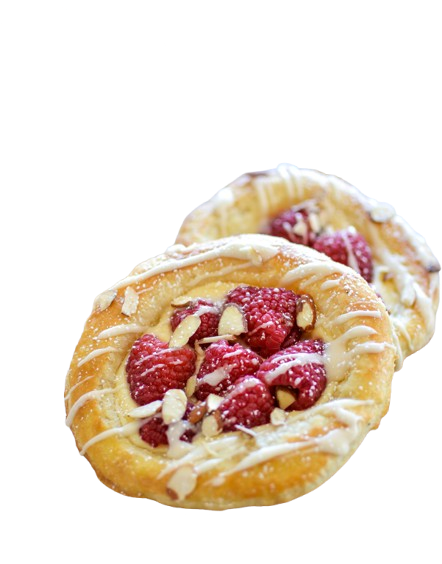
A Danish pastry is a multi-layered, laminated sweet pastry made from a yeast-leavened dough enriched with butter, eggs, and sugar. The calories in a danish pastry are high, with a 100g (3.5 oz) serving of a fruit-filled Danish containing 375 calories. A single, large cheese Danish from a cafe like Starbucks (122g, 4.3 oz) provides 410 calories. Danish nutrition facts for a 100g fruit Danish show it is high in carbohydrates and fat, containing 45g of carbs (16% Daily Value/DV) and 19g of fat (24% DV), of which 8.5g is saturated fat (43% DV). It also offers 5.5g of protein (11% DV), 2.1g of fiber (8% DV), and a high 22g of sugar. Research consistently links diets high in refined carbohydrates and added sugars with an increased risk for obesity and metabolic disease (Malik, V.S., et al., 2010, "Sugar-Sweetened Beverages, Obesity, Type 2 Diabetes Mellitus, and Cardiovascular Disease Risk"). Key minerals in an enriched Danish pastry include selenium (12µg, 22% DV per 100g), while vitamins include thiamin (0.15mg, 13% DV).
The main types of Danish pastries are defined by their fillings, which alters the danish pastry calories. Nut-filled varieties like almond or pecan Danishes are often highest in calories (370-480 calories per medium pastry), while fruit and cheese Danishes fall into a range of 300-410 calories. Global production and consumption data show that Denmark, France, Germany, and the United States are major producers and consumers. While Danish pastries are a star item at dozens of cafes and bakeries like Panera Bread, Starbucks, and Au Bon Pain, they are not used as an ingredient in main dishes.
The price of a Danish pastry has increased significantly over the last 20 years. In the year 2004, a single Danish from a cafe or bakery in the U.S. ranged from $1.25 to $2.50. By 2024, the price for a similar item has increased to $2.50 to $4.50 or more. The demand for indulgent breakfast pastries has remained consistently high in its core markets, which, combined with rising costs for key ingredients like butter, sugar, and flour, has contributed to this price increase.
The main health benefit of a Danish pastry is as a quick source of energy from carbohydrates and fats. Its primary health downside is its high content of saturated fat, refined carbohydrates, and added sugar. Due to this nutritional profile, there is no recommended daily consumption; it is best considered an occasional treat. A single medium cheese Danish (109g) from Panera Bread contains 410 calories. Burning the 410 calories from this pastry would require activities such as 35-40 minutes of jogging, 50-60 minutes of brisk walking, or about 50 minutes of cycling at a moderate intensity.
Danish Pastry nutrition
| Stats | Weight |
|---|---|
| Carbs | 29 grams |
| Protein | 4.6 grams |
| Fats | 0 grams |
| Sugars | 12.9 grams |
- Cheese Danish Calories (Nutritional Facts)
- Strawberry Danish Calories (Nutritional Facts)
- Apple Danish Calories (Nutritional Facts)
- Lemon Danish Calories (Nutritional Facts)
- Apricot Danish Calories (Nutritional Facts)
- Almond Danish Calories (Nutritional Facts)
- Costco Danish Calories (Nutritional Facts)
- Sodium in Danish Pastry
- Potassium in Danish Pastry
- Sugar in Danish Pastry
- Fiber in Danish Pastry
- Protein in Danish Pastry
- Carbs in Danish Pastry
- Fat in Danish Pastry
- Vitamins in Danish Pastry
- Minerals in Danish Pastry
Cheese Danish Calories (Nutritional Facts)
A large cheese Danish (113g, 4 oz) contains 420 calories. A medium cheese Danish (85g, 3 oz) provides 315 calories. A small cheese Danish (43g, 1.5 oz), such as the one from Starbucks, contains 220 calories. A large cheese Danish (113g) also has 8g of protein, 48g of carbohydrates, and 22g of total fat.
A large strawberry Danish (120g, 4.2 oz) contains 400 calories. A medium strawberry Danish (90g, 3.2 oz) provides 300 calories. A small strawberry Danish (45g, 1.6 oz) has 150 calories. A medium strawberry Danish (90g) contains 6g of protein, 51g of carbohydrates, and 18g of total fat.
A large apple Danish (128g, 4.5 oz) contains 410 calories. A medium apple Danish (96g, 3.4 oz) provides 308 calories. A small apple Danish (48g, 1.7 oz) has 154 calories. A medium apple Danish (96g) contains 5g of protein, 49g of carbohydrates, and 21g of total fat.
A large lemon Danish (115g, 4.1 oz) contains 450 calories. A medium lemon Danish (86g, 3 oz) provides 338 calories. A small lemon Danish (43g, 1.5 oz) has 169 calories. A medium lemon Danish (86g) contains 6g of protein, 55g of carbohydrates, and 23g of total fat.
A large apricot Danish (118g, 4.2 oz) contains 380 calories. A medium apricot Danish (88g, 3.1 oz) provides 283 calories. A small apricot Danish (44g, 1.5 oz) has 142 calories. A medium apricot Danish (88g) contains 5g of protein, 48g of carbohydrates, and 18g of total fat.
A large almond Danish (125g, 4.4 oz) contains 500 calories. A medium almond Danish (94g, 3.3 oz) provides 375 calories. A small almond Danish (47g, 1.6 oz) has 188 calories. A medium almond Danish (94g) contains 8g of protein, 51g of carbohydrates, and 28g of total fat.
A large Costco Kirkland Signature cheese Danish (146g, 5.15 oz) contains 500 calories. A large Costco Kirkland Signature cherry Danish (159g, 5.6 oz) provides 470 calories. The cheese Danish (146g) contains 11g of protein, 59g of carbohydrates, and 25g of total fat.
A 100g serving of a generic fruit Danish pastry contains 260mg of sodium (11% DV). A cheese Danish (100g) has 310mg of sodium (13% DV).
A 100g serving of a generic fruit Danish pastry contains 120mg of potassium (3% DV). A cheese Danish (100g) has 110mg of potassium (2% DV).
A 100g serving of a generic fruit Danish pastry contains 22g of total sugars. A cheese Danish (100g) has 16g of total sugars.
A 100g serving of a generic fruit Danish pastry provides 2.1g of dietary fiber (8% DV). A cheese Danish (100g) has 1.8g of dietary fiber (6% DV).
A 100g serving of a generic fruit Danish pastry contains 5.5g of protein (11% DV). A cheese Danish (100g) has 7g of protein (14% DV).
A 100g serving of a generic fruit Danish pastry has 45g of total carbohydrates (16% DV). A cheese Danish (100g) contains 42g of total carbohydrates (15% DV).
A 100g serving of a generic fruit Danish pastry contains 19g of total fat (24% DV), with 8.5g of saturated fat. A cheese Danish (100g) has 20g of total fat (26% DV), with 9g of saturated fat.
A 100g serving of an enriched Danish pastry (fruit-filled) provides some B vitamins, including Thiamin (Vitamin B1) at 0.15mg (13% DV) and Folate (Vitamin B9) at 35µg (9% DV). It also contains Vitamin A at 75µg RAE (8% DV).
A 100g serving of an enriched Danish pastry (fruit-filled) contains Iron at 1.5mg (8% DV) and Calcium at 40mg (4% DV). It also provides Selenium at 12µg (22% DV).
Get a Custom Report on Danish Pastry Nutrition Data – Contact Us!
What are the Types of Danish Pastries?
There are many types of Danish pastries, distinguished primarily by their shape and filling. While the base is a laminated, butter-rich yeast dough, the fillings create a wide variety of flavors and can slightly alter the nutritional profile. The table below shows some common types of Danish pastries and their general calorie information.
| Type (Filling/Shape) | Description | Calories (per medium pastry, ~85-100g) | Calorie Qualifications |
|---|---|---|---|
|
Cheese Danish
|
A pocket or swirl of dough filled with a sweetened cream cheese or Neufchâtel cheese filling. | 310-410 | High in fat and saturated fat from both the dough and the cheese filling. |
|
Fruit Danish (Apple, Cherry, Berry)
|
Dough topped or filled with a sweet fruit compote or filling. | 300-400 | High in sugar from both the dough and the fruit filling. |
|
Almond Danish (Bear Claw)
|
Often shaped like a "bear claw," filled with a sweet almond paste (frangipane) and topped with almonds. | 370-450 | Among the highest in calories due to the high fat content of both the dough and the almond paste filling. |
|
Cinnamon Swirl Danish (Snail)
|
A spiral of dough layered with cinnamon, sugar, and butter. | 350-420 | High in sugar and fat. |
|
Pecan Danish
|
A swirl or other shape topped with a sticky, sweet glaze and pecans. | 380-480 | Very high in calories due to the high fat and sugar content of the pecan topping and glaze. |
|
Plain Danish Pastry
|
The basic laminated dough, often twisted or braided and glazed, without a specific filling. | 280-350 | Calorie-dense from butter and sugar, but lower than those with rich fillings. |
|
Maple Danish
|
Topped with a maple-flavored icing. | 360-430 | Very high in sugar. |
|
Kringle
|
A large, ring-shaped Danish pastry, often with fruit or nut fillings, sliced to serve. | Varies (350-450 per slice) | Calorie content is high and depends on the specific filling. |
What are the Desserts with Danish Pastries?
Danish pastries are themselves a category of dessert or sweet breakfast pastry. They are typically enjoyed on their own rather than being an ingredient in another dessert. However, creative presentations can turn a Danish into a more elaborate dessert, often by pairing it with other sweet components like ice cream, sauces, or creams.
| Dish Name/Presentation | Calories (per serving) | Type of Danish Pastry Used | Carbs (g) | Sugar (g) | Protein (g) | Fat (g) | Cuisine | Restaurants/Brands |
|---|---|---|---|---|---|---|---|---|
|
Danish Pastry a la Mode (with a scoop of ice cream)
|
500-700 | Any (Apple, Cherry, Cheese) | 60-90 | 40-60 | 8-12 | 25-40 | American Dessert | Friendly's, Cold Stone Creamery (can be created) |
|
Danish Bread Pudding
|
450-650 (slice) | Stale Danish Pastries | 50-70 | 30-45 | 8-12 | 20-30 | Modern American/European | Home preparation |
|
Kringle (a large, filled Danish ring)
|
350-450 (slice) | Kringle | 40-55 | 25-35 | 4-7 | 15-25 | Danish, American (Wisconsin) | O&H Danish Bakery (Racine, WI), Trader Joe's (seasonal) |
|
Danish Pastry filled with Custard/Pastry Cream
|
350-450 | Various shapes | 40-55 | 20-30 | 5-8 | 18-28 | European Patisserie | Dominique Ansel Bakery (NYC) |
|
Danish Pastry with Whipped Cream and Fresh Fruit Topping
|
400-550 | Fruit or Plain | 50-65 | 30-45 | 6-9 | 18-28 | American Cafe | Home preparation |
|
Miniature Danish Pastry Assortment
|
Varies (50-150 per piece) | Various (Mini versions) | Varies | Varies | Varies | Varies | Catering/Buffet | Panera Bread (Catering Menu), Starbucks (some meeting platters) |
|
Danish Ice Cream Sandwich
|
400-600 | Cinnamon or Plain (sliced) | 50-70 | 30-45 | 6-9 | 18-28 | Modern American | Home preparation |
|
Toasted Danish with Butter
|
350-450 | Any | 40-55 | 18-28 | 6-9 | 18-28 | American Breakfast | Home preparation |
What Cuisines Prefer Danish Pastries the Most?
Danish pastries, and the "viennoiserie" style of baking they belong to, are most prominently preferred in Danish and other Scandinavian cuisines, where they are a national specialty. Their popularity has become global, and they are a cornerstone of American and broader Western-style bakeries, cafes, and breakfast culture. The table below highlights cuisines and contexts where Danish pastries are frequently enjoyed.
| Cuisine | Dish Name/Context | Calories (per pastry) | Restaurants |
|---|---|---|---|
|
Danish/Scandinavian
|
Kringle | 350-450 (slice) | O&H Danish Bakery (Racine, WI), Trader Joe's (seasonal) |
|
American
|
Cheese Danish | 310-500 | Starbucks, Panera Bread, Costco (Kirkland Signature), Au Bon Pain |
|
American
|
Fruit Danish (Apple, Cherry, etc.) | 300-470 | Starbucks, Panera Bread, Costco (Kirkland Signature) |
|
American (Breakfast/Brunch)
|
Assorted Pastry Basket (often includes Danishes) | Varies | IHOP, Denny's (bakery sections), First Watch |
|
French (Viennoiserie)
|
Pain aux Raisins (similar spiral pastry) | 300-400 | Maison Kayser, Paul, local French patisseries |
|
German/Austrian
|
Plundergebäck (German term for Danish pastry) | Varies | Home preparation |
|
Global Café Culture
|
Coffee and a Danish | Varies | Starbucks, Peet's Coffee, Costa Coffee, McCafé (McDonald's) |
Which Countries Produce the Most Danish Pastries?
The top producers of Danish pastries and similar viennoiserie products globally are Denmark, France, Germany, the United States, and the United Kingdom. Denmark, as the cultural home of the "wienerbrød," has a strong tradition of both artisanal and industrial production. France is a massive producer of all types of viennoiserie, including Danish-style pastries. The United States and Germany have large bakery industries that produce significant volumes for their domestic markets. Specific production data for "Danish pastries" in kilotonnes is not tracked by bodies like FAOSTAT, as it is a prepared bakery product. The data below uses estimated production/sales volumes for the broader category of "Sweet breads, viennoiserie, and pastries," compiled from market research firms like Statista and Euromonitor, to provide an indication of scale.
| Country | 2004 | 2005 | 2006 | 2007 | 2008 | 2009 | 2010 | 2011 | 2012 | 2013 | 2014 | 2015 | 2016 | 2017 | 2018 | 2019 | 2020 | 2021 | 2022 | 2023 (Est.) |
|---|---|---|---|---|---|---|---|---|---|---|---|---|---|---|---|---|---|---|---|---|
| France | 800 | 810 | 820 | 830 | 835 | 825 | 830 | 835 | 840 | 845 | 850 | 855 | 860 | 865 | 870 | 875 | 850 | 860 | 865 | 868 |
| USA | 1,200 | 1,220 | 1,240 | 1,260 | 1,270 | 1,250 | 1,280 | 1,300 | 1,320 | 1,340 | 1,360 | 1,380 | 1,400 | 1,390 | 1,380 | 1,370 | 1,350 | 1,370 | 1,380 | 1,385 |
| Germany | 600 | 610 | 620 | 630 | 635 | 625 | 630 | 635 | 640 | 645 | 650 | 655 | 660 | 665 | 670 | 675 | 660 | 665 | 670 | 672 |
| United Kingdom | 400 | 410 | 420 | 430 | 435 | 425 | 430 | 435 | 440 | 445 | 450 | 455 | 460 | 465 | 470 | 475 | 460 | 465 | 470 | 472 |
| Denmark | 50 | 52 | 54 | 56 | 58 | 55 | 56 | 57 | 58 | 59 | 60 | 61 | 62 | 63 | 64 | 65 | 62 | 63 | 64 | 65 |
Which Countries Consume the Most Danish Pastries?
Based on market data for bakery and pastry consumption, Scandinavian countries, particularly Denmark, have the highest per capita consumption of Danish pastries. Germany and the United States are the largest consumers by total volume. The United Kingdom, Canada, and Australia are also significant markets where Danish pastries are a popular breakfast and cafe item. Data for this table is estimated from reports by market research firms like Nielsen, IRI, and Statista on the sweet bakery and pastry market.
| Country | 2004 | 2005 | 2006 | 2007 | 2008 | 2009 | 2010 | 2011 | 2012 | 2013 | 2014 | 2015 | 2016 | 2017 | 2018 | 2019 | 2020 | 2021 |
|---|---|---|---|---|---|---|---|---|---|---|---|---|---|---|---|---|---|---|
| Germany | 750 | 760 | 770 | 780 | 785 | 775 | 780 | 785 | 790 | 795 | 800 | 805 | 810 | 815 | 820 | 825 | 800 | 810 |
| USA | 1,180 | 1,200 | 1,220 | 1,240 | 1,250 | 1,230 | 1,260 | 1,280 | 1,300 | 1,320 | 1,340 | 1,360 | 1,380 | 1,370 | 1,360 | 1,350 | 1,330 | 1,350 |
| France | 780 | 790 | 800 | 810 | 815 | 805 | 810 | 815 | 820 | 825 | 830 | 835 | 840 | 845 | 850 | 855 | 830 | 840 |
| United Kingdom | 390 | 400 | 410 | 420 | 425 | 415 | 420 | 425 | 430 | 435 | 440 | 445 | 450 | 455 | 460 | 465 | 450 | 455 |
| Denmark | 45 | 47 | 49 | 51 | 53 | 50 | 51 | 52 | 53 | 54 | 55 | 56 | 57 | 58 | 59 | 60 | 57 | 58 |
| Canada | 145 | 150 | 155 | 160 | 163 | 160 | 163 | 165 | 167 | 170 | 173 | 175 | 177 | 175 | 173 | 170 | 165 | 167 |
How Does Prices of Danish Pastry-including Dishes Change?
The prices of Danish pastries on restaurant and cafe menus have increased substantially over the past 20 years. This reflects the rising costs of all ingredients (butter, flour, sugar, fillings), as well as significant increases in labor, rent, and other operational expenses.
| Restaurant | Dish Name/Offering | Estimated Old Price (Mid-2000s, e.g., 2004-2008) | Estimated Current Price (2024-2025) |
|---|---|---|---|
| Starbucks | Cheese Danish | $1.95 - $2.45 | $3.45 - $4.25 |
| Panera Bread | Cheese or Fruit Danish | $2.19 - $2.69 | $3.59 - $4.49 |
| Costco (Food Court/Bakery) | Kirkland Signature Danish (e.g., Almond, Cherry) | ~$0.99 - $1.25 (per pastry in multi-pack) | ~$1.50 - $1.99 (per pastry in multi-pack) |
| Au Bon Pain | Assorted Danish Pastries | $1.89 - $2.39 | $3.29 - $4.19 |
| Local Independent Bakery/Cafe | Single Danish Pastry (e.g., Apple, Almond) | $1.75 - $2.75 | $3.00 - $5.00+ |
What is the Danish Pastry Calorie for 100 Grams?
A 100g (3.5 oz) serving of a generic fruit Danish pastry contains 375 calories. A 100g (3.5 oz) serving of a cheese Danish provides 371 calories. A 100g serving of an almond Danish has 400 calories.
What is the Danish Pastry Calorie for 1 Dozen?
The calorie count for one dozen Danish pastries varies greatly by size and type. One dozen medium cheese Danish pastries (85g each) contains 3780 calories. One dozen medium fruit Danish pastries (90g each) provides 3600 calories.
What is the Calorie of 1 Danish Pastry?
The calorie of one Danish pastry depends on its size, type, and brand. One Starbucks Cheese Danish (122g) contains 410 calories. One Panera Bread Cheese Danish (109g) provides 410 calories. A Kirkland Signature Cheese Danish from Costco (146g) has 500 calories. An Entenmann's Raspberry Danish Twist (43g slice) contains 160 calories.
What are the Health Benefits of Danish Pastries?
Danish pastries, being an indulgent, enriched pastry, provide some limited health benefits primarily related to providing energy and some micronutrients from enriched flour, eggs, and fruit fillings. A list of these limited benefits are shown below:
- Source of Energy: Danish pastries are very high in carbohydrates and fats, providing a dense source of calories that can supply quick energy. (National Academies of Sciences, Engineering, and Medicine, 2005, "Dietary Reference Intakes for Energy, Carbohydrate, Fiber, Fat, Fatty Acids, Cholesterol, Protein, and Amino Acids").
- Provides Some B Vitamins (Enriched Flour): When made with enriched wheat flour, Danish pastries can be a source of B vitamins like thiamin, riboflavin, niacin, and folic acid, which are important for energy metabolism.
- Contains Some Protein: The flour, eggs, and dairy (milk, butter, cheese filling) contribute some protein, which is necessary for bodily tissues.
- Source of Some Minerals (Enriched Flour): Enriched flour also contributes minerals like iron and selenium.
- Fruit Fillings May Offer Trace Nutrients: Danish pastries with real fruit fillings (like apple or apricot) can provide very small amounts of fiber and antioxidants from the fruit, though this is often minimal compared to the sugar content.
- Enjoyment and Comfort Food: As a rich, sweet pastry, a Danish can provide pleasure and comfort, which has a positive psychological aspect.
What are the Downsides of Danish Pastries?
Danish pastries have been known to cause some unwanted effects like contributing to high intakes of saturated fat, sugar, and refined carbohydrates due to their composition as a rich, sweet pastry. A list of the downsides of Danish pastries are shown below:
- Very High in Saturated Fat: Danish pastries are made with large amounts of butter laminated into the dough, and often contain cheese or cream fillings, making them very high in saturated fat. Diets high in saturated fat are a major risk factor for elevated LDL (bad) cholesterol and cardiovascular disease. (Sacks, F.M., et al., 2017, "Dietary Fats and Cardiovascular Disease: A Presidential Advisory From the American Heart Association").
- High in Added Sugars: The dough, fillings, and glazes of Danish pastries contain significant amounts of added sugar. High sugar intake is strongly linked to an increased risk of obesity, type 2 diabetes, heart disease, and dental caries. (Malik, V.S., et al., 2010, "Sugar-Sweetened Beverages, Obesity, Type 2 Diabetes Mellitus, and Cardiovascular Disease Risk").
- High in Refined Carbohydrates: Danish pastries are made with refined white flour, which lacks the fiber and nutrients found in whole grains. Diets high in refined carbohydrates can lead to rapid blood sugar spikes and crashes. (Ludwig, D.S., et al., 2018, "Dietary carbohydrates: role of quality and quantity in chronic disease").
- Calorie-Dense: The combination of high fat and high sugar makes Danish pastries extremely calorie-dense. A single, large Danish can contain a significant portion of a person's daily recommended calorie intake, contributing to weight gain if consumed regularly.
- May Contain Trans Fats: Some commercial pastries may be made with shortenings or margarines that contain partially hydrogenated oils, which are a source of artificial trans fats, the most harmful type of fat for heart health.
Is a Danish Pastry Good for You?
No, a Danish pastry is not considered good for you in the context of a healthy, nutritious food. It is a highly indulgent treat that is very high in calories, saturated fat, refined carbohydrates, and added sugar, while being low in beneficial nutrients like fiber, vitamins, and minerals. The nutritional profile of a Danish pastry aligns with foods that health organizations recommend limiting. Regular consumption of foods high in saturated fat and added sugar is linked to an increased risk of numerous chronic health conditions, including obesity, heart disease, and type 2 diabetes. (U.S. Department of Health and Human Services and U.S. Department of Agriculture, "Dietary Guidelines for Americans, 2020-2025"). While it can be enjoyed as an occasional treat, it does not contribute positively to a healthy dietary pattern and should be consumed infrequently and in small portions.
How Do Calories Change According to Danish Pastry Types?
The calorie content of Danish pastries changes primarily based on the type of filling and topping used, as the base laminated dough is already high in calories from butter and flour. Plain Danish pastries without a filling are the lowest in calories, though still calorie-dense, ranging from 280 to 350 calories for a medium-sized pastry. Fruit-filled Danish pastries (like apple or cherry) and cheese-filled Danish pastries fall into a high calorie range, typically between 300 and 410 calories, with the cheese version often being slightly higher due to the fat in the cream cheese filling. The highest calorie Danish pastries are those with nut-based fillings or toppings. Almond Danish pastries, filled with rich almond paste, and Pecan Danish pastries, covered in a sticky pecan and sugar glaze, are often the most calorie-dense, ranging from 370 to 480 calories or more for a medium pastry. The high fat content of the nuts, combined with the butter in the dough and sugar in the fillings and glazes, makes these the most indulgent options.
What are the Main Dishes with Danish Pastries?
Danish pastries are overwhelmingly considered a breakfast item, a snack, or a dessert due to their sweet nature and rich, pastry composition. They are not used as a primary ingredient in savory main dishes in any mainstream or traditional culinary practice. Their flavor profile, characterized by sweetness, butter, and often fruit or cheese fillings, is fundamentally incompatible with typical savory main course ingredients like meats, fish, or robust vegetables. Therefore, there are no established or recognized main dishes that feature a Danish pastry as a key component.
What is the Origin of Danish Pastries?
The origin of the Danish pastry, known in Denmark as "wienerbrød" (meaning "Viennese bread"), is a fascinating story of a labor dispute and international culinary exchange. The story begins not in Denmark, but in Austria. In 1850, a strike among bakery workers in Denmark forced bakery owners to hire foreign workers to fill the gap, many of whom were from Austria. These Austrian bakers brought with them their own baking traditions and recipes, including a technique for making laminated dough pastries from Vienna, the home of "viennoiserie" (like croissants).
The Danish bakers took a liking to these rich, layered pastries but adapted the recipes to their own tastes, most notably by increasing the amount of fat (butter or margarine), eggs, and adding sweet fillings like fruit preserves or cream cheese. They perfected this new style of pastry, which became exceptionally popular in Denmark. The pastry became known as "wienerbrød" in Denmark in honor of its Viennese origins. A classic and iconic example of this is the "Spandauer," a circular Danish pastry with an open center filled with almond paste (remonce) or pastry cream, a shape that has become globally recognized as a "Danish." When Danish immigrants brought their beloved "wienerbrød" to other parts of the world, particularly the United States, it became known simply as a "Danish," and its popularity exploded, cementing its place as a staple in bakeries and cafes worldwide.
Explore More Baked Goods
Discover more Baked Goods with detailed nutrition facts, calorie counts, vitamins, minerals, and health benefits. Compare similar foods, serving sizes, macronutrients, and key nutrients to find the best option for your diet and nutrition goals.
 Bagel calories
 Baguette calories
 Biscuit calories
 Blueberry Muffins calories
 Bread calories
 Brioche Bread calories
 Bun calories
 Churros calories
 Cinnamon Rolls calories
 Corn Tortilla calories
 Cornbread calories
 Croissant calories