Calories and Nutritions in Chickpeas
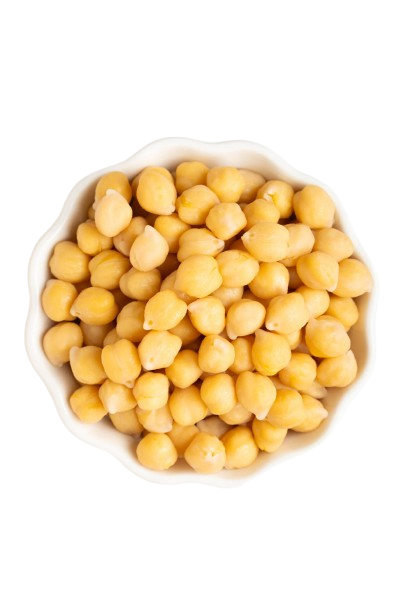
Chickpeas, also known as garbanzo beans, are a versatile and nutritious legume. A 100g serving of raw chickpeas contains 383 calories, while a 100g serving of canned chickpeas provides 137 calories. A half-cup serving of raw chickpeas provides 21.3g of protein, 6.27g of fat, and 60.4g of carbohydrates, making them a calorie-dense and energy-rich food. Chickpeas are packed with essential vitamins and minerals, including folate, iron, potassium, and magnesium.
There are two main types of chickpeas: Kabuli and Desi. Kabuli chickpeas are larger, rounder, and lighter in color, while Desi chickpeas are smaller, darker, and irregularly shaped. India is the world's leading producer of chickpeas, followed by Australia, Turkey, and Ethiopia. The largest consumers include India, China, the United States, and Europe. Chickpea prices have fluctuated over the years, with the season-average price in the US at $0.17 per pound in 2019. However, the overall chickpea market is experiencing strong growth, projected to reach $16.83 billion in 2025.
Chickpeas are a staple ingredient in many cuisines, featured prominently in dishes like hummus, falafel, and chana masala. Restaurants such as Cava, Zoe's Kitchen, Mamoun's Falafel, Rasika, and Junoon showcase the versatility of chickpeas in a variety of culinary creations. Chickpeas offer numerous health benefits. They are an excellent source of plant-based protein, rich in fiber, and may help manage blood sugar levels and support heart health.
For general health, the recommended daily intake is ½ to 1 cup of cooked chickpeas, which provides a good balance of protein, fiber, vitamins, and minerals. To burn off the 137 calories from a 100g serving of canned chickpeas, engaging in activities such as brisk walking for 35 minutes, jogging for 15 minutes, or cycling for 20 minutes is recommended.
Chickpeas nutrition
| Stats | Weight |
|---|---|
| Carbs | 60.4 grams |
| Protein | 21.3 grams |
| Fats | 6.27 grams |
| Sugars | 0 grams |
- 1/2 Cup of Chickpeas Calories (Nutritional Facts)
- 1/4 Cup of Chickpeas Calories (Nutritional Facts)
- Raw Chickpeas Calories
- Potassium in Chickpeas
- Sugar in Chickpeas
- Fiber in Chickpeas
- Protein in Chickpeas
- Carbs in Chickpeas
- Fat in Chickpeas
- Vitamins in Chickpeas
- Minerals in Chickpeas
1/2 Cup of Chickpeas Calories (Nutritional Facts)
A 1/2 cup (approximately 82g) of canned and drained chickpeas contains approximately 112 calories. A 1/2 cup (approximately 100g) of raw chickpeas contains 383 calories, 21.3g protein, 6.27g fat, and 60.4g carbohydrates.
A 1/4 cup (approximately 41g) of canned and drained chickpeas contains approximately 56 calories. A 1/4 cup (approximately 50g) of raw chickpeas contains approximately 192 calories, 10.7g protein, 3.14g fat, and 30.2g carbohydrates.
According to USDA data, 1 cup (200g) of raw chickpeas contains 756 calories, 41g protein, 12.1g fat, and 126g carbohydrates. A 100g serving of raw chickpeas contains 383 calories.
A 100g serving of dry chickpeas contains 1070 mg of potassium. A 100g serving of canned chickpeas contains 137 mg of potassium.
A 1 cup (200g) serving of raw chickpeas contains 21.4 grams of total sugars. The sugar content of canned chickpeas is not specified in the provided data.
A 1 cup (200g) serving of raw chickpeas contains 24.4 grams of dietary fiber. A 100g serving of canned chickpeas contains 5.92 grams of dietary fiber.
A 100g serving of raw chickpeas contains 21.3 grams of protein. A 1 cup (200g) serving of raw chickpeas contains 41 grams of protein. A 100g serving of canned chickpeas contains 7.02 grams of protein.
A 100g serving of raw chickpeas contains 60.4 grams of carbohydrates (by difference). A 1 cup (200g) serving of raw chickpeas contains 126 grams of carbohydrates. A 100g serving of canned chickpeas contains 20.3 grams of carbohydrates (by difference).
A 100g serving of raw chickpeas contains 6.27 grams of total fat. A 1 cup (200g) serving of raw chickpeas contains 12.1 grams of total fat. A 100g serving of canned chickpeas contains 3.1 grams of total fat.
One cup (200g) serving of raw chickpeas contains 8 mg of vitamin C, 0.954 mg of thiamin, 0.424 mg of riboflavin, 3.08 mg of niacin, 3.18 mg of pantothenic acid, 1.07 mg of vitamin B-6, 1110 µg of folate, 6 µg of vitamin A (RAE), 1.64 mg of vitamin E, and 18 µg of vitamin K.
A 100g serving of raw chickpeas contains 111 mg of calcium, 5.09 mg of iron, 135 mg of magnesium, 353 mg of phosphorus, 1070 mg of potassium, and 9 mg of sodium, 3.12 mg of zinc, 0.804 mg of copper, 3.58 mg of manganese. A 100g serving of canned chickpeas contains 40 mg of calcium, 1.04 mg of iron, 28.4 mg of magnesium, 86 mg of phosphorus, 137 mg of potassium, 202 mg of sodium, 0.72 mg of zinc, 0.267 mg of copper, 0.745 mg of manganese.
Get a Custom Report on Chickpeas Nutrition Data – Contact Us!
What are the Types of Chickpeas?
The two main varieties of chickpeas are the Kabuli and Desi types. Kabuli chickpeas are larger, rounder, and light-colored, with a smooth coat, and are commonly found in the United States, the Mediterranean area, and South America. Desi chickpeas are smaller, darker, and irregularly shaped, with a rough coat, and are often used in India and the Middle East. The calories of the different types of chickpeas are provided in the table below:
| Type | Description | Calories (per 100g, cooked) | Calorie Qualifications |
|---|---|---|---|
|
Kabuli
|
Larger, rounder, light-colored (beige/cream). Smooth coat. Common in the US, Mediterranean, and South America. | 164 | Moderate calorie content for a cooked legume. Calories primarily from complex carbohydrates and plant-based protein. Low in fat. High in fiber, contributing to satiety. The "standard" chickpea in many Western cuisines. |
|
Desi
|
Smaller, darker (ranging from speckled tan to brown), irregularly shaped. Rough coat. Common in India and the Middle East. | 164 | Identical calorie content to Kabuli chickpeas per 100g of cooked beans. Although Desi chickpeas are smaller, the nutrient density (calories per gram) is the same after cooking and rehydration. Similar macronutrient profile (carbohydrates, protein, fiber) to Kabuli. |
|
Black (Desi)
|
A subtype, or at minimum a color variation of Desi chickpeas. Dark brown to black. Smaller and rougher than Kabuli. | 160-170 (estimate) | Slightly lower or same, depending on the moisture content. Black chickpeas are generally a variety of Desi chickpeas and thus have similar nutritional properties. Any minor variations in color/pigments don't meaningfully change the calorie count. |
|
Green (Desi/Kabuli)
|
Immature chickpeas, or sometimes are desi chickpeas, can be consumed fresh or dried. | Fresh: 130, Dried: 360-370 | Fresh ones will be slightly lower in calories, while dried are considerably higher. Fresh green chickpeas have a higher moisture content. Dried green chickpeas are similar to other dried legumes in calorie density. |
|
Red
|
Relatively rare. Likely similar in nutritional profile to Desi or Kabuli, depending on the specific variety. | 160-170 (estimate) | The color difference is due to different pigments (anthocyanins), which don't significantly affect the calorie content. The underlying macronutrient profile (carbs, protein, fat) would be very similar to other chickpea types. |
What are the Main Dishes with Chickpeas?
The main dishes with chickpeas are listed below:
| Dish Name | Calories (per serving, estimate) | Type of Chickpea | Carbs (g) | Sugar (g) | Protein (g) | Fat (g) | Cuisine | Restaurants |
|---|---|---|---|---|---|---|---|---|
|
Hummus (as a main)
|
200-400 (portion varies) | Kabuli (usually) | 20-40 | 2-5 | 8-15 | 10-25 | Middle Eastern | Cava, Zoës Kitchen, many Mediterranean/Middle Eastern restaurants |
|
Falafel (as a main)
|
300-600 (3-5 pieces, w/ pita/sides) | Desi (traditionally) | 40-70 | 3-8 | 15-25 | 15-30 | Middle Eastern | Mamoun's Falafel, The Halal Guys, many Middle Eastern restaurants |
|
Chana Masala
|
250-450 | Desi (traditionally) | 40-60 | 5-10 | 10-20 | 8-18 | Indian | Rasika, Junoon, many Indian restaurants |
|
Chickpea Salad Sandwich
|
350-550 | Kabuli (usually) | 40-60 | 5-10 | 10-20 | 15-30 | American | Various delis, cafes, and sandwich shops |
|
Chickpea Soup
|
150-300 | Kabuli or Desi | 25-40 | 3-7 | 8-15 | 3-10 | Various | Zoup!, Panera Bread (seasonal), many restaurants/cafes |
|
Roasted Chickpeas (as a main/side)
|
200-350 | Kabuli or Desi | 30-50 | 2-6 | 10-18 | 5-15 | Various | health-focused restaurants, cafes |
What are the Desserts with Chickpeas?
There aren't many traditional desserts that feature chickpeas as a primary ingredient. The table below provides a list of desserts that have chickpeas:
| Dish Name | Calories (per serving, estimate) | Type of Chickpea | Carbs (g) | Sugar (g) | Protein (g) | Fat (g) | Cuisine | Restaurants |
|---|---|---|---|---|---|---|---|---|
|
Halva (some types)
|
150-300 (small piece) | Kabuli (chickpea flour) | 20-35 | 15-25 | 5-10 | 8-15 | Middle Eastern/Indian | Specialty Middle Eastern/Indian stores, some restaurants |
|
Besan Burfi
|
100-200 (per piece) | Desi (chickpea flour/Besan) | 15-25 | 10-20 | 3-6 | 6-12 | Indian | Indian Sweet Shops, some Indian Restaurants |
|
Aquafaba based Desserts
|
50-100 | Any | 1-2 | 0 | 0 | 0 | American | Vegan restaurants, cafes |
What Cuisines Prefer Chickpeas the Most?
The cuisines that often use chickpeas in their recipes are listed below:
| Cuisine | Dish Name(s) | Calories (per serving) | Restaurants |
|---|---|---|---|
|
Middle Eastern
|
Hummus, Falafel | (See Main Dishes table) | Cava, Zoës Kitchen, Mamoun's Falafel, The Halal Guys, many Mediterranean/Middle Eastern restaurants |
|
Indian
|
Chana Masala | 250-450 | Rasika, Junoon, many Indian restaurants |
|
Mediterranean
|
Chickpea Soup | 150-300 | Many Mediterranean restaurants and cafes |
|
American
|
Chickpea Salad Sandwich, Roasted Chickpeas | (See Main Dishes table) | Various delis, cafes, health-focused restaurants |
|
Middle Eastern/Indian
|
Halva | 150-300 | Specialty Middle Eastern/Indian stores, some restaurants |
|
Indian
|
Besan Burfi | 100-200 | Indian Sweet Shops, some Indian Restaurants |
|
American
|
Aquafaba based desserts | 50-100 | Vegan restaurants, cafes |
Which Countries Produce the Most Chickpeas?
The global chickpea market is dominated by India, Australia, Turkey, Ethiopia, Pakistan, Russia, and Myanmar. India is the undisputed biggest producer of chickpeas, accounting for 65 to 90 percent of the world's chickpea supply. Here's a summary of chickpea production by country (in thousands of metric tons):
| Country | 2019 | 2020 | 2021 | 2022 |
|---|---|---|---|---|
| India | 9,900 | 11,100 | 11,900 | 13,500 |
| Australia | 205.1 | 281.2 | 876.5 | 1,100 |
| Turkey | 630 | 630 | 475 | 580 |
| Ethiopia | 435.2 | 457.3 | 478.2 | 492.7 |
| Russia | 506.2 | 291.1 | 316.8 | 467.9 |
| Myanmar | 499.4 | 482 | 467.3 | 447.5 |
| Pakistan | 446.6 | 497.6 | 233.9 | 316.2 |
Which Countries Consume the Most Chickpeas?
The biggest consumers of chickpeas in the world are India, Pakistan and Turkey. The table below provides a list of the top consumers of chickpeas from 2003 to 2022 and the consumption volumes in thousand tonnes.
| Country | 2003 | 2004 | 2005 | 2006 | 2007 | 2008 | 2009 | 2010 | 2011 | 2012 | 2013 | 2014 | 2015 | 2016 | 2017 | 2018 | 2019 | 2020 | 2021 | 2022 |
|---|---|---|---|---|---|---|---|---|---|---|---|---|---|---|---|---|---|---|---|---|
| India | 3,853 | 3,716 | 3,989 | 4,759 | 5,617 | 4,872 | 4,273 | 5,130 | 5,733 | 6,222 | 5,846 | 7,749 | 7,864 | 8,790 | 9,969 | 9,794 | 9,080 | 10,986 | 11,969 | 11,915 |
| Pakistan | 321 | 366 | 584 | 786 | 796 | 554 | 459 | 462 | 453 | 397 | 305 | 394 | 433 | 482 | 607 | 361 | 496 | 379 | 307 | 480 |
| Turkey | 277 | 255 | 244 | 255 | 258 | 236 | 240 | 227 | 221 | 223 | 226 | 263 | 230 | 321 | 346 | 455 | 433 | 450 | 470 | 630 |
| Australia | 49 | 33 | 45 | 78 | 60 | 125 | 69 | 64 | 89 | 148 | 88 | 121 | 140 | 524 | 1,063 | 654 | 236 | 98 | 496 | 529 |
| Iran | 154 | 168 | 171 | 174 | 176 | 164 | 171 | 169 | 171 | 175 | 176 | 181 | 184 | 189 | 190 | 192 | 192 | 194 | 195 | 195 |
| Russia | 13 | 8 | 7 | 9 | 9 | 14 | 22 | 48 | 77 | 103 | 98 | 123 | 151 | 187 | 219 | 315 | 439 | 625 | 794 | 819 |
| Myanmar | 54 | 54 | 52 | 53 | 53 | 56 | 58 | 56 | 59 | 64 | 63 | 82 | 97 | 103 | 111 | 149 | 225 | 235 | 204 | 199 |
| Ethiopia | 94 | 98 | 111 | 129 | 141 | 142 | 150 | 153 | 171 | 191 | 200 | 201 | 206 | 204 | 199 | 206 | 210 | 214 | 212 | 198 |
| United States | 79 | 86 | 80 | 79 | 93 | 98 | 96 | 95 | 108 | 108 | 101 | 104 | 116 | 124 | 134 | 144 | 146 | 151 | 167 | 169 |
| Canada | 23 | 19 | 23 | 23 | 23 | 15 | 15 | 27 | 46 | 74 | 79 | 87 | 88 | 101 | 118 | 103 | 85 | 86 | 112 | 109 |
| Mexico | 91 | 87 | 89 | 85 | 97 | 105 | 106 | 108 | 119 | 138 | 153 | 126 | 124 | 131 | 148 | 158 | 168 | 157 | 143 | 140 |
How Do Prices of Chickpeas-including Dishes Change?
The fluctuating price of chickpeas has influenced restaurant menu pricing and consumer choices as shown below:
| Restaurant | Dish | Old Price | Current Price (2024) |
|---|---|---|---|
| Mamoun's Falafel | Falafel Sandwich | $3-4 (2005-2010) | $6-8 |
| The Halal Guys | Falafel Platter | $6-8 (2010-2012) | $10-14 |
| Cava | Hummus Bowl/Pita | $7-9 (2015-2017) | $10-14 |
| Zoës Kitchen | Hummus and Salad Plate | $8-10 (2010-2012) | $12-16 |
How Does the Price of Chickpeas Change for the Last 20 Years?
The chickpeas industry has adopted a three-tiered pricing schedule based on seed size, reflecting the varying demand and value associated with different chickpea varieties. According to the USDA ERS, the season-average price for chickpeas in the United States was $0.17 per pound in 2019, marking a notable decrease from the $0.26 per pound recorded in 2017. As of December 2023, chickpea prices in key markets were $0.43 USD/lb in the United States and $0.78 USD/lb in India. Despite these fluctuations, the overall chickpeas market has demonstrated strong growth in recent years, reflecting the increasing global demand for this nutritious legume. Projections indicate that the market size will continue to expand, growing from $15.79 billion in 2024 to $16.83 billion in 2025.
| Year | Price |
|---|---|
| 2017 | $0.26 |
| 2018 | $0.22 |
| 2019 | $0.17 |
| 2020 | $0.2 |
| 2021 | $0.25 |
| 2022 | $0.35 |
| 2023 | $0.43 |
What is the Chickpeas Calorie for 100 GR?
A 100g serving of canned chickpeas contains 137 calories. A 100g serving of raw chickpeas contains 383 calories.
What is the Chickpeas Calorie for 1 KG?
One kilogram of raw chickpeas contains 3,830 calories. One kilogram of canned chickpeas contains 1,370 calories.
What is the Calorie of 1 Cup of Chickpeas?
One cup (200g) of raw chickpeas contains 756 calories.
What are the Health Benefits of Chickpeas?
Chickpeas are filled with essential nutrients that support overall health, as listed below:
- Excellent Source of Plant-Based Protein: Chickpeas are a great source of protein, essential for building and repairing tissues, supporting muscle mass, and maintaining overall body function. One half-cup serving of chickpeas has 6 grams of protein, contributing significantly to the Daily Value of 50 grams per day.
- High in Fiber: Chickpeas are rich in dietary fiber, which promotes digestive health, helps regulate blood sugar levels, and can contribute to feelings of fullness and satiety.
- Rich in Vitamins and Minerals: Chickpeas provide various vitamins and minerals, including folate, iron, phosphorus, and potassium. These nutrients support various bodily functions, from cell growth to energy production.
- May Help Manage Blood Sugar: The fiber and protein content of chickpeas can help stabilize blood sugar levels, making them a beneficial food for individuals with diabetes or insulin resistance.
- May Support Heart Health: Studies have linked chickpea consumption to improved heart health markers, such as lower cholesterol levels and reduced blood pressure.
What are the Downsides of Chickpeas?
Chickpeas are a nutritious food that can be a great addition to a balanced diet, but eating chickpeas has a few potential downsides as listed below:
- May Cause Digestive Issues: Due to their high fiber content, chickpeas can cause gas, bloating, and digestive discomfort in some individuals, especially if consumed in large quantities or if the digestive system is not accustomed to high-fiber foods.
- Phytic Acid Content: Chickpeas contain phytic acid, which can inhibit the absorption of certain minerals like iron and zinc. Soaking or sprouting chickpeas before consumption can help reduce phytic acid levels.
- Potential Allergens: Although rare, some individuals may be allergic to chickpeas. Allergic reactions can range from mild symptoms like hives to more severe reactions.
- Sodium Content in Canned Chickpeas: Canned chickpeas may contain added sodium, which can be a concern for individuals with high blood pressure or those following a low-sodium diet. Rinsing canned chickpeas before consumption can help reduce sodium content.
Are Chickpeas Good for You?
Yes, chickpeas are considered a nutritious and healthy food because they are high in protein, fiber, vitamins, and minerals. Eating chickpeas can be a part of a balanced diet that supports overall health, particularly for digestive health, blood sugar control, and heart health.
Are Chickpeas a Good Source of Protein?
Yes, chickpeas are a good source of protein. One half-cup serving of chickpeas has 6 grams of protein, contributing significantly to the Daily Value of 50 grams per day. This makes chickpeas a valuable plant-based protein source for vegetarians, vegans, and anyone looking to increase their protein intake.
How Much Chickpeas Should I Eat a Day?
For general health, a recommended daily intake of chickpeas is ½ to 1 cup (100-200g) of cooked chickpeas. This amount can provide a good balance of protein, fiber, vitamins, and minerals. For weight loss, it is recommended to stick to ½ cup (100g) to manage calorie intake while still reaping the benefits of the fiber content of chickpeas.
How Much Chickpeas Can I Eat a Day at Most?
While there is no strict upper limit for chickpea consumption, it is generally recommended to consume them in moderation as part of a balanced diet. A cup of cooked chickpeas provides 477 mg of potassium. People who use canned chickpeas should check how much added sodium they contain and rinse them to reduce sodium levels.
How Does Calorie Change According to Chickpeas Types?
Calorie content can vary slightly between Kabuli and Desi chickpeas. However, the differences are more pronounced in other nutrients. A study showed that Kabuli chickpeas tend to have higher carbohydrate and crude fat content, while Desi chickpeas have more fiber (L Singh et al.).
Do Chickpea Macros Vary By Type?
Yes, chickpea macros vary by type. While both Kabuli and Desi chickpeas are nutritious, they differ in their macronutrient profiles (L Singh et al.). Kabuli chickpeas tend to be slightly lower in calories and carbohydrates but may have a higher crude fat content. Desi chickpeas have more fiber. For example, Kabuli Chana has 12 grams of fiber per 100 grams, while Black Chana has 18 grams. Protein content can also vary, with white chickpeas having around 8 grams of protein and black chickpeas having about 10 grams per serving.
What is the Origin of Chickpeas?
The chickpea (Cicer arietinum L.) history begins in the Fertile Crescent, where it was domesticated around 10,000 years ago alongside other dietary staples like wheat, barley, peas, and lentils. Its closest wild relative, Cicer reticulatum, still thrives in southeastern Turkey and parts of Syria to this day. Archaeological evidence from sites like Tell El-Kerkh and Tell Abu Hureyra in Syria reveals that communities were utilizing chickpeas as early as the 8th millennium BCE. Discoveries at Çayönü and Hacilar in Turkey further confirm the early cultivation of this versatile legume.
By 3300 BCE, domesticated chickpeas were well-established in Egypt and the Middle East, gradually spreading westward to Greece and eastward to regions like Tell Bazmusian. The chickpea's journey continued into the Indian subcontinent between 1750 and 1500 BCE, and by the Iron Age, it had reached as far south as Ethiopia. In the 16th century, Spanish and Portuguese explorers introduced chickpeas to the New World.
Explore More Vegetables
Discover more Vegetables with detailed nutrition facts, calorie counts, vitamins, minerals, and health benefits. Compare similar foods, serving sizes, macronutrients, and key nutrients to find the best option for your diet and nutrition goals.
 Artichoke calories
 Arugula calories
 Asparagus calories
 Beetroot calories
 Bell Pepper calories
 Broccoli calories
 Brussels Sprouts calories
 Cabbage calories
 Caesar Salad calories
 Carrot calories
 Cassava Root calories
 Cauliflower calories