Calories and Nutritions in Eggplant
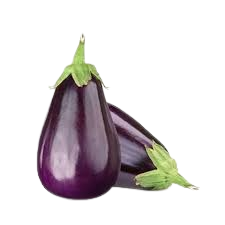
Eggplant, also known as aubergine, is a versatile and widely consumed vegetable that is low in calories and rich in nutrients. A 100g serving of raw eggplant contains approximately 22 calories, while one medium eggplant (approximately 548 grams) contains about 137 calories, 1g of fat, 32g of carbohydrates, 16g of fiber, 5.4g of protein, and 1,255 mg of potassium. Eggplant is a good source of dietary fiber and provides essential minerals like potassium, manganese, and magnesium.
Eggplant comes in a variety of shapes, sizes, and colors, with the globe eggplant being the most familiar type. The top eggplant-producing countries are in Asia, with China and India leading the global market. In 2023, the top importers of fresh or chilled eggplants were the United States, Germany, France, and the United Kingdom. While the export price per kilogram of aubergines from the US has been relatively stable over the last five years, retail prices range from $0.98 to $1.96 per kg.
Eggplant is featured in various dishes across different cuisines, including Eggplant Parmesan, Baba Ghanoush, and Moussaka. Restaurants such as Maggiano's Little Italy, Zaytinya, and Estiatorio Milos offer diverse preparations featuring eggplant. The health benefits of eggplant, including its antioxidant properties and potential to lower cholesterol, make it a recommended addition to a balanced diet. A reasonable serving is one medium eggplant, which provides a good source of fiber and nutrients without excessive calories. To burn off the approximately 137 calories from one medium eggplant, a brisk 25-minute walk or a 15-minute bike ride is recommended.
Eggplant nutrition
| Stats | Weight |
|---|---|
| Carbs | 5.88 grams |
| Protein | 0.98 grams |
| Fats | 0.18 grams |
| Sugars | 3.53 grams |
- Large Eggplant Calories (Nutritional Facts)
- Medium Eggplant Calories (Nutritional Facts)
- Small Eggplant Calories (Nutritional Facts)
- Raw Eggplant Calories
- Calories in Eggplant with Skin
- Potassium in Eggplant
- Sugar in Eggplant
- Fiber in Eggplant
- Protein in Eggplant
- Carbs in Eggplant
- Fat in Eggplant
- Vitamins in Eggplant
- Minerals in Eggplant
Large Eggplant Calories (Nutritional Facts)
One large eggplant (approximately 660 grams) contains about 165 calories, 1.2g of fat (2% DV), 0.2g of saturated fat (1% DV), 39g of carbohydrates (14% DV), 20g of fiber (71% DV), 23g of sugar, 6.4g of protein, and 1511.4mg of potassium (32% DV).
One medium eggplant (approximately 548 grams) contains about 137 calories, 1g of fat (1% DV), 0.2g of saturated fat (1% DV), 32g of carbohydrates (12% DV), 16g of fiber (57% DV), 19g of sugar, 5.4g of protein, and 1254.9mg of potassium (27% DV).
One small eggplant (approximately 418 grams) contains about 105 calories, 0.8g of fat (1% DV), 0.2g of saturated fat (1% DV), 25g of carbohydrates (9% DV), 13g of fiber (46% DV), 15g of sugar, 4.1g of protein, and 957.2mg of potassium (20% DV).
The calorie content of raw eggplant is 22 calories per 100g.
Unpeeled eggplant (with skin, 548g) contains 137 calories, 1g fat, 32g carbs, 16g fiber, 5.4g protein, and 1,255mg potassium.
Based on the USDA data, a 100g serving of eggplant contains approximately 222mg of potassium, fulfilling 5% of the daily recommended intake.
Eggplant contains a significant amount of sugar. A 100g serving contains about 2.35 grams of sugar.
Eggplant is a good source of dietary fiber. A large raw eggplant contains 20g of fiber.
Eggplant contains 4g to 6g of protein depending on its size.
Eggplant contains carbohydrates and a large eggplant contains about 39g carbs.
Eggplant is very low in fat. A 100g serving contains approximately 0.1 gram of fat.
A 100g serving of eggplant contains small amounts of several vitamins. Vitamin C is present in trace amounts. B vitamins include thiamin, riboflavin, niacin, pantothenic acid, vitamin B6, and folate. Vitamin A is found in minimal amounts, primarily as beta-carotene. Vitamin K and vitamin E are also present in small quantities.
A 100g serving of eggplant provides several essential minerals including potassium (222 mg), phosphorus (23 mg), magnesium (13.5 mg), calcium (11 mg), zinc (0.12 mg), copper (0.061 mg), manganese (0.106 mg), and trace amounts of iron.
Get a Custom Report on Eggplant Nutrition Data – Contact Us!
What are the Types of Eggplant?
Eggplant comes in a variety of shapes, sizes, and colors, with the most common types including Globe Eggplant, Italian Eggplant, Japanese Eggplant, Chinese Eggplant, White Eggplant, and Thai Eggplant.
| Type | Description | Calories (per 100g, raw) | Calorie Qualifications |
|---|---|---|---|
|
Globe Eggplant
|
Large, oval shape. Dark purple skin. The most common type in many Western markets. | 25 | Low calorie content. Calories primarily from carbohydrates, with very little fat or protein. High water content (around 92%) contributes to low calorie density. The skin contains slightly more fiber than the flesh. |
|
Italian Eggplant
|
Similar to Globe, but smaller and slightly more elongated. Tender flesh, mild flavor. | 25 | Essentially identical in calorie content to Globe eggplant. Any minor variations would be due to slight differences in water content or growing conditions, but these are negligible from a nutritional standpoint. |
|
Japanese Eggplant
|
Long, slender. Thin, delicate skin. Sweet flavor. | 25 | Same calorie content as Globe and Italian. The shape and skin thickness don't significantly alter the overall nutrient density. The "sweet" flavor doesn't imply a significantly higher sugar content; it's more about a lower concentration of bitter compounds. |
|
Chinese Eggplant
|
Similar to Japanese, but often even longer and thinner. Light purple color. | 25 | Identical calorie content. The color difference (due to different anthocyanin pigments) doesn't affect the calorie count. The underlying macronutrient profile (carbohydrates, protein, fat) is the same. |
|
White Eggplant
|
Creamy white skin. Mild, slightly sweet flavor. | 25 | Same calorie content. The lack of purple pigment (anthocyanins) doesn't change the calorie density. The nutritional profile is essentially identical to other eggplant types. |
|
Thai Eggplant
|
Small, round. Various colors (green, white, purple). Often used in Thai curries. | 25 | Same calorie content. The size and color variations don't meaningfully alter the overall nutrient density. Some Thai eggplant varieties might have a slightly more bitter or intense flavor, but this doesn't translate to a significant difference in calories. |
|
Graffiti Eggplant
|
Also known as Sicilian eggplant, it is known for the purple and white stripes. | 25 | Same calorie content. The difference is the color, which does not alter calorie count. |
|
Indian Eggplant
|
Also known as baby eggplants, they are small and dark purple. | 25 | Same calorie content. The difference is the size, which does not alter calorie count. |
What are the Main Dishes with Eggplant?
The main dishes that feature eggplant are listed below:
| Dish Name | Calories (per serving, estimate) | Type of Eggplant | Carbs (g) | Sugar (g) | Protein (g) | Fat (g) | Cuisine | Restaurants |
|---|---|---|---|---|---|---|---|---|
|
Eggplant Parmesan
|
400-600 | Globe/Italian (usually) | 30-40 | 5-10 | 15-25 | 25-40 | Italian-American | Maggiano's Little Italy, The Olive Garden, many Italian restaurants |
|
Baba Ghanoush
|
70-90 (per 2 tbsp) | Globe/Italian | 5-7 | 1-3 | 1-2 | 5-8 | Middle Eastern | Zaytinya, Mamoun's Falafel, many Middle Eastern restaurants |
|
Moussaka
|
450-650 | Globe/Italian | 30-40 | 5-10 | 20-30 | 30-45 | Greek | Estiatorio Milos, The Great Greek, many Greek restaurants |
|
Ratatouille
|
150-250 | Globe/Italian | 15-25 | 5-10 | 3-6 | 8-15 | French (Provençal) | Le Bernardin, many French bistros |
|
Baingan Bharta
|
150-250 | Globe/Italian/Indian | 10-20 | 3-7 | 5-8 | 10-18 | Indian | Rasika, many Indian restaurants |
|
Caponata
|
180-280 | Globe/Italian | 15-20 | 4-8 | 3-5 | 8-12 | Italian | Trattoria Il Mulino, Scarpetta |
|
Pasta alla Norma
|
450-600 | Globe/Italian | 40-60 | 5-8 | 15-20 | 15-25 | Italian | Carbone, Rao's |
|
Melitzanosalata
|
80-120 | Globe/Italian | 5-8 | 1-3 | 2-4 | 6-10 | Greek | Avra Madison Estiatorio, Kellari Taverna |
|
Imam Baildi
|
280-380 | Globe/Italian | 20-30 | 6-10 | 8-12 | 15-25 | Greek | Molyvos, Zaytinya |
|
Mutabal
|
80-120 | Globe/Italian | 5-8 | 1-3 | 2-4 | 6-10 | Middle Eastern | Almayass, Ilili |
|
Makloubeh
|
480-680 | Globe/Italian | 50-70 | 6-10 | 20-30 | 20-30 | Middle Eastern | Reem's California, Zena's Lebanese Cuisine |
|
Tian Provençal
|
180-280 | Globe/Italian | 15-25 | 4-8 | 5-8 | 8-15 | French | Per Se, Daniel |
|
Eggplant Gratin
|
380-580 | Globe/Italian | 25-35 | 4-7 | 10-15 | 25-35 | French | Le Coucou, Bouchon Bakery |
|
Vangi Bath
|
280-380 | Globe/Italian/Indian | 30-40 | 4-6 | 8-12 | 10-18 | Indian | Saravanaa Bhavan, Udupi Palace |
|
Baingan Aloo
|
180-280 | Globe/Italian/Indian | 20-30 | 3-6 | 5-8 | 8-12 | Indian | Tamarind Tribeca, Indian Accent |
What are the Desserts with Eggplant?
There are very few desserts that use eggplant, as shown below:
| Dish Name | Calories (per serving, estimate) | Type of Eggplant | Carbs (g) | Sugar (g) | Protein (g) | Fat (g) | Cuisine |
|---|---|---|---|---|---|---|---|
|
Eggplant Jam/Preserve (Reçel)
|
40-60 (per tbsp) | Small, young | 10-15 | 8-12 | 0-1 | 0-1 | Turkish/Balkan |
|
Candied Eggplant
|
50-80 (per small piece) | Various | 12-18 | 10-15 | 0-1 | 0-1 | Italian (Sicily) |
What Cuisines Prefer Eggplant Most?
The cuisines that often use eggplant in their recipes are listed below:
| Cuisine | Dish Name(s) | Calories (per serving, estimate) | Restaurants |
|---|---|---|---|
|
Italian
|
Eggplant Parmesan, Caponata, Pasta alla Norma | Eggplant Parmesan: 400-600, Caponata: 180-280, Pasta alla Norma: 450-600 | Maggiano's, Olive Garden, Trattoria Il Mulino, Scarpetta, Carbone, Rao's, many Italian restaurants |
|
Greek
|
Moussaka, Melitzanosalata, Imam Baildi | Moussaka: 450-650, Melitzanosalata: 80-120, Imam Baildi: 280-380 | Estiatorio Milos, The Great Greek, Avra Madison Estiatorio, Kellari Taverna, Molyvos, Zaytinya, many Greek restaurants |
|
Middle Eastern
|
Baba Ghanoush, Mutabal, Makloubeh | Baba Ghanoush: 70-90 (per 2 tbsp), Mutabal: 80-120, Makloubeh: 480-680 | Zaytinya, Mamoun's Falafel, Almayass, Ilili, Reem's California, Zena's Lebanese Cuisine, many Middle Eastern restaurants |
|
French (Provençal)
|
Ratatouille, Tian Provençal, Eggplant Gratin | Ratatouille: 150-250, Tian Provençal: 180-280, Eggplant Gratin: 380-580 | Le Bernardin, Balthazar, Per Se, Daniel, Le Coucou, Bouchon Bakery, many French bistros |
|
Indian
|
Baingan Bharta, Vangi Bath, Baingan Aloo | Baingan Bharta: 150-250, Vangi Bath: |
Which Countries Produce the Most Eggplant?
The top eggplant-producing countries are concentrated in Asia, with China and India leading the global market. China's eggplant production reached 38.3 million metric tons in 2022, highlighting its dominance in the industry. India followed with 12.8 million metric tons. Other significant producers include Egypt, with 1.4 million metric tons, Turkey, with 781,000 metric tons, and Indonesia, with 692,000 metric tons. These figures demonstrate the significant role of Asian countries in supplying eggplants worldwide. Here's a table listing the top 5 eggplant-producing countries from 2019 to 2022 (in metric tons):
| Country | 2022 | 2021 | 2020 | 2019 |
|---|---|---|---|---|
| China | 38,300,000 | 37,400,000 | 36,600,000 | 35,600,000 |
| India | 12,800,000 | 12,900,000 | 12,700,000 | 12,700,000 |
| Egypt | 1,400,000 | 1,400,000 | 1,300,000 | 1,300,000 |
| Turkey | 781,000 | 833,000 | 835,000 | 823,000 |
| Indonesia | 692,000 | 676,000 | 618,000 | 575,000 |
How Do Prices of Eggplant-Including Dishes Change?
While the price of eggplant itself has remained relatively stable, the prices of eggplant-including dishes in restaurants have still been affected by broader economic factors such as inflation, rising labor costs, and increased costs of other ingredients. Restaurants have had to adapt to these changes, leading to adjustments in menu pricing as shown below:
| Restaurant | Dish | Old Price | Current Price |
|---|---|---|---|
| Maggiano's Little Italy | Eggplant Parmesan | $14-16 (2010-2012) | $18-22 |
| The Olive Garden | Eggplant Parmesan | $12-14 (2010-2012) | $17-21 |
| Zaytinya | Baba Ghanoush (small plate) | $7-9 (2015-2017) | $11-14 |
| Local Greek Restaurants | Moussaka | $12-15 (2008-2012) | $18-24 |
| Local Indian Restaurants | Baingan Bharta | $9-12 (2008-2012) | $13-18 |
| Local French Bistros | Ratatouille (side/app) | $6-8 (2010-2015) | $9-13 |
| Mamoun's Falafel | Baba Ghanoush (side) | $3-5 (2010-2015) | $5-7 |
How Does the Price of Eggplant Change for the Last 20 Years?
The export price per kilogram of aubergines (eggplants) from the US has been relatively stable over the last five years. In 2017, the price was $1.24, followed by $1.19 in 2018 and $1.30 in 2019. In 2020, the price increased to $1.41, and then decreased slightly to $1.39 in 2021. In 2022, the price increased again to $1.53. The export price per kilogram of aubergines (eggplants) from the US in 2023 was $1.54, and $1.55 in 2024.
| Year | Price |
|---|---|
| 2017 | $1.24 |
| 2018 | $1.19 |
| 2019 | $1.3 |
| 2020 | $1.41 |
| 2021 | $1.39 |
| 2022 | $1.53 |
| 2023 | $1.54 |
| 2024 | $1.55 |
What is the Eggplant Calorie for 100 GR?
The approximate calorie content in 100g of eggplant is 22 calories, based on data from the USDA.
What is the Eggplant Calorie for 1 KG?
There are 220 calories in 1 kg of eggplant.
What is the Calorie of 1 Eggplant?
The calories of 1 eggplant vary by size, ranging from 105 calories (small) to 165 calories (large).
What are the Health Benefits of Eggplant?
Eggplant offers several health benefits due to its unique nutritional profile:
- Rich in Antioxidants: Eggplant is a good source of antioxidants, particularly nasunin, an anthocyanin found in the skin of eggplant. Nasunin has been shown to protect brain cells from damage caused by free radicals. A study by Alegria et al. (2012) found that nasunin extracted from eggplant had potent antioxidant and neuroprotective effects in vitro.
- May Help Lower Cholesterol: Eggplant contains fiber, which can help lower cholesterol levels by binding to cholesterol in the digestive tract and preventing its absorption. A study by Oboh et al. (2014) found that eggplant extract reduced cholesterol levels in rats.
- Supports Heart Health: Eggplant is a good source of potassium, which helps regulate blood pressure. It also contains antioxidants that may protect against heart disease. A review by Whelton (2014) highlights the importance of potassium for maintaining healthy blood pressure levels.
- May Help with Blood Sugar Control: Eggplant is low in carbohydrates and high in fiber, making it a good choice for people with diabetes. The fiber in eggplant can help slow the absorption of sugar into the bloodstream, preventing spikes in blood sugar levels. A study by Kwon et al. (2008) found that eggplant extract improved glucose control in diabetic rats.
- May Aid in Weight Management: Eggplant is low in calories and high in fiber, which can help promote satiety and reduce overall calorie intake. A study by Tucker (2001) found that dietary fiber intake was associated with lower body weight and a reduced risk of obesity.
What are the Downsides of Eggplant?
While eggplant is generally considered a healthy food, there are a few potential downsides to consider:
- Solanine: Eggplant contains solanine, a compound that can be toxic in large amounts. However, the levels of solanine in eggplant are generally low enough to be safe for most people. Some individuals with sensitivities to nightshade vegetables may experience inflammation or digestive issues after consuming eggplant.
- Oxalates: Eggplant contains oxalates, which can contribute to kidney stone formation in susceptible individuals. People with a history of kidney stones may want to limit their intake of eggplant.
- Allergies: Eggplant allergies are relatively rare but can occur in some individuals. Symptoms of an eggplant allergy may include itching, swelling, and difficulty breathing.
Are Eggplants Good for You?
Yes, eggplants can be a nutritious and beneficial part of a balanced diet for most people. They are low in calories, high in fiber and antioxidants, and provide several essential nutrients. Consuming eggplants can contribute to heart health, blood sugar control, and weight management.
How Many Eggplants Should I Eat a Day?
There is no specific recommendation for how many eggplants you should eat a day. A reasonable serving is one medium eggplant, which provides a good source of fiber and nutrients without excessive calories.
How Many Eggplants Can I Eat a Day at Most?
Most adults can safely consume 1-2 eggplants per day as part of a balanced diet. However, individuals with sensitivities to nightshade vegetables or a history of kidney stones may want to limit their intake.
Can You Eat Eggplant Raw?
While eggplant is technically edible raw, it is generally not recommended due to its potentially bitter taste and the presence of solanine, a compound that can cause digestive upset in some individuals. Cooking eggplant significantly reduces its bitterness and breaks down the solanine, making it more palatable and easier to digest. According to the USDA Food and Nutrition Information Center, cooking vegetables generally improves their digestibility and nutrient availability (USDA, n.d.).
How Does Calorie Change According to Eggplant Types?
Calorie content varies slightly among eggplant types, primarily due to differences in water content and density. However, the overall calorie differences are not substantial. A 100-gram serving of most eggplant varieties contains approximately 20-35 calories. The USDA FoodData Central provides detailed nutritional information for various eggplant types, showing relatively small differences in calorie content.
Is Eggplant a Fruit or Vegetable?
Botanically speaking, eggplant is a fruit. Fruits are defined as the mature ovaries of flowering plants and contain seeds. Eggplants develop from the flower of the eggplant plant and contain small seeds, thus meeting the botanical definition of a fruit. However, in culinary terms, eggplant is typically used as a vegetable due to its savory flavor and its use in savory dishes. The University of California, Davis, explains this distinction, noting that many botanical fruits are used as vegetables in cooking (UC Davis, n.d.).
What is the Origin of Eggplant?
Eggplant is believed to have originated in India, where it has been cultivated for over 4,000 years. From India, it spread to other parts of Asia, the Middle East, and eventually Europe. It was introduced to the Americas by European colonizers.
Which Countries Consume the Most Eggplants?
The countries that import the most eggplant are the United States, Germany, France, and the United Kingdom. In 2023, the top importers of fresh or chilled eggplants were the United States (110 million), Germany(110 million), France (71.7 million), the United Kingdom(71.7 million), and Italy ($43.9 million). In terms of volume, China leads in eggplant consumption with 34 million tonnes, which accounts for 67% of total volume. India follows with 13 million tonnes.
Explore More Vegetables
Discover more Vegetables with detailed nutrition facts, calorie counts, vitamins, minerals, and health benefits. Compare similar foods, serving sizes, macronutrients, and key nutrients to find the best option for your diet and nutrition goals.
 Artichoke calories
 Arugula calories
 Asparagus calories
 Beetroot calories
 Bell Pepper calories
 Broccoli calories
 Brussels Sprouts calories
 Cabbage calories
 Caesar Salad calories
 Carrot calories
 Cassava Root calories
 Cauliflower calories