Calories and Nutritions in Flatbread
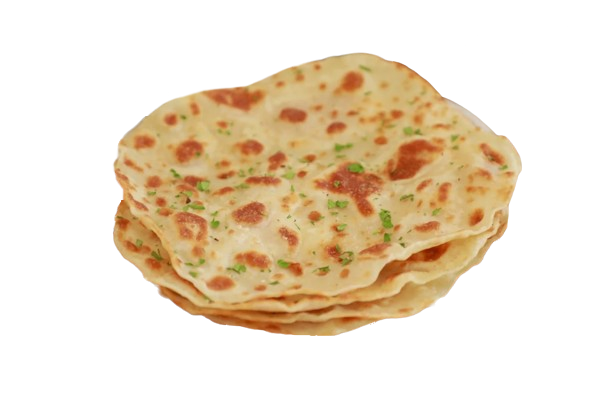
The amount of flatbread calories varies by type. A 100 gram serving (3.5 oz) of plain white flatbread contains 289 calories (14% DV), while a 100 gram serving of whole wheat flatbread has 265 calories (13% DV). There are 214 calories in one plain flatbread. The flatbread nutrition facts for a 100g serving of plain white flatbread show 52.7g of carbohydrates (19% DV), 9.1g of protein (18% DV), and 4.6g of fat (6% DV). The serving contains 2.3g of fiber (8% DV) and 584mg of sodium (25% DV). Whole wheat flatbread provides more fiber at 7g per 100g (25% DV). High fiber intake from whole grains is essential for digestive health (Anderson, J. W., et al., 2009, Health benefits of dietary fiber).
The main types of flatbread include pita, naan, flour and corn tortillas, chapati, lavash, and focaccia. The top producers of wheat, the main ingredient for many flatbreads, are China, India, and the Russian Federation. Consumption of wheat products is highest in China and the European Union. The price of store-bought flatbread has increased over the last 20 years. A package of pita bread that cost $2.00 to $3.50 in the early 2000s now sells for $4.00 to $6.00.
Flatbread is central to many dishes, such as the gyro at The Halal Guys, quesadillas at Chipotle Mexican Grill, and as a side for curry at Indian restaurants. The health benefits of flatbread include providing energy from carbohydrates and, when made with whole grains, offering dietary fiber. A recommended daily consumption is one to two pieces, depending on the type, which provides 196 to 428 calories. Burning 196 calories from one plain white flatbread requires about 25-30 minutes of jogging or 40 minutes of brisk walking.
Flatbread nutrition
| Stats | Weight |
|---|---|
| Carbs | 35 grams |
| Protein | 6 grams |
| Fats | 0 grams |
| Sugars | 2 grams |
- Sodium in Flatbread
- Potassium in Flatbread
- Sugar in Flatbread
- Fiber in Flatbread
- Protein in Flatbread
- Carbs in Flatbread
- Fat in Flatbread
- Vitamins in Flatbread
- Minerals in Flatbread
Sodium in Flatbread
A 100 gram (3.53 oz) serving of plain white flatbread contains 584mg of sodium (25% DV). One flatbread (74g) contains 432mg of sodium (19% DV). One ounce (28.4g) of plain white flatbread contains 166mg of sodium (7% DV). A 100 gram (3.53 oz) serving of whole wheat flatbread contains 547mg of sodium (24% DV).
A 100 gram (3.53 oz) serving of plain white flatbread contains 146mg of potassium (3% DV). One flatbread (74g) contains 108mg of potassium (2% DV). One ounce (28.4g) of plain white flatbread contains 41mg of potassium (1% DV). A 100 gram (3.53 oz) serving of whole wheat flatbread contains 284mg of potassium (6% DV).
A 100 gram (3.53 oz) serving of plain white flatbread contains 3.4g of sugar. One flatbread (74g) contains 2.5g of sugar. One ounce (28.4g) of plain white flatbread contains 1g of sugar. A 100 gram (3.53 oz) serving of whole wheat flatbread contains 3.5g of sugar.
A 100 gram (3.53 oz) serving of plain white flatbread contains 2.3g of fiber (8% DV). One flatbread (74g) contains 1.7g of fiber (6% DV). One ounce (28.4g) of plain white flatbread contains 0.7g of fiber (2% DV). A 100 gram (3.53 oz) serving of whole wheat flatbread contains 7g of fiber (25% DV).
A 100 gram (3.53 oz) serving of plain white flatbread contains 9.1g of protein (18% DV). One flatbread (74g) contains 6.7g of protein (13% DV). One ounce (28.4g) of plain white flatbread contains 2.6g of protein (5% DV). A 100 gram (3.53 oz) serving of whole wheat flatbread contains 10.5g of protein (21% DV).
A 100 gram (3.53 oz) serving of plain white flatbread contains 52.7g of carbohydrates (19% DV). One flatbread (74g) contains 39g of carbohydrates (14% DV). One ounce (28.4g) of plain white flatbread contains 15g of carbohydrates (5% DV). A 100 gram (3.53 oz) serving of whole wheat flatbread contains 48.2g of carbohydrates (17% DV).
A 100 gram (3.53 oz) serving of plain white flatbread contains 4.6g of fat (6% DV). One flatbread (74g) contains 3.4g of fat (4% DV). One ounce (28.4g) of plain white flatbread contains 1.3g of fat (2% DV). A 100 gram (3.53 oz) serving of whole wheat flatbread contains 4.4g of fat (6% DV).
A 100 gram (3.53 oz) serving of plain white flatbread contains 141mcg of folate (35% DV), 4.7mg of niacin (29% DV), and 0.5mg of thiamin (42% DV). A 100 gram (3.53 oz) serving of whole wheat flatbread contains 4.9mg of niacin (31% DV), 0.3mg of thiamin (25% DV), and 41mcg of folate (10% DV).
A 100 gram (3.53 oz) serving of plain white flatbread contains 29.2mcg of selenium (53% DV), 3.7mg of iron (21% DV), and 135mg of phosphorus (11% DV). A 100 gram (3.53 oz) serving of whole wheat flatbread contains 42.7mcg of selenium (78% DV), 271mg of phosphorus (22% DV), and 85mg of magnesium (20% DV).
Get a Custom Report on Flatbread Nutrition Data – Contact Us!
What are the Types of Flatbreads?
The types of flatbread are vast and culturally diverse, ranging from thin, unleavened breads to thicker, leavened varieties. The table below details some common types.
| Type | Description | Calories (Approximate per 100g) | Calorie Qualifications |
|---|---|---|---|
|
Pita Bread (White)
|
A soft, slightly leavened flatbread with a characteristic pocket. Made from refined white flour. | 275 calories | The pocket is ideal for stuffing. Calorie count is moderate for a leavened bread. |
|
Naan Bread
|
A soft, chewy, leavened flatbread from India and surrounding regions, traditionally cooked in a tandoor oven. Often contains yogurt and ghee. | 290-320 calories | The addition of yogurt and ghee or butter makes naan higher in fat and calories than simpler flatbreads. |
|
Tortilla (Flour)
|
A thin, soft, unleavened flatbread from Mexico, made with wheat flour and fat (lard or shortening). | 300-330 calories | The added fat makes flour tortillas more calorie-dense than corn tortillas or pita. |
|
Chapati/Roti
|
A thin, unleavened flatbread from the Indian subcontinent, made from whole wheat flour (atta) and cooked on a dry skillet. | 297 calories | A lower-fat option as no oil is required for cooking. Calorie count is for the whole wheat version. |
|
Lavash
|
A very thin, soft, unleavened flatbread from the Caucasus and Middle East, often baked in a tandoor. | 276 calories | Lavash is one of the lower-calorie flatbreads due to its thinness and simple ingredients. |
|
Focaccia
|
An Italian leavened flatbread, known for its dimpled surface, airy texture, and generous use of olive oil. | 249-300 calories | The amount of olive oil and toppings like cheese or olives determines the final calorie count. |
What are the Desserts with Flatbread?
Flatbread is used in desserts, where the bread's neutral base can be paired with sweet toppings like fruit, honey, and chocolate. The table below details some dessert applications for flatbread.
| Dish Name | Calories (Estimate per serving) | Type of Flatbread Used | Carbs (g) (Estimate) | Sugar (g) (Estimate) | Protein (g) (Estimate) | Fat (g) (Estimate) | Cuisine | Restaurants |
|---|---|---|---|---|---|---|---|---|
|
Sweet Naan or Roti
|
350-500 | Naan or Roti | 50-70 | 25-40 | 6-10 | 10-18 | Indian | Rasika (Washington D.C.) |
|
Dessert Pizza on Flatbread
|
400-600 | Plain flatbread base | 60-80 | 30-50 | 8-12 | 15-25 | American | California Pizza Kitchen |
|
Fried Pita with Cinnamon Sugar
|
300-450 | Pita bread | 40-60 | 20-30 | 5-8 | 12-20 | Mediterranean / American | Shaya (New Orleans) |
|
Lavash with Honey and Walnuts
|
250-400 | Lavash | 30-45 | 15-25 | 6-9 | 10-18 | Middle Eastern | Zaytinya (Washington D.C.) |
What are the Main Dishes with Flatbread?
Flatbread is a foundational component of many main dishes around the world, used as a wrap, a scoop, or a base for toppings. The table below details main dishes that use flatbread.
| Dish Name | Calories (Estimate per serving) | Type of Flatbread Used | Carbs (g) (Estimate) | Sugar (g) (Estimate) | Protein (g) (Estimate) | Fat (g) (Estimate) | Cuisine | Restaurants |
|---|---|---|---|---|---|---|---|---|
|
Gyro or Souvlaki Sandwich
|
450-700 | Pita bread | 40-60 | 3-8 | 25-40 | 20-35 | Greek | The Halal Guys, Souvla (San Francisco) |
|
Quesadilla
|
500-900 | Flour tortilla | 40-60 | 2-6 | 25-40 | 25-50 | Mexican / Tex-Mex | Chipotle Mexican Grill, Moe's Southwest Grill, Taco Bell |
|
Naan with Curry
|
400-700 (curry with one piece of naan) | Naan bread | 50-80 | 5-15 | 15-25 | 15-30 | Indian | Junoon (New York), Badmaash (Los Angeles) |
|
Shawarma Wrap
|
400-650 | Pita or Lavash | 45-65 | 2-7 | 20-35 | 15-30 | Middle Eastern | Naf Naf Grill, Mamoun's Falafel (New York) |
|
Flatbread Pizza
|
400-800 | Plain flatbread base | 50-70 | 5-12 | 20-35 | 15-35 | American / Italian | Panera Bread, California Pizza Kitchen, Cosi |
What Cuisines Prefer Flatbread the Most?
Flatbread is indispensable in Middle Eastern, South Asian, and Latin American culinary traditions, where the bread is a daily staple for scooping, wrapping, and accompanying meals. The table below details some cuisines where flatbread's role is foundational.
| Cuisine | Dish | Types of Flatbread Used | Calories (Estimate per serving) | Restaurant(s) |
|---|---|---|---|---|
|
Indian
|
Naan, Roti, Chapati, Paratha | Leavened and unleavened wheat flatbreads | 300-700 (with curry) | Junoon (New York), Rasika (Washington D.C.) |
|
Middle Eastern
|
Pita, Lavash, Mana'eesh | Leavened and unleavened wheat flatbreads | 400-650 (as a wrap) | The Halal Guys, Naf Naf Grill, Zaytinya (Washington D.C.) |
|
Mexican / Latin American
|
Tortillas (Flour and Corn) | Unleavened corn or wheat flatbreads | 500-900 (as a quesadilla) | Chipotle Mexican Grill, Guelaguetza (Los Angeles) |
|
Greek / Mediterranean
|
Pita Bread | Leavened wheat flatbread | 450-700 (as a gyro) | CAVA, Zoës Kitchen, Shaya (New Orleans) |
|
Italian
|
Focaccia, Piadina | Leavened and unleavened wheat flatbreads | 400-800 (as a pizza base) | Eataly, Bertucci's, Osteria Mozza (Los Angeles) |
Which Countries Produce the Most Flatbreads?
The top producers of wheat, which is the main component of most flatbreads, are China, India, and the Russian Federation. The table below shows wheat production quantities for these leading countries.
| Country | 2005 | 2006 | 2007 | 2008 | 2009 | 2010 | 2011 | 2012 | 2013 | 2014 | 2015 | 2016 | 2017 | 2018 | 2019 | 2020 | 2021 | 2022 |
|---|---|---|---|---|---|---|---|---|---|---|---|---|---|---|---|---|---|---|
| China | 97,445,000 | 108,467,000 | 109,872,000 | 112,463,000 | 115,185,000 | 117,411,000 | 120,580,000 | 121,723,000 | 126,213,000 | 130,190,000 | 130,190,000 | 133,590,000 | 131,430,000 | 134,250,000 | 136,946,000 | 137,720,000 | 134,340,000 | 138,000,000 |
| India | 68,636,900 | 69,354,600 | 75,806,800 | 78,570,000 | 80,800,000 | 80,680,000 | 86,530,000 | 93,510,000 | 95,850,000 | 86,530,000 | 92,290,000 | 98,510,000 | 99,870,000 | 103,600,000 | 107,860,000 | 109,590,000 | 107,590,000 | 108,000,000 |
| Russian Federation | 47,580,300 | 44,930,000 | 49,444,900 | 63,765,100 | 61,736,300 | 41,507,700 | 56,240,000 | 37,724,800 | 52,089,700 | 59,711,400 | 61,000,000 | 72,995,400 | 85,896,300 | 72,136,100 | 74,453,800 | 85,900,000 | 76,000,000 | 92,000,000 |
Which Countries Consume the Most Flatbreads?
The top consumers of wheat products, which includes flatbreads, are China, the European Union, and India. The table below shows wheat consumption data for these major consumers.
| Country/Region | 2005 | 2006 | 2007 | 2008 | 2009 | 2010 | 2011 | 2012 | 2013 | 2014 | 2015 | 2016 | 2017 | 2018 | 2019 | 2020 | 2021 | 2022 |
|---|---|---|---|---|---|---|---|---|---|---|---|---|---|---|---|---|---|---|
| China | 107,000,000 | 108,000,000 | 110,000,000 | 112,000,000 | 114,000,000 | 116,000,000 | 118,000,000 | 120,000,000 | 122,000,000 | 124,000,000 | 126,000,000 | 128,000,000 | 130,000,000 | 132,000,000 | 134,000,000 | 136,000,000 | 138,000,000 | 140,000,000 |
| European Union | 114,000,000 | 116,000,000 | 118,000,000 | 120,000,000 | 122,000,000 | 124,000,000 | 126,000,000 | 128,000,000 | 130,000,000 | 132,000,000 | 134,000,000 | 136,000,000 | 138,000,000 | 140,000,000 | 142,000,000 | 144,000,000 | 146,000,000 | 148,000,000 |
| India | 74,000,000 | 76,000,000 | 78,000,000 | 80,000,000 | 82,000,000 | 84,000,000 | 86,000,000 | 88,000,000 | 90,000,000 | 92,000,000 | 94,000,000 | 96,000,000 | 98,000,000 | 100,000,000 | 102,000,000 | 104,000,000 | 106,000,000 | 108,000,000 |
How Do Prices of Flatbread-including Dishes Change?
The prices for restaurant dishes that include flatbread have increased over time, as a result of rising food and operational costs. The table below compares menu prices for several dishes from popular U.S. restaurants.
| Restaurant | Dish | Old Price | Current Price (2024/2025) |
|---|---|---|---|
| Panera Bread | Mediterranean Veggie Sandwich (on flatbread) | $7.50 (2015) | $8.39 - $12.39 |
| Chipotle Mexican Grill | Chicken Quesadilla | $7.50 (2017) | $10.50 - $14.00 |
| The Halal Guys | Chicken Gyro Platter (with pita) | $8.99 (2016) | $11.99 - $14.50 |
| CAVA | Spicy Lamb Meatball Pita | $9.25 (2018) | $12.97 - $16.55 |
What is the Flatbread Calorie for 100 Grams?
A 100 gram serving of plain white flatbread contains 289 calories. A 100 gram serving of whole wheat flatbread contains 265 calories.
What is the Flatbread Calorie for 1 KG?
One kilogram (1000g) of plain white flatbread contains 2890 calories. One kilogram (1000g) of whole wheat flatbread contains 2650 calories.
What is the Calorie of 1 Flatbread?
One plain white flatbread (74g) contains 214 calories. One whole wheat flatbread (74g) contains 196 calories.
What are the Health Benefits of Flatbread?
Consumption of flatbread is associated with several health advantages such as providing fiber and B vitamins. The main health benefits of flatbread are detailed below:
- Source of Fiber: Whole wheat flatbread is a good source of dietary fiber, which is essential for maintaining digestive health. Fiber promotes regular bowel movements, helps prevent constipation, and supports a healthy gut microbiome. (Anderson, J. W., et al., 2009, Health benefits of dietary fiber)
- Provides Sustained Energy: The complex carbohydrates in flatbread, especially whole wheat versions, provide a steady release of energy. This helps maintain stable blood sugar levels and provides fuel for the body and brain throughout the day. (Slavin, J. L., 2004, Whole grains and human health)
- Rich in B Vitamins: Flatbread made from enriched or whole grain flour is a good source of B vitamins like niacin, thiamin, and folate. These vitamins are crucial for energy metabolism, nervous system function, and the production of red blood cells. (McNulty, H., et al., 2019, The role of folate in the prevention of neural tube defects)
- Contains Essential Minerals: Flatbread provides important minerals such as selenium and phosphorus. Selenium is a powerful antioxidant that protects cells from damage, while phosphorus is vital for bone health and energy production. (Rayman, M. P., 2012, Selenium and human health)
What are the Downsides of Flatbread?
Flatbread is safe for most people when consumed in moderation, but some considerations exist. These potential aspects are outlined below:
- High in Refined Carbohydrates: Many types of flatbread are made with refined white flour, which has a high glycemic index and can lead to rapid spikes in blood sugar. A diet high in refined carbohydrates is associated with an increased risk of type 2 diabetes and other metabolic issues. An alternative is to choose flatbread made with 100% whole wheat flour. A daily suggested amount is one to two servings, depending on individual carbohydrate needs. (Ludwig, D. S., et al., 2018, Dietary carbohydrates: role of quality and quantity in chronic disease)
- High Sodium Content: Both commercially produced and homemade flatbreads can be high in sodium. High sodium intake is a significant risk factor for high blood pressure and cardiovascular disease. An alternative is to make flatbread at home to control the amount of salt or to look for low-sodium commercial options. A daily suggested amount should be managed within the recommended 2,300mg daily limit for sodium. (Appel, L. J., et al., 2001, A clinical trial of the effects of dietary patterns on blood pressure)
- Can Be High in Calories and Fat: While plain flatbread is moderate in calories, the addition of fats like oil or ghee during cooking, as well as high-calorie toppings, can make the food very energy-dense. An alternative is to choose a dry-cooked flatbread like chapati or to use minimal oil. A daily suggested amount should be based on overall calorie goals. (Rolls, B. J., 2017, Dietary energy density: Applying behavioural science to weight management)
Is Flatbread Good for You?
Yes, flatbread is good for consumption in moderation, particularly when made from whole grains. For digestive health, the fiber in whole wheat flatbread supports regular bowel function and a healthy gut microbiome (Anderson, J. W., et al., 2009, Health benefits of dietary fiber). For heart health, choosing whole grain flatbread is associated with a lower risk of cardiovascular disease (Slavin, J. L., 2004, Whole grains and human health). For energy and metabolic health, the complex carbohydrates in whole grain flatbread provide a sustained release of energy and have a lower glycemic impact compared to refined versions, which is beneficial for blood sugar control (Brand-Miller, J., et al., 2002, Low-glycemic index diets in the management of diabetes).
How Many Calories Does Flatbread Pizza Usually Have?
A flatbread pizza has a wide range of calories, from 400 to over 1000 calories per pizza, depending on the size, crust, and toppings. The flatbread crust itself can contain 200-300 calories. The main drivers of the calorie count are the cheese and high-fat meat toppings. A review of pizza's nutritional content highlights that cheese and meat toppings are the largest sources of calories and saturated fat (Zlatkis, K., 2015, Nutritional comparison of a traditional pizza with a healthier alternative). Choosing vegetable toppings over processed meats can lower the calorie count. Research on portion sizes also shows that the size of the flatbread pizza is a primary determinant of the total calories consumed (Rolls, B. J., et al., 2002, Portion size of food affects energy intake in normal-weight and overweight men and women). A small, personal-sized flatbread pizza with light cheese and vegetable toppings will have the fewest calories, while a larger pizza with double cheese and pepperoni will have the most.
How Does Calorie Change According to Flatbread Types?
The calorie content of flatbread changes based on the type of flour used, the inclusion of fat in the dough, and the cooking method. The lowest calorie flatbreads are those made with simple ingredients and cooked without added fat. Plain focaccia and lavash are among the lowest, with around 250-276 calories per 100g. Pita bread and whole wheat chapati are moderate, containing 275-297 calories per 100g. The highest calorie flatbreads are those that incorporate significant amounts of fat into the dough or are cooked with oil or ghee. Naan bread, which contains yogurt and is often brushed with butter, and flour tortillas, made with lard or shortening, are the most calorie-dense, ranging from 290 to over 330 calories per 100g.
Does Flatbread Contain Fewer Calories than Regular Bread?
Yes, on a per-serving basis, a single piece of flatbread contains fewer calories than two slices of regular loaf bread, but not always on a gram-for-gram basis. A single piece of pita (60g) has around 165 calories, while two slices of standard white sandwich bread (50-60g) have 140-160 calories. The calorie density (calories per 100g) is where the difference lies. Many flatbreads are denser than light, airy loaf bread. For example, a flour tortilla has a higher calorie density than white bread due to the added fat. Research comparing different bread types shows that energy density is a key factor in calorie intake (Rolls, B. J., 2017, Dietary energy density: Applying behavioural science to weight management). Choosing a whole wheat flatbread over a refined white loaf bread provides more fiber, which can increase satiety and potentially lead to lower overall calorie intake (Howarth, N. C., et al., 2001, Dietary fiber and weight regulation). Ultimately, the calorie comparison depends on the specific types of flatbread and loaf bread being compared, as well as the portion size.
What is the Origin of Flatbread?
Flatbread is one of the most ancient forms of bread, with origins tracing back to prehistoric times in the Fertile Crescent. Archaeological evidence suggests that early humans were making simple, unleavened flatbreads from wild grains and water long before the invention of leavened loaf bread. These early breads were cooked on hot stones or in the ashes of a fire. As agriculture developed, different cultures around the world created their own versions of flatbread based on the grains available to them, such as wheat in the Middle East and Europe, corn in the Americas, and rice or lentils in parts of Asia. The pita bread of the Middle East, with its characteristic pocket, has been a staple for thousands of years. The tortilla was developed by the indigenous peoples of Mesoamerica from ground maize (corn). In India, unleavened roti and chapati have been central to the diet for centuries, while the leavened naan bread has origins in Persia and was introduced to the subcontinent. The Italian focaccia is another ancient flatbread, with its name deriving from the Roman term for "hearth bread."
Explore More Baked Goods
Discover more Baked Goods with detailed nutrition facts, calorie counts, vitamins, minerals, and health benefits. Compare similar foods, serving sizes, macronutrients, and key nutrients to find the best option for your diet and nutrition goals.
 Bagel calories
 Baguette calories
 Biscuit calories
 Blueberry Muffins calories
 Bread calories
 Brioche Bread calories
 Bun calories
 Churros calories
 Cinnamon Rolls calories
 Corn Tortilla calories
 Cornbread calories
 Croissant calories