Calories and Nutritions in Pita Bread
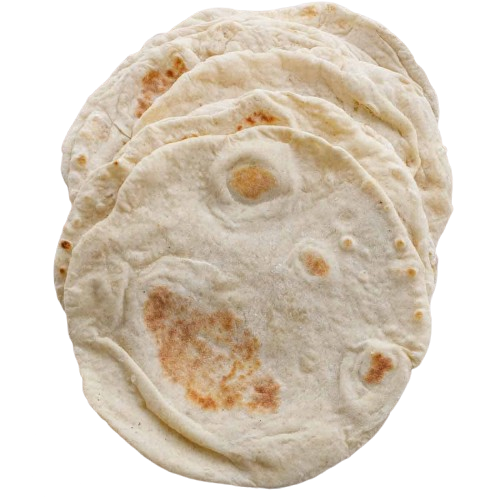
The calories in a pita bread depend on size and type of flour used. A 100g serving of white pita bread has 275 calories, while 100g whole wheat pita contains 266 calories. A large (6.5-inch) white pita has 165 calories, and a large whole wheat pita has 170 calories. The pita bread nutrition facts for a 100g serving of white pita include 9g of protein (18% DV), 1g of fat (2% DV), 56g of carbohydrates (20% DV), and 3g of fiber (10% DV). Whole wheat pita provides more fiber and minerals, and consuming whole grains is linked to better health outcomes (Slavin, J. L., 2004, Whole grains and human health).
Common types of pita bread are white, whole wheat, and gluten-free. The top producers of wheat (which is the main ingredient in pita) are China and India, while consumption of pita is highest in the Middle East, Mediterranean, and Western countries with large diaspora populations. Pita bread prices have risen from $1.50-$2.00 for a package in the early 2000s to $3.00-$4.50 in 2024.
Pita is central to dishes like gyros, falafel, and shawarma, served at restaurants like The Halal Guys and CAVA. Pita bread is a low-fat source of energy and provides B-vitamins and iron when made with enriched flour. A moderate intake of 1-2 pitas can fit into a healthy diet. A large white pita contains 165 calories, which can be burned with physical activity, such as 17 minutes of cycling or 30 minutes of walking.
Pita Bread nutrition
| Stats | Weight |
|---|---|
| Carbs | 49.2 grams |
| Protein | 9.43 grams |
| Fats | 3.59 grams |
| Sugars | 0 grams |
- Whole Wheat Pita Bread Calories (Nutritional Facts)
- White Pita Bread Calories (Nutritional Facts)
- Large Pita Bread Calories (Nutritional Facts)
- Medium Pita Bread Calories (Nutritional Facts)
- Small Pita Bread Calories (Nutritional Facts)
- Cholesterol in Pita Bread
- Sodium in Pita Bread
- Potassium in Pita Bread
- Sugar in Pita Bread
- Fiber in Pita Bread
- Protein in Pita Bread
- Carbs in Pita Bread
- Fat in Pita Bread
- Vitamins in Pita Bread
- Minerals in Pita Bread
Whole Wheat Pita Bread Calories (Nutritional Facts)
A 100g (3.53oz) serving of whole wheat pita bread contains 266 calories, 10.7g of protein, 2.7g of fat, and 55.7g of carbohydrates. One large (6.5-inch diameter) whole wheat pita weighing 64g (2.26oz) has 170 calories, 6.8g of protein, 1.7g of fat, and 35.6g of carbohydrates.
A 100g (3.53oz) serving of white pita bread contains 275 calories, 9.1g of protein, 1.2g of fat, and 55.7g of carbohydrates. One large (6.5-inch diameter) white pita weighing 60g (2.12oz) has 165 calories, 5.5g of protein, 0.7g of fat, and 33.4g of carbohydrates.
One large (6.5-inch diameter) white pita bread weighing 60g (2.12oz) contains 165 calories, 5.5g of protein, 0.7g of fat, and 33.4g of carbohydrates. One large (6.5-inch diameter) whole wheat pita weighing 64g (2.26oz) has 170 calories, 6.8g of protein, 1.7g of fat, and 35.6g of carbohydrates.
The 1 medium white pita bread (5-inch diameter) weighing 40g contains 110 calories, along with 3.6g of protein, 0.5g of fat, and 22.3g of carbohydrates. One medium (5-inch diameter) whole wheat pita weighing 43g (1.52oz) has 114 calories, 4.6g of protein, 1.2g of fat, and 24g of carbohydrates.
The 1 small white pita bread (4 inches) has 77 calories along with 2.5g of protein, 0.3g of fat, and 15.6g of carbohydrates. One small (4-inch diameter) whole wheat pita weighing 30g (1.06oz) has 80 calories, 3.2g of protein, 0.8g of fat, and 16.7g of carbohydrates.
The pita bread cholesterol content is 0mg per 100g serving for both white and whole wheat varieties. One large (6.5-inch), medium (5-inch), or small (4-inch) white or whole wheat pita also contains 0mg of cholesterol.
A 100g (3.53oz) serving of white pita bread contains 552mg of sodium (24% DV). One large (6.5-inch) white pita has 331mg of sodium (14% DV). One medium (5-inch) white pita has 221mg of sodium (10% DV). One small (4-inch) white pita has 155mg of sodium (7% DV). A 100g (3.53oz) serving of whole wheat pita bread contains 511mg of sodium (22% DV). One large (6.5-inch) whole wheat pita has 327mg of sodium (14% DV). One medium (5-inch) whole wheat pita has 220mg of sodium (10% DV). One small (4-inch) whole wheat pita has 153mg of sodium (7% DV).
A 100g (3.53oz) serving of white pita bread contains 121mg of potassium (3% DV). One large (6.5-inch) white pita has 73mg of potassium (2% DV). One medium (5-inch) white pita has 48mg of potassium (1% DV). One small (4-inch) white pita has 34mg of potassium (1% DV). A 100g (3.53oz) serving of whole wheat pita bread contains 267mg of potassium (6% DV). One large (6.5-inch) whole wheat pita has 171mg of potassium (4% DV). One medium (5-inch) whole wheat pita has 115mg of potassium (2% DV). One small (4-inch) whole wheat pita has 80mg of potassium (2% DV).
A 100g (3.53oz) serving of white pita bread contains 2.9g of sugar. One large (6.5-inch) white pita has 1.7g of sugar. One medium (5-inch) white pita has 1.2g of sugar. One small (4-inch) white pita has 0.8g of sugar. A 100g (3.53oz) serving of whole wheat pita bread contains 2.9g of sugar. One large (6.5-inch) whole wheat pita has 1.9g of sugar. One medium (5-inch) whole wheat pita has 1.2g of sugar. One small (4-inch) whole wheat pita has 0.9g of sugar.
A 100g (3.53oz) serving of white pita bread contains 2.9g of fiber (10% DV). One large (6.5-inch) white pita has 1.7g of fiber (6% DV). One medium (5-inch) white pita has 1.2g of fiber (4% DV). One small (4-inch) white pita has 0.8g of fiber (3% DV). A 100g (3.53oz) serving of whole wheat pita bread contains 6.3g of fiber (23% DV). One large (6.5-inch) whole wheat pita has 4g of fiber (14% DV). One medium (5-inch) whole wheat pita has 2.7g of fiber (10% DV). One small (4-inch) whole wheat pita has 1.9g of fiber (7% DV).
A 100g (3.53oz) serving of white pita bread contains 9.1g of protein (18% DV). One large (6.5-inch) white pita has 5.5g of protein (11% DV). One medium (5-inch) white pita has 3.6g of protein (7% DV). One small (4-inch) white pita has 2.5g of protein (5% DV). A 100g (3.53oz) serving of whole wheat pita bread contains 10.7g of protein (21% DV). One large (6.5-inch) whole wheat pita has 6.8g of protein (14% DV). One medium (5-inch) whole wheat pita has 4.6g of protein (9% DV). One small (4-inch) whole wheat pita has 3.2g of protein (6% DV).
A 100g (3.53oz) serving of white pita bread contains 55.7g of carbohydrates (20% DV). One large (6.5-inch) white pita has 33.4g of carbohydrates (12% DV). One medium (5-inch) white pita has 22.3g of carbohydrates (8% DV). One small (4-inch) white pita has 15.6g of carbohydrates (6% DV). A 100g (3.53oz) serving of whole wheat pita bread contains 55.7g of carbohydrates (20% DV). One large (6.5-inch) whole wheat pita has 35.6g of carbohydrates (13% DV). One medium (5-inch) whole wheat pita has 24g of carbohydrates (9% DV). One small (4-inch) whole wheat pita has 16.7g of carbohydrates (6% DV).
A 100g (3.53oz) serving of white pita bread contains 1.2g of fat (2% DV). One large (6.5-inch) white pita has 0.7g of fat (1% DV). One medium (5-inch) white pita has 0.5g of fat (1% DV). One small (4-inch) white pita has 0.3g of fat (0% DV). A 100g (3.53oz) serving of whole wheat pita bread contains 2.7g of fat (3% DV). One large (6.5-inch) whole wheat pita has 1.7g of fat (2% DV). One medium (5-inch) whole wheat pita has 1.2g of fat (2% DV). One small (4-inch) whole wheat pita has 0.8g of fat (1% DV).
A 100g (3.53oz) serving of white pita bread contains 0.6mg of thiamin (50% DV), 0.4mg of riboflavin (31% DV), 5.1mg of niacin (32% DV), and 124µg of folate (31% DV). One large (6.5-inch) white pita provides 0.36mg of thiamin (30% DV) and 74µg of folate (19% DV). One medium (5-inch) white pita provides 0.24mg of thiamin (20% DV) and 50µg of folate (12% DV). One small (4-inch) white pita provides 0.17mg of thiamin (14% DV) and 35µg of folate (9% DV). A 100g (3.53oz) serving of whole wheat pita bread contains 0.4mg of thiamin (33% DV), 0.2mg of riboflavin (15% DV), 5.5mg of niacin (34% DV), and 51µg of folate (13% DV). One large (6.5-inch) whole wheat pita provides 0.26mg of thiamin (22% DV) and 3.5mg of niacin (22% DV). One medium (5-inch) whole wheat pita provides 0.17mg of thiamin (14% DV) and 2.4mg of niacin (15% DV). One small (4-inch) whole wheat pita provides 0.12mg of thiamin (10% DV) and 1.7mg of niacin (11% DV).
A 100g (3.53oz) serving of white pita bread contains 85mg of calcium (7% DV), 3.4mg of iron (19% DV), and 35mg of magnesium (8% DV). One large (6.5-inch) white pita provides 51mg of calcium (4% DV) and 2mg of iron (11% DV). One medium (5-inch) white pita provides 34mg of calcium (3% DV) and 1.4mg of iron (8% DV). One small (4-inch) white pita provides 24mg of calcium (2% DV) and 1mg of iron (6% DV). A 100g (3.53oz) serving of whole wheat pita bread contains 75mg of calcium (6% DV), 3.3mg of iron (18% DV), and 89mg of magnesium (21% DV). One large (6.5-inch) whole wheat pita provides 2.1mg of iron (12% DV) and 57mg of magnesium (14% DV). One medium (5-inch) whole wheat pita provides 1.4mg of iron (8% DV) and 38mg of magnesium (9% DV). One small (4-inch) whole wheat pita provides 1mg of iron (6% DV) and 27mg of magnesium (6% DV).
Get a Custom Report on Pita Bread Nutrition Data – Contact Us!
What are the Types of Pita Breads?
The types of Pita Breads are White Pita, Whole Wheat Pita, and Gluten-Free Pita. The table below details these common types.
| Type | Description | Calories (per 100g) | Calorie Qualifications |
|---|---|---|---|
|
White Pita
|
Made with refined, enriched white flour. Soft, pliable texture with a hollow pocket. | 275 | Standard calorie count for this type. Calories come from refined carbohydrates. |
|
Whole Wheat Pita
|
Made with 100% whole wheat flour. Denser texture, nuttier flavor, and higher fiber content. | 266 | Slightly lower in calories than white pita. The higher fiber content adds bulk without as many digestible calories. |
|
Gluten-Free Pita
|
Made with alternative flours like rice, tapioca, or chickpea flour. Texture can be denser or more brittle than wheat-based pitas. | 280-300 | Calorie count can be higher than white pita due to the types of starches and fats used to mimic the texture of gluten. |
What are the Desserts with Pita Bread?
Pita bread can be adapted for sweet dishes, especially in Mediterranean and American fusion contexts. The table below details some dessert preparations using pita bread.
| Dish Name | Calories (Estimate per serving) | Type of Pita Bread Used | Carbs (g) (Estimate) | Sugar (g) (Estimate) | Protein (g) (Estimate) | Fat (g) (Estimate) | Cuisine | Restaurants |
|---|---|---|---|---|---|---|---|---|
|
Pita with Honey and Walnuts
|
350-500 | White or Whole Wheat | 45-60 | 20-30 | 8-12 | 15-25 | Greek/Mediterranean | Zaytinya (Washington D.C.) offers classic Mediterranean flavors. |
|
Cinnamon Sugar Pita Chips
|
300-450 | White Pita | 40-55 | 15-25 | 6-8 | 12-20 | American | Panera Bread (offers bagel chips, a similar concept). |
|
Fruit and Yogurt Pita
|
300-450 | Whole Wheat Pita | 40-55 | 18-30 | 10-15 | 8-15 | Mediterranean/Health-focused | CAVA offers pita with various toppings, adaptable for a sweet version. |
What are the Main Dishes with Pita Bread?
Pita bread is a staple for many main courses, functioning as a pocket for fillings or as a utensil for dips and spreads. The table below details main dishes that use pita bread.
| Dish Name | Calories (Estimate per serving) | Type of Pita Bread Used | Carbs (g) (Estimate) | Sugar (g) (Estimate) | Protein (g) (Estimate) | Fat (g) (Estimate) | Cuisine | Restaurants |
|---|---|---|---|---|---|---|---|---|
|
Gyro Sandwich
|
500-800 | White Pita | 50-70 | 3-8 | 25-40 | 20-40 | Greek | The Halal Guys, Naf Naf Grill, local Greek restaurants. |
|
Falafel Sandwich
|
450-700 | White or Whole Wheat Pita | 60-80 | 2-6 | 15-25 | 15-30 | Middle Eastern | Mamoun's Falafel (New York), Taim Mediterranean Kitchen (New York). |
|
Shawarma Sandwich
|
500-800 | White Pita or Laffa Bread | 50-70 | 2-7 | 25-40 | 20-35 | Middle Eastern/Levantine | Zankou Chicken (Los Angeles), Roti Modern Mediterranean. |
|
Hummus with Pita
|
300-500 (with 1 pita) | White or Whole Wheat Pita | 40-60 | 1-4 | 10-15 | 10-20 | Middle Eastern/Mediterranean | CAVA, Shaya (New Orleans), Dizengoff (Philadelphia). |
|
Sabich Sandwich
|
500-750 | White Pita | 60-80 | 5-10 | 15-20 | 20-35 | Israeli | Miznon (New York, Boston), some specialty Israeli eateries. |
What Cuisines Prefer Pita Bread the Most?
Pita bread is indispensable in many Mediterranean and Middle Eastern culinary traditions, where it is a fundamental part of the meal. The table below details the cuisines where pita bread is most prominent.
| Cuisine | Dish | Types of Pita Bread Used | Calories (Estimate per serving) | Restaurant(s) |
|---|---|---|---|---|
|
Greek
|
Gyro, Souvlaki, Dips (Tzatziki) | White Pita | 500-800 (Gyro) | The Great Greek, Souvla (San Francisco) |
|
Middle Eastern (Levantine)
|
Falafel, Shawarma, Hummus, Baba Ghanoush | White, Whole Wheat | 450-700 (Falafel Sandwich) | Mamoun's Falafel (New York), Zankou Chicken (Los Angeles), CAVA |
|
Israeli
|
Sabich, Hummus Plates, Shakshuka | White Pita | 500-750 (Sabich) | Shaya (New Orleans), Miznon (New York), Taim (New York) |
|
Turkish
|
Döner Kebab, Meze Platters | Pide (a similar but distinct boat-shaped bread) | 500-800 (Döner) | Cafe Mogador (New York), local Turkish kebab houses. |
Which Countries Produce the Most Pita Breads?
The top producers of wheat, the main component of pita bread, are China, India, and Russia. For the direct commercial production of pita bread, the United States, Turkey, and countries in the Levant region are major manufacturers. The table below shows wheat production quantities for key countries, which directly impacts the availability and price of flour for pita bread.
| Country | 2004 | 2005 | 2006 | 2007 | 2008 | 2009 | 2010 | 2011 | 2012 | 2013 | 2014 | 2015 | 2016 | 2017 | 2018 | 2019 | 2020 | 2021 | 2022 | 2023 |
|---|---|---|---|---|---|---|---|---|---|---|---|---|---|---|---|---|---|---|---|---|
| China | 91,610,000 | 97,445,000 | 108,467,000 | 109,872,000 | 112,463,000 | 115,124,000 | 115,182,000 | 117,925,000 | 121,023,000 | 121,723,000 | 126,212,000 | 130,188,000 | 131,698,000 | 134,334,000 | 131,439,000 | 133,596,000 | 134,250,000 | 136,946,000 | 137,720,000 | 136,590,000 |
| India | 72,156,000 | 68,637,000 | 69,355,000 | 75,807,000 | 78,570,000 | 80,680,000 | 80,800,000 | 86,870,000 | 94,880,000 | 93,510,000 | 95,850,000 | 86,530,000 | 92,290,000 | 98,510,000 | 99,700,000 | 103,600,000 | 107,860,000 | 109,590,000 | 107,740,000 | 110,550,000 |
| Russian Federation | 45,408,000 | 47,698,000 | 44,920,000 | 41,508,000 | 63,765,000 | 61,737,000 | 41,508,000 | 56,240,000 | 37,719,000 | 52,089,000 | 59,711,000 | 61,786,000 | 73,295,000 | 85,863,000 | 72,136,000 | 74,453,000 | 85,896,000 | 75,945,000 | 104,230,000 | 92,270,000 |
| Turkey | 21,000,000 | 21,500,000 | 20,010,000 | 17,730,000 | 17,780,000 | 20,600,000 | 19,674,000 | 21,800,000 | 20,100,000 | 22,050,000 | 19,000,000 | 22,600,000 | 20,600,000 | 21,500,000 | 20,000,000 | 19,000,000 | 20,500,000 | 17,650,000 | 19,750,000 | 21,500,000 |
| USA | 58,735,000 | 57,293,000 | 49,247,000 | 55,821,000 | 68,028,000 | 60,336,000 | 60,113,000 | 54,425,000 | 61,755,000 | 57,997,000 | 55,145,000 | 55,839,000 | 62,832,000 | 47,372,000 | 51,306,000 | 52,258,000 | 49,691,000 | 44,795,000 | 44,902,000 | 49,330,000 |
Which Countries Consume the Most Pita Breads?
The top consumers of pita bread are countries in the Middle East and Mediterranean, along with nations with large diaspora populations like the United States, Germany, and France. Import values for "Bread, pastry, cakes, biscuits and other bakers' wares" can serve as a proxy for demand in Western nations. The table below shows recent import values (USD) for this category for leading consuming nations.
| Country | 2004 | 2005 | 2006 | 2007 | 2008 | 2009 | 2010 | 2011 | 2012 | 2013 | 2014 | 2015 | 2016 | 2017 | 2018 | 2019 | 2020 | 2021 | 2022 | 2023 |
|---|---|---|---|---|---|---|---|---|---|---|---|---|---|---|---|---|---|---|---|---|
| USA | 2.1B | 2.3B | 2.5B | 2.8B | 3.1B | 2.9B | 3.2B | 3.6B | 3.8B | 4.1B | 4.5B | 4.6B | 4.8B | 5.1B | 5.4B | 5.7B | 6.0B | 6.8B | 7.9B | 8.5B |
| Germany | 1.5B | 1.6B | 1.8B | 2.2B | 2.5B | 2.4B | 2.5B | 3.0B | 3.1B | 3.4B | 3.6B | 3.5B | 3.7B | 3.9B | 4.2B | 4.3B | 4.6B | 5.1B | 5.6B | 6.1B |
| France | 1.1B | 1.2B | 1.3B | 1.6B | 1.8B | 1.7B | 1.8B | 2.1B | 2.2B | 2.4B | 2.5B | 2.4B | 2.5B | 2.7B | 2.9B | 3.0B | 3.2B | 3.6B | 3.9B | 4.3B |
| United Kingdom | 1.4B | 1.5B | 1.6B | 2.0B | 2.1B | 1.8B | 1.9B | 2.2B | 2.4B | 2.6B | 2.8B | 2.7B | 2.5B | 2.6B | 2.8B | 2.9B | 3.1B | 3.5B | 3.7B | 3.9B |
| Saudi Arabia | 0.2B | 0.3B | 0.3B | 0.4B | 0.5B | 0.5B | 0.6B | 0.8B | 0.9B | 1.0B | 1.1B | 1.0B | 1.1B | 1.1B | 1.2B | 1.3B | 1.2B | 1.4B | 1.6B | 1.8B |
How Do Prices of Pita Bread-including Dishes Change?
Menu prices for dishes that feature pita bread, such as gyros and falafel sandwiches, have increased over time. This change reflects the rising costs of all components, including meat, produce, and dairy, in addition to the pita bread itself and general restaurant operating expenses. The table below compares the prices of pita-bread including dishes from 2010 to 2025.
| Restaurant | Dish | Old Price | Current Price (2024/2025) |
|---|---|---|---|
| The Halal Guys | Gyro Platter | $6.99 (2014) | $12.99 - $16.99 |
| CAVA | Hummus with Pita | $3.50 (2015) | $2.45 - $5.45 |
| Mamoun's Falafel (New York) | Falafel Sandwich | $2.50 (2010) | $6.49 - $7.85 |
What is the Pita Bread Calorie for 100 Grams?
A 100g (3.53oz) serving of white pita bread contains 275 calories. A 100g serving of whole wheat pita bread contains 266 calories.
What is the Pita Bread Calorie for 1 KG?
A 1kg (2.2lb) serving of white pita bread contains 2,750 calories. A 1kg serving of whole wheat pita bread contains 2,660 calories.
What is the Calorie of 1 Pita Bread?
One large (6.5-inch diameter) white pita bread has 165 calories. One large (6.5-inch diameter) whole wheat pita has 170 calories. One medium (5-inch diameter) white pita has 110 calories. One medium (5-inch diameter) whole wheat pita has 114 calories. One small (4-inch diameter) white pita has 77 calories. One small (4-inch diameter) whole wheat pita has 80 calories.
What is the Pita Bread Calorie per Slice?
One whole small (4-inch diameter) white pita has 77 calories. One whole small (4-inch diameter) whole wheat pita has 80 calories.
What are the Health Benefits of Pita Bread?
Pita bread, especially whole wheat varieties, offers several health advantages, including:
- Source of Dietary Fiber: Whole wheat pita bread is a good source of dietary fiber. Fiber is essential for maintaining digestive health, promoting bowel regularity, and can help in managing weight by increasing feelings of fullness. A high-fiber diet is linked to a lower risk of chronic diseases. (Anderson, J. W., et al., 2009, Health benefits of dietary fiber)
- Provides Essential Micronutrients: Pita bread made from enriched flour is fortified with B-vitamins like niacin, thiamin, and folate, as well as the mineral iron. These nutrients are vital for energy metabolism, nervous system function, and the formation of red blood cells, helping to prevent deficiencies. (Fulgoni, V. L., et al., 2011, Foods, Fortificants, and Supplements: Where Do Americans Get Their Nutrients?)
- Low in Fat: Pita bread is a naturally low-fat food, as the basic recipe does not require large amounts of oil or butter. A diet low in saturated and trans fats is beneficial for heart health and can help maintain healthy cholesterol levels. (Sacks, F. M., et al., 2017, Dietary Fats and Cardiovascular Disease: A Presidential Advisory From the American Heart Association)
What are the Downsides of Pita Bread?
Pita bread is a staple for many, but there are downsides of consuming it, as outlined below:
- High in Refined Carbohydrates (White Pita): White pita bread is made from refined flour, which has a high glycemic index and can cause rapid spikes in blood sugar. Diets high in refined carbohydrates are linked to an increased risk of type 2 diabetes and obesity. An alternative is 100% whole wheat pita bread. A daily suggested amount should align with individual carbohydrate and calorie goals. (Ludwig, D. S., et al., 2018, Dietary carbohydrates: role of quality and quantity in chronic disease)
- High Sodium Content: Commercially produced pita bread can be high in sodium, with a single large pita containing up to 15% of the recommended daily limit. High sodium intake is a major contributor to high blood pressure and cardiovascular disease. An alternative is to look for low-sodium brands or bake pita at home. A daily suggested amount for adults is to consume less than 2,300mg of sodium from all food sources. (Appel, L. J., et al., 2011, A clinical trial of the effects of dietary patterns on blood pressure)
- Contains Gluten: Pita bread is made from wheat flour and contains gluten, making it unsuitable for individuals with celiac disease or non-celiac gluten sensitivity. Ingesting gluten can cause severe digestive distress and other health complications in these individuals. An alternative is certified gluten-free pita bread made from flours like rice or tapioca. There is no safe daily suggested amount for people with celiac disease. (Catassi, C., et al., 2013, Non-Celiac Gluten Sensitivity: The New Frontier of Gluten Related Disorders)
Is Pita Bread Good for You?
Yes, pita bread can be a healthy choice, particularly when made from whole grains. For digestive health, whole wheat pita bread is a good source of dietary fiber, which promotes bowel regularity and supports a healthy gut microbiome by feeding beneficial bacteria (Anderson, J. W., et al., 2009, Health benefits of dietary fiber). For metabolic health, pita bread made from enriched flour provides essential B-vitamins like thiamin and niacin that are crucial for converting food into energy, and minerals like iron that support oxygen transport and prevent fatigue (Fulgoni, V. L., et al., 2011, Foods, Fortificants, and Supplements: Where Do Americans Get Their Nutrients?). For heart health, pita bread is naturally low in fat, especially saturated fat, and choosing low-sodium versions can help maintain healthy blood pressure levels, aligning with dietary patterns recommended for cardiovascular wellness (Sacks, F. M., et al., 2017, Dietary Fats and Cardiovascular Disease).
How Does Pita Bread Affect Blood Sugar Levels in Diabetics?
Pita bread is not good for diabetics when made from white, refined flour, but whole wheat pita can be a better option. White pita bread affects blood sugar levels by causing a rapid increase after being eaten. Factors in pita bread that affect sugar level are the type of flour and the lack of fiber. White pita has a high glycemic index (GI), meaning its carbohydrates are quickly converted to glucose, causing a sharp spike in blood sugar that is difficult for a person with diabetes to manage (Jenkins, D. J., et al., 1981, Glycemic index of foods: a physiological basis for carbohydrate exchange).
In contrast, whole wheat pita bread has a lower GI because its higher fiber content slows down the digestion and absorption of carbohydrates, leading to a more gradual rise in blood sugar (Weickert, M. O., & Pfeiffer, A. F., 2008, Metabolic effects of dietary fiber consumption and prevention of diabetes). Consuming whole grains is associated with improved insulin sensitivity, making whole wheat pita a more suitable choice for managing diabetes (de Munter, J. S., et al., 2007, Whole grain, bran, and germ intake and risk of type 2 diabetes: a prospective cohort study and systematic review).
How Do Calories Change According to Pita Bread Types?
The calorie content of pita bread changes based on the flour used. White pita bread made from refined flour contains 275 calories per 100g. Whole wheat pita bread is slightly lower in calories, with 266 calories per 100g, due to its higher fiber content. Gluten-free pita bread has the highest calorie count, ranging from 280 to 300 calories per 100g, because the alternative flours and starches used to create the structure and texture are more calorie-dense. The healthiest pita bread is the 100% whole wheat variety.
Which Type of Pita Bread has the Best Macro Balance?
Whole wheat pita bread has the best macro balance for overall health. The pita bread macros in whole wheat versions are superior because they offer a higher amount of dietary fiber and protein compared to white pita. This combination is effective at promoting satiety, which can help with weight management and prevent overeating (Slavin, J. L., 2013, Fiber and Prebiotics: Mechanisms and Health Benefits). The fiber in whole wheat pita also slows carbohydrate absorption, leading to better blood sugar control, a key component of metabolic health (Weickert, M. O., & Pfeiffer, A. F., 2008, Metabolic effects of dietary fiber consumption and prevention of diabetes). While the protein content is only slightly higher than in white pita, the overall nutrient density, including a richer profile of minerals like magnesium and potassium, makes whole wheat the most balanced choice for supporting bodily functions (Slavin, J. L., 2004, Whole grains and human health).
What is the Origin of Pita Bread?
The origin of pita bread dates back thousands of years to the ancient societies of the Middle East, specifically Mesopotamia, around 2500 BCE. Early forms of flatbreads were a staple food for nomadic peoples in the region. The invention of the pocket in pita bread is a more recent development, thought to have occurred as baking techniques evolved. When the thin, lean dough is baked at very high temperatures, the water inside rapidly turns to steam, causing the bread to puff up dramatically and create a hollow interior. This unique feature made pita an ideal vessel for holding fillings. Pita became central to the cuisines of the Levant, Greece, and the Arabian Peninsula. Dishes like the Greek Gyro, which involves stuffing pita with roasted meat, and the Middle Eastern Falafel sandwich, with fried chickpea patties, are classic examples of how the pocket is used. In many cultures, pita is also used as an edible utensil to scoop up dips like hummus and baba ghanoush. The bread's simplicity and versatility allowed it to spread across the Mediterranean and the world, becoming a globally recognized food item.
Explore More Baked Goods
Discover more Baked Goods with detailed nutrition facts, calorie counts, vitamins, minerals, and health benefits. Compare similar foods, serving sizes, macronutrients, and key nutrients to find the best option for your diet and nutrition goals.
 Bagel calories
 Baguette calories
 Biscuit calories
 Blueberry Muffins calories
 Bread calories
 Brioche Bread calories
 Bun calories
 Churros calories
 Cinnamon Rolls calories
 Corn Tortilla calories
 Cornbread calories
 Croissant calories