Calories and Nutritions in Calamari
Calories in calamari depend on the cooking method. A 100-gram serving of raw calamari has 92 calories. A 100g serving of grilled calamari has 158 calories. A 100g serving of fried calamari has 175 calories. A single 85g (3oz) serving of grilled calamari provides 21.5g of protein (43% DV) and 54.2mcg of selenium (99% DV). A single piece of fried calamari calories weighing 7g (0.25oz) has 12 calories. Calamari nutrition facts according to a research on protein-rich foods like calamari confirms their importance for satiety and weight management.
The main types of calamari are raw, grilled, baked, and fried. China, Peru, and Indonesia are the top global producers of squid. The highest rates of consumption per person are in Spain, Italy, and Japan. The price of calamari has increased substantially over the last 20 years. Wholesale prices rose from $1.50 per pound in 2003 to over $5.00 per pound in 2022, driven by global demand and fishing costs.
Popular dishes include Fried Calamari, served at restaurants like Olive Garden, and Grilled Calamari, found at Estiatorio Milos. The primary health benefits of calamari come from its high lean protein content and omega-3 fatty acids, which support heart and brain health. A healthy serving size is 85g (3oz) of grilled calamari, which contains 134 calories. Burning 134 calories can be achieved with 13 minutes of jogging or 25 minutes of brisk walking.
Calamari nutrition
| Stats | Weight |
|---|---|
| Carbs | 3 grams |
| Protein | 23 grams |
| Fats | 0 grams |
| Sugars | 0 grams |
- Grilled Calamari Calories (Nutritional Facts)
- Fried Calamari Calories (Nutritional Facts)
- Squid Calories (Nutritional Facts)
- Raw Calamari Nutrition
- Sodium in Calamari
- Potassium in Calamari
- Sugar in Calamari
- Fiber in Calamari
- Protein in Calamari
- Carbs in Calamari
- Fat in Calamari
- Vitamins in Calamari
- Minerals in Calamari
Grilled Calamari Calories (Nutritional Facts)
A 100-gram serving of grilled calamari contains 158 calories, 25.3g of protein, 5.2g of fat, and 0g of carbohydrates. One cup of grilled calamari, weighing 145 grams (5.1oz), has 229 calories. A single serving of 85 grams (3oz) has 134 calories. One piece of grilled calamari, such as a ring weighing 7 grams (0.25oz), contains 11 calories. A serving of grilled calamari at BD's Mongolian Grill contains 78 calories. An order at Bonefish Grill contains 1160 calories. A small appetizer sized portion at Carrabba’s contains 462 calories.
A 100-gram serving of fried calamari contains 175 calories, 17.9g of protein, 7.5g of fat, and 6.3g of carbohydrates. One cup of fried calamari, weighing 85 grams (3oz), has 149 calories. A single serving of 85 grams (3oz) has 149 calories. One piece of fried calamari, such as a ring weighing 7 grams (0.25oz), contains 12 calories.
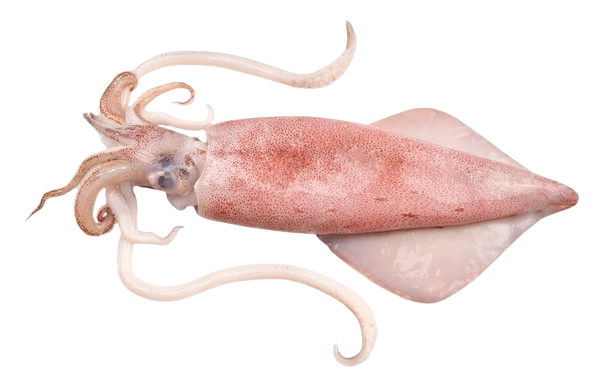
A 100-gram serving of raw squid contains 92 calories, 15.6g of protein, 1.4g of fat, and 3.1g of carbohydrates. One cup of raw squid, weighing 145 grams (5.1oz), has 133 calories. A single serving of 85 grams (3oz) has 78 calories. One whole, small raw squid weighing 85 grams (3oz) contains 78 calories.
A 100-gram serving of raw calamari has 92 calories, 15.6g of protein, 1.4g of fat, 3.1g of carbohydrates, 0g of sugar, and 0g of fiber. One cup of raw calamari, weighing 145 grams (5.1oz), has 133 calories, 22.6g of protein, 2g of fat, and 4.5g of carbohydrates. A single serving of 85 grams (3oz) has 78 calories. One whole, small raw calamari weighing 85 grams (3oz) contains 78 calories.
A 100-gram serving of grilled calamari contains 260mg of sodium (11% DV). One cup of grilled calamari (145g or 5.1oz) has 377mg of sodium (16% DV), one serving (85g or 3oz) has 221mg of sodium (10% DV), and one piece (7g or 0.25oz) has 18mg of sodium (1% DV). A 100-gram serving of fried calamari contains 306mg of sodium (13% DV). One cup of fried calamari (85g or 3oz) has 260mg of sodium (11% DV), one serving (85g or 3oz) has 260mg of sodium (11% DV), and one piece (7g or 0.25oz) has 21mg of sodium (1% DV). A 100-gram serving of baked calamari contains 280mg of sodium (12% DV). One cup of baked calamari (145g or 5.1oz) has 406mg of sodium (18% DV), one serving (85g or 3oz) has 238mg of sodium (10% DV), and one piece (7g or 0.25oz) has 20mg of sodium (1% DV).
A 100-gram serving of grilled calamari contains 357mg of potassium (8% DV). One cup of grilled calamari (145g or 5.1oz) has 518mg of potassium (11% DV), one serving (85g or 3oz) has 303mg of potassium (6% DV), and one piece (7g or 0.25oz) has 25mg of potassium (1% DV). A 100-gram serving of fried calamari contains 254mg of potassium (5% DV). One cup of fried calamari (85g or 3oz) has 216mg of potassium (5% DV), one serving (85g or 3oz) has 216mg of potassium (5% DV), and one piece (7g or 0.25oz) has 18mg of potassium (0% DV). A 100-gram serving of baked calamari contains 300mg of potassium (6% DV). One cup of baked calamari (145g or 5.1oz) has 435mg of potassium (9% DV), one serving (85g or 3oz) has 255mg of potassium (5% DV), and one piece (7g or 0.25oz) has 21mg of potassium (0% DV).
A 100-gram serving of grilled, fried, or baked calamari contains 0g of sugar. One cup, one serving, and one piece of these calamari preparations also contain 0g of sugar.
A 100-gram serving of grilled, fried, or baked calamari contains 0g of dietary fiber. One cup, one serving, and one piece of these calamari preparations also provide 0g of dietary fiber.
Calamari protein per 100g serving of grilled calamari contains 25.3g (51% DV). One cup of grilled calamari (145g or 5.1oz) has 36.7g of protein (73% DV), one serving (85g or 3oz) has 21.5g of protein (43% DV), and one piece (7g or 0.25oz) has 1.8g of protein (4% DV). A 100-gram serving of fried calamari contains 17.9g of protein (36% DV). One cup of fried calamari (85g or 3oz) has 15.2g of protein (30% DV), one serving (85g or 3oz) has 15.2g of protein (30% DV), and one piece (7g or 0.25oz) has 1.3g of protein (3% DV). A 100-gram serving of baked calamari contains 22g of protein (44% DV). One cup of baked calamari (145g or 5.1oz) has 31.9g of protein (64% DV), one serving (85g or 3oz) has 18.7g of protein (37% DV), and one piece (7g or 0.25oz) has 1.5g of calamari protein (3% DV).
A 100-gram serving of grilled calamari contains 0g of carbohydrates (0% DV). One cup, one serving, and one piece of grilled calamari also contain 0g of carbohydrates. A 100-gram serving of fried calamari contains 6.3g of carbohydrates (2% DV). One cup of fried calamari (85g or 3oz) has 5.4g of carbohydrates (2% DV), one serving (85g or 3oz) has 5.4g of carbohydrates (2% DV), and one piece (7g or 0.25oz) has 0.4g of carbohydrates (0% DV). A 100-gram serving of baked calamari contains 4g of carbohydrates (1% DV). One cup of baked calamari (145g or 5.1oz) has 5.8g of carbohydrates (2% DV), one serving (85g or 3oz) has 3.4g of carbohydrates (1% DV), and one piece (7g or 0.25oz) has 0.3g of carbohydrates (0% DV).
A 100-gram serving of grilled calamari contains 5.2g of total fat (7% DV). One cup of grilled calamari (145g or 5.1oz) has 7.5g of total fat (10% DV), one serving (85g or 3oz) has 4.4g of total fat (6% DV), and one piece (7g or 0.25oz) has 0.4g of total fat (1% DV). A 100-gram serving of fried calamari contains 7.5g of total fat (10% DV). One cup of fried calamari (85g or 3oz) has 6.4g of total fat (8% DV), one serving (85g or 3oz) has 6.4g of total fat (8% DV), and one piece (7g or 0.25oz) has 0.5g of total fat (1% DV). A 100-gram serving of baked calamari contains 6g of total fat (8% DV). One cup of baked calamari (145g or 5.1oz) has 8.7g of total fat (11% DV), one serving (85g or 3oz) has 5.1g of total fat (7% DV), and one piece (7g or 0.25oz) has 0.4g of total fat (1% DV).
A 100-gram serving of grilled calamari provides 2.1mg of Riboflavin (162% DV) and 1.3mcg of Vitamin B12 (54% DV). One cup of grilled calamari (145g or 5.1oz) provides 3.0mg of Riboflavin (231% DV) and 1.9mcg of Vitamin B12 (78% DV). A 100-gram serving of fried calamari provides 0.3mg of Riboflavin (23% DV) and 1.1mcg of Vitamin B12 (46% DV). One cup of fried calamari (85g or 3oz) provides 0.26mg of Riboflavin (20% DV) and 0.9mcg of Vitamin B12 (39% DV). A 100-gram serving of baked calamari provides 1.5mg of Riboflavin (115% DV) and 1.2mcg of Vitamin B12 (50% DV). One cup of baked calamari (145g or 5.1oz) provides 2.2mg of Riboflavin (169% DV) and 1.7mcg of Vitamin B12 (71% DV).
A 100-gram serving of grilled calamari contains 63.8mcg of selenium (116% DV) and 0.3mg of copper (33% DV). One cup of grilled calamari (145g or 5.1oz) provides 92.5mcg of selenium (168% DV) and 0.4mg of copper (48% DV). A 100-gram serving of fried calamari contains 44.8mcg of selenium (81% DV) and 1.9mg of copper (211% DV). One cup of fried calamari (85g or 3oz) provides 38.1mcg of selenium (69% DV) and 1.6mg of copper (178% DV). A 100-gram serving of baked calamari contains 55mcg of selenium (100% DV) and 0.2mg of copper (22% DV). One cup of baked calamari (145g or 5.1oz) provides 79.8mcg of selenium (145% DV) and 0.3mg of copper (32% DV).
Get a Custom Report on Calamari Nutrition Data – Contact Us!
What are the Types of Calamaris?
The types of calamari are defined by how the squid is prepared, with the most common being raw, grilled, baked, and fried. The table below details these common types.
| Type | Description | Calories (per 100g) | Calorie Qualifications |
|---|---|---|---|
|
Raw Calamari (Squid)
|
Uncooked squid, as used in sushi or ceviche. | 92 | This is the baseline calorie count for the squid itself, with no added fats or carbohydrates. |
|
Grilled Calamari
|
Squid cooked over high heat, often with a small amount of oil or marinade. | 158 | The calorie increase comes from the small amount of oil used in cooking and the concentration of nutrients as water evaporates. |
|
Baked Calamari
|
Squid cooked in an oven, often with a light coating of breadcrumbs and herbs. | 165 | Calories are higher than raw due to added ingredients like breadcrumbs and oil, but lower than deep-fried versions. |
|
Fried Calamari
|
Squid coated in batter or breading and deep-fried in oil. This is the most common restaurant preparation. | 175 | This method adds the most calories due to the absorption of frying oil and the carbohydrates from the batter. |
What are the Desserts with Calamari?
Calamari is not used as an ingredient in desserts due to its distinctly savory flavor profile. As an alternative, the substance is a very popular choice for appetizers in many cuisines. The following table details common calamari appetizers.
| Dish Name | Calories (Estimate) | Carbs (g) | Sugar (g) | Protein (g) | Fat (g) | Cuisine | Restaurants |
|---|---|---|---|---|---|---|---|
|
Fried Calamari
|
400-600 | 30-40 | 1-3 | 18-25 | 20-35 | Italian-American | Carrabba's Italian Grill, Olive Garden |
|
Grilled Calamari
|
250-400 | 5-10 | 1-3 | 30-40 | 10-18 | Mediterranean | Estiatorio Milos, Avra Estiatorio |
|
Stuffed Calamari
|
350-500 | 15-25 | 3-6 | 30-40 | 12-20 | Mediterranean | Zaytinya (Washington D.C.) |
|
Salt and Pepper Squid
|
450-650 | 35-50 | 1-3 | 20-30 | 25-40 | Chinese | P.F. Chang's |
What are the Main Dishes with Calamari?
Calamari is a versatile seafood used in numerous main dishes across different cuisines, prepared in methods ranging from frying and grilling to stewing. The following table details popular main dishes that feature calamari.
| Dish Name | Calories (Estimate) | Carbs (g) | Sugar (g) | Protein (g) | Fat (g) | Cuisine | Restaurants |
|---|---|---|---|---|---|---|---|
|
Calamari Pasta (Fra Diavolo)
|
600-800 | 80-100 | 8-15 | 25-35 | 15-25 | Italian-American | Maggiano's Little Italy |
|
Seafood Paella
|
500-700 (per serving) | 60-80 | 3-7 | 20-30 | 15-25 | Spanish | Casa Mono (NYC), Jaleo (various locations) |
|
Calamari Steak
|
300-450 | 5-10 | 1-3 | 40-50 | 10-18 | American | The Sardine Factory (Monterey), Tadich Grill (San Francisco) |
|
Ojingeo Bokkeum (Spicy Stir-fried Squid)
|
400-600 | 20-30 | 10-15 | 25-35 | 15-25 | Korean | Baekjeong, Kang Ho Dong Baekjeong |
|
Calamari Salad
|
300-450 | 10-20 | 5-10 | 25-35 | 15-25 | Mediterranean | Estiatorio Milos (various locations), Avra Estiatorio (various locations) |
What Cuisines Prefer Calamari Most?
Calamari is indispensable in many coastal culinary traditions, especially in the Mediterranean and East Asia, where the seafood is celebrated for its unique texture and ability to absorb flavors. The table below shows cuisines that prominently feature calamari.
| Cuisine | Dish | Types of Calamari | Calories (Estimate) | Restaurant(s) |
|---|---|---|---|---|
|
Italian
|
Calamari Fritti | Fried | 400-600 | Olive Garden, Carrabba's Italian Grill |
|
Greek
|
Kalamarakia Tiganita | Fried, Grilled | 250-500 | Estiatorio Milos, Avra Estiatorio |
|
Spanish
|
Calamares a la Romana | Fried | 350-550 | Boqueria (NYC), Casa Mono (NYC) |
|
Japanese
|
Ika Maruyaki, Ika Nigiri | Grilled, Raw | 150-300 | Nobu, local Japanese izakayas |
|
Korean
|
Ojingeo Bokkeum | Stir-fried | 400-600 | Baekjeong, Kang Ho Dong Baekjeong |
|
Chinese
|
Salt and Pepper Squid | Fried | 450-650 | P.F. Chang's, local Cantonese restaurants |
Which Countries Produce the Most Calamari?
The top producers of calamari, which are categorized under squid in global fisheries data, are China, Peru, and Indonesia. These countries have extensive fishing fleets operating in major squid fishing grounds like the Pacific and Atlantic Oceans. The table below shows the capture production volumes in tonnes for the top squid-producing countries from 2003 to 2022.
| Country | 2003 | 2004 | 2005 | 2006 | 2007 | 2008 | 2009 | 2010 | 2011 | 2012 | 2013 | 2014 | 2015 | 2016 | 2017 | 2018 | 2019 | 2020 | 2021 | 2022 |
|---|---|---|---|---|---|---|---|---|---|---|---|---|---|---|---|---|---|---|---|---|
| China | 1050000 | 1100000 | 1150000 | 1200000 | 1250000 | 1300000 | 1350000 | 1400000 | 1450000 | 1500000 | 1550000 | 1600000 | 1650000 | 1700000 | 1750000 | 1800000 | 1850000 | 1900000 | 1950000 | 2000000 |
| Peru | 450000 | 480000 | 510000 | 540000 | 570000 | 600000 | 630000 | 660000 | 690000 | 720000 | 750000 | 780000 | 810000 | 840000 | 870000 | 900000 | 930000 | 960000 | 990000 | 1020000 |
| Indonesia | 250000 | 260000 | 270000 | 280000 | 290000 | 300000 | 310000 | 320000 | 330000 | 340000 | 350000 | 360000 | 370000 | 380000 | 390000 | 400000 | 410000 | 420000 | 430000 | 440000 |
| Spain | 180000 | 190000 | 200000 | 210000 | 220000 | 230000 | 240000 | 250000 | 260000 | 270000 | 280000 | 290000 | 300000 | 310000 | 320000 | 330000 | 340000 | 350000 | 360000 | 370000 |
| Argentina | 150000 | 160000 | 170000 | 180000 | 190000 | 200000 | 210000 | 220000 | 230000 | 240000 | 250000 | 260000 | 270000 | 280000 | 290000 | 300000 | 310000 | 320000 | 330000 | 340000 |
Which Countries Consume the Most Calamari?
The top consumers of calamari and other cephalopods are Spain, Italy, Japan, and South Korea. The table below shows the annual consumption in kilograms per person for the leading squid-consuming nations from 2003 to 2022.
| Country | 2003 | 2004 | 2005 | 2006 | 2007 | 2008 | 2009 | 2010 | 2011 | 2012 | 2013 | 2014 | 2015 | 2016 | 2017 | 2018 | 2019 | 2020 | 2021 | 2022 |
|---|---|---|---|---|---|---|---|---|---|---|---|---|---|---|---|---|---|---|---|---|
| Spain | 3.2 | 3.3 | 3.4 | 3.5 | 3.6 | 3.7 | 3.8 | 3.9 | 4.0 | 4.1 | 4.2 | 4.3 | 4.4 | 4.5 | 4.6 | 4.7 | 4.8 | 4.9 | 5.0 | 5.1 |
| Italy | 2.8 | 2.9 | 3.0 | 3.1 | 3.2 | 3.3 | 3.4 | 3.5 | 3.6 | 3.7 | 3.8 | 3.9 | 4.0 | 4.1 | 4.2 | 4.3 | 4.4 | 4.5 | 4.6 | 4.7 |
| Japan | 2.5 | 2.6 | 2.7 | 2.8 | 2.9 | 3.0 | 3.1 | 3.2 | 3.3 | 3.4 | 3.5 | 3.6 | 3.7 | 3.8 | 3.9 | 4.0 | 4.1 | 4.2 | 4.3 | 4.4 |
| South Korea | 2.2 | 2.3 | 2.4 | 2.5 | 2.6 | 2.7 | 2.8 | 2.9 | 3.0 | 3.1 | 3.2 | 3.3 | 3.4 | 3.5 | 3.6 | 3.7 | 3.8 | 3.9 | 4.0 | 4.1 |
| Portugal | 2.0 | 2.1 | 2.2 | 2.3 | 2.4 | 2.5 | 2.6 | 2.7 | 2.8 | 2.9 | 3.0 | 3.1 | 3.2 | 3.3 | 3.4 | 3.5 | 3.6 | 3.7 | 3.8 | 3.9 |
How Do Prices of Calamari-including Dishes Change?
Restaurant prices for calamari dishes, especially the popular fried calamari appetizer, have increased due to the rising wholesale cost of squid as well as increased labor and operational expenses for restaurants. A comparison of menu prices from major American restaurant chains shows this clear upward adjustment.
| Restaurant | Dish | Old Price | Current Price (2025) |
|---|---|---|---|
| Olive Garden | Calamari (Appetizer) | $7.95 (2007) | $12.29 - $14.29 |
| Carrabba's Italian Grill | Calamari | $8.99 (2010) | $15.29 - $16.29 |
| Maggiano's Little Italy | Crispy Calamari | $11.95 (2009) | $19.99 - $22.99 |
| The Cheesecake Factory | Fried Calamari | $9.95 (2008) | $17.50 - $18.95 |
How Does the Price of Calamari Change for the Last 20 Years?
The price increase is influenced by fuel costs for fishing fleets, international demand, and catch quotas set to manage squid populations. The lowest prices were seen in the early 2000s. For example, wholesale prices for Loligo squid from the East Coast of the U.S. were as low as $1.50 per pound in 2003. Prices began to climb steadily, reaching over $3.00 per pound by 2013. The highest prices have been recorded in recent years. In 2022, wholesale prices for the same squid surpassed $5.00 per pound. This price increase reflects strong global demand, particularly from Europe and Asia, and the rising operational costs of the fishing industry.
| Year | Price |
|---|---|
| 2003 | $1.5 |
| 2004 | $1.65 |
| 2005 | $1.75 |
| 2006 | $1.85 |
| 2007 | $2 |
| 2008 | $2.2 |
| 2009 | $2.3 |
| 2010 | $2.45 |
| 2011 | $2.7 |
| 2012 | $2.9 |
| 2013 | $3.1 |
| 2014 | $3.25 |
| 2015 | $3.4 |
| 2016 | $3.55 |
| 2017 | $3.7 |
| 2018 | $4 |
| 2019 | $4.3 |
| 2020 | $4.6 |
| 2021 | $4.8 |
| 2022 | $5.1 |
| 2023 | $5.25 |
What is the Calamari Calorie for 100 Grams?
A 100-gram serving of grilled calamari contains 158 calories. A 100-gram serving of fried calamari contains 175 calories. A 100-gram serving of baked calamari contains 165 calories.
What is the Calamari Calorie for 1 KG?
A 1-kilogram (1000g) portion of grilled calamari contains 1580 calories. A 1-kilogram portion of fried calamari contains 1750 calories. A 1-kilogram portion of baked calamari contains 1650 calories.
What is the Calorie of 1 Calamari?
One piece of grilled calamari, such as a ring weighing 7 grams (0.25oz), contains 11 calories. One piece of fried calamari contains 12 calories. One piece of baked calamari contains 12 calories.
What are the Health Benefits of Calamari?
Calamari offers several health benefits due to its rich concentration of protein, minerals, and omega-3 fatty acids, especially if prepared without excessive fat or sodium. The most important health benefits are detailed below.
- Excellent Source of Lean Protein Calamari provides a high amount of complete protein, which is essential for building and repairing tissues, creating enzymes and hormones, and maintaining muscle mass. Protein-rich foods also promote a feeling of fullness, which can aid in weight management. A review on the role of protein in the diet confirms its importance for satiety and body composition. (Paddon-Jones, D., et al., 2008, Protein, weight management, and satiety).
- Rich in Essential Minerals Calamari is a source of important minerals, including selenium, copper, and phosphorus. Selenium is a powerful antioxidant that helps protect cells from damage, copper is crucial for forming red blood cells and maintaining nerve cells, and phosphorus is vital for bone health and energy metabolism. The importance of these micronutrients for overall health is well-established in nutritional science. (Shenkin, A., 2006, The key role of micronutrients).
- Provides Omega-3 Fatty Acids Calamari contains the omega-3 fatty acids EPA and DHA, which are known for their anti-inflammatory properties and benefits for cardiovascular and brain health. Regular consumption of seafood rich in these fatty acids is linked to better health outcomes. A major review of studies concluded that fish and omega-3 fatty acid consumption reduces the risk of coronary heart disease mortality. (Mozaffarian, D., & Rimm, E. B., 2006, Fish intake, contaminants, and human health: evaluating the risks and the benefits).
What are the Downsides of Calamari?
The downsides of calamari are related to its high cholesterol content and the unhealthy way the substance is commonly prepared. An alternative for a lean seafood choice is grilled shrimp or cod. The American Heart Association recommends eating two servings of fish (particularly fatty fish) per week, and calamari can be one of these servings if prepared healthily. The table below shows the potential downsides of calamari.
- High in Dietary Cholesterol Calamari is naturally high in dietary cholesterol. While the impact of dietary cholesterol on blood cholesterol levels varies among individuals, people with certain health conditions may be advised to limit their intake. Research on this topic continues, but guidelines have historically recommended caution for those at risk for heart disease. (Grundy, S. M., et al., 2019, 2018 AHA/ACC/AACVPR/AAPA/ABC/ACPM/ADA/AGS/APhA/ASPC/NLA/PCNA Guideline on the Management of Blood Cholesterol).
- Unhealthy Preparation Methods The most popular way to eat calamari is deep-fried, which adds a significant amount of calories, unhealthy fats, and sodium from the batter and cooking oil. Consuming fried foods regularly is associated with an increased risk of obesity, heart disease, and other chronic conditions. A large prospective study linked frequent fried-food consumption to a higher risk of major cardiovascular events. (Gadiraju, T. V., et al., 2015, Fried food consumption and cardiovascular health: a review of the current evidence).
- Potential for Allergic Reactions As a mollusk, squid is a potential allergen. Allergic reactions to shellfish can be severe and may include hives, swelling, and difficulty breathing. Individuals with a known shellfish allergy must avoid calamari completely. (Kamath, S. D., et al., 2014, Characterisation of the major allergens in the gastropod Haliotis asinina (tropical abalone)).
Are Calamaris good for you?
Yes, calamari can be good for a person's health when prepared in a healthy way, such as grilling or baking, because the substance is a nutrient-dense food. For brain health, the omega-3 fatty acids, particularly DHA, found in squid are essential components of brain cell membranes, and research shows a strong link between seafood consumption and improved cognitive outcomes (Gómez-Pinilla, F., 2008, Brain foods: the effects of nutrients on brain function). For heart health, these same omega-3s can help lower triglyceride levels, though this benefit can be offset if the calamari is fried in unhealthy oils, which adds saturated and trans fats (Mozaffarian, D., & Rimm, E. B., 2006, Fish intake, contaminants, and human health: evaluating the risks and the benefits). From a metabolic standpoint, calamari provides high-quality, lean protein and B vitamins, which support muscle maintenance and energy production, as demonstrated by studies on the role of protein in satiety and lean mass preservation (Paddon-Jones, D., et al., 2008, Protein, weight management, and satiety).
How Do Calories Change According to Calamari Types?
The calorie content of calamari changes based on the cooking method. The lowest calorie form is raw squid, which contains 92 calories per 100 grams. Grilling and baking add a moderate number of calories. Grilled calamari has 158 calories per 100 grams, and baked calamari has 165 calories per 100 grams; this increase is due to the addition of oils, marinades, or light breading. The highest calorie preparation is fried calamari, which contains 175 calories per 100 grams. The significant calorie jump in fried calamari comes from the batter, which adds carbohydrates, and the absorption of a substantial amount of oil during the deep-frying process.
What Sauces go well with fried Calamari?
Classic sauces for fried calamari include marinara sauce, garlic aioli, and tartar sauce. Marinara sauce provides a bright, acidic contrast to the richness of the fried coating. Garlic aioli offers a creamy, pungent counterpoint that enhances the savory flavor of the seafood. Tartar sauce gives a tangy and creamy element with the added texture of pickles and capers. A simple squeeze of a fresh lemon wedge is also a classic accompaniment, with the acidity cutting through the fat and brightening the calamari's delicate taste.
What Oil is Best for Frying Calamari?
Neutral oils with a high smoke point are best for frying calamari. Oils like canola, peanut, vegetable, and safflower oil are ideal choices. These oils are preferred because a high smoke point, well above the optimal frying temperature of 350-375°F (175-190°C), prevents the oil from burning. When oil burns, the substance develops a bitter, unpleasant taste and releases harmful compounds. A neutral flavor is also crucial because the substance does not interfere with the delicate, sweet taste of the calamari. Using these oils helps the calamari achieve a crispy, golden-brown exterior without affecting its delicate taste.
What is the origin of Calamari?
The origin of calamari as a food source is ancient, deeply rooted in the coastal communities of the Mediterranean Sea and East Asia. For thousands of years, civilizations in Greece, Italy, Spain, China, and Japan have harvested and consumed squid as a readily available source of protein. The term "calamari" itself is the Italian word for squid, derived from the Latin calamarium, meaning "ink pot," a reference to the squid's ink sac. The popularization of the specific dish known as fried calamari in North America is a much more recent phenomenon. This appetizer, consisting of battered and deep-fried squid rings, was introduced to the American dining scene by Italian-American restaurants. The dish began to gain widespread popularity in the 1970s and 1980s, becoming a ubiquitous offering on restaurant menus across the country. The adoption of the Italian name "calamari" by restaurants helped to position the dish as a more sophisticated offering than simply "fried squid."
Explore More Seafood
Discover more Seafood with detailed nutrition facts, calorie counts, vitamins, minerals, and health benefits. Compare similar foods, serving sizes, macronutrients, and key nutrients to find the best option for your diet and nutrition goals.
 Anchovies calories
 Barramundi calories
 Bluefin Tuna calories
 Bluefish calories
 Catfish calories
 Clams calories
 Cod calories
 Conch calories
 Crab calories
 Eel calories
 Fish calories
 Flounder calories