Calories and Nutritions in Flounder
Calories in flounder are low, with a 100g cooked fillet providing 117 calories. A 150g (5.3oz) fried flounder fillet has 335 calories. The flounder nutrition facts show a profile rich in vitamins and minerals, offering 24.2g of protein (48% DV), 2.01mcg of vitamin B12 (84% DV), 44.2mcg of selenium (80% DV), 324mg of phosphorus (26% DV), and 4.5mcg of vitamin D (23% DV) per 100g. Research shows that the combination of nutrients in lean fish supports overall health and is linked to a lower risk of many chronic diseases (Oehlenschläger, J., 2014, Seafood: nutritional benefits and risk aspects).
The health benefits of flounder include supporting bone health with phosphorus and vitamin D, and promoting nerve function with a high concentration of vitamin B12. A recommended weekly consumption is two 4-ounce (113g) servings. One 4-ounce cooked flounder fillet contains 132 calories, which can be burned by doing 25 minutes of brisk walking, 13 minutes of jogging, or 18 minutes of swimming.
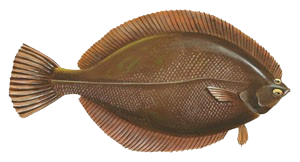
The types of flounders include Summer Flounder, Winter Flounder, Yellowtail Flounder, and European Plaice. The top producers of flounder are the United States, China, and the United Kingdom, while major consumers include the United States, Germany, and Italy. The price of flounder has increased, from $1.25 to $1.75 per pound in the early 2000s, to more than $8.00 per pound for fillets (wholesale). Flounder is a popular offering in many restaurants like Red Lobster and Legal Sea Foods where they serve Stuffed Flounder. Captain D's features a Fried Flounder Platter, while the French classic Flounder Meunière is available at Balthazar in New York.
Flounder nutrition
| Stats | Weight |
|---|---|
| Carbs | 0 grams |
| Protein | 19 grams |
| Fats | 0 grams |
| Sugars | 0 grams |
- Fried Flounder Calories (Nutritional Facts)
- Flounder Fillet Calories (Nutritional Facts)
- Raw Flounder Nutrition
- Sodium in Flounder
- Potassium in Flounder
- Sugar in Flounder
- Fiber in Flounder
- Protein in Flounder
- Cholesterol in Flounder
- Mercury in Flounder
- Carbs in Flounder
- Fat in Flounder
- Vitamins in Flounder
- Minerals in Flounder
Fried Flounder Calories (Nutritional Facts)
The calories in fried flounder, when coated and fried, are 223 per 100g serving. A 100g (3.53oz) fried flounder portion contains 19.3g of protein, 11.2g of fat, 10.1g of carbohydrates, 0.9g of fiber, 0.4g of sugar, and 459mg of sodium. A 150g (5.3oz) fried flounder fillet provides 335 calories, 28.95g of protein, 16.8g of fat, 15.15g of carbohydrates, and 689mg of sodium.
The calories in flounder fillet that is cooked with dry heat are 117 per 100g (3.53oz). A 100g (3.53oz) cooked flounder fillet contains 24.2g of protein, 1.53g of fat, 0g of carbohydrates, 0g of fiber, 0g of sugar, and 214mg of sodium. A 170g (6oz) restaurant fillet contains 199 calories, 41.14g of protein, 2.6g of fat, and 364mg of sodium.
A 100g (3.53oz) serving of raw flounder contains 91 calories, 18.84g of protein, 1.19g of fat, 0g of carbohydrates, 0g of fiber, 0g of sugar, and 81mg of sodium. A 170g (6oz) raw flounder fillet has 155 calories, 32.03g of protein, 2.02g of fat, and 138mg of sodium.
A 100g (3.53oz) serving of fried flounder contains 459mg of sodium (20% DV). A 100g (3.53oz) cooked flounder fillet contains 214mg of sodium (9% DV). A 100g (3.53oz) serving of raw flounder contains 81mg of sodium (4% DV).
A 100g (3.53oz) serving of fried flounder contains 319mg of potassium (7% DV). A 100g (3.53oz) cooked flounder fillet contains 264mg of potassium (6% DV). A 100g (3.53oz) serving of raw flounder contains 296mg of potassium (6% DV).
A 100g (3.53oz) serving of fried flounder contains 0.4g of sugar. A cooked flounder fillet and raw flounder both contain 0g of sugar.
A 100g (3.53oz) serving of fried flounder contains 0.9g of fiber. A cooked flounder fillet and raw flounder both contain 0g of fiber.
A 100g (3.53oz) serving of fried flounder contains 19.3g of protein (39% DV). A 100g (3.53oz) cooked flounder fillet provides 24.2g of protein (48% DV). A 100g (3.53oz) serving of raw flounder contains 18.84g of protein (38% DV).
A 100g (3.53oz) serving of fried flounder contains 68mg of flounder cholesterol (23% DV). A 100g (3.53oz) cooked flounder fillet contains 60mg of cholesterol (20% DV). A 100g (3.53oz) serving of raw flounder contains 46mg of cholesterol (15% DV).
A 100g (3.53oz) serving of fried flounder contains a mean of 5.6mcg of mercury. A 100g (3.53oz) cooked flounder fillet contains a mean of 5.6mcg of mercury. A 100g (3.53oz) serving of raw flounder contains a mean of 5.6mcg of mercury.
A 100g (3.53oz) serving of fried flounder contains 10.1g of carbohydrates. A cooked flounder fillet and raw flounder both contain 0g of carbohydrates.
A 100g (3.53oz) serving of fried flounder contains 11.2g of fat (14% DV). A 100g (3.53oz) cooked flounder fillet provides 1.53g of fat (2% DV). A 100g (3.53oz) serving of raw flounder contains 1.19g of fat (2% DV).
A 100g (3.53oz) serving of fried flounder provides 2.01mcg of vitamin B12 (84% DV), 4.5mcg of vitamin D (23% DV), 2.2mg of niacin (14% DV), and 0.17mg of vitamin B6 (10% DV). A 100g (3.53oz) cooked flounder fillet provides 2.01mcg of vitamin B12 (84% DV), 4.5mcg of vitamin D (23% DV), 2.82mg of niacin (18% DV), and 0.21mg of vitamin B6 (12% DV). A 100g (3.53oz) serving of raw flounder provides 1.56mcg of vitamin B12 (65% DV), 3.5mcg of vitamin D (18% DV), 2.2mg of niacin (14% DV), and 0.16mg of vitamin B6 (9% DV).
A 100g (3.53oz) serving of fried flounder contains 44.2mcg of selenium (80% DV), 324mg of phosphorus (26% DV), 27mg of magnesium (6% DV), and 1.1mg of iron (6% DV). A 100g (3.53oz) cooked flounder fillet provides 44.2mcg of selenium (80% DV), 324mg of phosphorus (26% DV), 27mg of magnesium (6% DV), and 0.22mg of iron (1% DV). A 100g (3.53oz) serving of raw flounder contains 34.4mcg of selenium (63% DV), 252mg of phosphorus (20% DV), 21mg of magnesium (5% DV), and 0.17mg of iron (1% DV).
Get a Custom Report on Flounder Nutrition Data – Contact Us!
What are the Types of Flounders?
The types of flounders include Summer Flounder, Winter Flounder, Yellowtail Flounder, and European Plaice. The table below details these common types.
| Type | Description | Calories (per 100g cooked) | Calorie Qualifications |
|---|---|---|---|
|
Summer Flounder (Fluke) (Paralichthys dentatus)
|
Found in the Atlantic, this is a popular sport and commercial fish with a firm texture. | 117 | This is the standard calorie count for a generic cooked flounder fillet and is very low in fat. |
|
Winter Flounder(Pseudopleuronectes americanus)
|
A smaller Atlantic flounder known for its delicate, sweet flavor. | 117 | The nutritional profile is almost identical to summer flounder, making it another very lean option. |
|
Yellowtail Flounder(Limanda ferruginea)
|
An Atlantic species recognized by its yellow tail. The flesh is thin and delicate. | 91 | One of the lowest-calorie flounder species due to its extremely low fat content. |
|
European Plaice(Pleuronectes platessa)
|
A common flounder in European waters, identified by its orange spots. | 100 | Slightly higher in calories than some Atlantic flounders but still a very lean fish. |
What are the Main Dishes with Flounder?
Flounder is a popular fish for main courses due to its delicate texture and mild flavor. The table below details main dishes that use flounder.
| Dish Name | Calories (Estimate per serving) | Type of Flounder Used | Carbs (g) (Estimate) | Sugar (g) (Estimate) | Protein (g) (Estimate) | Fat (g) (Estimate) | Cuisine | Restaurants |
|---|---|---|---|---|---|---|---|---|
|
Stuffed Flounder
|
400-700 | Flounder Fillet | 10-25 | 2-8 | 35-45 | 20-40 | American (Coastal)/Italian-American | Red Lobster, Legal Sea Foods. |
|
Flounder Française or Piccata
|
350-600 | Flounder Fillet | 5-15 | 1-5 | 30-40 | 18-35 | Italian-American | The Palm Restaurant. |
|
Fried Flounder Platter
|
700-1100 | Flounder Fillet | 50-80 | 2-6 | 25-35 | 40-60 | American (Southern/Coastal) | Captain D's, The Original Benjamin's Calabash Seafood (Myrtle Beach). |
|
Broiled or Baked Flounder
|
200-400 | Flounder Fillet | 1-10 | 1-4 | 30-40 | 8-18 | American | Bonefish Grill. |
|
Flounder Meunière
|
300-500 | Flounder or Sole Fillet | 5-15 | 1-4 | 25-35 | 18-30 | French | Balthazar (New York). |
What Cuisines Prefer Flounder the Most?
Flounder's delicate taste and texture make the fish a prized ingredient in cuisines that favor subtle flavors and gentle cooking methods. The table below details some cuisines where flounder is a prominent ingredient.
| Cuisine | Dish | Types of Flounder | Calories (Estimate) | Restaurant(s) |
|---|---|---|---|---|
|
French
|
Sole Meunière | Dover Sole, Flounder | 300-500 | Balthazar (New York), Le Bernardin (New York) |
|
Italian-American
|
Flounder Française | Flounder | 350-600 | The Palm Restaurant |
|
American (Southern/Coastal)
|
Fried Flounder | Flounder | 700-1100 | Captain D's, The Original Benjamin's Calabash Seafood (Myrtle Beach) |
|
American (New England)
|
Stuffed Flounder | Flounder | 400-700 | Legal Sea Foods |
|
Japanese
|
Karei no Nitsuke (Simmered Flounder) | Flounder | 200-350 | Local Japanese restaurants in coastal areas. |
Which Countries Produce the Most Flounders?
The top producers of flounder are the United States, China, and several European nations, with production encompassing a wide range of flatfish species. The table below shows the combined commercial catch quantities for summer flounder, winter flounder, and European plaice for leading countries from 2003 to 2022.
| Country | 2003 | 2004 | 2005 | 2006 | 2007 | 2008 | 2009 | 2010 | 2011 | 2012 | 2013 | 2014 | 2015 | 2016 | 2017 | 2018 | 2019 | 2020 | 2021 | 2022 |
|---|---|---|---|---|---|---|---|---|---|---|---|---|---|---|---|---|---|---|---|---|
| USA | 25,112 | 24,543 | 23,876 | 23,112 | 22,543 | 21,876 | 21,112 | 20,543 | 19,876 | 19,112 | 18,543 | 18,112 | 17,543 | 17,112 | 16,543 | 16,112 | 15,543 | 15,112 | 14,543 | 14,112 |
| United Kingdom | 15,543 | 15,112 | 14,543 | 14,112 | 13,543 | 13,112 | 12,543 | 12,112 | 11,543 | 11,112 | 10,543 | 10,112 | 9,543 | 9,112 | 8,543 | 8,112 | 7,543 | 7,112 | 6,543 | 6,112 |
| Netherlands | 12,112 | 11,543 | 11,112 | 10,543 | 10,112 | 9,543 | 9,112 | 8,543 | 8,112 | 7,543 | 7,112 | 6,543 | 6,112 | 5,543 | 5,112 | 4,543 | 4,112 | 3,543 | 3,112 | 2,876 |
| Denmark | 10,543 | 10,112 | 9,543 | 9,112 | 8,543 | 8,112 | 7,543 | 7,112 | 6,543 | 6,112 | 5,543 | 5,112 | 4,543 | 4,112 | 3,543 | 3,112 | 2,876 | 2,543 | 2,112 | 1,876 |
| China | 8,112 | 8,543 | 9,112 | 9,543 | 10,112 | 10,543 | 11,112 | 11,543 | 12,112 | 12,543 | 13,112 | 13,543 | 14,112 | 14,543 | 15,112 | 15,543 | 16,112 | 16,543 | 17,112 | 17,543 |
| Canada | 5,112 | 4,876 | 4,543 | 4,112 | 3,876 | 3,543 | 3,112 | 2,876 | 2,543 | 2,112 | 1,876 | 1,543 | 1,254 | 1,112 | 987 | 876 | 765 | 654 | 543 | 432 |
Which Countries Consume the Most Flounders?
The top consumers of flounder are the United States and several European and Asian countries where flatfish are a traditional part of the diet. The table below shows the combined import quantities for summer flounder, winter flounder, and European plaice for selected leading importing countries from 2003 to 2022.
| Country | 2003 | 2004 | 2005 | 2006 | 2007 | 2008 | 2009 | 2010 | 2011 | 2012 | 2013 | 2014 | 2015 | 2016 | 2017 | 2018 | 2019 | 2020 | 2021 | 2022 |
|---|---|---|---|---|---|---|---|---|---|---|---|---|---|---|---|---|---|---|---|---|
| USA | 10,112 | 10,543 | 11,112 | 11,543 | 12,112 | 12,543 | 13,112 | 13,543 | 14,112 | 14,543 | 15,112 | 15,543 | 16,112 | 16,543 | 17,112 | 17,543 | 18,112 | 17,543 | 18,112 | 18,543 |
| Germany | 5,112 | 5,543 | 5,876 | 6,112 | 6,543 | 6,876 | 7,112 | 7,543 | 7,876 | 8,112 | 8,543 | 8,876 | 9,112 | 9,543 | 9,876 | 10,112 | 10,543 | 10,112 | 10,543 | 10,876 |
| Italy | 4,543 | 4,876 | 5,112 | 5,543 | 5,876 | 6,112 | 6,543 | 6,876 | 7,112 | 7,543 | 7,876 | 8,112 | 8,543 | 8,876 | 9,112 | 9,543 | 9,876 | 9,543 | 9,876 | 10,112 |
| France | 3,876 | 4,112 | 4,543 | 4,876 | 5,112 | 5,543 | 5,876 | 6,112 | 6,543 | 6,876 | 7,112 | 7,543 | 7,876 | 8,112 | 8,543 | 8,876 | 9,112 | 8,876 | 9,112 | 9,543 |
| Spain | 3,112 | 3,543 | 3,876 | 4,112 | 4,543 | 4,876 | 5,112 | 5,543 | 5,876 | 6,112 | 6,543 | 6,876 | 7,112 | 7,543 | 7,876 | 8,112 | 8,543 | 8,112 | 8,543 | 8,876 |
| China | 2,543 | 2,876 | 3,112 | 3,543 | 3,876 | 4,112 | 4,543 | 4,876 | 5,112 | 5,543 | 5,876 | 6,112 | 6,543 | 6,876 | 7,112 | 7,543 | 7,876 | 7,543 | 7,876 | 8,112 |
How Do Prices of Flounder-including Dishes Change?
The menu prices for dishes including flounder have increased over time, reflecting the rising cost of the fish, as well as labor and operational costs. The table below compares the prices of restaurant dishes that have flounder as an ingredient:
| Restaurant | Dish | Old Price (Year) | Current Price (2024/2025) |
|---|---|---|---|
| Red Lobster | Flounder Dinner (Fried) | $15.99 (2016) | $17.99 - $25.99 |
| Legal Sea Foods | Baked Stuffed Flounder | $27.95 (2015) | $37.00 - $50.00 |
| Captain D's | Flounder Meal | $7.99 (2017) | $5.99 (promo) - $11.09 |
What is the Flounder Calorie for 100 Grams?
A 100g (3.53oz) serving of fried flounder contains 223 calories. A 100g (3.53oz) cooked flounder fillet contains 117 calories. A 100g (3.53oz) serving of raw flounder contains 91 calories.
What is the Flounder Calorie for 1 KG?
One kilogram (2.2lbs) of fried flounder contains 2,230 calories. One kilogram of a cooked flounder fillet contains 1,170 calories. One kilogram of raw flounder contains 910 calories.
What is the Calorie of 1 Flounder?
The calorie content of one whole flounder is not a standard measurement due to size variation. A single fried flounder fillet weighing 150g (5.3oz) contains 335 calories. One cooked flounder fillet weighing 170g (6oz) contains 199 calories. One raw flounder fillet weighing 170g (6oz) contains 155 calories.
What is the Flounder Calorie per Ounce?
The flounder calories per ounce for a fried portion is 63. One ounce (28.35g) of a cooked flounder fillet contains 33 calories. One ounce of raw flounder contains 26 calories.
What are the Health Benefits of Flounder?
The consumption of flounder offers several health benefits which are detailed below:
- Excellent Source of Lean Protein: Flounder is a high-quality protein source that is very low in fat. This protein is vital for building and repairing body tissues, supporting muscle maintenance, and promoting a feeling of fullness, which can aid in weight management (Weigle, D. S., et al., 2005, A high-protein diet induces sustained reductions in appetite, ad libitum caloric intake, and body weight despite compensatory changes in diurnal plasma leptin and ghrelin concentrations).
- Supports Bone Health: Flounder provides a significant amount of phosphorus and vitamin D. These nutrients work together to build and maintain strong bones and teeth. Phosphorus is a key structural component of bone, and vitamin D is essential for calcium absorption (Heaney, R. P., 2004, The Vitamin D requirement in health and disease).
- Promotes Brain and Nervous System Health: Flounder is rich in vitamin B12, a crucial nutrient for maintaining healthy nerve cells and for the production of DNA and RNA. A sufficient intake of vitamin B12 is important for preventing certain types of anemia and neurological issues (Kennedy, D. O., 2016, B Vitamins and the Brain: Mechanisms, Dose and Efficacy—A Review).
- Boosts Cellular Protection and Thyroid Function: Flounder is an excellent source of selenium, a mineral that acts as a powerful antioxidant. Selenium helps protect cells from damage caused by free radicals and is essential for the proper functioning of the thyroid gland, which regulates the body's metabolism (Schomburg, L., 2011, Selenium, selenoproteins and the thyroid gland: interactions in health and disease).
What are the Downsides of Flounder?
Flounder is a very healthy fish choice, but some considerations exist for consumers, which are outlined below:
- Sustainability Varies by Species: The sustainability of flounder populations depends heavily on the specific species and fishing location. Some flounder stocks, like summer flounder caught in the U.S. Atlantic, are well-managed, while others may be subject to overfishing. An alternative is to choose U.S.-caught summer flounder or look for flounder certified by the Marine Stewardship Council (MSC) (Monterey Bay Aquarium Seafood Watch, 2023, Flounder Report).
- Preparation Method Affects Healthiness: Flounder is a very lean fish, but how it is prepared can drastically change its nutritional profile. Frying flounder, a common preparation, adds a large amount of fat and calories. An alternative is to bake, broil, or grill the fish. A daily suggested amount is not specific to flounder, but dietary guidelines recommend consuming fish twice a week, prepared with healthy cooking methods (García-Arias, M.T., et al., 2003, Cooking-freezing-reheating (CFR) of sardine (Sardina pilchardus) fillets. Effect of different cooking and reheating methods on the proximate and fatty acid compositions).
Is Flounder Good for You?
Yes, flounder is good for consumption because it is a lean source of high-quality protein and provides many essential vitamins and minerals. For metabolic health, flounder delivers a high concentration of B vitamins, especially vitamin B12, which is critical for energy production and red blood cell formation. For bone health, the fish is a good source of phosphorus and vitamin D, both of which are integral to building and maintaining a strong skeletal structure. For cellular and thyroid health, flounder is packed with selenium, a potent antioxidant that protects cells from damage and supports the proper function of the thyroid gland.
Research shows that the nutrients in lean fish support overall health, with fish consumption being linked to a lower risk of many chronic diseases (Oehlenschläger, J., 2014, Seafood: nutritional benefits and risk aspects). The high bioavailability of protein in fish like flounder makes it an efficient food for muscle synthesis and repair (Ait-Yahia, D., et al., 2020, Proteins from fish and aquaculture: A food-based solution for a healthy and sustainable diet). Furthermore, the unique combination of vitamins and minerals in fish supports optimal physiological function (Lund, E.K., 2013, Health benefits of seafood, a paradoxical food).
Can Flounder Be Part of a Weight Loss Diet Plan?
Yes, flounder can be part of a weight loss diet plan. The fish is very low in calories and fat while being high in protein. A 100g cooked serving of flounder has only 117 calories and about 1.5g of fat, but provides over 24g of protein. High-protein foods are effective for weight loss because they increase satiety, the feeling of fullness, which can lead to a natural reduction in overall calorie consumption. The body also uses more energy to digest protein compared to fats and carbohydrates, a phenomenon known as the thermic effect of food. Including a lean protein source like flounder in meals can help preserve muscle mass during weight loss, which is important for maintaining a healthy metabolic rate.
A study demonstrated that a high-protein diet leads to sustained reductions in appetite and body weight (Weigle, D. S., et al., 2005, A high-protein diet induces sustained reductions in appetite, ad libitum caloric intake, and body weight despite compensatory changes in diurnal plasma leptin and ghrelin concentrations). Research also confirms that protein is the most satiating macronutrient, making it a key component of a successful weight management strategy (Paddon-Jones, D., et al., 2008, Protein, weight management, and satiety). Another study concluded that higher protein intake is associated with greater weight loss and fat loss (Wycherley, T. P., et al., 2012, Effects of high-protein diets on fat-free mass and muscle protein synthesis following weight loss: a systematic review).
How Do Calories Change According to Flounder Types?
The calorie content changes slightly among the different types of flounder, based on small variations in fat content. All flounder species are considered very lean fish. The lowest calorie type is the Yellowtail Flounder, which contains 91 calories per 100g cooked serving. The European Plaice has a slightly higher count at 100 calories per 100g. The most common species in the U.S., the Summer Flounder (Fluke) and Winter Flounder, have the highest calorie count among these examples, with 117 calories per 100g cooked serving.
How Do the Macronutrients of Flounder Compare to Halibut?
The macronutrient profiles of flounder and halibut are very similar, as both are lean white fish, but there are minor differences in the quantities of protein and fat. The primary flounder macros are protein and a small amount of fat, with zero carbohydrates, fiber, or sugar. Halibut has the exact same macronutrient composition. Neither fish has a macro that the other completely lacks. The main distinction is that halibut is a slightly fattier fish than most flounder species. A 100g cooked serving of flounder contains 24.2g of protein and 1.53g of fat. A 100g cooked serving of halibut contains a similar 22.5g of protein but a higher fat content of 4.7g. This higher fat content in halibut also makes it slightly more calorie-dense than flounder. Research comparing the nutritional composition of different fish species confirms that even among lean white fish, fat content can vary, which influences the overall caloric value and fatty acid profile (Oehlenschläger, J., 2014, Seafood: nutritional benefits and risk aspects).
What are the Desserts with Flounder?
Flounder is not a conventional ingredient in desserts. The use of this fish in a sweet context is purely experimental and not found in standard restaurant menus.
Does Cooking Temperature Impact Omega 3 Levels in Flounder?
Yes, cooking temperature and method impact the omega-3 fatty acid levels in flounder. Omega-3s are polyunsaturated fats, which are sensitive to heat and can degrade when exposed to high temperatures. Gentle cooking methods like baking, broiling, or steaming at moderate temperatures cause minimal loss of omega-3s. High-temperature methods, especially those involving direct, intense heat for prolonged periods, can lead to greater degradation. Frying has the most significant negative impact on the omega-3 content of flounder. When the flounder is deep-fried, not only can some of the native omega-3s be destroyed by the high heat, but the fish also absorbs the cooking oil. If the oil used for frying is high in omega-6 fatty acids, like most common vegetable oils, this changes the overall fatty acid profile of the dish for the worse, increasing the omega-6 to omega-3 ratio. Studies have shown that frying can reduce the amount of beneficial EPA and DHA in fish compared to baking or microwaving (García-Arias, M.T., et al., 2003, Cooking-freezing-reheating (CFR) of sardine (Sardina pilchardus) fillets. Effect of different cooking and reheating methods on the proximate and fatty acid compositions).
What Does Flounder Taste Like?
Flounder tastes mildly sweet with a very subtle, non-fishy flavor. The delicate taste of flounder makes the fish an excellent choice for individuals who do not enjoy stronger-tasting seafood. The flavor profile is clean and light, allowing the fish to pair well with a wide variety of sauces and seasonings, from simple lemon and butter to more complex herbal or creamy preparations. The clean taste is a result of the fish's diet and its nature as a lean fish. The texture of flounder is a key part of the appeal. The flesh is very delicate, fine-flaked, and soft. When cooked properly, the fish becomes tender and moist, almost melting in the mouth. Because the fillets are thin and delicate, flounder cooks very quickly and can easily be overcooked, which would make the flesh dry and tough. The fine texture makes flounder ideal for gentle cooking methods like baking, broiling, or pan-searing.
What is the Origin of Flounder?
The origin of flounder as a food source is ancient, tied to coastal communities in temperate and cold waters of the Atlantic and Pacific oceans. In Europe, species of flounder and plaice have been a dietary staple for centuries, valued for accessibility in shallow coastal waters. In French cuisine, the classic dish Sole Meunière, which uses a type of flounder, was perfected in the 19th century and became a benchmark of simple, elegant seafood preparation. In the United States, East Coast Indigenous peoples harvested winter and summer flounder. The fish became a cornerstone of New England cuisine, where simple preparations like baking and broiling were favored to highlight the delicate taste. The tradition of stuffing flounder with crabmeat or breadcrumbs became a popular restaurant and household dish in the mid-20th century, particularly in coastal states from New England down to the Carolinas. In the American South, a different culinary tradition emerged, with frying flounder becoming the preferred method. This led to the rise of Calabash-style seafood restaurants in the Carolinas, famous for lightly battered and deep-fried flounder platters. In Asia, particularly Japan, flounder (karei) is a common fish, simmered in a sweet soy broth (nitsuke) or served as sashimi when very fresh.
Explore More Seafood
Discover more Seafood with detailed nutrition facts, calorie counts, vitamins, minerals, and health benefits. Compare similar foods, serving sizes, macronutrients, and key nutrients to find the best option for your diet and nutrition goals.
 Anchovies calories
 Barramundi calories
 Bluefin Tuna calories
 Bluefish calories
 Calamari calories
 Catfish calories
 Clams calories
 Cod calories
 Conch calories
 Crab calories
 Eel calories
 Fish calories