Calories and Nutritions in Conch
Conch is a tropical marine mollusk popularly used in Caribbean cuisine. A single whole cleaned conch fillet (127g) yields 165 calories, while a large serving of baked or boiled conch (227g) provides 295 conch calories. Standard 100g servings of the raw flesh contain 130 conch calories. Preparation methods drastically alter the count, as a large serving of fried cracked conch (227g) jumps to 620 calories due to the batter and oil.
An evaluation of the nutritional profile reveals a protein-dense food with minimal carbohydrates and lipids in the natural state. A large serving of cooked conch (227g) delivers 59.7g of protein and only 2.7g of fat, accompanied by 3.9g of carbohydrates. The amino acid profile supports muscle synthesis, a benefit supported by Phillips, S. M. (2016), who demonstrated that high-quality animal proteins effectively stimulate muscle repair and prevent sarcopenia. Micronutrient intake includes 523mg of magnesium (125% DV) and 88mcg of selenium per large cooked serving. The cooking technique significantly impacts the nutritional landscape, as deep-frying introduces substantial saturated fats and carbohydrates from the breading, whereas raw or steamed preparations maintain the lean, heart-healthy profile.
International supply chains rely on the sustainable harvesting efforts of the Bahamas, Belize, and Jamaica. This limited supply feeds a high demand for conch in the United States and the Caribbean, where the United States imported over $40 million worth of conch meat in 2022. The mollusk functions as the primary ingredient in Bahamian Conch Salad and Floridian Conch Fritters. Strict harvest quotas and rising fuel costs drove wholesale prices from $4.00 per pound in 2003 to between $25.00 and $35.00 per pound by 2024. Restaurant menu pricing reflects this scarcity, as an order of Conch Fritters at Bahama Breeze increased from $8.99 in 2014 to between $9.99 and $15.50 in 2024.
Consumers value conch for its firm, chewy texture and sweet oceanic flavor. Dietitians recommend consuming the seafood in moderation, limiting intake to 85g per sitting to manage dietary cholesterol levels. A large serving of cooked conch contains 295 calories, requiring an energy expenditure equivalent to 35 minutes of cycling or 50 minutes of gardening to metabolize. Individuals with compromised immune systems should avoid raw preparations due to the risk of Vibrio bacterial contamination.
Conch nutrition
| Stats | Weight |
|---|---|
| Carbs | 1.9 grams |
| Protein | 29.7 grams |
| Fats | 0 grams |
| Sugars | 0 grams |
- Large Conch Calories (Nutritional Facts)
- Medium Conch Calories (Nutritional Facts)
- Small Conch Calories (Nutritional Facts)
- Raw Conch Nutrition
- Sodium in Conch
- Potassium in Conch
- Sugar in Conch
- Omega 3 in Conch
- Fiber in Conch
- Protein in Conch
- Carbs in Conch
- Fat in Conch
- Vitamins in Conch
- Minerals in Conch
Large Conch Calories (Nutritional Facts)
A large serving of baked or boiled conch (227g or 8oz) contains 295 calories, 59.7g of protein, 2.7g of fat, 3.9g of carbohydrates, 0g of fiber, 0g of sugar, and 347mg of sodium. This serving size provides 222mg of calcium and 3.2mg of iron.
Medium conch nutrition facts of baked or boiled conch (113g or 4oz) provides 147 calories, 29.7g of protein, 1.4g of fat, 1.9g of carbohydrates, 0g of fiber, 0g of sugar, and 173mg of sodium. This portion supplies 111mg of calcium and 1.6mg of iron.
A small conch nutrition of baked or boiled conch (28.35g or 1oz) contains 37 calories, 7.5g of protein, 0.3g of fat, 0.5g of carbohydrates, 0g of fiber, 0g of sugar, and 43mg of sodium. This amount offers 28mg of calcium and 0.4mg of iron.
A serving of raw conch (100g or 3.5oz) contains 130 calories, 26.3g of protein, 1.2g of fat, 1.7g of carbohydrates, 0g of fiber, 0g of sugar, and 153mg of sodium.
A large serving of baked or boiled conch (227g) contains 347mg of sodium (15% DV). A medium serving of baked or boiled conch (113g) has 173mg of sodium (8% DV). A small serving of baked or boiled conch (28.35g) contains 43mg of sodium (2% DV).
A large serving of baked or boiled conch (227g) contains 370mg of potassium (8% DV). A medium serving of baked or boiled conch (113g) has 184mg of potassium (4% DV). A small serving of baked or boiled conch (28.35g) contains 46mg of potassium (1% DV).
A large serving of baked or boiled conch (227g) contains 0g of sugar. A medium serving of baked or boiled conch (113g) has 0g of sugar. A small serving of baked or boiled conch (28.35g) contains 0g of sugar.
A large serving of baked or boiled conch (227g) provides 0.6g of polyunsaturated fats, which include Omega-3 fatty acids. A medium serving of baked or boiled conch (113g) has 0.3g of polyunsaturated fats. A small serving of baked or boiled conch (28.35g) contains 0.08g of polyunsaturated fats.
A large serving of baked or boiled conch (227g) provides 0g of dietary fiber (0% DV). A medium serving of baked or boiled conch (113g) has 0g of fiber (0% DV). A small serving of baked or boiled conch (28.35g) contains 0g of fiber (0% DV).
A large serving of baked or boiled conch (227g) provides 59.7g of protein (119% DV). A medium serving of baked or boiled conch (113g) has 29.7g of protein (59% DV). A small serving of baked or boiled conch (28.35g) contains 7.5g of protein (15% DV).
A large serving of baked or boiled conch (227g) contains 3.9g of carbohydrates (1% DV). A medium serving of baked or boiled conch (113g) has 1.9g of carbohydrates (1% DV). A small serving of baked or boiled conch (28.35g) contains 0.5g of carbohydrates (0% DV).
A large serving of baked or boiled conch (227g) contains 2.7g of total fat (3% DV). A medium serving of baked or boiled conch (113g) has 1.4g of total fat (2% DV). A small serving of baked or boiled conch (28.35g) contains 0.3g of total fat (0% DV).
A large serving of baked or boiled conch (227g) provides 16mcg of Vitamin A (2% DV) and 0mg of Vitamin C (0% DV). A medium serving of baked or boiled conch (113g) provides 8mcg of Vitamin A (1% DV). A small serving of baked or boiled conch (28.35g) provides 2mcg of Vitamin A (0% DV).
A large serving of baked or boiled conch (227g) provides 222mg of calcium (17% DV) and 3.2mg of iron (18% DV). A medium serving of baked or boiled conch (113g) provides 111mg of calcium (9% DV) and 1.6mg of iron (9% DV). A small serving of baked or boiled conch (28.35g) provides 28mg of calcium (2% DV) and 0.4mg of iron (2% DV).
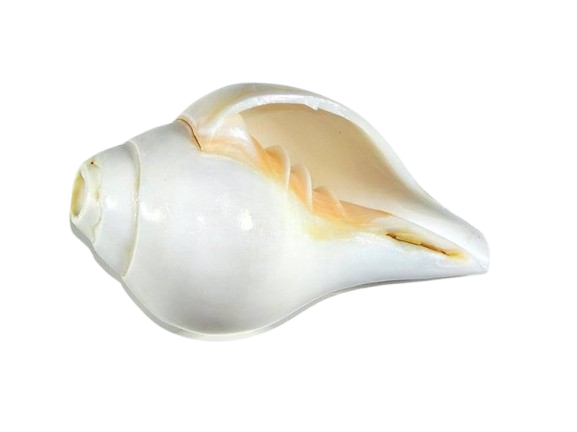
Get a Custom Report on Conch Nutrition Data – Contact Us!
What are the Types of Conchs?
The types of conch refer to the various preparation styles and market forms available, as the Queen Conch is the primary species consumed. The table below provides details on these common forms.
| Type | Description | Calories (per 100g) | Calorie Qualifications |
|---|---|---|---|
|
Raw Conch Meat
|
Fresh, uncooked mollusk flesh used in salads. | 130 | This version offers the lowest calorie count due to the absence of added fats. |
|
Boiled/Steamed Conch
|
Cooked in water or broth without oil. | 135 | The cooking process retains the natural density with minimal caloric increase. |
|
Cracked Conch (Fried)
|
Breaded and deep-fried strips of meat. | 273 | The absorption of frying oil and batter doubles the caloric density. |
|
Conch Fritters
|
Minced meat mixed with batter and deep-fried. | 300+ | This type has the highest calorie count due to the high ratio of flour batter to meat. |
What are the Main Dishes With Conch?
Conch functions as the centerpiece of Caribbean cuisine, featuring in soups, stews, and fried platters. The subsequent chart enumerates dishes utilizing conch meat.
| Dish Name | Calories (Estimate per serving) | Type of Dish | Carbs (g) (Estimate) | Sugar (g) (Estimate) | Protein (g) (Estimate) | Fat (g) (Estimate) | Cuisine | Restaurants |
|---|---|---|---|---|---|---|---|---|
|
Conch Fritters
|
450 | Appetizer | 45 | 4 | 12 | 25 | Caribbean | Bahama Breeze |
|
Conch Salad (Ceviche)
|
180 | Raw Salad | 12 | 4 | 25 | 2 | Bahamian | Da Conch Shack (Select Locations) |
|
Cracked Conch
|
600 | Fried Main | 55 | 2 | 35 | 30 | Caribbean | Golden Krust |
|
Conch Chowder (Red)
|
250 | Soup | 20 | 6 | 15 | 8 | Floridian | Legal Sea Foods |
|
Curried Conch
|
400 | Stew | 15 | 3 | 30 | 22 | Jamaican | The Door (New York, NY) |
|
Stewed Conch
|
350 | Stew | 12 | 4 | 35 | 15 | Caribbean | Caribbean Hut (Charlotte, NC) |
|
Grilled Conch
|
200 | Main Dish | 5 | 0 | 30 | 6 | Caribbean | (Seafood Festivals) |
|
Conch Burger
|
550 | Sandwich | 45 | 6 | 25 | 28 | Floridian | Key West Diners |
|
Steamed Conch
|
220 | Main Dish | 8 | 2 | 32 | 5 | Chinese/Caribbean | Hop Kee (New York, NY) |
|
Conch Pasta
|
500 | Pasta Dish | 60 | 4 | 25 | 18 | Italian Fusion | (Coastal Bistros) |
What Cuisines Prefer Conch the Most?
Conch serves as a cultural icon and dietary staple in the Bahamas, Jamaica, and the Florida Keys. The chart below identifies culinary traditions that prioritize this mollusk.
| Cuisine | Dish | Types of Conch Used | Calories (Estimate) | Restaurant(s) |
|---|---|---|---|---|
|
Bahamian
|
Conch Salad | Raw/Cured | 180 | Bahama Breeze |
|
Jamaican
|
Curried Conch | Stewed/Tenderized | 400 | Golden Krust |
|
Floridian (Keys)
|
Conch Fritters | Minced/Fried | 450 | Sloppy Joe's (Key West/Retail) |
|
Turks & Caicos
|
Cracked Conch | Battered/Fried | 600 | (Specialty Caribbean) |
|
Puerto Rican
|
Ensalada de Carrucho | Boiled/Marinated | 220 | La Placita (Miami, FL) |
|
Haitian
|
Lambi Boukannen | Grilled | 200 | Tap Tap (Miami, FL) |
|
Caymanian
|
Conch Stew | Slow Cooked | 350 | (Caribbean Imports) |
|
Chinese (Coastal)
|
Stir-fried Conch | Sliced/Wok-fried | 300 | Congee Village (New York, NY) |
|
Belizean
|
Conch Soup | Coconut Broth | 450 | (Central American Diners) |
|
French Caribbean
|
Fricassée de Lambi | Stewed | 380 | (Creole Bistros) |
Which Countries Produce the Most Conch?
The top producers of conch are the Bahamas, Belize, and Jamaica. These nations manage the harvesting of the Queen Conch under strict regulations due to CITES (Convention on International Trade in Endangered Species) listings to prevent overfishing. The Bahamas maintains the largest viable populations and export quotas. The table below shows the export volume of conch meat in metric tonnes for the leading producers over the last two decades.
| Country | 2003 | 2008 | 2013 | 2018 | 2019 | 2020 | 2021 | 2022 |
|---|---|---|---|---|---|---|---|---|
| Bahamas | 450 | 550 | 600 | 580 | 550 | 400 | 450 | 480 |
| Belize | 250 | 300 | 350 | 320 | 310 | 280 | 300 | 310 |
| Nicaragua | 150 | 250 | 400 | 450 | 420 | 350 | 380 | 400 |
| Jamaica | 300 | 400 | 350 | 300 | 280 | 150 | 200 | 250 |
| Honduras | 100 | 200 | 300 | 350 | 330 | 250 | 280 | 300 |
Which Countries Consume the Most Conch?
The top consumers of conch are the Bahamas, the United States, and Jamaica. The Bahamas consumes the highest amount per capita, regarding the food as a national dish. The United States represents the largest import market, driven by Caribbean diaspora communities and the restaurant trade in Florida. Jamaica maintains high domestic consumption for traditional curries and soups. The table below shows the import values for conch meat in key markets.
| Country | 2003 | 2008 | 2013 | 2018 | 2019 | 2020 | 2021 | 2022 |
|---|---|---|---|---|---|---|---|---|
| United States | 12 | 18 | 25 | 35 | 38 | 28 | 32 | 40 |
| France (Overseas) | 4 | 6 | 8 | 10 | 11 | 9 | 10 | 12 |
| Bahamas (Domestic) | * | * | * | * | * | * | * | * |
| Canada | 1 | 2 | 3 | 5 | 5 | 4 | 5 | 6 |
| China | 0.5 | 1 | 2 | 4 | 5 | 4 | 5 | 7 |
How Do Prices of Conch-Including Dishes Change?
The cost of dishes containing conch has increased noticeably, reflecting the premium status of the ingredient and regulatory supply limits. The following comparison illustrates the inflation in dining costs.
| Restaurant | Dish | Old Price (Year) | Current Price Range (2024/2025) |
|---|---|---|---|
| Bahama Breeze | Conch Fritters | $8.99 (2014) | $9.99 - $15.50 |
| Sloppy Joe's (Key West) | Conch Fritters | $9.95 (2015) | $14.95 - $17.95 |
| Da Conch Shack | Conch Salad | $12.00 (2015) | $15.00 - $16.00 |
What is the Conch Calorie for 100 Grams?
A 100g serving of baked or boiled conch contains 130 calories.
What is the Conch Calorie for 1 KG?
One kilogram (1000g) of baked or boiled conch contains 1,300 calories.
What is the Calorie of 1 Conch?
Conch calories and protein info for one whole cleaned conch fillet (127g or 4.5oz) include 165 calories and 33.4 g of protein (67% DV). A serving of LaMonica Scungilli (Sliced Conch) (56g) contains 45 calories.
What are the Health Benefits of Conch?
Conch provides notable health benefits such as supporting muscle synthesis and enhancing oxygen transport through a high-protein, iron-rich profile. A breakdown of these positive effects follows.
- Promotes Muscle Maintenance: The meat serves as a dense source of high-quality protein containing all essential amino acids required for tissue repair. A study by Phillips, S. M. (2016), "The impact of protein quality on the promotion of resistance exercise-induced changes in muscle mass," demonstrated that animal-derived proteins effectively stimulate muscle protein synthesis and prevent sarcopenia.
- Supports Oxygen Transport: The high iron content aids in the formation of hemoglobin, preventing anemia and fatigue. Research by Abbaspour, N., et al. (2014), "Review on iron and its importance for human health," confirmed that adequate dietary iron intake is critical for maintaining energy levels and cognitive function.
- Regulates Blood Pressure: The mollusk supplies significant amounts of magnesium, a mineral that relaxes blood vessels. A review by Volpe, S. L. (2013), "Magnesium in disease prevention and overall health," established that magnesium plays a vital role in regulating blood pressure and supporting cardiovascular stability.
What are the Downsides of Conch?
Conch, particularly when fried or consumed raw, has potential downsides including high cholesterol levels and foodborne illness risks. The following points outline these nutritional concerns.
- High Dietary Cholesterol: The meat contains a substantial amount of dietary cholesterol, which poses a concern for hyper-responders. A study by Berger, S., et al. (2015), "Dietary cholesterol and cardiovascular disease: a systematic review and meta-analysis," noted that while dietary cholesterol has a smaller impact than saturated fat, excessive intake remains a concern for individuals with specific genetic predispositions. A healthier alternative is grilled white fish or shrimp. A suggested consumption limit is 85g (3oz) on an infrequent basis.
- Risk of Foodborne Illness: Raw preparations like ceviche carry the risk of bacterial contamination, specifically Vibrio. Research by Iwamoto, M., et al. (2010), "Epidemiology of seafood-associated infections in the United States," identified raw mollusks as a primary vector for seafood-related pathogens.
Is Conch Good for You?
Yes, conch is good for the body when prepared using low-fat methods because the meat offers a dense source of lean protein and essential vitamins. The high protein content supports muscle health and satiety, a benefit supported by Paddon-Jones, D., et al. (2008), "Protein, weight management, and satiety," regarding metabolic maintenance. The significant levels of Vitamin B12 support nervous system function and red blood cell formation, aligning with findings from O'Leary, F., & Samman, S. (2010), "Vitamin B12 in health and disease." Cardiovascular health benefits from the magnesium and potassium content, which Houston, M. (2011), "The role of magnesium in hypertension and cardiovascular disease," identified as key factors in vascular regulation.
Is Conch Meat Beneficial for Heart Health?
Yes, conch meat is beneficial for heart health due to the high concentration of magnesium and potassium, minerals that actively regulate blood pressure and reduce arterial strain. The meat contains low levels of saturated fat, preventing the accumulation of harmful lipids in the bloodstream, provided the preparation avoids deep-frying.
Is Conch Healthy to Eat Regularly?
No, conch is not recommended for daily consumption due to the high cholesterol content found in the meat. A single serving provides a significant portion of the recommended daily limit for cholesterol, suggesting that frequent intake could negatively impact lipid profiles in sensitive individuals.
How Do Calories Change According to Conch Types?
The cooking method determines the calorie count of conch dishes. Raw conch possesses the lowest calorie value at 130 calories per 100 grams due to the lean nature of the muscle tissue. Boiled preparations maintain a similar profile at 135 calories per 100 grams. Fried versions, such as cracked conch, contain a significantly higher value at 273 calories per 100 grams because the breading absorbs cooking oil. Conch fritters present the highest density, often exceeding 300 calories per 100 grams due to the heavy flour batter.
Is Conch Meat Better for You Than Other Types of Seafood?
Yes, conch meat is better than fatty fish regarding total calorie density, but the mollusk contains less Omega-3 fatty acids than salmon or mackerel. The protein-to-calorie ratio in conch is exceptionally high, making the food superior for low-calorie muscle building, though the cholesterol content is higher than in many finfish.
What are the Desserts With Conch?
Conch serves exclusively as a savory protein in Caribbean and Floridian cuisines and does not appear in dessert preparations. The distinct ocean flavor and firm texture make the ingredient unsuitable for sweet confectioneries.
Is Conch High in Cholesterol?
Yes, conch is high in cholesterol, containing approximately 65mg per 100g serving. This amount represents roughly 22% of the recommended daily value, necessitating moderation for individuals managing blood lipid levels.
What is the Origin of Conch?
The culinary history of conch traces back to the Arawak and Carib peoples of the Caribbean, who utilized the meat for sustenance and the shells for tools and communication. The Queen Conch (Strombus gigas) thrives in the warm, shallow waters of the Caribbean Sea and the Gulf of Mexico. European colonization adopted the ingredient into creole cooking styles, blending African spices with local seafood. The mollusk became a vital protein source for island populations, eventually becoming a national symbol for the Bahamas and a signature ingredient in the Florida Keys.
Explore More Seafood
Discover more Seafood with detailed nutrition facts, calorie counts, vitamins, minerals, and health benefits. Compare similar foods, serving sizes, macronutrients, and key nutrients to find the best option for your diet and nutrition goals.
 Anchovies calories
 Barramundi calories
 Bluefin Tuna calories
 Bluefish calories
 Calamari calories
 Catfish calories
 Clams calories
 Cod calories
 Crab calories
 Eel calories
 Fish calories
 Flounder calories