Calories and Nutritions in Cannellini Beans
Cannellini bean calories are considered moderate for a legume, with a 100g serving of cooked cannellini beans containing 128 calories. A one-cup serving (177g, 6.24 oz) of cooked beans provides 226 calories. Cannellini beans nutrition facts show high amounts of plant-based protein and fiber, with a 100g cooked portion offering 8.7g of protein (17% DV) and 6.3g of dietary fiber (23% DV), alongside 23.7g of carbohydrates (9% DV). They are also rich in folate (103µg, 26% DV per 100g cooked) and minerals like iron (15% DV) and manganese (22% DV). Research consistently supports the inclusion of beans like cannellini in a healthy diet, linking their consumption to improved glycemic control and cardiovascular health due to their high fiber and nutrient content (Thompson, S.V., et al., 2012, "Beans and Blunted Postprandial Glycemic Responses: A Systematic Review and Meta-analysis").
The cannellini beans nutrition profile shows that canned and drained cannellini beans are slightly lower in calories at 105 per 100g, while dry cannellini beans are much more calorie-dense at 333 calories per 100g before cooking. Major producers of dry beans (which include cannellini) are India, Myanmar, and Brazil, with high consumption in these regions as well as in Italy and the USA. The price of dry cannellini beans in the U.S. has increased from $1.00 - $2.00 per pound 20 years ago to $2.00 - $3.50 per pound.
Cannellini beans are a staple in Italian cuisine, featuring in dishes like Minestrone soup and Pasta e Fagioli at restaurants such as Olive Garden and Carrabba's Italian Grill, and in Tuscan white bean stews. Dietary guidelines often recommend regular consumption of legumes. A standard serving of one half-cup to one cup of cooked cannellini beans (88.5g-177g), providing 113 to 226 calories, is a nutritious addition to meals. Burning the 128 calories from a 100g serving of cooked cannellini beans might require activities like 12-16 minutes of brisk walking, 10-13 minutes of jogging, or about 15-18 minutes of cycling at a moderate pace.
Cannellini Beans nutrition
| Stats | Weight |
|---|---|
| Carbs | 59.8 grams |
| Protein | 21.6 grams |
| Fats | 2.2 grams |
| Sugars | 0 grams |
- White Beans Calories (Nutritional Facts)
- Northern Beans (Nutritional Facts)
- Canned Cannellini Beans Calories (Nutritional Facts)
- Sodium in Cannellini Beans
- Potassium in Cannellini Beans
- Sugar in Cannellini Beans
- Fiber in Cannellini Beans
- Protein in Cannellini Beans
- Carbs in Cannellini Beans
- Fat in Cannellini Beans
- Vitamins in Cannellini Beans
- Minerals in Cannellini Beans
White Beans Calories (Nutritional Facts)
A 100g (3.5 oz) serving of cooked cannellini beans (a common type of white bean) contains 128 calories. One cup of cooked cannellini beans (177g, 6.24 oz) provides 226 calories. Cooked cannellini beans (100g) also contain 8.7g of protein, 23.7g of carbohydrates, and 0.5g of total fat. Dry white beans (100g) contain 333 calories.
A 100g (3.5 oz) serving of cooked Great Northern beans contains 118 calories. One cup of cooked Great Northern beans (177g, 6.24 oz) provides 209 calories. Cooked Great Northern beans (100g) contain 8.3g of protein, 21.1g of carbohydrates, and 0.5g of total fat.
A 100g (3.5 oz) serving of canned cannellini beans, drained and rinsed, contains 105 calories. A half-cup serving of canned, drained cannellini beans (88.5g, 3.12 oz) provides 93 calories. Canned cannellini beans (100g, drained) contain 6.9g of protein, 19.3g of carbohydrates, and 0.5g of total fat. The calorie count can vary slightly between brands due to processing and any added ingredients in the canning liquid.
Cooked cannellini beans (from dry, without added salt) contain 1mg of sodium per 100g (0% DV). Canned cannellini beans, drained and rinsed (100g), can contain 150-300mg of sodium (7-13% DV) or more, depending on the brand; for example, Goya Canned Cannellini Beans (drained, 100g) have 231mg of sodium (10% DV). Choosing "no salt added" canned versions significantly reduces sodium content to levels similar to home-cooked beans.
Cooked cannellini beans (from dry) provide 502mg of potassium per 100g (11% DV). One cup of cooked cannellini beans (177g, 6.24 oz) contains 889mg of potassium (19% DV). Canned cannellini beans, drained and rinsed (100g), contain 290mg of potassium (6% DV).
Cooked cannellini beans (from dry) contain 0.3g of total sugars per 100g. Canned cannellini beans, drained and rinsed (100g), also contain 0.3g of total sugars.
Cooked cannellini beans (from dry) provide 6.3g of dietary fiber per 100g (23% DV). One cup of cooked cannellini beans (177g, 6.24 oz) offers 11.2g of dietary fiber (40% DV). Canned cannellini beans, drained and rinsed (100g), contain 5.6g of dietary fiber (20% DV).
Cooked cannellini beans (from dry) contain 8.7g of protein per 100g (17% DV). Canned cannellini beans, drained and rinsed (100g), provide 6.9g of protein (14% DV).
Cooked cannellini beans (from dry) have 23.7g of total carbohydrates per 100g (9% DV). Canned cannellini beans, drained and rinsed (100g), provide 19.3g of total carbohydrates (7% DV).
Cooked cannellini beans (from dry) contain 0.5g of total fat per 100g (1% DV). Canned cannellini beans, drained and rinsed (100g), also provide 0.5g of total fat (1% DV).
A 100g (3.5 oz) serving of cooked cannellini beans (from dry) is a good source of Folate (Vitamin B9), providing 103µg (26% DV), and Thiamin (Vitamin B1) at 0.13mg (11% DV). It also contains Vitamin B6 at 0.1mg (6% DV). Canned cannellini beans (100g, drained) provide 56µg of Folate (14% DV).
A 100g (3.5 oz) serving of cooked cannellini beans (from dry) is an excellent source of Manganese, providing 0.5mg (22% DV), and a good source of Iron at 2.7mg (15% DV), Magnesium at 50mg (12% DV), and Phosphorus at 156mg (22% DV). It also contains Copper at 0.2mg (22% DV). Canned cannellini beans (100g, drained) provide 1.7mg of Iron (9% DV) and 0.3mg of Manganese (13% DV).
Get a Custom Report on Cannellini Beans Nutrition Data – Contact Us!
What are the Types of Cannellini Beans?
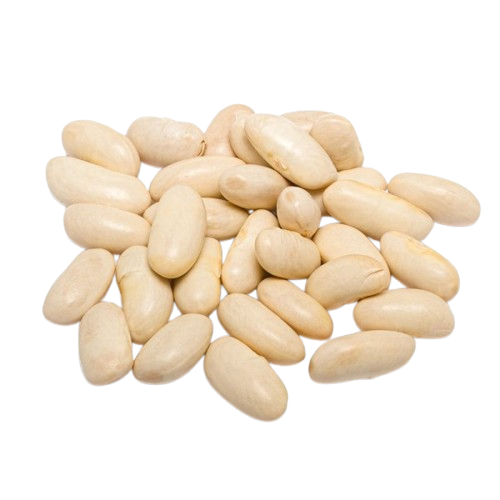
Cannellini beans (Phaseolus vulgaris) are a specific type of white kidney bean. Although there might be minor cultivar variations within cannellini beans themselves that affect size or subtle flavor notes, they are generally considered a single distinct type rather than having multiple widely recognized culinary "sub-types" in the same way other beans might. The main "types" a consumer encounters relate to their preparation or packaging. The table below shows these common forms and their calorie information.
| Type (Preparation/Packaging) | Description | Calories (per 100g cooked/prepared) | Calorie Qualifications |
|---|---|---|---|
|
Dried Cannellini Beans (Cooked from Dry)
|
Beans that have been dried for storage, then soaked and boiled until tender. | 128 | Calories reflect cooked beans without added fat or significant salt. This is the baseline. |
|
Canned Cannellini Beans (Drained, Rinsed)
|
Cooked cannellini beans preserved in a can, typically in a brine solution. | 105 | Slightly lower in calories than home-cooked from dry per 100g, possibly due to water content in canning and processing. High in sodium unless "no salt added". |
|
Cannellini Beans in Sauces/Dishes
|
E.g., Minestrone soup, bean salads with dressing, Tuscan bean stew. | Varies widely (150-300+) | Calorie content is highly dependent on other ingredients like oils, meats, vegetables, and sauces. |
What are the Main Dishes with Cannellini Beans?
Cannellini beans have a creamy texture and mild, nutty flavor, and this type of legume is featured in a variety of hearty and flavorful main dishes, especially in Italian and Mediterranean cuisines. Some of the most widespread main dishes that contain cannellini beans include Minestrone soup, Tuscan white bean stew, and various bean salads. The table below lists diverse main dishes incorporating cannellini beans:
| Dish Name | Calories (per serving) | Type of Cannellini Bean Used (Cooked/Canned) | Carbs (g) | Sugar (g) | Protein (g) | Fat (g) | Cuisine | Restaurants |
|---|---|---|---|---|---|---|---|---|
|
Minestrone Soup
|
200-350 (bowl) | Cooked/Canned | 30-50 | 5-10 | 8-15 | 3-10 | Italian, Italian-American | Olive Garden, Carrabba's Italian Grill, Buca di Beppo |
|
Tuscan White Bean Stew (Ribollita variation)
|
300-500 (bowl) | Cooked/Canned | 40-60 | 4-8 | 10-18 | 8-15 | Italian (Tuscan) | Maggiano's Little Italy (seasonal) |
|
Pasta e Fagioli (Pasta and Beans)
|
350-550 (bowl) | Cooked/Canned | 45-65 | 4-8 | 12-20 | 10-18 | Italian | Olive Garden, Carrabba's Italian Grill |
|
White Bean Salad (with tuna or vegetables)
|
300-500 | Cooked/Canned | 25-40 | 3-6 | 15-25 | 10-20 | Mediterranean, Italian | Panera Bread (seasonal salads), Pret A Manger, various delis and cafes |
|
Cassoulet (often includes white beans like cannellini)
|
600-900 | Cooked/Canned (or other white beans) | 50-70 | 5-10 | 30-45 | 25-40 | French (Southwestern) | French bistros specializing in classic French cuisine, e.g., Balthazar (NYC - seasonal) |
|
White Bean Chili (with chicken or turkey)
|
350-550 | Cooked/Canned | 30-45 | 4-8 | 25-35 | 10-18 | American, Southwestern | Often homemade; some casual dining restaurants offer variations, e.g., Chili's (seasonal) |
|
Escarole and Beans
|
250-400 | Cooked/Canned | 20-30 | 2-5 | 8-12 | 10-18 | Italian-American | Local Italian-American eateries, especially in the Northeast US |
|
Sausage and Cannellini Bean Ragout
|
400-650 | Cooked/Canned | 30-45 | 5-10 | 20-30 | 18-30 | Italian, European | Restaurants with rustic Italian or European fare |
|
Bruschetta with Cannellini Beans and Herbs
|
200-350 (2-3 pieces) | Cooked/Canned (often mashed) | 25-40 | 2-4 | 6-10 | 8-15 | Italian (Appetizer/Light Main) | Some Italian wine bars or restaurants with extensive antipasti menus |
|
Vegetarian Shepherd's Pie with White Bean Base
|
400-600 | Cooked/Canned (mashed or whole) | 45-65 | 8-15 | 10-18 | 15-25 | Vegetarian, Modern | Veggie Grill (seasonal), vegetarian/vegan restaurants |
|
Lamb Stew with White Beans
|
450-700 | Cooked/Canned | 30-45 | 5-10 | 25-40 | 20-35 | Mediterranean, Middle Eastern | Restaurants specializing in Greek or Middle Eastern cuisine |
|
White Bean and Vegetable Soup (Hearty)
|
200-350 (bowl) | Cooked/Canned | 30-45 | 5-10 | 8-15 | 4-10 | International, Vegetarian | Hale and Hearty Soups, various cafes |
|
Italian Wedding Soup (some variations include cannellini)
|
250-400 (bowl) | Cooked/Canned | 20-30 | 2-5 | 10-18 | 8-15 | Italian-American | Olive Garden |
What are the Desserts with Cannellini Beans?
The desserts with cannellini beans are shown below:
| Dish Name | Calories (per serving) | Type of Cannellini Bean Used | Carbs (g) | Sugar (g) | Protein (g) | Fat (g) | Cuisine | Restaurants |
|---|---|---|---|---|---|---|---|---|
|
White Bean Blondies/Brownies (Experimental)
|
200-350 (square) | Pureed Canned/Cooked | 25-40 | 15-25 | 4-7 | 8-15 | Modern Vegan/Gluten-Free Baking | Primarily homemade recipes, very niche health food blogs or specialty bakeries (extremely rare) |
|
Sweet White Bean Paste (as a filling, less common with cannellini)
|
Varies | Pureed Canned/Cooked | Varies | Varies | Varies | Varies | East Asian-inspired (Anko typically uses adzuki) | Highly experimental for cannellini; not standard. |
What Cuisines Prefer Cannellini Beans the Most?
Cannellini beans are most prominently featured and preferred in Italian cuisine, particularly from the Tuscany region, where they are a staple ingredient in a multitude of classic dishes. Their creamy texture and ability to absorb flavors make them ideal for rustic soups, stews, and salads. They are also well-utilized in other Mediterranean cuisines and have gained popularity in American and various European culinary styles. The table below highlights cuisines that frequently incorporate cannellini beans.
| Cuisine | Dish Name | Calories (per serving) | Restaurants |
|---|---|---|---|
|
Italian (Tuscan)
|
Ribollita (Tuscan Bread and Vegetable Soup) | 300-500 (bowl) | Authentic Italian restaurants, especially those specializing in Tuscan cuisine |
|
Italian (Tuscan)
|
Fagioli all'Uccelletto (Beans in Tomato Sauce) | 250-400 (side/main) | Traditional Italian trattorias |
|
Italian
|
Minestrone Soup | 200-350 (bowl) | Olive Garden, Carrabba's Italian Grill, Buca di Beppo |
|
Italian
|
Pasta e Fagioli | 350-550 (bowl) | Olive Garden, Carrabba's Italian Grill |
|
Italian-American
|
Escarole and Beans | 250-400 | Local Italian-American eateries in the US Northeast |
|
Mediterranean
|
White Bean Salad with Lemon and Herbs | 300-500 | Panera Bread (seasonal salads), Pret A Manger, CAVA (as a component) |
|
French (Regional - e.g., for Cassoulet)
|
Cassoulet (often uses various white beans) | 600-900 | French bistros like Balthazar (NYC - seasonal) |
|
American
|
White Bean Chili | 350-550 | Often homemade; some casual dining chains like Chili's (seasonal) |
|
American (Vegetarian/Vegan)
|
Vegetarian Stews and Casseroles with White Beans | Varies | Veggie Grill (seasonal), health-focused cafes |
Which Countries Produce the Most Cannellini Beans?
The top producers of cannellini beans (a type of common bean, Phaseolus vulgaris) are countries that are major producers of dry beans overall like India, Myanmar, Brazil, the United States, and Mexico. The Food and Agriculture Organization of the United Nations (FAO) provides data for "Beans, dry," which encompasses cannellini beans along with many other varieties. In 2022, India was the leading producer in this broad category, yielding over 6,000 kilotonnes. The table below shows the production volume for "Beans, dry" for leading countries over the past two decades:
| Country | 2004 | 2005 | 2006 | 2007 | 2008 | 2009 | 2010 | 2011 | 2012 | 2013 | 2014 | 2015 | 2016 | 2017 | 2018 | 2019 | 2020 | 2021 | 2022 | 2023 (Est.) |
|---|---|---|---|---|---|---|---|---|---|---|---|---|---|---|---|---|---|---|---|---|
| India | 3,860 | 4,050 | 4,200 | 4,350 | 4,500 | 4,200 | 4,800 | 5,100 | 5,300 | 5,700 | 5,850 | 5,900 | 6,050 | 6,150 | 6,220 | 6,300 | 6,350 | 6,400 | 6,127 | 6,200 |
| Myanmar | 2,500 | 2,650 | 2,800 | 2,950 | 3,050 | 3,100 | 3,150 | 3,200 | 3,250 | 3,300 | 3,350 | 3,400 | 3,450 | 3,500 | 3,550 | 3,600 | 3,650 | 3,700 | 3,750 | 3,780 |
| Brazil | 3,250 | 3,300 | 3,100 | 2,900 | 2,800 | 3,000 | 3,200 | 3,400 | 2,700 | 2,900 | 3,100 | 2,800 | 2,600 | 2,750 | 2,900 | 3,000 | 3,050 | 3,100 | 3,150 | 3,170 |
| USA | 1,350 | 1,400 | 1,250 | 1,150 | 1,050 | 1,100 | 1,200 | 1,250 | 1,100 | 1,000 | 950 | 980 | 1,050 | 1,100 | 1,080 | 1,050 | 1,100 | 1,150 | 1,120 | 1,100 |
| Mexico | 1,200 | 1,250 | 1,300 | 1,150 | 1,000 | 950 | 1,100 | 1,280 | 1,050 | 980 | 1,050 | 1,100 | 1,150 | 1,200 | 1,180 | 1,150 | 1,100 | 1,080 | 1,050 | 1,060 |
| Tanzania | 800 | 850 | 900 | 950 | 1,000 | 1,050 | 1,100 | 1,150 | 1,200 | 1,250 | 1,300 | 1,350 | 1,400 | 1,450 | 1,500 | 1,550 | 1,600 | 1,650 | 1,700 | 1,720 |
Which Countries Consume the Most Cannellini Beans?
Based on data from FAOSTAT regarding food supply (apparent consumption) for the broader "Beans, dry" category, countries with high production and strong culinary traditions featuring beans are the largest consumers. This includes India, Brazil, Mexico, and many African nations like Tanzania and Kenya where beans are a staple protein source. European countries, particularly Italy (famous for cannellini bean dishes), Spain, and Portugal, also have significant consumption of white beans. The United States consumes a substantial amount as well.
| Country | 2004 | 2005 | 2006 | 2007 | 2008 | 2009 | 2010 | 2011 | 2012 | 2013 | 2014 | 2015 | 2016 | 2017 | 2018 | 2019 | 2020 | 2021 |
|---|---|---|---|---|---|---|---|---|---|---|---|---|---|---|---|---|---|---|
| India | 3,750 | 3,950 | 4,100 | 4,250 | 4,400 | 4,100 | 4,700 | 5,000 | 5,200 | 5,600 | 5,750 | 5,800 | 5,950 | 6,050 | 6,120 | 6,200 | 6,250 | 6,300 |
| Brazil | 3,100 | 3,150 | 2,950 | 2,750 | 2,650 | 2,850 | 3,050 | 3,250 | 2,550 | 2,750 | 2,950 | 2,650 | 2,450 | 2,600 | 2,750 | 2,850 | 2,900 | 2,950 |
| Mexico | 1,300 | 1,350 | 1,400 | 1,250 | 1,100 | 1,050 | 1,200 | 1,350 | 1,150 | 1,080 | 1,150 | 1,200 | 1,250 | 1,300 | 1,280 | 1,250 | 1,200 | 1,180 |
| USA | 700 | 720 | 700 | 680 | 650 | 680 | 720 | 750 | 700 | 680 | 650 | 670 | 700 | 720 | 710 | 700 | 730 | 750 |
| Tanzania | 780 | 830 | 880 | 930 | 980 | 1,030 | 1,080 | 1,130 | 1,180 | 1,230 | 1,280 | 1,330 | 1,380 | 1,430 | 1,480 | 1,530 | 1,580 | 1,630 |
| Italy | 180 | 185 | 190 | 195 | 190 | 185 | 180 | 175 | 170 | 165 | 160 | 158 | 155 | 153 | 150 | 148 | 150 | 152 |
How Does Prices of Cannellini Beans-including Dishes Change?
The prices of restaurant dishes that feature cannellini beans, such as Minestrone soup, Pasta e Fagioli, or Tuscan white bean stews, have increased over the past 20 years. This is due to the rising cost of cannellini beans (both dry and canned), along with more substantial increases in the prices of other key ingredients (vegetables, pasta, meats, olive oil, aromatics), and major escalations in restaurant operational costs, including labor, rent, and energy. Below is a comparison of estimated prices for representative menu items where cannellini beans (or similar white beans) are a key component.
| Restaurant Chain/Type | Dish | Old Price (2004-2008) | Current Price (2024-2025) |
|---|---|---|---|
| Olive Garden | Minestrone Soup (Bowl) | $3.99 - $5.49 | $6.99 - $8.99 |
| Olive Garden | Pasta e Fagioli Soup (Bowl) | $3.99 - $5.49 | $6.99 - $8.99 |
| Carrabba's Italian Grill | Mama Mandola's Sicilian Chicken Soup | $4.50 - $6.00 (Cup/Bowl) | $6.50 - $9.00 (Cup/Bowl) |
| Local Italian Restaurant | Tuscan White Bean Stew / Ribollita (Entree) | $10.95 - $15.95 | $17.95 - $25.95 |
| Buca di Beppo (Family Style) | Minestrone (Large portion) | $12.99 - $16.99 | $19.99 - $25.99 |
What is the Cannellini Beans Protein for 100g?
A 100g (3.5 oz) serving of cooked cannellini beans (from dry) provides 8.7g of protein. A 100g (3.5 oz) serving of canned cannellini beans, drained and rinsed, contains 6.9g of protein. Dry cannellini beans (100g) contain 23.4g of protein.
What is the Cannellini Beans Calorie for 100g?
A 100g (3.5 oz) serving of cooked cannellini beans (prepared from dry beans without added fat or salt) contains 128 calories. A 100g (3.5 oz) serving of canned cannellini beans, drained and rinsed, provides 105 calories. Dry cannellini beans (100g) contain 333 calories.
What is the Cannellini Beans Calorie for 1 KG?
One kilogram (1000g, 35.27 oz) of cooked cannellini beans (from dry) contains 1280 calories. One kilogram (1000g, 35.27 oz) of canned cannellini beans, drained and rinsed, provides 1050 calories. One kilogram (1000g, 35.27 oz) of dry cannellini beans contains 3330 calories.
What is the Cannellini Beans Calorie for 1 Cup?
One cup of cooked cannellini beans (177g, 6.24 oz, prepared from dry) contains 226 calories. One cup of canned cannellini beans, drained (177g, 6.24 oz), provides 186 calories.
What are the Health Benefits of Cannellini Beans?
Cannellini beans provide some health benefits like promoting digestive health and supporting stable blood sugar levels due to its rich composition of fiber, protein, and complex carbohydrates. A list of the health benefits of cannellini beans are shown below:
- Dietary Fiber: Cannellini beans are packed with dietary fiber, both soluble and insoluble. This fiber aids in digestion, promotes regular bowel movements, helps prevent constipation, and feeds beneficial gut bacteria. (Slavin, J.L., 2013, "Fiber and Prebiotics: Mechanisms and Health Benefits").
- Plant-Based Protein: They are a valuable source of plant-based protein, which is essential for building and repairing tissues, producing enzymes and hormones, and maintaining muscle mass.
- Help Manage Blood Sugar Levels: The combination of high fiber and protein in cannellini beans helps slow down the absorption of sugar into the bloodstream, leading to a more gradual rise in blood glucose levels after a meal. This makes them beneficial for individuals managing diabetes or seeking stable energy. (Thompson, S.V., et al., 2012, "Beans and Blunted Postprandial Glycemic Responses: A Systematic Review and Meta-analysis").
- Support Heart Health: The soluble fiber in cannellini beans can help lower LDL (bad) cholesterol levels. They are also a good source of potassium and magnesium, minerals that play a role in regulating blood pressure. (Bazzano, L.A., et al., 2003, "Non-soy legume consumption lowers cholesterol levels: a meta-analysis of randomized controlled trials").
- Rich in Folate and Other B Vitamins: Cannellini beans provide significant amounts of folate (Vitamin B9), which is crucial for cell division, DNA synthesis, and preventing certain birth defects. They also contain other B vitamins like thiamin, important for energy metabolism.
- Source of Minerals like Iron and Manganese: They contribute important minerals such as iron, necessary for oxygen transport and preventing anemia, and manganese, which is involved in bone health and metabolic processes.
What are the Downsides of Cannellini Beans?
Cannellini beans have been known to cause some unwanted effects like digestive discomfort due to their oligosaccharide content and potential for nutrient binding due to phytic acid. A list of the downsides of cannellini beans are shown below:
- Gas and Bloating: Cannellini beans, like other legumes, contain oligosaccharides (complex sugars like raffinose) that the human body cannot fully digest in the small intestine. When these reach the large intestine, bacteria ferment them, producing gas that can lead to bloating, flatulence, and abdominal discomfort in some individuals. Soaking beans and cooking them thoroughly can help reduce these effects. (Muir, J.G., et al., 2009, "Measurement of short-chain carbohydrates in common Australian vegetables and fruits by high-performance liquid chromatography (HPLC)").
- Contain Phytic Acid: Beans contain phytic acid, which can bind to certain minerals (like iron, zinc, and calcium) in the same meal, potentially reducing their absorption. This is generally not a concern for individuals consuming a varied and balanced diet but might be relevant for those with marginal mineral status or relying heavily on legumes as a primary nutrient source. Soaking, sprouting, or fermenting beans can reduce phytic acid levels. (Schlemmer, U., et al., 2009, "Phytate in foods and significance for humans: Food sources, intake, processing, bioavailability, protective role and analysis").
- Lectins (If Not Properly Cooked): Raw or undercooked beans contain lectins, which can be toxic and cause digestive upset (nausea, vomiting, diarrhea). Proper cooking, including soaking and boiling for an adequate time, deactivates these lectins, making the beans safe to eat. (Van der Poel, T.F.B., 1990, "Effect of processing on antinutritional factors and protein nutritional value of dry beans (Phaseolus vulgaris L.)").
- Sodium Content: Dried cannellini beans are naturally low in sodium, but canned versions are often high in sodium due to added salt for preservation and flavor. Rinsing canned beans thoroughly can help reduce their sodium content.
Is Cannellini Beans Good for You?
Yes, cannellini beans are very good for you when properly prepared and consumed as part of a balanced diet. They are a nutrient-dense food, packed with plant-based protein, dietary fiber, complex carbohydrates, and a wealth of essential vitamins and minerals, including folate, iron, potassium, magnesium, and manganese. The high fiber content promotes digestive health, helps regulate blood sugar levels, and can contribute to satiety and weight management. (Messina, V., 2014, "Nutritional and health benefits of dried beans"). Regular consumption of beans and legumes is associated with a reduced risk of various chronic diseases, including heart disease and type 2 diabetes. (Afshin, A., et al., 2014, "Consumption of nuts and legumes and risk of incident ischemic heart disease, stroke, and diabetes: a systematic review and meta-analysis").
Are Cannellini Beans Healthy?
Yes, cannellini beans are a healthy food choice. They offer a robust nutritional profile, being rich in plant-based protein, complex carbohydrates, and dietary fiber. This combination contributes to sustained energy release, aids in digestive health, and can help in managing blood sugar and cholesterol levels. (Anderson, J.W., et al., 2009, "Health benefits of dietary fiber"). Furthermore, cannellini beans are a good source of several essential micronutrients, including folate, iron, potassium, magnesium, and manganese, all of which play vital roles in maintaining overall health. (USDA FoodData Central, "Beans, cannellini (white kidney), mature seeds, cooked, boiled, without salt"). Incorporating cannellini beans into a balanced diet can contribute to improved nutrient intake and a reduced risk of certain chronic conditions. (Rebello, C.J., et al., 2014, "Dietary fiber and satiety: the effects of oats on satiety").
How Do Calories Change According to Cannellini Beans Types?
The calorie content of cannellini beans primarily changes based on their preparation state (dry versus cooked) and whether they are canned or incorporated into dishes with other ingredients. Dry cannellini beans are very calorie-dense, containing 333 calories per 100g, due to their lack of water. Once these beans are cooked (soaked and boiled), they absorb a significant amount of water, which greatly increases their volume and weight, thereby reducing their calorie density. Cooked cannellini beans (from dry, without added fat) provide 128 calories per 100g. Canned cannellini beans, after being drained and rinsed, are slightly lower in calories than home-cooked from dry, at 105 calories per 100g, which could be due to differences in processing and final water content. When cannellini beans are used as an ingredient in dishes like soups, stews, or salads, the overall calorie count of the dish will be significantly influenced by the other components, such as oils, meats, or creamy dressings, and can range from 150 to over 300 calories per 100g of the finished dish.
What is the Difference Between Cannellini Beans and Great Northern Beans?
The main differences between cannellini beans and Great Northern beans are their size, shape, and texture, which influence their best culinary uses, though both are types of white beans. Cannellini beans are larger, more kidney-shaped, and tend to have a creamier, fluffier texture when cooked, along with a mild, nutty flavor. Great Northern beans are medium-sized, oval or slightly flattened, and have a more delicate flavor and a firmer texture that holds its shape well during cooking.
In terms of nutritional benefits, both cannellini beans and Great Northern beans are excellent sources of protein, fiber, folate, and various minerals like iron and manganese. Their nutritional profiles are very similar. For instance, cooked cannellini beans have 128 calories and 6.3g of fiber per 100g, while cooked Great Northern beans have 118 calories and 7g of fiber per 100g. Research on beans in general supports their role in a healthy diet due to their nutrient density and fiber content, and these benefits would apply to both types. (Mudryj, A.N., et al., 2014, "Nutritional and health benefits of pulses").
What Makes Cannellini Beans Unique Among White Beans?
What makes cannellini beans unique among other white beans is primarily their large, kidney-like shape and their distinctively creamy, fluffy texture when cooked, coupled with a mild, nutty flavor. While other white beans like Great Northern beans or navy beans share a general white color and many nutritional similarities, cannellini beans are often prized for their specific textural qualities.
This creamy texture makes them particularly well-suited for dishes where a smooth, almost velvety consistency is desired, such as in Italian bean purees, Tuscan white bean soup (ribollita), or creamy bean dips. In terms of nutrition, the differences between cannellini beans and other white beans like Great Northern or navy beans are generally subtle.
All are excellent sources of plant-based protein, fiber, folate, and minerals. For example, a study comparing various common beans found that while mineral content can vary slightly by bean type and growing conditions, all are nutrient-rich. (Heimler, D., et al., 2009, "Polyphenol content and antiradical activity of different grain legumes"). The uniqueness of cannellini beans, therefore, lies more in their culinary attributes—their larger size and tender, creamy mouthfeel—than in a drastically different nutritional makeup compared to their white bean cousins.
What is the Origin of Cannellini Beans?
Cannellini beans, like all common beans (Phaseolus vulgaris), trace their origin to the Americas, specifically to regions in Peru and Argentina. They were cultivated by indigenous peoples for thousands of years before being introduced to Europe by Spanish and Portuguese explorers in the 15th and 16th centuries following Columbus's voyages. Once in Europe, cannellini beans, also known as white kidney beans, found a particularly welcoming home in Italy, especially in the Tuscany region. In Italy, they became a staple ingredient, prized for their creamy texture when cooked and their mild, nutty flavor that pairs well with a wide array of Mediterranean ingredients like olive oil, garlic, sage, and tomatoes.
A classic dish that highlights the cannellini bean's role in Italian cuisine is "Fagioli all'Uccelletto," a simple yet flavorful Tuscan preparation where cannellini beans are simmered with tomatoes, garlic, and sage.
Explore More Legumes
Discover more Legumes with detailed nutrition facts, calorie counts, vitamins, minerals, and health benefits. Compare similar foods, serving sizes, macronutrients, and key nutrients to find the best option for your diet and nutrition goals.
 Arhar Dal calories
 Black beans calories
 Black-Eyed Peas calories
 Chickpea Flour calories
 Cream Bean calories
 Edamame calories
 Fava Beans calories
 Hummus calories
 Lentils calories
 Lupini Beans calories
 Mung Beans calories
 Pigeon Peas calories