Calories and Nutritions in Mung Beans
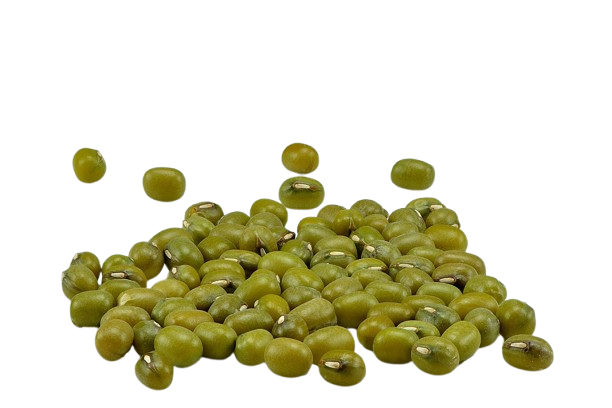
Mung beans are a legume commonly used in Indian and Chinese cuisines. A small one-tablespoon serving of raw mung beans (12.9g) has 45 calories, while a small quarter-cup of cooked boiled mung beans (50.5g) contains 53 calories. A large one-cup serving of raw mung beans (207g) contains 718 calories, while a large one-cup of cooked boiled mung beans (202g) has 212 calories. The calories in moong vary by brand, with a quarter-cup dry serving of Goya Mung Beans containing 180 calories.
The monggo nutrition facts profile is notable for a high concentration of folate and dietary fiber, with a single cup of cooked, boiled mung beans providing 15.4g of fiber (55% DV) and 80% of the DV for folate. A study confirmed that mung beans are rich in bioactive compounds that possess antioxidant and antimicrobial properties (Ganesan, K., & Xu, B., 2018). The beans' high protein and fiber content also promotes satiety, which can aid in weight management. Major health benefits come from this nutrient density, including a rich supply of essential minerals. A 100g serving of cooked, boiled mung beans delivers 0.297mg of manganese (13% DV) and 48mg of magnesium (11% DV), supporting metabolic health and nerve function.
Mung beans are available as whole green beans, split yellow moong dal, and sprouts, with India and China leading global production and consumption. A steady increase in price has marked the past two decades, with wholesale costs rising from $480 per tonne in 2005 to $950 per tonne by 2022, driven by crop yields and a growing global demand for plant-based proteins.
From savory Indian Dal to sweet Chinese Mooncakes, mung beans are a culinary staple found in restaurants like Swati Snacks. A sensible consumption amount is a one-cup serving of boiled mung beans (202g), which provides 212 calories. These calories can be expended through 21 minutes of running or 27 minutes of swimming.
Mung Beans nutrition
| Stats | Weight |
|---|---|
| Carbs | 19.2 grams |
| Protein | 7 grams |
| Fats | 0 grams |
| Sugars | 2 grams |
- Large Mung Beans Calories (Nutritional Facts)
- Medium Mung Beans Calories (Nutritional Facts)
- Small Mung Beans Calories (Nutritional Facts)
- Moong Sprouts Calories (Nutritional Facts)
- Raw Mung Beans Nutrition
- Sodium in Mung Beans
- Potassium in Mung Beans
- Sugar in Mung Beans
- Fiber in Mung Beans
- Protein in Mung Beans
- Carbs in Mung Beans
- Fat in Mung Beans
- Vitamins in Mung Beans
- Minerals in Mung Beans
Large Mung Beans Calories (Nutritional Facts)
A large serving of raw mung beans, equivalent to one cup (207g), has 718 calories, 49.4g of protein, 2.38g of fat, 130g of carbohydrates, 33.7g of fiber, 13.7g of sugar, and 31mg of sodium. A large one-cup serving (202g) of cooked, boiled mung beans contains 212 calories, 14.2g of protein, 0.77g of fat, 38.7g of carbohydrates, 15.4g of fiber, 4.04g of sugar, and 4mg of sodium.
A medium 100g (3.5oz) serving of raw mung beans contains 347 calories, 23.86g of protein, 1.15g of fat, 62.62g of carbohydrates, 16.3g of fiber, 6.6g of sugar, and 15mg of sodium. A medium 100g serving of cooked, boiled mung beans provides 105 calories, 7.02g of protein, 0.38g of fat, 19.15g of carbohydrates, 7.6g of fiber, 2g of sugar, and 2mg of sodium.
A small serving of raw mung beans, or one tablespoon (12.9g), contains 45 calories, 3.08g of protein, 0.15g of fat, 8.08g of carbohydrates, 2.1g of fiber, 0.85g of sugar, and 2mg of sodium. A small quarter-cup serving (50.5g) of cooked, boiled mung beans has 53 calories, 3.54g of protein, 0.19g of fat, 9.67g of carbohydrates, 3.8g of fiber, 1.01g of sugar, and 1mg of sodium.
A one-cup serving (104g) of raw moong sprouts contains 31 calories, 3.16g of protein, 0.19g of fat, 6.18g of carbohydrates, 1.9g of fiber, 4.3g of sugar, and 6mg of sodium.
Uncooked mung beans provide a dense source of nutrients. A 100g serving of raw mung beans contains 347 calories, 23.86g of protein, 1.15g of fat, 62.62g of carbohydrates, 16.3g of fiber, 6.6g of sugar, and 15mg of sodium. A one-cup serving (207g) of raw mung beans offers 718 calories, 49.4g of protein, 2.38g of fat, 130g of carbohydrates, 33.7g of fiber, 13.7g of sugar, and 31mg of sodium.
A large one-cup serving (207g) of raw mung beans contains 31mg of sodium (1% DV). A large one-cup serving (202g) of cooked mung beans has 4mg of sodium (0% DV). A medium 100g serving of raw mung beans contains 15mg of sodium (1% DV). A medium 100g serving of cooked mung beans has 2mg of sodium (0% DV). A small one-tablespoon serving (12.9g) of raw mung beans contains 2mg of sodium (0% DV). A small quarter-cup serving (50.5g) of cooked mung beans has 1mg of sodium (0% DV). A 100g serving of raw mung beans contains 15mg of sodium (1% DV).
A large one-cup serving (207g) of raw mung beans contains 2580mg of potassium (55% DV). A large one-cup serving (202g) of cooked mung beans has 537mg of potassium (11% DV). A medium 100g serving of raw mung beans contains 1246mg of potassium (27% DV). A medium 100g serving of cooked mung beans has 266mg of potassium (6% DV). A small one-tablespoon serving (12.9g) of raw mung beans contains 161mg of potassium (3% DV). A small quarter-cup serving (50.5g) of cooked mung beans has 134mg of potassium (3% DV). A 100g serving of raw mung beans contains 1246mg of potassium (27% DV).
A large one-cup serving (207g) of raw mung beans contains 13.7g of sugar. A large one-cup serving (202g) of cooked mung beans has 4.04g of sugar. A medium 100g serving of raw mung beans contains 6.6g of sugar. A medium 100g serving of cooked mung beans has 2g of sugar. A small one-tablespoon serving (12.9g) of raw mung beans contains 0.85g of sugar. A small quarter-cup serving (50.5g) of cooked mung beans has 1.01g of sugar. A 100g serving of raw mung beans contains 6.6g of sugar.
A large one-cup serving (207g) of raw mung beans contains 33.7g of fiber (120% DV). A large one-cup serving (202g) of cooked mung beans has 15.4g of fiber (55% DV). A medium 100g serving of raw mung beans contains 16.3g of fiber (58% DV). A medium 100g serving of cooked mung beans has 7.6g of fiber (27% DV). A small one-tablespoon serving (12.9g) of raw mung beans contains 2.1g of fiber (8% DV). A small quarter-cup serving (50.5g) of cooked mung beans has 3.8g of fiber (14% DV). A 100g serving of raw mung beans contains 16.3g of fiber (58% DV).
A large one-cup serving (207g) of raw mung beans contains 49.4g of protein (99% DV). A large one-cup serving (202g) of cooked mung beans has 14.2g of protein (28% DV). A medium 100g serving of raw mung beans contains 23.86g of protein (48% DV). A medium 100g serving of cooked mung beans has 7.02g of protein (14% DV). A small one-tablespoon serving (12.9g) of raw mung beans contains 3.08g of protein (6% DV). A small quarter-cup serving (50.5g) of cooked mung beans has 3.54g of protein (7% DV). A 100g serving of raw mung beans contains 23.86g of protein (48% DV).
A large one-cup serving (207g) of raw mung beans contains 130g of carbohydrates (47% DV). A large one-cup serving (202g) of cooked mung beans has 38.7g of carbohydrates (14% DV). A medium 100g serving of raw mung beans contains 62.62g of carbohydrates (23% DV). A medium 100g serving of cooked mung beans has 19.15g of carbohydrates (7% DV). A small one-tablespoon serving (12.9g) of raw mung beans contains 8.08g of carbohydrates (3% DV). A small quarter-cup serving (50.5g) of cooked mung beans has 9.67g of carbohydrates (4% DV). A 100g serving of raw mung beans contains 62.62g of carbohydrates (23% DV).
A large one-cup serving (207g) of raw mung beans contains 2.38g of total fat (3% DV). A large one-cup serving (202g) of cooked mung beans has 0.77g of total fat (1% DV). A medium 100g serving of raw mung beans contains 1.15g of total fat (1% DV). A medium 100g serving of cooked mung beans has 0.38g of total fat (0% DV). A small one-tablespoon serving (12.9g) of raw mung beans contains 0.15g of total fat (0% DV). A small quarter-cup serving (50.5g) of cooked mung beans has 0.19g of total fat (0% DV). A 100g serving of raw mung beans contains 1.15g of total fat (1% DV).
A large one-cup serving (207g) of raw mung beans provides Thiamin (107% DV), Vitamin B6 (46% DV), and Folate (323% DV). A large one-cup serving (202g) of cooked mung beans provides Thiamin (28% DV) and Folate (80% DV). A medium 100g serving of raw mung beans provides Thiamin (52% DV), Vitamin B6 (22% DV), and Folate (156% DV). A medium 100g serving of cooked mung beans provides Thiamin (14% DV) and Folate (40% DV). A 100g serving of raw mung beans provides Folate (156% DV).
A large one-cup serving (207g) of raw mung beans provides Iron (77% DV), Magnesium (93% DV), Phosphorus (60% DV), Zinc (50% DV), and Manganese (93% DV). A large one-cup serving (202g) of cooked mung beans provides Iron (16% DV), Magnesium (23% DV), Phosphorus (16% DV), Zinc (15% DV), and Manganese (26% DV). A medium 100g serving of raw mung beans provides Iron (37% DV), Magnesium (45% DV), Phosphorus (29% DV), Zinc (24% DV), and Manganese (45% DV). A medium 100g serving of cooked mung beans provides Iron (8% DV), Magnesium (11% DV), Phosphorus (8% DV), Zinc (8% DV), and Manganese (13% DV). A 100g serving of raw mung beans provides Iron (37% DV).
Get a Custom Report on Mung Beans Nutrition Data – Contact Us!
What are the Types of Mung Beans?
The types of mung beans are distinguished by how the bean is processed. The table below outlines the features of these common forms.
| Type | Description | Calories (per 100g, cooked) | Calorie Qualifications |
|---|---|---|---|
|
Whole Green Mung Beans
|
The intact, whole bean with the green skin. | 105 | This type retains all the fiber from the hull and has a firm texture when cooked. |
|
Split Mung Beans (Moong Dal)
|
Whole beans that have been split in half. Can be with skin (Chilka) or without. | 105-110 | Splitting the bean reduces cooking time. The skin-on version retains more fiber. |
|
Skinned Mung Beans (Yellow Moong Dal)
|
Split mung beans with the green skin removed, revealing the yellow interior. | 115 | The removal of the fibrous skin results in a slightly higher concentration of carbohydrates and protein, and a softer, mushier texture when cooked. |
|
Mung Bean Sprouts
|
Whole mung beans that have been germinated. | 30 | The sprouting process increases water content and alters the nutrient profile, resulting in a much lower calorie count. |
What are Desserts With Mung Beans?
Mung beans, particularly the skinned and split form (moong dal), are used to create sweet pastes and puddings in many Asian cuisines. A list of desserts that incorporate mung beans is presented in the table below.
| Dish Name | Calories (Estimate per serving) | Type of Mung Beans | Carbs (g) (Estimate) | Sugar (g) (Estimate) | Protein (g) (Estimate) | Fat (g) (Estimate) | Cuisine | Restaurants |
|---|---|---|---|---|---|---|---|---|
|
Moong Dal Halwa
|
450 | Yellow Moong Dal | 55 | 40 | 8 | 22 | Indian | Swati Snacks (Mumbai, IN) |
|
Mung Bean Paste (for Mooncakes)
|
280 | Yellow Moong Dal | 45 | 30 | 10 | 6 | Chinese | Kee Wah Bakery (bakery chain) |
|
Bánh Đậu Xanh (Mung Bean Pastries)
|
350 | Yellow Moong Dal | 50 | 35 | 9 | 12 | Vietnamese | Lee's Sandwiches |
|
Ginataang Monggo (Sweet Mung Bean Porridge)
|
410 | Whole Green | 65 | 30 | 12 | 12 | Filipino | Red Ribbon Bakeshop |
|
Mung Bean Soup (Lü Dou Tang)
|
250 | Whole Green | 50 | 35 | 8 | 2 | Chinese | Din Tai Fung |
|
Che Ba Mau (Three Color Dessert)
|
390 | Yellow Moong Dal | 70 | 50 | 8 | 7 | Vietnamese | Pho 75 (restaurant chain) |
|
Mung Bean Popsicles
|
120 | Whole Green | 28 | 25 | 2 | 0 | Chinese | Sheng Kee Bakery (bakery chain) |
|
Pesarattu (Mung Bean Crepe - can be sweet)
|
280 | Whole Green | 35 | 2 | 15 | 9 | South Indian | Saravanaa Bhavan |
|
Mung Bean Jelly (Nokdu-muk)
|
150 | Starch | 35 | 1 | 1 | 0 | Korean | H Mart (food court) |
|
Hopia (Mung Bean Filled Pastry)
|
320 | Yellow Moong Dal | 48 | 25 | 7 | 10 | Filipino-Chinese | Goldilocks Bakeshop (bakery chain) |
What are Main Dishes With Mung Beans?
In savory cooking, mung beans are used in a wide array of dishes, from hearty stews and soups to savory pancakes. The table below presents a selection of main dishes that utilize mung beans.
| Dish Name | Calories (Estimate per serving) | Type of Mung Beans | Carbs (g) (Estimate) | Sugar (g) (Estimate) | Protein (g) (Estimate) | Fat (g) (Estimate) | Cuisine | Restaurants |
|---|---|---|---|---|---|---|---|---|
|
Moong Dal Tadka
|
350 | Yellow Moong Dal | 40 | 5 | 15 | 15 | Indian | Vatan (New York, NY) |
|
Khichdi
|
420 | Yellow Moong Dal | 65 | 4 | 18 | 10 | Indian | Kailash Parbat (restaurant chain) |
|
Mung Bean Sprouts Stir-Fry
|
280 | Sprouts | 25 | 8 | 10 | 15 | Chinese | P.F. Chang's |
|
Bindaetteok (Mung Bean Pancakes)
|
380 | Yellow Moong Dal | 35 | 3 | 15 | 20 | Korean | Gwangjang Market (Seoul, KR) |
|
Pesarattu (Savory Mung Bean Crepe)
|
310 | Whole Green | 38 | 3 | 16 | 11 | South Indian | Chutneys (Hyderabad, IN) |
|
Mung Bean and Coconut Curry
|
480 | Whole Green | 50 | 8 | 18 | 24 | Thai | Lotus of Siam (Las Vegas, NV) |
|
Munggo Guisado
|
460 | Whole Green | 48 | 8 | 26 | 20 | Filipino | Max's Restaurant (restaurant chain) |
|
Mung Bean Salad
|
320 | Whole Green/Sprouts | 35 | 6 | 15 | 14 | International | Sweetgreen |
What Cuisines Do Prefer Mung Beans Most?
From Indian dals to Filipino stews, mung beans are a cherished staple in many culinary traditions across Asia. An overview of the culinary styles that prominently feature mung beans is shown in the table below.
| Cuisine | Dish | Types of Mung Beans Used | Calories (Estimate) | Restaurant(s) |
|---|---|---|---|---|
|
Indian
|
Dal Tadka, Khichdi, Halwa | Yellow Moong Dal, Whole Green | 350-450 | Junoon (New York, NY) |
|
Filipino
|
Ginisang Monggo, Ginataang Monggo | Whole Green | 410-460 | Gerry's Grill (restaurant chain) |
|
Chinese
|
Mung Bean Soup, Mooncake Filling | Whole Green, Yellow Moong Dal | 250-350 | Yank Sing (San Francisco, CA) |
|
Korean
|
Bindaetteok, Nokdu-juk | Yellow Moong Dal | 380-420 | Kobawoo House (Los Angeles, CA) |
|
Vietnamese
|
Chè Ba Màu, Bánh Đậu Xanh | Yellow Moong Dal | 350-400 | Banh Mi Che Cali (restaurant chain) |
|
Thai
|
Mung Bean Dumplings in Coconut Cream | Yellow Moong Dal | 380-450 | Ayara Thai (Los Angeles, CA) |
|
South Indian
|
Pesarattu | Whole Green | 280-320 | Adyar Ananda Bhavan (restaurant chain) |
|
Indonesian
|
Bubur Kacang Hijau (Mung Bean Porridge) | Whole Green | 390-440 | Simpang Asia (Los Angeles, CA) |
|
Taiwanese
|
Mung Bean Milk | Whole Green | 180-220 | Ten Ren's Tea Time (tea house chain) |
|
Pan-Asian
|
Mung Bean Noodles (Glass Noodles) | Starch | 250-350 | Wagamama |
Which Countries Produce the Most Mung Beans?
The top producers of mung beans are India, China, and Myanmar. These countries account for a substantial portion of the global supply. The table below shows the production quantity of mung beans in key countries.
| Country | 2013 | 2016 | 2018 | 2019 | 2020 | 2021 |
|---|---|---|---|---|---|---|
| India | 1,410,000 | 1,650,000 | 2,010,000 | 2,170,000 | 2,450,000 | 2,640,000 |
| China | 720,000 | 750,000 | 800,000 | 820,000 | 840,000 | 850,000 |
| Myanmar | 540,000 | 620,000 | 680,000 | 710,000 | 730,000 | 740,000 |
| Indonesia | 210,000 | 240,000 | 260,000 | 270,000 | 280,000 | 290,000 |
| Thailand | 150,000 | 170,000 | 180,000 | 185,000 | 190,000 | 195,000 |
| Australia | 90,000 | 110,000 | 130,000 | 140,000 | 150,000 | 160,000 |
Which Countries Consume the Most Mung Beans?
The top consumers of mung beans are the same countries that lead production, particularly India and China, where the bean is a dietary staple. Per capita consumption data reflects the bean's deep cultural and culinary importance in these regions. The table below shows the food supply of mung beans for human consumption in select countries.
| Country | 2013 | 2016 | 2018 | 2019 | 2020 |
|---|---|---|---|---|---|
| India | 1.85 | 2.10 | 2.35 | 2.45 | 2.60 |
| China | 0.85 | 0.90 | 0.95 | 1.00 | 1.05 |
| Myanmar | 1.20 | 1.35 | 1.45 | 1.50 | 1.55 |
| Philippines | 0.70 | 0.75 | 0.80 | 0.82 | 0.85 |
| Vietnam | 0.65 | 0.70 | 0.75 | 0.78 | 0.80 |
| South Korea | 0.50 | 0.55 | 0.60 | 0.62 | 0.65 |
How Do Prices of Mung Beans-Including Dishes Change?
The prices on restaurant menus for dishes containing mung beans have climbed over the past ten years, a movement that mirrors the rising commodity price of the beans and increasing operational expenses. Indian and Southeast Asian restaurants that feature staples like dal, khichdi, and various mung bean curries show these price adjustments on menus.
| Restaurant | Dish | Old Price (Year) | Current Price (2025) |
|---|---|---|---|
| Swati Snacks | Moong Dal Halwa | $4.50 (2015) | $8.38 - $11.99 |
| Saravanaa Bhavan | Pesarattu | $8.99 (2016) | $14.99 - $16.00 |
| Junoon | Moong Dal Tadka | $12.00 (2014) | $17.99 - $22.00 |
| Kailash Parbat | Moong Dal Khichdi | $10.99 (2016) | $16.99 - $18.99 |
What is the Mung Beans Calorie for 100 Grams?
A 100 gram serving of raw mung beans has 347 calories. A 100 gram serving of cooked, boiled mung beans contains 105 calories. A 100 gram serving of raw moong sprouts has 30 calories.
What is the Mung Beans Calorie for 1 KG?
One kilogram (1000g) of raw mung beans contains 3470 calories. One kilogram of cooked, boiled mung beans has 1050 calories. One kilogram of raw moong sprouts contains 300 calories.
What is the Calorie of 1 Mung Beans?
The calorie of one serving of mung beans varies by brand. A quarter-cup dry serving (52g) of Goya Mung Beans contains 180 calories. A quarter-cup dry serving (48g) of Arrowhead Mills Organic Green Mung Beans has 170 calories.
What are the Calories of Mung Beans per Cup?
One cup (207g) of raw mung beans has 718 calories. One cup (202g) of cooked, boiled mung beans contains 212 calories. One cup (104g) of raw moong sprouts has 31 calories.
What are the Health Benefits of Mung Beans?
The consumption of mung beans is linked to several health advantages, supported by scientific evidence. A breakdown of the principal health advantages is provided below.
- Supports Heart Health: Mung beans contain compounds that may benefit cardiovascular health. The beans are a good source of potassium and magnesium, which can help regulate blood pressure. The soluble fiber in mung beans can also help lower LDL ("bad") cholesterol levels. A meta-analysis by Bazzano, L. A., et al. (2011), "Non-soy legume consumption lowers cholesterol levels: a meta-analysis of randomized controlled trials," concluded that intake of non-soy legumes was associated with a significant reduction in LDL cholesterol.
- Rich in Antioxidants: Mung beans are rich in phenolic acids and flavonoids, which are powerful antioxidants. These compounds, including vitexin and isovitexin, help protect the body's cells from damage caused by free radicals, which can reduce the risk of chronic diseases. A study by Ganesan, K., & Xu, B. (2018), "A critical review on phytochemical profile and health promoting effects of mung bean (Vigna radiata)," detailed the extensive antioxidant capacity of the compounds found in mung beans.
- Aids in Digestive Health: Mung beans are an important source of dietary fiber, particularly pectin, a type of soluble fiber. Pectin helps to speed up the movement of food through the gut, promoting regular bowel movements. The beans also contain resistant starch, which acts as a prebiotic, feeding the beneficial bacteria in the large intestine. Research by Dahl, W. J., & Stewart, M. L. (2015), "Position of the Academy of Nutrition and Dietetics: Health Implications of Dietary Fiber," reaffirms the crucial role of fiber in maintaining gut health.
What are the Downsides of Mung Beans?
While mung beans are safe for most individuals, a few potential considerations should be noted. A summary of these potential considerations is presented below.
- Contains Antinutrients: Raw mung beans contain antinutrients like phytic acid and tannins, which can bind to minerals such as iron, zinc, and calcium, reducing their absorption. Soaking, sprouting, or cooking the beans can reduce the levels of these compounds. A study by Dahiya, P. K., et al. (2015), "Mung bean: technological and nutritional potential," discusses how processing methods can mitigate the effects of these antinutrients. An alternative with lower phytic acid is white rice. A daily suggested amount is one cup of cooked beans.
- May Cause Gas and Bloating: Mung beans contain oligosaccharides, a type of carbohydrate that can be difficult for some people to digest. This can lead to gas, bloating, and stomach discomfort, particularly for those not accustomed to a high-fiber diet. Research by Muir, J. G., et al. (2009), "Measurement of short-chain carbohydrates in common Australian vegetables and fruits by high-performance liquid chromatography (HPLC)," identifies these compounds as FODMAPs. Soaking the beans before cooking can help reduce the oligosaccharide content.
Are Mung Beans Good for You?
Yes, mung beans are a highly nutritious food because the beans offer benefits for metabolic, digestive, and cellular health. Mung beans support metabolic health with a low glycemic index and a high fiber content, which helps to regulate blood sugar levels. A study by Jenkins, D. J. A., et al. (2008), "Effect of a low-glycemic index or a high-cereal fiber diet on type 2 diabetes," demonstrated the benefits of high-fiber foods for diabetic management. The beans support digestive health through both soluble and insoluble fiber, promoting regular bowel movements and nourishing beneficial gut bacteria. For cellular health, mung beans are rich in antioxidants like vitexin and isovitexin.
Is Moong Dal Good for Weight Loss?
Yes, moong dal is good for weight loss. Moong dal, which is split and hulled mung beans, is high in both protein and dietary fiber. This combination promotes a feeling of fullness, or satiety, which can help reduce overall calorie intake by curbing appetite and preventing overeating. A systematic review by Clark, M. J., & Slavin, J. L. (2013), "The effect of fiber on satiety and food intake: a systematic review," confirmed that dietary fiber has a significant effect on satiety, leading to reduced food intake. The protein requires more energy to digest compared to carbohydrates or fats, a process known as the thermic effect of food, which can slightly boost metabolism. A clinical study by Weigle, D. S., et al. (2005), "A high-protein diet induces sustained reductions in appetite, ad libitum caloric intake, and body weight," demonstrated that a high-protein diet led to sustained reductions in appetite and body weight. The fiber also slows down digestion, leading to a more gradual release of sugar into the bloodstream and sustained energy levels, which helps to control cravings. The inclusion of legumes like moong dal in a diet is directly associated with weight management. A meta-analysis of randomized controlled trials by Kim, S. J., et al. (2016), "Effects of dietary pulse consumption on body weight," found that dietary pulse consumption resulted in a modest but significant weight loss.
How Do Calories Change According to Mung Beans Types?
The specific form of the mung bean determines its caloric value, with differences resulting from processing and germination. Skinned mung beans (yellow moong dal) have the highest calorie count among cooked varieties, at 115 calories per 100g, because the removal of the hull slightly concentrates the starchy interior. Whole green mung beans and split mung beans with skin have a similar calorie count of around 105 calories per 100g. Mung bean sprouts have the lowest calorie count by a large margin, at just 30 calories per 100g. The sprouting process dramatically increases the water content of the bean, which dilutes the calories and macronutrients.
What is the Origin of Mung Beans?
Mung beans' origins trace back to the Indian subcontinent, where the beans were domesticated thousands of years ago. Archaeological evidence suggests that mung beans (Vigna radiata) have been cultivated in India for at least 3,500 years. From India, the cultivation of this versatile legume spread to China and other parts of Southeast Asia. The bean became a fundamental ingredient in Ayurvedic medicine and a staple protein source throughout Asia. The development of specific dishes evolved over centuries within these cultures. In India, the practice of splitting and skinning the bean to create moong dal for dishes like dal and khichdi became widespread. In China, mung beans were used for both sweet soups (lü dou tang) and as a filling for pastries like mooncakes. The process of sprouting the beans also has a long history in Asian cuisine, valued for both texture and increased nutrient availability.
Explore More Legumes
Discover more Legumes with detailed nutrition facts, calorie counts, vitamins, minerals, and health benefits. Compare similar foods, serving sizes, macronutrients, and key nutrients to find the best option for your diet and nutrition goals.
 Arhar Dal calories
 Black beans calories
 Black-Eyed Peas calories
 Cannellini Beans calories
 Chickpea Flour calories
 Cream Bean calories
 Edamame calories
 Fava Beans calories
 Hummus calories
 Lentils calories
 Lupini Beans calories
 Pigeon Peas calories