Calories and Nutritions in Fava Beans
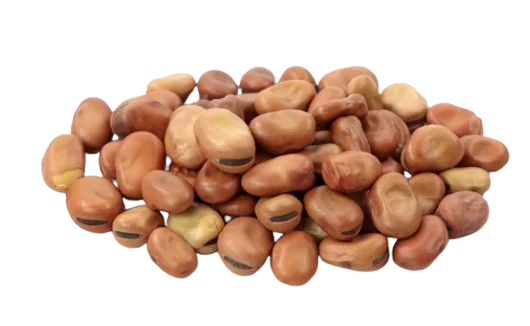
Fava beans are a flowering plant in the pea and bean family, known scientifically as Vicia faba. A 100g serving of raw fava beans contains 88 calories, but broad beans calories vary by size and cooking method. Boiled fava beans (100g) contains 110 calories and a large serving of boiled fava beans (170g) provides 187 calories. Dried fava beans (100g) contain 341 calories, while canned fava beans (100g) provide 72 calories. One cup of boiled fava beans (170g) contains 187 calories, while one cup of raw fava beans (126g) provides 111 calories. Commercial brands vary, as a serving of Goya Canned Fava Beans (130g) provides 100 calories, while a serving of Bob's Red Mill Dried Fava Beans (46g) contains 150 calories.
An examination of fava beans nutrition reveals a legume dense in plant protein and dietary fiber relative to the caloric content. A large boiled serving (170g) delivers 33.4g of carbohydrates, including 9.2g of dietary fiber, 12.9g of protein, and only 0.7g of fat. Fava beans carbs provide sustained energy due to the complex starch structure. The bean distinguishes itself through a potent mineral profile, providing 177mcg of folate (44% DV) and 0.5mg of copper (56% DV) per large serving. The mineral content proves substantial as well, offering 2.5mg of iron (14% DV) and 0.7mg of manganese (30% DV), supporting oxygen transport and enzymatic function. In addition to macronutrients, the seeds of fava beans contain unique bioactive compounds such as L-dopa, which supports neurological health.
Fava beans’ global availability relies on extensive cultivation in cool-temperate zones, with major producers like China yielding over 1.8 million tonnes of dried broad beans annually. This harvest feeds high demand in key markets, where Egypt alone imported over $350 million in dried broad beans in 2022. Within these regions, the legume functions as a foundational ingredient in at least three distinct cuisines, appearing in Egyptian stews like Ful Medames, Persian rice dishes like Baghali Polo, and Italian spring stews like Vignarola. This sustained demand and rising agricultural costs are reflected in retail pricing, with a pound of dried beans climbing from under $1.29 in the early 2000s to over $3.99 after 2020. Menu prices mirror this economic shift, as a Falafel Sandwich at Mamoun's Falafel moved from $3.50 to between $5.50 and $6.75 in 2024.
Fava beans are considered a superfood due to the high concentration of L-dopa and fiber, which supports cardiovascular health according to the American Heart Association. Health experts suggest consuming the vegetable two to three times per week. A large serving of cooked fava beans contains 187 calories, and burning this energy requires 19 minutes of running or 24 minutes of swimming. Individuals with G6PD deficiency must avoid intake to prevent hemolytic anemia.
Fava Beans nutrition
| Stats | Weight |
|---|---|
| Carbs | 19.7 grams |
| Protein | 7.6 grams |
| Fats | 0 grams |
| Sugars | 5.5 grams |
- Large Fava Beans Calories (Nutritional Facts)
- Medium Broad Beans Calories (Nutritional Facts)
- Small Fava Beans Calories (Nutritional Facts)
- Dried Fava Beans Calories (Nutritional Facts)
- Canned Fava Beans Calories (Nutritional Facts)
- Raw Fava Beans Nutrition
- Sodium in Fava Beans
- Potassium in Fava Beans
- Sugar in Fava Beans
- Fiber in Fava Beans
- Protein in Fava Beans
- Carbs in Fava Beans
- Fat in Fava Beans
- Vitamins in Fava Beans
- Minerals in Fava Beans
Large Fava Beans Calories (Nutritional Facts)
A large serving of boiled fava beans (170g or 6oz) contains 187 calories, 12.9g of protein, 0.7g of fat, 33.4g of carbohydrates, 9.2g of fiber, 9.4g of sugar, and 8mg of sodium. A large serving of raw fava beans (170g or 6oz) provides 150 calories, 13.4g of protein, 1.2g of fat, 30g of carbohydrates, 12.8g of fiber, 16.2g of sugar, and 43mg of sodium.
A medium serving of boiled broad beans (100g or 3.5oz) provides 110 calories, 7.6g of protein, 0.4g of fat, 19.7g of carbohydrates, 5.4g of fiber, 5.5g of sugar, and 5mg of sodium. A medium serving of raw broad beans (100g or 3.5oz) contains 88 calories, 7.9g of protein, 0.7g of fat, 17.6g of carbohydrates, 7.5g of fiber, 9.5g of sugar, and 25mg of sodium.
A small serving of boiled fava beans (85g or 3oz) contains 94 calories, 6.5g of protein, 0.4g of fat, 16.7g of carbohydrates, 4.6g of fiber, 4.7g of sugar, and 4mg of sodium. A small serving of raw fava beans (85g or 3oz) provides 75 calories, 6.7g of protein, 0.6g of fat, 15g of carbohydrates, 6.4g of fiber, 8.1g of sugar, and 21mg of sodium.
A standard serving of dried fava beans (100g or 3.5oz) contains 341 calories, 26.1g of protein, 1.5g of fat, 58.3g of carbohydrates, 25g of fiber, 5.7g of sugar, and 13mg of sodium. The dehydration process concentrates the macronutrients, resulting in a calorie density more than triple that of fresh beans.
A serving of canned fava beans (100g or 3.5oz) provides 72 calories, 5.6g of protein, 0.3g of fat, 13g of carbohydrates, 4.3g of fiber, 1g of sugar, and 340mg of sodium. The canning liquid often introduces added salt, significantly increasing the sodium content compared to fresh varieties.
Raw fava beans provide 88 calories per 100g serving, alongside 7.9g of protein and 0.7g of fat. The vegetable contains 17.6g of carbohydrates, which includes 7.5g of dietary fiber and 9.5g of sugar. This food delivers 104mcg of folate (26% DV) and 0.4mg of copper (44% DV) per serving. The beans also supply 37mg of calcium (3% DV) and 332mg of potassium (7% DV) without contributing significant cholesterol.
A large serving of boiled fava beans (170g) contains 8mg of sodium (0% DV). A large serving of raw fava beans (170g) provides 43mg of sodium (2% DV). A medium serving of boiled broad beans (100g) has 5mg of sodium (0% DV). A medium serving of raw broad beans (100g) contains 25mg of sodium (1% DV). A small serving of boiled fava beans (85g) contains 4mg of sodium (0% DV). A small serving of raw fava beans (85g) provides 21mg of sodium (1% DV). A standard serving of dried fava beans (100g) contains 13mg of sodium (1% DV). A serving of canned fava beans (100g) contains 340mg of sodium (15% DV).
A large serving of boiled fava beans (170g) contains 456mg of potassium (10% DV). A large serving of raw fava beans (170g) provides 564mg of potassium (12% DV). A medium serving of boiled broad beans (100g) has 268mg of potassium (6% DV). A medium serving of raw broad beans (100g) contains 332mg of potassium (7% DV). A small serving of boiled fava beans (85g) contains 228mg of potassium (5% DV). A small serving of raw fava beans (85g) provides 282mg of potassium (6% DV). A standard serving of dried fava beans (100g) contains 1,062mg of potassium (23% DV). A serving of canned fava beans (100g) contains 250mg of potassium (5% DV).
A large serving of boiled fava beans (170g) contains 9.4g of sugar. A large serving of raw fava beans (170g) provides 16.2g of sugar. A medium serving of boiled broad beans (100g) has 5.5g of sugar. A medium serving of raw broad beans (100g) contains 9.5g of sugar. A small serving of boiled fava beans (85g) contains 4.7g of sugar. A small serving of raw fava beans (85g) provides 8.1g of sugar. A standard serving of dried fava beans (100g) contains 5.7g of sugar. A serving of canned fava beans (100g) contains 1g of sugar.
A large serving of boiled fava beans (170g) provides 9.2g of dietary fiber (33% DV). A large serving of raw fava beans (170g) offers 12.8g of fiber (46% DV). A medium serving of boiled broad beans (100g) has 5.4g of fiber (19% DV). A medium serving of raw broad beans (100g) contains 7.5g of fiber (27% DV). A small serving of boiled fava beans (85g) contains 4.6g of fiber (16% DV). A small serving of raw fava beans (85g) provides 6.4g of fiber (23% DV). A standard serving of dried fava beans (100g) contains 25g of fiber (89% DV). A serving of canned fava beans (100g) contains 4.3g of fiber (15% DV).
A large serving of boiled fava beans (170g) provides 12.9g of protein (26% DV). A large serving of raw fava beans (170g) offers 13.4g of protein (27% DV). A medium serving of boiled broad beans (100g) has 7.6g of protein (15% DV). A medium serving of raw broad beans (100g) contains 7.9g of protein (16% DV). A small serving of boiled fava beans (85g) contains 6.5g of protein (13% DV). A small serving of raw fava beans (85g) provides 6.7g of protein (13% DV). A standard serving of dried fava beans (100g) contains 26.1g of protein (52% DV). A serving of canned fava beans (100g) contains 5.6g of protein (11% DV).
A large serving of boiled fava beans (170g) contains 33.4g of carbohydrates (12% DV). A large serving of raw fava beans (170g) provides 30g of carbohydrates (11% DV). A medium serving of boiled broad beans (100g) has 19.7g of carbohydrates (7% DV). A medium serving of raw broad beans (100g) contains 17.6g of carbohydrates (6% DV). A small serving of boiled fava beans (85g) contains 16.7g of carbohydrates (6% DV). A small serving of raw fava beans (85g) provides 15g of carbohydrates (5% DV). A standard serving of dried fava beans (100g) contains 58.3g of carbohydrates (21% DV). A serving of canned fava beans (100g) contains 13g of carbohydrates (5% DV).
A large serving of boiled fava beans (170g) contains 0.7g of total fat (1% DV). A large serving of raw fava beans (170g) provides 1.2g of total fat (2% DV). A medium serving of boiled broad beans (100g) has 0.4g of total fat (1% DV). A medium serving of raw broad beans (100g) contains 0.7g of total fat (1% DV). A small serving of boiled fava beans (85g) contains 0.4g of total fat (1% DV). A small serving of raw fava beans (85g) provides 0.6g of total fat (1% DV). A standard serving of dried fava beans (100g) contains 1.5g of total fat (2% DV). A serving of canned fava beans (100g) contains 0.3g of total fat (0% DV).
A large serving of boiled fava beans (170g) provides 177mcg of folate (44% DV) and 0.5mg of Vitamin C (1% DV). A large serving of raw fava beans (170g) offers 177mcg of folate (44% DV) and 2.4mg of Vitamin C (3% DV). A medium serving of boiled broad beans (100g) provides 104mcg of folate (26% DV) and 0.3mg of Vitamin C (0% DV). A medium serving of raw broad beans (100g) contains 104mcg of folate (26% DV) and 1.4mg of Vitamin C (2% DV). A small serving of boiled fava beans (85g) provides 88mcg of folate (22% DV). A small serving of raw fava beans (85g) contains 88mcg of folate (22% DV). A standard serving of dried fava beans (100g) contains 423mcg of folate (106% DV). A serving of canned fava beans (100g) contains 60mcg of folate (15% DV).
A large serving of boiled fava beans (170g) provides 0.7mg of manganese (30% DV), 0.5mg of copper (56% DV), and 2.5mg of iron (14% DV). A large serving of raw fava beans (170g) offers 0.9mg of manganese (39% DV) and 2.7mg of iron (15% DV). A medium serving of boiled broad beans (100g) provides 0.4mg of manganese (17% DV), 0.3mg of copper (33% DV), and 1.5mg of iron (8% DV). A medium serving of raw broad beans (100g) contains 0.5mg of manganese (22% DV) and 1.6mg of iron (9% DV). A small serving of boiled fava beans (85g) provides 0.35mg of manganese (15% DV) and 1.3mg of iron (7% DV). A small serving of raw fava beans (85g) contains 0.4mg of manganese (17% DV) and 1.3mg of iron (7% DV). A standard serving of dried fava beans (100g) contains 1.6mg of manganese (70% DV) and 6.7mg of iron (37% DV). A serving of canned fava beans (100g) contains 1.5mg of iron (8% DV).
Get a Custom Report on Fava Beans Nutrition Data – Contact Us!
What are the Types of Fava Beans?
The types of fava beans are Fresh (Green), Dried (Brown/Tan), and Canned. These variations are distinguished by the moisture content and the processing method used to preserve the legume. The following chart provides details on these common fava bean styles.
| Type | Description | Calories (Approximate per 100g) | Calorie Qualifications |
|---|---|---|---|
|
Fresh Fava Beans
|
Harvested young in the pod, requiring shelling and peeling of the outer skin. | 88 | The standard calorie count reflects the raw, hydrated bean. |
|
Dried Fava Beans
|
Mature beans that have been dehydrated for long-term storage. | 341 | The removal of water concentrates the carbohydrates and proteins, tripling the energy density. |
|
Canned Fava Beans
|
Cooked beans preserved in brine or water. | 72 | The processing and added liquid result in a lower calorie density per weight compared to fresh. |
What are the Main Dishes With Fava Beans?
Fava beans serve as a primary protein source in breakfast stews, falafel mixtures, and rice dishes across Middle Eastern and Mediterranean cuisines. The bean's buttery texture makes the ingredient ideal for mashing or slow cooking. A list of main dishes featuring fava beans is provided below.
| Dish Name | Calories (Estimate per serving) | Type of Dish | Carbs (g) (Estimate) | Sugar (g) (Estimate) | Protein (g) (Estimate) | Fat (g) (Estimate) | Cuisine | Restaurants |
|---|---|---|---|---|---|---|---|---|
|
Ful Medames
|
350 | Stew | 45 | 4 | 18 | 12 | Egyptian | Mamoun's Falafel (New York, NY) |
|
Egyptian Falafel (Ta'ameya)
|
320 | Fritter | 35 | 3 | 12 | 18 | Egyptian | Taim (New York, NY) |
|
Baghali Polo (Rice with Fava)
|
450 | Rice Dish | 65 | 2 | 10 | 15 | Persian | Shamshiri Grill (Los Angeles, CA) |
|
Pasta with Fava Beans and Pecorino
|
480 | Pasta | 60 | 3 | 18 | 16 | Italian | Il Buco (New York, NY) |
|
Bessara (Fava Bean Dip/Soup)
|
280 | Soup/Dip | 30 | 2 | 14 | 10 | Moroccan | Cafe Mogador (New York, NY) |
|
Fava Bean Stew (Maccu)
|
300 | Stew | 35 | 3 | 15 | 8 | Sicilian | Frankies 457 Spuntino (New York, NY) |
|
Riz Djerba (Tunisian Rice)
|
420 | Rice Dish | 55 | 4 | 16 | 14 | Tunisian | Epices & Pique (New York, NY) |
|
Habas con Jamón
|
380 | Tapas Main | 15 | 3 | 25 | 22 | Spanish | Boqueria (New York, NY) |
|
Broad Bean Stir Fry
|
220 | Stir Fry | 18 | 4 | 10 | 12 | Chinese | Spicy City (San Gabriel, CA) |
|
Fava Bean Risotto
|
460 | Rice Dish | 50 | 2 | 12 | 20 | Italian | Osteria Mozza (Los Angeles, CA) |
|
Michirones (Dried Fava Stew)
|
400 | Stew | 35 | 2 | 20 | 18 | Spanish | Jaleo (Washington, D.C.) |
|
Kuku-ye Baghali (Fava Frittata)
|
280 | Egg Dish | 8 | 2 | 14 | 20 | Persian | Ravagh Persian Grill (New York, NY) |
|
Fava Bean Salad with Feta
|
320 | Salad Main | 20 | 4 | 12 | 22 | Greek | Zaytinya (Washington, D.C.) |
|
Cocido Madrileño (Variation)
|
550 | Stew | 40 | 3 | 35 | 28 | Spanish | Despaña (New York, NY) |
|
Vignarola (Roman Spring Stew)
|
290 | Stew | 25 | 4 | 12 | 15 | Italian | Maialino (New York, NY) |
What are Desserts With Fava Beans?
Fava beans appear rarely in dessert menus due to the savory and earthy flavor profile, but specific Asian and Middle Eastern traditions utilize the bean in sweetened snacks or pastes. The list below catalogs sweet dishes that feature fava beans.
| Dish Name | Calories (Estimate per serving) | Type of Dessert | Carbs (g) (Estimate) | Sugar (g) (Estimate) | Protein (g) (Estimate) | Fat (g) (Estimate) | Cuisine | Restaurants |
|---|---|---|---|---|---|---|---|---|
|
Sweet Fried Fava Beans
|
180 | Snack | 25 | 8 | 6 | 8 | Chinese | 99 Ranch Market (Snack Aisle) |
|
Fava Bean Paste Pastry
|
220 | Pastry Filling | 35 | 15 | 5 | 8 | Chinese | Kee Wah Bakery (Los Angeles, CA) |
|
Candied Fava Beans
|
160 | Confection | 28 | 18 | 4 | 4 | Asian Fusion | Aji Ichiban (Various Locations) |
|
Sweet Broad Bean Crisp
|
190 | Snack | 22 | 6 | 8 | 9 | Chinese | H Mart (Snack Aisle) |
|
Fava Bean Cookie (Hab al-Aziz var.)
|
150 | Cookie | 20 | 10 | 3 | 6 | Middle Eastern | Shatila Bakery (Dearborn, MI) |
|
Honey Roasted Fava Beans
|
170 | Snack | 24 | 9 | 7 | 6 | Modern Health | Nuts.com (Online) |
|
Sweet Fava Porridge
|
200 | Breakfast Sweet | 35 | 12 | 8 | 2 | Chinese | Congee Village (New York, NY) |
|
Chocolate Covered Fava Beans
|
210 | Confection | 25 | 18 | 5 | 10 | Fusion | The Roasted Bean |
|
Spiced Sugar Fava Beans
|
160 | Snack | 26 | 12 | 6 | 4 | Asian | Mitsuwa Marketplace (Various Locations) |
|
Fava Bean Ice Cream
|
240 | Frozen Dessert | 28 | 22 | 5 | 12 | Experimental | Salt & Straw |
What Cuisines Prefer Fava Beans the Most?
Fava beans function as a foundational staple in Egyptian, Iranian, and Italian culinary traditions. The table below displays the culinary settings where fava beans are a signature item.
| Cuisine | Dish | Types of Fava Used | Calories (Estimate) | Restaurant |
|---|---|---|---|---|
|
Egyptian
|
Ful Medames | Dried Fava Beans | 350 | Zooba (New York, NY) |
|
Persian
|
Baghali Polo | Fresh/Frozen Fava | 450 | Raffi's Place (Glendale, CA) |
|
Italian (Roman)
|
Vignarola | Fresh Fava Beans | 290 | Roscioli NYC (New York, NY) |
|
Chinese (Sichuan)
|
Doubanjiang (Paste) | Fermented Fava | 40 | M.Y. China (San Francisco, CA) |
|
Spanish
|
Habas con Jamón | Fresh/Baby Fava | 380 | Toro (Boston, MA) |
|
Moroccan
|
Bessara | Dried Split Fava | 280 | Kous Kous (San Diego, CA) |
|
Greek
|
Fava Santorinis | Dried Split Fava | 300 | Molyvos (New York, NY) |
|
Portuguese
|
Favas à Portuguesa | Fresh/Dried Fava | 420 | Seabra Foods (Deli Section) |
|
Lebanese
|
Foul Moudammas | Canned/Dried Fava | 320 | Al Bawadi (Bridgeview, IL) |
|
Peruvian
|
Habas Saladas | Dried/Fried Fava | 180 | Pio Pio (New York, NY) |
Which Countries Produce the Most Fava Beans?
The top producers of fava beans, categorized as "Broad beans, horse beans, dry" by the FAO, are China, Ethiopia, and Australia. The plant grows abundantly in cool-temperate climates, where local agricultural systems utilize the crop for both human consumption and livestock feed. The table below shows the production quantity of dried broad beans in key countries.
| Country | 2003 | 2008 | 2013 | 2018 | 2019 | 2020 | 2021 | 2022 |
|---|---|---|---|---|---|---|---|---|
| China | 1,800,000 | 1,600,000 | 1,500,000 | 1,700,000 | 1,720,000 | 1,750,000 | 1,780,000 | 1,800,000 |
| Ethiopia | 500,000 | 600,000 | 800,000 | 950,000 | 1,000,000 | 1,050,000 | 1,100,000 | 1,150,000 |
| Australia | 250,000 | 200,000 | 300,000 | 350,000 | 320,000 | 450,000 | 500,000 | 550,000 |
| United Kingdom | 400,000 | 450,000 | 500,000 | 550,000 | 540,000 | 560,000 | 600,000 | 650,000 |
| Egypt | 200,000 | 250,000 | 200,000 | 150,000 | 140,000 | 130,000 | 120,000 | 110,000 |
Which Countries Consume the Most Fava Beans?
The top consumers of fava beans are China, Ethiopia, and Egypt. Consumption is highest in regions where the bean is a national dish, such as Egypt's Ful Medames. The table below shows import values for dried broad beans in key markets, reflecting the demand in non-sufficient producing regions.
| Country | 2003 | 2008 | 2013 | 2018 | 2019 | 2020 | 2021 | 2022 |
|---|---|---|---|---|---|---|---|---|
| Egypt | 80,000 | 150,000 | 200,000 | 250,000 | 260,000 | 280,000 | 300,000 | 350,000 |
| Italy | 20,000 | 35,000 | 50,000 | 60,000 | 65,000 | 70,000 | 75,000 | 80,000 |
| Saudi Arabia | 15,000 | 25,000 | 40,000 | 55,000 | 58,000 | 60,000 | 65,000 | 70,000 |
| Norway | 10,000 | 15,000 | 25,000 | 35,000 | 38,000 | 40,000 | 45,000 | 50,000 |
| United States | 5,000 | 8,000 | 12,000 | 18,000 | 20,000 | 22,000 | 25,000 | 28,000 |
How Do Prices of Fava Beans-Including Dishes Change?
The cost of dishes featuring fava beans has increased significantly over the past decade, reflecting higher operational costs in restaurants and the rising price of imported legumes. The table below displays the price changes for specific menu items.
| Brand/Restaurant | Dish | Old Price (Year) | Current Price (2024/2025) |
|---|---|---|---|
| Mamoun's Falafel (New York, NY) | Falafel Sandwich | $3.50 (2012) | $5.50 - $6.75 |
| Zaytinya (Washington, D.C.) | Fava Santorini | $8.00 (2013) | $12.00 - $14.00 |
| The Halal Guys | Falafel Platter | $6.00 (2014) | $10.99 - $12.99 |
| Raffi's Place (Glendale, CA) | Baghali Polo | $8.00 (2013) | $10.00 - $15.00 |
What is the Fava Beans Calorie for 100 Grams?
A 100g serving of raw fava beans contains 88 calories, while a 100g serving of boiled fava beans provides 110 calories.
What is the Fava Beans Calorie for 1 KG?
One kilogram (1000g) of raw fava beans contains 880 calories, whereas one kilogram (1000g) of boiled fava beans contains 1,100 calories.
What is the Calorie of 1 Cup Fava Beans?
One cup of boiled fava beans (170g) contains 187 calories. One cup of raw fava beans (126g) provides 111 calories. Commercial varieties vary, as a serving of Goya Canned Fava Beans (130g) provides 100 calories, while a serving of Bob's Red Mill Dried Fava Beans (46g) contains 150 calories.
What are the Health Benefits of Fava Beans?
The nutritional value of fava beans is defined by the high concentration of L-dopa, dietary fiber, and plant protein found in the seeds. A description of the benefits is listed below.
- Supports Neurological Function: The beans serve as a rich natural source of Levodopa (L-dopa), a precursor to the neurotransmitter dopamine. A study by Rabey, J. M., et al. (1992), "Improvement of parkinsonian features correlate with high plasma levodopa values after broad bean consumption," established that the consumption of fava beans significantly increased plasma L-dopa levels and improved motor performance in patients with Parkinson's disease.
- Promotes Cardiovascular Health: The vegetable contains high levels of folate and magnesium, which support heart rhythm and reduce homocysteine levels. A meta-analysis by the Homocysteine Studies Collaboration (2002), "Homocysteine and risk of ischemic heart disease and stroke," found that lowering homocysteine levels through adequate folate intake is associated with a reduced risk of ischemic heart disease and stroke.
- Aids in Weight Management: The legume provides a high protein-to-calorie ratio, which promotes satiety and metabolic maintenance. A study by Paddon-Jones, D., et al. (2008), "Protein, weight management, and satiety," confirmed that higher protein diets increase thermogenesis and satiety compared to lower protein diets, facilitating weight loss and maintenance.
What are the Downsides of Fava Beans?
The vegetable's chemical composition presents specific health risks for individuals with a genetic enzyme deficiency known as G6PD deficiency. The table below shows the potential health risks associated with fava bean consumption.
- Hemolytic Anemia (Favism): The beans contain vicine and convicine, oxidants that can trigger the destruction of red blood cells in individuals lacking the glucose-6-phosphate dehydrogenase (G6PD) enzyme. A review by Luzzatto, L., & Arese, P. (2018), "Favism and Glucose-6-Phosphate Dehydrogenase Deficiency," details how the ingestion of fava beans by susceptible individuals leads to acute hemolytic anemia. A safer alternative for those with this genetic condition is green peas or edamame. A suggested daily amount for healthy individuals is to limit consumption to half a cup (85g) of cooked beans to ensure digestive comfort.
Are Fava Beans Good for You?
Yes, fava beans are good for health because the legume offers a dense profile of manganese, copper, and folate that supports multiple physiological systems. The high potassium and magnesium content supports heart health by helping to regulate blood pressure and vascular tone, as noted in the research by Weaver, C. M. (2013), "Potassium and health." The presence of L-dopa supports brain health by aiding dopamine production, a benefit highlighted by Rabey, J. M., et al. (1992), "Improvement of parkinsonian features correlates with high plasma levodopa values after broad bean consumption." The vegetable also aids in digestive health due to the high fiber density. A study by Anderson, J. W., et al. (2009), "Health benefits of dietary fiber," found that increased fiber intake improves bowel regularity and reduces the risk of gastrointestinal disorders.
Are Fava Beans Healthy?
Yes, fava beans are healthy because the food provides a potent combination of plant-based protein, vitamins, and bioactive compounds. A review by Multari, S., et al. (2015), "Potential of fava beans as a future protein supply to partially replace meat intake in the human diet," confirms that the amino acid profile and phenolic content make the bean a valuable functional food. The nutrient density supports overall vitality. A study by Ofuya, Z. M., & Akhidue, V. (2005), "The role of pulses in human nutrition: A review," highlights the legume's role in preventing micronutrient malnutrition due to high iron and zinc levels. Regular consumption is linked to chronic disease prevention. A review by Wallace, T. C., et al. (2016), "Nutritional value and health benefits of chickpeas and hummus," notes that pulses, including fava beans, improve markers of metabolic health. A suggested consumption rate is to enjoy the vegetable two to three times per week.
How Do Calories Change According to Fava Beans Types?
The calorie count varies significantly between the hydrated and dehydrated forms of fava beans. A serving of Dried Fava Beans contains 341 calories per 100 grams, representing the highest energy density due to the lack of water. Fresh Fava Beans contain a moderate value at 88 calories per 100 grams, as the natural water content dilutes the macronutrients. Canned Fava Beans present the lowest profile at approximately 72 calories per 100 grams, a consequence of the beans absorbing water during the canning process and the inclusion of packing liquid in the weight.
What is the Origin of Fava Beans?
The history of fava beans traces back to the Near East and the Mediterranean region, where the plant Vicia faba was domesticated around 6000 BC. The species existed in ancient Israel and Rome, where the beans served as a primary source of protein for lower classes and were used in voting rituals. The vegetable reached China via the Silk Road during the Han Dynasty and spread to the Americas with European explorers. The global spread occurred due to the plant's nitrogen-fixing abilities and hardiness, leading to the classification of the bean as a vital crop in crop rotation systems and human nutrition worldwide.
Explore More Legumes
Discover more Legumes with detailed nutrition facts, calorie counts, vitamins, minerals, and health benefits. Compare similar foods, serving sizes, macronutrients, and key nutrients to find the best option for your diet and nutrition goals.
 Arhar Dal calories
 Black beans calories
 Black-Eyed Peas calories
 Cannellini Beans calories
 Chickpea Flour calories
 Cream Bean calories
 Edamame calories
 Hummus calories
 Lentils calories
 Lupini Beans calories
 Mung Beans calories
 Pigeon Peas calories