Calories and Nutritions in Cornstarch
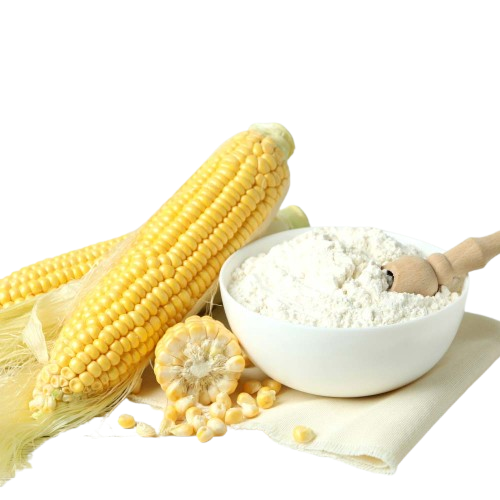
Cornstarch is a refined starch powder used as a thickening agent in food preparation. Cornstarch calories are energy-dense, with a 100 gram (3.53 ounce) serving containing 381 calories, while a small one-tablespoon (8g) serving has 30 calories. A single serving of Argo Corn Starch (8g) contains 30 calories. The cornstarch macros for a 100-gram portion consist of 0.3g of protein, 0.1g of fat, 91.3g of carbohydrates, 0.9g of fiber, and 0g of sugar.
Corn starch nutritional information reveals a product composed almost exclusively of carbohydrates and negligible vitamin content. A 100-gram serving provides very few micronutrients, offering only 6% of the DV for copper and 5% of the DV for selenium. The product's high carbohydrate content and minimal fiber give cooked cornstarch a high glycemic index. A study by Ludwig, D.S. (2002) in "The Glycemic Index: Physiological Mechanisms Relating to Obesity, Diabetes, and Cardiovascular Disease" explains how high-glycemic foods can cause rapid spikes in blood glucose. The principal health-related roles of cornstarch are functional, serving as a gluten-free thickener or as a medical food for managing glycogen storage disease.
Cornstarch is extracted from the endosperm of corn and common varieties include conventional, Modified Food Starch, and Non-GMO/Organic Cornstarch. The United States and China lead global production of maize (corn), the source for cornstarch, while China and Mexico are principal consumers. The commodity price for corn has increased substantially over the last 20 years, moving from below $100 per metric ton in the early 2000s to over $337 per metric ton in 2022.
Cornstarch is a central component in desserts like Banana Pudding at Magnolia Bakery and savory dishes such as General Tso's Chicken at P.F. Chang's. A good recommendation for consumption is one tablespoon (8 grams) for thickening a sauce. One 8-gram serving provides 30 calories. The energy from this portion can be expended through 3 minutes of jogging or 4 minutes of cycling.
Cornstarch nutrition
| Stats | Weight |
|---|---|
| Carbs | 28 grams |
| Protein | 0.1 grams |
| Fats | 0 grams |
| Sugars | 0 grams |
- Raw Cornstarch Nutrition
- Sodium in Cornstarch
- Potassium in Cornstarch
- Sugar in Cornstarch
- Fiber in Cornstarch
- Protein in Cornstarch
- Carbs in Cornstarch
- Fat in Cornstarch
- Vitamins in Cornstarch
- Minerals in Cornstarch
Raw Cornstarch Nutrition
A 100-gram (3.53 ounce) serving of raw cornstarch contains 381 calories, 0.3 grams of protein, 0.1 grams of fat, 91.3 grams of carbohydrates, 0.9 grams of fiber, and 0 grams of sugar. A one-cup (128g) serving provides 488 calories, 0.3 grams of protein, 0.1 grams of fat, 117 grams of carbohydrates, 1.2 grams of fiber, and 0 grams of sugar. A one-tablespoon (8g) serving has 30 calories, 0 grams of protein, 0 grams of fat, 7.3 grams of carbohydrates, 0.1 grams of fiber, and 0 grams of sugar. A one-teaspoon (2.6g) serving contains 10 calories, 0 grams of protein, 0 grams of fat, 2.4 grams of carbohydrates, 0 grams of fiber, and 0 grams of sugar.
Raw cornstarch contains 9 milligrams of sodium in a 100g serving. A one-cup (128g) serving has 12 milligrams of sodium. A one-tablespoon (8g) serving contains 1 milligram of sodium, and a one-teaspoon (2.6g) serving has 0 milligrams of sodium.
Raw cornstarch contains 3 milligrams of potassium per 100g serving (0% DV). A one-cup (128g) serving provides 4 milligrams of potassium (0% DV). A one-tablespoon (8g) serving contains 0 milligrams of potassium, and a one-teaspoon (2.6g) serving has 0 milligrams of potassium.
A 100g serving of raw cornstarch contains 0 grams of sugar. A one-cup (128g) serving contains 0 grams of sugar. All common serving sizes of cornstarch, including tablespoons and teaspoons, contain 0 grams of sugar.
Raw cornstarch provides 0.9 grams of dietary fiber in a 100g serving (3% DV). A one-cup (128g) serving contains 1.2 grams of dietary fiber (4% DV). A one-tablespoon (8g) serving has 0.1 grams of fiber (0% DV).
A 100g serving of raw cornstarch contains 0.3 grams of protein (1% DV). A one-cup (128g) serving provides 0.3 grams of protein (1% DV). A one-tablespoon (8g) serving has 0 grams of protein (0% DV).
Raw cornstarch contains 91.3 grams of total carbohydrates per 100g serving (33% DV). A one-cup (128g) serving has 117 grams of total carbohydrates (43% DV). A one-tablespoon (8g) serving contains 7.3 grams of carbohydrates (3% DV).
A 100g serving of raw cornstarch contains 0.1 grams of total fat (0% DV). A one-cup (128g) serving provides 0.1 grams of total fat (0% DV). A one-tablespoon (8g) serving has 0 grams of total fat (0% DV).
A 100g serving of raw cornstarch contains 0% of the DV for Vitamin A, Vitamin C, Vitamin D, and Vitamin B12. A one-cup (128g) serving also provides 0% of the DV for these major vitamins.
A 100g serving of raw cornstarch contains 6% of the DV for copper, 5% of the DV for selenium, 3% of the DV for iron, and 2% of the DV for manganese. A one-cup (128g) serving contains 7% of the DV for copper, 6% of the DV for selenium, 3% of the DV for iron, and 3% of the DV for manganese.
Get a Custom Report on Cornstarch Nutrition Data – Contact Us!
What are the Types of Cornstarch?
The types of cornstarch are conventional Cornstarch, Modified Food Starch, and Non-GMO/Organic Cornstarch. These types are distinguished by the corn's source and the processing methods employed. The table below describes the features of common varieties.
| Type | Description | Calories (Approximate per 100g) | Calorie Qualifications |
|---|---|---|---|
|
Cornstarch
|
The standard refined starch from the endosperm of the corn kernel. Used as a common thickening agent. | 381 | This is the baseline calorie count for pure, refined cornstarch. |
|
Modified Food Starch
|
Cornstarch that has been physically, enzymatically, or chemically altered to enhance properties like stability or texture. | 381-395 | The modification process does not significantly alter the calorie content, though some variations may exist depending on the specific treatment. |
|
Non-GMO/Organic Cornstarch
|
Cornstarch made from corn that has not been genetically modified and/or was grown according to organic farming standards. | 381 | The calorie content is identical to conventional cornstarch. The qualification relates to the agricultural source and farming methods, not the nutritional composition. |
What are the Desserts With Cornstarch?
Cornstarch is a fundamental ingredient in desserts, used to create smooth fillings and custards. Desserts that use cornstarch are shown in the table that follows.
| Dish Name | Calories (Estimate) | Type of Cornstarch | Carbs (g) (Estimate) | Sugar (g) (Estimate) | Protein (g) (Estimate) | Fat (g) (Estimate) | Cuisine | Restaurants |
|---|---|---|---|---|---|---|---|---|
|
Banana Pudding
|
350 per serving | Conventional | 55 | 40 | 5 | 12 | American South | Magnolia Bakery (New York, NY) |
|
Fruit Tart with Pastry Cream
|
400 per tart | Conventional | 45 | 25 | 6 | 22 | French Patisserie | Balthazar Bakery (New York, NY) |
|
Chocolate Pudding
|
250 per serving | Conventional | 40 | 30 | 4 | 9 | American | Local diners and cafes |
|
Cherry Pie
|
450 per slice | Conventional | 65 | 40 | 5 | 20 | American | Four & Twenty Blackbirds (Brooklyn, NY) |
|
Chinese Egg Tart (Dan Tat)
|
200 per tart | Conventional | 20 | 12 | 4 | 11 | Cantonese | Golden Gate Bakery (San Francisco, CA) |
|
Lemon Meringue Pie
|
480 per slice | Conventional | 75 | 50 | 6 | 18 | American/British | The Cheesecake Factory |
|
Key Lime Pie
|
500 per slice | Conventional | 70 | 55 | 8 | 22 | American (Floridian) | Joe's Stone Crab (Miami Beach, FL) |
|
Butterscotch Pudding
|
300 per serving | Conventional | 45 | 35 | 3 | 13 | American | Pizzeria Mozza (Los Angeles, CA) |
|
Blancmange
|
220 per serving | Conventional | 30 | 25 | 5 | 9 | European | Classic European restaurants |
|
Turkish Delight (Lokum)
|
150 per piece | Conventional | 38 | 35 | 0 | 0 | Turkish | Sahadi's (Brooklyn, NY) |
|
Gluten-Free Shortbread
|
120 per cookie | Non-GMO/Organic | 15 | 6 | 1 | 6 | Modern Baking | Erin McKenna's Bakery (NYC, LA) |
What are the Main Dishes With Cornstarch?
Cornstarch is an essential component in savory cooking, where the product serves as a thickener for sauces, a coating for crispy fried foods, and a tenderizer for meats. The table below describes main dishes that incorporate cornstarch.
| Dish Name | Calories (Estimate) | Type of Cornstarch | Carbs (g) (Estimate) | Sugar (g) (Estimate) | Protein (g) (Estimate) | Fat (g) (Estimate) | Cuisine | Restaurants |
|---|---|---|---|---|---|---|---|---|
|
General Tso's Chicken
|
750 per serving | Conventional | 70 | 45 | 40 | 35 | Chinese-American | P.F. Chang's |
|
Beef and Broccoli
|
600 per serving | Conventional | 45 | 20 | 35 | 30 | Chinese-American | Panda Express |
|
Sweet and Sour Pork
|
800 per serving | Conventional | 85 | 60 | 30 | 40 | Cantonese/American | Local Chinese-American restaurants |
|
Hot and Sour Soup
|
150 per cup | Conventional | 15 | 5 | 8 | 6 | Sichuan/American | Joe's Shanghai (New York, NY) |
|
Egg Drop Soup
|
90 per cup | Conventional | 8 | 2 | 6 | 4 | Chinese-American | Local Chinese-American restaurants |
|
Turkey Gravy
|
80 per 1/4 cup | Conventional | 7 | 1 | 1 | 5 | American Comfort | Boston Market |
|
Korean Fried Chicken
|
600 per serving | Modified | 40 | 15 | 45 | 30 | Korean | Bonchon Chicken (restaurant chain) |
|
Mongolian Beef
|
700 per serving | Conventional | 60 | 40 | 40 | 32 | Chinese-American | P.F. Chang's |
|
Lemon Chicken
|
650 per serving | Conventional | 55 | 30 | 45 | 28 | Chinese-American | Local Chinese-American restaurants |
|
Kung Pao Chicken
|
680 per serving | Conventional | 30 | 15 | 50 | 40 | Sichuan/American | Panda Express |
|
Tempura Shrimp
|
350 per serving | Conventional | 25 | 2 | 20 | 20 | Japanese | Nobu |
What Cuisines Prefer Cornstarch the Most?
Cornstarch is a foundational ingredient in several East Asian and American culinary traditions, used to produce characteristic textures in sauces, batters, and fillings. The following table lists cuisines that make extensive use of cornstarch.
| Cuisine | Dish | Types of Cornstarch Used | Calories (Estimate) | Restaurant(s) |
|---|---|---|---|---|
|
Chinese-American
|
General Tso's Chicken | Conventional | 700-900 | P.F. Chang's |
|
Cantonese
|
Sweet and Sour Pork | Conventional | 750-950 | Yank Sing (San Francisco, CA) |
|
Sichuan
|
Hot and Sour Soup | Conventional | 150-250 | Mission Chinese Food (New York, NY) |
|
Korean
|
Korean Fried Chicken | Modified | 550-700 | Bonchon Chicken (restaurant chain) |
|
American Comfort
|
Turkey Gravy | Conventional | 80-120 | Cracker Barrel |
|
American Baking
|
Cherry Pie | Conventional | 400-550 | Little Pie Company (New York, NY) |
|
Japanese
|
Tempura Batter | Conventional | 300-450 | Nobu |
|
Thai
|
Stir-Fry with Thickened Sauce | Conventional | 500-700 | Zabb Elee (New York, NY) |
|
French Patisserie
|
Fruit Tart with Pastry Cream | Conventional | 350-450 | Bouchon Bakery (Yountville, CA) |
|
Vietnamese
|
Chè (Sweet Soups/Puddings) | Conventional | 300-450 | Local Vietnamese dessert shops |
Which Countries Produce the Most Cornstarch?
The top producers of maize (corn), the main component of cornstarch, are the United States, China, and Brazil. These nations have the extensive agricultural capacity required for massive corn cultivation, which supports the global supply of corn-derived products. The table below shows the production quantity of maize in tonnes for these leading countries.
| Country | 2003 | 2004 | 2005 | 2006 | 2007 | 2008 | 2009 | 2010 | 2011 | 2012 | 2013 | 2014 | 2015 | 2016 | 2017 | 2018 | 2019 | 2020 | 2021 | 2022 |
|---|---|---|---|---|---|---|---|---|---|---|---|---|---|---|---|---|---|---|---|---|
| United States | 256,900,000 | 299,900,000 | 282,300,000 | 267,600,000 | 331,200,000 | 307,400,000 | 332,500,000 | 316,200,000 | 313,900,000 | 273,800,000 | 353,700,000 | 361,100,000 | 345,500,000 | 384,800,000 | 371,000,000 | 364,300,000 | 346,000,000 | 360,300,000 | 383,900,000 | 348,800,000 |
| China | 115,800,000 | 130,200,000 | 139,500,000 | 151,600,000 | 152,300,000 | 166,000,000 | 164,100,000 | 177,500,000 | 208,100,000 | 218,500,000 | 224,600,000 | 232,700,000 | 243,600,000 | 254,100,000 | 259,100,000 | 257,200,000 | 260,800,000 | 260,700,000 | 272,600,000 | 277,200,000 |
| Brazil | 47,400,000 | 41,800,000 | 34,900,000 | 51,600,000 | 58,600,000 | 59,000,000 | 51,200,000 | 56,100,000 | 57,500,000 | 71,300,000 | 80,300,000 | 79,900,000 | 85,300,000 | 64,100,000 | 97,700,000 | 82,400,000 | 101,100,000 | 104,000,000 | 87,000,000 | 116,000,000 |
Which Countries Consume the Most Cornstarch?
The top consumers of maize (corn), the main component of cornstarch, are China, Mexico, and the European Union. Consumption is driven by demand for food, animal feed, and industrial products like starches and ethanol. The table below shows recent import values (USD) for maize for these key markets, indicating strong domestic demand that exceeds domestic production.
| Country/Region | 2013 | 2014 | 2015 | 2016 | 2017 | 2018 | 2019 | 2020 | 2021 | 2022 |
|---|---|---|---|---|---|---|---|---|---|---|
| China | 1,284,500 | 789,300 | 1,045,600 | 610,200 | 598,700 | 812,400 | 1,023,500 | 2,251,800 | 5,310,600 | 6,189,400 |
| Mexico | 2,215,800 | 2,430,100 | 2,511,900 | 2,890,700 | 3,110,400 | 3,345,600 | 3,678,900 | 3,450,100 | 4,789,300 | 5,321,700 |
| European Union | 3,145,600 | 2,890,700 | 2,110,400 | 2,456,300 | 3,567,800 | 4,123,500 | 4,567,900 | 3,980,200 | 4,210,600 | 7,980,100 |
| Japan | 3,567,800 | 3,456,200 | 3,123,500 | 2,987,400 | 3,210,900 | 3,456,700 | 3,123,400 | 3,345,800 | 4,123,600 | 4,567,800 |
| Egypt | 1,890,200 | 2,123,500 | 1,987,600 | 1,567,900 | 2,345,700 | 2,567,800 | 2,890,100 | 2,456,300 | 2,987,500 | 3,123,600 |
How Do Prices of Cornstarch-Including Dishes Change?
Menu prices for dishes using cornstarch as a key ingredient have increased over the last decade. Higher wholesale ingredient costs, labor expenses, and restaurant overhead drive this price rise. Restaurants specializing in Chinese-American cuisine and classic American desserts show these menu price adjustments.
| Restaurant | Dish | Old Price (Year) | Current Price (2024/2025) |
|---|---|---|---|
| Magnolia Bakery (New York, NY) | Classic Banana Pudding | $3.85 (2014) | $5.75 - $8.25 |
| Panda Express | Beef and Broccoli (Plate) | $6.80 (2016) | $10.20 - $13.90 |
| The Cheesecake Factory (restaurant chain) | Key Lime Pie | $7.95 (2017) | $9.50 - $10.50 |
What is the Cornstarch Calorie for 100 Grams?
A 100-gram (3.53 ounce) serving of cornstarch contains 381 calories.
What is the Cornstarch Calorie for 1 KG?
One kilogram (1000g) of cornstarch contains 3810 calories.
What is the Calorie of 1 Cornstarch?
A one-tablespoon (8g) serving of Argo Corn Starch contains 30 calories. A one-tablespoon (8g) serving of Clabber Girl Corn Starch has 30 calories. A one-tablespoon (8g) serving of Rumford Corn Starch contains 30 calories. A one-tablespoon (8g) serving of Hodgson Mill Non-GMO Corn Starch has 30 calories.
What are the Health Benefits of Cornstarch?
Cornstarch provides specific functional advantages, particularly in medical nutrition therapy and for providing rapid energy. The main cornstarch benefits are detailed below.
- Provides a Source of Quick Energy. Cornstarch is composed almost entirely of carbohydrates, which the body breaks down into glucose for energy. This makes cornstarch an effective source of calories for individuals needing rapid energy replenishment. A study by Baur, D.A., et al. (2016) explored how different carbohydrate sources, including modified starches, can be used to fuel endurance exercise, highlighting the role of starches in providing energy.
- Aids in Managing Glycogen Storage Disease (GSD). Uncooked cornstarch is a critical therapy for individuals with GSD, a genetic disorder that impairs the body's ability to release glucose from glycogen. The slow digestion of uncooked cornstarch provides a steady release of glucose, helping to prevent severe hypoglycemia, especially overnight. A study by Correia, C.E., et al. (2008) demonstrated the efficacy of a modified cornstarch in extending the duration of normoglycemia in patients with GSD type I.
- Serves as a Gluten-Free Alternative. Cornstarch is naturally gluten-free, making the product a safe and effective thickening agent in cooking and baking for individuals with celiac disease or non-celiac gluten sensitivity. This allows for the creation of appropriate textures in foods without the use of wheat, rye, or barley.
What are the Downsides of Cornstarch?
Cornstarch is a refined carbohydrate high in calories but lacking in significant nutrients, a profile that can present health concerns if consumed in large quantities. Potential issues associated with cornstarch consumption are listed in the following points.
- May Negatively Affect Heart Health. Diets high in refined carbohydrates and foods with a high glycemic index are linked to an increased risk of heart disease. Regular consumption of large amounts of cornstarch can contribute to elevated triglyceride and insulin levels. A scientific analysis cited by Sacks, F. M., et al. (2017) in "Dietary Fats and Cardiovascular Disease" found that diets rich in refined carbohydrates may be associated with a greater risk of coronary heart disease. An alternative with more fiber is whole wheat flour. A daily suggested amount for use as a thickener is one to two tablespoons (8-16 grams).
- Can Spike Blood Sugar Levels. Cornstarch has a high glycemic index, meaning the product is digested quickly and can cause a rapid increase in blood sugar levels. This effect can be particularly concerning for individuals with type 2 diabetes or those trying to manage blood sugar. The lack of fiber in cornstarch facilitates this rapid absorption. Research by Ludwig, D.S. (2002) in "The Glycemic Index: Physiological Mechanisms Relating to Obesity, Diabetes, and Cardiovascular Disease" explains how high-glycemic foods can lead to spikes in blood glucose. An alternative with a lower glycemic impact is arrowroot starch.
- Lacks Essential Nutrients. The refining process that creates cornstarch removes the fiber, protein, vitamins, and minerals found in the whole corn kernel. Apart from calories and carbohydrates, cornstarch offers very little nutritional value. Over-reliance on refined products like cornstarch in place of whole foods can contribute to a less nutrient-dense diet. A suggested serving size is one tablespoon to control calorie consumption while minimizing nutrient displacement.
Is Cornstarch Good for You?
No, cornstarch is not considered a healthy food because the product is a highly refined carbohydrate that lacks essential nutrients. The nutritional profile is almost exclusively carbohydrates, providing calories but negligible amounts of vitamins, minerals, protein, or fiber. Diets high in refined starches are associated with negative health outcomes. A review by Stanhope, K.L. (2016), "Sugar consumption, metabolic disease and obesity: The state of the controversy," discusses how high intake of refined carbohydrates can contribute to metabolic issues. While uncooked cornstarch has a specific therapeutic use for managing glycogen storage disease by providing a slow release of glucose, this is a medical application and not a general health benefit. For the general population, the high glycemic index of cooked cornstarch can lead to rapid spikes in blood sugar, which may negatively impact metabolic health over time.
Is Cornstarch Unhealthy?
Yes, cornstarch can be unhealthy when consumed in large quantities as a regular part of the diet. The product is a refined starch, meaning the processing strips away nearly all fiber, protein, and micronutrients, leaving behind empty calories. Diets rich in refined carbohydrates are linked to an increased risk of several chronic conditions. An analysis discussed in the journal The Lancet by Forouzanfar, M.H., et al. (2016) connects diets high in refined grains to a higher risk of metabolic syndrome, type 2 diabetes, and cardiovascular disease. Cornstarch has a high glycemic index, causing rapid spikes in blood sugar and insulin levels after consumption. Over time, these fluctuations can impair insulin sensitivity and contribute to metabolic dysregulation.
Does Cornstarch Make You Gain Weight?
Yes, cornstarch weight gain can occur if the product is consumed in excess because cornstarch is a calorie-dense, refined carbohydrate. Foods with a high glycemic index, like cornstarch, are digested quickly, which can lead to a rapid return of hunger and potentially increased overall food intake. A study by Ludwig, D.S., et al. (1999) published in Pediatrics found that high-glycemic-index meals decreased satiety and increased subsequent food consumption in adolescent boys. The high calorie content and lack of fiber or protein in cornstarch mean the product does not promote a feeling of fullness, making overconsumption easier. A review by Mozaffarian, D., et al. (2011) in the New England Journal of Medicineidentified refined starches as one of the food categories most strongly associated with long-term weight gain.
How Does Calorie Change According to Cornstarch Types?
The calorie content of cornstarch remains consistent across different types. The lowest and most common calorie count is 381 calories per 100 grams for both standard conventional cornstarch and Non-GMO/Organic cornstarch. This consistency exists because the organic or non-GMO certification refers to farming practices, not a change in the corn kernel's nutritional composition. The highest calorie count is found in some types of Modified Food Starch, which can have up to 395 calories per 100 grams. This minor increase is not due to a fundamental change in the starch but can result from specific processing methods that slightly alter the density or composition.
Does Cornstarch Have Carbs?
Yes, cornstarch is almost entirely composed of carbohydrates. A 100-gram serving of cornstarch contains 91.3 grams of carbohydrates, which accounts for nearly all of its caloric content. The refining process separates the starchy endosperm from the rest of the corn kernel, isolating the carbohydrate component and removing the protein, fat, and most of the fiber.
What is the Origin of Cornstarch?
The history of cornstarch began in 1844 in Jersey City, New Jersey, where Thomas Kingsford, a superintendent at a wheat starch facility, developed the wet milling process to isolate the starchy endosperm from the corn kernel. This technique successfully separated the starch from other components of the corn. The resulting fine, white powder was initially sold for industrial uses, such as starching laundry. Kingsford began marketing cornstarch as a food item in the 1850s. The product's ability to form a clear, smooth, and stable gel when heated with liquid established cornstarch as a superior and more economical thickening agent compared to flour or arrowroot. The use of cornstarch became common in American kitchens for making puddings and gravies. The product's history is also deeply connected to Chinese-American cuisine, where cornstarch is the essential ingredient for the "velveting" technique and for creating the glossy, thick sauces in iconic dishes.
Explore More Grains
Discover more Grains with detailed nutrition facts, calorie counts, vitamins, minerals, and health benefits. Compare similar foods, serving sizes, macronutrients, and key nutrients to find the best option for your diet and nutrition goals.
 Amaranth calories
 Arborio Rice calories
 Arrowroot Powder calories
 Barley calories
 Basmati Rice calories
 Black Rice calories
 Brown Rice calories
 Buckwheat calories
 Bulgur Wheat calories
 Coconut Flour calories
 Cornmeal calories
 Couscous calories