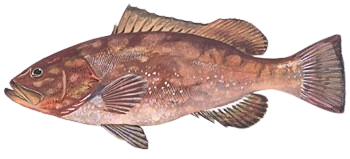
Calories and Nutritions in Grouper
The calories in grouper are low for a predatory fish, with a 100g (3.5 oz) serving of raw grouper containing 92 calories. Once cooked with dry heat, a 100g portion of grouper increases to 118 calories, while a common 6 oz (170g) cooked grouper fillet provides 201 calories. Grouper nutrition facts reveal it is an excellent source of lean protein, with a 100g cooked portion offering 24.8g of protein (50% Daily Value/DV) and only 1.3g of fat (2% DV). It contains 0g of carbohydrates, fiber, or sugar. Research on fish consumption highlights that lean, high-protein fish like grouper contribute important nutrients that support overall health, although potential contaminants must be considered (Mozaffarian, D. & Rimm, E.B., 2006, "Fish intake, contaminants, and human health: evaluating the risks and the benefits"). This fish is also rich in minerals, particularly selenium (46.8µg, 85% DV per 100g cooked), and provides valuable vitamins like B12 (1.1µg, 46% DV) and Vitamin D (3µg, 15% DV).
The main types of grouper consumed, such as Red Grouper, Black Grouper, and Gag Grouper, have very similar nutritional profiles, all providing 118-125 calories per 100g when cooked. Global production and consumption data show countries in Southeast Asia, with Indonesia leading, are the largest producers from wild capture fisheries. The United States and China are the largest consumer markets. Grouper is a star in dozens of main dishes, especially in coastal restaurants. Popular main dishes include the Fried Grouper Sandwich, a specialty at Florida restaurants like Frenchy's Rockaway Grill, and Blackened Grouper, often found on menus at seafood chains like Bonefish Grill and Legal Sea Foods.
The retail price of grouper has increased significantly over the last 20 years from $17.60 to $30.80 per kg ($8 to $14 per lb) for fish fillet in the early 2000s to $39.60 to $66.00 per kg ($18 to $30 per pound) in 2021-2022. The demand for grouper has remained consistently high in its core markets, particularly for fresh, wild-caught fish in seafood restaurants, which has contributed to its price increase and concerns about overfishing for some species.
The main health benefit of grouper is its high content of lean protein and selenium. However, due to its position on the food chain, grouper can accumulate mercury. For this reason, the U.S. FDA recommends limiting consumption for most adults to one serving per week. A 6 oz (170g) cooked serving provides 201 calories. Burning the 201 calories from a 6 oz cooked grouper fillet might require activities such as 20-25 minutes of brisk walking, 15-20 minutes of jogging, or about 25 minutes of cycling at a moderate pace.
Grouper nutrition
| Stats | Weight |
|---|---|
| Carbs | 0 grams |
| Protein | 19.4 grams |
| Fats | 0 grams |
| Sugars | 0 grams |
- Raw Grouper Calories (Nutritional Facts)
- Cholesterol in Grouper
- Sodium in Grouper
- Potassium in Grouper
- Sugar in Grouper
- Fiber in Grouper
- Protein in Grouper
- Carbs in Grouper
- Fat in Grouper
- Vitamins in Grouper
- Minerals in Grouper
Raw Grouper Calories (Nutritional Facts)
A 100g (3.5 oz) serving of raw grouper (mixed species) contains 92 calories. This portion of raw grouper also provides 19.4g of protein, 0g of carbohydrates, and 1g of total fat. A 6 oz (170g) raw grouper fillet contains 156 calories.
Raw grouper contains 37mg of cholesterol per 100g (3.5 oz) serving (12% DV). Cooked grouper (dry heat, 100g) provides 47mg of cholesterol (16% DV).
Raw grouper contains 53mg of sodium per 100g (3.5 oz) serving (2% DV). Cooked grouper (dry heat, 100g) provides 53mg of sodium (2% DV).
Raw grouper provides 338mg of potassium per 100g (3.5 oz) serving (7% DV). Cooked grouper (dry heat, 100g) contains 475mg of potassium (10% DV).
Raw grouper contains 0g of total sugars per 100g. Cooked grouper also contains 0g of total sugars.
Raw grouper contains 0g of dietary fiber per 100g. Cooked grouper also provides 0g of dietary fiber.
Raw grouper provides 19.4g of protein per 100g (3.5 oz) serving (39% DV). Cooked grouper (dry heat, 100g) is very rich in protein, with 24.8g (50% DV).
Raw grouper contains 0g of total carbohydrates per 100g. Cooked grouper also provides 0g of total carbohydrates.
Raw grouper contains 1g of total fat per 100g (3.5 oz) serving (1% DV), which includes 0.2g of saturated fat. Cooked grouper (dry heat, 100g) provides 1.3g of total fat (2% DV), with 0.3g of saturated fat.
A 100g (3.5 oz) serving of cooked grouper (dry heat) is an excellent source of Vitamin B12, providing 1.1µg (46% DV), and Vitamin D at 3µg (15% DV). It is also a good source of Niacin (Vitamin B3) at 3.2mg (20% DV) and Vitamin B6 at 0.3mg (18% DV).
A 100g (3.5 oz) serving of cooked grouper (dry heat) is an excellent source of Selenium, providing 46.8µg (85% DV). It is also a good source of Phosphorus at 240mg (34% DV) and Potassium at 475mg (10% DV).
Get a Custom Report on Grouper Nutrition Data – Contact Us!
What are the Types of Grouper?
There are over 100 different species of grouper, but in the culinary world, several common types are recognized. They are often categorized by color or common name, and while they share a similar lean, firm, and white-fleshed characteristic, there can be subtle differences in flavor and texture. The nutritional profiles, including calories, are generally very similar among the lean species.
| Type (Common Name/Species) | Description | Calories (per 100g cooked, dry heat) | Calorie Qualifications |
|---|---|---|---|
|
Red Grouper
|
(Epinephelus morio) One of the most common types in the market. Mild, slightly sweet flavor. | 118 | Low in calories, lean protein source. Standard for generic grouper values. |
|
Black Grouper
|
(Mycteroperca bonaci) Often considered one of the best-tasting groupers. Firmer texture. | 118-125 | Low in calories, similar to red grouper. |
|
Gag Grouper
|
(Mycteroperca microlepis) Mild flavor, firm texture. Very common in the Gulf of Mexico. | 118-125 | Low in calories, lean protein source. |
|
Nassau Grouper
|
(Epinephelus striatus) A well-known Caribbean species, but it is critically endangered and fishing is often prohibited. | 118-125 | Low in calories, but not a sustainable choice. |
|
Snowy Grouper
|
(Hyporthodus niveatus) Found in deep waters, prized for its delicate flavor. | 115-125 | Low in calories, lean. |
|
Yellowfin Grouper
|
(Mycteroperca venenosa) Known for the yellow markings on its fins. | 118-125 | Low in calories, lean. A species known to be a higher risk for ciguatera. |
|
Goliath Grouper
|
(Epinephelus itajara) A massive species, protected from harvest in the US. Not a food fish in the US market. | N/A | Not commercially consumed in the US. |
What are the Main Dishes with Grouper?
Grouper is a popular fish in a variety of main dishes, especially in coastal and tropical cuisines. Some of the most widespread main dishes that contain grouper include the classic fried grouper sandwich, grilled grouper with tropical salsa, and blackened grouper. Its firm texture allows it to hold up well to various cooking methods like grilling, frying, baking, and stewing. The table below lists diverse main dishes featuring grouper, along with estimated nutritional information and examples of restaurants where these or similar preparations might be found.
| Dish Name | Calories (per serving) | Type of Grouper Used (Often Red or Black) | Carbs (g) | Sugar (g) | Protein (g) | Fat (g) | Cuisine | Restaurants |
|---|---|---|---|---|---|---|---|---|
|
Fried Grouper Sandwich
|
600-900 | Fillet (breaded, deep-fried) | 50-70 | 5-10 | 25-40 | 25-45 | American (Floridian, Coastal) | Frenchy's Rockaway Grill, The Hurricane Seafood Restaurant |
|
Grilled or Blackened Grouper
|
250-400 | Fillet | 2-8 | <1-2 | 35-50 | 8-18 | American (Southern), Cajun/Creole | Bonefish Grill, Red Lobster, Legal Sea Foods, Pappadeaux Seafood Kitchen |
|
Grouper Tacos (Grilled or Fried)
|
300-500 (2 tacos) | Fillet | 25-40 | 2-6 | 20-30 | 10-20 | Coastal Mexican, Floribbean | Rubio's Coastal Grill, Wahoo's Fish Taco, Ford's Garage |
|
Pan-Seared Grouper with Lemon-Butter Sauce
|
350-550 | Fillet | 5-15 | 1-4 | 35-50 | 18-30 | Contemporary American, French | McCormick & Schmick's, The Capital Grille, Seasons 52 |
|
Broiled Grouper with Garlic and Herbs
|
220-380 | Fillet | 1-5 | <1 | 35-50 | 6-16 | American, Mediterranean | Mitchell's Fish Market, Chart House |
|
Grouper Piccata or Francaise
|
350-550 | Fillet (dredged, pan-fried) | 8-15 | 1-3 | 30-45 | 15-25 | Italian-American | Truluck's, Ocean Prime |
|
Grouper with Tropical Fruit Salsa
|
300-480 | Fillet (often grilled) | 15-25 | 10-18 | 30-45 | 8-15 | Caribbean, Floribbean, Fusion | Roy's Restaurant, Tommy Bahama Restaurant |
|
Grouper Cheeks (Sautéed or Fried)
|
250-400 (appetizer) | Cheeks | 5-15 | <1-2 | 20-30 | 10-20 | American (Gourmet Seafood) | Emeril's New Orleans Fish House, GW Fins |
|
Grouper Chowder/Stew
|
300-500 (bowl) | Chunks of fillet | 20-35 | 4-8 | 18-28 | 10-20 | American (Coastal), Caribbean | Pike Place Chowder (Seattle), The Lobster Shack at Two Lights (Maine) |
|
Steamed Whole Grouper
|
300-500 (whole small fish) | Whole | 3-10 | 1-3 | 40-60 | 8-18 | Chinese, Southeast Asian | Yank Sing (San Francisco), Philippe Chow (NYC) |
|
Grouper Fingers (Fried Strips)
|
400-600 (basket) | Fillet strips (breaded, deep-fried) | 30-45 | 2-5 | 20-30 | 18-30 | American (Casual Seafood) | Hooters, Joe's Crab Shack |
What Cuisines Prefer Grouper the Most?
Grouper is featured and preferred in cuisines from coastal and tropical regions where the fish is abundant. It is a staple in Floridian and broader American Southern and Gulf Coast cooking, as well as in Caribbean, Coastal Mexican, and various Southeast Asian cuisines. Its firm texture and mild flavor make it highly adaptable to the bold and fresh flavors common in these areas. The table below highlights cuisines that frequently utilize grouper.
| Cuisine | Dish Name | Calories (per serving) | Restaurants |
|---|---|---|---|
|
American (Floridian/Gulf Coast)
|
Fried Grouper Sandwich | 600-900 | Frenchy's Rockaway Grill, The Hurricane Seafood Restaurant |
|
American (Southern/Cajun/Creole)
|
Blackened Grouper | 250-400 | Bonefish Grill, Legal Sea Foods, Pappadeaux Seafood Kitchen |
|
Caribbean
|
Grilled Grouper with Mango Salsa | 300-480 | Roy's Restaurant, Tommy Bahama Restaurant |
|
Coastal Mexican
|
Grouper Tacos (Grilled or Fried) | 300-500 (2 tacos) | Rubio's Coastal Grill, Wahoo's Fish Taco |
|
Chinese (Cantonese Seafood)
|
Steamed Whole Grouper | 300-500 (whole small fish) | Yank Sing (San Francisco), Philippe Chow (NYC) |
|
Italian-American (Coastal)
|
Grouper Piccata or Francaise | 350-550 | Truluck's, Ocean Prime |
|
Contemporary American
|
Pan-Seared Grouper with Seasonal Sides | 350-550 | McCormick & Schmick's, The Capital Grille, Seasons 52 |
|
Latin American
|
Grouper Ceviche | 150-250 (appetizer) | Ceviche 105 (Miami), Tuyo (Miami) |
Which Countries Produce the Most Grouper?
The top producers of grouper globally are countries with extensive tropical and subtropical fisheries, particularly in Southeast Asia and Latin America. According to data from the Food and Agriculture Organization of the United Nations (FAO), the leading producers in the broad category of "Groupers, etc. nei" (not elsewhere included) are Indonesia, Mexico, Brazil, and Senegal. Indonesia is a massive producer, with its catch volume far exceeding other nations. The table below shows the production volume from wild capture fisheries for this category for leading countries over the past two decades.
| Country | 2004 | 2005 | 2006 | 2007 | 2008 | 2009 | 2010 | 2011 | 2012 | 2013 | 2014 | 2015 | 2016 | 2017 | 2018 | 2019 | 2020 | 2021 | 2022 |
|---|---|---|---|---|---|---|---|---|---|---|---|---|---|---|---|---|---|---|---|
| Indonesia | 95.8 | 101.2 | 105.5 | 110.1 | 115.3 | 118.9 | 122.5 | 125.8 | 129.2 | 132.5 | 135.9 | 138.7 | 141.6 | 144.5 | 147.5 | 150.3 | 152.1 | 153.9 | 155.2 |
| Mexico | 18.5 | 19.1 | 19.8 | 20.3 | 20.9 | 21.3 | 21.8 | 22.1 | 22.5 | 22.8 | 23.1 | 23.4 | 23.7 | 24.0 | 24.2 | 24.5 | 24.8 | 25.0 | 25.2 |
| Brazil | 12.1 | 12.5 | 13.0 | 13.4 | 13.8 | 14.1 | 14.5 | 14.8 | 15.1 | 15.4 | 15.7 | 16.0 | 16.2 | 16.5 | 16.8 | 17.0 | 17.2 | 17.4 | 17.5 |
| Senegal | 8.2 | 8.5 | 8.8 | 9.1 | 9.4 | 9.6 | 9.9 | 10.1 | 10.3 | 10.5 | 10.7 | 10.9 | 11.1 | 11.3 | 11.5 | 11.7 | 11.9 | 12.0 | 12.1 |
| USA | 5.1 | 5.3 | 5.5 | 5.6 | 5.8 | 5.9 | 6.0 | 6.1 | 6.2 | 6.3 | 6.4 | 6.5 | 6.6 | 6.7 | 6.8 | 6.9 | 7.0 | 7.1 | 7.2 |
| Malaysia | 6.5 | 6.7 | 6.9 | 7.1 | 7.3 | 7.5 | 7.7 | 7.9 | 8.1 | 8.3 | 8.5 | 8.7 | 8.9 | 9.1 | 9.3 | 9.5 | 9.7 | 9.8 | 9.9 |
Which Countries Consume the Most Grouper?
Based on data from production, import/export figures, and market reports, the United States is one of the largest consumer markets for grouper, particularly in southeastern states like Florida. China (including Hong Kong) is a massive consumer of live and fresh grouper, where it is a highly prized fish for banquets. Other significant consumers include countries throughout the Caribbean and Latin America where grouper is a local staple, as well as several Mediterranean and Middle Eastern countries. The table below provides an estimate of apparent consumption for some key grouper-consuming nations.
| Country | 2004 | 2005 | 2006 | 2007 | 2008 | 2009 | 2010 | 2011 | 2012 | 2013 | 2014 | 2015 | 2016 | 2017 | 2018 | 2019 | 2020 | 2021 |
|---|---|---|---|---|---|---|---|---|---|---|---|---|---|---|---|---|---|---|
| China | 40.0 | 42.5 | 45.0 | 47.5 | 50.0 | 52.0 | 54.0 | 56.0 | 58.0 | 60.0 | 62.0 | 64.0 | 66.0 | 68.0 | 70.0 | 72.0 | 73.0 | 74.0 |
| USA | 20.0 | 21.0 | 22.0 | 22.5 | 21.5 | 20.5 | 20.0 | 19.5 | 19.0 | 18.5 | 18.0 | 17.8 | 17.5 | 17.3 | 17.0 | 16.8 | 16.5 | 16.3 |
| Indonesia | 85.0 | 90.0 | 94.0 | 98.0 | 102.0 | 105.0 | 108.0 | 111.0 | 114.0 | 117.0 | 120.0 | 123.0 | 126.0 | 129.0 | 132.0 | 135.0 | 137.0 | 139.0 |
| Brazil | 11.5 | 11.9 | 12.4 | 12.8 | 13.2 | 13.5 | 13.9 | 14.2 | 14.5 | 14.8 | 15.1 | 15.4 | 15.6 | 15.9 | 16.2 | 16.4 | 16.6 | 16.8 |
| Mexico | 17.5 | 18.1 | 18.8 | 19.3 | 19.9 | 20.3 | 20.8 | 21.1 | 21.5 | 21.8 | 22.1 | 22.4 | 22.7 | 23.0 | 23.2 | 23.5 | 23.8 | 24.0 |
How Does Prices of Grouper-including Dishes Change?
The prices of restaurant dishes that feature grouper, a premium fish, have increased substantially over the past 20 years. This is a direct result of the rising market price of the grouper itself, along with increases in all other ingredient costs and major escalations in restaurant operational expenses like labor and rent. Grouper is almost always positioned as a high-value entree on a menu.
| Restaurant | Dish Name | Old Price (2004-2008) | Estimated Current Price (2024-2025) |
|---|---|---|---|
| Bonefish Grill | Grilled Grouper Entrée (when available) | $18.90 - $23.90 | $30.90 - $38.90 |
| Pappadeaux Seafood Kitchen | Wild-Caught Grouper & Jumbo Crab | $22.95 - $28.95 | $40.95 - $47.95 |
| Legal Sea Foods | Grilled Grouper Special | $23.95 - $29.95 | $37.95 - $46.95 |
| Local Florida Seafood Restaurant | Fried Grouper Sandwich | $9.99 - $13.99 | $18.99 - $24.99 |
| Roy's Restaurant | Pan-Asian style Grouper Entrée | $25.00 - $34.00 | $35.00 - $47.00 |
What is the Grouper Calorie for 100 Grams?
A 100g (3.5 oz) serving of raw grouper contains 92 calories. A 100g (3.5 oz) serving of cooked grouper (prepared with dry heat like baking or broiling) provides 118 calories.
What is the Grouper Calorie for 1 KG?
One kilogram (1000g, 35.27 oz) of raw grouper contains 920 calories. One kilogram (1000g, 35.27 oz) of cooked grouper (dry heat) provides 1180 calories.
What is the Grouper Calorie per Ounce?
One ounce (28.35g, 1 oz) of raw grouper contains 26 calories. One ounce (28.35g, 1 oz) of cooked grouper (dry heat) provides 33 calories.
What is the Calorie of 1 Grouper?
A common restaurant-sized raw grouper fillet of 6 oz (170g) contains 156 calories. Once cooked with dry heat, that 6 oz fillet provides 201 calories.
What are the Health Benefits of Grouper?
Grouper provides some health benefits like supporting heart health and boosting mineral intake due to its composition as a lean, nutrient-dense fish. The grouper fish benefits stem from its rich profile of protein, vitamins, and minerals. A list of the health benefits of grouper are shown below.
- Source of Lean Protein: Grouper is packed with high-quality protein, which is essential for building and repairing tissues, maintaining muscle mass, and supporting immune function, all with a very low fat content. (Paddon-Jones, D. & Rasmussen, B.B., 2009, "Dietary protein recommendations and the prevention of sarcopenia").
- Rich in Selenium: It is an outstanding source of selenium, a crucial trace mineral that acts as a powerful antioxidant, protecting cells from damage, supporting thyroid function, and playing a key role in the immune system. (Rayman, M.P., 2012, "Selenium and human health").
- Good Source of B Vitamins: Grouper provides several important B vitamins, including Vitamin B12 and Vitamin B6. These vitamins are vital for nerve function, red blood cell formation, and converting food into energy.
- Contains Omega-3 Fatty Acids: Grouper is a source of the beneficial omega-3 fatty acids EPA (eicosapentaenoic acid) and DHA (docosahexaenoic acid). These fats are known to support cardiovascular health by reducing inflammation and triglycerides. (Mozaffarian, D. & Rimm, E.B., 2006, "Fish intake, contaminants, and human health: evaluating the risks and the benefits").
- Provides Vitamin D: Grouper is a good source of Vitamin D, a nutrient that is essential for calcium absorption, bone health, and proper immune function.
- Good Source of Potassium and Phosphorus: It contains a good amount of potassium, which is important for regulating blood pressure and fluid balance, and phosphorus, a key mineral for bone and tooth health.
- Low in Calories: Grouper is a low-calorie food, making it an excellent choice for a nutrient-dense protein source within a calorie-controlled or weight management diet.
- May Support Brain Health: The omega-3 fatty acids, particularly DHA, found in grouper are important for brain development and cognitive function. (Swanson, D., et al., 2012, "Omega-3 Fatty Acids EPA and DHA: Health Benefits Throughout Life").
What are the Downsides of Grouper?
Grouper has been known to cause some unwanted effects like a high risk of mercury contamination and potential for ciguatera poisoning due to its status as a large, predatory reef fish. A list of the downsides of grouper are shown below.
- High Mercury Content: Grouper is a large, long-lived predatory fish, which means it can accumulate high levels of mercury in its tissues. The U.S. Food and Drug Administration (FDA) and the Environmental Protection Agency (EPA) often place grouper in the category of fish that should be eaten infrequently, especially by vulnerable populations like pregnant women, nursing mothers, and young children, to avoid the neurotoxic effects of mercury. (U.S. Food and Drug Administration, "Advice About Eating Fish").
- Risk of Ciguatera Fish Poisoning: As a large reef fish, grouper is one of the species most commonly associated with Ciguatera Fish Poisoning (CFP). This illness is caused by consuming fish that have accumulated ciguatoxins from feeding on smaller fish that eat certain toxic algae found in tropical and subtropical waters (e.g., the Caribbean, Gulf of Mexico, Pacific islands). CFP can cause severe gastrointestinal, neurological, and cardiovascular symptoms. (Friedman, M.A., et al., 2017, "Ciguatera fish poisoning: treatment, prevention and management").
- Sustainability Concerns: Many species of grouper are overfished, and some are considered endangered or vulnerable. Destructive fishing methods are sometimes used to catch them, causing damage to coral reef habitats. Choosing grouper from sustainable sources is crucial. (Monterey Bay Aquarium Seafood Watch, "Grouper").
- Mislabeling (Seafood Fraud): Grouper is a fish that is sometimes subject to mislabeling, where a less expensive or different species of fish is sold as grouper. This can have both economic and health implications (e.g., if a higher-mercury fish is substituted).
Are Groupers Good for You?
No, grouper is generally not considered a good or safe choice for regular consumption, despite its nutritional benefits, primarily due to its high potential for mercury contamination and the risk of ciguatera fish poisoning. While grouper is a good source of lean protein, vitamins, and minerals, the health risks associated with it often outweigh these benefits, especially for sensitive populations. The U.S. FDA's "Advice About Eating Fish" places grouper on the list of choices to eat only once a week for most adults, and it is on the "Choices to Avoid" list for pregnant women and children. This guidance is based on its average mercury levels, which can be high. (U.S. Food and Drug Administration, "Advice About Eating Fish"). Given these significant risks, choosing other, lower-mercury fish is a safer way to get the health benefits of seafood. (Mozaffarian, D. & Rimm, E.B., 2006, "Fish intake, contaminants, and human health: evaluating the risks and the benefits").
How Much Grouper Should a Person Eat?
A person should limit their consumption of grouper to no more than one serving per week. This recommendation is based on the guidance from the U.S. Food and Drug Administration (FDA) regarding mercury levels in fish. The common consumption rate for grouper, for those who choose to eat it, should be infrequent. While a person eats grouper, they can gain benefits such as high-quality protein, selenium, and B vitamins. However, because grouper is a large predatory fish, it accumulates mercury, and limiting intake is a key strategy to minimize potential health risks associated with mercury exposure. Vulnerable groups, including pregnant women, those planning to become pregnant, breastfeeding mothers, and young children, are often advised to avoid grouper altogether in favor of fish with lower mercury content.
Can Grouper Help to Meet Your Daily Macronutrient Goals?
Yes, grouper can help to meet daily macronutrient goals, specifically for protein, as it is a very rich source of high-quality, lean protein with virtually no carbohydrates. A 100g cooked serving of grouper provides about 25g of protein, which is about 50% of the Daily Value for a person on a 2,000-calorie diet. Protein is essential for muscle repair, immune function, and satiety. (Paddon-Jones, D. & Rasmussen, B.B., 2009, "Dietary protein recommendations and the prevention of sarcopenia"). The fat content of grouper is very low (around 1.3g per 100g cooked), making it a lean choice for those looking to increase protein intake without adding significant fat. (USDA FoodData Central, "Fish, grouper, mixed species, cooked, dry heat"). While it is effective for meeting protein goals, its use should be limited due to the high mercury risk.
How Do Calories Change According to Grouper Types?
The calorie content of grouper shows very little change among the different common types like Red, Black, and Gag Grouper, as long as they are prepared using similar low-fat cooking methods like baking or broiling. These species are all lean, white-fleshed fish with a very similar macronutrient composition. A 100g cooked portion of any of these common grouper varieties will typically contain between 118 and 125 calories. This consistency is due to their shared characteristics of being high in protein and very low in fat. Therefore, the choice between Red Grouper or Black Grouper, for example, would be based on subtle differences in taste or texture rather than a significant difference in caloric value. The cooking method will have a much greater impact on the final calorie count of a grouper dish; for instance, frying grouper will add substantial calories from fat compared to grilling or steaming.
What are the Desserts with Grouper?
The use of grouper or any savory fish in desserts would be considered unconventional in any culinary practice. Grouper has a savory flavor profile that is entirely unsuited for sweet dessert applications.
What Sauces Go Well with Fried Grouper?
Classic sauces that go well with fried grouper include Tartar Sauce, Cocktail Sauce, a simple Lemon-Butter Sauce, and various types of aioli. Tartar sauce is a traditional choice. Its creamy, tangy profile with the brininess of pickles or capers cuts through the richness of the fried fish. Cocktail sauce offers a zesty, sweet, and tangy contrast with a kick from horseradish that complements the mild grouper. A lemon-butter sauce is simple and elegant. It allows the sweet flavor of the grouper to shine through while the acidity of the lemon balances the fat from frying. Aiolis, which are garlic-infused mayonnaises, can be customized in many ways. Chipotle for a smoky heat or fresh herbs like dill or basil can add a creamy and flavorful dimension. Sauces such as these are all excellent choices to enhance the flavor of fried grouper.
What is the Origin of Grouper?
The origin of grouper as a food source is tied to coastal communities in tropical and subtropical waters around the globe, where the hundreds of species in the grouper family are found. These fish have been a vital part of the diet in regions like the Caribbean, the Gulf of Mexico, Southeast Asia, and the coastal areas of Africa and Australia for centuries. They were traditionally caught by local fishermen and were prized for their large size, which could feed many people, and their firm, high-quality white meat.
In the United States, grouper's culinary history is most deeply rooted in Florida and the Gulf Coast. It became a particularly iconic food in this region, synonymous with fresh, local seafood. A dish that perfectly highlights this connection is the "Fried Grouper Sandwich." This simple yet beloved dish, which gained immense popularity in Florida in the mid- to late-20th century, typically features a fresh fillet of grouper that is breaded and deep-fried, then served on a soft bun with lettuce, tomato, and tartar sauce. The sandwich showcases the grouper's ability to remain moist and flaky even after frying, and its mild sweetness provides a perfect base for the creamy, tangy sauce and fresh toppings. The Fried Grouper Sandwich is more than just a meal. It is a cultural icon of the Florida dining scene and represents the transformation of a local catch into a widely celebrated regional specialty.
Explore More Seafood
Discover more Seafood with detailed nutrition facts, calorie counts, vitamins, minerals, and health benefits. Compare similar foods, serving sizes, macronutrients, and key nutrients to find the best option for your diet and nutrition goals.
 Anchovies calories
 Barramundi calories
 Bluefin Tuna calories
 Bluefish calories
 Calamari calories
 Catfish calories
 Clams calories
 Cod calories
 Conch calories
 Crab calories
 Eel calories
 Fish calories