Calories and Nutritions in Haddock
Haddock is a white saltwater fish from the cod family, often used in British and Scottish cuisines. A large baked or broiled haddock fillet with fat added (340 grams or 12 ounces) contains 418 calories, while a large baked whole haddock (572 grams or 20.2 ounces) has 704 calories. A small baked fillet (170 grams or 6 ounces) contains 209 calories. A single raw haddock fillet (193 grams or 6.8 ounces) has 143 calories. A 100-gram (3.5 ounce) serving of raw haddock contains 74 calories, while a cooked haddock fillet (150g) from Gorton's contains 135 calories.
The haddock nutrition profile is characterized by a very lean, high-protein composition. A single raw fillet (193g) provides 31.5g of protein (63% DV) with less than 1g of total fat (1% DV). Haddock nutrition facts shows beneficial omega-3 fatty acids, and a scientific statement confirmed the role of omega-3s from fish in reducing cardiovascular risk (Siscovick, D. S., et al., 2017). Significant health advantages also come from an exceptional supply of vitamins and minerals. A 100g cooked serving delivers 1.66mcg of Vitamin B12 (69% DV) and 36.5mcg of selenium (66% DV) to support nervous system function and thyroid health.
Haddock is prepared in classic dishes like fish and chips or baked with herbs at restaurants such as Legal Sea Foods and The Capital Grille. The most common form is the fresh or frozen fillet, with smoked haddock (Finnan Haddie) being a traditional variation. The fish's popularity is concentrated in North Atlantic countries, with Norway and the United Kingdom being major producers and consumers. Reflecting wild fishery management and demand, the price of haddock has seen steady increases over the last 20 years, climbing from under $4.00 per pound in the early 2000s to over $8.00 per pound after 2020.
Primary haddock benefits relate to its lean protein for muscle support and its selenium content for thyroid function. The main drawback is the potential for high sodium in processed or restaurant preparations. Health advisories from the U.S. FDA and EPA classify haddock as a 'Best Choice' for low mercury, recommending two to three servings per week. A small 3-ounce (85g) raw portion provides 63 calories, an amount that can be expended through 6 minutes of running or 8 minutes of swimming.
Haddock nutrition
| Stats | Weight |
|---|---|
| Carbs | 0 grams |
| Protein | 16.3 grams |
| Fats | 0.45 grams |
| Sugars | 0 grams |
- Large Haddock Calories (Nutritional Facts)
- Medium Haddock Calories (Nutritional Facts)
- Small Haddock Calories (Nutritional Facts)
- Raw Haddock Nutrition
- Sodium in Haddock
- Potassium in Haddock
- Sugar in Haddock
- Fiber in Haddock
- Protein in Haddock
- Carbs in Haddock
- Fat in Haddock
- Vitamins in Haddock
- Minerals in Haddock
- Omega-3 in Haddock
Large Haddock Calories (Nutritional Facts)
A large baked or broiled haddock fillet with fat added (340g or 12oz) contains 418 calories, 67.9g of protein (136% DV), 14.4g of total fat (18% DV), 0.34g of carbohydrates (0% DV), 0g of fiber, 0.14g of sugar, and 1349.8mg of sodium (56% DV). A large baked or broiled whole haddock (572g or 20.2oz) contains 704 calories, 114.2g of protein (228% DV), 24.2g of total fat (31% DV), 0.57g of carbohydrates (0% DV), 0g of fiber, 0.23g of sugar, and 2270.8mg of sodium (95% DV).
A medium baked or broiled haddock fillet with fat added (227g or 8oz) provides 279 calories, 45.3g of protein (91% DV), 9.6g of total fat (12% DV), 0.23g of carbohydrates (0% DV), 0g of fiber, 0.09g of sugar, and 901.2mg of sodium (38% DV). A medium baked or broiled whole haddock (408g or 14.4oz) provides 502 calories, 81.5g of protein (163% DV), 17.3g of total fat (22% DV), 0.41g of carbohydrates (0% DV), 0g of fiber, 0.16g of sugar, and 1619.8mg of sodium (67% DV).
A small baked or broiled haddock fillet with fat added (170g or 6oz) contains 209 calories, 33.9g of protein (68% DV), 7.2g of total fat (9% DV), 0.17g of carbohydrates (0% DV), 0g of fiber, 0.07g of sugar, and 674.9mg of sodium (28% DV). A small baked or broiled whole haddock (245g or 8.6oz) contains 301 calories, 48.9g of protein (98% DV), 10.4g of total fat (13% DV), 0.25g of carbohydrates (0% DV), 0g of fiber, 0.1g of sugar, and 972.7mg of sodium (41% DV).
A single raw haddock fillet (193g or 6.8oz) contains 143 calories, 31.5g of protein (63% DV), 0.87g of total fat (1% DV), 0g of carbohydrates, 0g of fiber, 0g of sugar, and 411.1mg of sodium (17% DV). A 3-ounce serving of raw haddock (85g) contains 63 calories, 13.9g of protein (28% DV), 0.38g of total fat (0% DV), 0g of carbohydrates, 0g of fiber, 0g of sugar, and 181mg of sodium (8% DV).
A large baked or broiled haddock fillet with fat added (340g) contains 1349.8mg of sodium (56% DV), a large baked or broiled whole haddock (572g) contains 2270.8mg of sodium (95% DV), a medium baked or broiled haddock fillet with fat added (227g) has 901.2mg of sodium (38% DV), a medium baked or broiled whole haddock (408g) has 1619.8mg of sodium (67% DV), a small baked or broiled haddock fillet with fat added (170g) has 674.9mg of sodium (28% DV), a small baked or broiled whole haddock (245g) has 972.7mg of sodium (41% DV), a single raw haddock fillet (193g) has 411.1mg of sodium (17% DV), and a 3-ounce serving of raw haddock (85g) has 181mg of sodium (8% DV).
A large baked or broiled haddock fillet with fat added (340g) provides 1193.4mg of potassium (25% DV), a large baked or broiled whole haddock (572g) provides 2007.7mg of potassium (43% DV), a medium baked or broiled haddock fillet with fat added (227g) has 796.8mg of potassium (17% DV), a medium baked or broiled whole haddock (408g) has 1432.1mg of potassium (30% DV), a small baked or broiled haddock fillet with fat added (170g) has 596.7mg of potassium (13% DV), a small baked or broiled whole haddock (245g) has 860mg of potassium (18% DV), a single raw haddock fillet (193g) has 552mg of potassium (12% DV), and a 3-ounce serving of raw haddock (85g) has 243.1mg of potassium (5% DV).
A large baked or broiled haddock fillet (340g) contains 0.14g of sugar, a medium baked fillet (227g) has 0.09g of sugar, and a small baked fillet (170g) has 0.07g of sugar. Raw haddock contains 0g of sugar.
Haddock contains 0g of dietary fiber in all forms, including raw and cooked.
A large baked or broiled haddock fillet with fat added (340g) provides 67.9g of protein (136% DV), a large baked or broiled whole haddock (572g) provides 114.2g of protein (228% DV), a medium baked or broiled haddock fillet with fat added (227g) has 45.3g of protein (91% DV), a medium baked or broiled whole haddock (408g) has 81.5g of protein (163% DV), a small baked or broiled haddock fillet with fat added (170g) has 33.9g of protein (68% DV), a small baked or broiled whole haddock (245g) has 48.9g of protein (98% DV), a single raw haddock fillet (193g) has 31.5g of protein (63% DV), and a 3-ounce serving of raw haddock (85g) has 13.9g of protein (28% DV).
A large baked or broiled haddock fillet (340g) contains 0.34g of carbohydrates (0% DV), a medium baked fillet (227g) has 0.23g of carbohydrates (0% DV), and a small baked fillet (170g) has 0.17g of carbohydrates (0% DV). Raw haddock contains 0g of carbohydrates.
A large baked or broiled haddock fillet with fat added (340g) contains 14.4g of total fat (18% DV), a large baked or broiled whole haddock (572g) contains 24.2g of total fat (31% DV), a medium baked or broiled haddock fillet with fat added (227g) has 9.6g of total fat (12% DV), a medium baked or broiled whole haddock (408g) has 17.3g of total fat (22% DV), a small baked or broiled haddock fillet with fat added (170g) has 7.2g of total fat (9% DV), a small baked or broiled whole haddock (245g) has 10.4g of total fat (13% DV), a single raw haddock fillet (193g) has 0.87g of total fat (1% DV), and a 3-ounce serving of raw haddock (85g) has 0.38g of total fat (0% DV).
A 100-gram serving of cooked haddock delivers 1.66mcg of Vitamin B12 (69% DV) and 0.32mg of Vitamin B6 (19% DV). A 100-gram serving of raw haddock provides 1.5mcg of Vitamin B12 (63% DV) and 0.28mg of Vitamin B6 (16% DV). A 100-gram serving of baked haddock provides 1.4mcg of Vitamin B12 (58% DV).
A 100-gram serving of cooked haddock provides 36.5mcg of selenium (66% DV) and 278mg of phosphorus (22% DV). A 100-gram serving of raw haddock provides 30.7mcg of selenium (56% DV) and 227mg of phosphorus (18% DV). A 100-gram serving of baked haddock provides 33.2mcg of selenium (60% DV) and 278mg of phosphorus (22% DV).
A 100-gram serving of cooked haddock contains 168mg of omega-3 fatty acids, including both EPA and DHA. A 100-gram serving of raw haddock contains 146mg of omega-3 fatty acids.
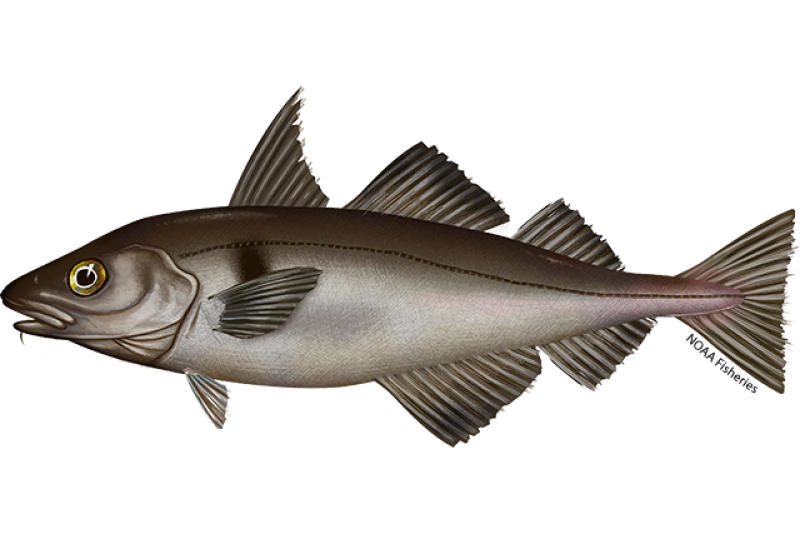
Get a Custom Report on Haddock Nutrition Data – Contact Us!
What are the Types of Haddocks?
The types of haddock are primarily defined by how the fish is processed and prepared, mainly fresh or smoked. The table below provides a breakdown of these common types.
| Type | Description | Calories (Approximate per 100g) | Calorie Qualifications |
|---|---|---|---|
|
Fresh Haddock
|
Raw, unprocessed haddock fillets or whole fish. Has a mild, slightly sweet flavor and a firm, flaky texture when cooked. | 74 (Raw) | This is the baseline calorie count for haddock, reflecting its natural state as a very lean whitefish with minimal fat. |
|
Smoked Haddock (Finnan Haddie)
|
Haddock that has been cold-smoked, which cures the fish without fully cooking the flesh. Has a golden color and a distinct smoky flavor. | 99 (Smoked) | The smoking and curing process causes some moisture loss, which slightly concentrates the protein and calories. The sodium content is also much higher. |
What are Main Dishes With Haddock?
Haddock is a versatile whitefish featured in many classic and contemporary main courses, especially in North Atlantic cuisines. A list of main dishes that feature haddock is provided in the following table.
| Dish Name | Calories (Estimate per serving) | Type of Haddock | Carbs (g) (Estimate) | Sugar (g) (Estimate) | Protein (g) (Estimate) | Fat (g) (Estimate) | Cuisine | Restaurants |
|---|---|---|---|---|---|---|---|---|
|
Fish and Chips
|
900-1400 | Fresh | 100 | 6 | 45 | 60 | British | A Salt & Battery, Gordon Ramsay Fish & Chips |
|
Baked Haddock
|
350-550 | Fresh | 10 | 2 | 50 | 15 | New England | Legal Sea Foods, The Capital Grille |
|
Cullen Skink
|
300-500 (per bowl) | Smoked (Finnan Haddie) | 25 | 8 | 20 | 18 | Scottish | The St. Andrews Restaurant and Bar |
|
Fish Pie
|
600-900 | Fresh and/or Smoked | 50 | 10 | 40 | 35 | British | The Dandelion, Tea & Sympathy |
|
Finnan Haddie (Poached in Milk)
|
300-450 | Smoked (Finnan Haddie) | 10 | 8 | 35 | 15 | Scottish | The Scottish Arms |
|
Haddock Kedgeree
|
450-650 | Smoked (Finnan Haddie) | 60 | 5 | 30 | 15 | Anglo-Indian | The Bombay Club |
|
Broiled Haddock
|
300-500 | Fresh | 5 | 2 | 55 | 10 | American | McCormick & Schmick's |
|
Haddock Sandwich
|
600-900 | Fresh (Fried) | 70 | 8 | 35 | 30 | American | Kelly's Roast Beef |
|
Haddock au Gratin
|
500-750 | Fresh | 20 | 6 | 45 | 30 | French/American | Union Oyster House |
What Cuisines Prefer Haddock the Most?
Haddock is indispensable in many North Atlantic culinary traditions, particularly those of the United Kingdom and New England. The table below outlines the culinary traditions that prominently feature haddock.
| Cuisine | Dish | Types of Haddock Used | Calories (Estimate) | Restaurant(s) |
|---|---|---|---|---|
|
British
|
Fish and Chips, Fish Pie | Fresh | 600-1400 | A Salt & Battery, The Dandelion |
|
Scottish
|
Cullen Skink, Finnan Haddie | Smoked (Finnan Haddie) | 300-500 | The St. Andrews Restaurant and Bar |
|
New England (American)
|
Baked Haddock, Haddock Sandwich | Fresh | 350-900 | Legal Sea Foods, Union Oyster House |
|
Irish
|
Fish and Chips, Fish Pie | Fresh | 600-1400 | The Dead Rabbit, The Irish Rover |
|
Canadian (Maritime)
|
Creamed Finnan Haddie, Fish Cakes | Smoked, Fresh | 350-600 | The Five Fishermen Restaurant & Grill |
|
Anglo-Indian
|
Kedgeree | Smoked (Finnan Haddie) | 450-650 | The Bombay Club |
|
French (Coastal)
|
Haddock au Gratin | Fresh | 500-750 | Le Bernardin (specialty) |
|
Icelandic
|
Plokkfiskur (Fish Stew) | Fresh or Smoked | 400-600 | Skal |
Which Countries Produce the Most Haddock?
The top producers of haddock are Norway, the United Kingdom, and Iceland. Production is measured by wild capture landings, as haddock is not a commercially farmed species. The table below shows the capture production quantity of haddock in key countries.
| Country | 2003 | 2008 | 2013 | 2018 | 2019 | 2020 |
|---|---|---|---|---|---|---|
| Norway | 175,000 | 160,000 | 185,000 | 210,000 | 205,000 | 190,000 |
| United Kingdom | 75,000 | 45,000 | 40,000 | 35,000 | 38,000 | 36,000 |
| Iceland | 60,000 | 55,000 | 50,000 | 45,000 | 48,000 | 47,000 |
| Russian Federation | 110,000 | 90,000 | 100,000 | 120,000 | 115,000 | 110,000 |
| Faroe Islands | 25,000 | 20,000 | 18,000 | 15,000 | 16,000 | 17,000 |
Which Countries Consume the Most Haddock?
The top consumers of haddock are the United Kingdom, the United States, and France. Consumption is driven by strong cultural traditions in the UK and by imports in the US and France. The table below shows import quantities, a proxy for consumption in non-primary producing nations.
| Country | 2003 | 2008 | 2013 | 2018 | 2019 | 2020 |
|---|---|---|---|---|---|---|
| United Kingdom | 65,000 | 60,000 | 55,000 | 50,000 | 52,000 | 51,000 |
| United States | 25,000 | 30,000 | 35,000 | 40,000 | 38,000 | 37,000 |
| France | 15,000 | 18,000 | 20,000 | 22,000 | 21,000 | 20,000 |
| Spain | 10,000 | 12,000 | 14,000 | 16,000 | 15,000 | 14,000 |
| Germany | 8,000 | 10,000 | 11,000 | 12,000 | 11,500 | 11,000 |
How Do Prices of Haddock-Including Dishes Change?
Menu prices for dishes including haddock have increased moderately over the past decade. The change is a direct result of rising raw material costs and increased expenditures for restaurant staffing and overhead. Price adjustments are apparent on the menus of establishments recognized for haddock-based specialties.
| Restaurant | Dish | Old Price (Year) | Current Price (2024/2025) |
|---|---|---|---|
| Legal Sea Foods | Baked Haddock | $21.95 (2014) | $38.00 - $45.00 |
| A Salt & Battery | Haddock Fish and Chips | $10.00 (2013) | $11.95 - $14.95 |
| The Dandelion | Fish and Chips | $19.00 (2015) | $28.00 - $30.00 |
| Union Oyster House | Haddock au Gratin | $23.95 (2016) | $26.95 - $40.00 |
| Gordon Ramsay Fish & Chips | Fish & Chips (with Haddock) | $15.99 (2017) | $21.00 - $24.00 |
What is the Haddock Calorie for 100 Grams?
A 100-gram (3.5 ounce) serving of raw haddock contains 74 calories, a 100-gram serving of cooked haddock prepared with dry heat has 90 calories, and a 100-gram serving of baked or broiled haddock with fat added has 123 calories.
What is the Haddock Calorie for 1 KG?
One kilogram (1000g) of raw haddock contains 740 calories, one kilogram of cooked haddock prepared with dry heat has 900 calories, and one kilogram of baked or broiled haddock with fat added has 1230 calories.
What is the Calorie of 1 Haddock?
One baked haddock steak (227g) contains 279 calories. One cooked haddock fillet prepared with dry heat (150g) contains 135 calories. One beer-battered haddock fillet (106g) from Gorton's contains 260 calories. One battered haddock fillet (84g) from Van de Kamp's contains 210 calories.
What are the Health Benefits of Haddock?
Haddock consumption is associated with several health advantages, supported by research. The key health benefits are detailed below:
- Supports Nervous System Health: Haddock is an excellent source of Vitamin B12, a nutrient crucial for the proper function of the brain and nervous system. A review by O'Leary, F., & Samman, S. (2010), "Vitamin B12 in health and disease," detailed the importance of this vitamin in maintaining the myelin sheath that protects nerves and in preventing cognitive decline.
- Aids in Blood Pressure Regulation: The high potassium content in haddock helps to regulate blood pressure by counteracting the effects of sodium and relaxing blood vessel walls. A meta-analysis by Aburto, N. J., et al. (2013), "Effect of increased potassium intake on cardiovascular risk factors and disease," found that higher potassium intake is associated with lower blood pressure and a reduced risk of stroke.
- Promotes Thyroid and Immune Function: Haddock provides a significant amount of selenium, a trace mineral that plays a vital role in thyroid hormone metabolism and antioxidant defense systems. A review by Rayman, M. P. (2012), "Selenium and human health," confirmed the mineral's essential role in immune response and maintaining a healthy thyroid.
What are the Downsides of Haddock?
Haddock is safe for most people, but some considerations exist, especially regarding preparation and sourcing. These potential aspects are outlined below:
- High Sodium in Smoked and Processed Forms: Smoked haddock (Finnan Haddie) and battered, fried preparations are very high in sodium, which can elevate blood pressure. A scientific statement from the American Heart Association by Whelton, P. K., et al. (2012), "Sodium, blood pressure, and cardiovascular disease," reaffirmed the strong link between high sodium intake and hypertension. An alternative with lower sodium is fresh, unseasoned haddock cooked by baking or steaming. A daily suggested amount is to keep sodium intake from all sources below 2,300mg.
- Overfishing and Sustainability Concerns: Haddock populations in the North Atlantic have faced pressure from overfishing, leading to concerns about the long-term sustainability of the fishery. A report by the National Oceanic and Atmospheric Administration (NOAA), "Status of Stocks 2023," provides annual updates on the status of U.S. fish stocks, including haddock. An alternative is to choose haddock certified by the Marine Stewardship Council (MSC), which indicates the fish was sourced from a sustainable, well-managed fishery. A suggested amount is to follow the consumption advice of sustainability guides like the Monterey Bay Aquarium Seafood Watch.
Is Haddock Good for You?
Yes, haddock is a good food choice because the fish is an exceptionally lean source of high-quality protein and provides a wealth of essential vitamins and minerals. Haddock provides significant benefits for heart health through its combination of potassium and omega-3 fatty acids, which help regulate blood pressure and reduce inflammation. A large-scale analysis by Mozaffarian, D., & Rimm, E. B. (2006), "Fish intake, contaminants, and human health," concluded that the cardiovascular benefits of consuming fish like haddock outweigh the potential risks from contaminants. The fish supports brain health with a rich supply of Vitamin B12, a nutrient essential for cognitive function. A study by Morris, M. C., et al. (2012), "Fish consumption and cognitive decline with age in a large community study," linked regular fish consumption to slower rates of age-related cognitive decline. Haddock also promotes metabolic and cellular health through its high concentration of phosphorus and selenium. A publication from the National Institutes of Health, "Phosphorus: Fact Sheet for Health Professionals," details the mineral's critical role in energy production and cell structure.
What Makes Haddock Suitable for a Weight Loss Plan?
Haddock is highly suitable for a weight loss plan because the fish is a lean, nutrient-dense protein source with very low fat content. These qualities make haddock an efficient food for achieving a calorie deficit while maintaining satiety and muscle mass.
- Lean Meat: Haddock is exceptionally lean, with a raw 100-gram serving containing less than one gram of fat. This low fat content means the majority of the calories come from protein.
- Nutrient-Dense: The fish is packed with essential nutrients like Vitamin B12, selenium, and phosphorus, which support overall health and metabolism during a period of reduced calorie intake.
- Low Fat: The minimal fat content makes haddock one of the lowest-calorie protein options available, allowing for larger, more satisfying portions compared to fattier fish or meats.
Simple Baked Haddock Recipe
Preheat an oven to 400°F (200°C). Place a 6-ounce haddock fillet on a baking sheet lined with parchment paper. Drizzle with one teaspoon of olive oil and season with a pinch of salt, black pepper, and dried herbs like dill or parsley. Bake for 12-15 minutes, or until the fish is opaque and flakes easily with a fork. Serve with steamed vegetables and a lemon wedge.
How Do Calories Change According to Haddock Types?
The calorie count of haddock changes based on the processing method. Smoked haddock contains the highest calorie value at 99 calories per 100 grams. Fresh, raw haddock contains the lowest calorie value at 74 calories per 100 grams. This increase in calories is due to the dehydration that occurs during the cold-smoking process. As water is removed from the fish, the protein and fat become more concentrated per gram, leading to a higher caloric density compared to the raw, unprocessed fish.
What are Desserts With Haddock?
Haddock is a savory fish with a mild, slightly sweet flavor that lends itself almost exclusively to main courses rather than desserts. The culinary traditions that favor haddock, such as British and New England cuisines, pair the fish with savory accompaniments. Consequently, specific dessert recipes that feature haddock as an ingredient are not a part of these or other global cuisines..
What is the Best Way to Cook a Haddock Fillet?
The best way to cook a haddock fillet to preserve its delicate texture and mild flavor is baking. This method is simple, healthy, and prevents the lean fish from drying out. To bake a haddock fillet, preheat an oven to 400°F (200°C). Pat the fillet dry and place the fish on a lightly oiled baking sheet. A neutral oil like avocado oil or light olive oil works well. The cooking time is 10 to 12 minutes per inch of thickness.
Nutritional Tips for Seasoning: To keep the dish healthy, use seasonings that add flavor without excess sodium or fat. A simple combination of black pepper, garlic powder, onion powder, and dried dill or parsley enhances the fish's natural taste. A squeeze of fresh lemon juice after baking adds brightness and a small amount of Vitamin C.
What is the Origin of Haddock?
Haddock is a saltwater fish from the cod family, native to the cold waters of the North Atlantic Ocean. The fish has been a vital food source for centuries in Northern Europe, particularly in Scotland and England. The fish's mild flavor and flaky texture made haddock a popular choice for everyday meals. The most famous dish associated with the fish, fish and chips, emerged in England in the 1860s, and haddock quickly became one of the preferred fish for this iconic meal. In Scotland, a unique preservation method led to the creation of Finnan Haddie, a cold-smoked haddock that originated in the village of Findon in the 18th century. This smoky, savory product became a celebrated delicacy. Haddock was also a staple in New England, where settlers from the British Isles brought their culinary traditions. Baked haddock became a classic dish in the region, especially for Friday fish dinners. The fish's history is deeply intertwined with the fishing communities of the North Atlantic.
Explore More Seafood
Discover more Seafood with detailed nutrition facts, calorie counts, vitamins, minerals, and health benefits. Compare similar foods, serving sizes, macronutrients, and key nutrients to find the best option for your diet and nutrition goals.
 Anchovies calories
 Barramundi calories
 Bluefin Tuna calories
 Bluefish calories
 Calamari calories
 Catfish calories
 Clams calories
 Cod calories
 Conch calories
 Crab calories
 Eel calories
 Fish calories