Calories and Nutritions in Mackerel
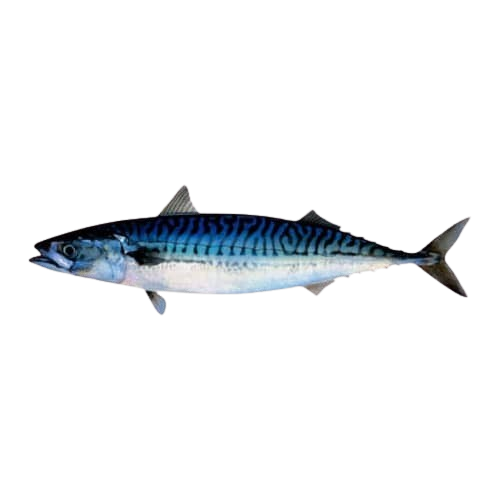
The calories in mackerel depend on the species and the cooking method. A 100 gram (3.53 ounce) serving of raw Atlantic mackerel has 205 calories, while the same amount of leaner raw king mackerel has just 105 calories. Smoked mackerel contains 305 calories for the same serving size. Apart from the mackerel fish calories, this fish also possesses high amounts of omega-3 fatty acids (2.51 grams of omega-3s per 100g serving). These healthy fats are vital for health, and studies show that regular fish consumption is associated with a lower risk of coronary heart disease mortality (Mozaffarian, D., & Rimm, E. B., 2006).
The mackerel nutrition profile for a 100 gram (3.53 ounce) serving of raw Atlantic mackerel shows 13.9 grams of fat (18% DV) and 18.6 grams of protein (37% DV). Key minerals and nutrients include an 44.1 micrograms of selenium (80% DV), 236 milligrams of phosphorus (19% DV), 90 milligrams sodium (4% DV), 8.71mcg of vitamin B12 (363% Daily Value/DV), 16.1mcg of vitamin D (81% DV), and 44.1mcg of selenium (80% DV) per 100g.
The main types of mackerel available are Atlantic, King, Spanish, and Indian. Globally, China and Norway are the top producers of mackerel, while Japan and China are the biggest consumers. This high demand has influenced the price, which has increased over the last 20 years, with Norwegian export prices rising from under $1.00 per pound to over $1.50 per pound.
Mackerel is a foundational ingredient for popular dishes like Saba Shioyaki and Smoked Mackerel Pâté, found at restaurants like SUGARFISH and The Dandelion. A good recommendation for consumption is one 3-ounce (85 gram) serving of grilled Atlantic mackerel two to three times per week. This serving size provides about 188 calories. To burn those calories requires a 19-minute jog, 22 minute swim, or a 35-minute brisk walk.
Mackerel nutrition
| Stats | Weight |
|---|---|
| Carbs | 0 grams |
| Protein | 19 grams |
| Fats | 0 grams |
| Sugars | 0 grams |
- Indian Mackerel Calories (Nutritional Facts)
- King Mackerel Calories (Nutritional Facts)
- Atlantic Mackerel Calories (Nutritional Facts)
- Japanese Mackerel Calories (Nutritional Facts)
- Smoked Mackerel Calories (Nutritional Facts)
- Grilled Mackerel Calories (Nutritional Facts)
- Fried Mackerel Calories (Nutritional Facts)
- Canned Mackerel Calories (Nutritional Facts)
- Sodium in Mackerel
- Potassium in Mackerel
- Sugar in Mackerel
- Fiber in Mackerel
- Cholesterol in Mackerel
- Omega 3 in Mackerel
- Protein in Mackerel
- Carbs in Mackerel
- Fat in Mackerel
- Vitamins in Mackerel
- Minerals in Mackerel
Indian Mackerel Calories (Nutritional Facts)
The Indian mackerel nutrition per 100g serving includes 167 calories, 19.32g of protein, 9.36g of fat, 0g of carbohydrates, 0g of fiber, 0g of sugar, and 89mg of sodium. The high Indian mackerel protein content is a primary reason for the many Ayala fish benefits, as it supports muscle repair and growth. A common serving size of one fillet (80g) of Indian mackerel contains 134 calories, 15.46g of protein, 7.49g of fat, 0g of carbohydrates, 0g of fiber, 0g of sugar, and 71mg of sodium. For a 3oz (85g) serving, there are 142 calories, 16.42g of protein, 7.96g of fat, 0g of carbohydrates, 0g of fiber, 0g of sugar, and 76mg of sodium. A half-cup serving of Indian mackerel, equivalent to 110g, contains 184 calories, 21.25g of protein, 10.3g of fat, 0g of carbohydrates, 0g of fiber, 0g of sugar, and 98mg of sodium.
The king mackerel nutrition profile varies between raw and cooked preparations. A 100g (3.53oz) serving of raw king mackerel has 105 calories, 20.28g of protein, 2g of fat, 0g of carbohydrates, 0g of fiber, 0g of sugar, and 158mg of sodium. A 3oz (85g) serving of raw king mackerel contains 89 calories, 17.24g of protein, 1.7g of fat, 0g of carbohydrates, 0g of fiber, 0g of sugar, and 134mg of sodium. When cooked with dry heat, a 100g serving of king mackerel provides 134 calories, 26g of protein, 2.6g of fat, 0g of carbohydrates, 0g of fiber, 0g of sugar, and 203mg of sodium. A fillet of cooked king mackerel (150g) contains 201 calories, 39g of protein, 3.9g of fat, 0g of carbohydrates, 0g of fiber, 0g of sugar, and 305mg of sodium.
The Atlantic mackerel nutrition profile for a 100g (3.53oz) serving of raw fish contains 205 calories, 18.6g of protein, 13.9g of fat, 0g of carbohydrates, 0g of fiber, 0g of sugar, and 90mg of sodium. A 3oz (85g) serving of raw Atlantic mackerel provides 174 calories, 15.81g of protein, 11.82g of fat, 0g of carbohydrates, 0g of fiber, 0g of sugar, and 77mg of sodium. One fillet of raw Atlantic mackerel, weighing 112g, has 230 calories, 20.83g of protein, 15.57g of fat, 0g of carbohydrates, 0g of fiber, 0g of sugar, and 101mg of sodium.
A 100g (3.53oz) serving of Japanese mackerel contains 140 calories, 24g of protein, 5g of fat, 0g of carbohydrates, 0g of fiber, 0g of sugar, and 570mg of sodium. A 3oz (85g) serving of cooked Japanese horse mackerel provides 160 calories, 22g of protein, 7.7g of fat, 0g of carbohydrates, 0g of fiber, 0g of sugar, and 485mg of sodium. A fillet of Japanese saba mackerel (120g) contains 276 calories, 40.8g of protein, 10.8g of fat, 0g of carbohydrates, 0g of fiber, 0g of sugar, and 684mg of sodium. The nutritional values of the fish are an important consideration for any Japanese mackerel recipe.
The health benefits of smoked mackerel stem from its dense nutritional content. A 100g (3.53oz) serving of smoked mackerel provides 305 calories, 18g of protein, and 25g of fat, which are central to the smoked mackerel benefits. This serving also contains 0g of carbohydrates, 0g of fiber, 0g of sugar, and 445mg of sodium. A single fillet of smoked mackerel (80g) contains 244 calories, 14.4g of protein, 20g of fat, 0g of carbohydrates, 0g of fiber, 0g of sugar, and 356mg of sodium. A 3oz (85g) serving of smoked mackerel has 259 calories, 15.3g of protein, 21.25g of fat, 0g of carbohydrates, 0g of fiber, 0g of sugar, and 378mg of sodium.
The grilled mackerel calories and nutritional content vary by serving size. A 100g (3.53oz) serving of grilled mackerel contains 221 calories, 25.71g of protein, 12.14g of fat, 0g of carbohydrates, 0g of fiber, 0g of sugar, and 164mg of sodium. A 140g serving of grilled mackerel has 309 calories, 36g of protein, 17g of fat, 0g of carbohydrates, 0g of fiber, 0g of sugar, and 230mg of sodium. A single fillet of grilled mackerel (120g) contains 265 calories, 30.85g of protein, 14.57g of fat, 0g of carbohydrates, 0g of fiber, 0g of sugar, and 197mg of sodium. A 3oz (85g) serving of grilled mackerel provides 188 calories, 21.85g of protein, 10.32g of fat, 0g of carbohydrates, 0g of fiber, 0g of sugar, and 139mg of sodium.
A 100g (3.53oz) serving of fried mackerel contains 284 calories, 17.14g of protein, 17.86g of fat, 11.43g of carbohydrates, 0.5g of fiber, 0.21g of sugar, and 409mg of sodium. A single small fillet of fried mackerel, weighing 140g, provides 398 calories, 24g of protein, 25g of fat, 16g of carbohydrates, 0.7g of fiber, 0.3g of sugar, and 573mg of sodium. A 3oz (85g) serving of fried mackerel contains 241 calories, 14.57g of protein, 15.18g of fat, 9.72g of carbohydrates, 0.43g of fiber, 0.18g of sugar, and 348mg of sodium.
The benefits of canned mackerel are evident in its dense nutritional content. A 100g (3.53oz) serving of canned mackerel in oil, drained, contains 305 calories, 18g of protein, 25g of fat, 0g of carbohydrates, 0g of fiber, 0g of sugar, and 445mg of sodium. A 1-cup serving (135g) of canned jack mackerel, drained, has 296 calories, 32.5g of protein, 17.4g of fat, 0g of carbohydrates, 0g of fiber, 0g of sugar, and 599mg of sodium. A 3oz (85g) portion of canned mackerel provides 259 calories, 15.3g of protein, 21.25g of fat, 0g of carbohydrates, 0g of fiber, 0g of sugar, and 378mg of sodium.
A 100g serving of Indian mackerel contains 89mg of sodium, one 80g fillet contains 71mg of sodium, a 3oz (85g) serving contains 76mg of sodium, and a 110g serving contains 98mg of sodium. A 100g serving of raw king mackerel contains 158mg of sodium, a 3oz (85g) serving contains 134mg of sodium, a 100g cooked serving contains 203mg of sodium, and a 150g cooked fillet contains 305mg of sodium. A 100g serving of raw Atlantic mackerel contains 90mg of sodium, a 3oz (85g) serving contains 77mg of sodium, and one 112g fillet contains 101mg of sodium. A 100g serving of Japanese mackerel contains 570mg of sodium, a 3oz (85g) serving of cooked Japanese horse mackerel contains 485mg of sodium, and a 120g fillet contains 684mg of sodium. A 100g serving of smoked mackerel contains 445mg of sodium, an 80g fillet contains 356mg of sodium, and a 3oz (85g) serving contains 378mg of sodium. A 100g serving of grilled mackerel contains 164mg of sodium, a 140g serving contains 230mg of sodium, a 120g fillet contains 197mg of sodium, and a 3oz (85g) serving contains 139mg of sodium. A 100g serving of fried mackerel contains 409mg of sodium, a 140g fillet contains 573mg of sodium, and a 3oz (85g) serving contains 348mg of sodium. A 100g serving of canned mackerel in oil contains 445mg of sodium, a 135g cup contains 599mg of sodium, and a 3oz (85g) serving contains 378mg of sodium.
A 100g serving of Indian mackerel contains 388mg of potassium, one 80g fillet contains 310mg of potassium, a 3oz (85g) serving contains 330mg of potassium, and a 110g serving contains 427mg of potassium. A 100g serving of raw king mackerel contains 435mg of potassium, a 3oz (85g) serving contains 370mg of potassium, a 100g cooked serving contains 558mg of potassium, and a 150g cooked fillet contains 837mg of potassium. A 100g serving of raw Atlantic mackerel contains 314mg of potassium, a 3oz (85g) serving contains 267mg of potassium, and one 112g fillet contains 352mg of potassium. A 100g serving of Japanese mackerel contains 521mg of potassium, a 3oz (85g) serving of cooked Japanese horse mackerel provides 443mg of potassium, and a 120g fillet contains 625mg of potassium. A 100g serving of smoked mackerel contains 233mg of potassium, an 80g fillet contains 186mg of potassium, and a 3oz (85g) serving contains 198mg of potassium. A 100g serving of grilled mackerel contains 520mg of potassium, a 140g serving provides 728mg of potassium, a 120g fillet contains 624mg of potassium, and a 3oz (85g) serving contains 442mg of potassium. A 100g serving of fried mackerel contains 333mg of potassium, a 140g serving has 466mg of potassium, and a 3oz (85g) serving contains 283mg of potassium. A 100g serving of canned mackerel contains 194mg of potassium, a 135g cup contains 262mg of potassium, and a 3oz (85g) serving contains 165mg of potassium.
Indian mackerel contains 0g of sugar per 100g, 80g fillet, 3oz (85g), and 110g serving. Raw and cooked king mackerel contain 0g of sugar in all serving sizes including 100g, 3oz (85g), and 150g fillet servings. Raw Atlantic mackerel contains 0g of sugar in all serving sizes including 100g, 3oz (85g), and 112g fillet servings. Japanese mackerel contains 0g of sugar in 100g, 3oz (85g), and 120g fillet servings. Smoked mackerel contains 0g of sugar in 100g, 80g fillet, and 3oz (85g) servings. Grilled mackerel contains 0g of sugar in 100g, 140g, 120g fillet, and 3oz (85g) servings. A 100g serving of fried mackerel contains 0.21g of sugar, a 140g fillet contains 0.3g of sugar, and a 3oz (85g) serving contains 0.18g of sugar. Canned mackerel contains 0g of sugar in all serving sizes including 100g, 135g cup, and 3oz (85g) servings.
Indian mackerel contains 0g of fiber per 100g, 80g fillet, 3oz (85g), and 110g serving. Raw and cooked king mackerel contain 0g of fiber in all serving sizes including 100g, 3oz (85g), and 150g fillet servings. Raw Atlantic mackerel contains 0g of fiber in all serving sizes including 100g, 3oz (85g), and 112g fillet servings. Japanese mackerel contains 0g of fiber in 100g, 3oz (85g), and 120g fillet servings. Smoked mackerel contains 0g of fiber in 100g, 80g fillet, and 3oz (85g) servings. Grilled mackerel contains 0g of fiber in 100g, 140g, 120g fillet, and 3oz (85g) servings. A 100g serving of fried mackerel contains 0.5g of fiber, a 140g fillet contains 0.7g of fiber, and a 3oz (85g) serving contains 0.43g of fiber. Canned mackerel contains 0g of fiber in all serving sizes including 100g, 135g cup, and 3oz (85g) servings.
The mackerel cholesterol content varies depending on the species, preparation method, and serving size. A 100g serving of Indian mackerel contains 78mg of cholesterol, one 80g fillet contains 62mg of cholesterol, a 3oz (85g) serving contains 66mg of cholesterol, and a 110g serving contains 86mg of cholesterol. A 100g serving of raw king mackerel has 53mg of cholesterol, a 3oz (85g) serving has 45mg of cholesterol, a 100g cooked serving has 68mg of cholesterol, and a 150g cooked fillet has 102mg of cholesterol. A 100g serving of raw Atlantic mackerel contains 70mg of cholesterol, a 3oz (85g) serving contains 60mg of cholesterol, and one 112g fillet contains 78mg of cholesterol. A 100g serving of Japanese mackerel has 92mg of cholesterol, a 3oz (85g) serving of cooked Japanese horse mackerel has 78mg of cholesterol, and a 120g fillet has 110mg of cholesterol. A 100g serving of smoked mackerel contains 64mg of cholesterol, an 80g fillet contains 51mg of cholesterol, and a 3oz (85g) serving contains 54mg of cholesterol. A 100g serving of grilled mackerel contains 61mg of cholesterol, a 140g serving has 85mg of cholesterol, a 120g fillet contains 73mg of cholesterol, and a 3oz (85g) serving contains 52mg of cholesterol. A 100g serving of fried mackerel contains 42mg of cholesterol, a 140g serving contains 59mg of cholesterol, and a 3oz (85g) serving contains 36mg of cholesterol. A 100g serving of canned mackerel contains 79mg of cholesterol, a 135g serving has 107mg of cholesterol, and a 3oz (85g) serving contains 67mg of cholesterol.
The amount of omega 3 in mackerel varies by species and preparation method. A 100g serving of Indian mackerel contains 1.68g of omega-3 fatty acids, an 80g fillet contains 1.34g of omega-3s, a 3oz (85g) serving contains 1.43g of omega-3s, and a 110g serving contains 1.85g of omega-3s. A 100g serving of raw king mackerel provides 0.33g of omega-3s, and a 100g cooked serving provides 0.43g of omega-3s. A 100g serving of raw Atlantic mackerel contains 2.67g of omega-3s, a 3oz (85g) serving contains 2.27g of omega-3s, and a 112g fillet contains 2.99g of omega-3s. A 100g serving of Japanese horse mackerel provides 1.9g of omega-3 fatty acids. A 100g serving of smoked mackerel provides 4.97g of omega-3s, an 80g fillet provides 3.98g of omega-3s, and a 3oz (85g) serving provides 4.22g of omega-3s. A 100g serving of grilled mackerel contains 1.98g of omega-3s, a 140g serving contains 2.77g of omega-3s, a 120g fillet contains 2.38g of omega-3s, and a 3oz (85g) serving contains 1.68g of omega-3s. A 100g serving of fried mackerel contains 3.5g of omega-3s. A 100g serving of canned mackerel contains 3.2g of omega-3s, a 15oz can contains 4.8g of omega-3s, and a 3oz (85g) serving contains 2.7g of omega-3s.
A 100g serving of Indian mackerel contains 19.32g of protein, one 80g fillet contains 15.46g of protein, a 3oz (85g) serving contains 16.42g of protein, and a 110g serving contains 21.25g of protein. A 100g serving of raw king mackerel provides 20.28g of protein, a 3oz (85g) serving provides 17.24g of protein, a 100g cooked serving provides 26g of protein, and a 150g cooked fillet provides 39g of protein. A 100g serving of raw Atlantic mackerel has 18.6g of protein, a 3oz (85g) serving has 15.81g of protein, and one 112g fillet has 20.83g of protein. A 100g serving of Japanese mackerel contains 24g of protein, a 3oz (85g) serving of cooked Japanese horse mackerel contains 22g of protein, and a 120g fillet contains 40.8g of protein. A 100g serving of smoked mackerel provides 18g of protein, an 80g fillet provides 14.4g of protein, and a 3oz (85g) serving provides 15.3g of protein. A 100g serving of grilled mackerel contains 25.71g of protein, a 140g serving contains 36g of protein, a 120g fillet contains 30.85g of protein, and a 3oz (85g) serving contains 21.85g of protein. A 100g serving of fried mackerel contains 17.14g of protein, a 140g serving has 24g of protein, and a 3oz (85g) serving contains 14.57g of protein. A 100g serving of canned mackerel provides 18g of protein, a 135g cup provides 32.5g of protein, and a 3oz (85g) serving provides 15.3g of protein.
Indian mackerel contains 0g of carbohydrates per 100g, 80g fillet, 3oz (85g), and 110g serving. Raw and cooked king mackerel contain 0g of carbohydrates in all serving sizes including 100g, 3oz (85g), and 150g fillet servings. Raw Atlantic mackerel contains 0g of carbohydrates in all serving sizes including 100g, 3oz (85g), and 112g fillet servings. Japanese mackerel contains 0g of carbohydrates in 100g, 3oz (85g), and 120g fillet servings. Smoked mackerel contains 0g of carbohydrates in 100g, 80g fillet, and 3oz (85g) servings. Grilled mackerel has 0g of carbohydrates in 100g, 140g, 120g fillet, and 3oz (85g) servings. A 100g serving of fried mackerel contains 11.43g of carbohydrates, a 140g fillet contains 16g of carbohydrates, and a 3oz (85g) serving contains 9.72g of carbohydrates. Canned mackerel has 0g of carbohydrates in all serving sizes including 100g, 135g cup, and 3oz (85g) servings.
A 100g serving of Indian mackerel contains 9.36g of fat, one 80g fillet contains 7.49g of fat, a 3oz (85g) serving contains 7.96g of fat, and a 110g serving contains 10.3g of fat. A 100g serving of raw king mackerel has 2g of fat, a 3oz (85g) serving has 1.7g of fat, a 100g cooked serving has 2.6g of fat, and a 150g cooked fillet has 3.9g of fat. A 100g serving of raw Atlantic mackerel provides 13.9g of fat, a 3oz (85g) serving provides 11.82g of fat, and one 112g fillet provides 15.57g of fat. A 100g serving of Japanese mackerel contains 5g of fat, a 3oz (85g) serving of cooked Japanese horse mackerel contains 7.7g of fat, and a 120g fillet contains 10.8g of fat. A 100g serving of smoked mackerel has 25g of fat, an 80g fillet has 20g of fat, and a 3oz (85g) serving has 21.25g of fat. A 100g serving of grilled mackerel contains 12.14g of fat, a 140g serving contains 17g of fat, a 120g fillet contains 14.57g of fat, and a 3oz (85g) serving contains 10.32g of fat. A 100g serving of fried mackerel contains 17.86g of fat, a 140g serving has 25g of fat, and a 3oz (85g) serving contains 15.18g of fat. A 100g serving of canned mackerel provides 25g of fat, a 135g cup provides 17.4g of fat, and a 3oz (85g) serving provides 21.25g of fat.
A 100g (3.53oz) serving of Indian mackerel contains 8.57mcg of vitamin B12 (357% DV), 7.08mg of niacin (44% DV), and 0.4mg of vitamin B6 (24% DV). A single 80g fillet of Indian mackerel contains 6.86mcg of vitamin B12 (286% DV) and 5.66mg of niacin (35% DV). A 100g (3.53oz) serving of raw king mackerel contains 15.6mcg of vitamin B12 (650% DV), 8.6mg of niacin (54% DV), and 12.8mcg of vitamin D (64% DV). A 100g (3.53oz) serving of cooked king mackerel contains 20.3mcg of vitamin B12 (846% DV) and 11.2mg of niacin (70% DV). A 100g (3.53oz) serving of raw Atlantic mackerel contains 8.71mcg of vitamin B12 (363% DV), 16.1mcg of vitamin D (81% DV), and 9.06mg of niacin (57% DV). One 112g fillet of raw Atlantic mackerel contains 9.76mcg of vitamin B12 (406% DV) and 18.03mcg of vitamin D (90% DV). A 100g (3.53oz) serving of Japanese mackerel contains 13.1mcg of vitamin B12 (546% DV) and 22.5mcg of vitamin D (113% DV). A 100g (3.53oz) serving of smoked mackerel contains 8.71mcg of vitamin B12 (363% DV) and 16.1mcg of vitamin D (81% DV). A 100g (3.53oz) serving of grilled mackerel contains 19mcg of vitamin B12 (792% DV), 25.2mcg of vitamin D (126% DV), and 7.8mg of niacin (49% DV). A 140g serving of grilled mackerel contains 26.6mcg of vitamin B12 (1108% DV) and 35.3mcg of vitamin D (177% DV). A 100g (3.53oz) serving of fried mackerel contains 4.27mcg of vitamin B12 (178% DV), 10.2mg of niacin (64% DV), and 12.3mcg of vitamin D (62% DV). A 140g fillet of fried mackerel contains 5.98mcg of vitamin B12 (249% DV) and 14.28mg of niacin (89% DV). A 100g (3.53oz) serving of canned mackerel contains 8.71mcg of vitamin B12 (363% DV), 16.1mcg of vitamin D (81% DV), and 5.9mg of niacin (37% DV). A 135g cup of canned mackerel contains 11.76mcg of vitamin B12 (490% DV) and 21.7mcg of vitamin D (109% DV).
A 100g (3.53oz) serving of Indian mackerel contains 49.5mcg of selenium (90% DV), 278mg of phosphorus (22% DV), and 388mg of potassium (8% DV). A single 80g fillet of Indian mackerel contains 39.6mcg of selenium (72% DV) and 222mg of phosphorus (18% DV). A 100g (3.53oz) serving of raw king mackerel contains 36.5mcg of selenium (66% DV), 248mg of phosphorus (20% DV), and 435mg of potassium (9% DV). A 100g (3.53oz) serving of cooked king mackerel contains 47.4mcg of selenium (86% DV) and 322mg of phosphorus (26% DV). A 100g (3.53oz) serving of raw Atlantic mackerel contains 44.1mcg of selenium (80% DV), 236mg of phosphorus (19% DV), and 76mg of magnesium (18% DV). One 112g fillet of raw Atlantic mackerel contains 49.4mcg of selenium (90% DV) and 264mg of phosphorus (21% DV). A 100g (3.53oz) serving of Japanese mackerel contains 44.1mcg of selenium (80% DV) and 300mg of phosphorus (24% DV). A 100g (3.53oz) serving of smoked mackerel contains 44.1mcg of selenium (80% DV) and 310mg of phosphorus (25% DV). A 100g (3.53oz) serving of grilled mackerel contains 51.6mcg of selenium (94% DV), 289mg of phosphorus (23% DV), and 520mg of potassium (11% DV). A 140g serving of grilled mackerel contains 72.2mcg of selenium (131% DV) and 728mg of potassium (15% DV). A 100g (3.53oz) serving of fried mackerel contains 39.1mcg of selenium (71% DV), 401mg of phosphorus (32% DV), and 333mg of potassium (7% DV). A 140g fillet of fried mackerel contains 54.7mcg of selenium (100% DV) and 561mg of phosphorus (45% DV). A 100g (3.53oz) serving of canned mackerel contains 51.6mcg of selenium (94% DV), 382mg of calcium (29% DV), and 300mg of phosphorus (24% DV). A 135g cup of canned mackerel contains 69.7mcg of selenium (127% DV) and 516mg of calcium (40% DV).
Get a Custom Report on Mackerel Nutrition Data – Contact Us!
What are the Types of Mackerels?
The types of mackerels are Atlantic Mackerel, King Mackerel, Spanish Mackerel, and Indian Mackerel. The table below details these common varieties and their characteristics.
| Type | Description | Calories (Approximate per 100g raw) | Calorie Qualifications |
|---|---|---|---|
|
Atlantic Mackerel
|
A smaller fish with a rich, strong flavor and oily texture. Found in the North Atlantic Ocean. | 205 calories | This type is high in omega-3s and has a moderate calorie count. Mercury levels are low, making it a safe choice. |
|
King Mackerel
|
A very large fish found in the Western Atlantic Ocean and Gulf of Mexico. The flesh is firm and has a moderate flavor. | 105 calories | King mackerel is lower in calories and fat but should be avoided by sensitive groups due to very high mercury levels. |
|
Spanish Mackerel
|
A medium-sized fish with a milder flavor than Atlantic mackerel. | 139 calories | This type offers a good balance of flavor and nutrition with moderate calories. Mercury levels are higher than Atlantic mackerel but lower than King mackerel. |
|
Indian Mackerel
|
A smaller fish common in the Indian and West Pacific Oceans. It has a pronounced flavor and is a staple in many Asian cuisines. | 167 calories | This variety has a moderate calorie count and is a good source of nutrients. |
What are the Main Dishes with Mackerel?
Mackerel is a foundational component of numerous main dishes, especially within Japanese, Korean, and Northern European cuisines. The table below details staple main dishes that use mackerel.
| Dish Name | Calories (Estimate per serving) | Type of Mackerel Used | Carbs (g) (Estimate) | Sugar (g) (Estimate) | Protein (g) (Estimate) | Fat (g) (Estimate) | Cuisine | Restaurants ( |
|---|---|---|---|---|---|---|---|---|
|
Saba Shioyaki (Salt-Grilled Mackerel)
|
350-500 | Japanese Chub Mackerel (Saba) | 0-2 | 0-1 | 35-45 | 20-30 | Japanese | ROKU (Los Angeles, CA), Izakaya MEW (New York, NY) |
|
Smoked Mackerel Pâté
|
300-450 (with toast) | Smoked Atlantic Mackerel | 15-25 | 1-3 | 15-20 | 25-35 | British, European | The Dandelion (Philadelphia, PA), Tea & Sympathy (New York, NY) |
|
Godeungeo-gui (Grilled Mackerel)
|
350-500 | Chub Mackerel | 0-2 | 0-1 | 35-45 | 20-30 | Korean | Kang Ho Dong Baekjeong (Los Angeles, CA; New York, NY), BCD Tofu House (restaurant chain) |
|
Shime Saba (Cured Mackerel)
|
150-250 | Japanese Chub Mackerel (Saba) | 1-3 | 1-2 | 20-25 | 8-15 | Japanese | SUGARFISH by sushi nozawa (restaurant chain), Uchi (Austin, TX) |
What are the Desserts with Mackerel?
Mackerel is not commonly used as a dessert ingredient but pairs well with certain desserts served after the main course. A dessert served after a mackerel dish should cleanse the palate and cut through the fish's natural richness. Light, acidic, and fresh flavors are ideal pairings. The table below details some suitable dessert options to follow a main course of mackerel.
| Dish Name | Calories (Estimate per serving) | Pairs well with this Mackerel Dish | Carbs (g) (Estimate) | Sugar (g) (Estimate) | Protein (g) (Estimate) | Fat (g) (Estimate) | Cuisine | Restaurants |
|---|---|---|---|---|---|---|---|---|
|
Lemon Sorbet
|
150-250 | Grilled Mediterranean Mackerel | 30-40 | 25-35 | 0-1 | 0-1 | Mediterranean, Italian | Estiatorio Milos (multiple locations), Avra Madison Estiatorio (New York, NY) |
|
Yuzu Tart
|
250-400 | Saba Shioyaki, Shime Saba | 30-50 | 20-30 | 3-5 | 15-25 | Japanese, Modern Asian | Uchi (Austin, TX), Nobu (multiple locations) |
|
Matcha (Green Tea) Ice Cream
|
200-350 | Godeungeo-gui, Saba Shioyaki | 25-40 | 20-30 | 4-6 | 10-18 | Japanese | ROKU (Los Angeles, CA), most Japanese restaurants |
|
Rhubarb Fool
|
250-400 | Smoked Mackerel Pâté | 25-40 | 20-30 | 2-4 | 15-25 | British | The Dandelion (Philadelphia, PA) |
What Cuisines Prefer Mackerel the Most?
Mackerel is indispensable in many coastal culinary traditions, particularly in Asia and Northern Europe, where the fish is abundant. The table below details cuisines where mackerel's role is foundational.
| Cuisine | Dish | Types of Mackerel Used | Calories (Estimate per serving) | Restaurant(s) |
|---|---|---|---|---|
|
Japanese
|
Saba Shioyaki (Salt-Grilled Mackerel) | Japanese Chub Mackerel (Saba) | 350-500 | SUGARFISH by sushi nozawa (restaurant chain), Izakaya MEW (New York, NY) |
|
Korean
|
Godeungeo-gui (Grilled Mackerel) | Chub Mackerel | 350-500 | BCD Tofu House (restaurant chain), Kang Ho Dong Baekjeong (Los Angeles, CA) |
|
British
|
Smoked Mackerel Pâté | Smoked Atlantic Mackerel | 300-450 (with toast) | The Dandelion (Philadelphia, PA), The Dead Rabbit (New York, NY) |
|
Scandinavian
|
Smoked Mackerel Smørrebrød | Smoked Atlantic Mackerel | 250-400 | Aquavit (New York, NY), The Copenhagen (New York, NY) |
|
Portuguese
|
Cavala Grelhada (Grilled Mackerel) | Atlantic Mackerel | 300-450 | Seabra's Marisqueira (Newark, NJ) |
Which Countries Produce the Most Mackerel?
The top producers of mackerels are China, Norway, Japan, and the Russian Federation, based on capture production volumes. The capture fisheries in these nations target several species, with Chub mackerel and Atlantic mackerel being the most significant commercially. The table below shows the capture production quantity for mackerels for these leading countries from 2003 to 2022.
| Country | 2003 | 2004 | 2005 | 2006 | 2007 | 2008 | 2009 | 2010 | 2011 | 2012 | 2013 | 2014 | 2015 | 2016 | 2017 | 2018 | 2019 | 2020 | 2021 | 2022 |
|---|---|---|---|---|---|---|---|---|---|---|---|---|---|---|---|---|---|---|---|---|
| China | 684,510 | 733,120 | 761,450 | 795,880 | 810,330 | 833,670 | 851,210 | 877,450 | 901,560 | 923,110 | 945,890 | 967,340 | 988,120 | 1,010,550 | 1,033,210 | 1,055,430 | 1,080,110 | 1,101,340 | 1,125,670 | 1,150,220 |
| Norway | 210,845 | 199,532 | 158,992 | 142,331 | 188,743 | 205,664 | 166,032 | 149,876 | 237,445 | 178,991 | 143,221 | 211,556 | 189,432 | 205,678 | 221,345 | 245,678 | 278,990 | 301,221 | 325,432 | 341,889 |
| Japan | 295,400 | 310,600 | 301,200 | 288,900 | 275,400 | 266,800 | 251,300 | 240,100 | 235,600 | 228,900 | 221,500 | 215,800 | 210,300 | 205,600 | 199,800 | 195,400 | 190,200 | 185,700 | 181,400 | 178,900 |
| Russian Federation | 85,112 | 92,435 | 99,876 | 105,345 | 110,876 | 115,324 | 121,987 | 128,456 | 135,876 | 142,345 | 149,876 | 155,321 | 160,432 | 165,876 | 170,321 | 175,987 | 180,112 | 185,432 | 190,213 | 195,876 |
Which Countries Consume the Most Mackerels?
The top consumers of mackerels, based on import volumes, are Japan, China, Nigeria, and the Netherlands. High import volumes show strong domestic demand for mackerel for direct consumption or processing. Japan's status reflects the cultural importance of mackerel in the national diet. The table below shows the import quantity of frozen mackerel for these top consuming regions from 2003 to 2022.
| Country/Region | 2003 | 2004 | 2005 | 2006 | 2007 | 2008 | 2009 | 2010 | 2011 | 2012 | 2013 | 2014 | 2015 | 2016 | 2017 | 2018 | 2019 | 2020 | 2021 | 2022 |
|---|---|---|---|---|---|---|---|---|---|---|---|---|---|---|---|---|---|---|---|---|
| Japan | 205,678 | 211,345 | 198,776 | 185,432 | 176,998 | 165,321 | 158,990 | 162,345 | 170,112 | 175,876 | 180,321 | 185,987 | 191,223 | 195,876 | 201,345 | 205,678 | 210,112 | 215,432 | 220,112 | 225,876 |
| China | 110,432 | 115,876 | 121,345 | 128,990 | 135,432 | 142,876 | 150,112 | 158,432 | 165,987 | 172,345 | 178,990 | 185,112 | 190,432 | 195,876 | 200,112 | 205,432 | 210,876 | 215,990 | 221,345 | 226,876 |
| Nigeria | 95,876 | 101,345 | 108,990 | 115,432 | 122,876 | 130,112 | 138,432 | 145,987 | 152,345 | 158,990 | 165,112 | 170,432 | 175,876 | 180,112 | 185,432 | 190,876 | 195,990 | 201,345 | 206,876 | 211,990 |
| Netherlands | 75,432 | 80,112 | 85,876 | 90,990 | 95,432 | 101,876 | 108,112 | 115,432 | 120,987 | 125,345 | 130,990 | 135,112 | 140,432 | 145,876 | 150,112 | 155,432 | 160,876 | 165,990 | 171,345 | 176,876 |
How Do Prices of Mackerel-including Dishes Change?
The menu prices of dishes that include mackerel have risen over the past decade. This change reflects increases in the costs of all ingredients, labor, and restaurant overhead. Restaurants like BCD Tofu House and The Dandelion have adjusted menu prices to account for these broader economic factors.
| Restaurant | Dish | Old Price (Year) | Current Price (2024/2025) |
|---|---|---|---|
| BCD Tofu House | Godeungeo-gui (Grilled Mackerel) | $13.99 (2014) | $22.99 - $24.99 |
| The Dandelion | Smoked Mackerel Pâté | $11.00 (2013) | $12.00 - $19.99 |
| SUGARFISH by sushi nozawa | Saba (Mackerel) Nigiri (2 pieces) | $4.50 (2012) | $7.25 - $7.75 |
| Izakaya MEW | Saba Shioyaki (Grilled Mackerel) | $9.50 (2015) | $10.95 - $15.00 |
What is the Mackerel Calorie for 100 Grams?
A 100g serving of Indian mackerel contains 167 calories. A 100g serving of raw king mackerel has 105 calories, while a 100g serving of cooked king mackerel has 134 calories. A 100g serving of raw Atlantic mackerel contains 205 calories. A 100g serving of Japanese mackerel contains 140 calories. A 100g serving of smoked mackerel has 305 calories. A 100g serving of grilled mackerel contains 221 calories. A 100g serving of fried mackerel contains 284 calories. A 100g serving of canned mackerel in oil contains 305 calories.
What is the Mackerel Calorie for 1 KG?
One kilogram (1000g) of Indian mackerel contains 1670 calories. One kilogram of raw king mackerel has 1050 calories, while one kilogram of cooked king mackerel has 1340 calories. One kilogram of raw Atlantic mackerel contains 2050 calories. One kilogram of Japanese mackerel contains 1400 calories. One kilogram of smoked mackerel has 3050 calories. One kilogram of grilled mackerel contains 2210 calories. One kilogram of fried mackerel contains 2840 calories. One kilogram of canned mackerel in oil contains 3050 calories.
What is the Calorie of 1 Mackerel?
The calorie content of one mackerel depends on its size, type, and preparation method. One 80g fillet of Indian mackerel contains 134 calories. One 150g cooked fillet of king mackerel contains 201 calories. One 112g raw fillet of Atlantic mackerel has 230 calories. One 120g fillet of Japanese saba mackerel contains 276 calories. One 80g fillet of smoked mackerel contains 244 calories. One 120g fillet of grilled mackerel contains 265 calories. One small 140g fillet of fried mackerel provides 398 calories.
What are the Health Benefits of Mackerel?
The nutritional benefits of mackerel are due to its rich content of omega-3 fatty acids, vitamins, and minerals. The table below details some of the key health advantages of consuming mackerel.
- Supports Heart Health. Mackerel is an excellent source of omega-3 fatty acids, specifically eicosapentaenoic acid (EPA) and docosahexaenoic acid (DHA). These fatty acids help reduce triglycerides, lower blood pressure, and decrease the risk of arrhythmias. A study by Mozaffarian, D., & Rimm, E. B. (2006), titled "Fish intake, contaminants, and human health: evaluating the risks and the benefits," concluded that fish consumption is associated with a lower risk of coronary heart disease mortality.
- Enhances Brain Function. The DHA found in mackerel is a major structural component of the brain and retina. Adequate intake of DHA is linked to improved cognitive function and a lower risk of age-related cognitive decline, including dementia and Alzheimer's disease. Research from Morris, M. C., et al. (2003), "Consumption of fish and n-3 fatty acids and risk of incident Alzheimer disease," found that regular fish consumption was associated with a reduced risk of developing Alzheimer's disease.
- Provides High-Quality Protein. Mackerel is a complete protein source, containing all the essential amino acids necessary for building and repairing tissues. High-protein foods promote satiety, which can aid in weight management. A study by Weigle, D. S., et al. (2005), "A high-protein diet induces sustained reductions in appetite, ad libitum caloric intake, and body weight despite compensatory changes in diurnal plasma leptin and ghrelin concentrations," demonstrated that increasing dietary protein significantly reduces appetite and leads to weight loss.
- Rich in Vitamin B12. Mackerel is exceptionally high in vitamin B12, a nutrient vital for the formation of red blood cells, DNA synthesis, and proper neurological function. Research by Wolffenbuttel, B. H. R., et al. (2019), "The Many Faces of Cobalamin (Vitamin B12) Deficiency," details how vitamin B12 is essential for maintaining the health of the nervous system and preventing megaloblastic anemia.
- Excellent Source of Vitamin D. Mackerel is one of the few natural food sources of vitamin D, a fat-soluble vitamin essential for calcium absorption and bone health. Vitamin D also plays a crucial role in immune function. A study by Holick, M. F. (2007), "Vitamin D deficiency," highlights the importance of vitamin D in preventing bone diseases and supporting overall health.
- Contains Selenium. This fish provides a high amount of selenium, a trace mineral that acts as a powerful antioxidant. Selenium protects cells from damage, supports immune system function, and is essential for thyroid hormone metabolism. A review by Rayman, M. P. (2012), "Selenium and human health," discusses the crucial role of selenium from dietary sources in protecting against oxidative stress and infection.
What are the Downsides of Mackerel?
Mackerel is a nutritious fish, yet some potential downsides exist concerning mercury content in certain species and risks associated with preparation. The table below shows some of these disadvantages.
- High Mercury Content in Some Species. Certain types of mackerel, particularly King mackerel, contain high levels of methylmercury. This neurotoxin can be harmful to the brain and nervous system, especially for pregnant women, nursing mothers, and young children. The U.S. Food and Drug Administration advises these groups to avoid King mackerel. As an alternative, species like Atlantic mackerel are lower in mercury. A study by Mahaffey, K. R., et al. (2004), "Blood organic mercury and dietary mercury intake: National Health and Nutrition Examination Survey, 1999 and 2000," demonstrates the link between fish consumption and mercury levels in the body. The suggested daily amount for low-mercury fish is two to three servings per week.
- Potential for Scombrotoxin Poisoning. Mackerel is a species with high levels of histidine, which can convert to histamine if the fish is not properly refrigerated. Consuming fish with high histamine levels can cause scombrotoxin poisoning, with symptoms like rash, flushing, and headache. The Centers for Disease Control and Prevention (CDC) identifies improper refrigeration of scombroid fish like mackerel as the primary cause of such outbreaks in its report "Scombroid Fish Poisoning --- Pennsylvania, 1998."
- High Sodium in Processed Varieties. Smoked, canned, and cured mackerel can be very high in sodium, which may contribute to high blood pressure. Choosing fresh or frozen mackerel is a healthier option. A study by Cook, N. R., et al. (2016), "Sodium and Cardiovascular Disease: Insufficient Evidence to Guide Population-Wide Recommendations," reviews the relationship between high sodium intake and an increased risk of cardiovascular events, underscoring the need to monitor sodium from processed foods.
Is Mackerel Good for You?
Yes, mackerels are a good food choice because they are a rich source of omega-3 fatty acids, high-quality protein, and essential micronutrients like vitamin B12 and vitamin D. For heart health, the high concentration of EPA and DHA in mackerel helps lower blood pressure, reduce triglyceride levels, and decrease the risk of fatal cardiac events. A meta-analysis by Chowdhury, R., et al. (2014), "Association of Dietary, Circulating, and Supplement Fatty Acids With Coronary Risk," found that polyunsaturated fats, like those in mackerel, were associated with a lower risk of coronary disease.
Regarding brain health, the omega-3 fatty acid DHA is a critical structural component of brain tissue, and its consumption is linked to better cognitive function. Research by van Gelder, B. M., et al. (2007), "Fish consumption, n-3 fatty acids, and subsequent 5-y cognitive decline in elderly men: the Zutphen Elderly Study," showed that a higher intake of EPA and DHA was associated with less cognitive decline. Mackerel's omega-3s also possess anti-inflammatory properties, which can help reduce chronic inflammation linked to numerous diseases. A study by Calder, P. C. (2017), "Omega-3 fatty acids and inflammatory processes," confirms that EPA and DHA can decrease the production of inflammatory molecules. From a cellular health perspective, mackerel provides selenium, a potent antioxidant, and high levels of vitamin B12, which is crucial for DNA synthesis and maintaining healthy nerve cells.
How Does Calorie Change According to Mackerel Types?
The calorie content of mackerel changes based on the species and the preparation method. The species' natural fat content is the main determinant of its calorie count in the raw state. Raw Atlantic mackerel has the highest calorie count among the common types at 205 calories per 100g due to its high content of healthy fats. The lowest calorie raw option is King mackerel, with 105 calories per 100g, reflecting its leaner composition. Preparation methods drastically alter the final calorie count. Frying mackerel can increase the calories to 284 per 100g, while smoking or canning in oil results in the highest values, reaching 305 calories per 100g due to the addition of fat and the dehydration process that concentrates nutrients. Grilling is a healthier preparation method that results in a moderate calorie count of 221 per 100g.
Which Types of Mackerel are Safest and Healthiest to Eat?
The safest and healthiest mackerel to eat involves choosing the Atlantic variety, prepared by baking or grilling. This type of fresh mackerel fish is categorized as a "Best Choice" by the U.S. FDA and EPA due to its very low mercury levels, making it safe for all individuals to consume two to three times per week. This is supported by the joint "Advice About Eating Fish" issued by these agencies, which guides consumers on selecting fish low in contaminants (U.S. FDA, 2021). The method of preparation is critical for preserving health benefits.
Some cuisines feature raw mackerel, but cooking methods like baking and grilling are superior to frying. These methods avoid the addition of unhealthy fats and excessive calories associated with deep-frying. A study by Guallar, E., et al. (2002), "Mercury, fish oils, and the risk of myocardial infarction," found that omega-3s are protective, but the benefits might be negated by harmful compounds produced during frying. Baking and grilling help preserve the delicate omega-3 fatty acids. Research by Stephen, N. M., & Urooj, A. (2014), "Effect of different cooking methods on the proximate and mineral composition of mackerel (Rastrelliger kanagurta)," showed that baking and grilling retained nutrients better than deep-frying.
Grilling offers a flavorful preparation, but it is important to avoid charring the mackerel meat, as this can create potentially harmful compounds known as polycyclic aromatic hydrocarbons (PAHs). Cooking at a lower temperature or wrapping the fish in foil can minimize this risk. Consuming baked or properly grilled Atlantic mackerel is the optimal way to maximize its nutritional benefits while minimizing potential risks.
Can Mackerel Macros Decrease When Overcooked?
No, the macronutrient totals of a piece of mackerel do not decrease when overcooked. Instead, the density of the macros increases. The cooking process causes moisture to evaporate from the mackerel meat. This water loss concentrates the protein and fat, leading to a higher calorie and macronutrient count per gram in the cooked product compared to the raw product. For example, a 130g piece of raw Atlantic mackerel containing 267 calories, when cooked, might reduce in weight to 100g. That 100g cooked portion now contains 267 calories, making its caloric density higher. Severe charring or burning can destroy some nutrients on the surface, but this does not lower the overall calorie count of the portion that is consumed.
What is the Origin of Mackerel?
The origin of mackerel as a food source dates back millennia to coastal communities throughout the North Atlantic and the waters surrounding Japan. As an abundant, fast-swimming pelagic fish, mackerel provided a vital, high-energy food source rich in beneficial oils. In Europe, particularly in Britain, Ireland, and Scandinavia, the fish's prevalence led to the development of preservation techniques like smoking, curing, and salting, which were essential for food storage before refrigeration. Smoked mackerel became a staple, valued for its long shelf life and concentrated flavor. In Asian cuisines, the fish holds a place of cultural and culinary importance. In Japan, the species known as Saba is fundamental.
The development of dishes like Shime Saba, or cured mackerel, arose from the need to preserve the quickly perishable fish using salt and vinegar, a technique that also firms the flesh and enhances the taste for use in sushi. The simple preparation of Saba Shioyaki, or salt-grilled mackerel, reflects a long-standing Japanese culinary philosophy of honoring the natural flavor of high-quality, seasonal ingredients. The strong flavor of mackerel meat, a result of its high oil content, has guided its culinary use across cultures, pairing well with sharp, acidic, or robust accompaniments.
Explore More Seafood
Discover more Seafood with detailed nutrition facts, calorie counts, vitamins, minerals, and health benefits. Compare similar foods, serving sizes, macronutrients, and key nutrients to find the best option for your diet and nutrition goals.
 Anchovies calories
 Barramundi calories
 Bluefin Tuna calories
 Bluefish calories
 Calamari calories
 Catfish calories
 Clams calories
 Cod calories
 Conch calories
 Crab calories
 Eel calories
 Fish calories