Calories and Nutritions in Mahi Mahi
Calories in Mahi Mahi are low, with a 100g slice of raw Mahi Mahi providing only 85 calories. A 100g (3.5 oz) serving of grilled Mahi Mahi has 109 calories, while a larger 170g (6oz) grilled fillet has 185 calories. The Mahi Mahi nutrition facts reveal that a 100g (3.53oz) serving of grilled Mahi Mahi contains 23.7g of protein (47% DV), 46.8mcg of selenium (85% DV), 8mg of niacin (50% DV), 0.5mg of vitamin B6 (29% DV), and 0.75mcg of vitamin B12 (31% DV). The selenium in Mahi Mahi is important for immune system function and for protecting the body from oxidative damage (Rayman, M. P., 2012, Selenium and human health).
The health benefits of Mahi Mahi come from the high concentration of lean protein for muscle maintenance and B vitamins for metabolic and nerve function. The FDA recommends one 4-ounce (113g) serving of Mahi Mahi per week for most adults. A 4-ounce grilled portion contains 123 calories, which can be burned by doing 12 minutes of jogging, 25 minutes of brisk walking, or 15 minutes of cycling at a moderate pace.
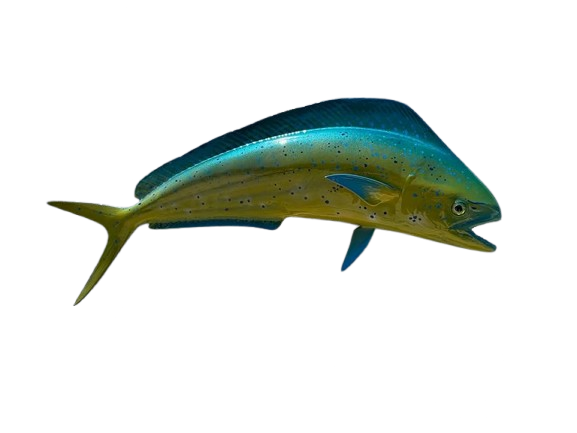
The two types of Mahi Mahi are the Common Mahi Mahi and the smaller Pompano Dolphinfish. The top global producers of Mahi Mahi are Ecuador, Taiwan, and Peru. The United States is the largest consumer. The price of Mahi Mahi has increased over the last 20 years, with import prices now peaking above $6.00 per pound, compared to $2.50 to $3.50 per pound in 2003/2004.
Mahi Mahi is a popular menu item in many coastal and tropical-themed restaurants. Bonefish Grill serves Grilled Mahi Mahi, Rubio's Coastal Grill features Mahi Mahi in fish tacos, and Roy's Restaurant offers Pan-Seared Mahi Mahi preparations.
Mahi Mahi nutrition
| Stats | Weight |
|---|---|
| Carbs | 0 grams |
| Protein | 30 grams |
| Fats | 0 grams |
| Sugars | 0 grams |
- Grilled Mahi Mahi Calories (Nutritional Facts)
- Mahi Mahi Fillet Calories (Nutritional Facts)
- Raw Mahi Mahi Nutrition
- Sodium in Mahi Mahi
- Potassium in Mahi Mahi
- Sugar in Mahi Mahi
- Fiber in Mahi Mahi
- Protein in Mahi Mahi
- Cholesterol in Mahi Mahi
- Carbs in Mahi Mahi
- Fat in Mahi Mahi
- Vitamins in Mahi Mahi
- Minerals in Mahi Mahi
Grilled Mahi Mahi Calories (Nutritional Facts)
Grilled Mahi Mahi calorie count per 100g serving is 109 calories. A grilled Mahi Mahi portion of this size provides 23.67g of protein, 0.89g of fat, 0g of carbohydrates, 0g of fiber, 0g of sugar, and 112mg of sodium. A 170g (6oz) grilled Mahi Mahi fillet contains 185 calories, 40.24g of protein, 1.51g of fat, and 190mg of sodium.
There are 109 calories in a 100g Mahi Mahi fillet cooked with dry heat. A 100g (3.53oz) cooked Mahi Mahi fillet contains 23.67g of protein, 0.89g of fat, 0g of carbohydrates, 0g of fiber, 0g of sugar, and 112mg of sodium. A standard restaurant fillet of 170g (6oz) contains 185 calories, 40.24g of protein, 1.51g of fat, and 190mg of sodium.
A 100g (3.53oz) serving of raw Mahi Mahi contains 85 calories, 18.5g of protein, 0.7g of fat, 0g of carbohydrates, 0g of fiber, 0g of sugar, and 88mg of sodium. A larger 170g (6oz) raw Mahi Mahi fillet has 145 calories, 31.45g of protein, 1.19g of fat, and 150mg of sodium.
A 100g (3.53oz) serving of grilled Mahi Mahi contains 112mg of sodium (5% DV). A cooked Mahi Mahi fillet 100g (3.53oz) contains 112mg of sodium (5% DV). A 100g (3.53oz) serving of raw Mahi Mahi contains 88mg of sodium (4% DV).
A 100g (3.53oz) serving of grilled Mahi Mahi contains 531mg of potassium (11% DV). A cooked Mahi Mahi fillet 100g (3.53oz) contains 531mg of potassium (11% DV). A 100g (3.53oz) serving of raw Mahi Mahi contains 417mg of potassium (9% DV).
Grilled Mahi Mahi, a cooked Mahi Mahi fillet, and raw Mahi Mahi all contain 0g of sugar.
Grilled Mahi Mahi, a cooked Mahi Mahi fillet, and raw Mahi Mahi all contain 0g of fiber.
A 100g (3.53oz) serving of grilled Mahi Mahi contains 23.67g of protein (47% DV). A cooked Mahi Mahi fillet 100g (3.53oz) provides 23.67g of protein (47% DV). A 100g (3.53oz) serving of raw Mahi Mahi contains 18.5g of protein (37% DV).
A 100g (3.53oz) serving of grilled Mahi Mahi contains 94mg of cholesterol (31% DV). A cooked Mahi Mahi fillet 100g (3.53oz) contains 94mg of cholesterol (31% DV). A 100g (3.53oz) serving of raw Mahi Mahi contains 73mg of cholesterol (24% DV).
Grilled Mahi Mahi, a cooked Mahi Mahi fillet, and raw Mahi Mahi all contain 0g of carbohydrates.
A 100g (3.53oz) serving of grilled Mahi Mahi contains 0.89g of fat (1% DV). A cooked Mahi Mahi fillet 100g (3.53oz) provides 0.89g of fat (1% DV). A 100g (3.53oz) serving of raw Mahi Mahi contains 0.7g of fat (1% DV).
A 100g (3.53oz) serving of grilled Mahi Mahi provides 8mg of niacin (50% DV), 0.5mg of vitamin B6 (29% DV), and 0.75mcg of vitamin B12 (31% DV). A cooked Mahi Mahi fillet 100g (3.53oz) provides 8mg of niacin (50% DV), 0.5mg of vitamin B6 (29% DV), and 0.75mcg of vitamin B12 (31% DV). A 100g (3.53oz) serving of raw Mahi Mahi provides 6.28mg of niacin (39% DV), 0.4mg of vitamin B6 (24% DV), and 0.59mcg of vitamin B12 (25% DV).
A 100g (3.53oz) serving of grilled Mahi Mahi contains 46.8mcg of selenium (85% DV), 266mg of phosphorus (21% DV), and 32mg of magnesium (8% DV). A cooked Mahi Mahi fillet 100g (3.53oz) provides 46.8mcg of selenium (85% DV), 266mg of phosphorus (21% DV), and 32mg of magnesium (8% DV). A 100g (3.53oz) serving of raw Mahi Mahi contains 36.5mcg of selenium (66% DV), 208mg of phosphorus (17% DV), and 25mg of magnesium (6% DV).
Get a Custom Report on Mahi Mahi Nutrition Data – Contact Us!
What are the Types of Mahi Mahis?
There are two species of Mahi Mahi, which are very similar in appearance and nutritional profile. The table below details these types.
| Type | Description | Calories (per 100g cooked) | Calorie Qualifications |
|---|---|---|---|
|
Common Mahi Mahi (Coryphaena hippurus)
|
The more abundant and widely known species, found in tropical and subtropical waters worldwide. Known for its firm texture and mild, sweet flavor. | 109 | This is the standard calorie count for commercially available Mahi Mahi. It is a very lean fish. |
|
Pompano Dolphinfish (Coryphaena equiselis)
|
A smaller species, also found in the same waters but less common in commercial fisheries. Very similar in taste and texture to the common Mahi Mahi. | 109 | The nutritional profile and calorie count are virtually identical to the common Mahi Mahi. The primary difference is the smaller size of the fish. |
What are the Main Dishes with Mahi Mahi?
Mahi Mahi is a popular fish for main courses in tropical and coastal cuisines due to its firm texture and mild flavor. The table below details main dishes that use Mahi Mahi.
| Dish Name | Calories (Estimate per serving) | Type of Mahi Mahi Used | Carbs (g) (Estimate) | Sugar (g) (Estimate) | Protein (g) (Estimate) | Fat (g) (Estimate) | Cuisine | Restaurants |
|---|---|---|---|---|---|---|---|---|
|
Grilled or Blackened Mahi Mahi
|
200-450 | Mahi Mahi Fillet | 1-10 | 1-4 | 35-45 | 8-20 | American/Caribbean | Bonefish Grill, Red Lobster, Bahama Breeze. |
|
Mahi Mahi Tacos
|
400-700 | Grilled or fried Mahi Mahi pieces | 30-50 | 2-8 | 25-35 | 15-30 | Cal-Mex/Coastal | Rubio's Coastal Grill, Duke's Restaurants (Hawaii/California). |
|
Pan-Seared Mahi Mahi with Tropical Salsa
|
300-550 | Mahi Mahi Fillet | 15-30 | 10-25 | 35-45 | 10-22 | Pacific Rim/Floribbean | Roy's Restaurant, Tommy Bahama Restaurant & Bar. |
|
Mahi Mahi Sandwich
|
500-800 | Grilled or fried Mahi Mahi fillet | 40-60 | 5-10 | 30-40 | 20-35 | American (Coastal) | Bubba Gump Shrimp Co., local Florida and Hawaii seafood shacks. |
|
Coconut-Crusted Mahi Mahi
|
450-700 | Mahi Mahi Fillet | 25-40 | 8-15 | 30-40 | 20-35 | Polynesian/Caribbean | Bahama Breeze. |
What Cuisines Prefer Mahi Mahi the Most?
Mahi Mahi is a favored fish in cuisines from tropical and subtropical regions around the world, where its firm texture holds up well to grilling and searing. The table below details some cuisines where Mahi Mahi is a prominent ingredient.
| Cuisine | Dish | Types of Mahi Mahi | Calories (Estimate) | Restaurant(s) |
|---|---|---|---|---|
|
American (Floribbean/Coastal)
|
Grilled Mahi Mahi with Mango Salsa | Common Mahi Mahi | 300-550 | Tommy Bahama Restaurant & Bar, Bonefish Grill |
|
Hawaiian/Pacific Rim
|
Pan-Seared Mahi Mahi with Macadamia Nut Crust | Common Mahi Mahi | 450-700 | Roy's Restaurant, Duke's Restaurants |
|
Mexican (Baja/Coastal)
|
Mahi Mahi Fish Tacos | Common Mahi Mahi | 400-700 | Rubio's Coastal Grill |
|
Caribbean
|
Blackened or Jerk Mahi Mahi | Common Mahi Mahi | 250-450 | Bahama Breeze |
|
Peruvian
|
Mahi Mahi Ceviche | Common Mahi Mahi | 200-350 | CVI.CHE 105 (Miami) |
Which Countries Produce the Most Mahi Mahis?
The top producers of Mahi Mahi are countries with significant fishing operations in tropical and subtropical waters, with Ecuador, Taiwan, and Peru being major players. The table below shows the commercial catch quantities for Mahi Mahi for leading countries from 2003 to 2022.
| Country | 2003 | 2004 | 2005 | 2006 | 2007 | 2008 | 2009 | 2010 | 2011 | 2012 | 2013 | 2014 | 2015 | 2016 | 2017 | 2018 | 2019 | 2020 | 2021 | 2022 |
|---|---|---|---|---|---|---|---|---|---|---|---|---|---|---|---|---|---|---|---|---|
| Ecuador | 8,112 | 8,543 | 9,112 | 9,543 | 10,112 | 10,543 | 11,112 | 11,543 | 12,112 | 12,543 | 13,112 | 13,543 | 14,112 | 14,543 | 15,112 | 15,543 | 16,112 | 15,876 | 16,543 | 17,112 |
| Taiwan | 7,543 | 7,876 | 8,112 | 8,543 | 8,876 | 9,112 | 9,543 | 9,876 | 10,112 | 10,543 | 11,112 | 11,543 | 12,112 | 12,543 | 13,112 | 13,543 | 14,112 | 13,876 | 14,543 | 15,112 |
| Peru | 6,112 | 6,543 | 7,112 | 7,543 | 8,112 | 8,543 | 9,112 | 9,543 | 10,112 | 10,543 | 11,112 | 11,543 | 12,112 | 12,543 | 13,112 | 13,543 | 14,112 | 13,876 | 14,543 | 15,112 |
| USA | 3,543 | 3,876 | 4,112 | 4,543 | 4,876 | 5,112 | 5,543 | 5,876 | 6,112 | 6,543 | 6,876 | 7,112 | 7,543 | 7,876 | 8,112 | 8,543 | 8,876 | 8,543 | 8,912 | 9,254 |
| Japan | 2,876 | 3,112 | 3,543 | 3,876 | 4,112 | 4,543 | 4,876 | 5,112 | 5,543 | 5,876 | 6,112 | 6,543 | 6,876 | 7,112 | 7,543 | 7,876 | 8,112 | 7,876 | 8,215 | 8,543 |
| Indonesia | 2,112 | 2,543 | 2,876 | 3,112 | 3,543 | 3,876 | 4,112 | 4,543 | 4,876 | 5,112 | 5,543 | 5,876 | 6,112 | 6,543 | 6,876 | 7,112 | 7,543 | 7,112 | 7,432 | 7,876 |
Which Countries Consume the Most Mahi Mahis?
The top consumer of Mahi Mahi is the United States, which is the largest importer of the fish. Other significant consumers include Japan and several European countries. The table below shows the import quantities for Mahi Mahi for selected leading importing countries from 2003 to 2022.
| Country | 2003 | 2004 | 2005 | 2006 | 2007 | 2008 | 2009 | 2010 | 2011 | 2012 | 2013 | 2014 | 2015 | 2016 | 2017 | 2018 | 2019 | 2020 | 2021 | 2022 |
|---|---|---|---|---|---|---|---|---|---|---|---|---|---|---|---|---|---|---|---|---|
| USA | 18,112 | 18,543 | 19,112 | 19,543 | 20,112 | 20,543 | 21,112 | 21,543 | 22,112 | 22,543 | 23,112 | 23,543 | 24,112 | 24,543 | 25,112 | 25,543 | 26,112 | 24,876 | 25,943 | 26,512 |
| Spain | 2,112 | 2,543 | 2,876 | 3,112 | 3,543 | 3,876 | 4,112 | 4,543 | 4,876 | 5,112 | 5,543 | 5,876 | 6,112 | 6,543 | 6,876 | 7,112 | 7,543 | 7,112 | 7,432 | 7,876 |
| Italy | 1,543 | 1,876 | 2,112 | 2,543 | 2,876 | 3,112 | 3,543 | 3,876 | 4,112 | 4,543 | 4,876 | 5,112 | 5,543 | 5,876 | 6,112 | 6,543 | 6,876 | 6,543 | 6,912 | 7,254 |
| France | 1,112 | 1,254 | 1,543 | 1,876 | 2,112 | 2,543 | 2,876 | 3,112 | 3,543 | 3,876 | 4,112 | 4,543 | 4,876 | 5,112 | 5,543 | 5,876 | 6,112 | 5,876 | 6,215 | 6,543 |
| Japan | 987 | 1,112 | 1,254 | 1,543 | 1,876 | 2,112 | 2,543 | 2,876 | 3,112 | 3,543 | 3,876 | 4,112 | 4,543 | 4,876 | 5,112 | 5,543 | 5,876 | 5,543 | 5,912 | 6,254 |
| Canada | 876 | 987 | 1,112 | 1,254 | 1,543 | 1,876 | 2,112 | 2,543 | 2,876 | 3,112 | 3,543 | 3,876 | 4,112 | 4,543 | 4,876 | 5,112 | 5,543 | 5,112 | 5,432 | 5,876 |
How Do Prices of Mahi Mahi-including Dishes Change?
The menu prices for dishes including Mahi Mahi have increased over time, reflecting the rising cost of the fish, as well as labor and operational costs. The table below compares prices changes of dishes that have Mahi-Mahi served in restaurants:
| Restaurant | Dish | Old Price (Year) | Current Price (2024/2025) |
|---|---|---|---|
| Bonefish Grill | Grilled Mahi-Mahi | $21.90 (2015) | $25.90 - $29.50 |
| Tommy Bahama Restaurant & Bar | Parmesan Crusted Mahi-Mahi (Seasonal) | $24.50 (2016) | $27.50 - $38.00 |
| Bahama Breeze | Grilled Mahi-Mahi Seasonal) | $19.99 (2015) | $22.49 - $26.99 |
| Roy's Restaurant | Misoyaki "Butterfish" (Mahi can be subbed) | $41.00 (2017) | $33.00 - $66.00 |
What is the Mahi Mahi Calorie for 100 Grams?
A 100g (3.53oz) serving of grilled Mahi Mahi contains 109 calories. A 100g (3.53oz) cooked Mahi Mahi fillet contains 109 calories. A 100g (3.53oz) serving of raw Mahi Mahi contains 85 calories.
What is the Mahi Mahi Calorie for 1 KG?
One kilogram (2.2lbs) of grilled Mahi Mahi contains 1,090 calories. One kilogram of a cooked Mahi Mahi fillet contains 1,090 calories. One kilogram of raw Mahi Mahi contains 850 calories.
What is the Mahi Mahi Calorie per Ounce?
One ounce (28.35g) of grilled Mahi Mahi contains 31 calories. The Mahi Mahi protein per ounce is 6.7g. One ounce of a cooked Mahi Mahi fillet contains 31 calories. One ounce of raw Mahi Mahi contains 24 calories.
What is the Calorie of 1 Mahi Mahi?
The calorie content of one whole Mahi Mahi fish is not a standard measurement, as the size of the fish can vary from under 5kg (11lbs) to over 18kg (40lbs). A standard restaurant fillet of Mahi Mahi weighing 170g (6oz) contains 185 calories when grilled.
What are the Health Benefits of Mahi Mahi?
The consumption of Mahi Mahi is associated with several health advantages due to its dense nutritional profile, as detailed below:
- Excellent Source of Lean Protein: Mahi Mahi provides a large amount of high-quality protein with very little fat. This protein is essential for building and repairing muscle tissue, producing enzymes and hormones, and maintaining overall body function. A diet rich in lean protein is effective for weight management because it promotes satiety (Paddon-Jones, D., et al., 2008, Protein, weight management, and satiety).
- Supports Cardiovascular Health: Mahi Mahi is rich in selenium and contains omega-3 fatty acids, potassium, and niacin, all of which support heart health. Selenium is a powerful antioxidant that helps reduce oxidative stress, while potassium helps control blood pressure. Omega-3s and niacin can help lower triglyceride levels and improve cholesterol profiles (Mozaffarian, D., & Rimm, E. B., 2006, Fish intake, contaminants, and human health: evaluating the risks and the benefits).
- Boosts Immune System Function: The high selenium content in Mahi Mahi is crucial for a healthy immune system. Selenium plays a key role in reducing inflammation and enhancing the body's response to infection. A deficiency in selenium can impair immune cell function (Hoffman, P. R., & Berry, M. J., 2008, The influence of selenium on immune responses).
- Promotes Healthy Brain and Nerve Function: Mahi Mahi is a good source of B vitamins, including B6 and B12. These vitamins are vital for proper brain development and function. They are involved in the synthesis of neurotransmitters and the maintenance of the myelin sheath that protects nerve cells (Kennedy, D. O., 2016, B Vitamins and the Brain: Mechanisms, Dose and Efficacy—A Review).
What are the Downsides of Mahi Mahi?
Mahi Mahi is a nutritious fish, but there are some potential considerations associated with its consumption, which are outlined below:
- Scombroid Poisoning Risk: Mahi Mahi is one of the fish species susceptible to developing high levels of histamine if not handled and refrigerated properly after being caught. This can lead to scombroid poisoning, an allergy-like reaction. An alternative with lower risk is a fish like cod or pollock. A suggested practice is to purchase Mahi Mahi from reputable suppliers who can ensure a proper cold chain (Hungerford, J. M., 2010, Scombroid poisoning: a review).
- Mercury Content: Mahi Mahi contains low to moderate levels of mercury. While it is considered a "Good Choice" by the FDA, meaning one serving per week is safe for most people, high consumption can lead to an accumulation of mercury. An alternative with lower mercury levels is salmon or shrimp. The daily suggested amount for vulnerable populations like pregnant women is to adhere to the one-serving-per-week guideline (U.S. Food & Drug Administration, 2021, Advice about Eating Fish).
- Sustainability Concerns: The sustainability of Mahi Mahi fisheries varies by region. Some are well-managed, while others face pressure from overfishing or high levels of bycatch. Choosing Mahi Mahi caught by U.S. fisheries, which are highly regulated, is a more sustainable option. An alternative is to look for fish certified by the Marine Stewardship Council (MSC) (Monterey Bay Aquarium Seafood Watch, 2023, Mahi-mahi report).
Is Mahi Mahi Good for You?
Yes, Mahi Mahi is good for consumption because the fish offers a powerful combination of lean protein, essential minerals, and vitamins. For heart health, Mahi Mahi delivers a high concentration of selenium, a mineral that acts as an antioxidant to protect against cellular damage, and potassium, which helps regulate blood pressure. For metabolic health, the rich supply of B vitamins, especially niacin and B6, is crucial for converting food into energy. For immune health, the selenium in Mahi Mahi is vital for proper immune response and reducing inflammation.
Research indicates that higher selenium intake is associated with a lower risk of cardiovascular disease (Flores-Mateo, G., et al., 2006, Selenium and coronary heart disease: a meta-analysis). Another study shows that B vitamins play a critical role in cellular metabolic processes, which are fundamental for overall health (Depeint, F., et al., 2006, Mitochondrial function and toxicity: role of B vitamins). Finally, adequate protein intake from sources like Mahi Mahi is essential for maintaining muscle mass and function, particularly as people age (Bauer, J., et al., 2013, Evidence-based recommendations for optimal dietary protein intake in older people: a position paper from the PROT-AGE Study Group).
Does Mahi Mahi Have Enough Omega 3 for Heart Health Benefits?
Yes, Mahi Mahi has enough omega-3 fatty acids to provide heart health benefits, although it is not as rich in these fats as oily fish like salmon or sardines. A 100g serving of Mahi Mahi contains about 114mg of combined EPA and DHA, the two primary omega-3s linked to cardiovascular health. While this amount is lower than the levels found in fatty fish, consistent consumption of fish like Mahi Mahi still provides a meaningful intake of these essential fatty acids. The American Heart Association recommends eating fish at least twice a week, and including lean fish like Mahi Mahi helps meet this goal and contributes to the overall intake of omega-3s. These fatty acids are known to reduce inflammation, lower blood pressure, decrease triglycerides, and reduce the risk of heart attack and stroke.
A meta-analysis of studies confirmed that consumption of fish and omega-3 fatty acids reduces the risk of coronary heart disease mortality (Marckmann, P., & Grønbaek, M., 1999, Fish consumption and coronary heart disease mortality. A systematic review of prospective cohort studies). Another large-scale study found that even moderate fish consumption was associated with a lower risk of fatal heart disease (He, K., et al., 2004, Fish consumption and risk of stroke in men). Research has also shown that the benefits of fish consumption for heart health are well-established and are a key part of dietary guidelines for cardiovascular disease prevention (Kris-Etherton, P. M., et al., 2002, Fish consumption, fish oil, omega-3 fatty acids, and cardiovascular disease).
How Do Calories Change According to Mahi Mahi Types?
The calorie content does not change between the two types of Mahi Mahi. Both the common Mahi Mahi and the pompano dolphinfish are very lean fish with a similar nutritional composition. A 100g cooked serving of either species contains 109 calories. This consistency is because both species belong to the same genus, live in similar habitats, and have a similar diet. The calorie count is low due to the very low fat content of the fish. Therefore, there is no highest or lowest calorie type between the two recognized species of Mahi Mahi.
What are the Desserts with Mahi Mahi?
Mahi Mahi is not used in desserts in any standard culinary tradition. The use of this fish in a sweet dish would be confined to highly experimental, avant-garde cuisine.
Which Macros are Most Impacted when Mahi Mahi is Grilled?
When Mahi Mahi is grilled, the macronutrient profile changes, with the protein and fat concentrations being the most impacted of the Mahi Mahi macros. Grilling is a dry-heat cooking method that causes a significant loss of moisture from the fish. As water evaporates, the remaining nutrients become more concentrated in the final cooked product. This means that a 100g serving of grilled Mahi Mahi will have a higher gram-for-gram concentration of protein and fat compared to a 100g serving of raw Mahi Mahi. The total amount of protein and fat in the original fillet does not increase, but the percentage of these macros relative to the total weight does. For example, raw Mahi Mahi contains 18.5g of protein per 100g, while grilled Mahi Mahi contains 23.67g of protein per 100g. This change is a direct result of water loss, which can be up to 25% of the original weight. A study on the effects of different cooking methods on fish confirmed that dry-heat methods like grilling lead to a higher concentration of protein and fat due to moisture reduction (García-Arias, M.T., et al., 2003, Cooking-freezing-reheating (CFR) of sardine (Sardina pilchardus) fillets. Effect of different cooking and reheating methods on the proximate and fatty acid compositions).
What is the Origin of Mahi Mahi?
The origin of Mahi Mahi, or Coryphaena hippurus, as a food fish is tied to coastal and island cultures in tropical and subtropical seas worldwide. The name "Mahi-Mahi" comes from the Hawaiian language and means "strong-strong," a reference to the fish's power. For centuries, Polynesian voyagers and other coastal peoples in the Pacific, Caribbean, and Atlantic fished for Mahi Mahi as a primary source of protein. Its fast growth rate and abundance made it a reliable resource. Early fishing methods were simple, using lines and hooks from canoes. The fish's brilliant, iridescent colors made it a prized catch. In Hawaiian cuisine, Mahi Mahi was traditionally prepared by wrapping the fish in ti leaves and cooking it in an imu, an underground oven, a dish known as laulau. In the Caribbean and Florida, the influence of Spanish and African culinary traditions led to preparations like grilling, blackening, or serving the fish with citrus and tropical fruit salsas. The rise of sport fishing in the 20th century, particularly in Florida and Hawaii, elevated the status of Mahi Mahi from a local staple to a popular menu item in restaurants across the United States. Dishes like the grilled Mahi Mahi sandwich and Mahi Mahi tacos became iconic representations of American coastal and resort dining.
Explore More Seafood
Discover more Seafood with detailed nutrition facts, calorie counts, vitamins, minerals, and health benefits. Compare similar foods, serving sizes, macronutrients, and key nutrients to find the best option for your diet and nutrition goals.
 Anchovies calories
 Barramundi calories
 Bluefin Tuna calories
 Bluefish calories
 Calamari calories
 Catfish calories
 Clams calories
 Cod calories
 Conch calories
 Crab calories
 Eel calories
 Fish calories