Calories and Nutritions in Milkfish
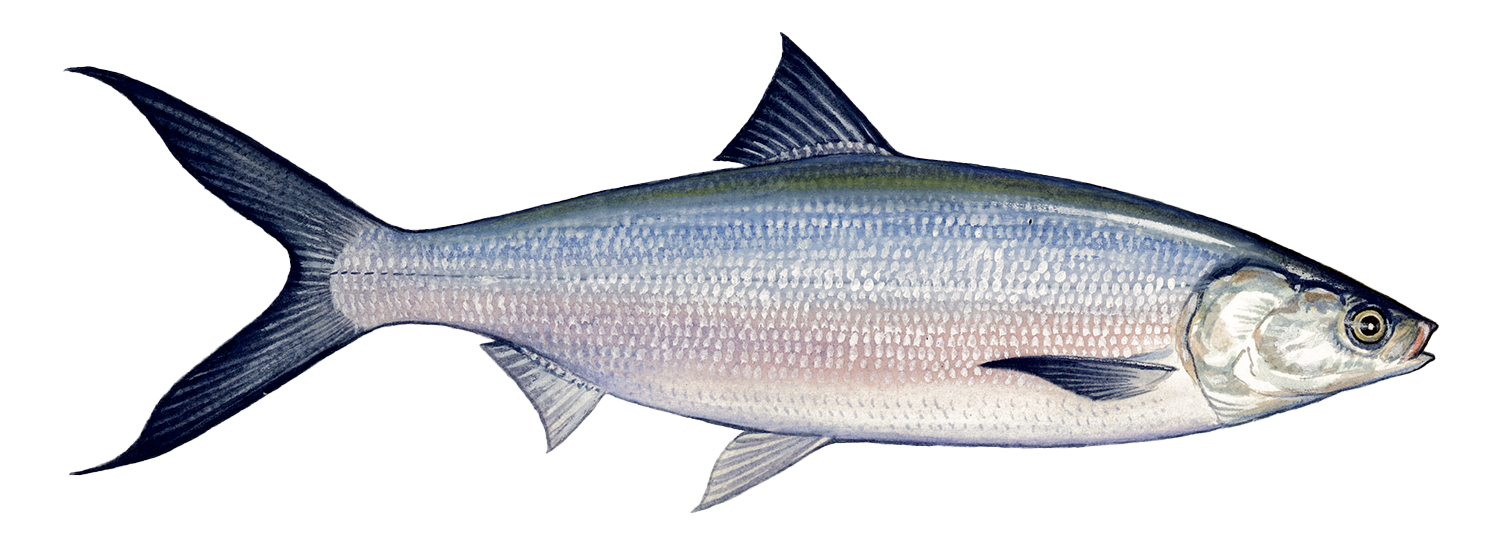
Milkfish is the sole living species in the family Chanidae, widely harvested in Southeast Asia for its tender flesh. A single raw fillet (120g) offers 178 calories, while one whole cooked milkfish fillet (170g) yields 323 calories. A nutritional evaluation of milk fish nutrition facts reveals a protein-rich food source with beneficial lipids, with one whole cooked milkfish weighing 170g containing 44.7g protein. Research by Swanson, D., et al. (2012), "Omega-3 fatty acids EPA and DHA: health benefits throughout life," confirms that adequate intake of these lipids supports cardiovascular function and may reduce the risk of cardiac events. The caloric load derives primarily from protein and healthy fats, making the fish a satiating option for balanced diets. Milkfish is not considered high in cholesterol compared to shellfish, containing approximately 67mg per 100g, which fits well within daily limits. Micronutrient intake is substantial, offering 636mg of potassium (14% DV) per whole fish, along with Vitamin B12 at 5.6mcg per 170g serving.
Global production of milkfish depends heavily on the aquaculture output of major nations, with the Philippines and Indonesia leading harvest volumes. This supply caters to specific regional markets, where Southeast Asian countries exported significant quantities of marine fish in 2023. Across Filipino and Indonesian cuisines, the ingredient functions as a primary component in Sinigang Bangus, Daing Bangus, and Smoked Milkfish. Increasing global demand has pushed retail costs higher, with the price of fresh milkfish rising from between $2.00 and $3.00 per lb in the early 2000s to between $5.00 and $8.00 per lb by 2024.
Milkfish is considered a nutrient-dense protein featuring substantial levels of Vitamin B12 and selenium. This nutritional profile supports energy metabolism and strengthens immune defense. Dietitians advise consuming two servings per week to optimize omega-3 intake within a balanced diet. However, the fish contains moderate levels of purines, which necessitates monitoring by individuals prone to gout or hyperuricemia to prevent uric acid accumulation. One whole milkfish weighing 170g contains 323 calories, an energy load that requires 30 minutes of HIIT or 35 minutes of boxing to metabolize. Individuals tracking cholesterol levels can safely incorporate steamed or grilled milkfish into their meal plans.
Milkfish nutrition
| Stats | Weight |
|---|---|
| Carbs | 0 grams |
| Protein | 29.7 grams |
| Fats | 0 grams |
| Sugars | 0 grams |
- Large Milkfish Calories (Nutritional Facts)
- Medium Milkfish Calories (Nutritional Facts)
- Small Bangus Calories (Nutritional Facts)
- Raw Milkfish Nutrition
- Sodium in Milkfish
- Potassium in Milkfish
- Sugar in Milkfish
- Fiber in Milkfish
- Protein in Milkfish
- Carbs in Milkfish
- Fat in Milkfish
- Vitamins in Milkfish
- Minerals in Milkfish
Large Milkfish Calories (Nutritional Facts)
A large serving consisting of one whole cooked milkfish fillet (170g or 6oz) contains 323 calories, 44.7g of protein, 14.6g of fat, 0g of carbohydrates, 0g of fiber, 0g of sugar, and 156mg of sodium.
A medium serving of cooked milkfish (113g or 4oz) provides 215 calories, 29.7g of protein, 9.7g of fat, 0g of carbohydrates, 0g of fiber, 0g of sugar, and 104mg of sodium.
A small serving of cooked milkfish (85g or 3oz) contains 162 calories, 22.3g of protein, 7.3g of fat, 0g of carbohydrates, 0g of fiber, 0g of sugar, and 78mg of sodium.
A cup of raw milkfish (150g) supplies 222 calories, 30.8g of protein, 10.1g of fat, 0g of carbohydrates, 0g of fiber, 0g of sugar, and 108mg of sodium.
A large serving consisting of one whole cooked milkfish fillet (170g) contains 156mg of sodium (7% DV). A medium serving of cooked milkfish (113g) has 104mg of sodium (4% DV). A small serving of cooked milkfish (85g) contains 78mg of sodium (3% DV). A cup of raw milkfish (150g) supplies 108mg of sodium (5% DV).
A large serving consisting of one whole cooked milkfish fillet (170g) contains 636mg of potassium (14% DV). A medium serving of cooked milkfish (113g) has 423mg of potassium (9% DV). A small serving of cooked milkfish (85g) contains 318mg of potassium (7% DV). A cup of raw milkfish (150g) supplies 438mg of potassium (9% DV).
A large serving consisting of one whole cooked milkfish fillet (170g) contains 0g of sugar. A medium serving of cooked milkfish (113g) has 0g of sugar. A small serving of cooked milkfish (85g) contains 0g of sugar. A cup of raw milkfish (150g) supplies 0g of sugar.
A large serving consisting of one whole cooked milkfish fillet (170g) provides 0g of dietary fiber (0% DV). A medium serving of cooked milkfish (113g) has 0g of fiber (0% DV). A small serving of cooked milkfish (85g) contains 0g of fiber (0% DV). A cup of raw milkfish (150g) supplies 0g of fiber (0% DV).
A large serving consisting of one whole cooked milkfish fillet (170g) provides 44.7g of protein (89% DV). A medium serving of cooked milkfish (113g) has 29.7g of protein (59% DV). A small serving of cooked milkfish (85g) contains 22.3g of protein (45% DV). A cup of raw milkfish (150g) supplies 30.8g of protein (62% DV).
A large serving consisting of one whole cooked milkfish fillet (170g) contains 0g of carbohydrates (0% DV). A medium serving of cooked milkfish (113g) has 0g of carbohydrates (0% DV). A small serving of cooked milkfish (85g) contains 0g of carbohydrates (0% DV). A cup of raw milkfish (150g) supplies 0g of carbohydrates (0% DV).
A large serving consisting of one whole cooked milkfish fillet (170g) contains 14.6g of total fat (19% DV). A medium serving of cooked milkfish (113g) has 9.7g of total fat (12% DV). A small serving of cooked milkfish (85g) contains 7.3g of total fat (9% DV). A cup of raw milkfish (150g) supplies 10.1g of total fat (13% DV).
A large serving consisting of one whole cooked milkfish fillet (170g) provides 5.6mcg of Vitamin B12 (233% DV) and 14.1mg of Niacin (88% DV). A medium serving of cooked milkfish (113g) has 3.7mcg of Vitamin B12 (154% DV) and 9.4mg of Niacin (59% DV). A small serving of cooked milkfish (85g) contains 2.8mcg of Vitamin B12 (116% DV) and 7mg of Niacin (44% DV). A cup of raw milkfish (150g) supplies 4.5mcg of Vitamin B12 (188% DV).
A large serving consisting of one whole cooked milkfish fillet (170g) provides 0.7mg of iron (4% DV), 110mg of calcium (8% DV), and 27.5mcg of selenium (50% DV). A medium serving of cooked milkfish (113g) has 0.5mg of iron (3% DV), 73mg of calcium (6% DV), and 18.3mcg of selenium (33% DV). A small serving of cooked milkfish (85g) contains 0.35mg of iron (2% DV), 55mg of calcium (4% DV), and 13.8mcg of selenium (25% DV). A cup of raw milkfish (150g) supplies 0.5mg of iron (3% DV) and 76mg of calcium (6% DV).
Get a Custom Report on Milkfish Nutrition Data – Contact Us!
What are the Types of Milkfish?
The types of Milkfish available in the market include Fresh, Boneless, Smoked (Tinapa), and Dried (Daing). The following table compares the nutritional profiles of these forms.
| Type | Description | Calories (Per 100g) | Calorie Qualifications |
|---|---|---|---|
|
Fresh Milkfish
|
Whole or cut, raw or cooked. | 190 | The calorie count reflects the natural oil and protein content of the cooked fish. |
|
Boneless Milkfish
|
Marinated and deboned. | 140 | The removal of bones and addition of vinegar marinades can slightly alter the caloric density per gram. |
|
Smoked Milkfish (Tinapa)
|
Cured and smoked. | 210 | The smoking process reduces moisture, concentrating nutrients and increasing caloric density. |
|
Dried Milkfish (Daing)
|
Salted and sun-dried. | 250 | The significant moisture loss results in the highest caloric and sodium density per gram. |
|
Canned Milkfish
|
Preserved in oil or sauce. | 230 | The addition of oils or sauces significantly elevates the energy load. |
What are the Main Dishes With Milkfish?
Milkfish functions as a versatile protein in soups, fries, and grilled entrees. The fatty belly and tender flesh allow the fish to absorb bold seasonings and rich sauces. Specific dishes utilizing this fish are listed below.
| Dish Name | Calories (Estimate) | Type of Dish | Carbs (g) (Estimate) | Sugar (g) (Estimate) | Protein (g) (Estimate) | Fat (g) (Estimate) | Cuisine | Restaurants |
|---|---|---|---|---|---|---|---|---|
|
Daing na Bangus
|
350 | Fried Entree | 5 | 1 | 30 | 22 | Filipino | Max's Restaurant (National) |
|
Sinigang na Bangus
|
220 | Soup Entree | 12 | 4 | 25 | 8 | Filipino | Gerry's Grill (Various Locations) |
|
Bangus Sisig
|
400 | Sizzling Entree | 8 | 2 | 30 | 28 | Filipino | Grill City |
|
Smoked Milkfish (Tinapa)
|
280 | Cured Entree | 2 | 0 | 32 | 14 | Filipino | Barrio Fiesta (California) |
|
Inihaw na Bangus
|
320 | Grilled Entree | 10 | 4 | 30 | 18 | Filipino | Ihawan (New York, NY) |
|
Paksiw na Bangus
|
250 | Stewed Entree | 6 | 2 | 28 | 12 | Filipino | Tselogs (San Francisco, CA) |
|
Pindang Bandeng
|
300 | Soup Entree | 10 | 5 | 28 | 15 | Indonesian | Simpang Asia (Los Angeles, CA) |
|
Milkfish Congee
|
280 | Rice Porridge | 45 | 2 | 15 | 6 | Taiwanese | Class 302 (Southern California) |
|
Pan-Fried Milkfish Belly
|
380 | Fried Entree | 4 | 0 | 25 | 30 | Taiwanese | A&J Restaurant (Various Locations) |
What Cuisines Prefer Milkfish the Most?
Milkfish serves as a foundational ingredient in Filipino, Indonesian, and Taiwanese culinary traditions. The following chart identifies culinary traditions that rely heavily on this seafood.
| Cuisine | Dish | Types of Milkfish Use | Calories (Estimate) | Restaurant(s) |
|---|---|---|---|---|
|
Filipino
|
Daing na Bangus | Marinated/Fried | 350 | Max's Restaurant (National) |
|
Indonesian
|
Bandeng Presto | Pressure Cooked | 300 | Wong Java (Alhambra, CA) |
|
Taiwanese
|
Milkfish Porridge | Boiled/Soup | 280 | Class 302 (Southern California) |
|
Filipino
|
Sinigang na Bangus | Stewed/Sour Soup | 220 | Gerry's Grill (Various Locations) |
|
Filipino
|
Bangus Sisig | Minced/Sizzling | 400 | Grill City |
|
Indonesian
|
Otak-Otak Bandeng | Grilled Cake | 250 | Simpang Asia (Los Angeles, CA) |
|
Taiwanese
|
Pan-Fried Belly | Pan-Fried | 380 | A&J Restaurant (Various Locations) |
Which Countries Produce the Most Milkfish?
The countries that produce the most milkfish are Indonesia, the Philippines, and Taiwan, driven by extensive aquaculture industries. These nations manage the vast majority of the global supply to meet domestic and export demand. The table below presents the estimated aquaculture production of milkfish for the top producing nations over the last two decades.
| Country | 2003 | 2008 | 2013 | 2018 | 2019 | 2020 | 2021 | 2022 | 2023 |
|---|---|---|---|---|---|---|---|---|---|
| Indonesia | 250.5 | 420.2 | 680.6 | 850.4 | 880.2 | 900.5 | 920.4 | 940.2 | 960.0 |
| Philippines | 240.4 | 350.6 | 390.5 | 410.2 | 420.5 | 430.2 | 440.6 | 450.5 | 460.0 |
| Taiwan | 60.2 | 55.6 | 50.5 | 45.4 | 44.2 | 43.5 | 42.4 | 41.2 | 40.0 |
| Thailand | 2.6 | 3.2 | 4.4 | 5.2 | 5.5 | 5.8 | 6.0 | 6.2 | 6.5 |
| Vietnam | 1.4 | 2.2 | 3.6 | 4.4 | 4.8 | 5.2 | 5.6 | 6.0 | 6.2 |
| Singapore | 0.5 | 0.8 | 1.2 | 1.5 | 1.6 | 1.8 | 2.0 | 2.2 | 2.4 |
| Malaysia | 0.2 | 0.4 | 0.6 | 0.8 | 0.9 | 1.0 | 1.2 | 1.4 | 1.6 |
| Myanmar | 0.1 | 0.2 | 0.4 | 0.6 | 0.7 | 0.8 | 0.9 | 1.0 | 1.2 |
Which Countries Consume the Most Milkfish?
The countries that consume the most milkfish are the Philippines and Indonesia, where the fish is a national staple and cultural icon. The domestic markets absorb a significant portion of the regional production, utilizing the fish in daily meals and festivals. The United States and Middle Eastern countries also function as major consumers due to large Filipino and Indonesian expatriate populations. The table below shows the estimated consumption values and import demand for milkfish in key markets.
| Country | 2003 | 2008 | 2013 | 2018 | 2019 | 2020 | 2021 | 2022 | 2023 |
|---|---|---|---|---|---|---|---|---|---|
| Philippines | 350.2 | 550.5 | 750.6 | 950.4 | 1,000.2 | 1,100.5 | 1,200.4 | 1,300.2 | 1,400.0 |
| Indonesia | 250.5 | 450.2 | 650.5 | 850.4 | 900.2 | 950.5 | 1,000.4 | 1,100.2 | 1,200.0 |
| United States | 25.6 | 35.2 | 55.4 | 70.2 | 75.4 | 80.2 | 85.6 | 90.4 | 95.2 |
| Taiwan | 80.4 | 75.6 | 70.2 | 65.4 | 64.2 | 63.5 | 62.4 | 61.2 | 60.0 |
| Saudi Arabia | 10.4 | 15.6 | 25.2 | 35.4 | 38.2 | 40.5 | 42.2 | 45.5 | 48.4 |
| UAE | 8.4 | 12.2 | 18.6 | 25.5 | 28.2 | 30.5 | 32.4 | 35.2 | 38.0 |
| Canada | 5.2 | 8.4 | 12.5 | 18.4 | 20.5 | 22.6 | 24.8 | 26.5 | 28.2 |
| Australia | 2.1 | 3.5 | 5.2 | 8.5 | 9.2 | 10.5 | 11.8 | 12.5 | 13.2 |
How Do Prices of Milkfish-Including Dishes Change?
Restaurant costs for milkfish entrees have surged, mirroring the increased expense of sourcing this specialty fish. The table below illustrates price adjustments for selected items at well-known establishments.
| Brand/Restaurant | Dish | Old Price (Year) | Current Price (2024/2025) |
|---|---|---|---|
| Max's Restaurant (National) | Bangus Sisig | $10.00 (2010) | $18.00 - $20.00 |
| Max's Restaurant (National) | Daing na Bangus | $12.00 (2010) | $19.00 - $20.00 |
| Gerry's Grill (USA Locations) | Inihaw na Bangus | $18.00 (2012) | $20.00 - $22.00 |
| Gerry's Grill (USA Locations) | Sinigang na Boneless Bangus | $18.00 (2012) | $21.00 - $25.00 |
| Barrio Fiesta (California) | Daing na Bangus | $31.00 (2012) | $32.50 - $34.00 |
What are the Bangus Calories for 100 Grams?
A 100g serving of fresh raw milkfish contains 148 calories, while 100g of cooked milkfish provides 190 calories.
What is the Milkfish Calorie for 1 KG?
One kilogram (1000g) of fresh raw milkfish contains 1,480 calories, whereas a kilogram of cooked milkfish provides 1,900 calories.
What is the Calorie of 1 Milkfish?
A single raw milkfish fillet (120g) contains 178 calories. Retail offerings present distinct energy values, as a serving of Sarangani Bay Marinated Milkfish (117g) provides 140 calories, while a serving of Fisherfarms Smoked Milkfish (100g) contains 190 calories.
What are the Health Benefits of Milkfish?
Milkfish provides notable physiological advantages, specifically regarding cardiovascular stability, neurological function, and skeletal maintenance. The fish functions as a rich source of omega-3 fatty acids and essential vitamins. The following points highlight these benefits.
- Supports Heart Health: Milkfish contains high levels of omega-3 fatty acids, which help lower triglyceride levels and reduce arterial inflammation. Research by Swanson, D., et al. (2012), "Omega-3 fatty acids EPA and DHA: health benefits throughout life," confirmed that adequate intake supports cardiovascular function and may reduce the risk of cardiac events.
- Boosts Neurological Function: The fish supplies beneficial Vitamin B12 that aids in nerve health and cognitive processes. A study by O'Leary, F., & Samman, S. (2010), "Vitamin B12 in health and disease," established that Vitamin B12 is essential for maintaining the myelin sheath and preventing neurological degeneration.
- Strengthens Immune Defense: Selenium found in the flesh acts as an antioxidant to reduce oxidative stress. Research by Rayman, M. P. (2012), "Selenium and human health," highlights that selenium is critical for proper immune response and thyroid function.
What are the Downsides of Milkfish?
Milkfish remains safe for most populations, yet specific environmental and biological concerns exist. Potential adverse effects are outlined below.
- Increases Uric Acid: The fish contains moderate purines, which can elevate uric acid levels in susceptible individuals. A study by Choi, H. K., et al. (2004), "Purine-rich foods, dairy and protein intake, and the risk of gout in men," notes that excessive consumption of seafood can trigger gout flares in those with pre-existing conditions.
- Poses Choking Hazard: The fish is notorious for having numerous fine intermuscular bones. Research by Henderson, C. T., et al. (1987), " Foreign body ingestion: review and suggested guidelines for management," indicates that fish bones are a common cause of accidental ingestion requiring medical attention, necessitating caution or deboning.
Is Milkfish High in Uric Acid?
Milkfish contains moderate levels of purines, which the body breaks down into uric acid. Individuals with gout or hyperuricemia should monitor their intake. The following research highlights the relationship between seafood and uric acid.
- Purine Content: Seafood is generally rich in purines, which can increase serum urate levels. A study by Zgaga, L., et al. (2012), "The association of dietary intake of purine-rich vegetables, sugar-sweetened beverages and dairy with plasma urate," confirmed that seafood consumption correlates with higher uric acid concentrations.
- Gout Risk: High intake of marine foods is associated with an increased risk of gout attacks. Research by Choi, H. K., et al. (2004), "Purine-rich foods, dairy and protein intake, and the risk of gout in men," established a direct link between seafood consumption and the incidence of gout.
- Dietary Management: Moderation is key for managing uric acid levels. A review by Khanna, D., et al. (2012), "2012 American College of Rheumatology guidelines for management of gout," recommends limiting serving sizes of fish for patients with gout to prevent flare-ups.
- A preferred consumption rate involves eating no more than one small serving (85g) occasionally for those sensitive to purines.
Is Milkfish Good for You?
Yes, milkfish is good for health because the fish supports cardiovascular efficiency, nerve function, and immune defense. The high Vitamin B12 content aids nerve function and red blood cell formation, a mechanism detailed in the study by O'Leary, F., & Samman, S. (2010), "Vitamin B12 in health and disease." Heart health improves through the presence of omega-3 fatty acids, which help regulate blood pressure as explored by Mozaffarian, D. (2008), "Fish and n-3 fatty acids for the prevention of fatal coronary heart disease." Immune health benefits from the selenium content, which acts as an antioxidant to reduce oxidative stress as confirmed by Rayman, M. P. (2000), "The importance of selenium to human health."
How Does Calorie Change According to Milkfish Types?
Caloric density fluctuates significantly between fresh and processed forms of milkfish. Dried Milkfish (Daing) contains the highest energy load at approximately 250 calories per 100 grams due to moisture removal. Canned Milkfish presents a high profile at 230 calories per 100 grams due to added oils. Boneless Marinated Milkfish offers the lowest profile at 140 calories per 100 grams, maintaining a lean composition suitable for calorie-conscious diets.
Is Milkfish High in Cholesterol?
No, milkfish is not considered high in cholesterol, with a 100g serving providing 67mg of cholesterol, which fits well within the recommended daily limit of 300mg for healthy individuals. A study by Mathew, S., et al. (1999), "Cholesterol content of Indian fish and shellfish," found that finfish generally contain lower cholesterol levels than crustaceans. The presence of omega-3 fatty acids in milkfish actually helps improve the ratio of HDL (good) to LDL (bad) cholesterol, supporting overall cardiovascular health.
What are the Desserts With Milkfish?
Sweet courses featuring milkfish are non-existent due to the fish's savory nature and distinct flavor profile. Culinary uses are strictly limited to savory main courses and appetizers where the flesh absorbs spices, vinegar, and savory broths. The natural salinity and protein composition do not pair well with sugar or fruit.
What is the Origin of Milkfish?
Milkfish (Chanos chanos) is the sole living species in the family Chanidae, originating in the Indian and Pacific Oceans. The fish has been harvested for over 800 years in Southeast Asia, particularly in the Philippines, Indonesia, and Taiwan. Indigenous communities developed aquaculture techniques centuries ago, trapping wild fry in coastal ponds to rear them for food. The name "milkfish" derives from its white, tender flesh, while local names like "bangus" (Philippines) and "bandeng" (Indonesia) reflect its deep cultural integration.
Explore More Seafood
Discover more Seafood with detailed nutrition facts, calorie counts, vitamins, minerals, and health benefits. Compare similar foods, serving sizes, macronutrients, and key nutrients to find the best option for your diet and nutrition goals.
 Anchovies calories
 Barramundi calories
 Bluefin Tuna calories
 Bluefish calories
 Calamari calories
 Catfish calories
 Clams calories
 Cod calories
 Conch calories
 Crab calories
 Eel calories
 Fish calories