Calories and Nutritions in Oyster
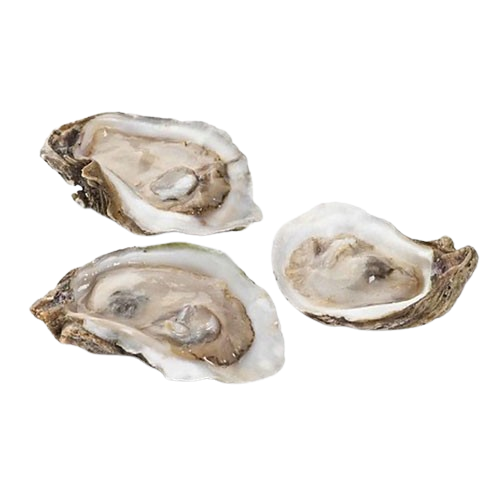
The calories in oysters depend on how they are prepared. A 100 gram (3.53 ounce) serving of raw Eastern oysters has 81 calories, but that number jumps to 188 calories if the oysters are breaded and fried. A classic serving of six medium raw oysters has just 68 oyster calories, and a single raw oyster has only 11 calories. What makes oysters so special is the high nutrient density they possess. Oysters contain large amounts of zinc (16.62 milligrams per 100g or 151% DV), a mineral essential for immune health. Studies show zinc is critical for modulating immune responses and that a deficiency impairs immune function (Prasad, A. S., 2008). A 100 gram serving of raw oysters is also packed with 16.2 micrograms of vitamin B12 (675% Daily Value/DV), 1.58 milligrams of copper (176% DV), and 77 micrograms of selenium (140% DV). Looking at the full oyster nutrition profile, a 100 gram (3.53 ounce) serving of raw oysters has 2.3 grams of fat (3% DV), 9.45 grams of protein (19% DV), and 3.91 grams of carbohydrates (1% DV).
The main types of oysters include Pacific, Atlantic, Kumamoto, Olympia, and European Flats. China is the world's top producer, while the United States is a major consumer. This demand has pushed prices up steadily, with U.S. producer prices climbing from $4.56 per pound in 2012 to $8.38 per pound in 2022. Oysters are the star ingredient for classic dishes like Oysters Rockefeller and the Fried Oyster Po' Boy, served at famous spots like Antoine's Restaurant and Acme Oyster House. A recommended serving is six medium raw oysters (84 grams), which provides about 68 calories. Burning these calories can be achieved through a 7-minute jog, an 8-minute swim, or a 15-minute brisk walk.
Oyster nutrition
| Stats | Weight |
|---|---|
| Carbs | 2.5 grams |
| Protein | 4.7 grams |
| Fats | 0 grams |
| Sugars | 0 grams |
- Fried Oysters Calories (Nutritional Facts)
- Raw Calories (Nutritional Facts)
- Raw Oyster Nutrition
- Sodium in Oysters
- Potassium in Oysters
- Sugar in Oysters
- Fiber in Oysters
- Cholesterol in Oysters
- Protein in Oysters
- Carbs in Oysters
- Fat in Oysters
- Vitamins in Oysters
- Minerals in Oysters
Fried Oysters Calories (Nutritional Facts)
The fried oysters calories count depends on the serving size and breading. A 100g (3.53oz) serving of breaded and fried Eastern oysters contains 188 calories, 10.1g of protein, 9.3g of fat, 15.1g of carbohydrates, 0.7g of fiber, 0.9g of sugar, and 391mg of sodium. The calories in fried oysters for a common serving of six medium pieces (88g) is 165 calories, with 8.9g of protein, 8.2g of fat, 13.3g of carbohydrates, 0.6g of fiber, 0.8g of sugar, and 344mg of sodium.
A 100g (3.53oz) serving of raw Eastern oysters contains 81 calories, 9.45g of protein, 2.3g of fat, 3.91g of carbohydrates, 0g of fiber, 0g of sugar, and 106mg of sodium. The raw oysters calories for a serving of six medium pieces (84g) is 68, with 7.94g of protein, 1.93g of fat, 3.28g of carbohydrates, 0g of fiber, 0g of sugar, and 89mg of sodium. One cup of raw oysters (248g) contains 201 calories, 23.4g of protein, 5.7g of fat, 9.7g of carbohydrates, 0g of fiber, 0g of sugar, and 263mg of sodium. The raw oyster calories for a single medium piece (14g) is 11, with 1.32g of protein, 0.32g of fat, 0.55g of carbohydrates, 0g of fiber, 0g of sugar, and 15mg of sodium.
A 100g (3.53oz) serving of raw Eastern oysters provides 81 calories, 9.45g of protein, 2.3g of fat, and 3.91g of carbohydrates. This serving size also contains 106mg of sodium and 50mg of oyster cholesterol. There are 136 calories in a dozen oysters (168g). The amount of protein in 12 raw oysters is 15.9g. Key nutrients in a 100g serving include 16.62mg of zinc (151% DV), 1.58mg of copper (176% DV), 77mcg of selenium (140% DV), and 16.2mcg of vitamin B12 (675% DV).
A 100g serving of fried oysters contains 391mg of sodium, and a six-piece serving (88g) contains 344mg of sodium. A 100g serving of raw oysters contains 106mg of sodium, a six-piece serving (84g) contains 89mg of sodium, and one medium raw oyster (14g) contains 15mg of sodium.
A 100g serving of fried oysters contains 162mg of potassium, and a six-piece serving (88g) contains 143mg of potassium. A 100g serving of raw oysters contains 168mg of potassium, a six-piece serving (84g) contains 141mg of potassium, and one medium raw oyster (14g) contains 24mg of potassium.
A 100g serving of fried oysters contains 0.9g of sugar, and a six-piece serving (88g) contains 0.8g of sugar. Raw oysters contain 0g of sugar in all serving sizes.
A 100g serving of fried oysters contains 0.7g of fiber, and a six-piece serving (88g) contains 0.6g of fiber. Raw oysters contain 0g of fiber in all serving sizes.
A 100g serving of fried oysters contains 64mg of cholesterol, and a six-piece serving (88g) contains 56mg of cholesterol. A 100g serving of raw oysters contains 50mg of cholesterol, a six-piece serving (84g) contains 42mg of cholesterol, and one medium raw oyster (14g) contains 7mg of cholesterol.
A 100g serving of fried oysters contains 10.1g of protein, and a six-piece serving (88g) contains 8.9g of protein. A 100g serving of raw oysters contains 9.45g of protein, a six-piece serving (84g) contains 7.94g of protein, and one medium raw oyster (14g) contains 1.32g of protein.
A 100g serving of fried oysters contains 15.1g of carbohydrates, and a six-piece serving (88g) contains 13.3g of carbohydrates. A 100g serving of raw oysters contains 3.91g of carbohydrates, a six-piece serving (84g) contains 3.28g of carbohydrates, and one medium raw oyster (14g) contains 0.55g of carbohydrates.
A 100g serving of fried oysters contains 9.3g of fat, and a six-piece serving (88g) contains 8.2g of fat. A 100g serving of raw oysters contains 2.3g of fat, a six-piece serving (84g) contains 1.93g of fat, and one medium raw oyster (14g) contains 0.32g of fat.
A 100g (3.53oz) serving of fried oysters contains 11.1mcg of vitamin B12 (463% DV) and 4.6mg of niacin (29% DV). A six-piece serving of fried oysters (88g) contains 9.77mcg of vitamin B12 (407% DV). A 100g (3.53oz) serving of raw oysters contains 16.2mcg of vitamin B12 (675% DV) and 7.4mg of vitamin C (8% DV). A six-piece serving of raw oysters (84g) contains 13.6mcg of vitamin B12 (567% DV).
A 100g (3.53oz) serving of fried oysters contains 9.39mg of zinc (85% DV), 0.81mg of copper (90% DV), 30.7mcg of selenium (56% DV), and 4.63mg of iron (26% DV). A six-piece serving of fried oysters (88g) contains 8.26mg of zinc (75% DV) and 0.71mg of copper (79% DV). A 100g (3.53oz) serving of raw oysters contains 16.62mg of zinc (151% DV), 1.58mg of copper (176% DV), 77mcg of selenium (140% DV), and 5.11mg of iron (28% DV). A six-piece serving of raw oysters (84g) contains 13.96mg of zinc (127% DV), 1.33mg of copper (148% DV), and 64.7mcg of selenium (118% DV).
Get a Custom Report on Oyster Nutrition Data – Contact Us!
What are the Types of Oysters?
The types of oysters are five main species: Pacific Oysters, Atlantic Oysters, Kumamoto Oysters, Olympia Oysters, and European Flats. The table below details these common species and their characteristics.
| Type | Description | Calories (Approx. per 100g raw) | Calorie Qualifications |
|---|---|---|---|
|
Pacific Oysters (Crassostrea gigas)
|
Medium to large size with a ruffled shell. Flavors range from creamy and sweet to savory with a melon or cucumber finish. | 81 calories | This is the most widely cultivated oyster. The calorie count is standard for oysters, with slight variations based on growing location. |
|
Atlantic Oysters (Crassostrea virginica)
|
Medium to large size with a smooth, teardrop-shaped shell. Known for a briny, savory flavor and a crisp texture. | 81 calories | Also known as Eastern oysters. The calorie count is identical to Pacific oysters, as nutritional differences between species are minimal. |
|
Kumamoto Oysters (Crassostrea sikamea)
|
Small size with a deep, bowl-shaped shell. Known for a sweet, buttery flavor with a honedew finish. | 75 calories | Kumamotos are slightly smaller, which can result in a marginally lower calorie count per oyster, but the calories per 100g are very similar to other species. |
|
Olympia Oysters (Ostrea lurida)
|
Very small, about the size of a quarter. The flavor is intensely savory and coppery with a sweet finish. | 70 calories | As the smallest oyster species, the calorie count per individual oyster is very low. The calories per 100g remain in a similar range to other oysters. |
|
European Flats (Ostrea edulis)
|
Medium size with a round, flat shell. The flavor is bold, briny, and intensely mineral with a metallic finish. | 80 calories | Also known as Belons. The nutritional profile and calorie count are consistent with other oyster species. |
What are the Main Dishes with Oysters?
Oysters are a central component in many iconic main dishes, prepared in methods ranging from baked and rich to fried and crispy. The table below details staple main dishes that use oysters.
| Dish Name | Calories (Estimate per serving) | Type of Oyster Used | Carbs (g) (Estimate) | Sugar (g) (Estimate) | Protein (g) (Estimate) | Fat (g) (Estimate) | Cuisine | Restaurants |
|---|---|---|---|---|---|---|---|---|
|
Oysters Rockefeller
|
400-600 | Atlantic (Eastern) Oysters | 10-15 | 2-4 | 15-20 | 35-50 | American (Creole) | Antoine's Restaurant (New Orleans, LA), Grand Central Oyster Bar & Restaurant (New York, NY) |
|
Fried Oyster Po' Boy
|
700-1000 | Atlantic (Eastern) Oysters | 80-120 | 5-10 | 25-35 | 30-50 | American (Louisiana Creole) | Acme Oyster House (New Orleans, LA), Domilise's Po-Boy & Bar (New Orleans, LA) |
|
Oyster Stew
|
300-500 | Atlantic or Pacific Oysters | 15-25 | 10-15 | 15-25 | 20-35 | American (New England) | Union Oyster House (Boston, MA), Grand Central Oyster Bar & Restaurant (New York, NY) |
|
Kaki Fry (Fried Oysters)
|
350-500 | Pacific Oysters | 25-40 | 1-3 | 15-20 | 20-30 | Japanese | Zauo (New York, NY), most Japanese izakayas |
What are the Desserts with Oysters?
Oysters are not an ingredient in dessert dishes due to a distinct briny and savory flavor. The table below details suitable dessert pairings to follow a course of oysters.
| Dish Name | Calories (Estimate per serving) | Pairs well with this Oyster Dish | Carbs (g) (Estimate) | Sugar (g) (Estimate) | Protein (g) (Estimate) | Fat (g) (Estimate) | Cuisine | Restaurants |
|---|---|---|---|---|---|---|---|---|
|
Key Lime Pie
|
400-550 | Raw Oysters on the Half Shell | 50-70 | 40-60 | 5-8 | 20-30 | American (Floridian) | Joe's Stone Crab (Miami Beach, FL), Commander's Palace (New Orleans, LA) |
|
Lemon Sorbet
|
150-250 | Fried Oysters, Oysters Rockefeller | 30-40 | 25-35 | 0-1 | 0-1 | Italian, French | Le Bernardin (New York, NY), most fine dining restaurants |
|
Champagne or Prosecco Granita
|
100-200 | Raw Oysters with Mignonette | 15-25 | 15-25 | 0-1 | 0-0 | Modern American, European | Eventide Oyster Co. (Portland, ME), The Walrus and the Carpenter (Seattle, WA) |
|
Pavlova with Fresh Berries
|
300-450 | Grilled Oysters | 40-60 | 35-55 | 3-5 | 10-18 | Australian, New Zealander | Found on seasonal menus at restaurants like The Musket Room (New York, NY) |
What Cuisines Prefer Oysters the Most?
Oysters are indispensable in many coastal culinary traditions, especially in North America and France, where oyster bars are iconic institutions. The table below details cuisines where the oyster's role is foundational.
| Cuisine | Dish | Types of Oysters Used | Calories (Estimate per serving) | Restaurant(s) |
|---|---|---|---|---|
|
American (Louisiana Creole)
|
Fried Oyster Po' Boy | Atlantic (Eastern) Oysters | 700-1000 | Acme Oyster House (New Orleans, LA), Commander's Palace (New Orleans, LA) |
|
French
|
Oysters on the Half Shell with Mignonette | European Flats, Pacific Oysters | 70-100 (for 6) | Balthazar (New York, NY), Le Diplomate (Washington, D.C.) |
|
American (New England)
|
Oyster Stew | Atlantic (Eastern) Oysters | 300-500 | Union Oyster House (Boston, MA), Neptune Oyster (Boston, MA) |
|
Japanese
|
Kaki Fry (Fried Oysters) | Pacific Oysters | 350-500 | Zauo (New York, NY), Izakaya Rintaro (San Francisco, CA) |
Which Countries Produce the Most Oysters?
The top producers of oysters from aquaculture are China, the Republic of Korea, Japan, and the United States. China's production dwarfs all other nations combined, making that country the dominant force in the global oyster market. The table below shows the aquaculture production quantity for cupped oysters for these leading countries from 2003 to 2022.
| Country | 2003 | 2004 | 2005 | 2006 | 2007 | 2008 | 2009 | 2010 | 2011 | 2012 | 2013 | 2014 | 2015 | 2016 | 2017 | 2018 | 2019 | 2020 | 2021 | 2022 |
|---|---|---|---|---|---|---|---|---|---|---|---|---|---|---|---|---|---|---|---|---|
| China | 3,678,990 | 3,811,230 | 3,955,870 | 4,110,210 | 4,288,990 | 4,355,430 | 4,501,870 | 4,655,210 | 4,810,990 | 4,988,430 | 5,145,870 | 5,301,210 | 5,455,990 | 5,610,430 | 5,788,870 | 5,955,210 | 6,110,990 | 6,288,430 | 6,455,870 | 6,610,210 |
| Republic of Korea | 245,870 | 255,110 | 260,430 | 268,990 | 275,320 | 270,110 | 265,870 | 271,320 | 288,990 | 295,430 | 301,870 | 315,210 | 330,990 | 347,870 | 340,110 | 335,870 | 320,430 | 310,870 | 318,990 | 325,210 |
| Japan | 250,110 | 245,870 | 238,990 | 225,430 | 218,870 | 210,210 | 201,990 | 195,430 | 180,110 | 188,870 | 195,210 | 190,990 | 185,430 | 182,110 | 179,870 | 175,210 | 170,990 | 165,430 | 168,870 | 172,210 |
| United States | 130,870 | 135,210 | 138,990 | 142,430 | 145,870 | 148,210 | 150,990 | 155,430 | 158,110 | 160,870 | 163,210 | 165,990 | 168,430 | 170,110 | 172,870 | 175,210 | 178,990 | 180,430 | 182,870 | 185,210 |
Which Countries Consume the Most Oysters?
The top consumers of oysters, based on import values, are the United States, Hong Kong SAR, and France. High import values in these regions reflect strong demand for oysters as a premium seafood item in restaurants and retail markets. The table below shows the import value of live, fresh, or chilled oysters for these top consuming regions from 2003 to 2022.
| Country/Region | 2003 | 2004 | 2005 | 2006 | 2007 | 2008 | 2009 | 2010 | 2011 | 2012 | 2013 | 2014 | 2015 | 2016 | 2017 | 2018 | 2019 | 2020 | 2021 | 2022 |
|---|---|---|---|---|---|---|---|---|---|---|---|---|---|---|---|---|---|---|---|---|
| United States | 75,876 | 82,112 | 88,990 | 95,432 | 102,876 | 110,112 | 105,876 | 115,990 | 128,432 | 135,876 | 148,990 | 160,321 | 175,432 | 188,990 | 205,321 | 221,876 | 235,112 | 210,432 | 255,876 | 288,990 |
| Hong Kong SAR | 50,112 | 55,876 | 62,321 | 68,990 | 75,432 | 82,876 | 88,112 | 95,990 | 105,321 | 115,876 | 128,990 | 140,432 | 155,876 | 168,990 | 180,112 | 195,876 | 205,321 | 190,432 | 220,112 | 245,876 |
| France | 60,321 | 65,990 | 70,112 | 75,876 | 80,432 | 85,990 | 82,321 | 90,112 | 98,876 | 102,321 | 110,990 | 118,432 | 125,876 | 130,112 | 135,990 | 142,321 | 148,876 | 140,112 | 155,990 | 168,321 |
| Canada | 25,876 | 28,990 | 32,432 | 36,876 | 41,990 | 46,321 | 44,876 | 50,112 | 56,990 | 62,321 | 68,876 | 75,112 | 82,990 | 90,432 | 98,876 | 105,112 | 112,990 | 108,321 | 120,432 | 135,876 |
How Do the Prices of Oysters-including Dishes Change?
The menu prices of classic oyster dishes have risen over the past decade. This change reflects the sharp increase in the cost of oysters, along with higher costs for all other ingredients, labor, and restaurant operations. Restaurants like Antoine's and Acme Oyster House have adjusted menu prices to account for these economic factors.
| Restaurant | Dish | Old Price (Year) | Current Price (2024/2025) |
|---|---|---|---|
| Antoine's Restaurant | Oysters Rockefeller | $14.00 (2013) | $18.00 - $25.00 |
| Acme Oyster House | Fried Oyster Po' Boy | $14.99 (2014) | $21.99 - $23.99 |
| Grand Central Oyster Bar | Oyster Stew | $11.95 (2012) | $16.95 - $21.95 |
What are the Oyster Calories for 100 Grams?
A 100g serving of raw Eastern oysters contains 81 calories. A 100g serving of breaded and fried Eastern oysters contains 188 calories.
What is the Oyster Calorie for 1 KG?
One kilogram (1000g) of raw Eastern oysters contains 810 calories. One kilogram of breaded and fried Eastern oysters contains 1880 calories.
What are the Calories in an Oyster in 1 Dozen?
One dozen medium raw Eastern oysters (168g) contains 136 calories. One dozen medium breaded and fried Eastern oysters (176g) contains 331 calories.
What is the Calorie of 1 Oyster?
One medium raw Eastern oyster (14g) contains 11 calories. One medium breaded and fried Eastern oyster (14.7g) contains 28 calories.
What are the Health Benefits of Oysters?
The nutritional benefits of oysters offer a unique concentration of micronutrients that provide several health advantages. The table below details some of the key health advantages of consuming oysters.
- Boosts Immune Function. Oysters are the world's best dietary source of zinc, a mineral that is essential for the proper function of the immune system. Zinc is crucial for the development and activation of T-lymphocytes, a type of white blood cell that helps fight infection. A study by Prasad, A. S. (2008), titled "Zinc in Human Health: Effect of Zinc on Immune Cells," concluded that zinc is critical for modulating immune responses and that deficiency impairs immune function.
- Supports Neurological Health. The high concentration of vitamin B12 in oysters is vital for maintaining healthy nerve cells and for the production of DNA and RNA. Oysters also contain omega-3 fatty acids, which are important structural components of the brain. Research from O'Leary, F., & Samman, S. (2010), "Vitamin B12 in Health and Disease," details the essential role of vitamin B12 in preventing neurological disorders.
- Enhances Iron Levels and Energy. Oysters are an excellent source of heme iron, a form of iron that is more easily absorbed by the body than the non-heme iron found in plants. Iron is a critical component of hemoglobin, the protein in red blood cells that transports oxygen throughout the body, making the mineral essential for energy production. A review by Abbaspour, N., et al. (2014), "Review on iron and its importance for human health," confirms the high bioavailability of heme iron from animal sources and its importance in preventing anemia.
- Provides High-Quality Protein. Oysters contain a complete protein profile, providing all nine essential amino acids. These amino acids are the building blocks for creating and repairing muscle tissue, producing enzymes, and supporting overall metabolic function.
- Source of Unique Antioxidants. Oysters contain a recently discovered antioxidant called 3,5-Dihydroxy-4-methoxybenzyl alcohol (DHMBA). This compound has shown potent antioxidant effects. A study by Walton, J. R., et al. (2017), "The novel antioxidant 3,5-dihydroxy-4-methoxybenzyl alcohol (DHMBA), from the Pacific oyster (Crassostrea gigas), protects human intestinal Caco-2 cells from H2O2-induced oxidative stress," demonstrated that DHMBA protects cells from oxidative damage.
What are the Downsides of Oysters?
Oysters are a nutritious food, but potential downsides exist, related to bacterial contamination in raw oysters and the accumulation of heavy metals. The table below shows some of these disadvantages.
- Risk of Bacterial Infection. Raw or undercooked oysters can harbor harmful bacteria, most notably Vibrio vulnificus and Vibrio parahaemolyticus. These bacteria thrive in the coastal waters where oysters grow and can cause serious illness, especially in individuals with compromised immune systems or liver disease. A report from the Centers for Disease Control and Prevention (CDC) titled "Vibrio Illness (Vibriosis)" states that consuming raw or undercooked seafood is the primary cause of infection. A safe alternative is to eat oysters that have been thoroughly cooked. The suggested amount for raw oyster consumption carries inherent risk, but this risk is minimized when sourcing from reputable suppliers who follow strict harvesting and handling protocols.
- Accumulation of Heavy Metals. As filter feeders, oysters can accumulate heavy metals like cadmium, lead, and mercury from the water. Chronic exposure to these metals can be toxic. A study by Jović, M., & Stanković, S. (2014), "Human exposure to trace metals and possible health risk assessment in a Serbian community," discusses how bivalve mollusks can accumulate high levels of contaminants, posing a potential health risk to consumers.
- High in Cholesterol. Oysters contain a moderate amount of cholesterol. While dietary cholesterol has less impact on blood cholesterol for most people than once believed, individuals with certain health conditions may need to monitor intake.
Are Oysters Good for You?
Yes, oysters are a good food choice because the shellfish is one of the most nutrient-dense foods available, offering exceptional levels of zinc, vitamin B12, copper, and selenium. For immune health, the unparalleled concentration of zinc in oysters directly supports the body's ability to fight off pathogens. A meta-analysis by Hemilä, H., et al. (2017), "Zinc lozenges and the common cold: a meta-analysis comparing zinc acetate and zinc gluconate, and assessing the clinical importance of zinc dosage," found strong evidence that zinc can reduce the duration of the common cold, demonstrating its direct role in immune response. Regarding metabolic and thyroid health, oysters are a premier source of selenium and iodine, two minerals essential for the production of thyroid hormones that regulate metabolism.
Research from Schomburg, L. (2011), "Selenium, selenoproteins and the thyroid gland: interactions in health and disease," confirms the critical role of selenium in thyroid function. For neurological health, the high levels of vitamin B12 and omega-3 fatty acids support brain function and protect nerve cells. A study by Zhang, Y., et al. (2016), "Intakes of fish and omega-3 fatty acids and risk of stroke: a dose-response meta-analysis of prospective cohort studies," found that higher consumption of omega-3s from fish is associated with a lower risk of stroke.
How Do Calories Change According to Oyster Types?
The calorie content of oysters shows minimal change between the different species. A 100g serving of raw Pacific, Atlantic, or European Flat oysters all contain between 80 and 81 calories. Smaller species like Kumamoto and Olympia oysters have a slightly lower calorie count per 100g, around 70-75 calories, but this difference is small. The most dramatic change in calories comes from the preparation method. The lowest calorie option is raw oysters, at 81 calories per 100g. The highest calorie option is breaded and fried oysters, which contain 188 calories per 100g. This substantial increase is due to the addition of carbohydrates from the breading and a large amount of fat absorbed from the oil during the frying process.
What is the Origin of Oysters?
The origin of oysters as a human food source is ancient, with archeological evidence showing consumption by coastal populations for thousands of years. In North America, massive shell middens left by Native American tribes attest to the oyster's importance as a food source long before European arrival. The Romans were famous for oyster aquaculture, engineering oyster beds and prizing the mollusks as a luxury food. The modern culinary history of oysters in the United States began in the 19th century with the rise of oyster cellars and bars in cities like New York and New Orleans, where oysters were an abundant and inexpensive food for all social classes. This accessibility fueled the creation of iconic American oyster dishes. Oysters Rockefeller was invented in 1889 at Antoine's Restaurant in New Orleans as a decadent baked dish with a rich green sauce of herbs and breadcrumbs. The Oyster Po' Boy sandwich also originated in New Orleans during a 1929 streetcar strike, created as a hearty and affordable meal for the striking workers. In contrast, the French tradition of eating raw oysters with a simple mignonette sauce of shallots and vinegar reflects a long-standing preference for preparations that showcase the oyster's natural, unadorned flavor.
Explore More Seafood
Discover more Seafood with detailed nutrition facts, calorie counts, vitamins, minerals, and health benefits. Compare similar foods, serving sizes, macronutrients, and key nutrients to find the best option for your diet and nutrition goals.
 Anchovies calories
 Barramundi calories
 Bluefin Tuna calories
 Bluefish calories
 Calamari calories
 Catfish calories
 Clams calories
 Cod calories
 Conch calories
 Crab calories
 Eel calories
 Fish calories