Calories and Nutritions in Prawns
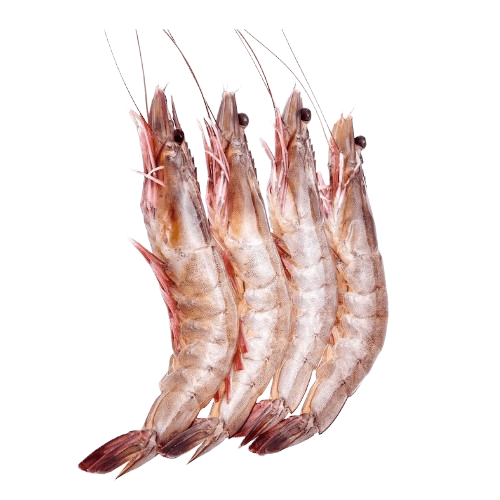
Prawn calories are relatively low, with a 100g (3.5 oz) serving of cooked prawns containing 99 calories while a 3 oz (85g) serving provides 84 calories. Prawn nutrition facts highlight their excellent lean protein content, offering 20.9g (42% Daily Value/DV) per 100g cooked, alongside minimal fat at 1.1g (1% DV) and 0g of carbohydrates. Prawns are also a powerhouse of essential micronutrients, including selenium (39.7µg, 72% DV per 100g cooked) and Vitamin B12 (1.7µg, 71% DV). Studies have shown that regular consumption of seafood, including shellfish like prawns, which are rich in protein and omega-3 fatty acids, is associated with various health benefits, particularly for cardiovascular health (Mozaffarian, D. & Rimm, E.B., 2006, "Fish intake, contaminants, and human health: evaluating the risks and the benefits").
The calories in prawns show slight variations among types; for example, cooked tiger prawns contain 91 calories per 100g, while most other common types like white, pink, or king prawns have around 99 calories per 100g cooked. Dried prawns are significantly more calorie-dense at 259 calories per 100g. Asian countries like China, India, Vietnam, and Indonesia, along with Ecuador, are the world's largest producers of prawns (and shrimp), primarily through aquaculture. These regions, plus the USA, Japan, and European nations, are also the largest consumers. Prawn prices have seen considerable volatility and an upward trend over the past two decades, with wholesale prices for common farmed varieties often ranging from $4.00 to $8.00+ per pound in recent years, up from $3.00 to $6.00 in 2004/2005.
Prawns are a star ingredient in diverse global dishes such as Shrimp Scampi at Olive Garden, Pad Thai at P.F. Chang's, and various prawn curries at local Thai or Indian restaurants. Dietary guidelines often recommend including seafood as part of a healthy diet. A typical serving of 3-4 ounces (85-113g) of cooked prawns, providing 84-112 calories, is a nutritious choice. Burning the 99 calories from a 100g serving of cooked prawns might require activities such as 10-12 minutes of brisk walking, 8-10 minutes of jogging, or about 12-15 minutes of swimming or cycling at a moderate pace.
Prawns nutrition
| Stats | Weight |
|---|---|
| Carbs | 0 grams |
| Protein | 24 grams |
| Fats | 0 grams |
| Sugars | 0 grams |
- Large Cooked Prawns Calories (Nutritional Facts)
- Small Prawns Calories (Nutritional Facts)
- Tiger Prawns Calories (Nutritional Facts)
- King Prawns Calories (Nutritional Facts)
- Dried Prawns Calories (Nutritional Facts)
- Raw Prawns Nutrition
- Sodium in Prawns
- Potassium in Prawns
- Sugar in Prawns
- Omega 3 in Prawns
- Fiber in Prawns
- Protein in Prawns
- Carbs in Prawns
- Fat in Prawns
- Vitamins in Prawns
- Minerals in Prawns
Large Cooked Prawns Calories (Nutritional Facts)
A 100g (3.5 oz) serving of large cooked prawns (species like shrimp, cooked with moist heat) contains 99 calories. A 3 oz (85g, 3 oz) serving of large cooked prawns provides 84 calories. Five large cooked prawns (weighing 40-50g total, 1.4-1.76 oz) contain 40-50 calories. Cooked large prawns (100g) also contain 20.9g of protein, 0g of carbohydrates, and 1.1g of total fat.
A 100g (3.5 oz) serving of small cooked prawns (e.g., salad shrimp, cooked with moist heat) contains 99 calories. This caloric value is similar to larger prawns on a weight basis as the primary difference is size, not fundamental composition. One cup of small cooked prawns (100-120g, 3.5-4.2 oz) provides 99-119 calories. Small cooked prawns (100g) contain 20.9g of protein, 0g of carbohydrates, and 1.1g of total fat.
A 100g (3.5 oz) serving of cooked tiger prawns (moist heat) contains 91 calories. One large cooked tiger prawn (25-30g, 0.88-1.06 oz) provides 23-27 calories. Cooked tiger prawns (100g) contain 19.2g of protein, 0g of carbohydrates, and 0.9g of total fat. Raw tiger prawns (100g) contain 71 calories.
A 100g (3.5 oz) serving of cooked king prawns (moist heat) contains 99 calories. One large cooked king prawn (30-40g, 1.06-1.4 oz) provides 30-40 calories. Cooked king prawns (100g) contain 20.9g of protein, 0g of carbohydrates, and 1.1g of total fat.
A 100g (3.5 oz) serving of dried prawns contains 259 calories. One ounce (28.35g, 1 oz) of dried prawns provides 73 calories. Dried prawns are much more calorie-dense due to the removal of water. Dried prawns (100g) contain 53.8g of protein, 0g of carbohydrates, and 3.3g of total fat.
A 100g (3.5 oz) serving of raw prawns (mixed species, like shrimp) contains 85 calories. This portion also provides 18.1g of protein, 0g of total carbohydrates, and 0.8g of total fat. Three ounces (85g, 3 oz) of raw prawns provide 72 calories.
Raw prawns (mixed species, 100g) contain 111mg of sodium (5% DV). Cooked prawns (moist heat, 100g) provide 250mg of sodium (11% DV). Dried prawns (100g) are very high in sodium, containing 2125mg (92% DV). Canned prawns in brine can also be high in sodium.
Raw prawns (mixed species, 100g) provide 259mg of potassium (6% DV). Cooked prawns (moist heat, 100g) contain 185mg of potassium (4% DV). Dried prawns (100g) have 503mg of potassium (11% DV).
Raw prawns (mixed species, 100g) contain 0g of total sugars. Cooked prawns (moist heat, 100g) also contain 0g of total sugars. Dried prawns (100g) contain 0g of total sugars.
A 100g (3.5 oz) serving of cooked prawns (mixed species, moist heat) provides 0.52g (520mg) of combined EPA and DHA omega-3 fatty acids. Raw prawns (100g) contain 0.43g (430mg) of combined EPA and DHA.
Raw prawns (mixed species, 100g) contain 0g of dietary fiber. Cooked prawns (moist heat, 100g) also provide 0g of dietary fiber. Dried prawns (100g) contain 0g of dietary fiber.
Raw prawns (mixed species, 100g) provide 18.1g of protein (36% DV). Cooked prawns (moist heat, 100g) contain 20.9g of protein (42% DV). Dried prawns (100g) are very rich in protein, with 53.8g (108% DV).
Raw prawns (mixed species, 100g) contain 0g of total carbohydrates. Cooked prawns (moist heat, 100g) also provide 0g of total carbohydrates. Dried prawns (100g) contain 0g of total carbohydrates.
Raw prawns (mixed species, 100g) contain 0.8g of total fat (1% DV), which includes 0.2g of saturated fat. Cooked prawns (moist heat, 100g) provide 1.1g of total fat (1% DV), with 0.2g of saturated fat. Dried prawns (100g) contain 3.3g of total fat (4% DV).
A 100g (3.5 oz) serving of cooked prawns (moist heat) is an excellent source of Vitamin B12, providing 1.7µg (71% DV). It also contains Vitamin E (alpha-tocopherol) at 1.5mg (10% DV) and Niacin (Vitamin B3) at 1.3mg (8% DV). Dried prawns (100g) are a very rich source of Niacin at 8.6mg (54% DV).
A 100g (3.5 oz) serving of cooked prawns (moist heat) is an excellent source of Selenium, providing 39.7µg (72% DV) and Phosphorus at 216mg (31% DV). It is also a good source of Copper at 0.26mg (29% DV) and Zinc at 1.3mg (12% DV). Dried prawns (100g) are extremely rich in Calcium, providing 1086mg (109% DV), and Phosphorus at 837mg (119% DV).
Get a Custom Report on Prawns Nutrition Data – Contact Us!
What are the Types of Prawns?
There are many species of prawns (and shrimp, as the terms are often used interchangeably in culinary contexts) found globally. Commercially, they are often categorized by size (jumbo, large, medium) or by common names that may refer to several species. The table below shows some common types of prawns and their general calorie information.
| Type (Common Name/Species Group) | Description | Calories (per 100g cooked, moist heat) | Calorie Qualifications |
|---|---|---|---|
|
White Prawns/Shrimp
|
(e.g., Litopenaeus setiferus, Penaeus indicus) Mild flavor, tender texture. Very common. | 99 | Low in calories, excellent lean protein. Standard value for cooked generic shrimp/prawns. |
|
Pink Prawns/Shrimp
|
(e.g., Farfantepenaeus duorarum) Slightly sweet, firm. Often smaller. | 99 | Similar to white prawns calorically. |
|
Brown Prawns/Shrimp
|
(e.g., Farfantepenaeus aztecus) More pronounced, slightly mineral flavor. | 99 | Similar to white prawns calorically. |
|
Tiger Prawns
|
(Penaeus monodon) Large size, distinctive stripes. Firm texture, mild flavor. Widely farmed. | 91 | Slightly lower in calories than generic white/pink prawns. |
|
King Prawns (Banana Prawns often included)
|
(Various large species, e.g., Penaeus latisulcatus, Penaeus merguiensis) Large size, sweet, firm. | 99 | Similar to generic large cooked prawns. |
|
Rock Shrimp
|
(Sicyonia brevirostris) Small, hard shell, lobster-like texture and flavor. | 95-105 | Similar low-calorie profile. |
|
Giant River Prawn
|
(Macrobrachium rosenbergii) Freshwater, very large. Meatier texture. | 90-100 | Low in calories, slightly different texture. |
|
Spot Prawns
|
(Pandalus platyceros) Sweet, delicate, almost lobster-like. Highly prized. | 90-100 | Low in calories. |
What are the Main Dishes with Prawns?
Prawns are a highly popular seafood featured in a vast array of main dishes across the globe, prized for their sweet flavor and tender texture. Some of the most widespread main dishes that contain prawns include Shrimp Scampi, Pad Thai, and various prawn curries. They lend themselves well to grilling, sautéing, stir-frying, boiling, and frying. The table below lists diverse main dishes incorporating prawns, along with estimated nutritional information. Calorie and macro counts are estimates and can vary substantially based on specific recipes, prawn size, portion sizes, and added ingredients.
| Dish Name | Calories (per serving) | Type of Prawn Commonly Used | Carbs (g) | Sugar (g) | Protein (g) | Fat (g) | Cuisine | Restaurants |
|---|---|---|---|---|---|---|---|---|
|
Shrimp Scampi with Linguine
|
500-750 | Large Prawns/Shrimp | 50-70 | 2-5 | 25-40 | 18-30 | Italian-American | Red Lobster, Olive Garden, The Cheesecake Factory, Carrabba's Italian Grill |
|
Pad Thai with Prawns
|
500-800 | Medium/Large Prawns | 60-90 | 10-20 | 20-30 | 15-30 | Thai | P.F. Chang's (shrimp pad thai), local Thai restaurants |
|
Prawn/Shrimp Stir-fry with Vegetables
|
350-600 | Medium Prawns/Shrimp | 20-40 | 5-15 | 20-35 | 10-25 | Asian (Chinese, Thai, etc.) | Panda Express (Honey Walnut Shrimp), Pei Wei Asian Kitchen, local Asian restaurants |
|
Coconut Prawns/Shrimp
|
400-650 | Large Prawns/Shrimp | 35-50 | 10-20 | 15-25 | 20-35 | American, Caribbean, Fusion | Red Lobster, Outback Steakhouse, Bubba Gump Shrimp Co. |
|
Prawn/Shrimp Curry (e.g., Thai Red/Green, Indian Goan)
|
400-700 | Medium/Large Prawns | 15-30 | 5-10 | 20-35 | 20-40 | Thai, Indian | Local Thai and Indian restaurants |
|
Prawn/Shrimp Cocktail (as main or large appetizer)
|
150-300 | Large Cooked Prawns | 8-15 | 6-12 | 15-25 | 1-5 | American, International | Many steakhouses like Ruth's Chris Steak House, Morton's The Steakhouse, seafood spots |
|
Grilled Prawns/Shrimp Skewers
|
200-350 | Large/Jumbo Prawns | 2-8 | <1-2 | 25-40 | 5-15 | American, Mediterranean | Bonefish Grill, LongHorn Steakhouse (shrimp skewers) |
|
Prawn/Shrimp Fajitas
|
400-650 (filling + tortillas) | Medium Prawns/Shrimp | 40-60 | 3-7 | 20-30 | 15-25 | Tex-Mex, Mexican | Chili's, On The Border Mexican Grill & Cantina, Abuelo's Mexican Restaurant |
|
Seafood Paella (includes prawns)
|
500-800 | Large Prawns | 60-80 | 3-6 | 25-40 | 15-30 | Spanish | Jaleo by José Andrés, Spanish restaurants |
|
Prawn/Shrimp Tacos
|
300-500 (2 tacos) | Medium Prawns/Shrimp | 25-40 | 2-6 | 15-25 | 10-20 | Coastal Mexican, Californian | Rubio's Coastal Grill, Wahoo's Fish Taco, Chronic Tacos |
|
Prawn/Shrimp Po' Boy Sandwich
|
600-900 | Fried Medium/Large Prawns | 50-70 | 3-6 | 20-30 | 30-50 | American (Louisiana) | Popeyes (seasonal shrimp po'boy), Acme Oyster House (New Orleans) |
|
Gambas al Ajillo (Garlic Prawns/Shrimp)
|
250-450 (tapa/appetizer) | Large Prawns/Shrimp | 2-8 | <1 | 15-25 | 18-30 | Spanish | Spanish tapas bars, e.g., Boqueria (NYC) |
|
Prawn/Shrimp Ceviche
|
150-250 (appetizer) | Small/Medium Prawns (cooked, then marinated) | 10-20 | 3-7 | 15-25 | 2-8 | Latin American | Peruvian restaurants, upscale Mexican establishments |
|
Prawn/Shrimp Risotto
|
400-650 | Medium Prawns/Shrimp | 45-65 | 2-5 | 20-30 | 10-20 | Italian | Upscale Italian restaurants |
|
Prawn/Shrimp and Grits
|
500-800 | Medium/Large Prawns | 40-60 | 3-7 | 20-35 | 20-35 | American (Southern) | Cracker Barrel (seasonal), restaurants specializing in Southern cuisine |
What Cuisines Prefer Prawns the Most?
Prawns (and shrimp) are a globally cherished seafood featured in a vast number of coastal cuisines and beyond due to their adaptability and appealing taste. They are particularly favored in Southeast Asian (Thai, Vietnamese), East Asian (Chinese, Japanese, Korean), Mediterranean (Spanish, Italian, Greek), and American (especially Southern/Cajun/Creole and coastal) culinary traditions. The table below highlights some of the cuisines that most extensively utilize prawns.
| Cuisine | Dish Name | Calories (per serving) | Restaurants |
|---|---|---|---|
|
Thai
|
Pad Thai with Prawns | 500-800 | Most Thai restaurants, P.F. Chang's (shrimp version) |
|
Thai
|
Tom Yum Goong (Spicy Prawn Soup) | 200-400 | Local Thai restaurants |
|
Vietnamese
|
Gỏi cuốn (Summer Rolls with Prawns) | 200-350 (2-3 rolls) | Le Colonial, local Vietnamese restaurants |
|
Chinese (Cantonese)
|
Har Gow (Steamed Prawn Dumplings) | 40-60 (per piece) | Dim sum restaurants, e.g., Din Tai Fung (some shrimp dumplings), Yank Sing (San Francisco) |
|
Chinese (various regions)
|
Prawn Stir-fries (e.g., Kung Pao Shrimp) | 350-600 | Panda Express, P.F. Chang's |
|
Japanese
|
Ebi Tempura (Fried Prawns) | 200-350 (3-4 pieces) | Most Japanese restaurants, e.g., Nobu, Katsuya |
|
Japanese
|
Ebi Nigiri (Prawn Sushi) | 40-60 (per piece) | Sushi restaurants worldwide |
|
Spanish
|
Gambas al Ajillo (Garlic Prawns) | 250-450 (tapa) | Spanish tapas bars like Boqueria (NYC), Jaleo by José Andrés |
|
Italian (Coastal)
|
Spaghetti ai Gamberi (Spaghetti with Prawns) | 500-750 | Authentic Italian seafood restaurants |
|
Italian-American
|
Shrimp Scampi | 500-750 | Red Lobster, Olive Garden, Carrabba's Italian Grill |
|
American (Louisiana Creole/Cajun)
|
Shrimp Étouffée, Gumbo with Prawns | 400-700 | Commander's Palace (New Orleans), Pappadeaux Seafood Kitchen |
|
American (Southern)
|
Shrimp and Grits | 500-800 | Cracker Barrel (seasonal), Hominy Grill (Charleston - historic example) |
|
Mexican (Coastal)
|
Camarones a la Diabla (Spicy Prawns) | 350-550 | Authentic Mexican seafood restaurants |
Which Countries Produce the Most Prawns?
The top producers of prawns and shrimp globally are dominated by Asian countries, primarily through aquaculture, with China, India, Vietnam, Indonesia, and Thailand being the largest. Ecuador has also emerged as a massive producer, particularly of farmed shrimp. In 2022, China and Ecuador were leading producers, each yielding millions of kilotonnes. The Food and Agriculture Organization of the United Nations (FAO) provides data for "Shrimps and prawns." The table below shows the production volume (capture and aquaculture combined) for this category for leading countries over the past two decades.
| Country | 2004 | 2005 | 2006 | 2007 | 2008 | 2009 | 2010 | 2011 | 2012 | 2013 | 2014 | 2015 | 2016 | 2017 | 2018 | 2019 | 2020 | 2021 | 2022 | 2023 (Est.) |
|---|---|---|---|---|---|---|---|---|---|---|---|---|---|---|---|---|---|---|---|---|
| China | 3,500 | 3,800 | 4,150 | 4,500 | 4,800 | 5,100 | 5,350 | 5,600 | 5,900 | 6,150 | 6,300 | 6,400 | 6,100 | 5,800 | 5,500 | 5,300 | 5,200 | 5,350 | 5,450 | 5,500 |
| India | 450 | 500 | 550 | 600 | 650 | 700 | 780 | 850 | 920 | 1,050 | 1,150 | 1,200 | 1,280 | 1,350 | 1,450 | 1,500 | 1,350 | 1,480 | 1,550 | 1,580 |
| Vietnam | 350 | 400 | 450 | 500 | 550 | 600 | 650 | 700 | 750 | 800 | 850 | 900 | 950 | 1,000 | 1,050 | 1,100 | 1,150 | 1,200 | 1,250 | 1,270 |
| Indonesia | 400 | 450 | 500 | 550 | 600 | 650 | 700 | 750 | 800 | 850 | 900 | 920 | 880 | 850 | 820 | 800 | 780 | 810 | 830 | 840 |
| Ecuador | 150 | 180 | 220 | 270 | 330 | 380 | 450 | 520 | 600 | 680 | 750 | 820 | 900 | 980 | 1,050 | 1,150 | 1,250 | 1,400 | 1,550 | 1,600 |
| Thailand | 500 | 550 | 600 | 620 | 580 | 500 | 450 | 400 | 350 | 300 | 280 | 260 | 250 | 270 | 300 | 320 | 310 | 330 | 340 | 345 |
Which Countries Consume the Most Prawns?
Based on data from FAOSTAT regarding food supply (apparent consumption), the highest total consumption of prawns and shrimp is in China, driven by its large population and significant domestic production/aquaculture. The United States is also a massive consumer, relying heavily on imports. Japan and many European countries (like Spain and France) have high per capita consumption rates. Southeast Asian nations where prawns are a staple, such as Vietnam, Thailand, and Indonesia, also show very high overall and per capita consumption.
| Country/Region | 2004 | 2005 | 2006 | 2007 | 2008 | 2009 | 2010 | 2011 | 2012 | 2013 | 2014 | 2015 | 2016 | 2017 | 2018 | 2019 | 2020 | 2021 |
|---|---|---|---|---|---|---|---|---|---|---|---|---|---|---|---|---|---|---|
| China | 3,200 | 3,500 | 3,800 | 4,100 | 4,350 | 4,600 | 4,800 | 5,000 | 5,250 | 5,450 | 5,550 | 5,600 | 5,300 | 5,000 | 4,700 | 4,500 | 4,400 | 4,500 |
| USA | 550 | 580 | 610 | 630 | 620 | 600 | 610 | 620 | 630 | 640 | 650 | 660 | 670 | 680 | 690 | 700 | 680 | 690 |
| Japan | 280 | 270 | 260 | 250 | 240 | 230 | 220 | 210 | 200 | 190 | 180 | 170 | 160 | 150 | 140 | 130 | 120 | 115 |
| European Union | 600 | 620 | 640 | 660 | 650 | 630 | 640 | 650 | 660 | 670 | 680 | 690 | 700 | 710 | 720 | 730 | 700 | 710 |
| Vietnam | 300 | 340 | 380 | 420 | 460 | 500 | 540 | 580 | 620 | 660 | 700 | 740 | 780 | 820 | 860 | 900 | 940 | 980 |
| Thailand | 400 | 440 | 480 | 500 | 460 | 380 | 340 | 300 | 260 | 220 | 200 | 190 | 180 | 200 | 230 | 250 | 240 | 260 |
How Do Prices of Prawns-including Dishes Change?
The prices of restaurant dishes that feature prawns (shrimp) as a primary ingredient, such as Shrimp Scampi, Pad Thai with Prawns, or Prawn Curries, have greatly increased over the past 20 years. This is due to the volatile and generally rising market price of prawns themselves, coupled with increases in the costs of other ingredients, and substantial escalations in restaurant operational costs including labor, rent, and energy. Prawns are often considered a moderately premium seafood ingredient. Below is a comparison of estimated prices for representative dishes where prawns are a key component.
| Restaurant Chain/Type | Dish | Estimated Old Price (2004-2008) | Current Price (2024-2025) |
|---|---|---|---|
| Olive Garden | Shrimp Alfredo / Shrimp Scampi | $13.99 - $16.99 | $20.99 - $26.99 |
| P.F. Chang's | Pad Thai with Shrimp | $13.95 - $16.95 | $20.50 - $25.50 |
| Outback Steakhouse | Grilled Shrimp on the Barbie (Appetizer or Add-on) | $7.99 - $9.99 (Appetizer) | $16.99 - $20.99 (Appetizer) |
| Local Thai Restaurant | Pad Thai with Prawns | $10.99 - $14.99 | $16.99 - $22.99 |
| Bubba Gump Shrimp Co. | Shrimper's Heaven | $16.50 - $19.50 | $25.50 - $31.50 |
| Bonefish Grill | Bang Bang Shrimp® (Appetizer) | $8.50 - $10.50 | $13.50 - $17.50 |
| Carrabba's Italian Grill | Shrimp & Scallop Linguine Alla Vodka | $16.99 - $19.99 | $24.99 - $30.99 |
How Does the Price of Prawns Change for the Last 20 Years?
The price of prawns (shrimp), based on data from sources like the World Bank Commodity Price Data (Pink Sheet for shrimp) and national fisheries/market reports (Urner Barry, NOAA for U.S. import/wholesale prices), has experienced significant volatility and a general upward trend over the last 20 years. In 2004, benchmark prices for certain sizes/types of shrimp on international markets (Mexican white shrimp, Gulf brown shrimp, or Asian farmed vannamei) ranged from $3.00 to $6.00 per pound at wholesale levels. By the early 2020s (2022-2023), wholesale prices for similar products often ranged from $4.00 to $8.00+ per pound, with retail prices for consumers being considerably higher and showing even greater increases. The lowest prices for prawns were generally seen during periods of peak aquaculture production and high global supply. Price range factors are numerous: species (black tiger vs. vannamei vs. wild-caught Gulf shrimp), size (larger prawns command much higher prices), whether they are wild-caught or farmed, fresh or frozen, shell-on or peeled/deveined, and country of origin. Disease outbreaks in major aquaculture producing countries (like Early Mortality Syndrome - EMS - which impacted Thailand and other parts of Asia significantly in the 2010s) can cause dramatic supply shortages and price spikes. Fuel costs for fishing fleets and aquaculture operations, feed costs for farmed prawns, processing and labor costs, and international shipping expenses are all major influences. Countries that are dominant producers and exporters, such as Ecuador, India, Vietnam, and Indonesia, heavily influence global market prices. Strong global demand, particularly from the USA, Europe, Japan, and China, has consistently supported prices.
| Year | Price |
|---|---|
| 2004 | $3.25 |
| 2005 | $3.4 |
| 2006 | $3.6 |
| 2007 | $3.8 |
| 2008 | $4 |
| 2009 | $3.5 |
| 2010 | $3.85 |
| 2011 | $4.1 |
| 2012 | $4.5 |
| 2013 | $5.2 |
| 2014 | $5.8 |
| 2015 | $5.1 |
| 2016 | $4.6 |
| 2017 | $4.8 |
| 2018 | $5 |
| 2019 | $5.2 |
| 2020 | $5.4 |
| 2021 | $5.9 |
| 2022 | $6.4 |
| 2023 | $6.9 |
| 2024 | $7.3 |
What is the Prawn Calorie for 100 Grams?
A 100g (3.5 oz) serving of raw prawns contains 85 calories. A 100g (3.5 oz) serving of cooked prawns (steamed or boiled) provides 99 calories. Cooked tiger prawns (100g) contain 91 calories. Dried prawns (100g) have 259 calories.
What is the Prawns Calorie for 1 KG?
One kilogram (1000g, 35.27 oz) of raw prawns contains 850 calories. One kilogram (1000g, 35.27 oz) of cooked prawns (moist heat) provides 990 calories. One kilogram (1000g, 35.27 oz) of dried prawns has 2590 calories.
What is the Calorie of 1 Prawn?
One medium raw prawn (6-7g, 0.21-0.25 oz, meat only) contains 5-6 calories. One large raw prawn (10-12g, 0.35-0.42 oz, meat only) provides 9-10 calories. One large cooked prawn (8-10g, 0.28-0.35 oz, meat only) contains 8-10 calories. A jumbo cooked prawn (15-20g, 0.53-0.71 oz, meat only) has 15-20 calories.
What are the Health Benefits of Prawns?
Prawns provide some health benefits like supporting muscle growth and boosting selenium intake due to its rich composition of high-quality protein and essential minerals. A list of the health benefits of prawns are shown below:
- Excellent Source of Lean Protein: Prawns are packed with lean, high-quality protein, essential for building and repairing tissues, producing enzymes and hormones, and maintaining muscle mass. (Paddon-Jones, D. & Rasmussen, B.B., 2009, "Dietary protein recommendations and the prevention of sarcopenia").
- Rich in Selenium: Prawns are an outstanding source of selenium, a trace mineral that acts as a powerful antioxidant, protecting cells from damage, supporting thyroid function, and playing a role in immune health. (Rayman, M.P., 2012, "Selenium and human health").
- Good Source of Vitamin B12: They provide a significant amount of Vitamin B12, which is crucial for proper nerve function, the formation of red blood cells, and DNA synthesis. (Watanabe, F., 2007, "Vitamin B12 sources and bioavailability").
- Contain Omega-3 Fatty Acids: Prawns offer beneficial omega-3 fatty acids, including EPA (eicosapentaenoic acid) and DHA (docosahexaenoic acid). These fatty acids contribute to heart health, brain function, and may help reduce inflammation. (Mozaffarian, D. & Rimm, E.B., 2006, "Fish intake, contaminants, and human health: evaluating the risks and the benefits").
- Low in Calories and Fat: Prawns are relatively low in calories and total fat, especially saturated fat, making them a good choice for a nutrient-dense protein source within a calorie-controlled or heart-healthy diet.
- Provide Other Important Nutrients: Prawns also supply other important nutrients such as phosphorus, important for bone health; copper, involved in iron metabolism; and choline, which supports brain and nervous system function.
What are the Downsides of Prawns?
Prawns have been known to cause some unwanted effects like potential shellfish allergies and concerns about cholesterol content due to its biological makeup and how they are sourced. A list of the downsides of prawns are shown below:
- Shellfish Allergies: Prawns are crustaceans, a common group of food allergens. Allergic reactions to prawns can range from mild (such as hives or digestive upset) to severe and life-threatening anaphylaxis in susceptible individuals. (Sicherer, S.H. & Sampson, H.A., 2014, "Food allergy: Epidemiology, pathogenesis, diagnosis, and treatment").
- Dietary Cholesterol Content: Prawns contain a notable amount of dietary cholesterol. While dietary cholesterol's impact on blood cholesterol levels is less significant than once thought for most people, individuals with specific genetic predispositions or certain health conditions might be advised to monitor their intake. (Grundy, S.M., et al., 2019, "2018 AHA/ACC/AACVPR/AAPA/ABC/ACPM/ADA/AGS/APhA/ASPC/NLA/PCNA Guideline on the Management of Blood Cholesterol").
- Sodium Content in Processed or Prepared Prawns: While fresh, plain prawns are moderate in sodium, many prepared prawn dishes, frozen breaded prawns, or canned prawns can be very high in added sodium from salt and other seasonings.
- Sustainability and Farming Practices: Depending on the source (wild-caught vs. farmed) and specific species, there can be environmental and sustainability concerns related to some prawn fisheries and aquaculture practices, including habitat destruction (e.g., mangrove clearing for farms) and bycatch in wild fisheries. Choosing sustainably sourced prawns is important. (Naylor, R.L., et al., 2000, "Effect of aquaculture on world fish supplies").
- Purine Content: Prawns contain purines, which break down into uric acid in the body. Individuals with gout may need to limit their intake of purine-rich foods like prawns to manage their condition.
- Risk of Foodborne Illness if Undercooked: Consuming raw or undercooked prawns can carry a risk of foodborne illness from bacteria or parasites. Thorough cooking is essential.
Are Prawns Good for You?
Yes, for most people, prawns can be a very good and nutritious food choice when sourced responsibly and cooked properly. They are an excellent source of lean protein, low in calories and fat, and packed with essential vitamins and minerals like selenium and Vitamin B12. Prawns also provide beneficial omega-3 fatty acids. (Kris-Etherton, P.M., et al., 2002, "Fish Consumption, Fish Oil, Omega-3 Fatty Acids, and Cardiovascular Disease"). The main considerations are for individuals with shellfish allergies, who must avoid them completely. While prawns contain dietary cholesterol, research indicates that for most people, dietary cholesterol has a smaller effect on blood cholesterol levels compared to saturated and trans fats, both of which are low in prawns. (McNamara, D.J., 2000, "Dietary cholesterol and atherosclerosis"). Choosing sustainably sourced prawns and preparing them in healthy ways (e.g., steamed, grilled, stir-fried rather than deep-fried) maximizes their health benefits. (Hosomi, R., et al., 2012, "Seafood consumption and components for health").
Are Prawns Good for Cholesterol?
Yes, prawns can be included in a heart-healthy diet and are generally not considered "bad" for cholesterol, despite containing dietary cholesterol. Current scientific understanding emphasizes that saturated and trans fats have a much greater impact on raising blood LDL ("bad") cholesterol levels than dietary cholesterol itself for the majority of the population. (Grundy, S.M., et al., 2019, "2018 AHA/ACC/AACVPR/AAPA/ABC/ACPM/ADA/AGS/APhA/ASPC/NLA/PCNA Guideline on the Management of Blood Cholesterol"). Prawns are very low in saturated fat and contain beneficial omega-3 fatty acids, which can have positive effects on heart health. While an older study might have raised concerns, a study by De Oliveira e Silva, E.R., et al. (1996), "Effects of shrimp consumption on plasma lipoproteins," found that shrimp (prawns) consumption did not adversely affect the lipoprotein profile in normolipidemic individuals and actually raised HDL ("good") cholesterol relative to LDL cholesterol.
However, individuals who are hypersensitive to dietary cholesterol ("hyper-responders") or have specific medical advice to strictly limit dietary cholesterol should consult their doctor. For the general population, prawns cooked in healthy ways can be part of a diet that supports healthy cholesterol levels.
How Do Calories Change According to Prawn Types?
The calorie content among different types of prawns (or shrimp) is quite consistent when they are cooked using similar low-fat methods like steaming or boiling. Most common varieties such as white prawns, pink prawns, brown prawns, and king prawns contain 99 calories per 100g of cooked meat. Tiger prawns are slightly lower at 91 calories per 100g cooked. Other types like rock shrimp, giant river prawns, and spot prawns also fall within a similar low-calorie range, typically between 90 and 105 calories per 100g cooked. The primary reason for this consistency is that all these crustaceans are very lean, with high protein and water content, and very low fat content. Minor variations can occur due to slight differences in protein-to-fat ratios and moisture content between species. The most significant factor influencing the final calorie count of a prawn dish is the preparation method (e.g., deep-frying, breading, or adding rich sauces will drastically increase calories) rather than the specific type of prawn chosen from these common edible varieties. Dried prawns are an exception, being much higher in calories (around 259 per 100g) due to the removal of water.
Are Prawns Healthier Than Shrimp?
No, prawns and shrimp are not different in terms of their health benefits or nutritional profiles, which means one is not inherently healthier than the other. The terms "prawn" and "shrimp" are often used interchangeably in culinary contexts and common language, and while there are biological differences (related to gill structure, body curvature, and pincer size), these distinctions do not translate to major nutritional disparities.
Both prawns and shrimp are excellent sources of lean protein, low in fat and calories, and provide valuable nutrients like selenium, Vitamin B12, and omega-3 fatty acids. For example, 100g of cooked generic shrimp/prawns provides 99 calories, 20.9g of protein, and 1.1g of fat. The specific nutritional values might vary slightly based on the exact species, size, and habitat (wild-caught vs. farmed), but these differences are minor when comparing "prawns" as a group to "shrimp" as a group. Both are considered healthy choices, subject to considerations about allergies, sourcing, and preparation methods.
What are Desserts with Prawns?
The inclusion of prawns, or any savory seafood, in desserts is virtually nonexistent and would be considered extremely unconventional in any culinary tradition worldwide. Prawns have a distinct, savory, and oceanic flavor profile that is fundamentally incompatible with the sweet characteristics expected in desserts.
What is the Origin of Prawns?
Prawns are crustaceans that have been harvested and consumed by humans since ancient times. Their origin as a food source is tied to coastal and freshwater regions across the globe where various species are native. Archaeological evidence from diverse locations, including shell middens, indicates that prehistoric populations living near oceans, estuaries, and rivers relied on these abundant and easily caught crustaceans as a significant part of their diet. Different species of prawns and shrimp evolved in various marine and freshwater environments worldwide, leading to a rich diversity in size, appearance, and flavor.
Prawns and shrimp have been documented in ancient Roman texts, where they were considered a delicacy. In Asia, particularly in China and Southeast Asia, shrimp and prawn farming (aquaculture) has a history spanning centuries, allowing for a consistent supply. A dish that highlights the long-standing global appeal and versatility of prawns is the simple yet elegant "Shrimp Cocktail." Although its exact modern iteration with cocktail sauce is more of a late 19th to early 20th-century invention, popular in the United States and Britain, the concept of serving cooked, chilled shellfish with a piquant sauce has older roots. The widespread availability of prawns, both wild-caught and farmed, has made them a beloved ingredient in countless dishes, from humble street food to sophisticated haute cuisine, reflecting their enduring status as a favored seafood across many cultures.
Explore More Seafood
Discover more Seafood with detailed nutrition facts, calorie counts, vitamins, minerals, and health benefits. Compare similar foods, serving sizes, macronutrients, and key nutrients to find the best option for your diet and nutrition goals.
 Anchovies calories
 Barramundi calories
 Bluefin Tuna calories
 Bluefish calories
 Calamari calories
 Catfish calories
 Clams calories
 Cod calories
 Conch calories
 Crab calories
 Eel calories
 Fish calories