Calories and Nutritions in Red Snapper
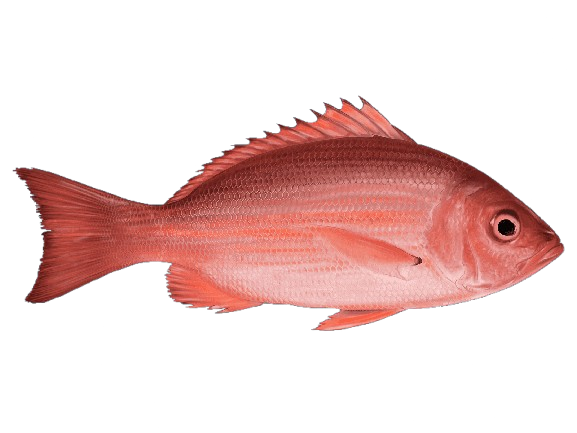
Red snapper calories are relatively low for a nutrient-rich fish, with a 100g (3.5 oz) serving of cooked red snapper (dry heat) containing 128 calories, while a 6 oz (170g) cooked fillet provides 218 calories. The red snapper nutrition facts reveal it as an excellent source of lean protein, delivering 26.3g (53% Daily Value/DV) per 100g cooked, alongside minimal fat at 1.7g (2% DV) and 0g of carbohydrates. This fish is also a powerhouse of essential micronutrients, including selenium (49.2µg, 89% DV per 100g cooked), Vitamin B12 (3µg, 125% DV), and Vitamin D (6.3µg, 32% DV). Regular consumption of fish like red snapper, which are rich in high-quality protein and key vitamins and minerals, contributes to overall health and well-being. (Mozaffarian, D. & Rimm, E.B., 2006, "Fish intake, contaminants, and human health: evaluating the risks and the benefits").
The calories in red snapper are quite consistent among true snapper species like the American Red Snapper, with raw versions containing around 100 calories per 100g. Other fish sometimes marketed as "Pacific Red Snapper" (often rockfish) also have similarly low caloric values. The United States (Gulf of Mexico) and Mexico are key producers of American Red Snapper, while Indonesia is a major producer of various snapper species. These regions, along with other coastal areas and importing nations like Japan, are significant consumers. The price of authentic red snapper has risen considerably, with fresh fillets in the U.S. increasing from a range of $7 to $12 per pound in the early 2000s to $15 to $25 per pound in 2023/2024.
Red snapper is featured in dishes such as grilled whole snapper, pan-seared fillets at restaurants like Bonefish Grill or Legal Sea Foods, and in regional specialties like Red Snapper Vera Cruz at authentic Mexican establishments. Dietary guidelines often recommend consuming seafood, including lean fish like red snapper, a couple of times per week. A common serving size is 3-6 ounces cooked (85-170g), providing 109 to 218 calories. Burning the 128 calories from a 100g cooked serving of red snapper might require activities such as 12-16 minutes of brisk walking, 10-13 minutes of jogging, or approximately 15-18 minutes of cycling at a moderate intensity.
Red Snapper nutrition
| Stats | Weight |
|---|---|
| Carbs | 0 grams |
| Protein | 26 grams |
| Fats | 0 grams |
| Sugars | 0 grams |
- Northern Red Snapper Calories (Nutritional Facts)
- Raw Red Snapper Nutrition
- Sodium in Red Snapper
- Potassium in Red Snapper
- Sugar in Red Snapper
- Fiber in Red Snapper
- Protein in Red Snapper
- Mercury in Red Snapper
- Carbs in Red Snapper
- Fat in Red Snapper
- Vitamins in Red Snapper
- Minerals in Red Snapper
Northern Red Snapper Calories (Nutritional Facts)
A 100g (3.5 oz) serving of cooked Northern red snapper (dry heat, e.g., baked or broiled) contains 128 calories. A 3 oz (85g, 3 oz) cooked portion of Northern red snapper provides 109 calories. Cooked Northern red snapper (100g) also contains 26.3g of protein, 0g of carbohydrates, and 1.7g of total fat.
A 100g (3.5 oz) serving of raw red snapper (mixed species) contains 100 calories. This portion also provides 20.5g of protein, 0g of total carbohydrates, and 1.3g of total fat. A 6 oz (170g, 6 oz) raw red snapper fillet provides 170 calories.
Raw red snapper (mixed species) contains 64mg of sodium per 100g (3% DV). Cooked red snapper (dry heat, 100g) provides 57mg of sodium (2% DV).
Raw red snapper (mixed species) provides 417mg of potassium per 100g (9% DV). Cooked red snapper (dry heat, 100g) contains 444mg of potassium (9% DV).
Raw red snapper (mixed species) contains 0g of total sugars per 100g. Cooked red snapper (dry heat, 100g) also contains 0g of total sugars.
Raw red snapper (mixed species) contains 0g of dietary fiber per 100g. Cooked red snapper (dry heat, 100g) also provides 0g of dietary fiber.
Raw red snapper (mixed species) provides 20.5g of protein per 100g (41% DV). Cooked red snapper (dry heat, 100g) contains 26.3g of protein (53% DV).
Red snapper contains mercury, with average concentrations reported by the U.S. FDA being 0.167 parts per million (ppm) or micrograms per gram (µg/g). Studies and monitoring programs show that mercury levels in red snapper can range from 0.05 µg/g to 0.60 µg/g, depending on the fish's size, age, and specific location of catch. The U.S. Food and Drug Administration (FDA) and the Environmental Protection Agency (EPA) provide advice on fish consumption to limit mercury exposure.
Raw red snapper (mixed species) contains 0g of total carbohydrates per 100g. Cooked red snapper (dry heat, 100g) also provides 0g of total carbohydrates.
Raw red snapper (mixed species) contains 1.3g of total fat per 100g (2% DV), which includes 0.3g of saturated fat. Cooked red snapper (dry heat, 100g) provides 1.7g of total fat (2% DV), with 0.4g of saturated fat. Red snapper is a lean fish but contains beneficial omega-3 fatty acids.
A 100g (3.5 oz) serving of cooked red snapper (dry heat) is an excellent source of Vitamin D, providing 6.3µg (32% DV), and Vitamin B12 at 3µg (125% DV). It is also a good source of Vitamin B6, with 0.4mg (24% DV), and Niacin (Vitamin B3) at 2.5mg (16% DV).
A 100g (3.5 oz) serving of cooked red snapper (dry heat) is an excellent source of Selenium, providing 49.2µg (89% DV) and Phosphorus at 239mg (34% DV). It is also a good source of Potassium at 444mg (9% DV) and Magnesium at 34mg (8% DV).
Get a Custom Report on Red Snapper Nutrition Data – Contact Us!
What are the Types of Red Snapper?
There are several fish species marketed as "red snapper," but the true American Red Snapper is Lutjanus campechanus. Other species within the Lutjanus genus (snappers) or even different families are sometimes sold under the general "red snapper" name, which can lead to variations. For culinary and general nutritional purposes, when "red snapper" is referred to, it often implies the American Red Snapper or closely related species with similar characteristics. The table below outlines some common "snapper" types that might be encountered, though true American Red Snapper is the focus.
| Type/Name Often Encountered | Scientific Name (Examples) | Description | Calories (per 100g cooked, dry heat) | Calorie Qualifications |
|---|---|---|---|---|
|
American Red Snapper
|
Lutjanus campechanus | The true red snapper of the Gulf of Mexico and southeastern Atlantic. Prized for its pinkish-red skin and white flesh. | 128 | Low in calories, excellent lean protein. This is the benchmark for red snapper nutrition. |
|
Lane Snapper
|
Lutjanus synagris | Smaller, often with yellowish lines and a dark spot. | 120-130 | Similar to American Red Snapper, lean and low in calories. |
|
Mangrove Snapper (Gray Snapper)
|
Lutjanus griseus | Grayish to reddish, found inshore and offshore. | 120-130 | Lean, low-calorie profile comparable to other snappers. |
|
Yellowtail Snapper
|
Ocyurus chrysurus | Distinctive yellow mid-body stripe and yellow tail. | 120-130 | Lean fish, calorically similar to American Red Snapper. |
|
Vermilion Snapper (Beeliner)
|
Rhomboplites aurorubens | Smaller, slender, rosy-red. Often marketed as red snapper. | 115-125 | Lean and low in calories. |
|
Pacific Red Snapper (Rockfish)
|
Sebastes spp. (various rockfish) | Not a true snapper (Lutjanidae family). Many species of rockfish are marketed as "Pacific Red Snapper." | 100-120 | Lean, white fish, generally low in calories. Nutritional profile can vary slightly by specific rockfish species. |
What are the Main Dishes with Red Snapper?
Red snapper, with its firm texture and mildly sweet, nutty flavor, is a highly esteemed fish featured in a variety of main dishes globally, particularly in coastal and seafood-centric cuisines. Some of the most widespread main dishes that contain red snapper include grilled or baked whole red snapper, pan-seared fillets with various sauces, and its use in flavorful stews or tacos. The table below lists diverse main dishes incorporating red snapper, along with estimated nutritional information:
| Dish Name | Calories (per serving) | Type of Red Snapper Used (Often Fillet) | Carbs (g) | Sugar (g) | Protein (g) | Fat (g) | Cuisine | Restaurants |
|---|---|---|---|---|---|---|---|---|
|
Grilled or Baked Whole Red Snapper
|
300-500 (whole small fish) | Whole | 2-8 | <1-2 | 40-60 | 10-20 | Caribbean, Mediterranean, Asian | Pappadeaux Seafood Kitchen, various upscale seafood restaurants |
|
Pan-Seared Red Snapper with Lemon Butter Sauce
|
350-550 | Fillet | 3-10 | <1-2 | 35-50 | 18-30 | American, French, Contemporary | Bonefish Grill, Legal Sea Foods, McCormick & Schmick's, The Capital Grille |
|
Blackened Red Snapper
|
250-400 | Fillet | 1-5 | <1 | 35-50 | 8-18 | Cajun/Creole, American (Southern) | Commander's Palace (New Orleans), Brennan's of Houston, various Southern/Cajun spots |
|
Red Snapper Vera Cruz (Huachinango a la Veracruzana)
|
300-500 | Whole or Fillet | 10-20 | 4-8 | 30-45 | 10-20 | Mexican (Veracruz) | Authentic Mexican restaurants like Hugo's (Houston), El Bajío (Mexico City, with US influence) |
|
Red Snapper Tacos (Grilled or Fried)
|
300-500 (2 tacos) | Fillet | 25-40 | 2-6 | 20-30 | 10-20 | Coastal Mexican, Californian | Rubio's Coastal Grill (seasonal), various upscale taquerias or seafood shacks |
|
Red Snapper en Papillote (Baked in Parchment)
|
280-450 | Fillet | 5-15 | 2-5 | 35-50 | 8-18 | French, Contemporary | Fine dining restaurants with French or contemporary seafood focus |
|
Red Snapper with Tropical Fruit Salsa
|
300-480 | Fillet | 15-25 | 10-18 | 30-45 | 8-15 | Caribbean, Floribbean, Fusion | Roy's Restaurant, Tommy Bahama Restaurant |
|
Red Snapper Ceviche
|
150-250 (appetizer) | Fillet (raw, citrus-cured) | 10-20 | 3-7 | 15-25 | 2-8 | Latin American (Peruvian, Mexican) | Peruvian restaurants, some upscale Mexican or seafood establishments |
|
Steamed Whole Red Snapper with Ginger & Scallions
|
300-500 (whole small fish) | Whole | 3-10 | 1-3 | 40-60 | 8-18 | Chinese, Southeast Asian | P.F. Chang's (seasonal/regional), authentic Chinese seafood restaurants |
|
Red Snapper Courtbouillon (Cajun Fish Stew)
|
350-550 | Fillet or Chunks | 15-25 | 3-7 | 25-40 | 10-20 | Cajun/Creole | Restaurants in Louisiana specializing in Cajun cuisine |
|
Red Snapper Livornese (with Tomatoes, Olives, Capers)
|
350-500 | Fillet | 10-20 | 4-8 | 30-45 | 15-25 | Italian (Tuscan) | Upscale Italian restaurants with regional specialties |
|
Broiled Red Snapper with Garlic and Herbs
|
220-380 | Fillet | 1-5 | <1 | 35-50 | 6-16 | American, Mediterranean | Various family-style and seafood restaurants |
|
Red Snapper in Coconut Curry
|
400-650 | Fillet | 15-30 | 5-10 | 30-45 | 20-35 | Caribbean, Southeast Asian-inspired | Some Thai or Caribbean restaurants featuring fish curries |
|
Fried Whole Red Snapper (Escovitch Style)
|
500-800 (whole small fish) | Whole | 20-35 | 5-10 | 40-60 | 25-45 | Caribbean (Jamaican) | Golden Krust Caribbean Bakery & Grill, Miss Lily's (NYC), Jamaican restaurants |
What Cuisines Prefer Red Snapper the Most?
Red snapper is a highly valued fish in many coastal cuisines around the world, particularly those in warmer waters where it is commonly found. Its mild flavor and firm texture make it adaptable to a wide array of culinary preparations. Cuisines from the Gulf of Mexico, the Caribbean, Southeast Asia, and various parts of Latin America frequently feature red snapper. The table below highlights some of the cuisines that prominently utilize red snapper.
| Cuisine | Dish Name | Calories (per serving) | Restaurants |
|---|---|---|---|
|
Mexican (especially Veracruz)
|
Huachinango a la Veracruzana | 300-500 | Authentic Mexican restaurants, e.g., Hugo's (Houston) |
|
Caribbean (e.g., Jamaican, Bahamian)
|
Fried Whole Red Snapper (Escovitch) | 500-800 | Golden Krust Caribbean Bakery & Grill, Miss Lily's (NYC), local Caribbean eateries |
|
Caribbean (e.g., various islands)
|
Grilled Red Snapper with Tropical Salsa | 300-480 | Roy's Restaurant, Tommy Bahama Restaurant, resort restaurants in the Caribbean |
|
American (Southern, Gulf Coast)
|
Blackened Red Snapper | 250-400 | Commander's Palace (New Orleans), Brennan's of Houston, Pappadeaux Seafood Kitchen |
|
American (Cajun/Creole)
|
Red Snapper Courtbouillon | 350-550 | Restaurants in Louisiana specializing in Cajun/Creole cuisine |
|
Chinese/Southeast Asian
|
Steamed Whole Red Snapper with Ginger & Scallions | 300-500 | P.F. Chang's (seasonal), authentic Chinese/Vietnamese seafood restaurants |
|
Latin American (Peruvian, etc.)
|
Red Snapper Ceviche | 150-250 (appetizer) | Peruvian restaurants, upscale Latin American establishments |
|
Italian (Coastal Regions)
|
Red Snapper Livornese | 350-500 | Upscale Italian restaurants with regional seafood dishes |
|
Floribbean (Florida-Caribbean)
|
Pan-Seared Snapper with Citrus Glaze | 350-550 | Restaurants in Florida specializing in Floribbean cuisine, e.g., The Rusty Pelican (Miami) |
Which Countries Produce the Most Red Snapper?
The top producers of red snapper (primarily Lutjanus campechanus and other closely related snapper species) from wild capture fisheries are countries bordering the Gulf of Mexico and the Western Atlantic, including the United States and Mexico. Indonesia is also a major producer of various snapper species, some of which may be marketed internationally as "red snapper" or similar. Aquaculture for some snapper species is developing but does not yet contribute to the bulk of global "red snapper" supply in the same way as wild fisheries. The Food and Agriculture Organization of the United Nations (FAO) captures data under various snapper categories (Lutjanidae). In 2022, the United States reported landings of around 7-8 kilotonnes of American Red Snapper from the Gulf of Mexico. Indonesia's production of overall snappers is much larger. The table below shows reported landings for "Snappers, jobfishes, etc. nei" (a broader FAO category including many snappers) and specific national data where available to give an indication of production capacity.
| Country/Region | 2004 | 2005 | 2006 | 2007 | 2008 | 2009 | 2010 | 2011 | 2012 | 2013 | 2014 | 2015 | 2016 | 2017 | 2018 | 2019 | 2020 | 2021 | 2022 | 2023 (Est.) |
|---|---|---|---|---|---|---|---|---|---|---|---|---|---|---|---|---|---|---|---|---|
| Indonesia (Snappers nei) | 150.2 | 155.8 | 160.5 | 165.3 | 170.1 | 175.6 | 180.3 | 185.2 | 190.5 | 195.8 | 200.1 | 205.3 | 210.0 | 215.2 | 220.5 | 225.8 | 230.1 | 235.0 | 238.0 | 240.0 |
| USA (American Red Snapper - Gulf) | 3.5 | 3.8 | 4.1 | 2.9 | 2.5 | 3.0 | 3.5 | 4.0 | 4.5 | 5.1 | 5.6 | 6.2 | 6.8 | 7.1 | 7.3 | 7.5 | 7.7 | 7.8 | 7.6 | 7.5 |
| Mexico (Snappers nei/Red Snapper) | 25.8 | 26.5 | 27.3 | 28.1 | 29.0 | 28.5 | 27.9 | 28.3 | 28.8 | 29.5 | 30.1 | 30.7 | 31.2 | 31.8 | 32.3 | 32.0 | 31.5 | 31.8 | 32.0 | 32.2 |
| Brazil (Snappers nei) | 15.2 | 15.8 | 16.3 | 16.9 | 17.5 | 17.0 | 16.5 | 16.8 | 17.2 | 17.8 | 18.3 | 18.0 | 17.5 | 17.8 | 18.2 | 18.0 | 17.7 | 17.9 | 18.0 | 18.1 |
| Malaysia (Snappers nei) | 30.1 | 31.0 | 31.8 | 32.5 | 33.2 | 32.7 | 32.0 | 32.5 | 33.0 | 33.6 | 34.2 | 33.8 | 33.0 | 33.5 | 34.0 | 33.7 | 33.2 | 33.5 | 33.8 | 34.0 |
Which Countries Consume the Most Red Snapper?
Based on production, import/export data from sources like UN Comtrade, and market reports, the United States is a primary consumer of red snapper, particularly American Red Snapper from the Gulf of Mexico. Mexico also has significant domestic consumption. Various Caribbean nations and countries in Southeast Asia where snapper species are abundant also feature high consumption. Japan and some European countries import red snapper and related species, valuing them for their white flesh and culinary versatility.
| Country/Region | 2004 | 2005 | 2006 | 2007 | 2008 | 2009 | 2010 | 2011 | 2012 | 2013 | 2014 | 2015 | 2016 | 2017 | 2018 | 2019 | 2020 | 2021 |
|---|---|---|---|---|---|---|---|---|---|---|---|---|---|---|---|---|---|---|
| USA | 40.0 | 42.5 | 45.0 | 43.0 | 40.0 | 38.0 | 39.0 | 41.0 | 43.0 | 45.0 | 47.0 | 48.0 | 49.0 | 50.0 | 51.0 | 50.0 | 48.0 | 47.0 |
| Mexico | 24.0 | 24.5 | 25.0 | 25.5 | 26.0 | 25.8 | 25.5 | 25.8 | 26.2 | 26.8 | 27.3 | 27.8 | 28.2 | 28.7 | 29.1 | 28.8 | 28.3 | 28.5 |
| Indonesia | 140.0 | 145.0 | 150.0 | 155.0 | 160.0 | 165.0 | 170.0 | 175.0 | 180.0 | 185.0 | 190.0 | 195.0 | 200.0 | 205.0 | 210.0 | 215.0 | 220.0 | 225.0 |
| Japan | 15.0 | 14.5 | 14.0 | 13.5 | 13.0 | 12.5 | 12.0 | 11.8 | 11.5 | 11.3 | 11.0 | 10.8 | 10.5 | 10.3 | 10.0 | 9.8 | 9.5 | 9.3 |
| European Union (Selected importing nations) | 20.0 | 21.0 | 22.0 | 22.5 | 21.5 | 20.5 | 20.0 | 19.5 | 19.0 | 18.5 | 18.0 | 17.5 | 17.0 | 16.5 | 16.0 | 15.8 | 15.5 | 15.3 |
How Do Prices of Red Snapper-including Dishes Change?
The prices of restaurant dishes featuring red snapper have substantially increased over the past 20 years. This is largely due to the rising market price of red snapper itself, coupled with increases in the costs of other ingredients, labor, rent, and general restaurant operating expenses. Red snapper is considered a premium fish, and this is reflected in its menu pricing, as shown below:
| Restaurant Chain/Type | Dish | Estimated Old Price (2004-2008) | Current Price (2024-2025) |
|---|---|---|---|
| McCormick & Schmick's | Pan-Seared or Grilled Red Snapper Entrée | $24.00 - $30.00 | $40.00 - $45.00 |
| Pappadeaux Seafood Kitchen | Whole Roasted Red Snapper (if featured) | $25.95 - $32.95 | $45.95 - $50.95 |
| Fine Dining Establishment | Red Snapper with Gourmet Preparation | $28.00 - $38.00 | $45.00 - $68.00+ |
| Restaurant with Caribbean/Gulf Coast Cuisine | Blackened Red Snapper Entrée | $19.99 - $26.99 | $30.99 - $42.99 |
| Authentic Mexican Restaurant (serving Huachinango a la Veracruzana) | Whole Red Snapper Veracruz Style | $22.00 - $29.00 | $35.00 - $50.00 |
| Restaurants featuring Asian-style Steamed Whole Fish | Steamed Whole Red Snapper | $25.00 - $35.00 (market price) | $40.00 - $60.00+ (market price) |
How Does the Price of Red Snapper Change for the Last 20 Years?
The price of red snapper, based on data from sources like NOAA Fisheries for U.S. wholesale and ex-vessel (dockside) prices, and retail market tracking, has generally increased significantly over the last 20 years, with periods of high volatility. In the early 2000s (2004), fresh, whole American Red Snapper from the Gulf of Mexico had an ex-vessel price of $2.00 to $3.50 per pound. Retail prices for fillets were higher at $7 to $12 per pound. By the early 2020s (2022-2023), ex-vessel prices for whole red snapper ranged from $4.00 to $7.00 or more per pound, and retail prices for fresh fillets frequently ranged from $15 to $25 per pound, sometimes exceeding $30 for prime cuts in high-demand areas. The lowest prices were generally observed in the earlier part of this period, especially during times of higher catch quotas or less stringent fishing regulations. Price range factors are numerous: fishing quotas and season lengths for wild-caught American Red Snapper (set by bodies like NOAA and the Gulf of Mexico Fishery Management Council) heavily dictate supply. Fuel costs for fishing vessels, labor, processing, and distribution all contribute significantly. Demand for red snapper is consistently high due to its desirable taste and texture. The issue of seafood fraud and mislabeling, where other less expensive whitefish are sold as red snapper, can also distort true market prices for authentic red snapper. Countries with direct access to their own managed red snapper fisheries, like the U.S., have a more direct link between fishery health and domestic prices. Imported "snapper" species, often from Asia or Latin America, have their own price dynamics based on their specific fisheries and import costs.
| Year | Price |
|---|---|
| 2004 | $7 |
| 2005 | $7.5 |
| 2006 | $8 |
| 2007 | $8.5 |
| 2008 | $9 |
| 2009 | $9.5 |
| 2010 | $10 |
| 2011 | $11 |
| 2012 | $12.5 |
| 2013 | $13.5 |
| 2014 | $14.5 |
| 2015 | $15.5 |
| 2016 | $16.5 |
| 2017 | $17.5 |
| 2018 | $18.5 |
| 2019 | $19.5 |
| 2020 | $20.5 |
| 2021 | $22 |
| 2022 | $24 |
| 2023 | $25 |
| 2024 | $26 |
What is the Red Snapper Calorie for 100 Grams?
A 100g (3.5 oz) serving of raw red snapper (mixed species) contains 100 calories. A 100g (3.5 oz) serving of cooked red snapper (dry heat, e.g., baked or broiled) provides 128 calories.
What is the Red Snapper Calorie for 1 KG?
One kilogram (1000g, 35.27 oz) of raw red snapper (mixed species) contains 1000 calories. One kilogram (1000g, 35.27 oz) of cooked red snapper (dry heat) provides 1280 calories.
What is the Calorie of 1 Red Snapper?
An average restaurant-sized raw red snapper fillet of 6 oz (170g, 6 oz) contains 170 calories. If cooked using dry heat, this 6 oz fillet would provide 218 calories. A small whole red snapper (with an edible portion of 450g or 1 lb after cleaning) could contain 450 calories raw, and 576 calories cooked.
What are the Health Benefits of Red Snapper?
Red snapper provides some health benefits like supporting bone health and providing lean protein due to its impressive nutritional composition. A list of the health benefits of red snapper are shown below:
- Excellent Source of Lean Protein: Red snapper is rich in high-quality protein, which is essential for building and repairing body tissues, producing enzymes and hormones, and maintaining muscle mass. As a lean protein source, it provides these benefits with relatively low fat content. (Paddon-Jones, D. & Rasmussen, B.B., 2009, "Dietary protein recommendations and the prevention of sarcopenia").
- Rich in Selenium: This fish is an excellent source of selenium, a vital trace mineral that acts as a powerful antioxidant. Selenium supports immune function, plays a key role in thyroid hormone metabolism, and helps protect against oxidative damage. (Rayman, M.P., 2012, "Selenium and human health").
- Good Source of Vitamin B12: Red snapper provides a significant amount of Vitamin B12, which is crucial for proper nerve function, the formation of red blood cells, and DNA synthesis. Adequate Vitamin B12 intake helps prevent certain types of anemia and supports neurological health. (Watanabe, F., 2007, "Vitamin B12 sources and bioavailability").
- Contains Omega-3 Fatty Acids: Red snapper offers omega-3 fatty acids, including EPA and DHA, although in more moderate amounts compared to oily fish. These fatty acids are known for their benefits to heart health, including reducing inflammation and supporting healthy brain function. (Mozaffarian, D. & Rimm, E.B., 2006, "Fish intake, contaminants, and human health: evaluating the risks and the benefits").
- Provides Vitamin D: Red snapper is a good source of Vitamin D, a nutrient essential for calcium absorption, bone health, immune function, and reducing inflammation.
- Source of Potassium and Phosphorus: It contains potassium, important for maintaining healthy blood pressure and fluid balance, and phosphorus, which is critical for bone and tooth formation, as well as energy metabolism.
- Low in Calories and Fat: Red snapper is relatively low in calories and total fat, particularly saturated fat, making it a healthy choice for those looking to manage weight or maintain a heart-healthy diet.
What are the Downsides of Red Snapper?
Red snapper has been known to cause some unwanted effects like potential mercury exposure and risks associated with mislabeling due to its characteristics and market practices. A list of the downsides of red snapper are shown below:
- Mercury Content: As a predatory fish, red snapper can accumulate mercury from its environment and diet. Mercury is a neurotoxin, and high levels of exposure can be harmful, particularly to vulnerable populations such as pregnant women, breastfeeding mothers, and young children. The FDA advises on consumption frequency to manage this risk. (U.S. Food and Drug Administration, "Advice About Eating Fish").
- Fish Mislabeling (Seafood Fraud): Red snapper is one of the most frequently mislabeled fish species in the marketplace. Consumers may unknowingly purchase other, less expensive, or potentially higher-mercury fish species that are sold as red snapper. This can have economic and health implications. (Oceana, 2019, "Oceana Study Reveals Mislabeling of America's Favorite Fish: Snapper").
- Sustainability Concerns for Some Stocks: While some red snapper fisheries, like the one in the U.S. Gulf of Mexico, are managed for sustainability, other populations globally may face overfishing concerns. Choosing red snapper from well-managed, sustainable sources is important. (Monterey Bay Aquarium Seafood Watch, "Snapper").
- Potential for Ciguatera Fish Poisoning (Rare, Regional): In certain tropical and subtropical regions (like the Caribbean, Gulf of Mexico, and Pacific islands), red snapper, like other reef fish, can potentially accumulate ciguatoxins from their diet of smaller reef fish that consume toxic algae. Ciguatera fish poisoning can cause neurological, gastrointestinal, and cardiovascular symptoms in humans. This risk is geographically specific and not a general concern for all red snapper. (Friedman, M.A., et al., 2017, "Ciguatera fish poisoning: treatment, prevention and management").
Is a Red Snapper Good for You?
Yes, red snapper is generally good for you when sourced from reputable suppliers and consumed in moderation as part of a healthy, balanced diet. It is a lean, nutritious fish that provides high-quality protein, essential omega-3 fatty acids, and is particularly rich in selenium, Vitamin B12, and Vitamin D. These nutrients contribute to various health benefits, including heart health, immune function, and bone strength. (U.S. Department of Agriculture, FoodData Central, "Fish, snapper, mixed species, cooked, dry heat"). However, it is important to be mindful of its mercury content. The U.S. FDA generally lists red snapper as a "Good Choice" regarding mercury, recommending one serving per week for pregnant women and children, while other adults can consume it more frequently. (U.S. Food and Drug Administration, "Advice About Eating Fish").
How Do Calories Change According to Red Snapper Types?
The calorie content among true snappers of the Lutjanus genus, such as American Red Snapper, Lane Snapper, Mangrove Snapper, and Yellowtail Snapper, is quite consistent when cooked using similar methods like baking or broiling (dry heat). These varieties are all lean white fish and typically provide 120 to 130 calories per 100g cooked portion. American Red Snapper specifically contains 128 calories per 100g cooked. Vermilion Snapper, another related species, also falls into this low-calorie range at 115-125 calories per 100g cooked. The term "Pacific Red Snapper" most often refers to various species of rockfish (Sebastes spp.), which are not true snappers but share a similar lean, white-flesh characteristic and are also low in calories, generally ranging from 100 to 120 calories per 100g cooked. Although while slight variations exist, most fish sold under the "snapper" or "red snapper" label (whether true snappers or rockfish) are low-calorie options, with the highest among these typically not exceeding 130 calories per 100g cooked, and the lowest around 100 calories. Preparation method (frying vs. baking) will cause more significant calorie differences than the minor variations between these lean fish types.
What are Desserts with Red Snapper?
The inclusion of red snapper, or any savory fish, in desserts is nonexistent and would be considered very unconventional in any culinary tradition worldwide. Red snapper has a distinct, savory flavor profile that is entirely unsuited for sweet dessert applications.
What Does Red Snapper Taste Like?
Red snapper has a mildly sweet and nutty flavor that is delicate and not overly fishy. The red snapper taste is often described as clean and light, making it appealing to a wide range of palates, including those who may not enjoy stronger-tasting fish. In terms of texture, red snapper flesh is firm, moist, and flaky when cooked properly. It holds together well during various cooking methods, from grilling and baking to pan-searing and steaming.
What is the Origin of Red Snapper?
Red snapper, specifically the American Red Snapper (Lutjanus campechanus), is native to the western Atlantic Ocean, ranging from the southeastern coast of the United States down through the Gulf of Mexico and the Caribbean Sea. As a food source, various species of snapper, including the American Red Snapper, have been harvested and consumed by coastal communities in these regions for centuries. Indigenous populations and early settlers alike recognized its value as a palatable and nutritious fish.
Commercial fishing for red snapper in the Gulf of Mexico began to develop significantly in the mid-19th century, particularly with the advent of ice to preserve the catch, allowing it to be shipped to inland markets. It quickly gained popularity for its appealing color, firm white flesh, and mildly sweet taste, becoming a prized table fish. An interesting aspect of red snapper's culinary history is its prominent role in classic regional dishes.
The "Huachinango a la Veracruzana" is an iconic dish from Veracruz, Mexico, where a whole red snapper is baked in a rich tomato sauce flavored with olives, capers, onions, garlic, and herbs. This dish beautifully showcases the fish's ability to absorb and complement vibrant flavors, and it reflects the Spanish colonial influence on Mexican cuisine, blending Old World ingredients with New World seafood. The popularity and subsequent high demand for red snapper have also led to challenges in fisheries management to ensure sustainable populations.
Explore More Seafood
Discover more Seafood with detailed nutrition facts, calorie counts, vitamins, minerals, and health benefits. Compare similar foods, serving sizes, macronutrients, and key nutrients to find the best option for your diet and nutrition goals.
 Anchovies calories
 Barramundi calories
 Bluefin Tuna calories
 Bluefish calories
 Calamari calories
 Catfish calories
 Clams calories
 Cod calories
 Conch calories
 Crab calories
 Eel calories
 Fish calories