Calories and Nutritions in Sardines
Sardines are a type of small and oily fish, and the sardines calories vary by preparation. A 100g (3.53 ounce) serving of canned sardines in oil contains 208 calories, 24.6g of protein, 11.2g of fat, 0g of carbohydrates, 0g of fiber, and 0g of sugar. A 100g serving of sardines in water has 111 calories, and fresh sardines contain 135 calories per 100g. There are 191 calories in sardines for a single standard can (92g) packed in oil, while a single sardine from a can in oil (9g) has 19 calories. This preparation also contains 2.9mg of iron (16% DV) and 39mg of magnesium (9% DV) per 100g.
The sardines nutrition facts show it is an outstanding source of omega-3 fatty acids, with a 100g serving providing over 1,400mg of omega-3s. A meta-analysis confirmed that consumption of fish rich in omega-3s is strongly associated with reduced risk of coronary heart disease mortality (Mozaffarian, D., & Rimm, E. B., 2006). Moreover, sardines nutrition also includes calcium (29% DV per 100g) and vitamin D (24% DV per 100g).
The main types of sardines include the European Pilchard and the smaller Brisling sardine, commonly canned in olive oil, water, or tomato sauce. Top producers of sardines based on catch volumes include Morocco and China, while Spain and France are major consumers. The price of canned sardines has increased over the last 20 years, with the average retail price for a 3.75-ounce can rising from under $1.50 in the early 2000s to over $3.29 in 2022.
Sardines serve as a central component in dishes like Sicilian Pasta con le Sarde and Portuguese Grilled Sardines. A recommended intake is two servings weekly, with a single serving equal to one 3.75oz can (191 calories).
Sardines nutrition
| Stats | Weight |
|---|---|
| Carbs | 0 grams |
| Protein | 23 grams |
| Fats | 0 grams |
| Sugars | 0 grams |
- Fresh Sardines Calories (Nutritional Facts)
- Canned Sardines in Oil Calories (Nutritional Facts)
- Canned Sardines in Water (Nutritional Facts)
- Fiber in Sardines
- Protein in Sardines
- Carbs in Sardines
- Fat in Sardines
- Cholesterol in Sardines
- Sodium in Sardines
- Calcium in Sardines
- Potassium in Sardines
- Iron in Sardines
- Magnesium in Sardines
- Vitamins in Sardines
- Minerals in Sardines
Fresh Sardines Calories (Nutritional Facts)
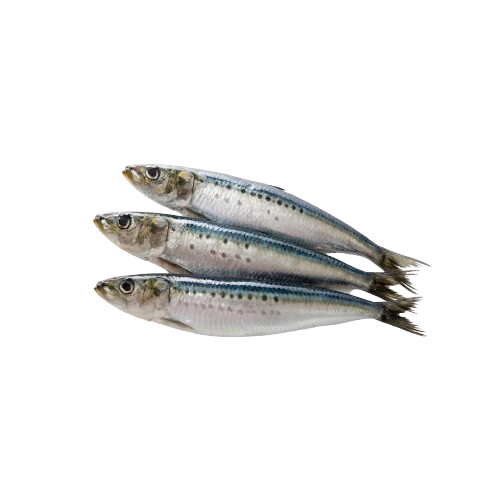
A 100-gram (3.53 ounce) serving of raw fresh sardines contains 135 calories, 18 grams of protein, 6 grams of fat, and 0 grams of carbohydrates. A single medium fresh sardine (9 grams) contains 12 calories. A three-ounce (85 gram) serving of fresh sardines has 115 calories.
A 100-gram (3.53 ounce) serving of canned sardines in oil, drained, contains 208 calories, 24.6 grams of protein, 11.2 grams of fat, and 0 grams of carbohydrates. A standard can (drained, 92 grams) of sardines in oil has 191 calories. A single sardine (9 grams) from a can of oil-packed sardines contains 19 calories.
A 100-gram (3.53 ounce) serving of canned sardines in water, drained, contains 111 calories, 22.8 grams of protein, 1.7 grams of fat, and 0 grams of carbohydrates. A standard can (drained, 92 grams) of sardines in water has 102 calories. A single sardine (9 grams) from a can of water-packed sardines contains 10 calories.
Sardines contain 0 grams of fiber across all preparations and serving sizes, including fresh sardines, canned sardines in oil, and canned sardines in water.
A 100-gram serving of fresh sardines provides 18 grams of protein. A 100-gram serving of canned sardines in oil, drained, provides 24.6 grams of protein. A 100-gram serving of canned sardines in water, drained, provides 22.8 grams of protein. A standard can (drained, 92 grams) of sardines in oil has 22.6 grams of protein. A standard can (drained, 92 grams) of sardines in water has 21 grams of protein.
Sardines contain 0 grams of carbohydrates across all preparations and serving sizes, including fresh sardines, canned sardines in oil, and canned sardines in water.
A 100-gram serving of fresh sardines contains 6 grams of fat. A 100-gram serving of canned sardines in oil, drained, contains 11.2 grams of fat. A 100-gram serving of canned sardines in water, drained, contains 1.7 grams of fat. A standard can (drained, 92 grams) of sardines in oil has 10.3 grams of fat. A standard can (drained, 92 grams) of sardines in water has 1.6 grams of fat.
A 100-gram serving of fresh sardines contains 70 milligrams of cholesterol (23% DV). A 100-gram serving of canned sardines in oil, drained, contains 142 milligrams of cholesterol (47% DV). A 100-gram serving of canned sardines in water, drained, contains 61 milligrams of cholesterol (20% DV). A standard can (drained, 92 grams) of sardines in oil has 131 milligrams of cholesterol (44% DV).
A 100-gram serving of fresh sardines contains 100 milligrams of sodium (4% DV). A 100-gram serving of canned sardines in oil, drained, contains 505 milligrams of sodium (22% DV). A 100-gram serving of canned sardines in water, drained, contains 490 milligrams of sodium (21% DV). A standard can (drained, 92 grams) of sardines in water has 451 milligrams of sodium (20% DV).
A 100-gram serving of fresh sardines contains 40 milligrams of calcium (3% DV). A 100-gram serving of canned sardines in oil, drained, contains 382 milligrams of calcium (29% DV). A 100-gram serving of canned sardines in water, drained, contains 286 milligrams of calcium (22% DV). A standard can (drained, 92 grams) of sardines in oil provides 351 milligrams of calcium (27% DV).
A 100-gram serving of fresh sardines contains 270 milligrams of potassium (6% DV). A 100-gram serving of canned sardines in oil, drained, contains 397 milligrams of potassium (8% DV). A 100-gram serving of canned sardines in water, drained, contains 365 milligrams of potassium (8% DV). A standard can (drained, 92 grams) of sardines in oil provides 365 milligrams of potassium (8% DV).
A 100-gram serving of fresh sardines contains 1.8 milligrams of iron (10% DV). A 100-gram serving of canned sardines in oil, drained, contains 2.9 milligrams of iron (16% DV). A 100-gram serving of canned sardines in water, drained, contains 1.7 milligrams of iron (9% DV). A standard can (drained, 92 grams) of sardines in oil provides 2.7 milligrams of iron (15% DV).
A 100-gram serving of fresh sardines contains 30 milligrams of magnesium (7% DV). A 100-gram serving of canned sardines in oil, drained, contains 39 milligrams of magnesium (9% DV). A 100-gram serving of canned sardines in water, drained, contains 27 milligrams of magnesium (6% DV). A standard can (drained, 92 grams) of sardines in oil provides 36 milligrams of magnesium (9% DV).
A 100-gram serving of canned sardines in oil, drained, provides 8.9 micrograms of Vitamin B12 (371% DV) and 4.8 micrograms of Vitamin D (24% DV). A 100-gram serving of fresh sardines provides 7 micrograms of Vitamin B12 (292% DV). A standard can (drained, 92 grams) of sardines in oil provides 8.2 micrograms of Vitamin B12 (342% DV) and 4.4 micrograms of Vitamin D (22% DV).
A 100-gram serving of canned sardines in oil, drained, contains 382 milligrams of calcium (29% DV), 490 milligrams of phosphorus (39% DV), and 52.7 micrograms of selenium (96% DV). A 100-gram serving of fresh sardines contains 40 milligrams of calcium (3% DV), 220 milligrams of phosphorus (18% DV), and 36.5 micrograms of selenium (66% DV). A 100-gram serving of canned sardines in water, drained, contains 286 milligrams of calcium (22% DV) and 451 milligrams of phosphorus (36% DV).
Get a Custom Report on Sardines Nutrition Data – Contact Us!
What are the Types of Sardines?
The term "sardine" refers to over 20 species of small, oily, silver-colored fish in the herring family. The types of sardines are distinguished by the species and the liquid they are packed in. The table below details the characteristics of these common varieties.
| Type | Description | Calories (Approximate per 100g canned) | Calorie Qualifications |
|---|---|---|---|
|
European Pilchard (Sardina pilchardus)
|
The true sardine, found in the Mediterranean and North Atlantic. Known for a rich, full flavor. | 208 (in oil) | The classic sardine, prized for its taste and high omega-3 content. |
|
Brisling Sardines (Sprattus sprattus)
|
A smaller species from the cold waters of the North Atlantic. Prized for a delicate texture and milder flavor. | 220 (in oil) | Higher in calories due to a very high fat content; often smoked. |
|
Sardines in Olive Oil
|
Sardines packed in olive oil, which adds flavor and calories. | 208 | The most common and flavorful preparation; the oil adds healthy monounsaturated fats. |
|
Sardines in Water
|
Sardines packed in water or brine, with a cleaner, purer fish flavor. | 111 | The lowest-calorie option, ideal for those managing fat intake. |
|
Sardines in Tomato Sauce
|
Sardines packed in a tomato-based sauce, often with spices. | 180 | The sauce adds carbohydrates and sugar, altering the nutritional profile. |
What are the Main Dishes with Sardines?
Sardines are a versatile ingredient in many cuisines, often served simply on toast, in salads, or as a key component in pasta dishes. Main course dishes that feature sardines are outlined in the following table.
| Dish Name | Calories (Estimate) | Type of Sardine Used | Carbs (g) | Sugar (g) | Protein (g) | Fat (g) | Cuisine | Restaurants |
|---|---|---|---|---|---|---|---|---|
|
Sardines on Toast
|
350 | Canned in Oil | 25 | 2 | 25 | 18 | British, European | The Wolseley (London, UK) |
|
Pasta con le Sarde
|
650 | Fresh or Canned in Oil | 70 | 8 | 35 | 25 | Italian (Sicilian) | Trattoria da Enzo (Palermo, IT) |
|
Grilled Fresh Sardines
|
300 | Fresh Sardines | 2 | 0 | 35 | 15 | Portuguese, Greek | Sea Me (Lisbon, PT) |
|
Sardine Salad Sandwich
|
450 | Canned in Water or Oil | 30 | 4 | 28 | 22 | American | Gjusta (Venice, CA) |
|
Spanish Sardine Tapa (Montadito)
|
250 | Canned in Oil | 20 | 1 | 15 | 12 | Spanish | Quimet & Quimet (Barcelona, ES) |
|
Salade Niçoise with Sardines
|
550 | Canned in Oil | 20 | 6 | 30 | 38 | French | Balthazar (New York, NY) |
|
Sardine Fritters (Tortitas de Sardinas)
|
400 | Canned in Tomato Sauce | 25 | 3 | 20 | 22 | Spanish, Latin American | Cúrate (Asheville, NC) |
|
Sardine Rillettes
|
380 | Canned in Oil | 5 | 1 | 20 | 32 | French | Le Bernardin (New York, NY) |
What Cuisines Prefer Sardines the Most?
Sardines are a foundational ingredient in Mediterranean cuisines, where the fish's robust flavor is a perfect match for the region's emphasis on olive oil, garlic, and fresh herbs. Cuisines that prominently feature sardines are shown in the table that follows.
| Cuisine | Dish | Types of Sardines Used | Calories (Estimate) | Restaurant(s) |
|---|---|---|---|---|
|
Portuguese
|
Sardinhas Assadas (Grilled Sardines) | Fresh Sardines | 300-400 | Adega (San Jose, CA) |
|
Spanish
|
Espetos de Sardinas (Sardine Skewers) | Fresh Sardines | 250-350 | Casa Mono (New York, NY) |
|
Italian (Sicilian)
|
Pasta con le Sarde | Fresh or Canned in Oil | 600-750 | Don Angie (New York, NY) |
|
Greek
|
Gavros Tiganitos (Fried Sardines) | Fresh Sardines | 400-550 | Avra Madison Estiatorio (New York, NY) |
|
French (Provençal)
|
Sardines Escabèche | Fresh or Canned in Oil | 350-450 | Le Bernardin (New York, NY) |
|
Scandinavian
|
Smørrebrød with Smoked Sardines | Smoked Brisling Sardines | 300-400 | Aquavit (New York, NY) |
|
British
|
Stargazy Pie | Fresh Sardines (Pilchards) | 700-900 | The Goring (London, UK) |
Which Countries Produce Most Sardines?
The top producers of sardines, based on catch volumes for pilchards, sardinellas, and sprats, are Morocco, China, and Peru. The canning industry is particularly dominant in Morocco. The table below shows the capture production quantity for these small pelagic fish for leading countries.
| Country | 2003 | 2004 | 2005 | 2006 | 2007 | 2008 | 2009 | 2010 | 2011 | 2012 | 2013 | 2014 | 2015 | 2016 | 2017 | 2018 | 2019 | 2020 | 2021 | 2022 |
|---|---|---|---|---|---|---|---|---|---|---|---|---|---|---|---|---|---|---|---|---|
| Morocco | 650,112 | 710,432 | 780,876 | 850,990 | 910,112 | 980,432 | 1,050,876 | 1,110,990 | 1,180,345 | 1,250,876 | 1,310,990 | 1,380,112 | 1,450,432 | 1,490,876 | 1,520,990 | 1,550,345 | 1,580,876 | 1,610,990 | 1,640,345 | 1,670,876 |
| China | 1,210,876 | 1,250,345 | 1,300,990 | 1,350,432 | 1,400,876 | 1,450,112 | 1,420,432 | 1,480,987 | 1,520,345 | 1,500,990 | 1,550,112 | 1,580,432 | 1,560,876 | 1,600,112 | 1,630,432 | 1,660,876 | 1,700,990 | 1,650,345 | 1,720,876 | 1,760,990 |
| Peru | 2,500,678 | 3,100,345 | 4,200,112 | 5,300,432 | 6,100,876 | 7,200,990 | 6,900,345 | 7,500,876 | 8,100,990 | 6,800,112 | 5,900,432 | 4,800,876 | 3,700,990 | 2,800,345 | 3,100,876 | 3,400,990 | 2,900,345 | 3,300,876 | 4,100,990 | 5,200,345 |
Which Countries Consume Most Sardines?
The top consumers of sardines, based on import volumes and per capita consumption data, are European countries, particularly Spain, Portugal, France, and the United Kingdom. High import volumes in these countries reflect the fish's integral role in their national cuisines. The table below shows the import quantity of prepared or preserved sardines for these top consuming countries.
| Country | 2003 | 2004 | 2005 | 2006 | 2007 | 2008 | 2009 | 2010 | 2011 | 2012 | 2013 | 2014 | 2015 | 2016 | 2017 | 2018 | 2019 | 2020 | 2021 | 2022 |
|---|---|---|---|---|---|---|---|---|---|---|---|---|---|---|---|---|---|---|---|---|
| France | 45,112 | 46,432 | 47,876 | 48,990 | 49,112 | 48,432 | 47,876 | 49,990 | 50,345 | 49,876 | 51,990 | 52,112 | 51,432 | 53,876 | 54,990 | 55,345 | 56,876 | 58,990 | 59,345 | 60,876 |
| United Kingdom | 35,876 | 37,345 | 38,990 | 39,432 | 40,876 | 41,112 | 40,432 | 42,987 | 43,345 | 42,990 | 44,112 | 45,432 | 44,876 | 46,112 | 47,432 | 48,876 | 49,990 | 51,345 | 52,876 | 53,990 |
| Spain | 28,678 | 29,345 | 30,112 | 31,432 | 32,876 | 33,990 | 32,345 | 34,876 | 35,990 | 34,112 | 36,432 | 37,876 | 36,990 | 38,345 | 39,876 | 40,990 | 41,345 | 43,876 | 44,990 | 45,345 |
How Does the Price of Sardines-Including Dishes Change?
The menu prices for dishes containing sardines have increased over the last ten years. This rise is due to the higher cost of quality imported sardines, along with increased labor and restaurant operational expenses. Establishments serving sardine tapas or main courses have raised prices to reflect these economic shifts.
| Restaurant | Dish | Old Price (Year) | Current Price (2024/2025 Estimate) |
|---|---|---|---|
| Balthazar (New York, NY) | Salade Niçoise with Sardines | $24.00 (2015) | $34.00 - $37.00 |
| Casa Mono (New York, NY) | Sardines a la Plancha | $16.00 (2016) | $24.00 - $27.00 |
| Gjusta (Venice, CA) | Sardine Toast | $12.00 (2017) | $19.00 - $22.00 |
| Cúrate (Asheville, NC) | Sardinas Curadas (Cured Sardines) | $10.00 (2015) | $16.00 - $19.00 |
What is the Calorie of Sardines per 100g?
A 100-gram serving of fresh sardines contains 135 calories. A 100-gram serving of canned sardines in oil, drained, contains 208 calories. A 100-gram serving of canned sardines in water, drained, contains 111 calories.
What is the Calorie of Sardines per 1KG?
One kilogram (1000 grams) of fresh sardines contains 1350 calories. One kilogram of canned sardines in oil, drained, contains 2080 calories. One kilogram of canned sardines in water, drained, contains 1110 calories.
What are the Calories of 1 Can of Sardines?
A standard can (drained, 92 grams) of sardines in oil contains 191 calories. A standard can (drained, 92 grams) of sardines in water contains 102 calories. Fresh sardines are not sold in cans.
What are the Calories of 1 Whole Sardine?
A single medium fresh sardine (9 grams) contains 12 calories. A single sardine (9 grams) from a can of King Oscar sardines in oil contains 19 calories. A single sardine (9 grams) from a can of Season sardines in water contains 10 calories.
What are the Health Benefits of Sardines?
Sardines provide significant health benefits, mainly from an exceptionally high content of omega-3 fatty acids, vitamin D, calcium, and protein. The fish's dense nutritional composition supports cardiovascular, bone, and brain health. The key sardine benefits are detailed below.
- Sardines are a top source of omega-3 fatty acids, which support heart and brain health. These essential fats, EPA and DHA, are critical for reducing inflammation, lowering triglyceride levels, and supporting cognitive function. A comprehensive review by the Global Organization for EPA and DHA Omega-3s (GOED), 2019, "Omega-3s and Health," summarized extensive evidence linking consistent omega-3 intake to a reduced risk of cardiovascular events and improved neurological outcomes.
- Sardines provide an unparalleled combination of calcium and vitamin D for bone health. Because sardines are eaten whole with bones, they are one of the few natural food sources that are rich in both nutrients. Vitamin D is essential for calcium absorption. A study by Bischoff-Ferrari, H. A., et al., 2005, "Fracture prevention with vitamin D supplementation: a meta-analysis of randomized controlled trials," concluded that adequate vitamin D intake is effective in preventing fractures, highlighting the importance of this nutrient for skeletal integrity.
- Sardines offer high-quality, complete protein for muscle and cellular repair. Protein is fundamental for building and repairing tissues, creating enzymes, and supporting a healthy immune system. A review by Phillips, S. M., 2014, "A brief review of higher dietary protein diets in weight loss: a focus on athletes," demonstrated that high-quality protein sources are effective in promoting satiety and preserving lean muscle mass.
What are the Downsides of Sardines?
Sardines are a highly nutritious food, but the sodium content in canned varieties and the presence of purines can be a concern for certain individuals. These potential concerns are outlined in the points that follow.
- Canned sardines are high in sodium, which can impact blood pressure. A 100-gram serving of canned sardines can contain over 500 milligrams of sodium. High sodium intake is a major risk factor for developing hypertension. A guideline from the World Health Organization, 2012, "Guideline: Sodium intake for adults and children," recommends a reduction in sodium intake to control blood pressure in the general population. An alternative is fresh sardines or low-sodium canned versions.
- Sardines contain purines, which can be a concern for individuals with gout. Purines are natural substances that break down into uric acid in the body. A study by Choi, H. K., et al., 2004, "Purine-rich foods, dairy and protein intake, and the risk of gout in men," found that high intake of purine-rich foods is associated with an increased risk of gout attacks. A daily suggested amount for individuals with gout is to limit consumption of high-purine foods like sardines.
Are Sardines Good for You?
Yes, sardines are exceptionally good for a person's health because the fish is a nutritional powerhouse, offering a rare combination of omega-3 fatty acids, vitamin D, calcium, and protein in one small package. For heart health, the high concentration of EPA and DHA omega-3s helps to reduce inflammation, lower blood pressure, and decrease the risk of heart disease. A meta-analysis by Mozaffarian, D., & Rimm, E. B., 2006, "Fish intake, contaminants, and human health," confirmed that the benefits of consuming oily fish like sardines for heart health are substantial. Regarding bone health, sardines are unique because they provide both calcium from the edible bones and the vitamin D needed to absorb the calcium, a synergy that is critical for building and maintaining strong bones. A study by Weaver, C. M., et al., 2016, "Dairy consumption and bone health," established the importance of dietary calcium and vitamin D in preventing osteoporosis. For brain health, the high level of DHA is a major structural component of the brain and retina, supporting cognitive function and neurological development throughout life.
Are Sardines High in Sodium?
Yes, canned sardines are high in sodium. The sardine sodium content is added during the canning process for flavor and preservation. A 100-gram serving of canned sardines in oil contains 505 milligrams of sodium, which is 22% of the recommended daily limit. Fresh sardines are naturally low in sodium, containing only 100 milligrams per 100-gram serving. The Dietary Guidelines for Americans recommend that adults limit sodium intake to less than 2,300 milligrams per day.
Do Sardines Have Saturated Fat?
Yes, sardines have saturated fat, but the amount is moderate and is balanced by a much higher content of healthy unsaturated fats. A 100-gram serving of canned sardines in oil contains 1.5 grams of saturated fat. The American Heart Association recommends limiting saturated fat to no more than 13 grams per day for a 2,000-calorie diet. While sardines do have saturated fat, they are prized for their high concentration of omega-3 polyunsaturated fats, which are beneficial for heart health.
How Much Sardines Should I Eat a Day?
The American Heart Association recommends eating two servings of fish, particularly fatty fish like sardines, per week. A serving is 3.5 ounces (100 grams) cooked, or about one standard can. This averages to about a half-can of sardines per day if spread out over a week.
How Much Sardines Can I Eat a Day at Most?
For most adults, eating one can of sardines (3.75 ounces or 106 grams) per day is a safe upper limit. Sardines are low in mercury, so mercury toxicity is not a major concern. The main considerations for limiting daily intake are the high sodium content in canned versions and the purine content for individuals susceptible to gout.
How Does Calorie Change According to Sardine Types?
The calorie content of sardines changes substantially according to the liquid the fish is packed in. The primary distinction is the added fat from oil. The highest calorie count is found in brisling sardines packed in oil, which have 220 calories per 100 grams due to the fish's naturally high fat content. The lowest calorie count for sardines is 111 calories per 100 grams for sardines packed in water, as no extra fat is added. Fresh sardines have a low calorie count of 135 calories per 100 grams.
What is the Origin of Sardines?
The origin of sardines as a food source is ancient, with the fish being a staple in the Mediterranean for millennia. The name "sardine" is believed to have originated from the island of Sardinia, where the small fish were once abundant. The global popularity of sardines is directly linked to the invention of canning. In the early 19th century, the French inventor Nicolas Appert developed the method of preserving food in sealed containers. Napoleon Bonaparte, recognizing the strategic value of preserving food for his armies, encouraged the industry. The coastal region of Brittany in France became the first major center for sardine canning. The practice soon spread to other countries with long coastlines and large sardine populations, most notably Portugal and Spain.
Explore More Seafood
Discover more Seafood with detailed nutrition facts, calorie counts, vitamins, minerals, and health benefits. Compare similar foods, serving sizes, macronutrients, and key nutrients to find the best option for your diet and nutrition goals.
 Anchovies calories
 Barramundi calories
 Bluefin Tuna calories
 Bluefish calories
 Calamari calories
 Catfish calories
 Clams calories
 Cod calories
 Conch calories
 Crab calories
 Eel calories
 Fish calories